Italy Wedding Venues Beyond the Setting
Certain destinations are chosen for convenience. Italy is chosen for how it feels the moment you arrive.
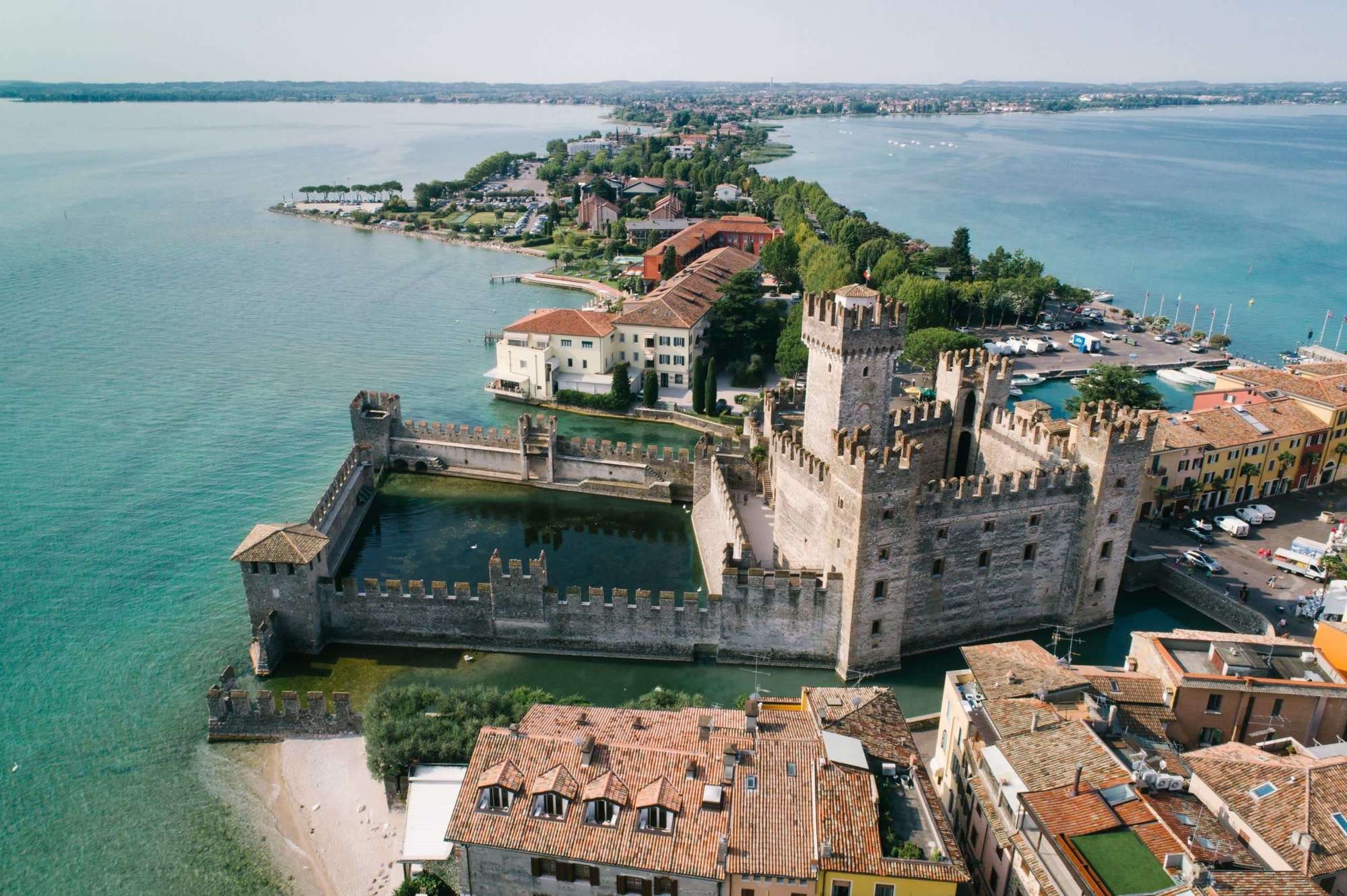
From the lakes of northern Italy to the vineyards of Tuscany and the dramatic coastline of the south, each region offers a distinct atmosphere shaped by architecture, landscape, and light. These qualities influence far more than the setting, affecting how the wedding feels, how guests experience it, and how photographs and films preserve those memories.
For couples planning an Italy destination wedding, the venue is often the first major decision. It defines timing, flow, privacy, and the overall rhythm of the wedding celebration. Choosing a location is therefore not only about aesthetics, but about understanding how it functions in practice and what kind of experience it creates when everything comes together. Couples comparing European destination settings can also use our France wedding venues and photography guide as a neighboring reference point.
Why Italy Works for Editorial Wedding Imagery
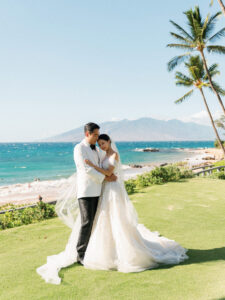
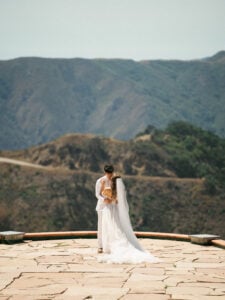
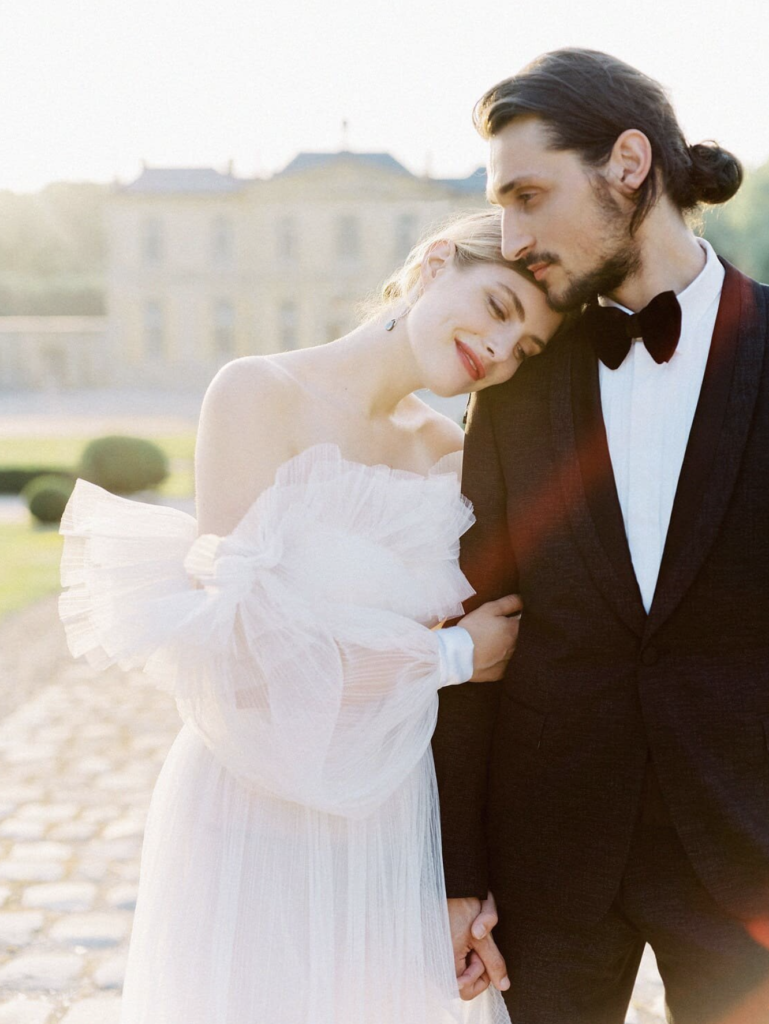
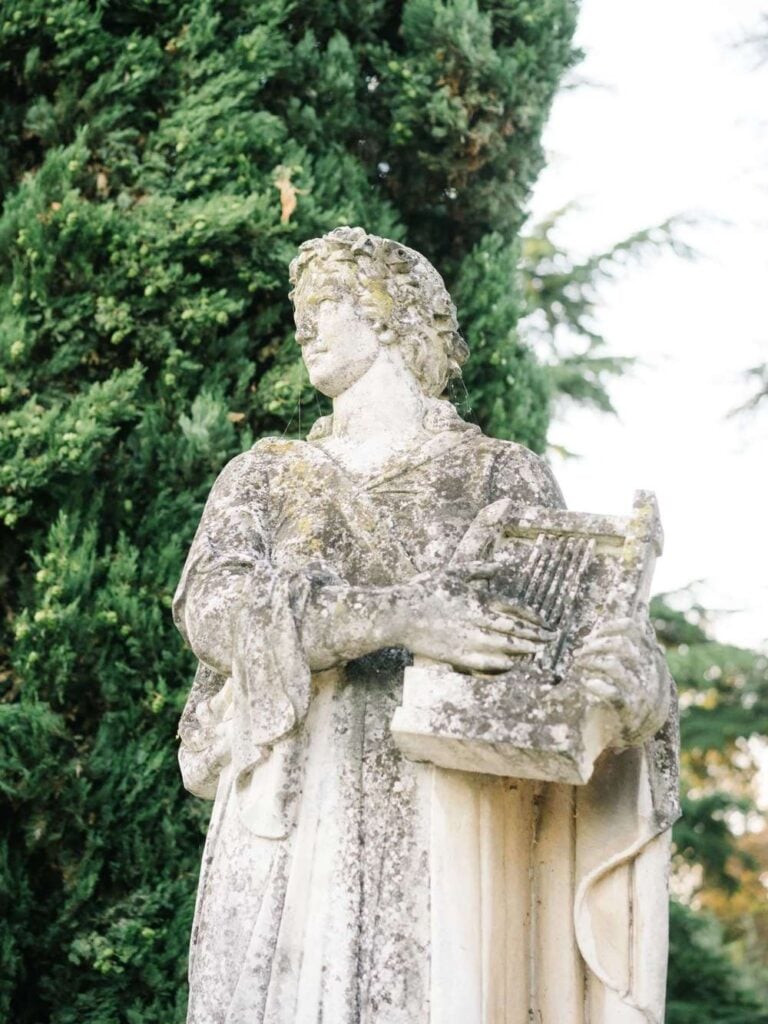
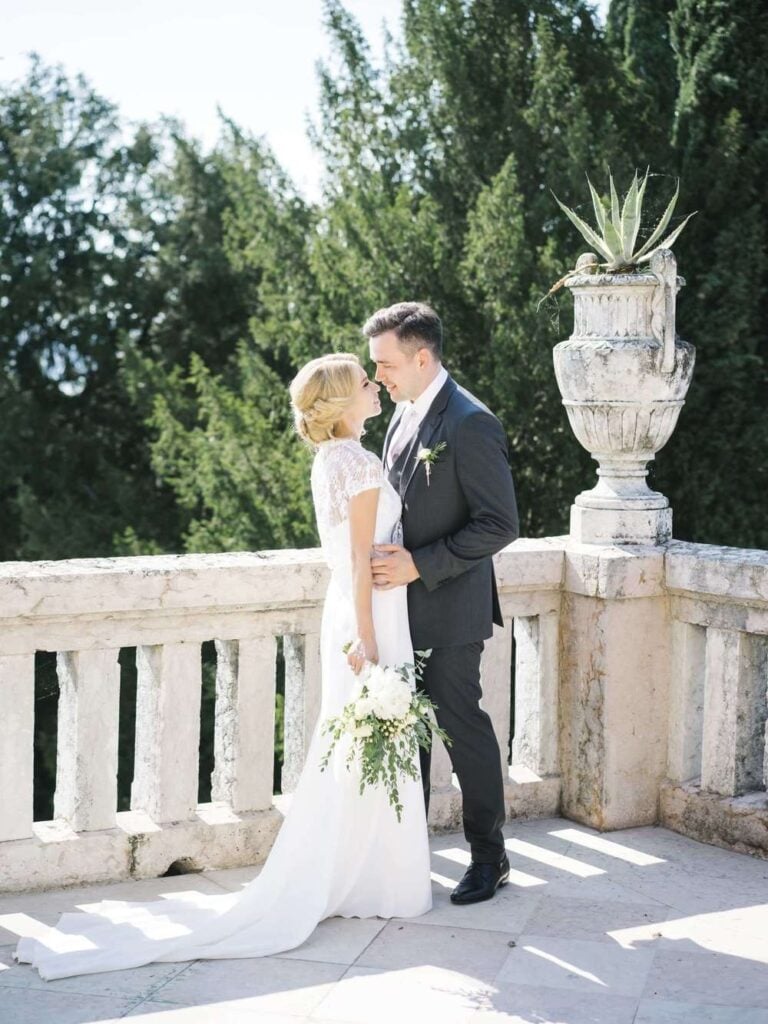
Centuries-old villas, lakeside gardens, coastal terraces, historic palazzos, and private estates carry layers of texture that naturally become part of the celebration. Wedding design rarely needs to compete with the surroundings. Instead, it works alongside architecture, landscape, and history that already exist, enhancing what is already there. This is one of the reasons Italy translates so elegantly into photography and film. The setting adds depth, context, and character. A portrait beside a weathered stone wall at sunset often feels more compelling than a carefully constructed backdrop because the environment already carries its own story.
Couples often choose a venue based on atmosphere, guest experience, or practicality. Yet the location also shapes every photograph and every frame of film created during the celebration. For couples who care about how their wedding looks on film and in photographs, venue selection is a creative decision as much as a logistical one.
Italy Wedding Venues Through a Photographer’s Lens
When comparing Italy wedding venues, it helps to think beyond geography. Every region creates a different visual language.
Lake Como: Composed, Architectural, Timeless
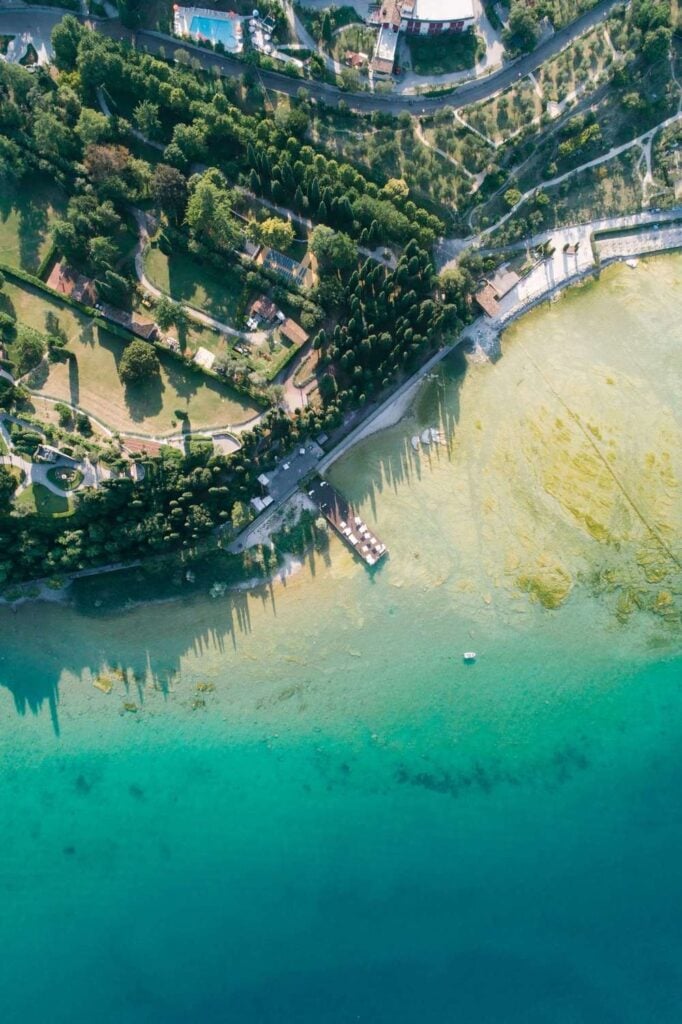
Historic villas rise directly from the water, while formal gardens create structure without feeling rigid. Mountains add depth to the landscape, and reflections soften the scene throughout the day.
For photography, Como often produces an elegant editorial quality. The light reflected from the lake remains consistently flattering from morning through late afternoon. During golden hour, the combination of water, stone architecture, and warm sunlight creates images that feel refined without appearing overly dramatic.
Couples drawn to understated, polished imagery often feel naturally aligned with Lake Como.
Practical considerations matters. Transportation can become challenging during peak season. Drivers are frequently booked months in advance, and narrow lakeside roads leave little room for delays. Strong logistical planning is essential, particularly for celebrations involving multiple venues or guest accommodations spread around the lake.
Tuscany: Open Light and Cinematic Space
Rolling hills, vineyards, cypress-lined roads, olive groves, and historic estates create an environment that feels expansive and unhurried. Unlike the structured elegance of Lake Como, Tuscany offers room for movement and spontaneity.
This landscape photographs beautifully because it provides natural depth in every direction. Portrait sessions often feel effortless. Couples can walk through vineyards, explore quiet roads, or move between gardens and historic courtyards without extensive direction. The Tuscan color palette also contributes greatly to the final imagery: terracotta architecture, golden fields, and deep green vineyards create warmth that remains consistent across seasons.
Tuscany appeals to couples who value movement, warmth, and imagery that feels lived rather than staged.
From a planning perspective, the region offers a wide range of venues, from intimate private villas to large estates capable of hosting multi-day celebrations. Pricing varies considerably, though some properties remain more accessible than comparable venues in Lake Como, so it is worth spending time in advance selecting what aligns best with your vision and budget.
Amalfi Coast: Drama, Color, and Elevation
The Amalfi Coast is shaped by contrast. Steep cliffs rise from the sea. Terraced gardens overlook the coastline. Historic villages climb hillsides connected by winding roads and narrow pathways.
Photography here emphasizes scale and perspective. The landscape becomes an active element within the frame rather than a background detail. Throughout the day, the sea changes color continuously, shifting the atmosphere from morning through sunset.
Ceremonies overlooking the coastline often produce some of the most striking imagery available anywhere in Italy.
Travel times are longer than they appear on a map. Roads become congested during summer. Guest transportation requires careful coordination, particularly for larger weddings. Building flexibility into the timeline is not an extra precaution here, but a necessity.
Rome, Florence, and Venice: Architecture as Atmosphere
Some couples are drawn more to architecture, texture, and the atmosphere of historic cities.
Rome, Florence, and Venice offer a completely different experience from Italy’s lakes and countryside.
Stone facades, Renaissance palaces, hidden courtyards, historic hotels, and centuries-old streets become part of the visual narrative. These cities reward observation. Small details often become some of the strongest photographs of the day.
For couples seeking a fashion-forward or editorial aesthetic, Italy’s cities provide strong creative possibilities.
Florence
combines artistic heritage with remarkable walkability, making it especially appealing for intimate celebrations.
Venice
offers an atmosphere that feels almost unreal. Waterways replace roads. Light reflects from canals into narrow streets and historic interiors. Few locations create such a distinctive visual identity.
Rome
introduces scale. Ancient architecture, grand piazzas, and layered history create imagery with a sense of permanence that is difficult to replicate elsewhere.
Cities offer well-developed transport infrastructure compared to rural regions, but local logistics and cultural rhythms should still be taken into account when planning.
Best Light and Seasonality for Wedding Photography in Italy
Light influences wedding imagery as much as the venue itself. Understanding seasonal differences can help couples choose both a location and timing more intentionally.
Spring
Spring brings balanced temperatures, vibrant gardens, and fresh landscapes.
Across much of Italy, light feels soft and clear during this season. Colors appear rich without becoming overwhelming, and outdoor ceremonies remain comfortable throughout most of the day.
For photographers, spring often provides some of the most consistent conditions of the year.
Summer
Summer delivers long days and extended golden hours.
Evenings can be exceptional, particularly around lakes, coastlines, and vineyards where warm light remains visible well into sunset.
Between late morning and mid-afternoon, direct sunlight becomes intense. Experienced photographers typically schedule portraits early in the morning or closer to sunset.
Early Autumn
September and October are often considered the most balanced months for wedding photography in Italy.
Temperatures become more comfortable. Tourist traffic decreases. Landscapes retain richness while light becomes slightly softer than peak summer.
In Tuscany, vineyards enter harvest season, adding another layer of visual interest. Across Italy, early autumn offers a strong balance between atmosphere, weather, and photographic conditions.
Winter
Winter shifts focus indoors.
Historic villas, churches, and city venues become dominant environments.
Light is more directional and limited, increasing the importance of interior architecture and window placement. Outdoor photography may be affected by snow and weather conditions.
Envisioning Your Wedding in Italy?
If you are currently exploring Italy wedding venues and want clarity on how your chosen location translates into photography and film, share your plans with us. We can help you refine the visual direction, align it with light and season, and suggest coverage that fits the atmosphere you are aiming for.
How Photography and Film Coverage Should Be Planned
Photography and videography are often discussed after a venue has already been selected. In practice, the two decisions are closely connected.
The layout of a venue affects how a wedding day flows. If ceremony, cocktail hour, and reception take place in different locations, additional travel and transition time must be considered. A venue where spaces flow naturally allows more time for meaningful moments and visual variety without unnecessary logistical pressure.
Portrait locations should also be considered early. A couple dreaming of sunset portraits among vineyards needs direct access to that landscape. A couple drawn to dramatic architecture needs spaces that support that vision. These decisions shape the photographic outcome long before the wedding day arrives.
Weather planning matters as well. Regions such as Lake Como and the Amalfi Coast can experience sudden changes in conditions. A well-designed indoor space should be considered part of the venue, not simply a backup option.
Photography preserves individual moments, while film captures movement, atmosphere, sound, and pacing. In a destination wedding setting, film often becomes especially valuable, as it conveys elements that photography cannot fully express. Experienced photographers and filmmakers evaluate venues not only for appearance, but for how they function across the entire day.
What to Prepare Before Sending an Inquiry
Many couples focus exclusively on wedding references. It is also helpful to consider hotels, restaurants, travel destinations, architecture, and fashion imagery, which often communicate personal style more accurately than wedding inspiration alone.
Before reaching out, it helps to define: preferred atmosphere — lakeside elegance, countryside warmth, coastal drama, or historic city architecture; guest count; season preference; importance of photography and film within the overall investment & visual references that consistently resonate.
A useful approach is to gather inspiration beyond weddings. Hotels, restaurants, fashion editorials, architecture, and travel references often reveal aesthetic preferences more clearly than traditional mood boards. Many planners and photographers rely on this broader context when shaping a visual direction.
Final Thoughts
Italy rewards preparation. For destination weddings, most planners recommend at least twelve months of lead time, particularly for sought-after venues on Lake Como and the Amalfi Coast.
Transportation requires attention. During high season, drivers are booked well in advance, and roads near popular venues are often narrow. Shuttle coordination is not an upgrade but a necessity.
Couples considering civil ceremonies should also account for documentation requirements and advance appointments. As a result, many international weddings opt for symbolic ceremonies, which allow greater flexibility and reduce administrative complexity.
Another key factor is local expertise. Language barriers, regulations, logistics, and vendor coordination are significantly easier to navigate with professionals based in Italy who understand regional conditions and timing.
FAQ
Do we need a local photographer for an Italy destination wedding?
Experience in Italy is highly valuable. Light conditions, logistics, and seasonal differences affect coverage planning. A photographer familiar with the region will generally use time and light more effectively, though they do not need to be local.
What is the best month for wedding photos in Italy?
Spring and early autumn are the most balanced periods. Summer offers strong golden hours but requires careful midday planning. The best choice depends on location and desired atmosphere.
Should we book photography before choosing a venue?
Most couples book the venue first. However, discussing photography early can help ensure the venue supports the intended visual direction.
Is film coverage important for a wedding in Italy?
Yes. Film captures movement, sound, and atmosphere that are especially powerful in Italy’s landscapes and historic settings. It complements photography rather than replaces it.
We Would Be Delighted to Hear From You
If you are currently exploring Italy wedding venues and want clarity on how your chosen location translates into photography and film, share your plans with us. We can help you refine the visual direction, align it with light and season, and suggest coverage that fits the atmosphere you are aiming for.