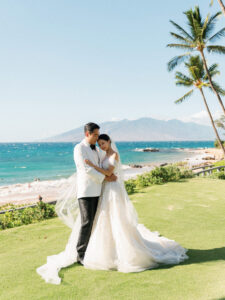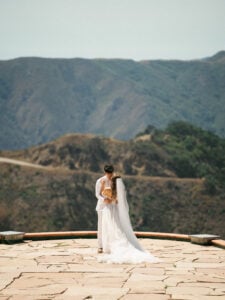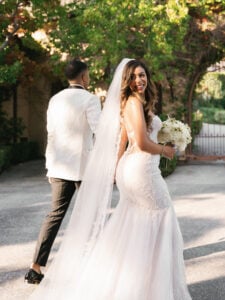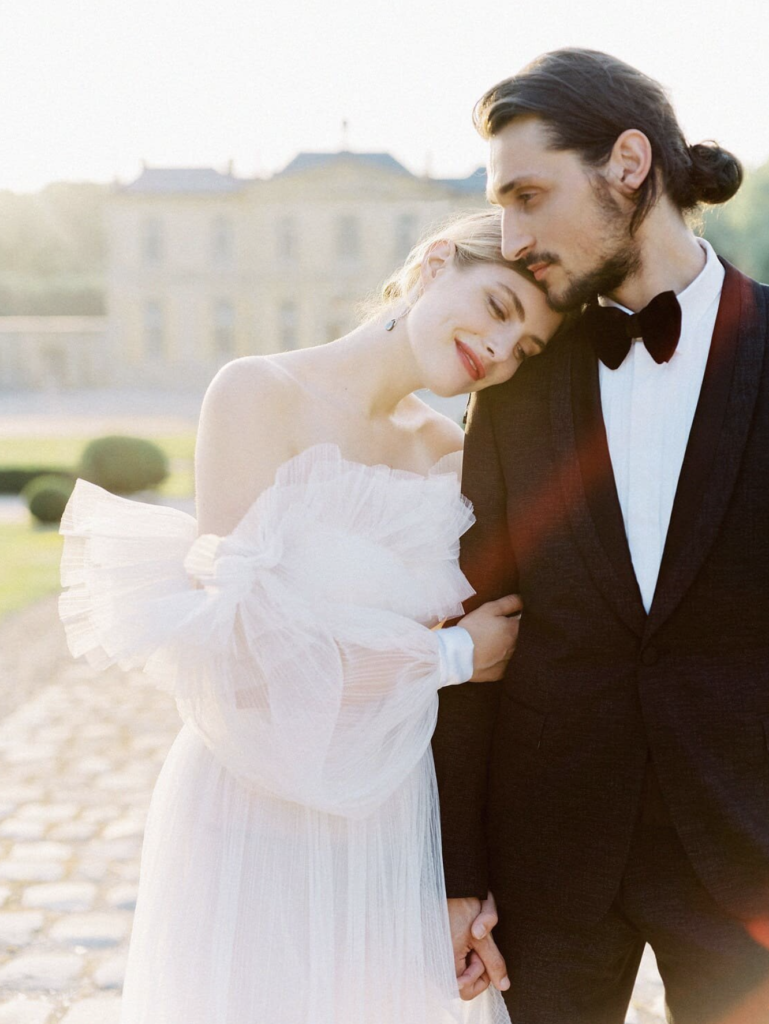
A Symphony of Settings: Why France Holds Several Wedding Worlds Within
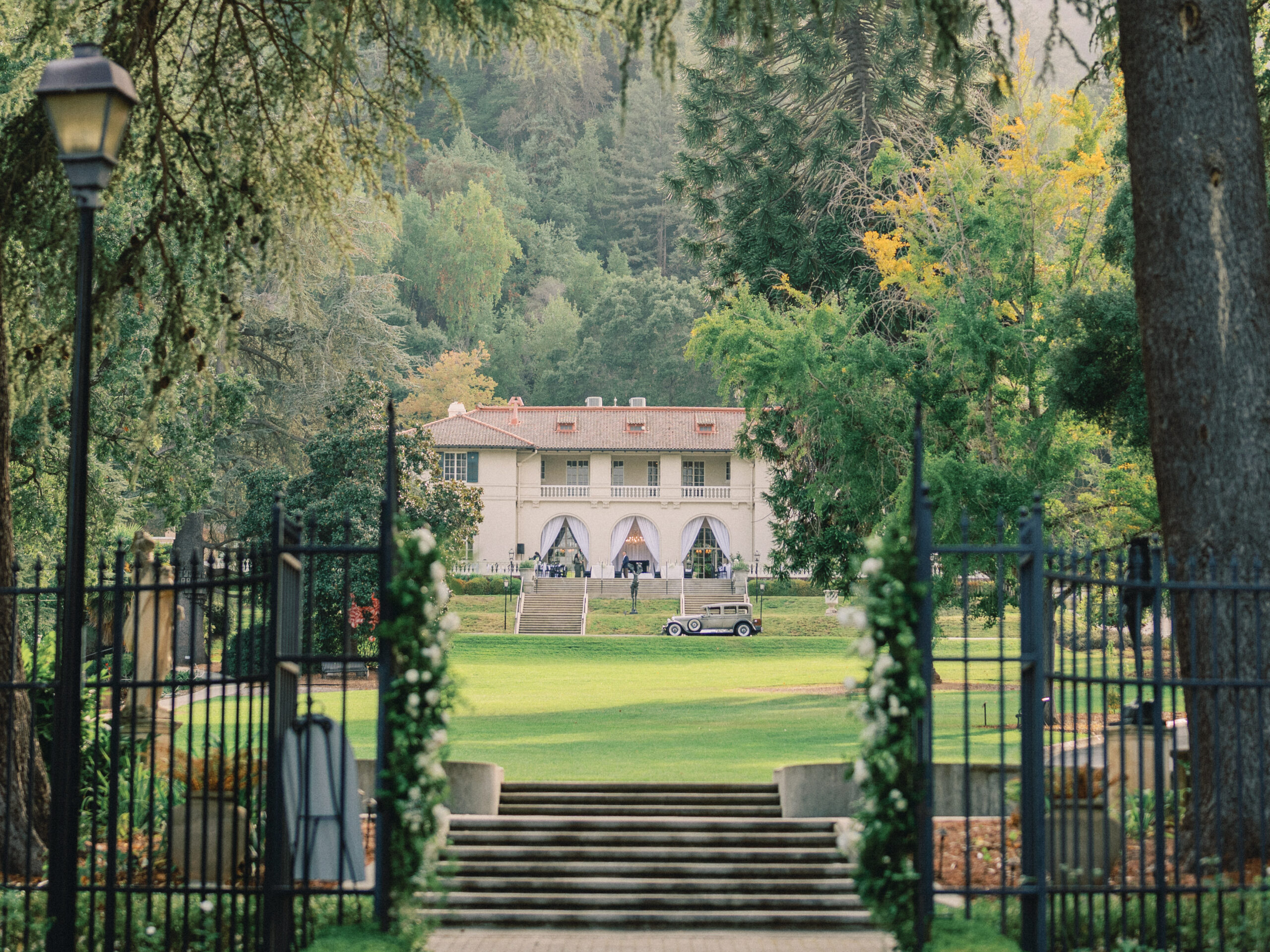
A chateau in Burgundy, a terrace above the Seine, a stone farmhouse surrounded by lavender, and a cliff-side villa above Saint-Tropez all sit within the same country yet photograph in completely different ways. Each setting attracts different couples, shapes the flow of the day, and defines how photography and film will ultimately feel.
For couples exploring wedding venues in France, the country offers something distinct: several environments that function as separate visual and spatial systems. The region you choose determines how light behaves during the ceremony, how guests move through the property, how a film is paced, and what the final imagery communicates once the celebration is over.
What often gets underestimated is how strongly the venue dictates the tempo of the entire wedding day. A chateau naturally slows things down through space and distance. Paris accelerates moments through density. Provence stretches time through light. The Riviera compresses the day into a long visual arc from bright morning to saturated evening.

France as a Wedding Visual Language
Over time, France has developed a unique blend of architecture, history, romance, and understated sophistication that continues to define its appeal today.
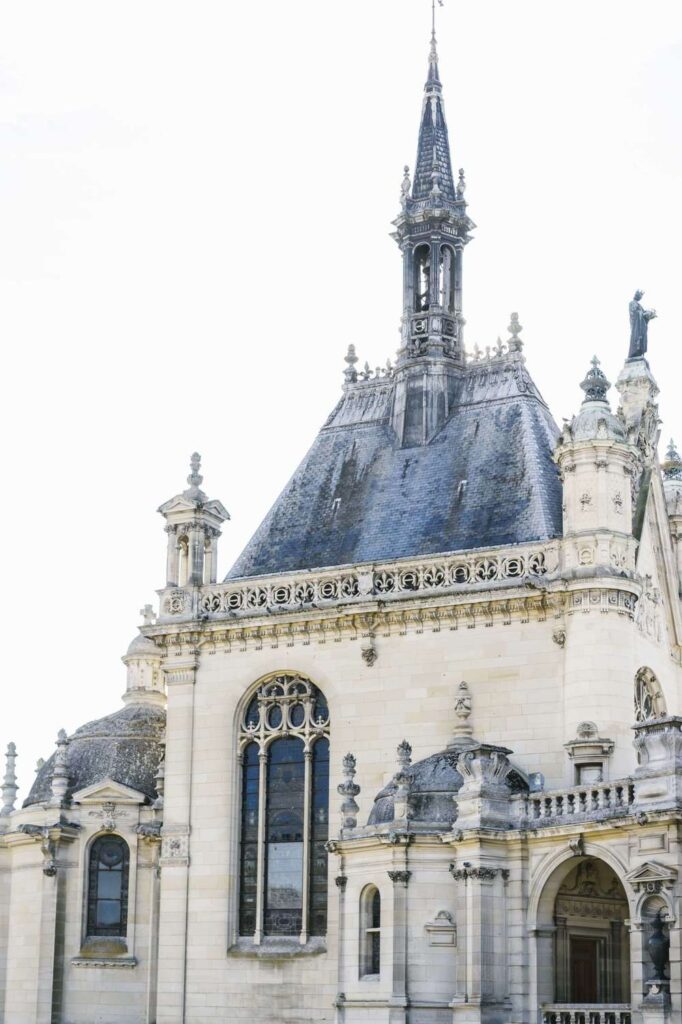
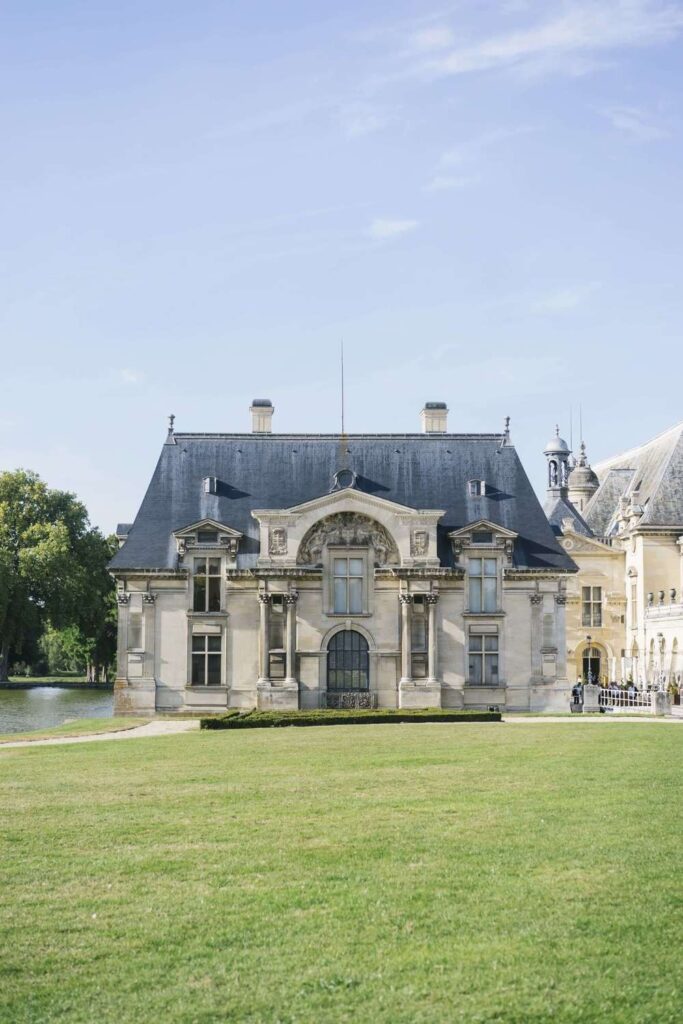
French environments, from a seventeenth-century chateau and a Haussmann apartment in Paris to a storied working mas in Provence, carry an undeniable depth of history and lived structure.
While Loire gardens have been shaped over centuries and Paris streets hold layered histories, even the simplest rural estates possess an innate sense of composition.
This is also why France works consistently for photography and film. Light never interacts with a neutral surface; it engages with texture, history, and material that already carries weight. That combination produces depth without the need for artificial staging.
From a planning perspective, this means couples benefit from thinking less about “decoration” and more about how a space behaves visually at different hours of the day.
Four Environments: Different Expressions of Place
No two regions in France create the same experience. A wedding in a Loire Valley chateau unfolds differently from a celebration in Paris. Provence encourages a slower pace and longer gatherings, while the French Riviera often revolves around outdoor living and the changing character of Mediterranean light. These distinctions influence not only how a wedding feels in the moment, but also how it is photographed, filmed, and remembered afterward. Couples comparing European destination settings can also use our Italy wedding venues and photography guide as a neighboring reference point.
Chateau Weddings: Scale, Architecture, and Interior Depth
The French chateau remains one of the most complete wedding environments in Europe. Large-scale architecture, formal gardens, and interior spaces such as salons and vaulted halls create multiple visual layers within a single property.
At venues such as Chateau de Villette near Paris, the day moves through distinct zones. Ceremonies take place in gardens, cocktails unfold on terraces, and dinners transition indoors or remain under open sky. Each shift changes the visual tone and the pacing of photography.
The key advantage of chateau weddings is control over variety without travel. You can build a full visual story within a single estate: exterior light, shaded architecture, interior candlelight, and night atmosphere all within walking distance.
Even within a single estate, chateau weddings tend to split into micro-environments: garden, terrace, interior rooms, sometimes separate buildings. The main planning risk is not travel time, but underestimating how these transitions interrupt momentum. Treat each zone as its own visual chapter rather than a continuous flow. Interiors are often undervalued in early planning, but they matter more than expected. When weather changes or light becomes too harsh outside, shaded salons, staircases, and corridors often produce the most controlled and editorial frames of the day.
Paris: Architecture, Light, and the City as Active Element
The city is defined by a distinctive grey-gold light and a density of architectural history that translates elegantly into photography. It works in two registers. One is intimate: narrow streets in the Marais, bridges over the Seine, quiet café corners in the early morning. The other is formal: Haussmann apartments, historic hotels, and high-ceiling interiors that create structured elegance.
Film captures something uniquely Parisian. Movement, ambient sound, and rhythm become part of the narrative in a way countryside locations cannot replicate. The city introduces pacing that is inherently cinematic because it is already in motion.
These conditions become especially relevant when planning photography coverage across early morning and late evening windows in the city.
Timing in Paris is more important than the variety of locations. The same street changes completely within a short window of time. Early morning remains the most reliable period for portrait work, before pedestrian density alters the scene. Late afternoon works well for river-based portraits, especially when light reflects off the Seine. Limiting travel between districts improves efficiency, as traffic inside Paris often introduces delays that are not visible in planning maps. The city rewards vertical thinking as much as horizontal movement. Bridges, balconies, river edges, and elevated viewpoints often create more stable compositions than street-level shooting, especially during high-traffic hours.
Provence: Atmosphere, Texture, and Unstructured Time
Provence light shifts from warm morning tones to soft afternoon diffusion and into amber evening light that defines the landscape. Stone farmhouses, olive groves, vineyards, and lavender fields create a cohesive palette.
Venues such as Mas d’Arnaud and estates near Aumelas are particularly suited to multi-day wedding celebrations. As time passes, the atmosphere becomes more relaxed, and the strongest visual material often appears outside the main ceremony day. The welcome dinner and the morning after often produce the most candid interactions beyond the structure of the wedding itself.
Provence works best when the schedule respects the separation between social time and photographic time. Midday is rarely efficient for structured work; it is better used for guest experience or rest, while visual coverage concentrates around early morning and late afternoon. Repetition of place is not a limitation here. Returning to the same courtyard, vineyard, or terrace across multiple days often produces stronger narrative continuity than trying to diversify locations.
The French Riviera: Color, Sea, and Southern Light
Mediterranean light behaves differently from northern France. It saturates color, strengthens contrast, and extends visibility across the coastline. Blues, greens, and warm stone tones become more pronounced throughout the day.
Chateau Le Beauvallon above Grimaud reflects this environment with views across Saint-Tropez that change from soft morning light to deep evening tones. Celebrations often remain outdoors longer, with minimal transition indoors.
The Riviera does not soften into evening. It shifts into color saturation, which directly influences how photography feels. Skin tones, water reflections, and landscape contrast all become more pronounced as the day progresses.
Elevation plays a stronger role here than expected. Ceremony positioning above sea level changes how light reflects across skin and surfaces during late afternoon. Wind exposure also affects timelines more than in other regions, especially for coastal venues. Planning key photography moments slightly earlier helps capture the transition into blue hour without losing detail to rapid light change.
Light and Season: What France Looks Like Across the Year
Spring (April–June)
Gardens are fully active, temperatures are moderate, and outdoor ceremonies rarely require contingency adjustments. It is one of the most reliable seasons across all regions.
In chateau settings, spring emphasizes structure and greenery. In Provence, it brings clarity before summer saturation. In Paris, it produces softer reflections on stone surfaces, especially along the Seine.
Summer (July–August)
Summer extends daylight hours and intensifies southern light. Provence and the Riviera benefit from long evenings, though midday becomes less suitable for portrait work. Early morning and late afternoon remain the strongest windows.
For larger weddings, summer also introduces logistical pressure: guest movement, heat management, and timing flexibility become more important than in any other season.
Early Autumn (September–October)
Temperatures soften, crowds decrease, and vineyard regions gain additional visual depth during harvest. Light remains warm but less harsh than peak summer.
This is also the season when all four regions feel most balanced photographically: from chateau estates and Paris streets to Provence landscapes and Riviera coastlines.
Winter (November–March)
Winter leans toward interior environments. Chateaux, Paris hotels, and Provençal estates rely more heavily on architectural light, while reduced pedestrian activity in cities creates cleaner framing opportunities.
Interior spaces shift from backup options to central parts of the visual narrative, making indoor planning particularly important for larger celebrations.
Planning a Destination Wedding in France?
Share your location, date, guest count, and the feeling you want the celebration to carry. If you are comparing service structure before reaching out, review our wedding photography and film pricing.
Timeline Choices for Photography and Film
Ceremonies that end near golden hour allow receptions to transition gradually into blue hour. Extended cocktail hours create space for unscripted documentation rather than structured posing.
Different regions require different pacing. Chateaux support layered movement across the property, while Paris depends on early scheduling. Provence benefits from longer, less structured afternoons with time spent outdoors. The Riviera often concentrates activity in late afternoon and evening for optimal light conditions.
Film coverage depends heavily on wedding pacing and the couple’s vision. A compressed timeline might reduce narrative depth, not because of technical limitations, but because the day does not have time to reach its full expression.
How to Build a Vendor-Ready Creative Brief
Strong creative briefs rarely rely on wedding imagery alone. They draw from hotels, editorial fashion, architecture, restaurants, and travel photography, where aesthetic decisions feel more intentional and less repetitive.
Each region in France carries a distinct visual identity: chateau grandeur, Parisian structure and rhythm, Provençal softness, or the saturated coastal light of the Riviera. Defining this direction early helps align venue selection with the intended atmosphere instead of adjusting it later.
Before reaching out, it helps to define a few core parameters: the atmosphere you are aiming for, the scale of the celebration, the balance between documentary and editorial coverage, and the role of film within the story.
These references shape how venues are evaluated, how vendors are briefed, and which directions feel coherent when building a shortlist.
FAQ
Where should we take wedding photos in France?
It depends on how the couple wants their wedding to feel and how the environment is meant to function within the day. Chateaux provide structured architectural settings. Paris introduces movement and urban density. Provence relies on natural light and landscape. The Riviera emphasizes contrast between sea and elevation. Each creates a distinct visual outcome rather than a single photographic style.
Is Paris better for elopements or larger weddings?
Paris works best for smaller celebrations or portrait-led timelines. Larger weddings are possible, but they require tighter coordination, especially around travel between locations and timing across different districts. The city’s movement and density add character, but also reduce flexibility, so scale needs to be considered rather than assumed.
How far in advance should we plan a wedding in France?
For established chateaux and Riviera venues, 12–18 months is standard. Availability decreases quickly during peak season, particularly for properties with strong reputations and established vendor networks.
Does photographer familiarity with France matter?
It matters on a practical level. Understanding how light behaves at specific venues, how properties operate during peak season, and how timing shifts across regions has more impact than general familiarity with the country. This experience improves efficiency on the day rather than defining the visual style itself.
The Beauty of France in Your Wedding Story
France is quietly enchanting, and your wedding there can feel the same. If the aesthetic and atmosphere of France resonate with you, we would be glad to share more and help you shape what it could become visually.