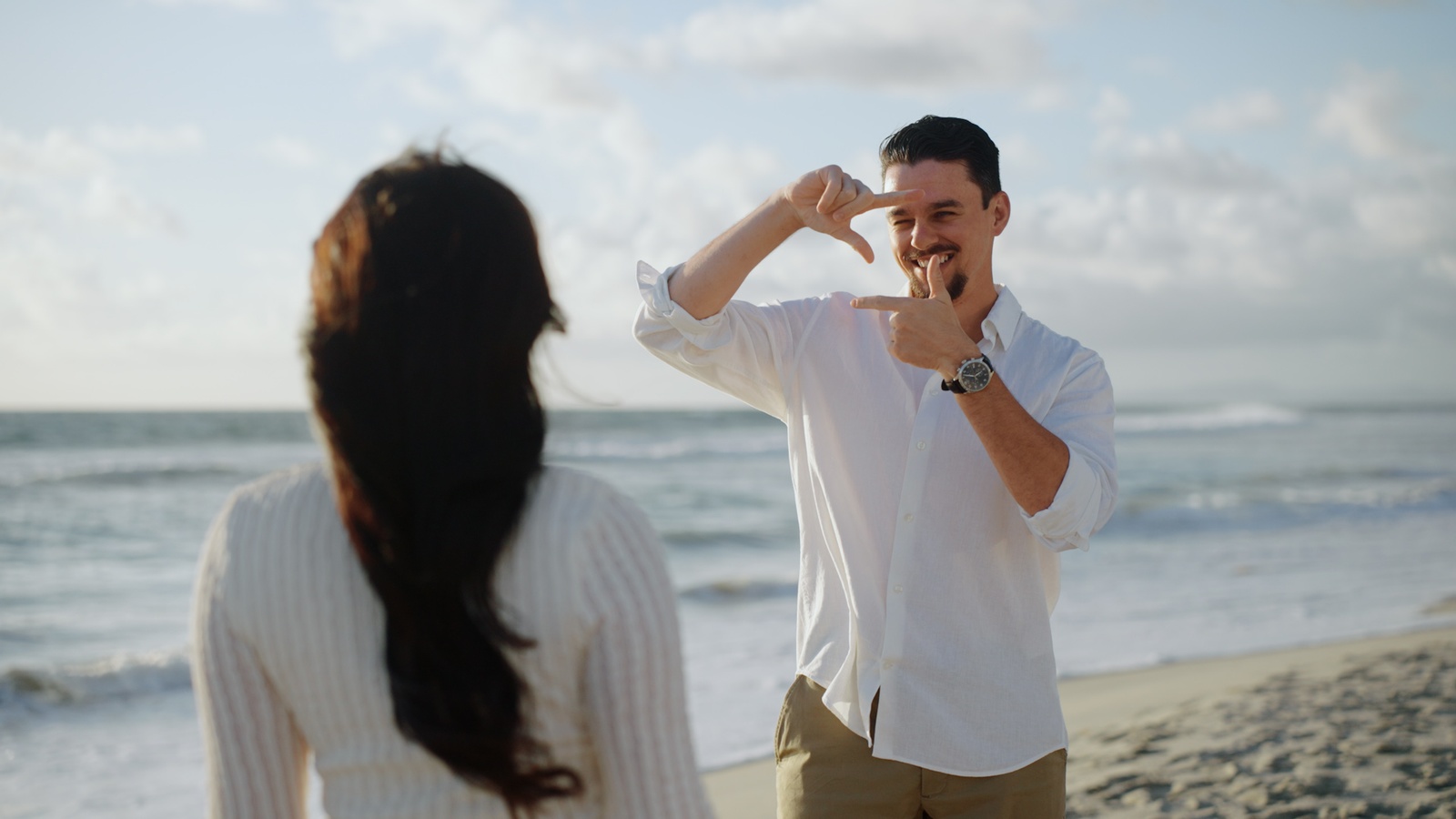
The Difference Between Appearance and Performance
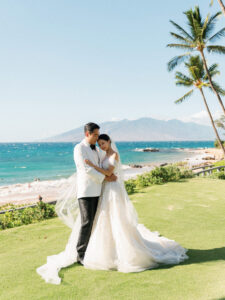
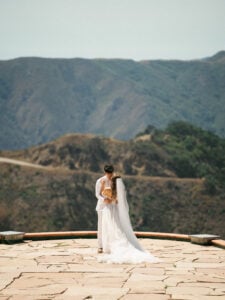
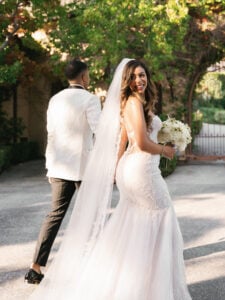
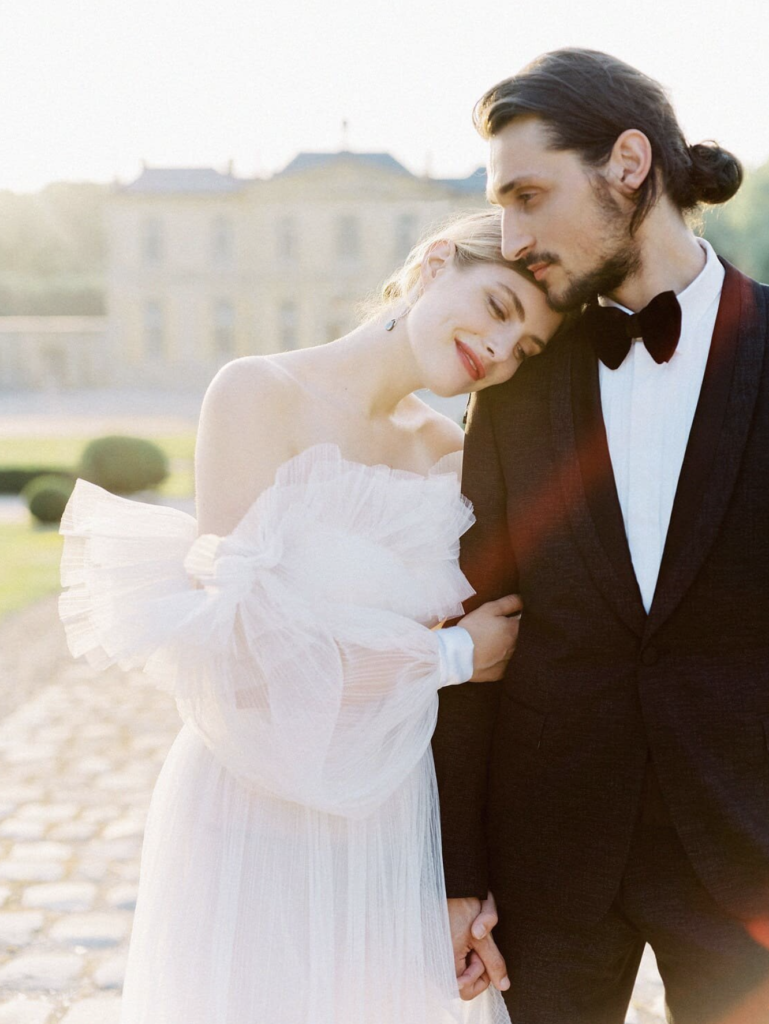
Couples often encounter destination wedding venues through photographs long before they experience the space in person. It is a starting point, though it is not the same as understanding how a venue performs on a wedding day. Considering how light behaves at different hours, how movement through the space functions, and what the constraints are for a full photography and film team.
A venue that photographs beautifully in editorial imagery may have ceremony restrictions that limit camera positioning, or no usable portrait location within the property. A venue that appears modest in its marketing may offer window light that cinematographers would choose deliberately, and spatial flow that makes documentary coverage effortless. Understanding how to read destination wedding venues through the lens of photography and film changes which questions to cover before signing.
Looking Beyond Decor: Light, Movement, and Access
How Natural Light Defines a Space
One of the consequential factors in how a venue photographs is how natural light enters its spaces and at what time of day.
A ceremony space with north-facing windows produces flat, diffuse light that is technically manageable but rarely extraordinary. A south- or west-facing space at four in the afternoon often creates great conditions: warm, directional light that wraps around faces and gives photographs their depth.
Orientation and Outdoor Light
The same logic applies to outdoor settings. A terrace that faces east photographs well for a morning preparation session but loses useful light entirely by mid-afternoon. A garden that faces west becomes exceptional in the hour before sunset and is difficult to use before that. Couples often do not consider venue orientation in advance, and it is rarely discussed during initial conversations with the venue coordinator.
Movement Through Connected Spaces
Movement through the venue matters for a separate reason. Photography and film both benefit from the ability to shift positions, change angles, and follow subjects without creating logistical pressure.
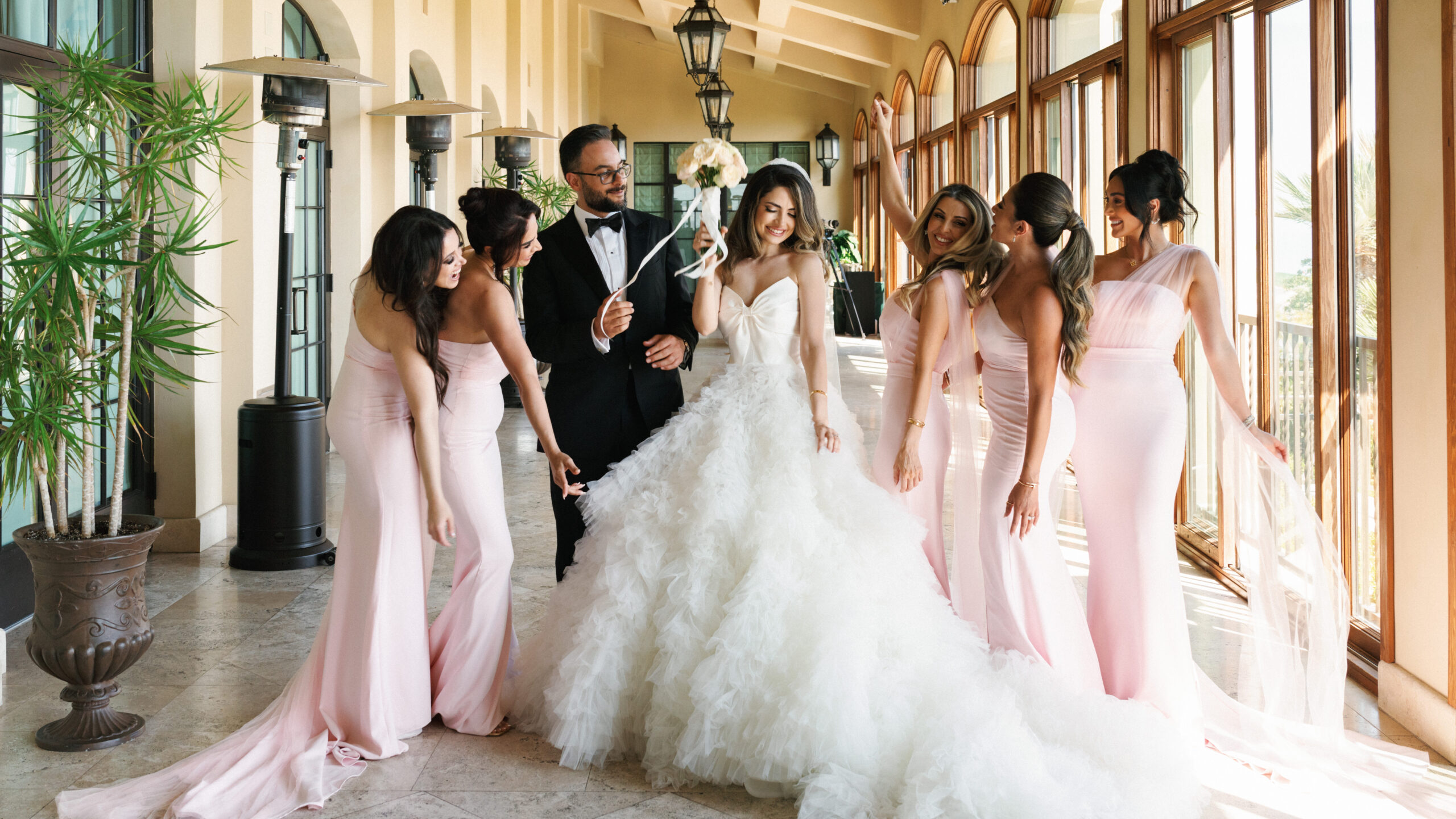
A venue with a single corridor connecting ceremony and reception leaves a photographer or cinematographer with limited options as the day progresses. A property with multiple connected areas, including courtyards, gardens, terraces, and interior rooms, gives the coverage team room to build visual variety without disrupting the event.
The Value of Pre-Wedding Access
Access to the venue before the wedding day is also worth confirming early. Walking a space once, in advance, changes what a photographer or cinematographer can plan. Understanding where light enters each room at each hour works best in person, not from a vendor information pack.
Designing a Natural Flow Between Ceremony and Reception
The connection between ceremony and reception determines how much of the wedding day is spent moving versus being present.
When all activities take place within the same property, the coverage team can maintain continuous presence through transitions. Moments that happen between events carry strong documentary value. These include the couple seeing the reception for the first time, guests settling into conversation during cocktail hour, or the shift in atmosphere as evening begins.
They require a photographer or cinematographer to be close rather than navigating between locations.
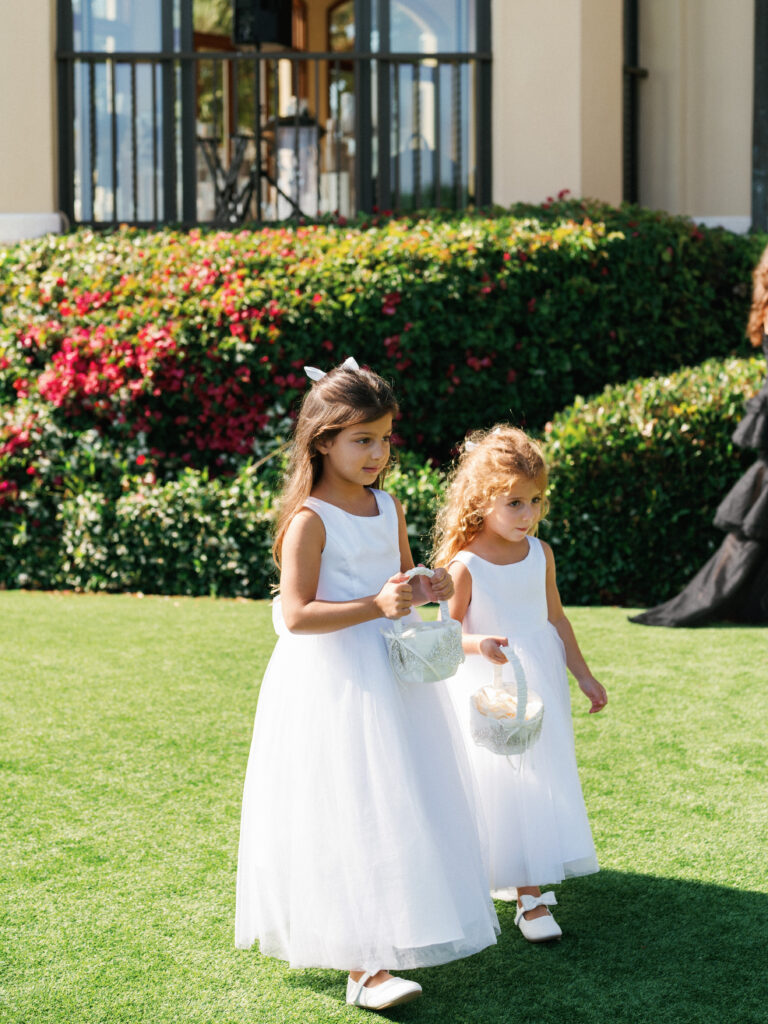
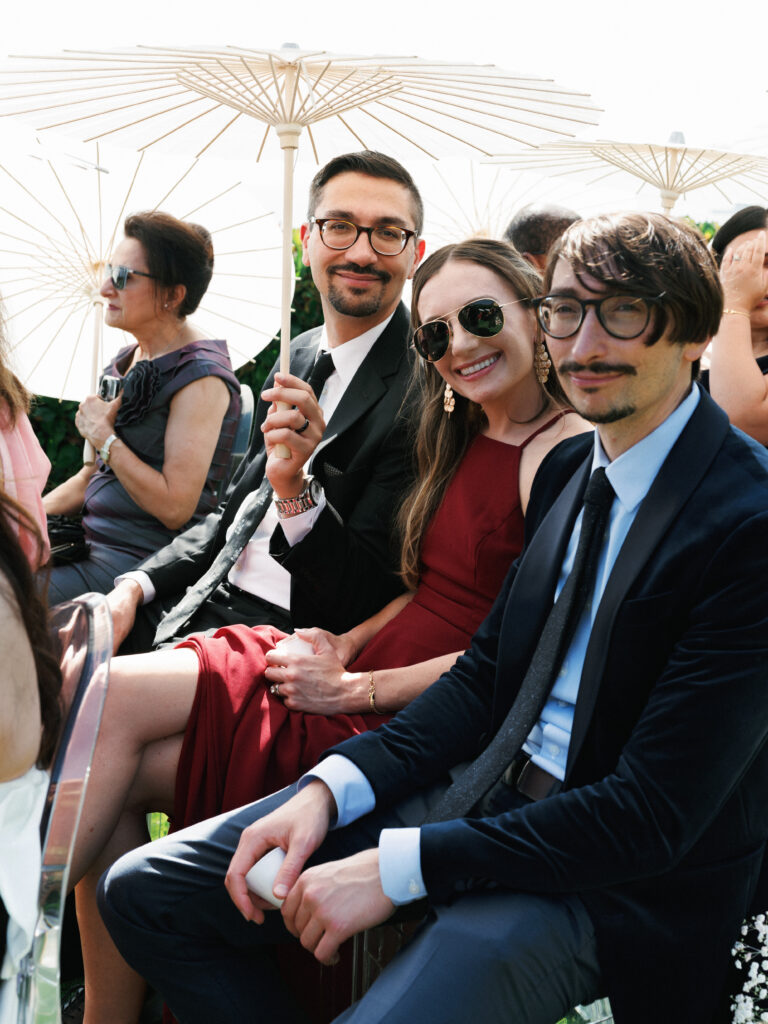
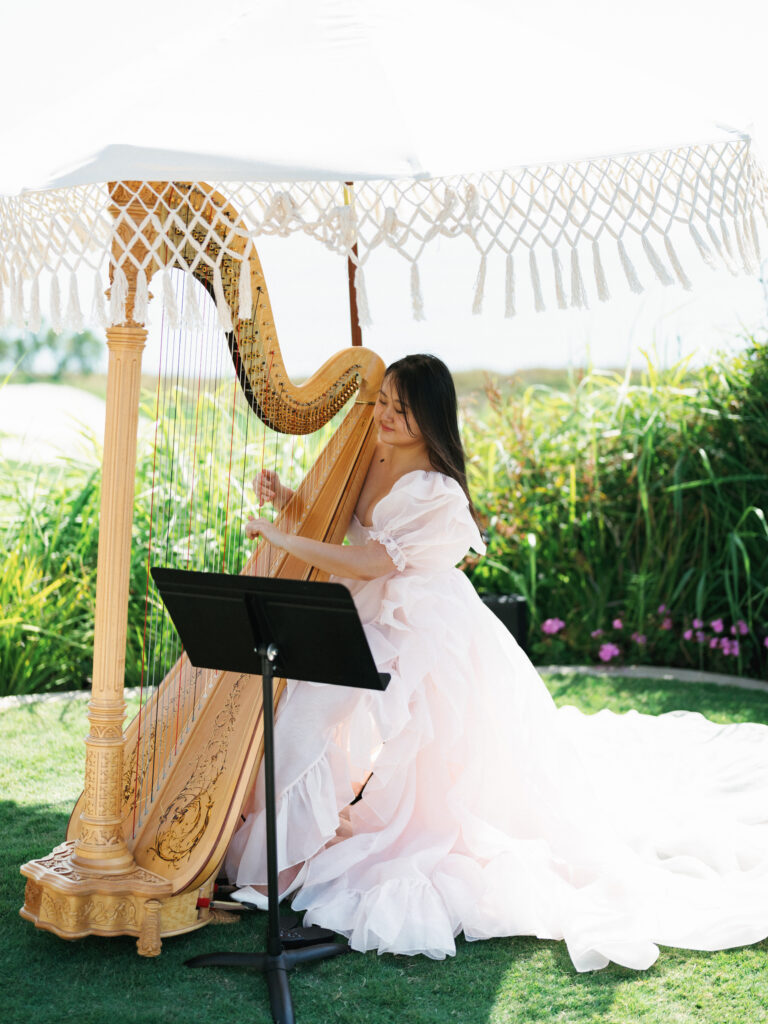
When the ceremony takes place at a separate location from the reception, travel time enters the timeline. That travel is not neutral. It compresses the coverage window, affects portrait session timing, and introduces logistics that are harder to control, including traffic, weather, and driver availability.
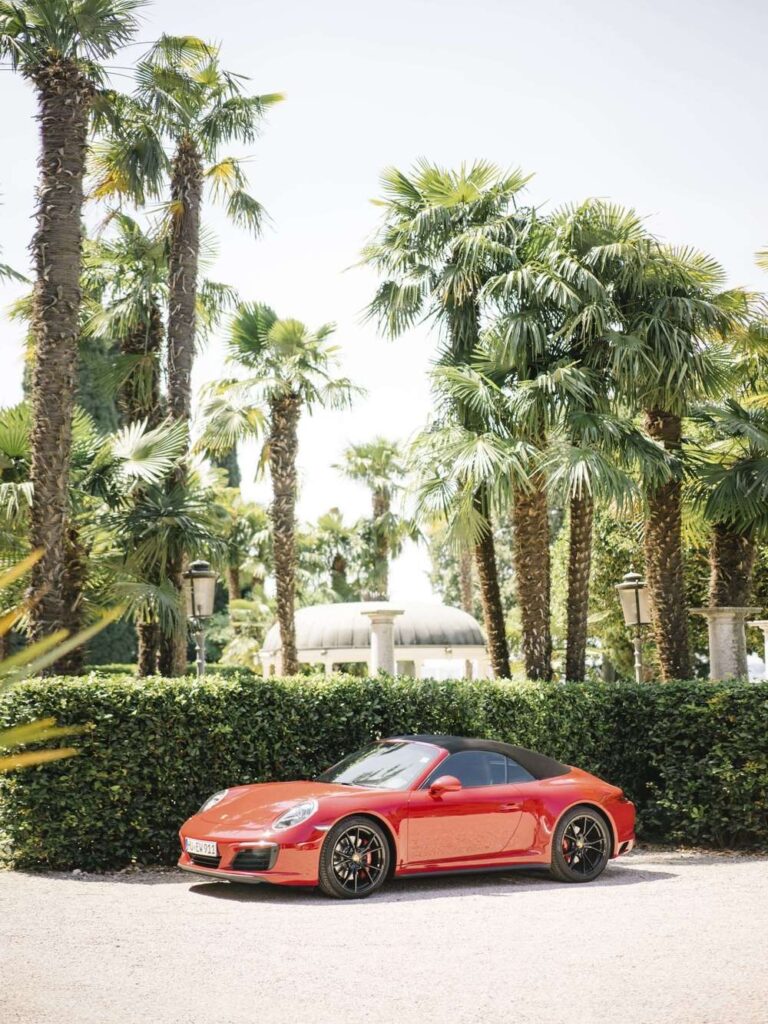
In destination wedding settings this becomes especially relevant. A ceremony at a hilltop church followed by a reception at a coastal villa fifteen minutes away may look elegant on a schedule and introduce additional complexity into the timeline.
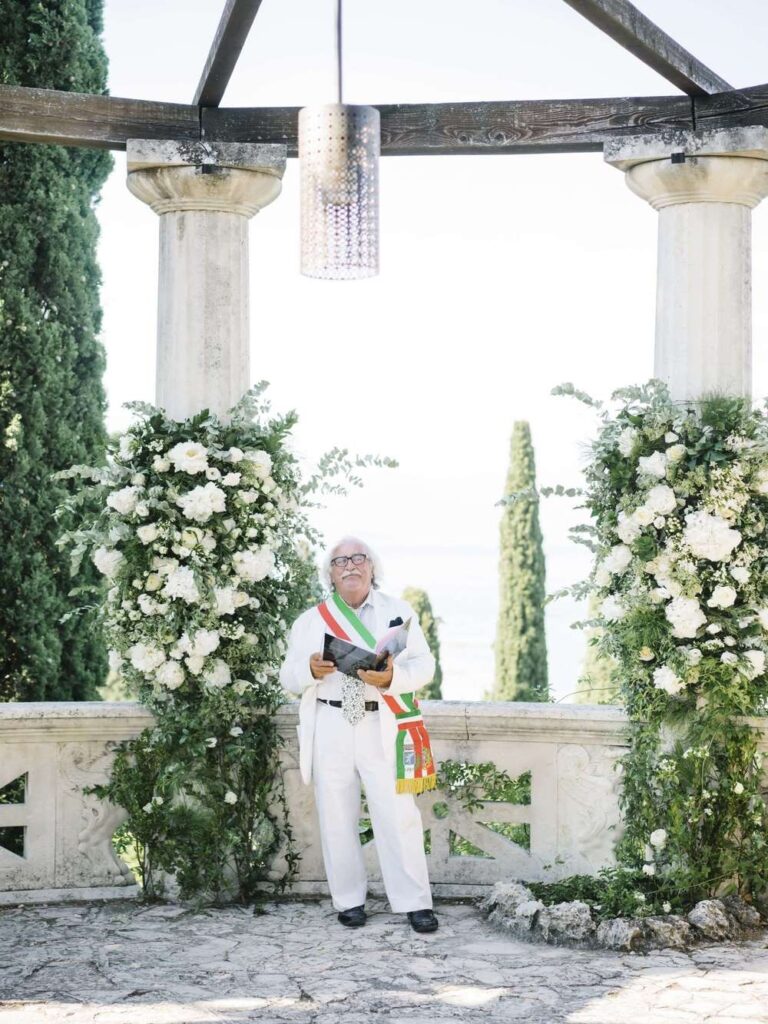
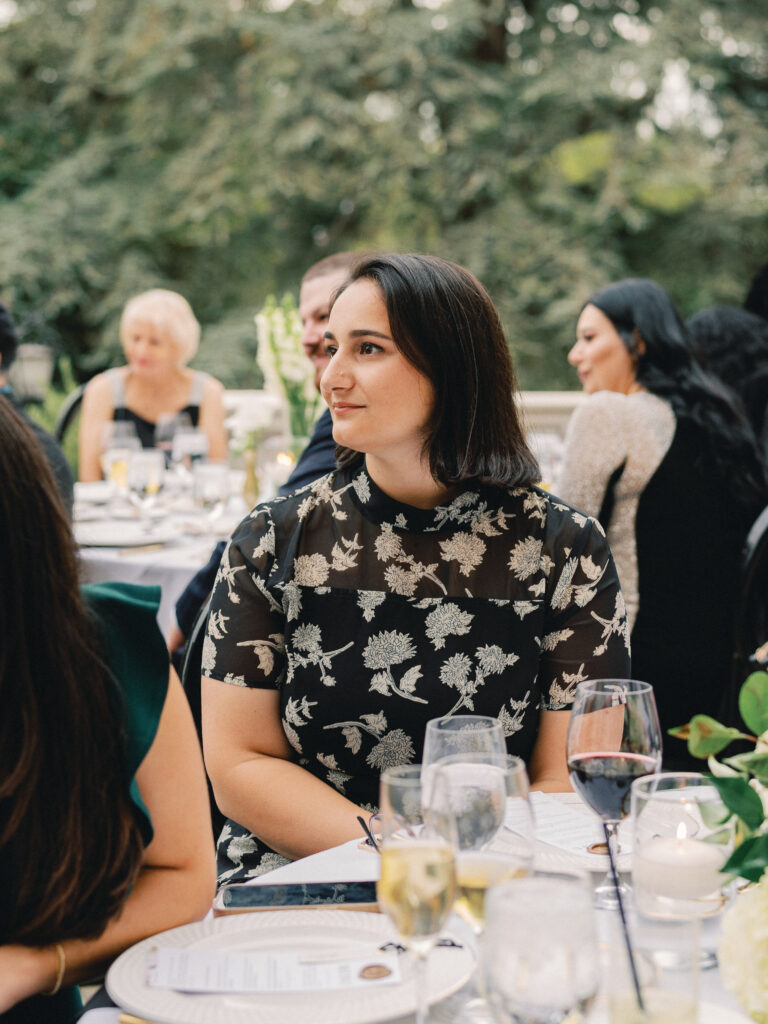
The flow of the reception space itself also affects coverage.
A reception room where tables are arranged at a single level, with the dance floor at the far end, gives a cinematographer limited elevated vantage points for first dance coverage.
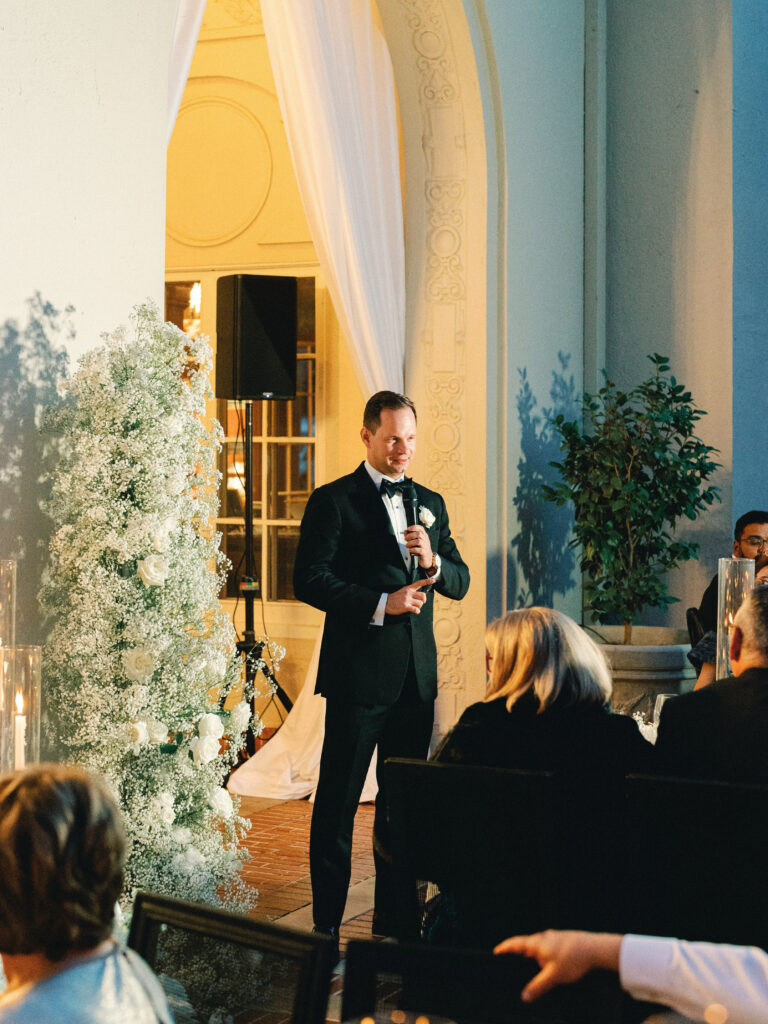
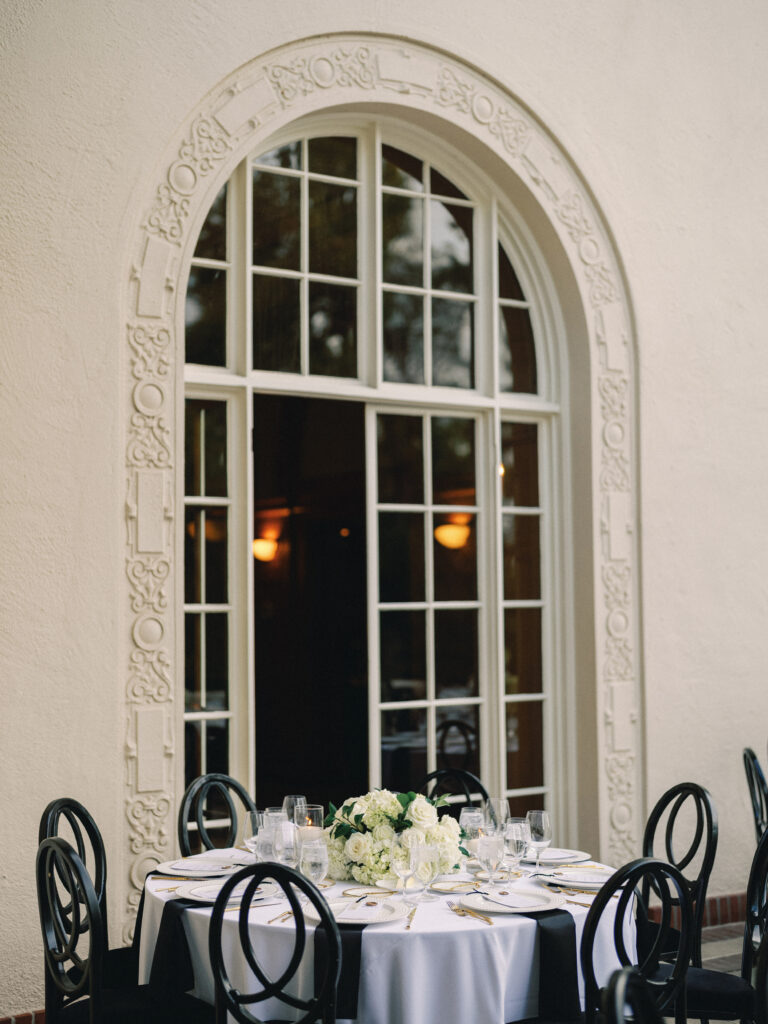
A room with a balcony, mezzanine, or staircase creates opportunities for angles that are genuinely cinematic. A venue that connects indoor and outdoor reception areas allows coverage to follow the natural movement of guests through the evening rather than remaining fixed in one environment.
Portrait Opportunities and Backup Plans
All destination wedding venues have a primary portrait location, whether it is a view, a garden, or a staircase, that appears in most of their promotional imagery. That location is often the one featured throughout the imagery. It is also the location most couples gravitate toward.
Beyond the Main Portrait Location
Secondary portrait locations are often quieter and more visually varied. Understanding what options are available, whether a service courtyard with textured stone walls, a wooded path behind the main building, or an unused terrace on a lower level, requires a site visit or direct conversation with a photographer who has worked the property before. These settings are often absent from venue materials, yet they regularly contribute some of the most memorable images of the celebration.
Timing Portraits Around Light
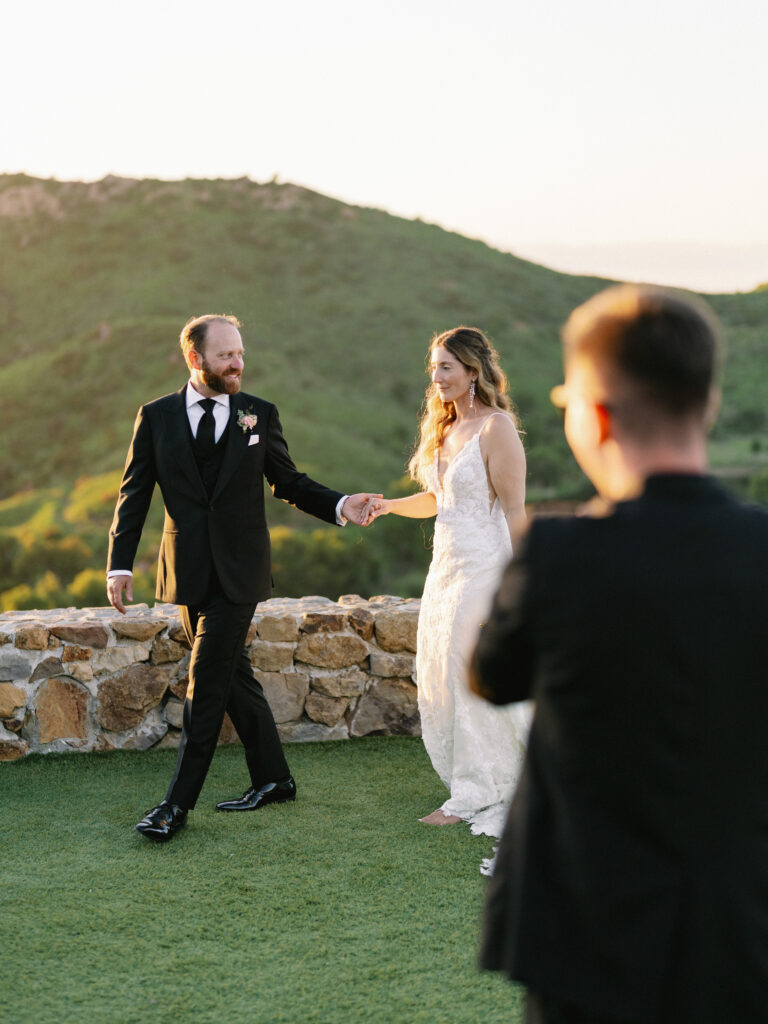
Portrait timing is inseparable from light conditions. The ideal window for outdoor couple portraits is typically the ninety minutes before sunset, when light becomes warm and directional rather than harsh and overhead. If the venue’s timeline places the ceremony during that window, couple portraits may need to happen earlier in less favorable light, or be delayed until after the reception has started. Both are workable, though each introduces its own compromises, and knowing this before committing to a timeline is more useful than discovering it on the day.
Evaluating the Rain Plan
Rain plans are frequently discussed in terms of guest comfort. They are equally relevant to photography and film. An indoor backup space that is low-ceilinged, artificially lit with unflattering sources, and lacking any visual architectural interest produces images that do not reflect the venue’s quality.
A well-designed indoor space, with high ceilings, large windows, or structural details that hold visual interest, functions as a genuine alternative rather than a last resort. Asking to see the specific indoor backup before booking is a reasonable request, and the answer reveals how seriously the venue thinks about its role in the celebration.
Restrictions That Influence Photo and Film Coverage
Restrictions on what a photography and film team can do inside or above a venue affect the coverage outcome more than couples typically anticipate when reading a contract.
Drone restrictions
Drone restrictions are among the most common restrictions. Many historic properties, urban venues, and coastal locations operate under local airspace regulations that prohibit or require permits for unmanned aircraft.
Some destination wedding venues have their own restrictions independent of regulation: concerns about guest privacy, insurance liability, or preference.
A venue that confirms drone access during a site inspection but operates under a no-fly restriction in practice creates a situation that is difficult to resolve on the wedding day.
Audio Support
Audio access matters for film coverage in a way that is easy to underestimate. A wedding film’s emotional weight comes substantially from sound: vows, speeches, laughter, the particular ambient quality of a room during dinner.
Venues that prohibit external audio equipment, restrict microphone placement, or have significant ambient noise issues from highway proximity, neighboring events, or mechanical ventilation affect what a film team can capture.
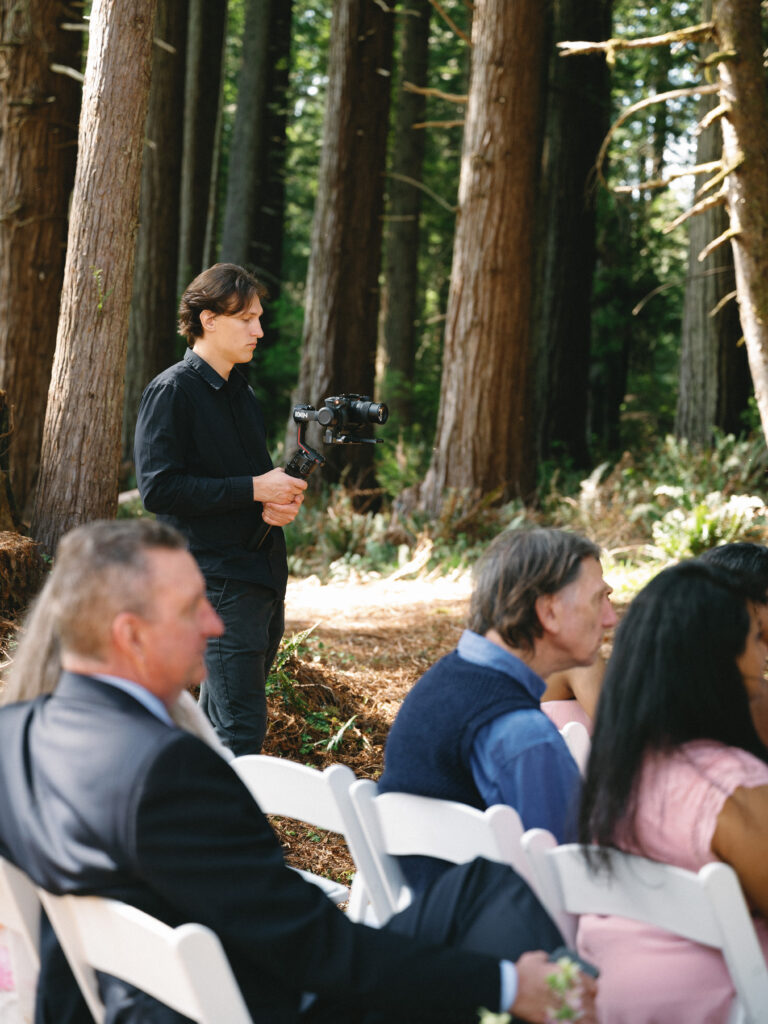
Restrictions on additional vendors vary considerably between properties. Some charge additional fees per vendor or limit total crew size. Some destination wedding venues have rules about where support equipment can be positioned. A couple who has invested in full photo and film coverage should confirm that the venue’s vendor policy supports the team they are bringing before those costs are committed.
Considering a Venue? We Are Happy to Take a Look & Assist.
Share your location, date, guest count, and the feeling you want the celebration to carry.
What to Clarify Before Confirming Your Venue
Which direction does the ceremony space face, and what is the light like at the planned ceremony time?
This single question reveals more about photographic conditions than most venue tours do. The answer also determines whether the ceremony timing needs to be adjusted to align with favorable light
Is there a site visit available for the photography and film team before the wedding day?
Properties that allow advance access enable significantly better planning. Understanding the space in person at the time of day the wedding will take place, changes what a team can prepare.
What are the specific restrictions on photography and videography during the ceremony?
Some venues prohibit flash, restrict movement during the ceremony, or require photographers to remain behind a designated line. These constraints affect what can be captured and should be known before a team is hired.
What is the rain plan, and can we see the specific indoor backup space?
Evaluating the backup space as a visual environment, rather than simply a logistical solution, changes how a contingency is planned. A backup space that photographs poorly is a different kind of problem from one that photographs well.
Are drones permitted on the property, and is a permit required?
If aerial coverage is part of the plan, this needs to be confirmed in writing rather than assumed during a tour.
Are there restrictions on the number of vendors or on external audio equipment?
Second photographers, audio technicians, and lighting assistants should all be accounted for in the venue’s vendor policy before they are included in a contract with the coverage team.
Is there access to the property the evening before or the morning of the wedding for equipment setup?
For film teams capturing preparation footage, arrival time and setup access affect the coverage timeline in ways that are difficult to recover from if discovered late.
What makes a wedding venue good for photography?
Important factors are natural light quality and direction, spatial variety within the property, and the presence of secondary portrait locations beyond the primary marketed view.
A venue with consistent natural light, multiple connected spaces, and a west- or south-facing outdoor area typically photographs well across the entire day. Decor, styling, and floral design matter considerably less than these underlying conditions.
Would You Like Professional Perspective on Your Venue Options?
We would be happy to review each one from a photography and film perspective and highlight what works well and what may not.