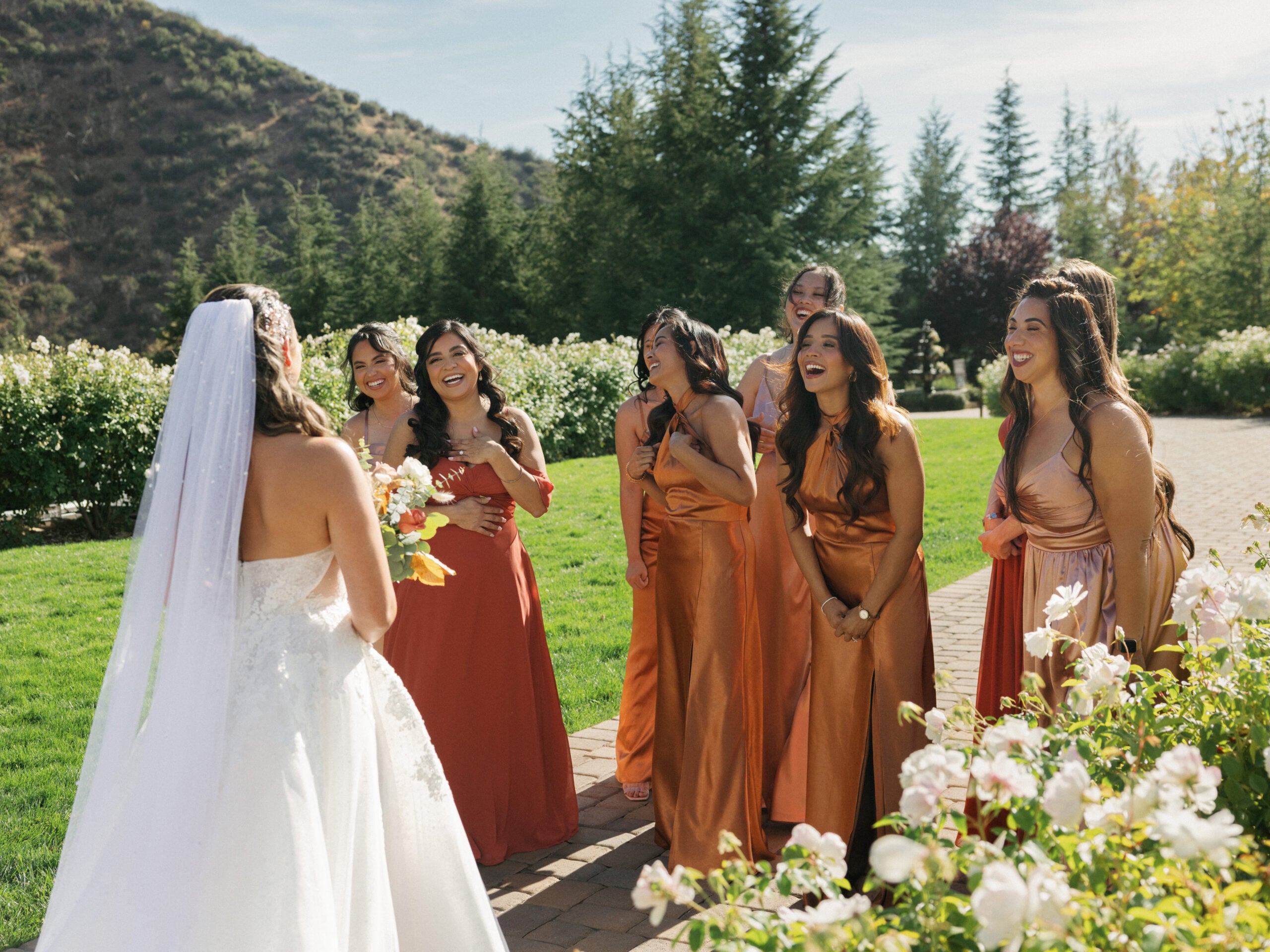
Why Timeline Quality Affects Final Images
A wedding day is often planned in hours, but photographed and filmed in moments. The difference between a good gallery and a fragmented one is rarely about equipment or style.
The celebration is shaped in advance by how time is distributed across it. The timeline determines when portraits happen, how long they last, whether light is available, and how much space remains after the ceremony before the reception begins.
Photography and film rely on timing in different ways, but both depend on it directly.
While portrait sessions need uninterrupted blocks to settle into composition and movement, family photographs move quickly when people are already gathered. Film depends on complete actions and clear transitions between events, without interruptions.
When time is structured carefully, the team can stay with moments instead of moving ahead of them.
Getting Ready, First Look, Ceremony, and Portraits
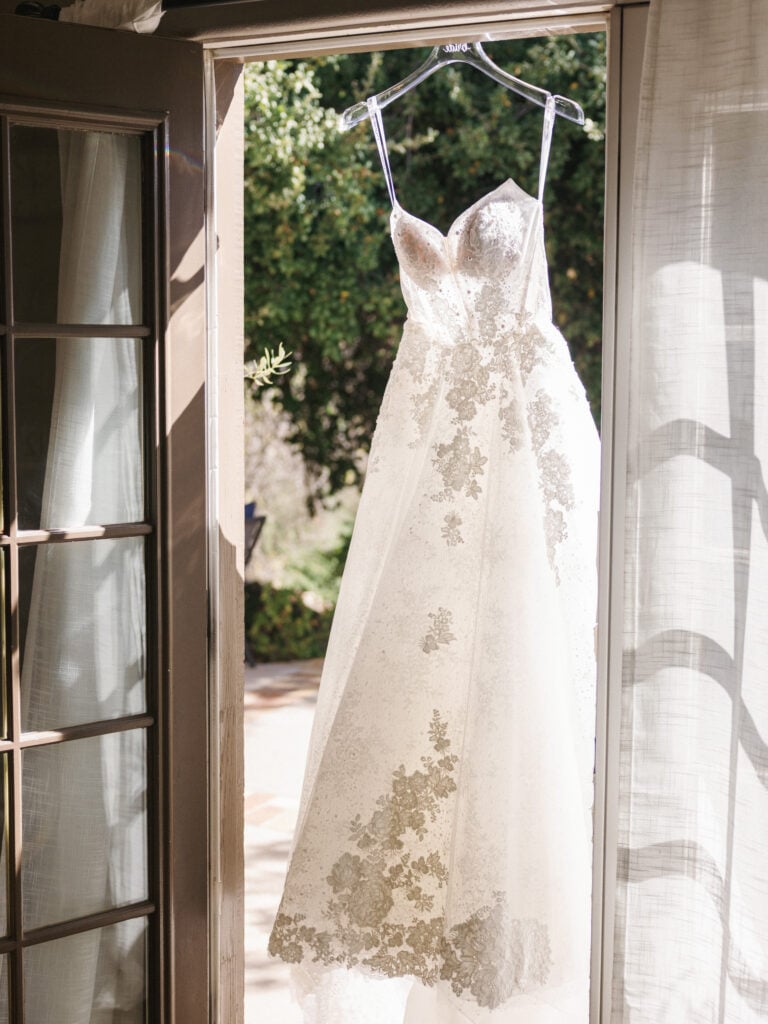
Getting ready coverage depends on two things: space and timing. Natural light coming from one direction, clear surfaces, and room to move change how the morning looks on camera. Tight rooms with closed curtains and scattered items reduce what can be captured without interrupting the moment.
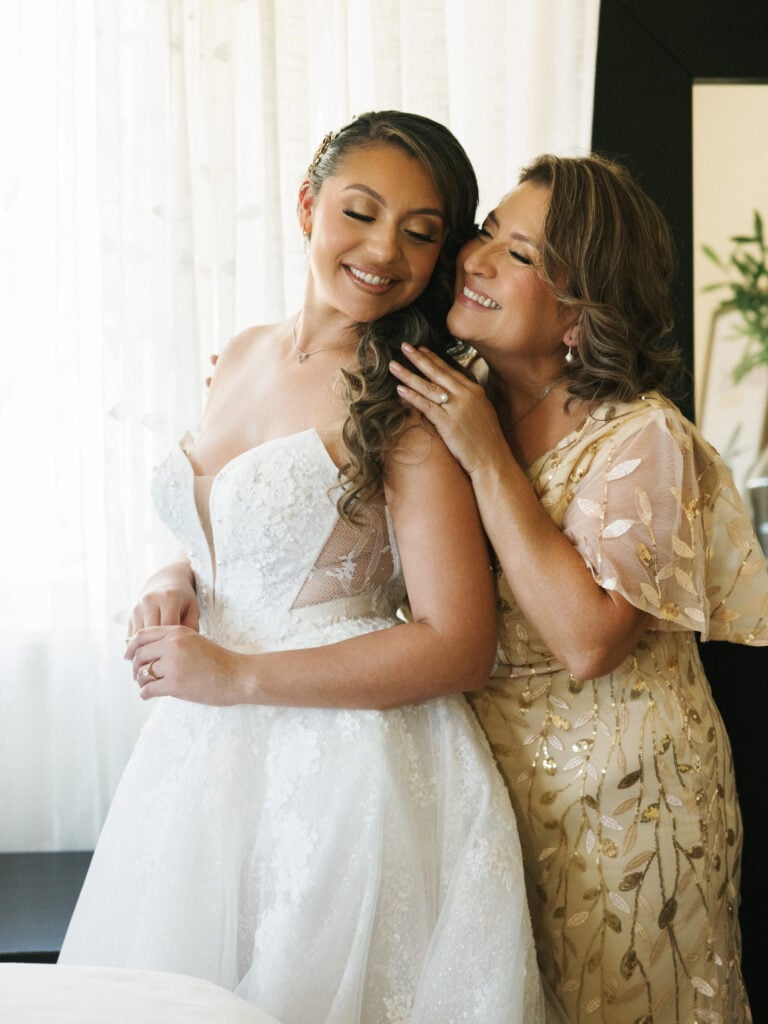
The timeline needs dedicated space for key steps: the dress being put on, rings and accessories photographed before they are handed out or packed away, and brief family moments like a mother fastening the dress or a father seeing the bride before the ceremony. These are small sequences, but they only work when they are not squeezed between other parts of the schedule.
First Look
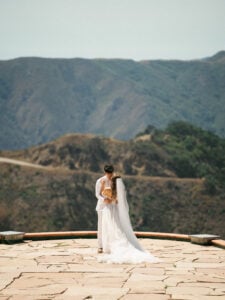
A first look is a private moment before the ceremony when the couple sees each other for the first time.
With a first look, part of the portrait work moves into the earlier part of the day. By the time the ceremony ends and guests move into cocktail hour, a significant portion of the portraits is already complete. The time after the ceremony becomes easier to work with.
Not every couple chooses a first look. Seeing each other for the first time during the processional carries a different photographic weight: public, framed by the ceremony, shaped by everything that follows. The decision affects how time is distributed across the day and should be set in the timeline early.
Ceremony
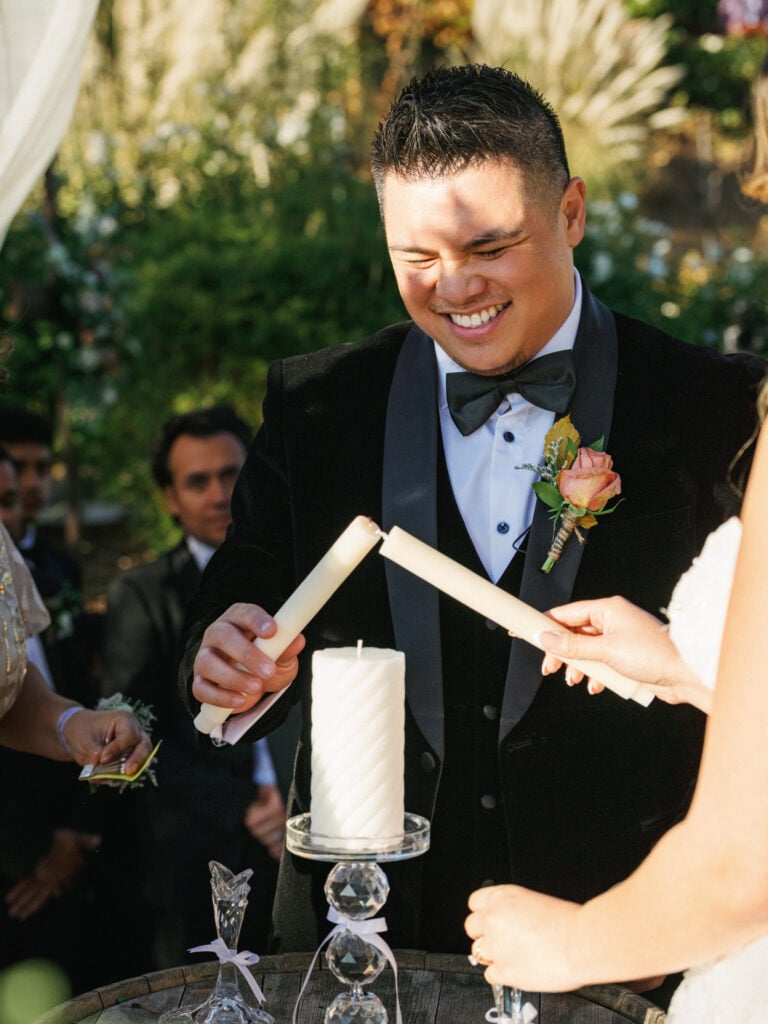
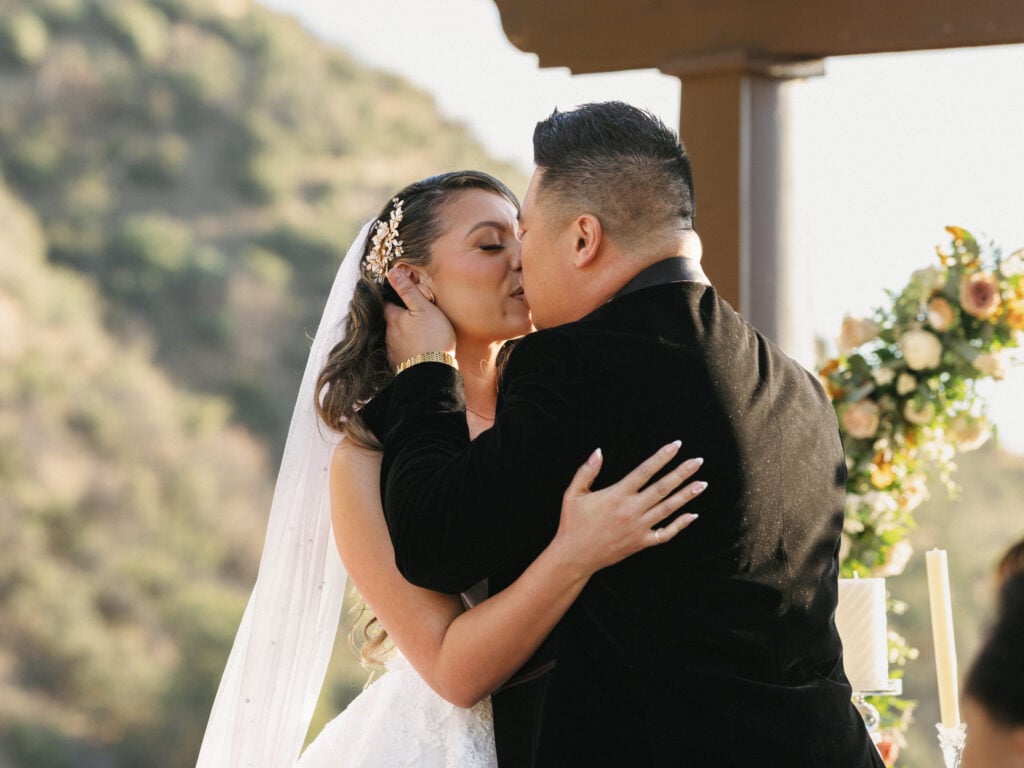
The ceremony timeline for photography and film is primarily about positioning and sequence. The photography and film team needs the full ceremony order in advance: processional sequence, readings, cultural elements, musical performances, and any limits on movement or flash use.
Expert Note 1:
Midday outdoor ceremonies create hard overhead light that is difficult to control in both photography and film. Late afternoon ceremonies shift into softer, lower light that requires less correction on site. When timing is flexible, later in the day usually produces stronger conditions for coverage.
Expert Note 2:
Ceremonies often run longer than planned, especially with personal vows, readings, or cultural traditions. Building fifteen to twenty minutes of buffer time into the schedule keeps that variation from affecting what follows.
Portraits
Portraits are often the first part of the schedule to lose time when earlier events run over.
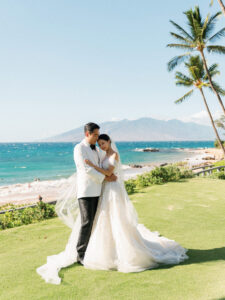
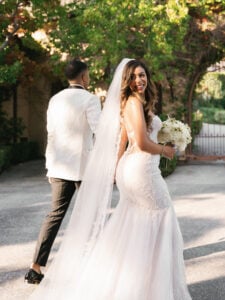
Treating portraits as a defined part of the day, not leftover time after the ceremony, changes how the session works. Forty-five minutes to one hour is usually enough for the session to develop without pressure. That window typically includes a short location move, a couple of key setups, and a few variations in light and framing rather than a long list of poses.
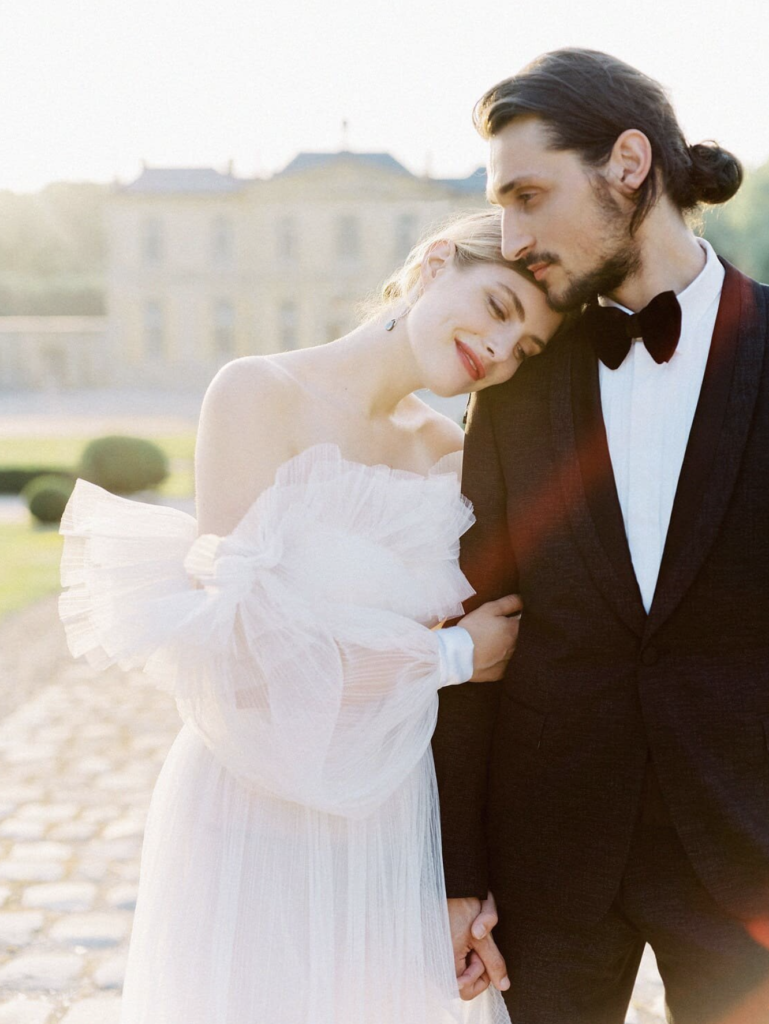
The timing of portraits also depends on light. When they are placed too early in the day, light tends to be higher and flatter. When they are pushed too late, the session compresses into diminishing light and reduced flexibility. A late afternoon window keeps both photography and film closer to consistent conditions.
Family portraits need their own block in the timeline. Listing groups in advance and photographing them right after the ceremony, while everyone is still gathered, is more efficient than trying to assemble people later in the reception. A pre-agreed list with the planner or coordinator reduces delays and avoids repeated calls for missing family members.
Golden Hour and Reception Coverage
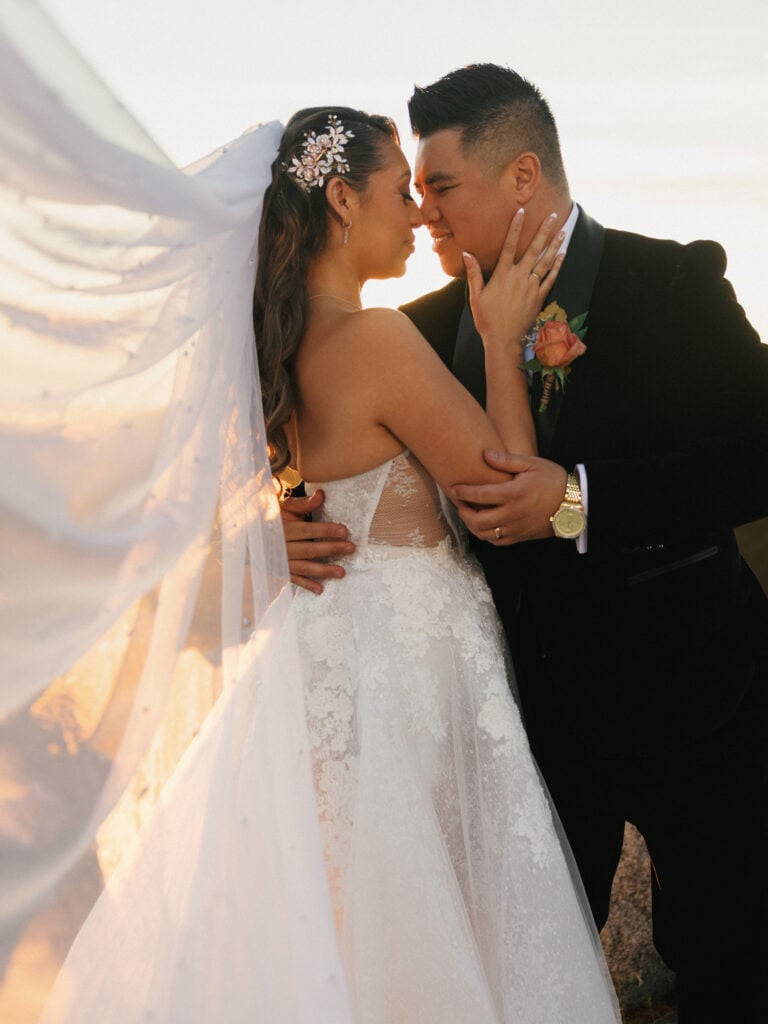
Golden hour begins roughly sixty to ninety minutes before sunset, when the light becomes softer, warmer, and more directional. It is one of the shortest parts of the day and one of the most valuable for photography and film.
Because sunset changes throughout the year, the schedule should be built around the actual sunset. In summer, golden hour may arrive much later than many couples expect; in autumn, it often begins before dinner service.
Reception coverage follows a more predictable rhythm: entrances, the first dance, parent dances, speeches, dinner, and open dancing. Sharing that sequence with the photography and film team in advance allows everyone to prepare for key moments before they happen.
Many venues dim the room immediately before the first dance or switch to candles, uplighting, or spotlights. Knowing when those changes happen helps the team adjust camera positions and settings without interrupting the evening.
Buffer Time and Travel Between Locations
Few wedding days run exactly according to schedule. Small delays are normal.
Without buffer time, every delay carries forward into the next part of the day. A ceremony that finishes fifteen minutes late shortens portraits. A longer portrait session delays the reception. The pressure continues to build as the day progresses.
Expert Note:
Adding buffer at a few key points makes the entire schedule more resilient. Around thirty minutes before leaving the getting-ready location, fifteen to twenty minutes after the ceremony, and a short window before reception events begin are often enough to absorb the most common delays.
Travel between venues deserves the same attention. Driving time is only one part of the transition. Equipment must be packed, transported, unloaded, and set up again before coverage continues. A journey that appears to take fifteen minutes on a navigation app may require considerably longer on a busy weekend.
When the ceremony and reception take place at different venues, the journey between them can also become an opportunity. A short portrait stop along the route often provides a quieter setting than either venue and gives the couple a few private moments together before the reception begins.
Aligning Your Planner, Photography, and Video Teams
Collaboration is key.
A planner shapes the flow of the day. Photography and film teams review how that schedule works in real conditions: light at each location, realistic travel time, coverage needs, and logistics on the ground. Reviewing the schedule together before the wedding allows small adjustments that can significantly improve the final photographs and film.
The photography team needs clarity on light at each location, travel time between venues, and the moments that carry priority for the couple.
The film team plans around audio from the venue, microphone placement before the ceremony, reception lighting changes, and any live performances that require preparation.
A single planning call or shared timeline document is often enough to surface conflicts early. Portraits placed during dinner, travel time that runs too tight, or reception events overlapping with sunset are easier to adjust in advance than during the celebration.
The final timeline includes the ceremony order, key family groupings for portraits, travel details, vendor arrival times, and any cultural or personal moments that require preparation.
Building a Practical Timeline: Checklist
Start from sunset and set the portrait window first
Lock the exact time for couple portraits based on available daylight.
Place portraits around that window
If there is a first look, split portraits into two parts: one before the ceremony, one during late afternoon light.
If there is no first look, reserve a continuous portrait block after the ceremony that reaches into the late afternoon.
Position the ceremony with enough distance from portraits to avoid compression later in the day
Avoid tight back-to-back transitions between ceremony end and reception start.
Schedule getting ready with a defined buffer before departure
Include extra time for hair, makeup, and dress changes without shifting the rest of the timeline.
Move family portraits directly after the ceremony while all guests are still present
Group them in advance and assign responsibility for calling names.
Insert buffer blocks at transitions
Insert buffer blocks at transitions: after the ceremony, between locations, and before reception entry. Treat them as fixed parts of the schedule, not optional time.
Fix reception order in advance and share it with all teams
If multiple locations are involved, calculate travel time with setup included.
Treat movement as a scheduled segment, not empty space.
FAQ
How much time should we allow for wedding portraits?
Couple portraits are most comfortable with forty-five minutes to one hour, especially when scheduled around golden hour. This provides enough time to move between locations, settle into the session, and create a varied gallery without feeling rushed.
Family portraits should be planned separately. Depending on the number of groupings, they typically require twenty to forty minutes and are most efficient immediately after the ceremony while everyone is still together.
Should we do a first look?
A first look creates additional flexibility throughout the day by moving part of the portrait session before the ceremony. It also creates a private moment that feels very different from the processional.
Choosing not to have a first look is equally valid. Many couples prefer the emotion of seeing each other for the first time as the ceremony begins. The decision is personal. Understanding how each option affects the schedule simply makes planning easier.
What time should our wedding ceremony start?
There is no single ideal ceremony time. The best choice depends on the season, sunset, and the structure of the celebration.
When portraits are planned after the ceremony, the schedule should leave enough daylight for that session. If portraits are reserved for golden hour, the ceremony and cocktail hour should naturally lead into that window without creating unnecessary gaps.
Drafting a Wedding Day Timeline?
If you already have a draft schedule, we’d be happy to review it from a photography and film coverage perspective and share practical feedback before everything is finalized.