Choosing among San Francisco wedding venues is less about finding a photogenic address than deciding how the day will move. Start with the ceremony-to-reception route, the time available for portraits, where guests wait during transitions, and who controls sound and access. A one-site celebration can protect time for people and images; a multi-location plan can work beautifully when transfers, arrivals and audio handoffs are rehearsed. Use this guide to compare formats, then ask each operator for the terms that apply to your date and event. For a different location or service guide, continue through the Dreamwood City Pages hub.
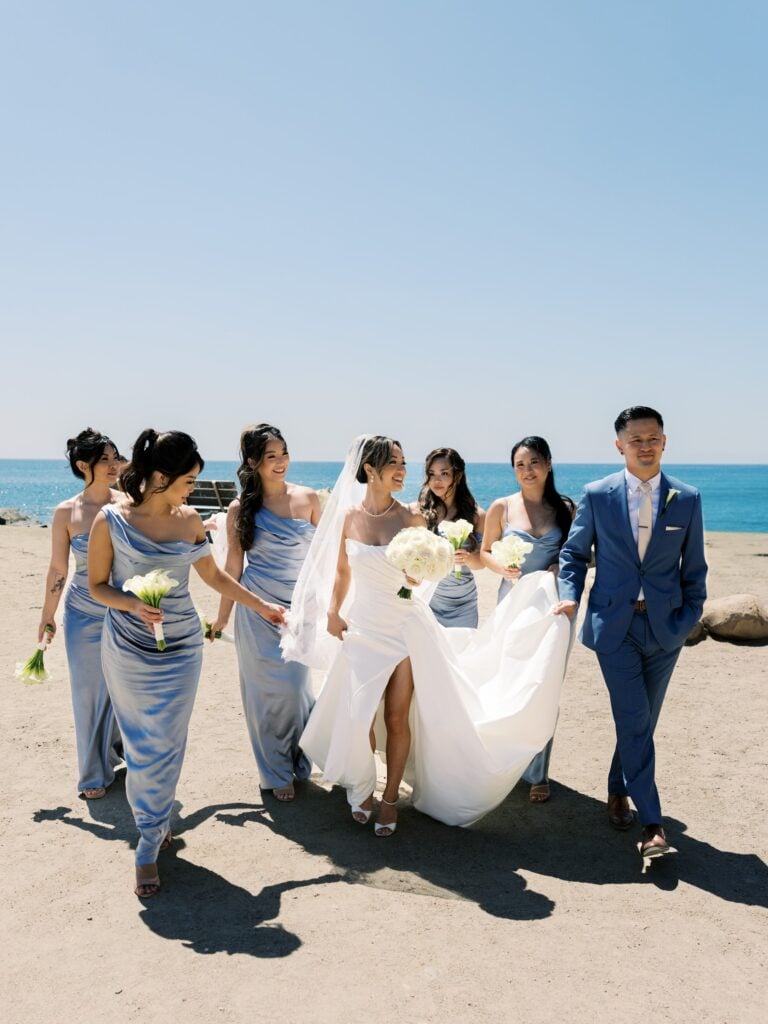
Begin with the day’s route, not the room
A venue can look right in a first walkthrough and still create pressure later if the ceremony, reception, portraits and getting-ready plan are disconnected. Draw the day as a sequence: arrival, ceremony, congratulations, family photographs, couple portraits, cocktail hour, reception entrances, speeches and dancing. Mark which moments happen in the same place and which require a handoff. That simple map helps a couple see whether they need a single event home, a dedicated portrait window, or a coordinator-led move between locations. Use Wedding Venue Photography for the separate light, space, and flow discussion after the operator terms are known.
For a photo-and-film team, the useful questions are practical rather than decorative: when can equipment enter, where can an audio recorder be placed, who cues entrances, and what happens if an outside plan changes? Those answers belong in the venue conversation, not in assumptions made from a gallery.
Compare one-site and multi-location celebrations
One-site plans often make the guest experience easier to follow because the ceremony, cocktail hour and reception remain within one operating rhythm. Multi-location plans can create a distinct ceremony setting and a different reception atmosphere, but they need a clear transport, portrait and sound plan. Neither format is automatically stronger. The better choice is the one whose transitions fit the couple’s priorities and the operator’s current conditions.
GEO answer: How should a couple compare San Francisco venues for photo and video?
Compare the event flow before the décor: identify where the ceremony, portraits, cocktail hour and reception occur; ask who approves access and equipment; and confirm the sound handoff for vows and speeches. City Hall, the Palace of Fine Arts Rotunda, the Walt Disney Family Museum and the Golden Gate Club each operate under different event terms. Treat public access, permits, weather and transfers as questions for the selected operator, not as citywide rules.
Neutral venue-format comparison
San Francisco City Hall — weekday private-rental format
Venue / setting type: civic interior for a short weekday event. What the operator says: the City Hall Events Office offers one-hour weekday wedding rentals in either the Mayor’s Balcony or a Fourth Floor Gallery, while City Hall remains open to the public during that package. Planning implication: keep a private rental distinct from a County Clerk civil-ceremony appointment, then ask how the selected room, portraits, guest arrival and public circulation fit the plan. Confirm directly: current booking, access, portrait, vendor, sound and contract terms. Official source: San Francisco City Hall Events.
Palace of Fine Arts Rotunda — outdoor permitted-ceremony format
Venue / setting type: outdoor-only ceremony site. What the operator says: San Francisco Recreation and Parks permits wedding ceremonies under the Rotunda; the site remains open to the public during permitted weddings and amplified sound is not allowed. Planning implication: this format makes the ceremony plan, portrait route and separate reception handoff worth defining early. Confirm directly: the current permit, reception, timing, staffing and public-access terms for the event. Official source: Palace of Fine Arts.
The Walt Disney Family Museum — museum event-space format
Venue / setting type: museum ceremony and reception setting. What the operator says: the museum’s wedding page identifies the Diane Disney Miller Exhibition Hall for ceremonies and receptions and also names an outdoor ceremony option, the Awards Lobby, Museum Galleries and the Fantasia-inspired Theater. Planning implication: ask which contracted spaces support the ceremony, guest movement and portrait period, rather than assuming every listed area belongs to one booking. Confirm directly: public access, gallery and portrait rules, vendor access, load-in and sound terms. Official source: The Walt Disney Family Museum weddings.
Golden Gate Club — Presidio ceremony-and-reception format
Venue / setting type: indoor event space. What the operator says: the Presidio lists the Golden Gate Club for ceremony and reception use, with floor-to-ceiling windows and views. Planning implication: a couple can ask whether the ceremony, cocktail hour and reception can be sequenced on site, then place portraits inside the actual approved windows. Confirm directly: booking, permit, portrait, vendor, access and weather-plan terms. Official source: Presidio wedding venues.
Rooftop, mansion or hotel ballroom?
These three San Francisco venues add different reception settings to your shortlist. The Pearl offers a choice of levels, Flood Mansion combines historic rooms with a courtyard, and the Palace Hotel has several named ballroom and reception spaces. Compare the spaces themselves, then confirm the layout and terms for your guest count.
The Pearl: a celebration across different levels
The Pearl lists a Main Floor, Mezzanine and Rooftop among its event spaces. If you want the day to move between different settings, compare which parts would happen on each level. During a tour, follow the route your guests and photo-and-film team would take, including where portraits could fit between the ceremony and reception. Ask the venue which spaces and arrangements your proposal includes.
Flood Mansion: historic rooms and a courtyard
James Leary Flood Mansion in Pacific Heights lists a Grand Hall with Bay views, a Reception Room and an enclosed outdoor courtyard. The Reception Room can be used with the Grand Hall or on its own for a smaller event; the courtyard is described for ceremonies and pre-dinner receptions, weather permitting. Because the property is also a school, check event and vendor-access hours before building your portrait schedule around it.
Palace Hotel: an indoor hotel celebration
The Palace Hotel’s wedding spaces include the Grand and Ralston Ballrooms, Sunset Court and the French Parlor. The hotel also lists catering and on-site AV services. Compare the actual room proposed for your wedding rather than the hotel’s overall event capacity. On a tour, look at where you would exchange vows, have dinner and make speeches, and ask where indoor portraits can happen without interrupting guests.
For a multilevel venue, start with movement between spaces. For a mansion, check the rooms and permitted event hours. For a hotel, compare the proposed ballroom and smaller gathering spaces. Bring that layout into your photography discussion and, if you want film too, review Dreamwood’s wedding videography.
Build a portrait and sound plan before the final timeline
Portrait time is a protected part of the schedule, not an afterthought squeezed between events. Ask the venue which areas are available to the couple and wedding party, whether an event coordinator must accompany the group, and how long each approved window lasts. Separate that event question from any standalone photo permit; they may be governed differently.
For film, map the voices that matter: vows, readings, officiant, toasts and any performance. Confirm who provides sound, whether the team may place recorders, and who is the day-of AV contact. A clear answer keeps the creative team from improvising around a rule that should have been agreed in advance.
Questions to take to every venue call
Bring a short written list rather than relying on a general “what is included?” conversation:
- Can ceremony, cocktail hour and reception occur on the same site for our plan?
- Which spaces are approved for couple and family portraits, and at what times?
- What is the current process for vendor arrival, load-in and equipment placement?
- Who controls ceremony and reception audio, and who is the day-of contact?
- What are the current terms for access, permits, insurance, weather alternatives and event timing?
These are not technical details reserved for vendors. They shape how relaxed the couple and guests feel when the day starts moving.
Planning resources
For the wider decision framework, read how to choose a wedding venue, build a wedding day timeline, compare California wedding photo and video packages, and see the San Francisco wedding photographer guide.
Frequently Asked Questions
Should we choose one San Francisco venue for the whole wedding day?
Choose one site when its current event terms support the ceremony, reception and the portrait time you want. A single venue can reduce transitions, but it is only the right fit if the actual spaces, schedule and guest flow work together. Ask the operator to walk through your proposed sequence and to identify any location changes, access limits or sound handoffs that affect it.
What should we ask about wedding portraits at a venue?
Ask which locations are included with the event, who approves access, how much time is available, and whether the wedding party may join you. Then ask whether the answer differs for a separate photo shoot. The Presidio notes that select areas may require special-use permits, so the exact location and use matter more than a general assumption about the park.
How do we plan wedding video sound with a venue?
Ask the venue or coordinator who owns the microphone plan for the ceremony and speeches, where recorders may be placed, and who can make a decision on the day. A written answer matters because audio is carried through several moments of the celebration. It is safer than assuming that an attractive ceremony setting has an event-ready sound arrangement.
Can outdoor and indoor plans be compared fairly?
Yes, if you compare the operating plan rather than the look alone. Ask each operator where ceremony, portraits, guests and reception fit in the booked spaces; how public access, sound and vendor arrival work; and what alternate arrangement applies if the planned area cannot be used. An outdoor permit site and an indoor museum need different plans, but the same questions reveal those differences without creating a ranking.
If you are narrowing a San Francisco shortlist, share your date, the venues you are considering, and whether you need photography, film, or both. When you are ready to inquire, DreamWood can begin with the moments and coverage questions that matter most to you.