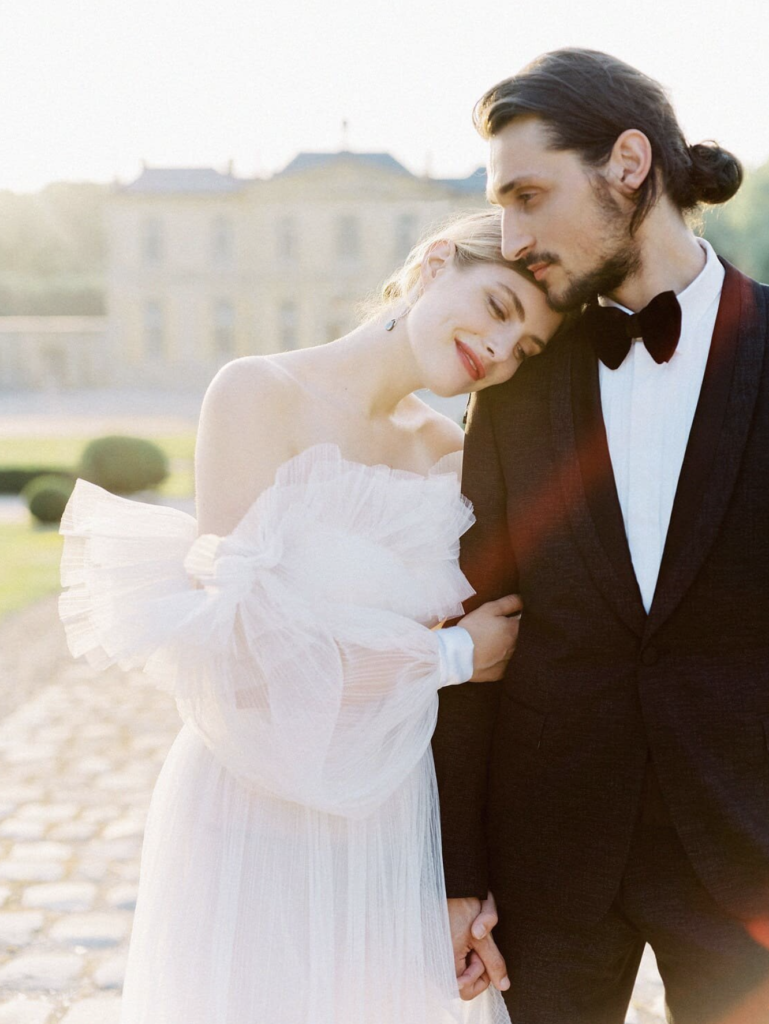

The best questions reveal how the photographer works
The most useful questions to ask a wedding photographer are not designed to catch someone out. They help you understand how the photographer sees a full wedding day, how they communicate, what is actually included, and whether their working style fits the experience you want.
You do not need to ask every possible question. Start with the ones that affect your priorities, then write down any answer you want confirmed in a proposal, contract, or follow-up email.
Short answer
Ask to see complete wedding galleries; discuss direction versus candid coverage; ask how the timeline, family photographs, low light, weather changes, and photo/video coordination are handled; confirm team size, deliverables, editing scope, backup process, travel, payment, cancellation/rescheduling terms, and what happens after the wedding.
1. Can we see complete wedding galleries?
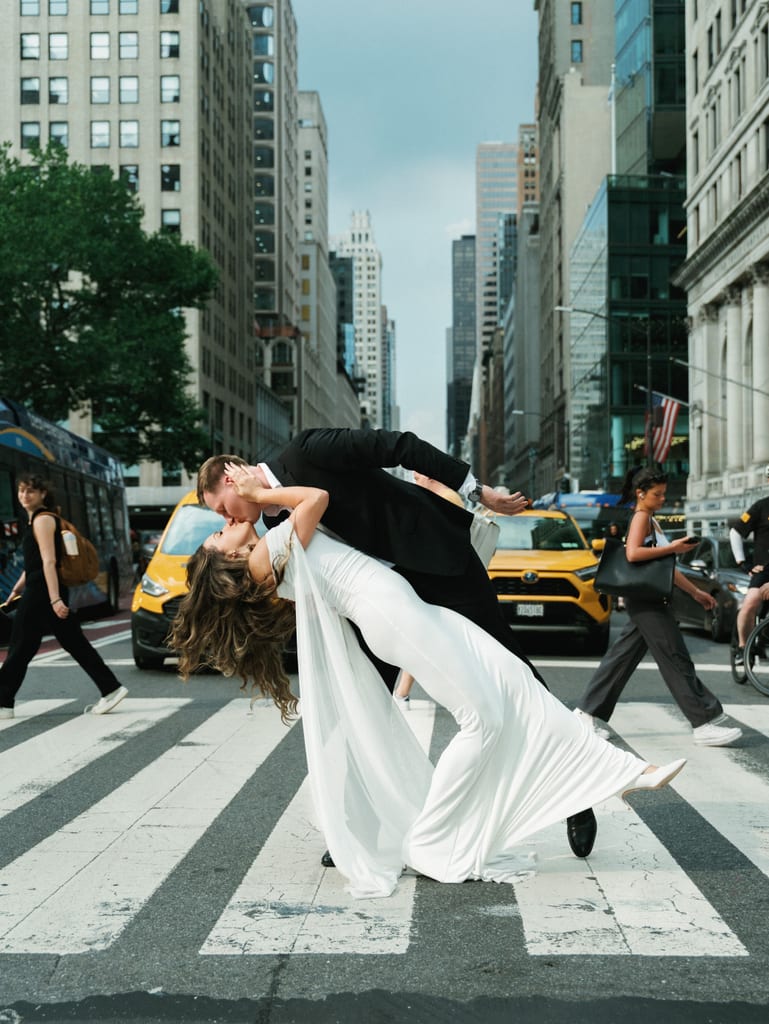
A homepage or social feed shows selected images. A complete gallery shows how the photographer handles the parts of a wedding that are less controlled: preparation rooms, processional timing, family groups, changing light, dinner, speeches, and dancing.
Ask for work that is reasonably comparable to the kind of day you are planning. You are not looking for an identical venue. You are looking for consistency across a full event.
2. How do you balance direction and candid coverage?
Words such as “editorial,” “documentary,” and “candid” can mean different things to different teams.
Ask when the photographer normally gives direction, when they prefer to step back, and how they work with couples who do not feel naturally comfortable in front of a camera.
If editorial portraits matter to you, DreamWood’s Editorial Wedding Photography guide explains the distinction in more detail.
3. How do you build the photography timeline?
A photographer should be able to discuss the sequence of the day without turning it into a rigid photo shoot.
Ask how they think about:
• getting-ready coverage;
• a first look, if you want one;
• family groups;
• couple portraits;
• travel between locations;
• cocktail hour;
• reception details;
• entrances, speeches, dances, and open dancing.
Listen for a process that protects the wedding experience as well as the images.
4. How do you handle family photographs?
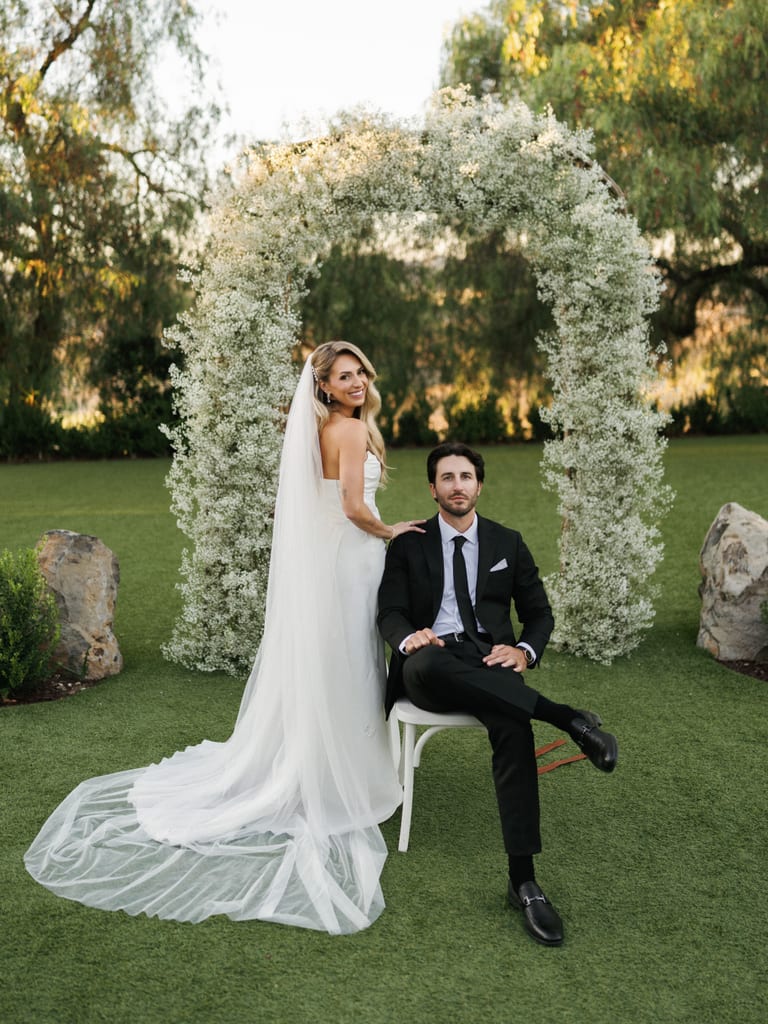
Family groups are important and can become time-consuming when no one knows the order.
Ask whether the photographer collects a family-photo list, how they want it organized, whether they recommend a family contact, and where those photographs fit in the timeline.
The goal is not to create every possible combination. It is to make the meaningful groups efficiently enough that everyone can return to the celebration.
5. What team will actually photograph our wedding?
Ask whether the person you are speaking with will be the photographer on the wedding day and whether additional photographers or assistants may be involved.
If team size changes based on the schedule, ask what conditions normally lead to that recommendation. Separate preparation locations, overlapping events, guest count, or a large property can all affect the conversation, but the exact recommendation should come from your real timeline.
6. How do photography and film work together?
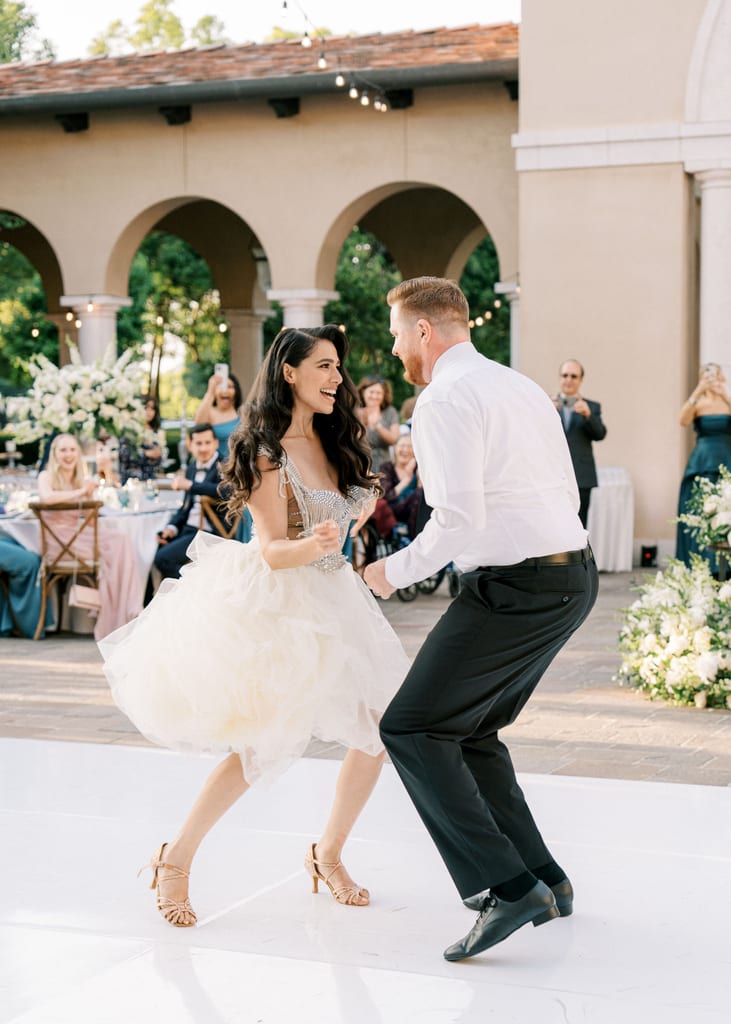
If you are considering both, ask whether photo and film are provided by one coordinated team or separate teams and how they share ceremony positions, portrait time, family groups, audio, and reception events.
One model is not automatically better than another. The key is whether the teams use the same event plan without repeatedly directing the couple through the same moment.
7. How do you handle difficult light or an outdoor plan that changes?
Avoid asking for a promise that every condition will look identical. Instead, ask how the photographer approaches dark preparation rooms, bright exterior conditions, indoor ceremonies, low-light receptions, and a portrait plan that has to move.
The answer should explain decision-making and communication, not guarantee weather.
8. What backup process is in place?
Ask the photographer to explain, in plain language, how they prepare for equipment failure and how image files are handled after the wedding.
You do not need a technical lecture. You need to understand the current process well enough to decide whether it gives you confidence. If a detail matters to the booking decision, ask for the relevant commitment in the normal agreement or written materials.
9. What exactly will we receive?
Ask for the deliverables that apply to the collection you are considering.
Clarify:
• whether the deliverable is digital, print, album, film, or a combination;
• how the gallery or files are delivered;
• whether an estimated quantity or minimum is stated;
• what resolution or download options are included;
• whether printing rights or usage terms are explained;
• what happens to the gallery after delivery.
Do not assume a social-media portfolio describes your package.
10. How do editing and retouching work?
Ask how the photographer defines the editing included with a delivered gallery and whether more detailed retouching is available, included, limited, or handled separately.
Do not rely on the word “retouching” alone. The exact scope varies. Use the Wedding Photography Retouching guide to prepare the questions.
11. What should we know about travel or multiple locations?
If preparation, ceremony, portraits, and reception are at different addresses, share them before the booking is finalized.
Ask how travel is reflected in coverage time, whether any location has access/permit questions, and how the photographer would simplify the route if the schedule becomes too tight.
12. What are the payment, cancellation, and rescheduling terms?
These are contract questions, not photography-style questions.
Ask where the current terms are documented and read them before signing. If something is unclear, ask for clarification in writing rather than relying on a general explanation from another wedding or an old webpage.
This guide does not provide legal advice and should not replace the agreement you are considering.
13. How do you communicate before the wedding?
Ask what conversations or questionnaires normally happen before the day and who the couple contacts when the timeline changes.
A useful process should make it clear when the team needs venue details, family priorities, ceremony information, or a final timeline.
14. What do you need from us to do your best work?
This question often reveals whether the photographer’s process fits the couple.
A useful answer may include clear venue information, a realistic timeline, family priorities, important traditions, or a small number of visual references. It should not require the couple to art-direct every image in advance.
A simple comparison scorecard
After each photographer conversation, record your own impression.
Full-gallery consistency
What we heard: __________ | Confirmed in writing?: __________ | Follow-up: __________
Direction / candid balance
What we heard: __________ | Confirmed in writing?: __________ | Follow-up: __________
Timeline approach
What we heard: __________ | Confirmed in writing?: __________ | Follow-up: __________
Family-photo process
What we heard: __________ | Confirmed in writing?: __________ | Follow-up: __________
Photo + film coordination
What we heard: __________ | Confirmed in writing?: __________ | Follow-up: __________
Deliverables / editing
What we heard: __________ | Confirmed in writing?: __________ | Follow-up: __________
Communication / contract clarity
What we heard: __________ | Confirmed in writing?: __________ | Follow-up: __________
The scorecard is not a universal rating system. It is a way to compare the things that matter to you.
Red flags are usually about mismatch or unclear answers
A photographer does not have to use your preferred terminology. What matters is whether you can understand the process and whether important commitments are clear.
Pay attention when:
• you cannot see enough complete work to understand consistency;
• the working style sounds very different from the experience you want;
• important package or contract questions remain vague;
• the timeline plan depends on unrealistic travel or repeated portrait stops;
• you are relying on assumptions that have not been confirmed by the photographer or venue.
The right conclusion may simply be that the fit is not right.
Frequently asked questions
How many questions should we ask a wedding photographer?
There is no required number. Ask enough to understand the work, process, deliverables, timeline, communication, and terms that matter to you. Skip questions whose answers would not affect your decision.
Should we ask for a shot list?
Share people, traditions, or moments that are genuinely important. For the rest, ask how the photographer normally builds coverage. A rigid list of generic photographs can be less useful than clear priorities and a workable timeline.
Should we meet the photographer before booking?
If a conversation is part of the photographer’s process, use it to understand communication and working style. The important point is that you know who will photograph the wedding and how key questions are answered.
What should we ask about a second photographer?
Ask whether one is included or recommended, who that person is, and what part of your specific timeline creates the need. The answer should relate to your wedding rather than a universal guest-count rule.
What should we ask if we also want wedding video?
Ask how ceremony positions, portrait time, family photographs, microphones, speeches, and reception events are coordinated. Make sure the teams are working from one event plan.
Have a photographer conversation coming up?
Bring your date, venue or shortlist, draft timeline, and the three things you most want to remember. If you want to discuss DreamWood photography or photo + film coverage, start an inquiry. You can also review the gallery and pricing.