
This page compares only current, first-party published setup details and does not verify a couple’s date, price, guest fit, preferred status, or availability. It is for a reader already evaluating Sacramento-area options who wants to turn four published descriptions into small, venue-specific questions before contacting an operator. For context only, Visit Sacramento’s unique-venues editorial is categorized as Convention & Meeting Info and describes a mixed event-venue landscape. That context is not a wedding-vetted selection, and it does not settle the facts for a particular inquiry. The purpose here is narrower: record what a first-party page says, identify what it leaves unanswered, and ask the relevant operator to confirm the missing detail. A published label can start a more focused conversation; it cannot replace one. For a different location or service guide, continue through the Dreamwood City Pages hub.
Tourism context is context, not a Sacramento wedding-venue directory
A tourism editorial can help a reader recognize that the local event landscape is mixed, but it cannot turn that observation into a conclusion about a specific option. It does not tell a reader which setup applies to a particular date, which terms apply, or who is responsible for confirming a detail. Those are separate questions for the operator. Once the operator details are confirmed, continue with the Sacramento wedding photographer guide for the separate coverage conversation.
Use the broader context to avoid overreading it. Do not collect more names or turn a tourism page into an approval signal. Instead, begin with one operator description at a time and separate the published wording from the point that still needs an answer. That distinction keeps the conversation factual. It also prevents a reader from treating a broad description as proof that a particular plan will be offered, confirmed, or unchanged for the inquiry at hand.
A Midtown indoor/outdoor description needs a date-specific verification
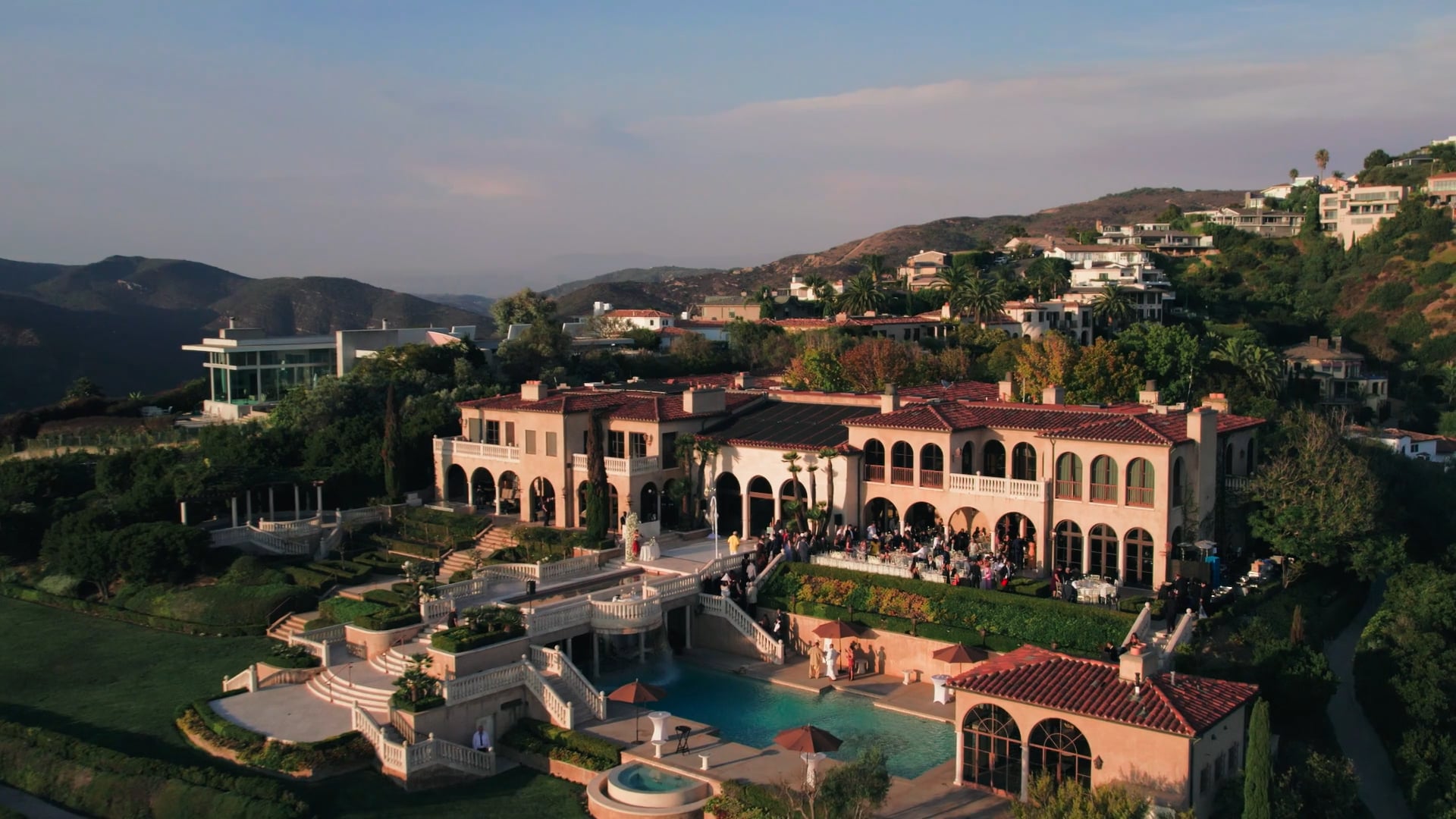
Vizcaya Sacramento publishes indoor and outdoor locations and courtyard/East Patio settings for a ceremony and cocktail hour. That statement gives a reader a defined place to begin, but it does not specify which described area applies to the reader’s inquiry. Put the published wording in a short record before reaching out so the operator can respond to something concrete rather than to a broad impression.
Ask which named area applies to the date being discussed. Then ask which configured use is included in the current written agreement and which operator contact can confirm both points. Keep each response beside the published wording that prompted it. If the reply changes, clarifies, or limits the original description, record that difference rather than smoothing it into a general conclusion.
The result is a useful boundary: the source gives the labels, while the operator supplies the inquiry-specific confirmation. Do not treat indoor/outdoor language as proof of a preferred arrangement. The practical value lies in asking about the particular area and the documented use, not in translating a marketing description into a promise.
A winery-estate label does not settle an operator inquiry
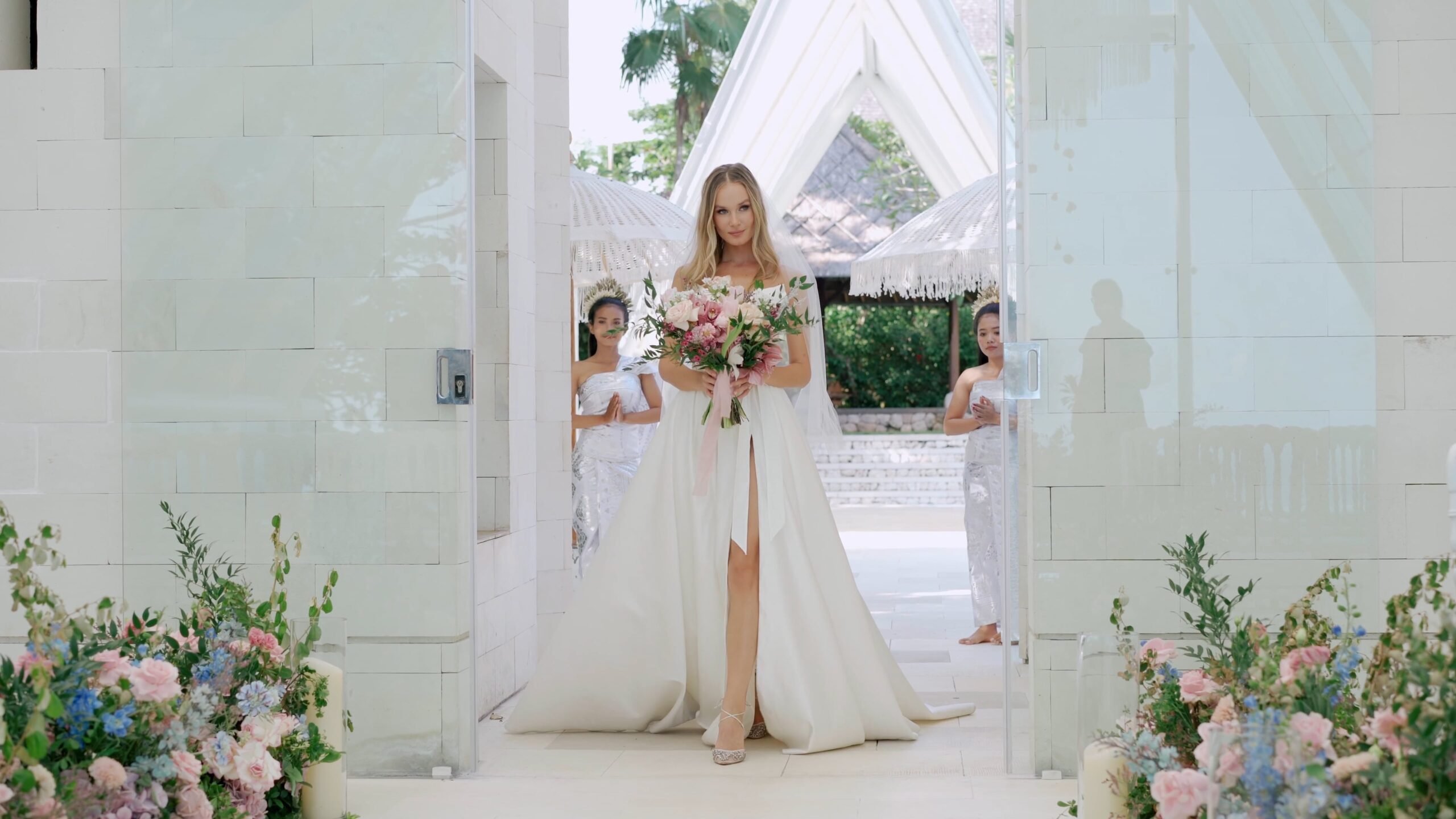
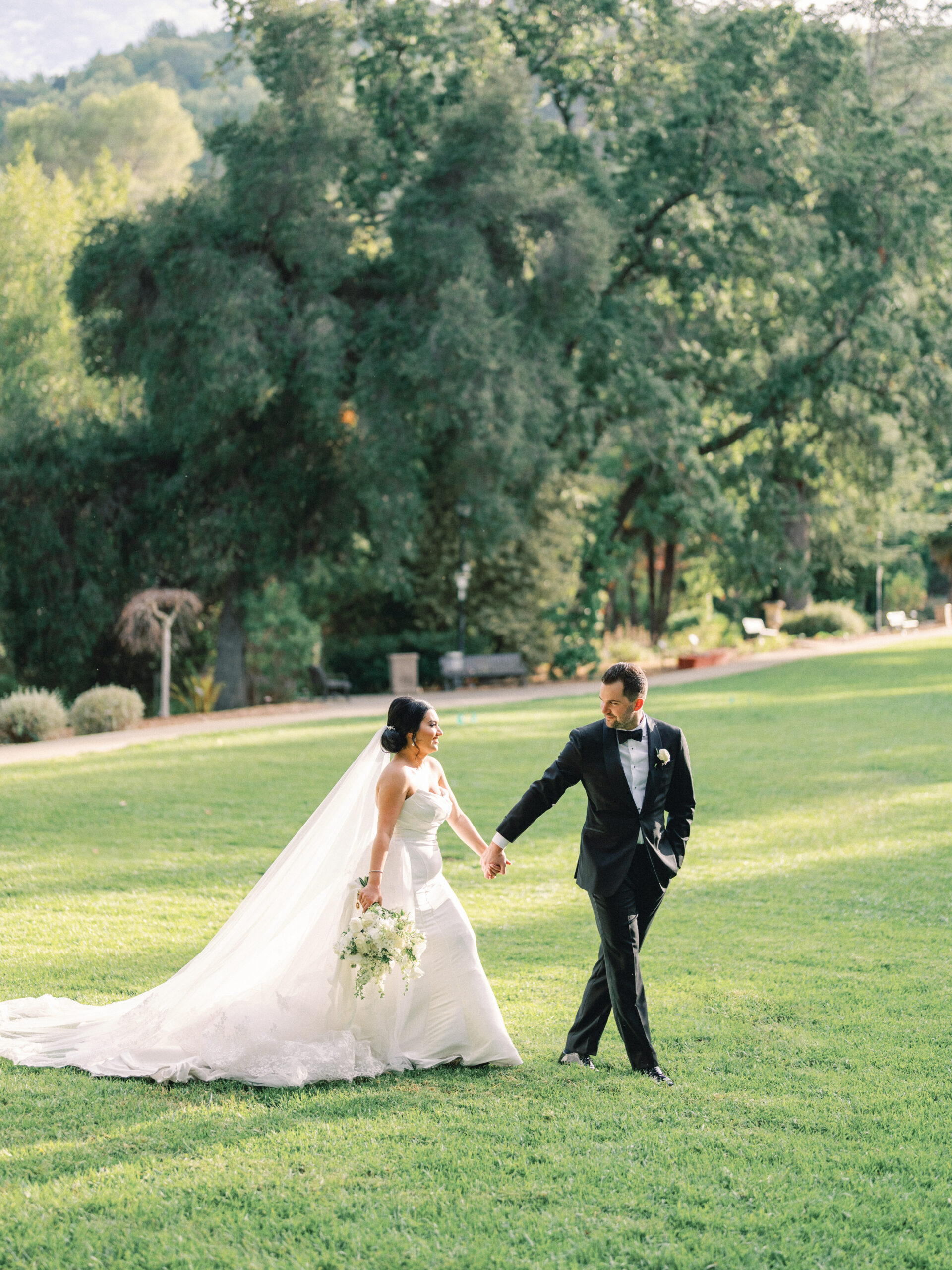
Wolfe Heights Winery & Wedding Venue identifies itself as a Sacramento winery and wedding venue and says its gated estate is by appointment only. The phrase “by appointment only” describes how the operator presents the estate; it does not itself confirm a tour, a date, a package, a price, or a booking. Leave those items outside the record until the operator addresses the specific inquiry.
Ask what the phrase means for the conversation you are starting. Ask which representative can explain the next step and which details that person can confirm in a written reply. Those questions do not require a reader to guess what an operator label means or to treat it as a settled outcome. They simply make the wording usable. Use Wedding Venue Photography to keep the venue record separate from the later light, space, and flow discussion.
If the response adds conditions, timing, or a different interpretation, preserve that response beside the original source note. The aim is not to decode a winery-estate label into a conclusion. It is to create a traceable question that gives the operator room to provide the facts that the published page does not establish.
A stated ceremony-to-reception transition is a question, not a score
The Willow Ballroom says its repurposed historic-warehouse layout can transition between ceremony, cocktail hour, and reception, and lists tables, chairs, furnishings, and valet parking among its essentials. That is a description of a published configuration, not a judgment about whether the configuration works for a particular celebration. Its most useful role is to make the follow-up precise.
Ask which portions of the published transition apply to the event being discussed, which listed essentials are part of that configured use, and which operator contact can confirm the answer. Keep the question limited to the language that appears in the source. If the answer distinguishes between a general description and the specific plan, record the distinction rather than assuming the fuller description carries over.
This preserves the correct order of evidence. First comes the source-linked statement; next comes the operator’s clarification; only then can the reader understand what is actually confirmed for the inquiry. The published transition is not a quality label, and it should not be converted into an endorsement or a conclusion about the event.
Keep a four-field source-and-question record instead of a scorecard
For every option under consideration, use the same blank four-field record:
Source URL: ______
Check date: ______
Exact published setup detail: ______
Unanswered question and named operator confirmer: ______
Fill in the first three fields from the page you actually read, then write one unanswered question that stays close to its wording. The fourth field should identify the person or role expected to verify the answer, not an assumption made from the page. Keep the record short enough to use during a conversation and specific enough that a later reply can be matched to its source.
Do not add an evaluative field. A four-field record keeps published detail, check date, unanswered question, and confirmer together without turning incomplete information into a selection. It also makes changes visible: a revised operator response belongs beside the earlier note, with its own date, rather than silently replacing it.
Closing — return to the operator for current facts
The record supports a more precise operator conversation, not a purchase or booking conclusion. Before relying on a published setup description, ask the relevant operator to distinguish its wording from the facts that apply to the specific inquiry. Keep the source, check date, exact detail, question, and named confirmer together so a later reply can be traced back to what prompted it. This approach does not choose an option or make a promise on anyone’s behalf. It simply gives the reader a disciplined way to carry four first-party descriptions into the conversations where current facts can be confirmed. After the operator has confirmed the record, contact Dreamwood about the separate photo-and-film priorities.