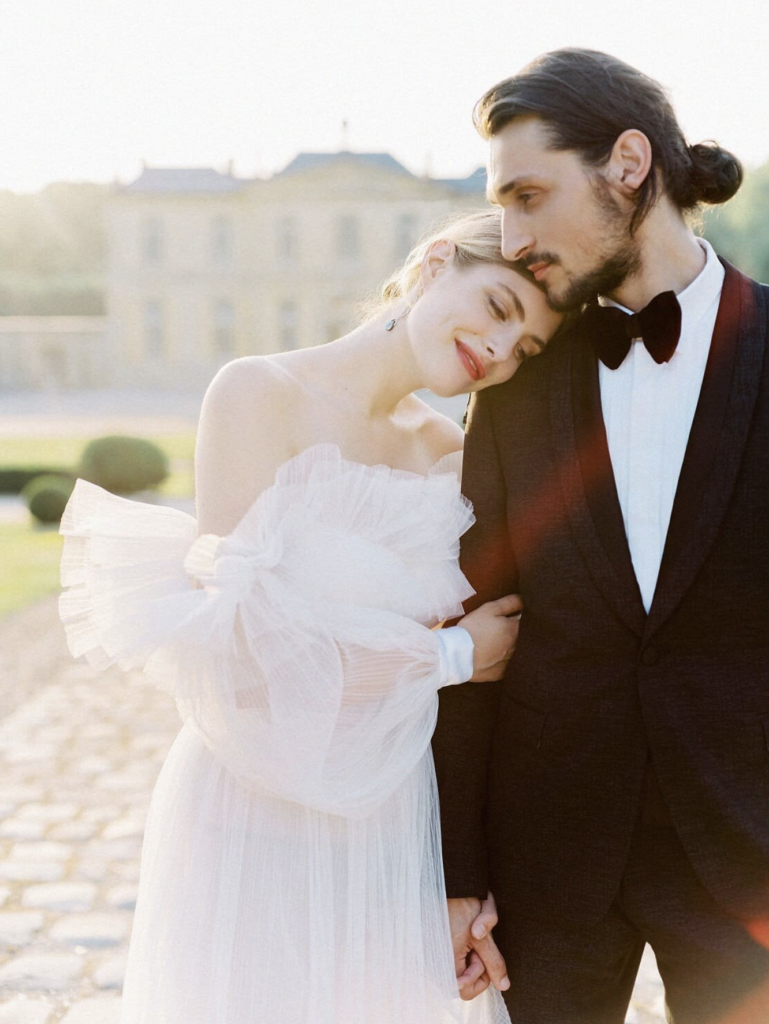
Big Sur wedding photography starts with access, not the overlook
Big Sur gives couples dramatic coast, redwoods, cliffs, and a sense of privacy, but the setting is not one open wedding venue. State parks, private properties, roadside viewpoints, lodging venues, and public areas can all have different rules. The safest planning order is: confirm the ceremony or event site, confirm the route, then build portraits around what is actually permitted and reachable. For a different market or a venue-focused guide, use the Dreamwood City Pages hub.
California State Parks publishes specific wedding and special-event permit information for Big Sur-area park units. Some sites have size, activity, timing, or seasonal limits, and the details can change.
Confirm the exact park or property before the timeline
If a state-park location is part of the plan, use that park’s current permit guidance. Pfeiffer Big Sur State Park and Julia Pfeiffer Burns State Park, for example, publish different event conditions. A rule for one area should never be applied to the whole coast. For venue evaluation before coverage planning, use Wedding Venue Photography.
Ask the controlling operator:
- whether the exact ceremony or portrait use is allowed;
- whether a permit is required;
- how many people and vendors may participate;
- what setup is permitted;
- whether a reception or catered event is allowed;
- what access window and parking plan apply.
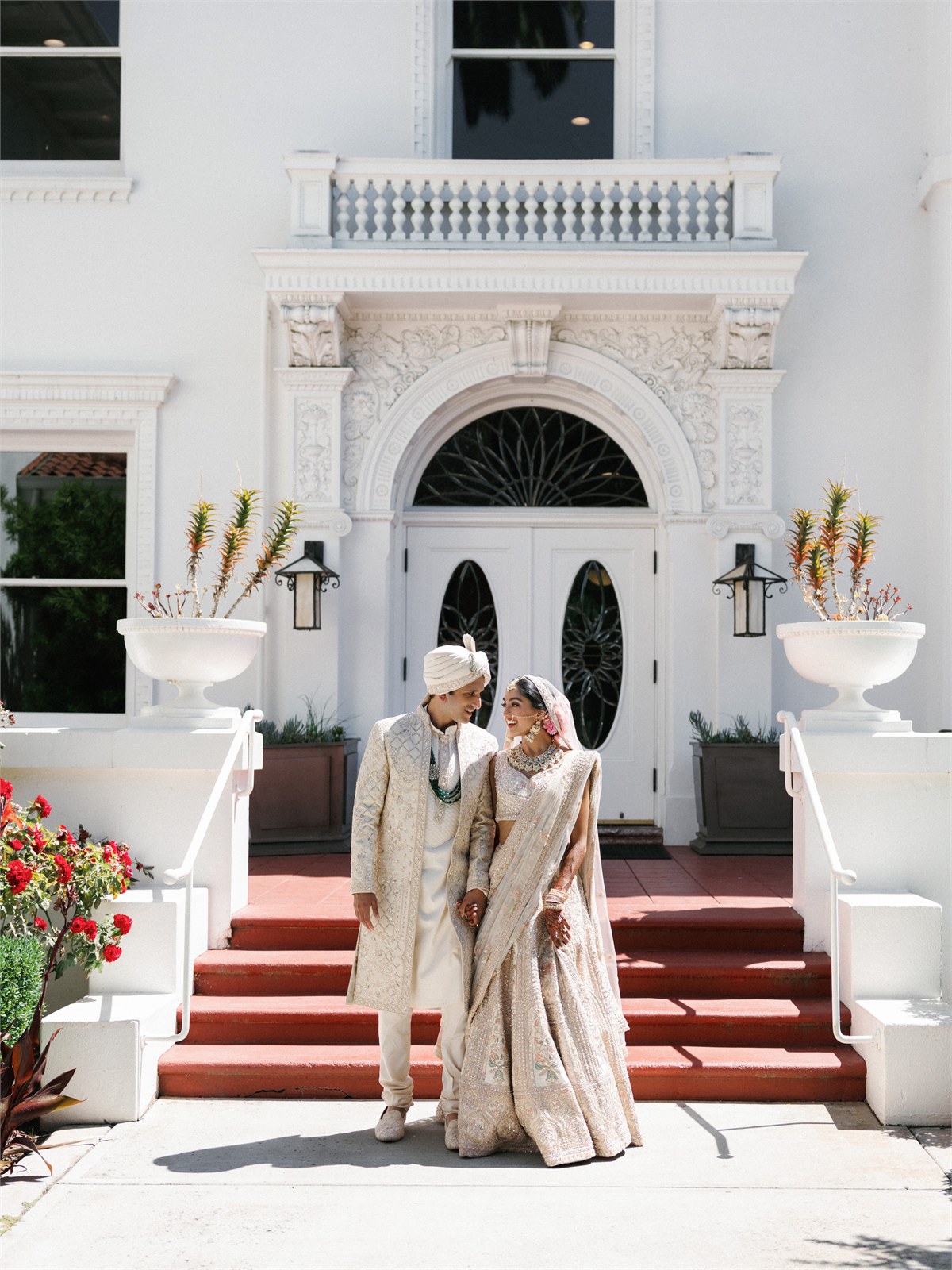
Treat Highway 1 as a live planning dependency
Road conditions on Highway 1 can change. Do not hard-code a driving assumption months in advance. Caltrans QuickMap and Highway 1 condition resources should be checked close to the wedding date, especially if the plan relies on moving between lodging, ceremony, portraits, and dinner.
A stronger Big Sur schedule uses fewer critical transfers and has a route that still works if one optional portrait stop is removed.
Plan wind, audio, and the ceremony as one system
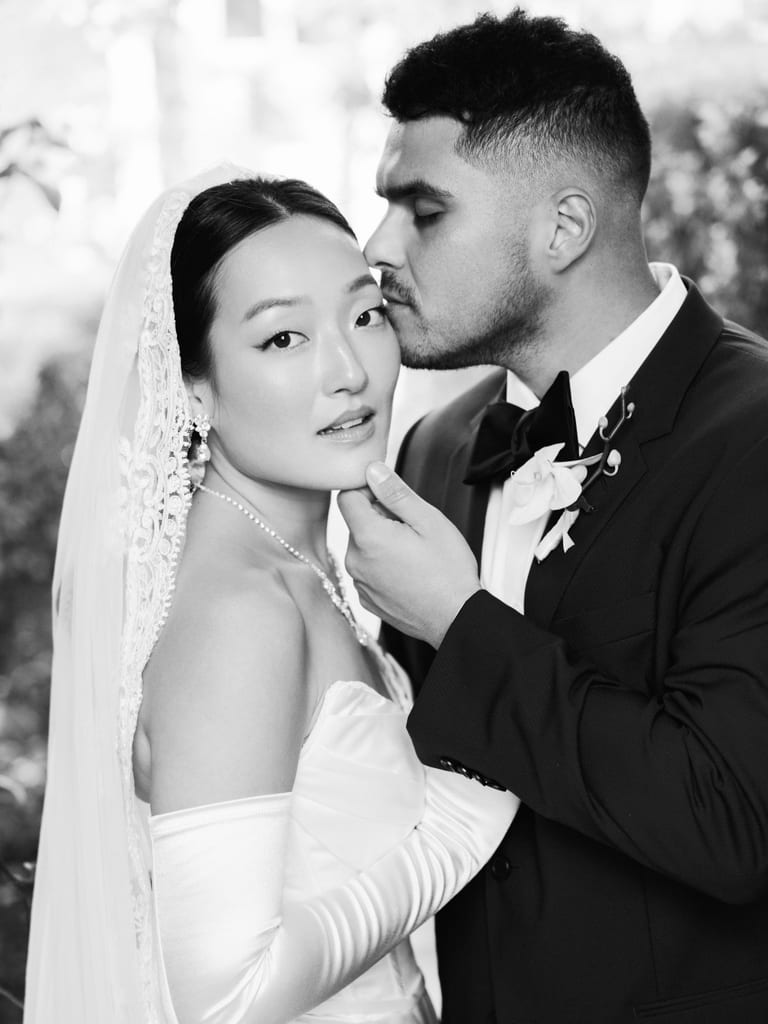
An outdoor ceremony can create both visual and sound challenges. If vows or readings matter in the film, discuss microphone and recorder placement with the officiant, planner, venue, and sound provider before the day. Do not assume a public or remote ceremony setting has event-ready audio.
Photography also benefits from restraint here. One wide coastal scene can establish place; the rest of the story can stay close to faces, hands, family, movement, and the private parts of the celebration.
Keep intimate weddings intimate
A Big Sur elopement or small wedding can become surprisingly complicated when a couple tries to collect many overlooks, trails, and stops in one day. Choose the ceremony first. Add one portrait setting only when it supports the story and the route.
If guests are present, account for their mobility and parking as carefully as the couple’s portrait plan. The best setting is not useful if the people who matter cannot reach it comfortably.
What to review before choosing a Big Sur wedding photographer
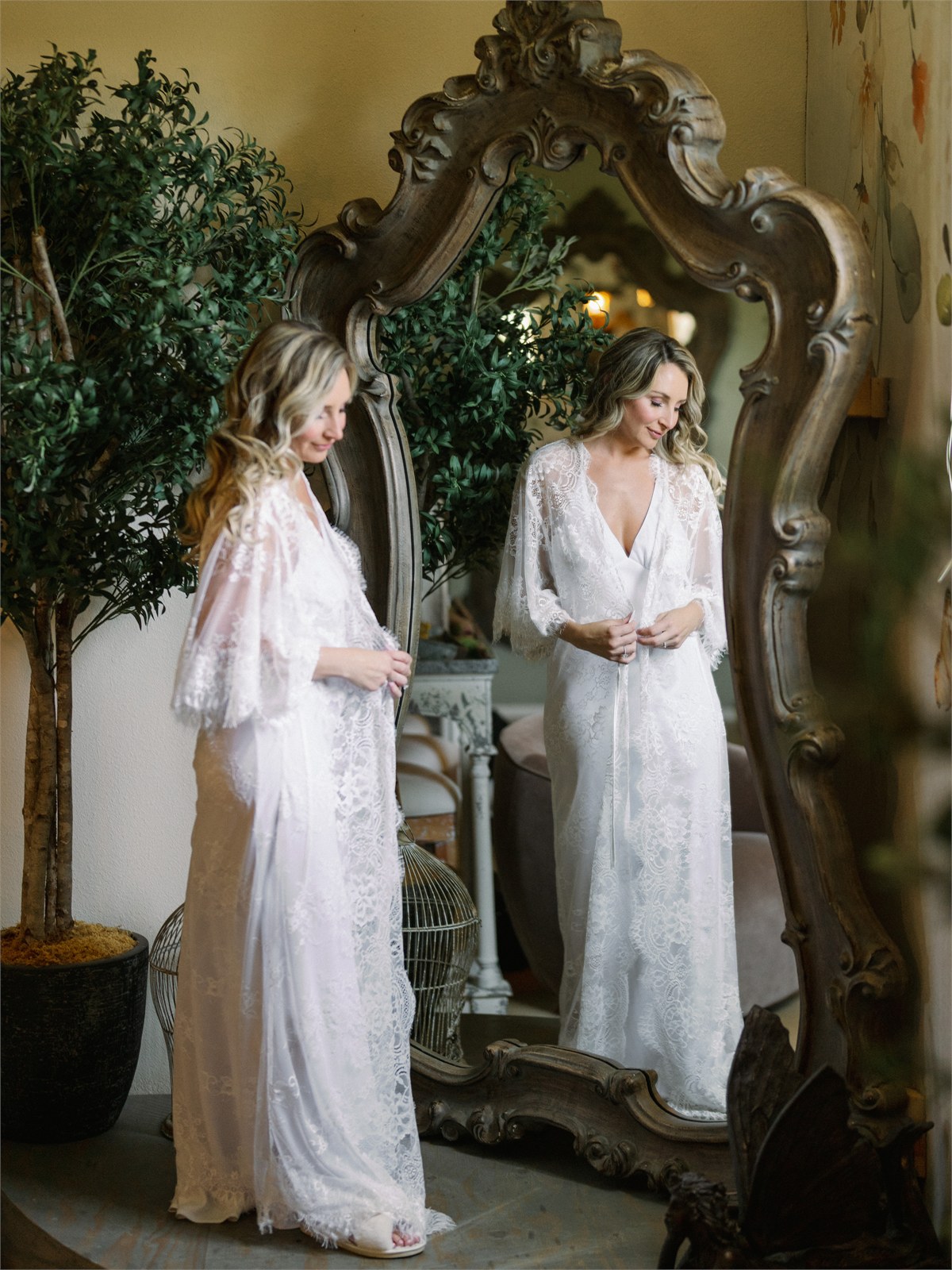
Ask for complete work that shows outdoor ceremony coverage, changing light, wind or movement, family moments, and reception or dinner coverage after the dramatic landscape photographs are finished. Ask how access and route questions are verified.
A strong answer should be comfortable saying, “we need to confirm that with the park or property,” rather than turning an assumption into local expertise.
Short answer
A Big Sur wedding photography plan should begin with the exact permitted ceremony or event site and the current Highway 1 route. Keep location changes limited, confirm park/property rules directly, plan ceremony audio early, and use the coast as part of the story rather than turning the wedding into an all-day portrait tour.
Planning a Big Sur wedding or elopement?
Share the exact ceremony/property option, guest count, date, and the places you are considering. We can begin with the permitted route and build photography and film around the day that is actually possible.
You can also explore our Gallery, review pricing, or contact us when you are ready to continue.
Frequently asked questions
Do Big Sur weddings need permits?
Many public or state-park wedding uses do, but the requirements depend on the exact park, property, event type, group, and date. Use the current operator’s permit information for the location you are actually considering.
Can we hold a reception at the same public park as the ceremony?
Do not assume so. Event permissions differ by park and site. Some areas allow only limited ceremony use. Confirm reception, catering, alcohol, furniture, amplified sound, and vendor activity separately.
How should we plan Highway 1 travel?
Use the current route and Caltrans road information close to the event. Keep the core wedding schedule resilient enough that an optional scenic stop can be removed without breaking the ceremony or reception.
How do we plan film audio on the coast?
Confirm the ceremony layout, officiant, microphone plan, wind exposure, and any equipment restrictions in advance. The venue or site operator should remain the source for what equipment is allowed.