

Use this checklist to compare the wedding day, not just the room
A wedding venue checklist is most useful when it records what a venue can actually confirm for your date. Use it after you have a shortlist to compare the spaces, transitions, access, sound, portrait options, and backup arrangements that affect the wedding day.
Do not fill blanks with assumptions. If a venue cannot confirm something yet, leave the item open and note who should answer it.
Short answer: Before booking a wedding venue, confirm the exact spaces included, ceremony and reception timing, guest movement, portrait access, indoor or weather alternatives, vendor arrival, sound responsibility, accessibility, and the venue contact who can approve changes. Keep the answer and source tied to the specific venue and date.
Venue basics
Event date
What to record
The exact date and any access/setup windows already discussed
Venue contact
What to record
Name, role, email/phone, and who has authority to answer event questions
Spaces included
What to record
Preparation, ceremony, cocktail hour, reception, portraits, after-party if applicable
Guest count
What to record
Contracted or estimated guest range and any space-dependent limits
Event hours
What to record
Earliest access, guest arrival, ceremony, reception end, breakdown/exit
Source
What to record
Contract, event packet, email, call note, or operator page plus date checked
If a detail is only discussed verbally, write down the date and person who provided it. If it is important to the decision, ask whether it can be confirmed in the venue’s normal booking documentation.
Walk the ceremony-to-reception route
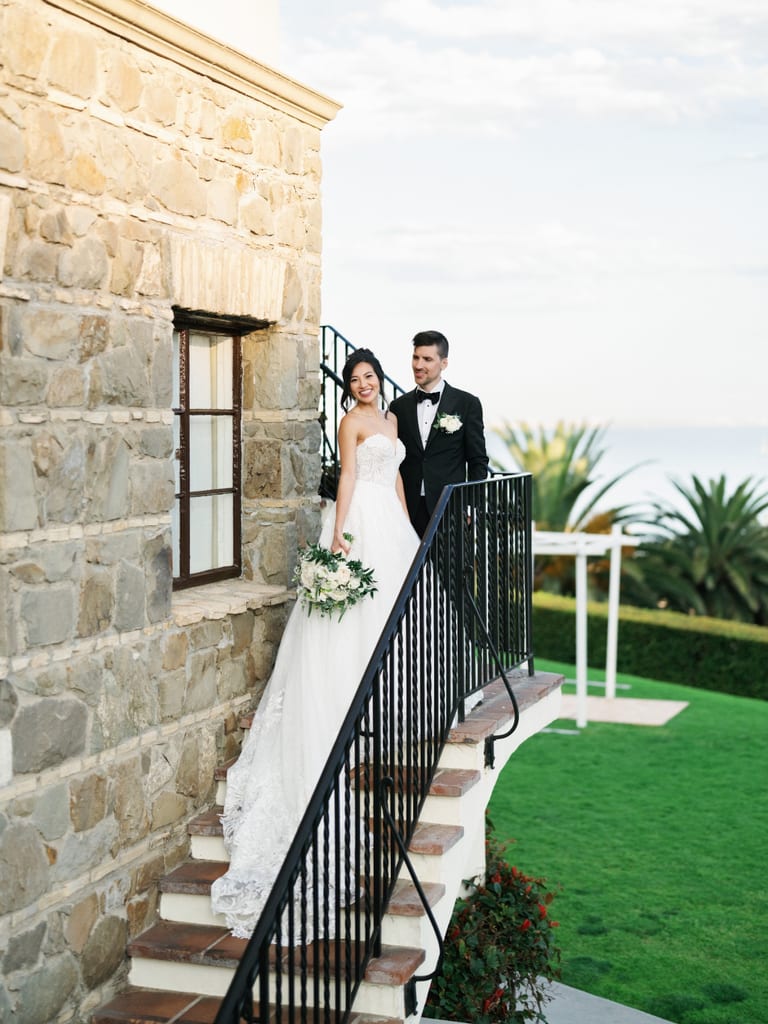
Do not evaluate each room separately. Walk the day in order.
- Preparation space to ceremony: confirm where the couple and wedding party gather and how they reach the ceremony.
- Ceremony to cocktail hour: check the guest route while family and couple portraits take place.
- Cocktail hour to reception: identify any room turnover and who coordinates guest movement.
- Portrait locations and return: walk the route back to the celebration and note any access or transport needs.
- End of the celebration: confirm the guest exit, pickup point and vendor breakdown route.
Record anything that requires stairs, elevators, a vehicle, a long walk, public circulation, or a room turnover. Those transitions belong in the timeline.
Confirm the indoor or weather alternative
“There’s an indoor backup” is not enough information. Ask to see the actual alternative space and confirm how the day changes if it is used.
Record:
- The specific indoor or covered spaces available for each part of the celebration.
- Any changes to the ceremony layout, guest movement, portrait locations or reception setup.
- Who makes the weather decision, when it is made and how the couple and vendors are informed.
- Which access, setup or timing details need a fresh confirmation when the alternative is used.
The alternative does not need to look identical to the outdoor plan. It needs to be a real, workable version of the wedding.
Check portrait access
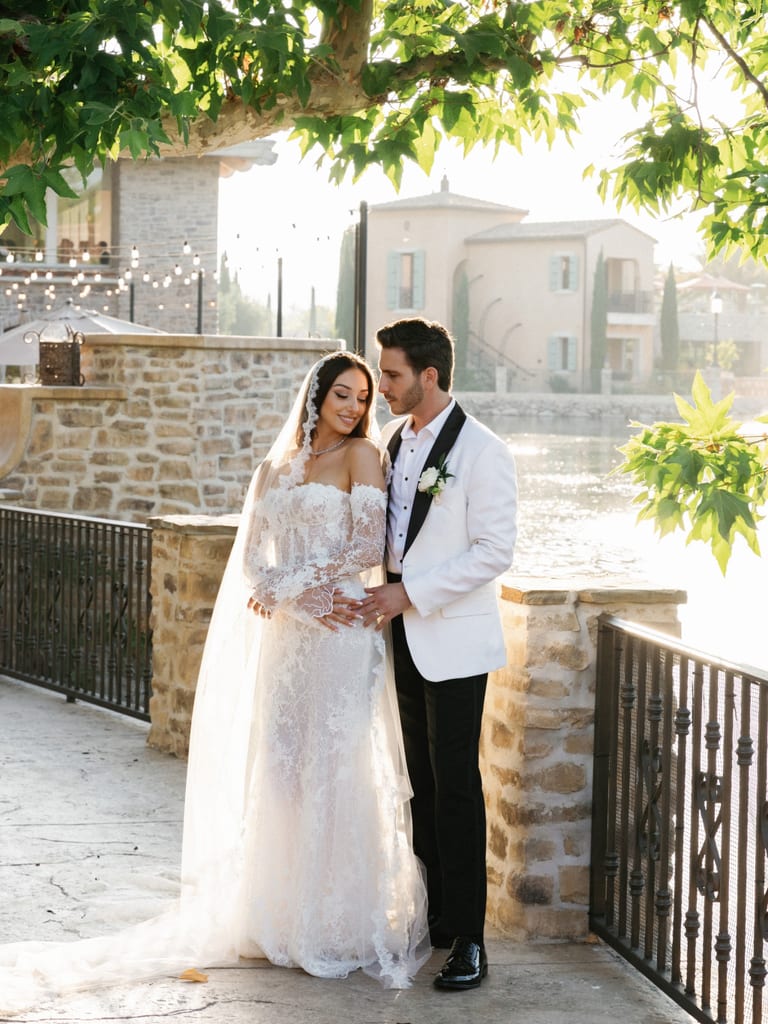
A venue gallery may show spaces that are not included with every event.
Ask:
- Which portrait locations are included with our booking and available on our date?
- Are any areas shared with other events, limited to certain times or subject to separate permission?
- How do we reach each location, and can everyone needed for the photographs use that route?
- Which portrait location remains available if the outdoor plan changes?
For a practical visual walkthrough, continue with the Wedding Venue Photography guide.
Confirm vendor arrival and working access
The couple should not need to solve vendor logistics on the wedding morning.
Record the venue’s current instructions for:
- Arrival and load-in windows, the correct entrance and the on-site contact.
- Parking, unloading and the route for bringing equipment to the event spaces.
- Access to the preparation, ceremony and reception areas, including any setup restrictions.
- Breakdown times, collection arrangements and who communicates changes to the vendors.
The venue remains the source for its requirements. This checklist is only the place where you keep the answer.
Ask who owns ceremony and reception sound
If vows, readings, live music, or speeches matter in the wedding film, clarify the audio chain before the day.
Ask:
- Who provides and operates the sound for the ceremony, live music and speeches?
- Who should the film team contact to discuss recording access before the wedding?
- When can the relevant teams check the sound arrangements without interrupting guests?
- Who coordinates the sound setup if the ceremony or reception moves to the weather alternative?
You do not need to understand the equipment. You need to know who is responsible for the answer.
Review guest comfort and accessibility
A beautiful route is not useful if important guests cannot move through it comfortably.
Ask the venue about:
- Step-free routes and any stairs, lifts, uneven surfaces or long walks between event spaces.
- Accessible drop-off, parking, seating and restroom arrangements that matter to your guests.
- Where guests can wait comfortably between parts of the day, including the weather alternative.
- The contact who can answer individual access questions before plans are finalized.
Keep this section factual and venue-specific.
Keep open questions visible
At the end of each venue visit, create a short unresolved list.
Open item 1
Open question
Who should answer
Source checked
Follow-up date
Open item 2
Open question
Who should answer
Source checked
Follow-up date
Open item 3
Open question
Who should answer
Source checked
Follow-up date
A blank answer is better than an assumption. Before booking, review the open list and decide which items are essential to the decision.

Final five-minute comparison
Before choosing between two or three venues, compare them on the same questions:
- Are the exact spaces and event hours confirmed for our date?
- Can the ceremony, portraits and reception fit together with a practical guest route?
- Is the indoor or weather alternative clear enough to plan the day around it?
- Are portrait access, vendor logistics, sound responsibility and guest access questions answered?
- Which important questions remain open, who owns each answer and when will we follow up?
The goal is not to score a venue universally. It is to see which venue supports your wedding with the fewest unresolved assumptions.
Frequently asked questions
What should be on a wedding venue checklist?
Include the exact event spaces, access and timing, ceremony-to-reception route, portrait areas, indoor/weather alternative, vendor instructions, sound responsibility, accessibility, current contact, and any unresolved questions.
Should we use the same checklist for every venue?
Yes. Use the same categories so the comparison stays consistent, but keep every answer specific to that venue, booking, and date.
Should photography and video questions be asked before booking?
If visual coverage matters to you, yes. Venue access, portrait areas, ceremony layout, sound, and room transitions can affect both photography and film. You do not need a finished production plan, only enough information to know what still needs confirmation.
Does this checklist replace the venue contract?
No. The venue’s current agreement, event packet, and authorized contacts remain the source for venue-specific terms.
What if the venue cannot confirm an answer yet?
Leave it open. Record who should answer it and when you will follow up. Decide whether the unresolved item is material before you book.
Bring the confirmed venue plan into the next conversation
When you have a shortlist or a booked venue, bring the confirmed route and open questions into the planning conversation. If you want to discuss how photography and film fit that plan, contact DreamWood.