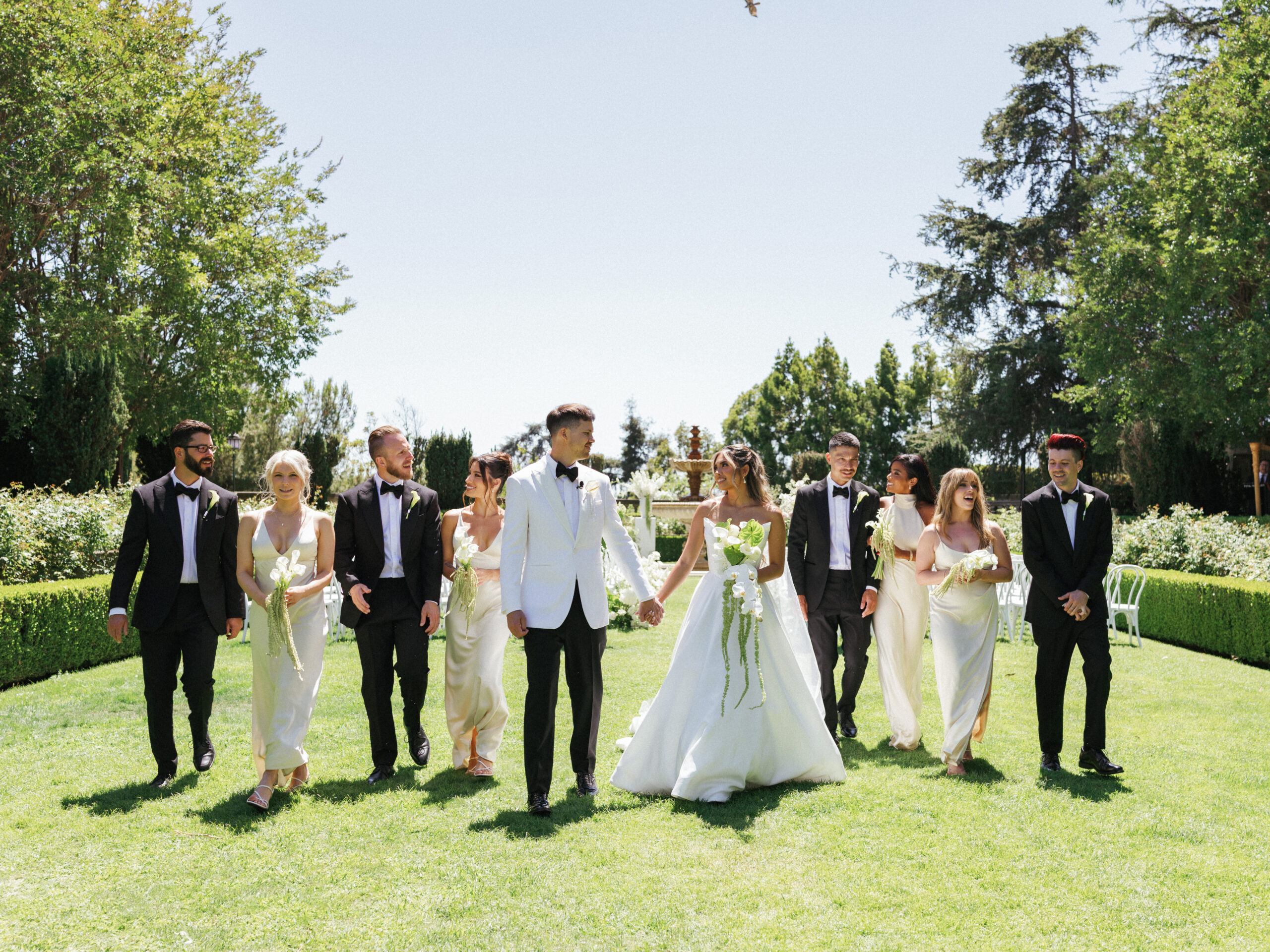
Wedding Photography Checklist: Essentials
A well-prepared couple is almost always the foundation of strong wedding photo and video coverage.
A checklist that accounts for family groupings, key details, and the general shape of the celebration gives the coverage team a clear picture of what is expected of them.
What a Useful Checklist Should and Should Not Do
Expert Note:
Wedding photography is usually a combination of planned and unstaged moments.
The challenge appears when a checklist becomes a strict script, a sequence of prescribed shots that leaves no room for the moments that cannot be planned.
A photography checklist has a specific and limited purpose: to communicate priorities to the coverage team before the celebration begins, so that nothing essential is missed and no one has to ask the couple questions during the wedding itself.
It identifies the people who need to be photographed together, the objects and details that carry personal significance, and the moments the couple already knows are part of the day and wants captured. Any additional practical information that helps the team prepare is equally valuable: family dynamics, scheduling constraints, locations, special requests, the overall wedding concept, and the dress code.
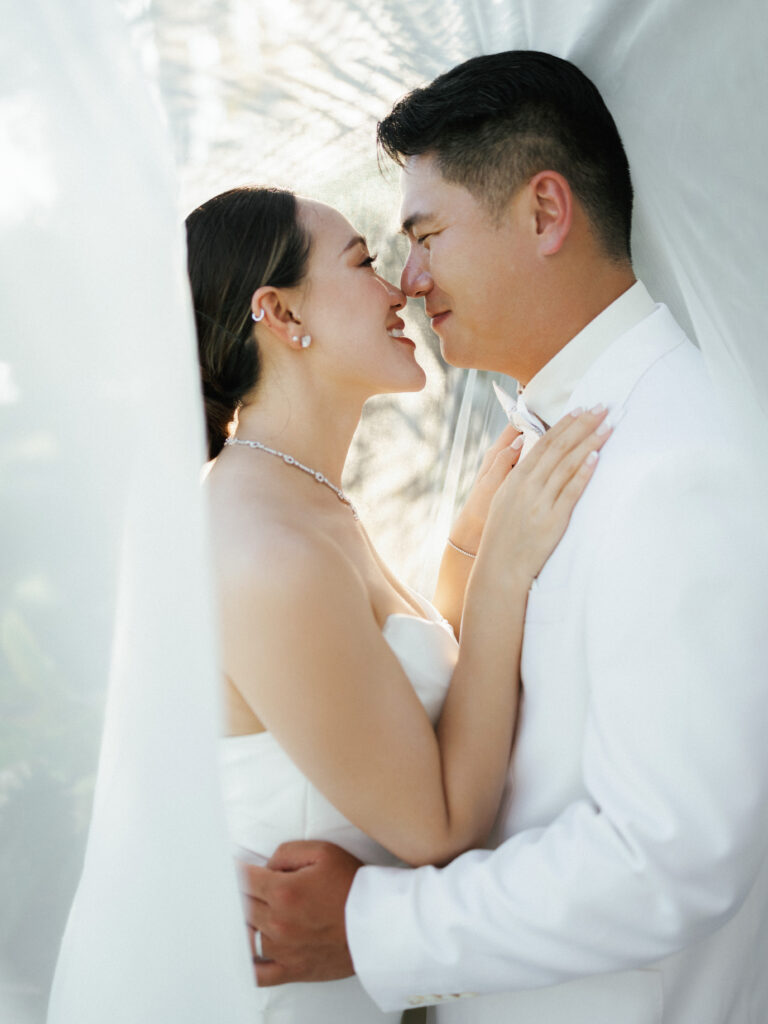
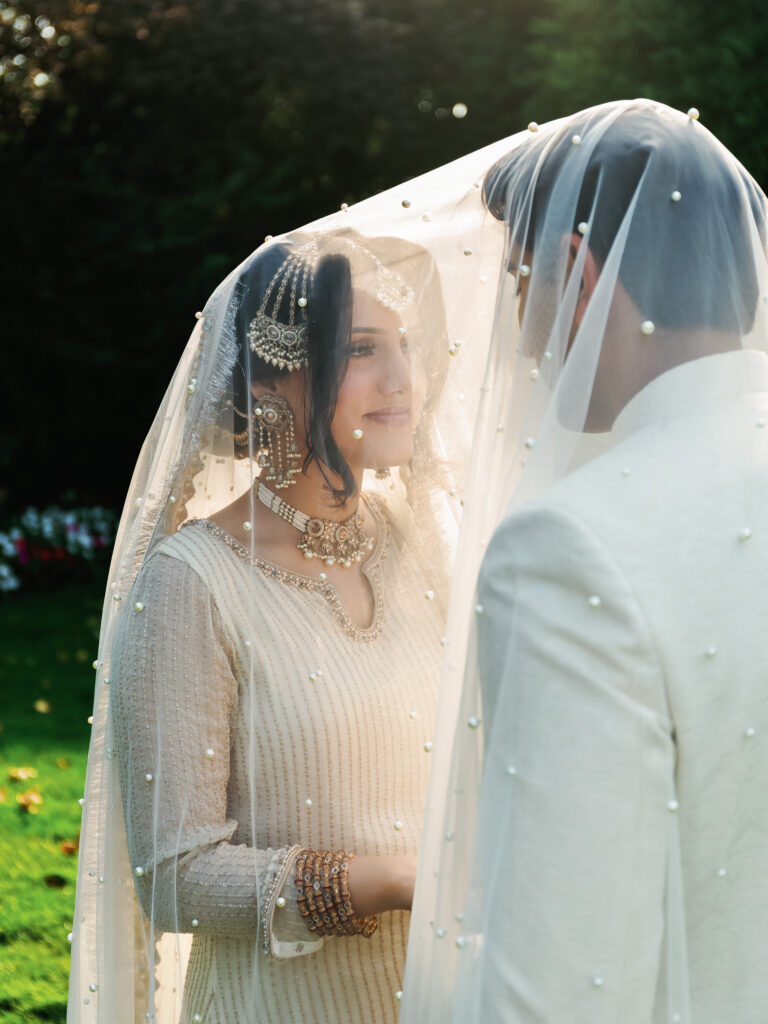
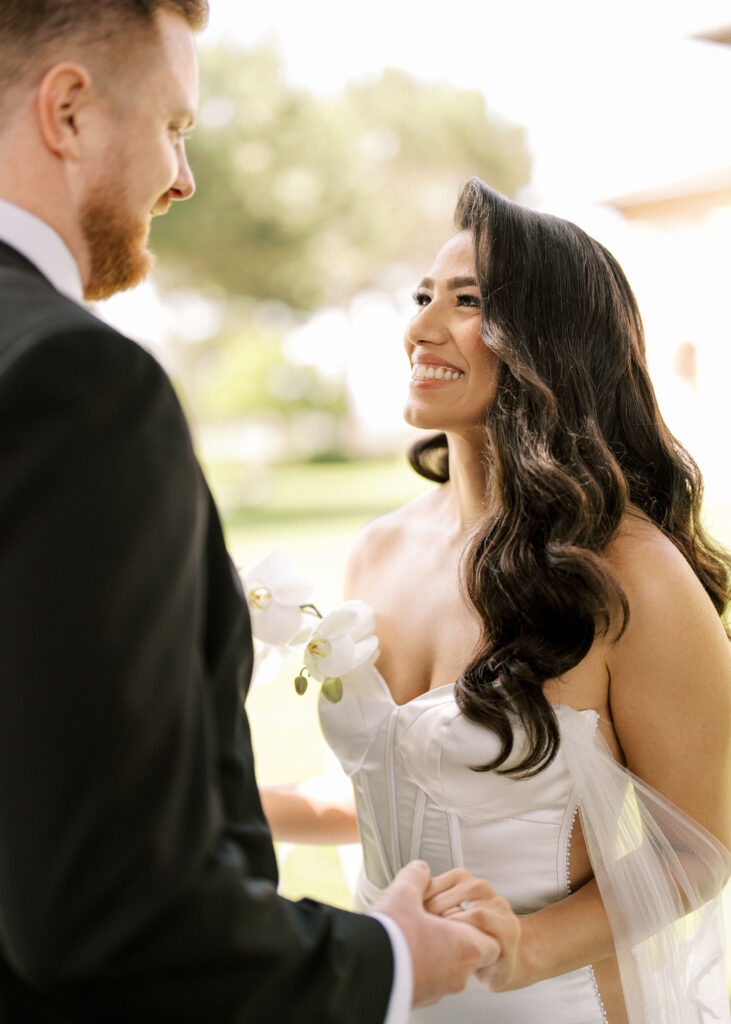
Avoiding attempts to direct the visual approach or prescribe compositions usually leads to stronger results. Overly detailed checklists with specific poses for every family grouping or notes about preferred backgrounds often have the opposite effect on the final result.
A clear, well-organized document that communicates priorities, combined with a pre-wedding conversation where the couple explains the context behind the list, does far more than an exhaustive instruction sheet. A photographer who understands why a particular grouping matters will almost always create a stronger interpretation of it than one working from a directive.
The Process of Creating a Checklist
Starting the List
1. Family Groupings and Sensitive Dynamics
The main goal is to identify every grouping that needs to exist without creating a schedule so long that it consumes the available time between ceremony and reception.
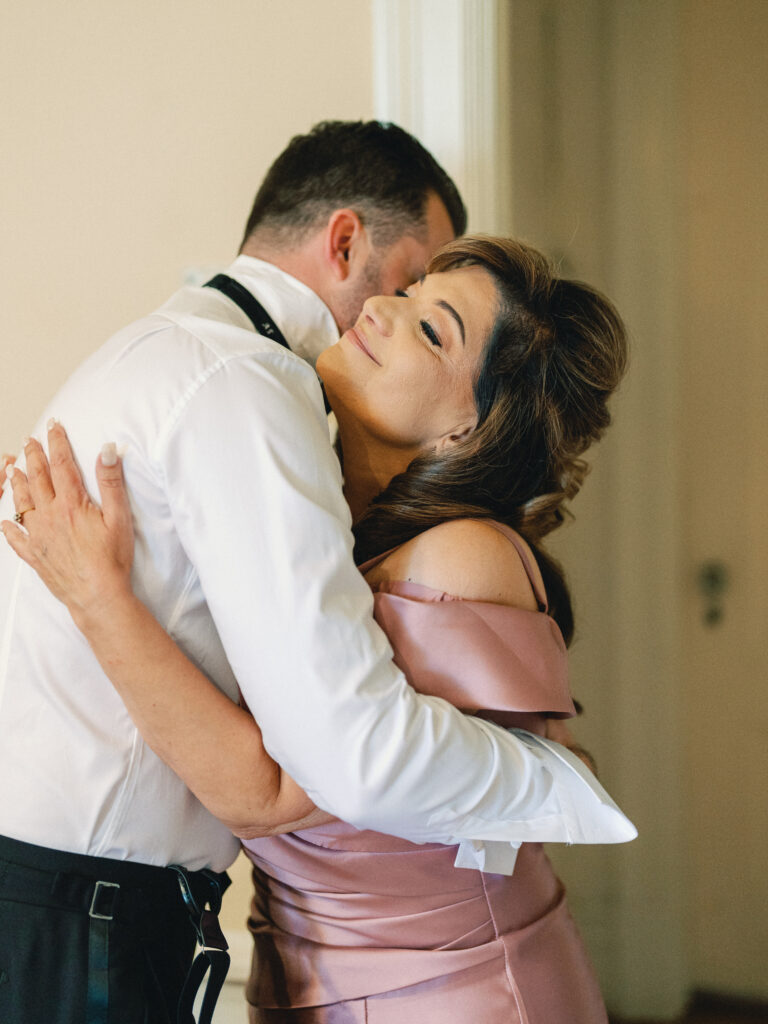
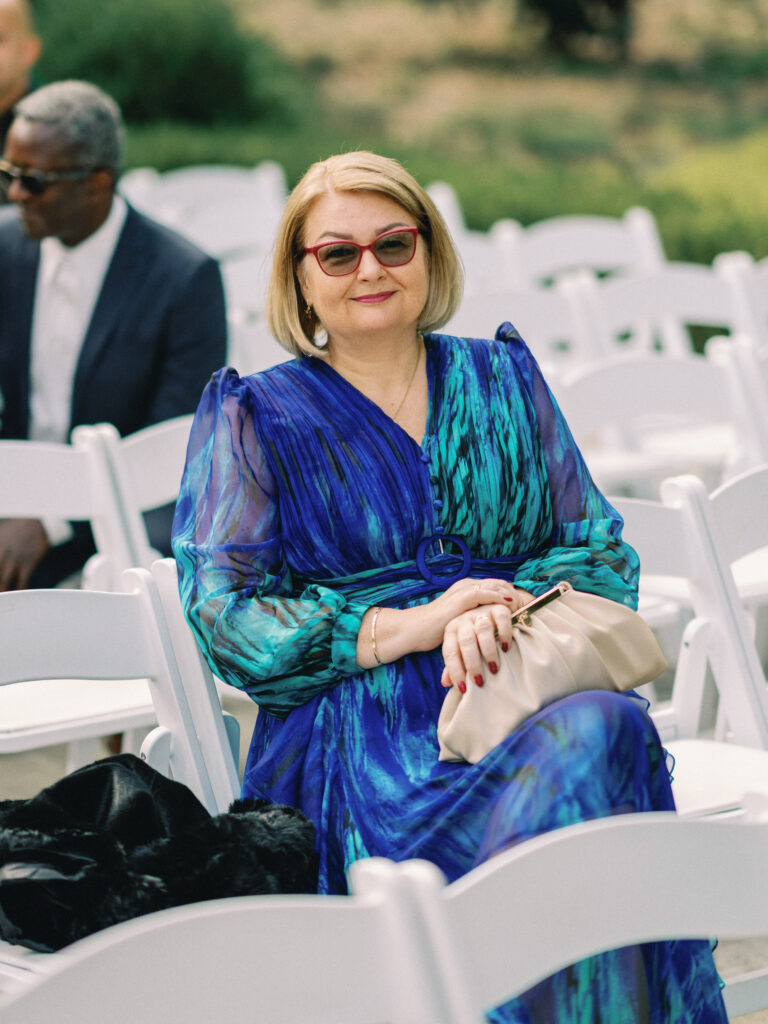
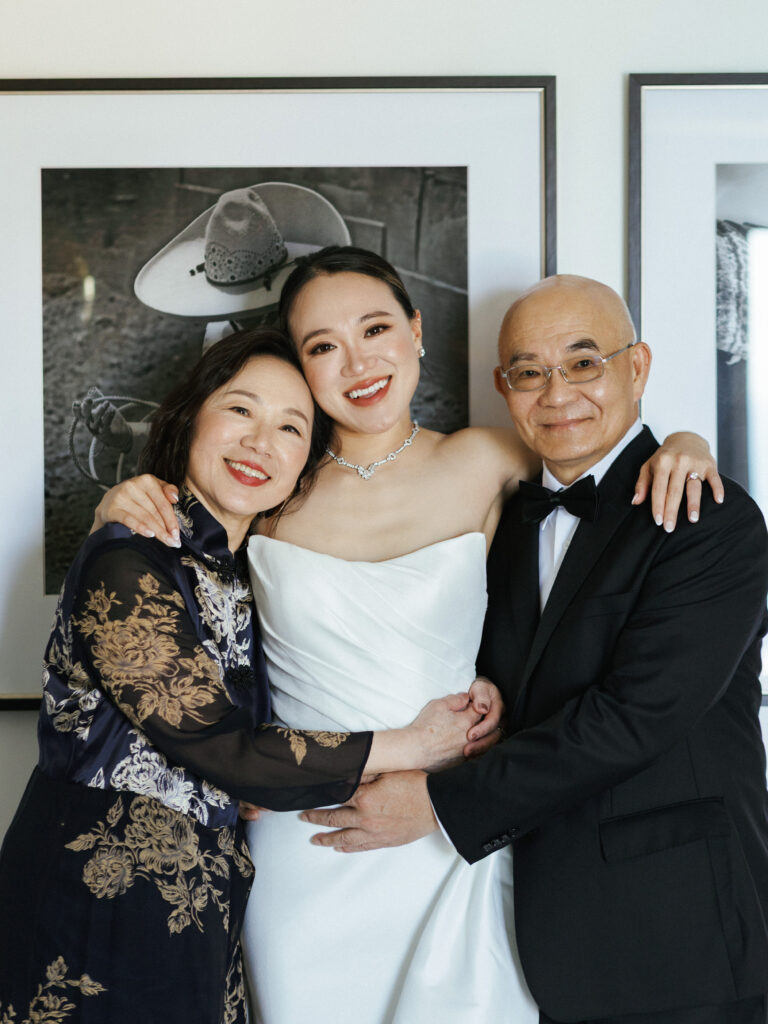
Start by defining every family unit the couple wants photographed together, working outward from the immediate family: the couple with each set of parents, the couple with each set of parents and siblings, the couple with grandparents, each side of the family as a whole. Then add any specific combinations that carry particular weight: a bride with all her sisters, a groom with his father, a three-generation grouping and other meaningful groupings.
Review the list carefully, cutting it down to the top three priority groupings. Every combination adds time, and time spent on group portraits is time not spent on couple coverage and documentary moments. A realistic outdoor family portrait session runs between twenty and forty minutes for a moderate-sized family. Forty-five combinations cannot happen in that window. Twelve to eighteen can, cleanly and without pressure. This does not mean a spontaneous opportunity will not arise for a grouping that was left off the checklist.
The final checklist that goes to the photographer should be numbered, organized by family side, and annotated with any information that affects how a grouping is approached.
2. Handling Sensitive Family Dynamics
Some family situations require communication that a checklist cannot convey.
None of this needs to be explained in detail. A brief note alongside the relevant grouping gives the photographer the information they need to navigate the situation and avoid unnecessary tension or unwanted situations. Something as simple as “separate frames for these two guests” or “please prioritize this combination early because this family member’s health affects how long they can stand” is enough.
The team is always especially careful with sensitive information and attentive to these recommendations.
3. Meaningful Details
The objects that carry significance at a wedding are not always the ones that look most photogenic. A checklist helps ensure that the meaningful ones are captured.
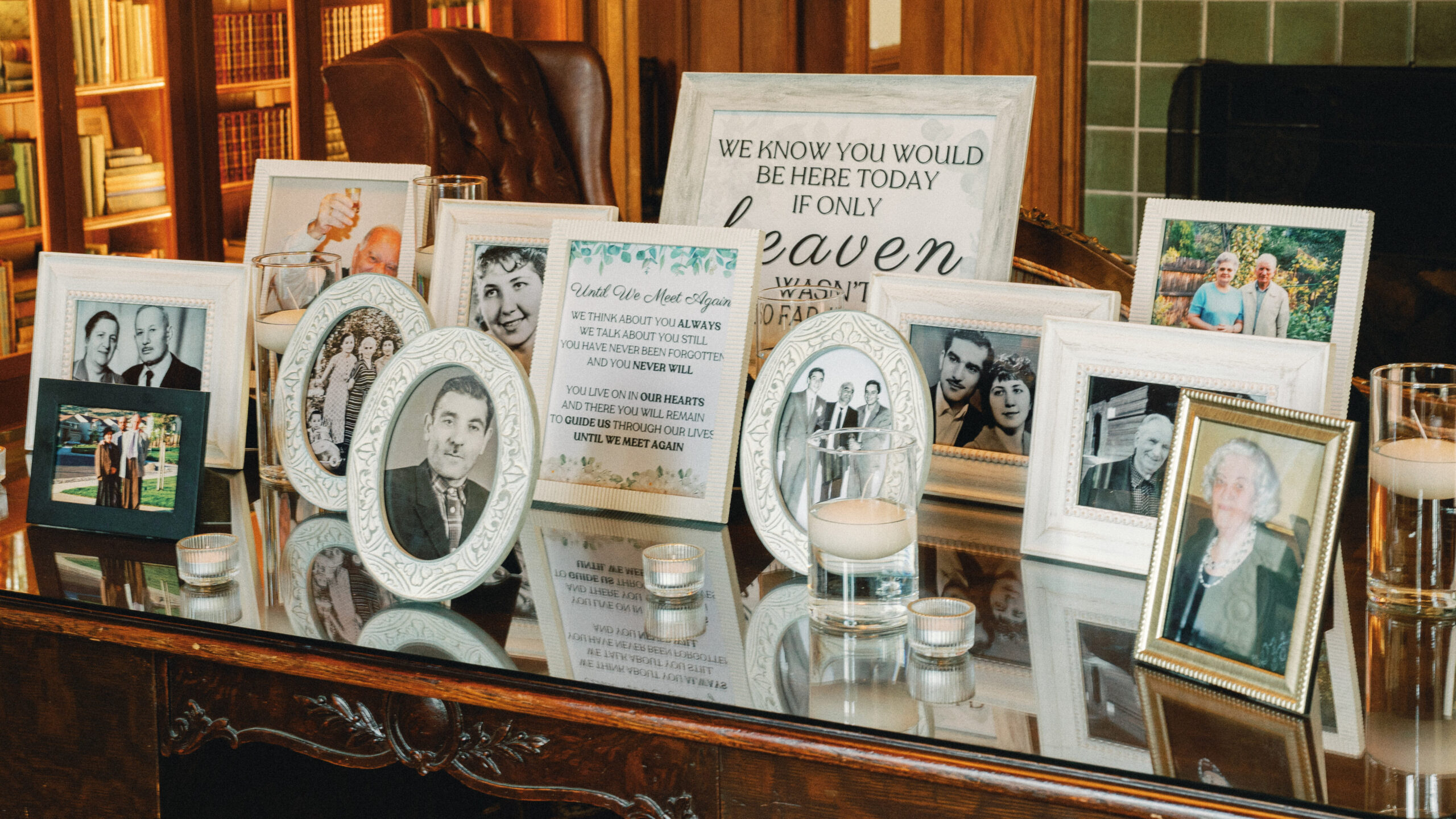
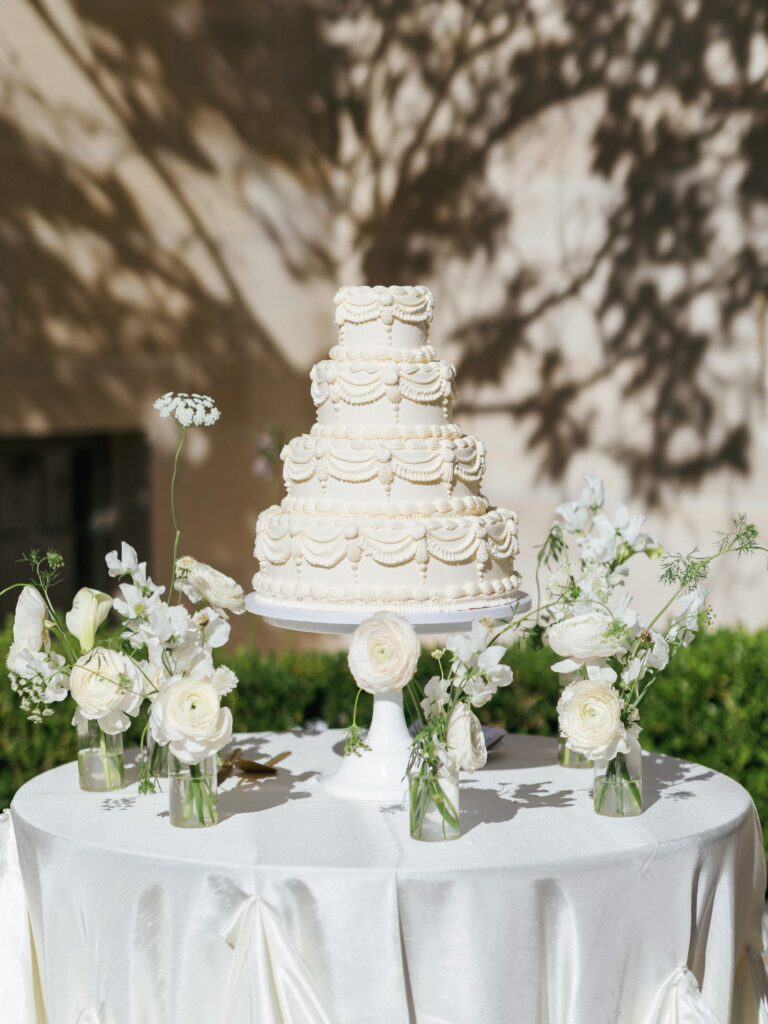
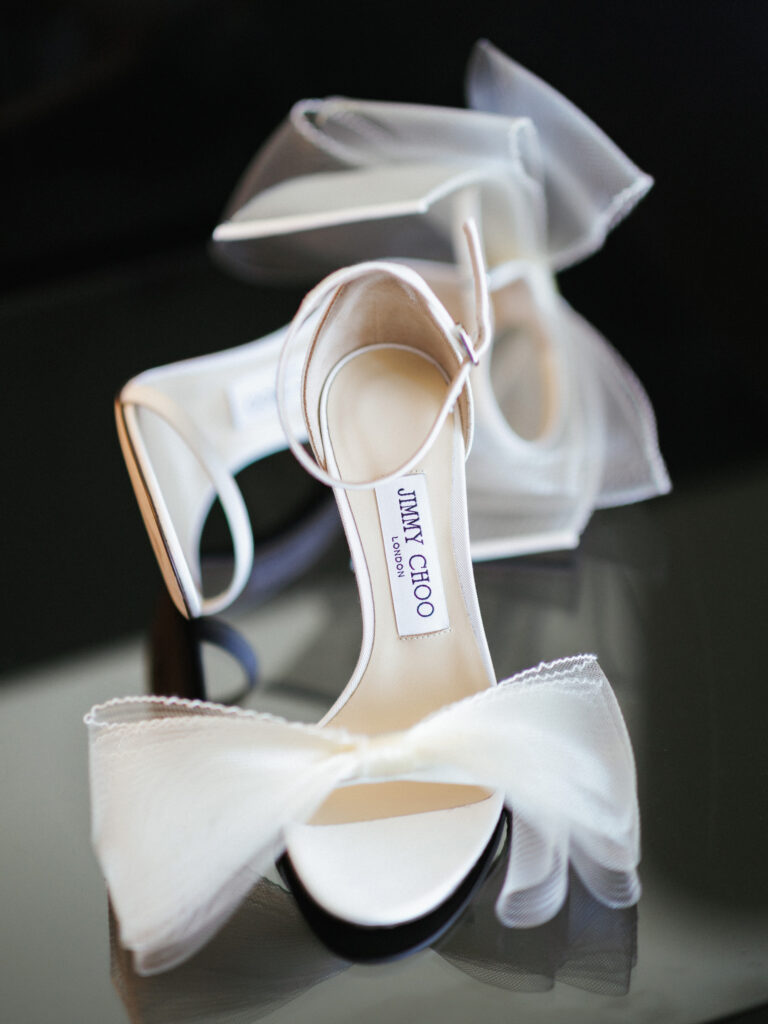
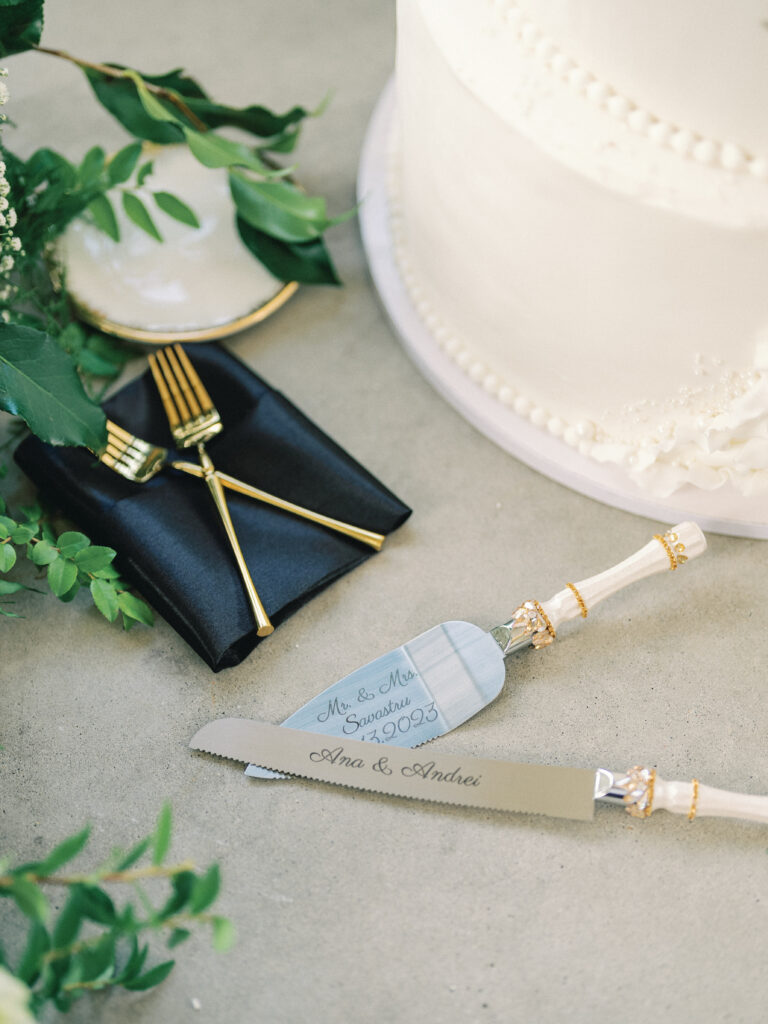
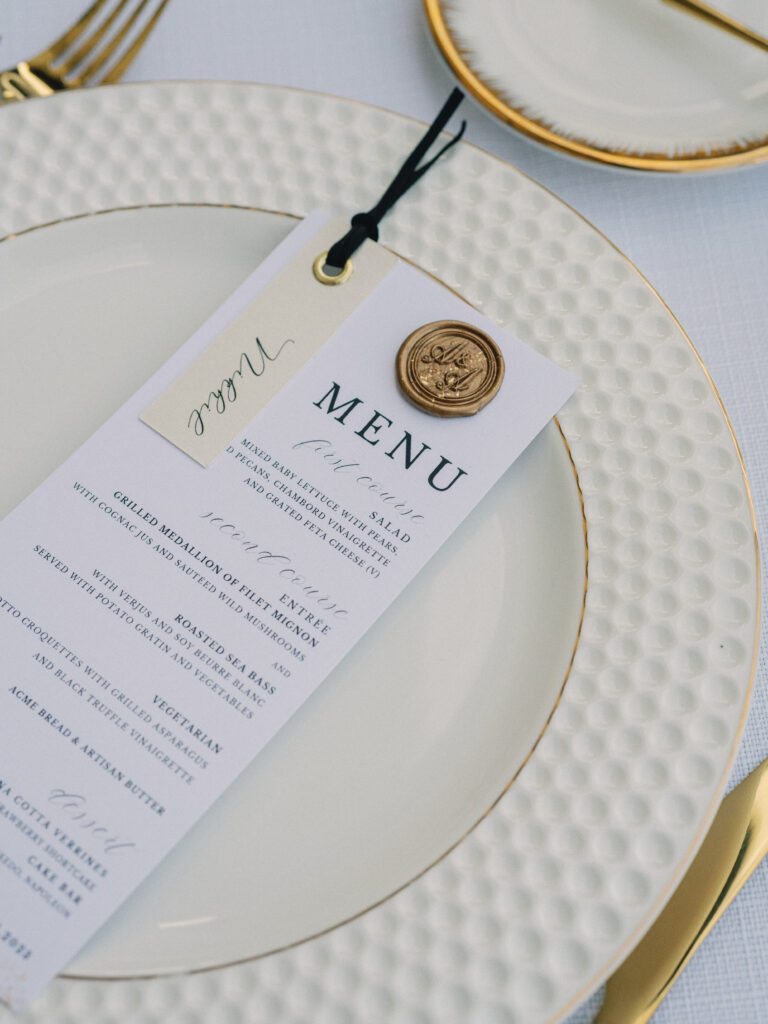
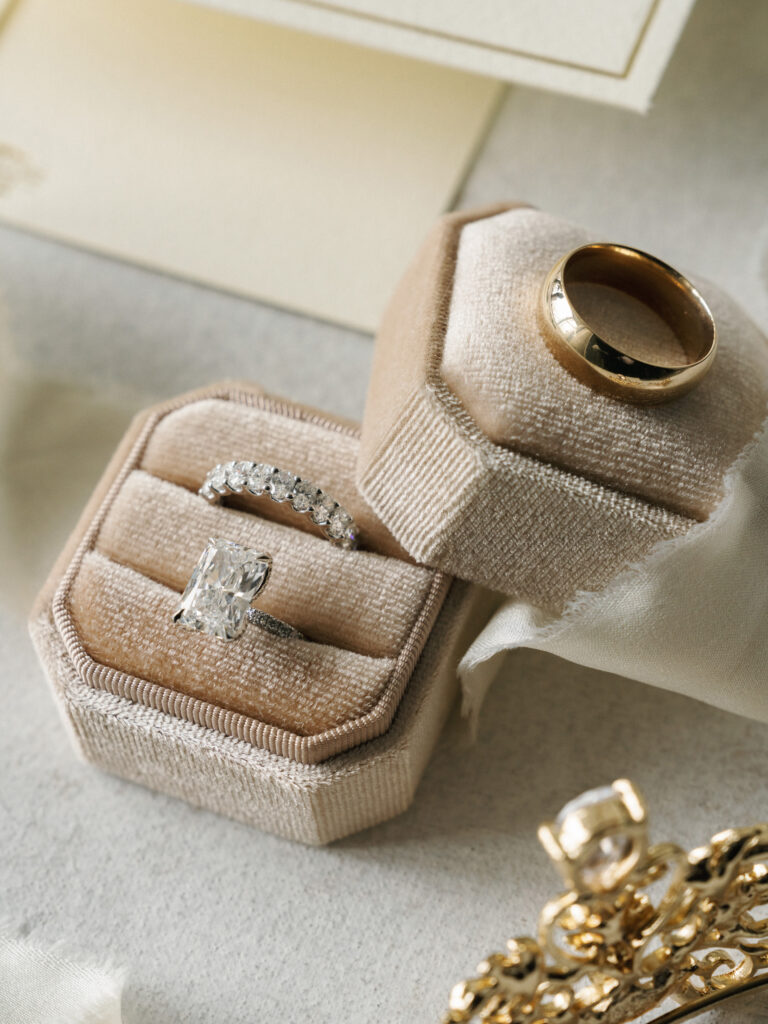
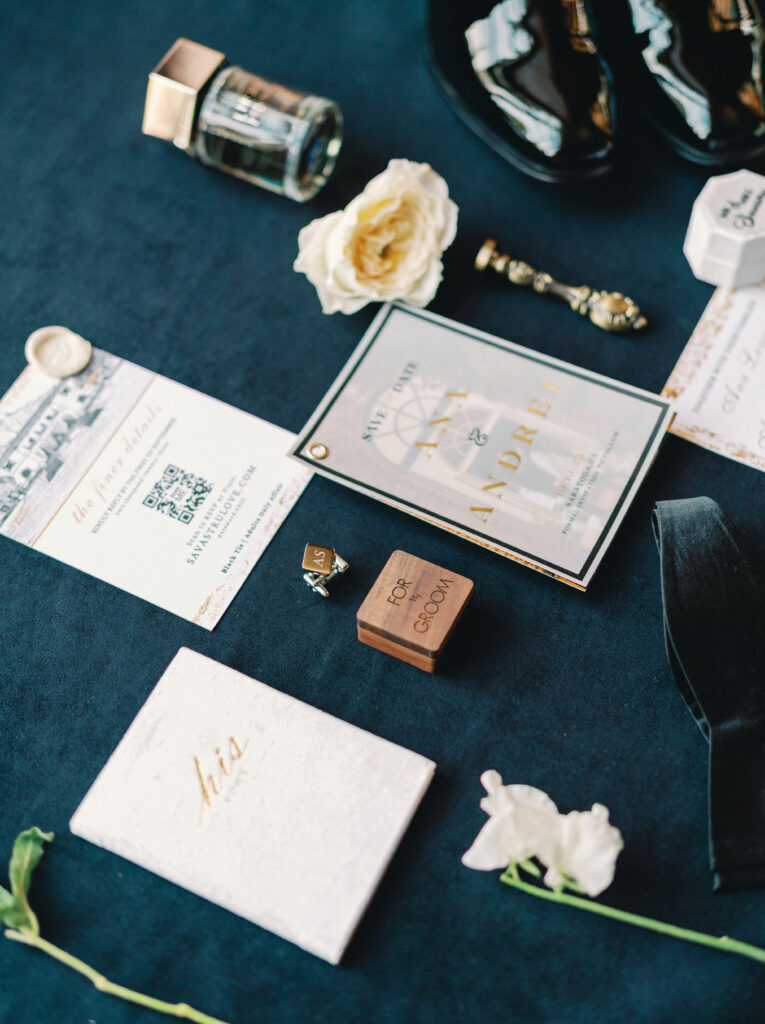
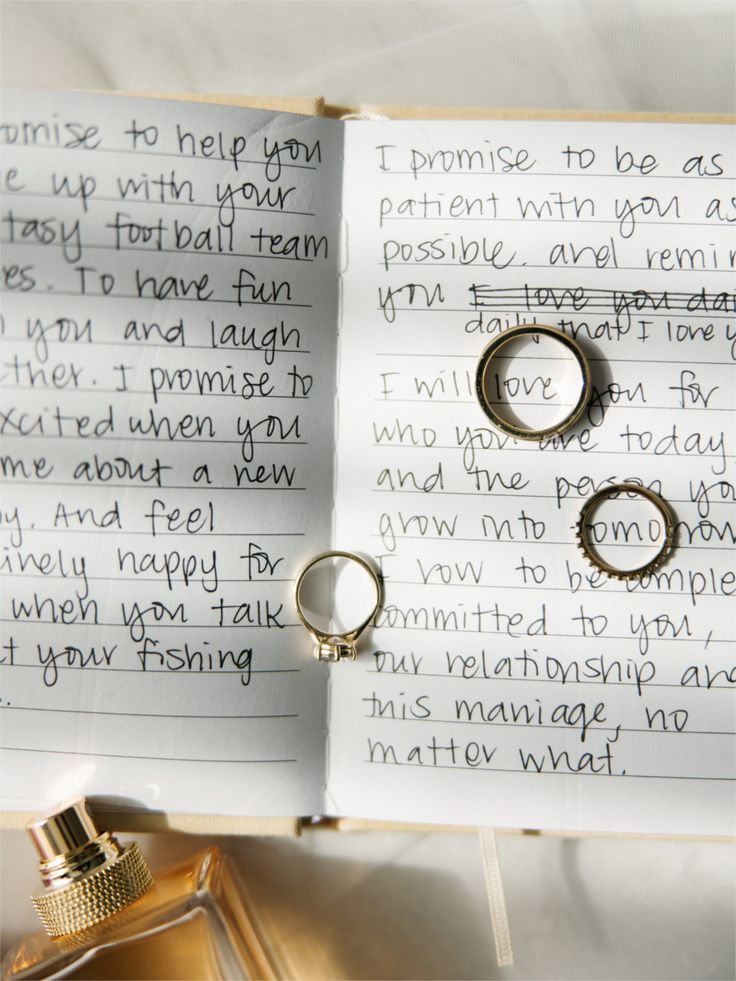
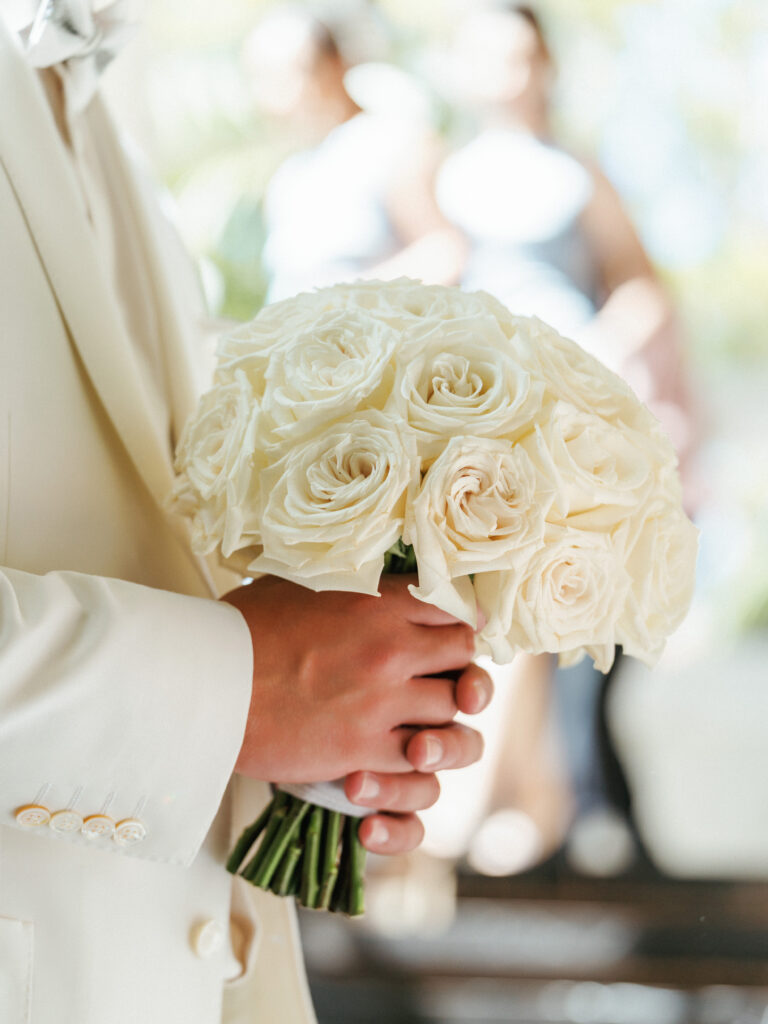
The standard detail list covers rings, shoes, dress, invitation suite, and florals. Beyond that, it should include any personal objects the couple has brought: letters, jewelry with family history, a watch that belonged to someone who could not be present. If there are handmade elements such as a veil sewn by the bride’s mother or a boutonniere made from the groom’s grandmother’s garden, these belong on the list specifically, not as a category but as individual items with a sentence of context. The photographer can only prioritize these items if they know they exist.
Expert Note:
Allocating time for detail photography matters. Rings photographed in ten minutes of borrowed time between getting ready and leaving for the ceremony look different from rings photographed in a dedicated fifteen-minute window with proper light and a clean surface.
4. Getting Ready
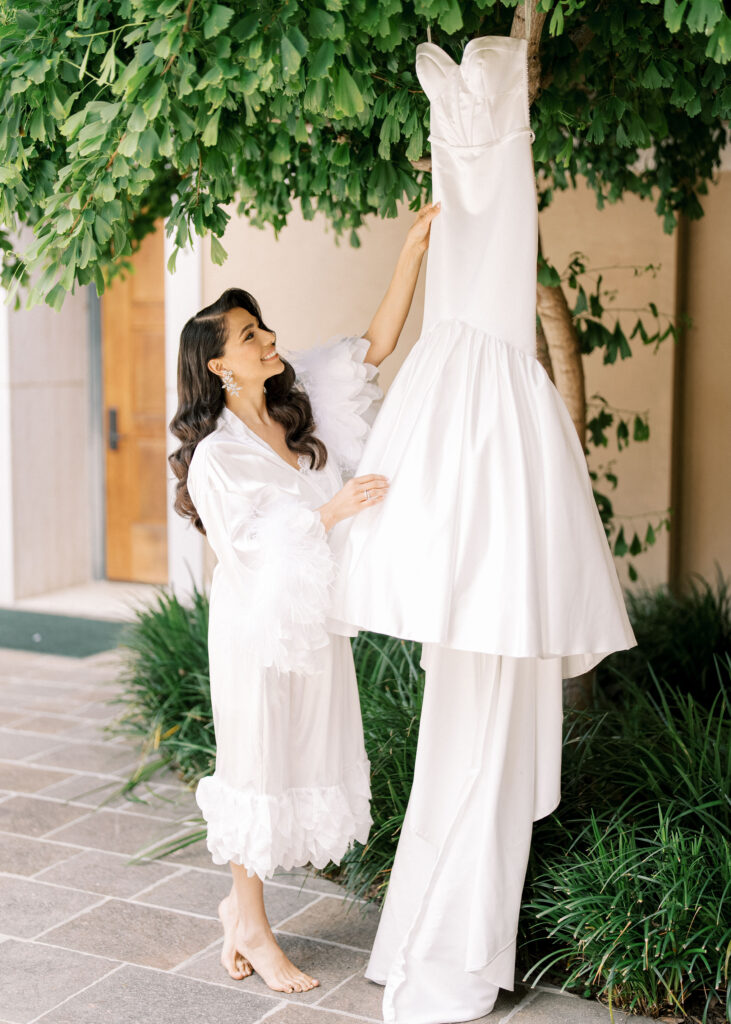
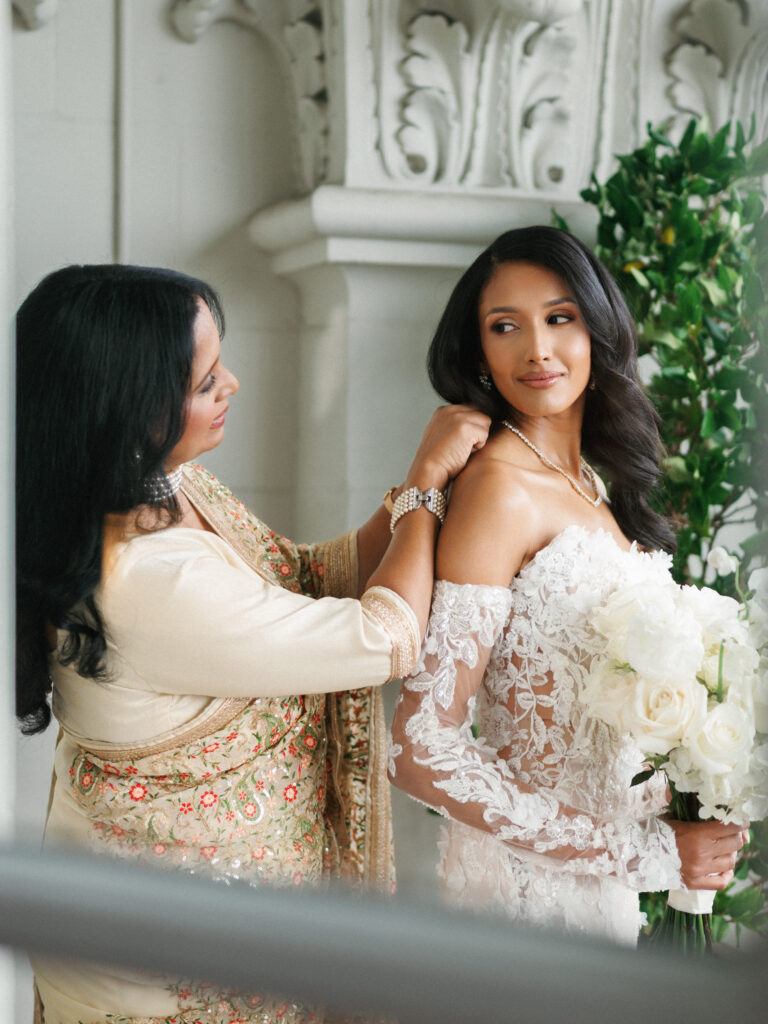
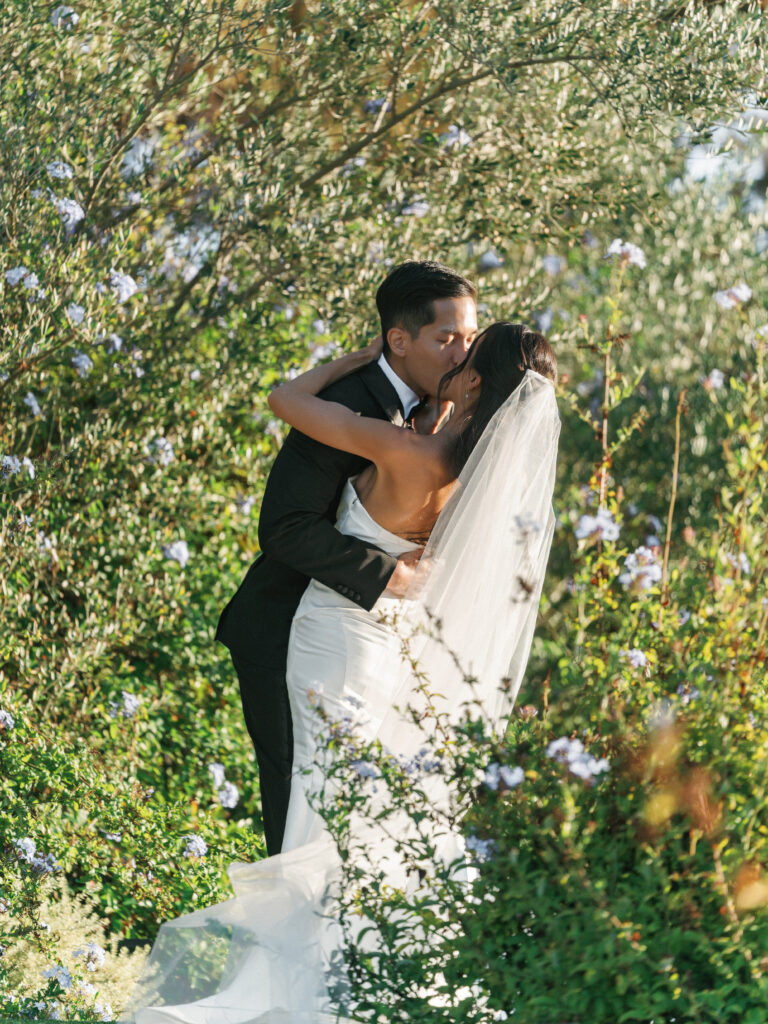
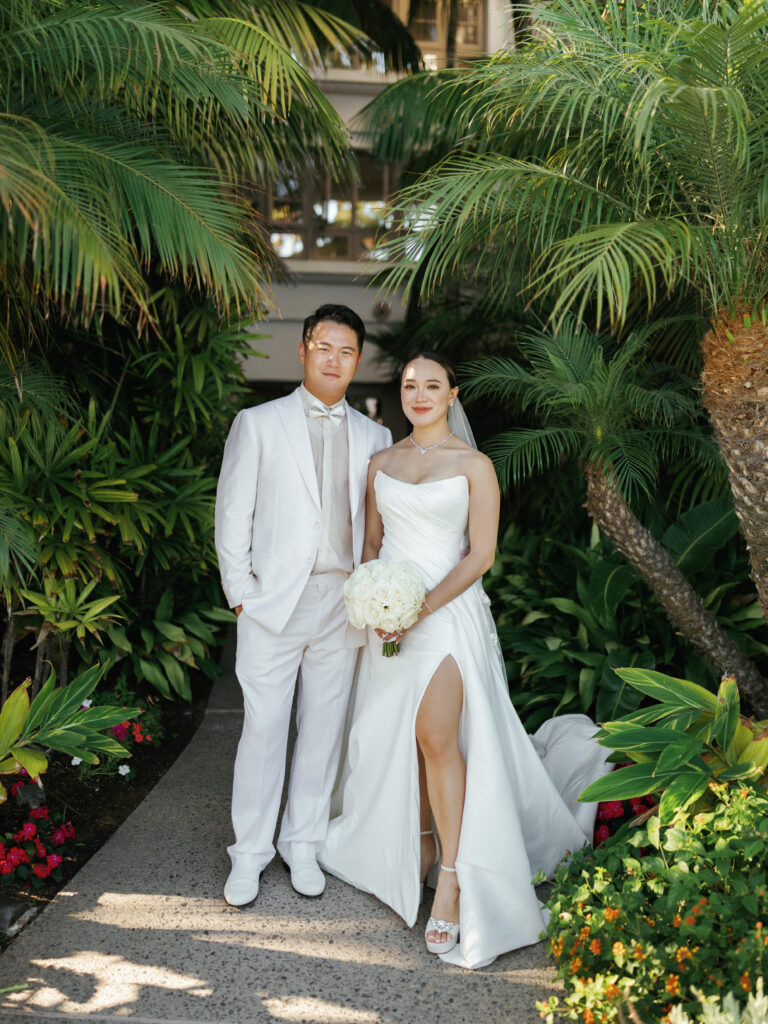
The getting ready part of the day is where documentary coverage usually begins. A room with proper natural light, surfaces clear of unnecessary clutter, and enough space for the coverage team to move is ideal. Adding a note about whether a first look is planned and where it will take place is also recommended.
The checklist for Getting Ready can remain simple:
1. Dress or suit preparation
2. Accessories
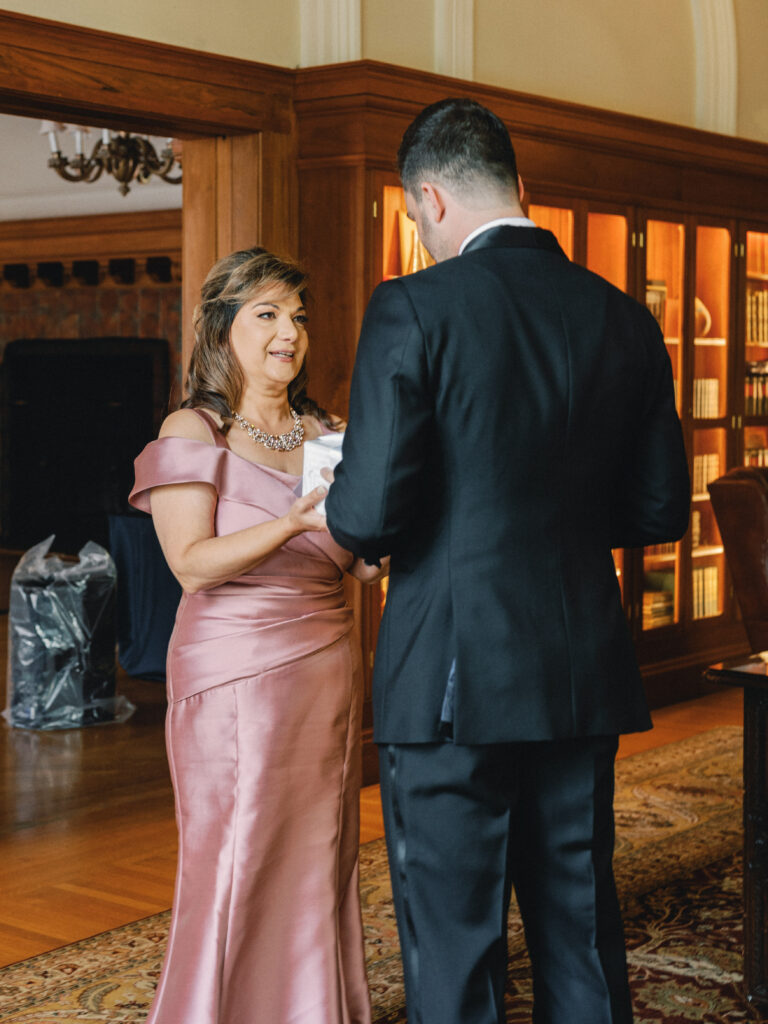
3. Parent interactions
4. First look plans
5. Gift exchanges
6. Personal letters
5. Ceremony
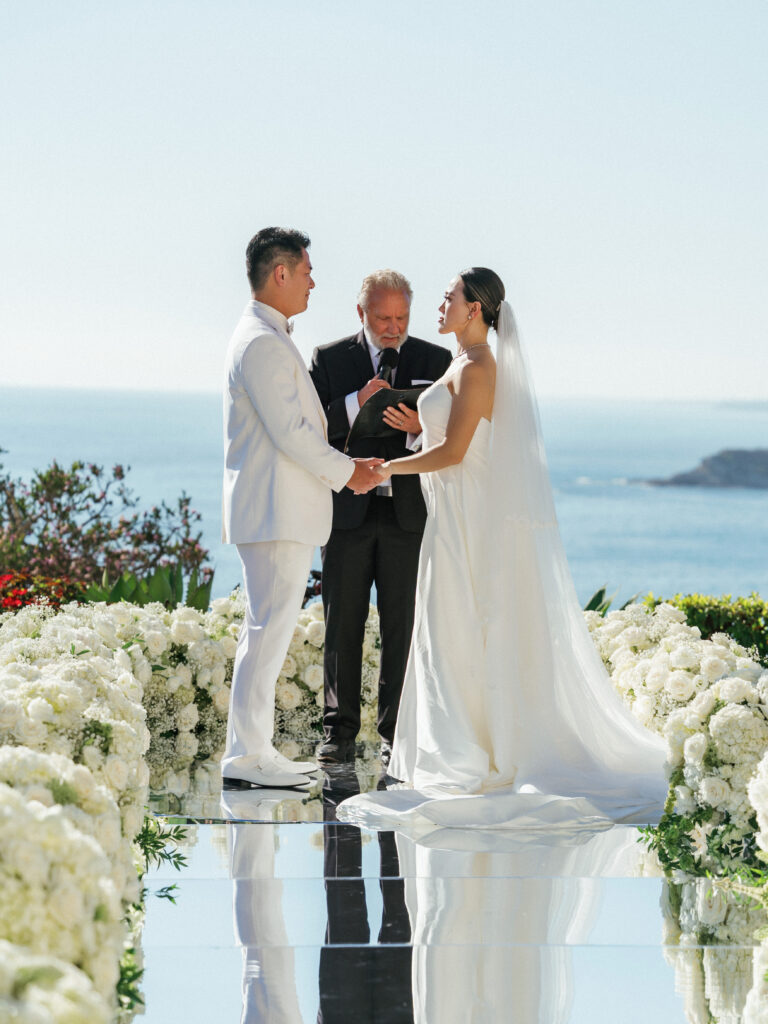
The ceremony checklist is primarily logistical. It tells the photographer where to stand during the processional, whether flash is permitted, who is doing readings and when, and whether there are any moments outside the standard sequence: a unity candle, a cultural tradition, or a specific exchange the couple wants documented.
Expert Note:
What the checklist cannot strictly dictate is the ceremony coverage itself. The photographer’s movement during the ceremony, the choice of moment within the vow exchange, and the decision about when to shift from a wide shot to a close-up are professional decisions that happen in real time and cannot be limited by advance specification.
6. Reception
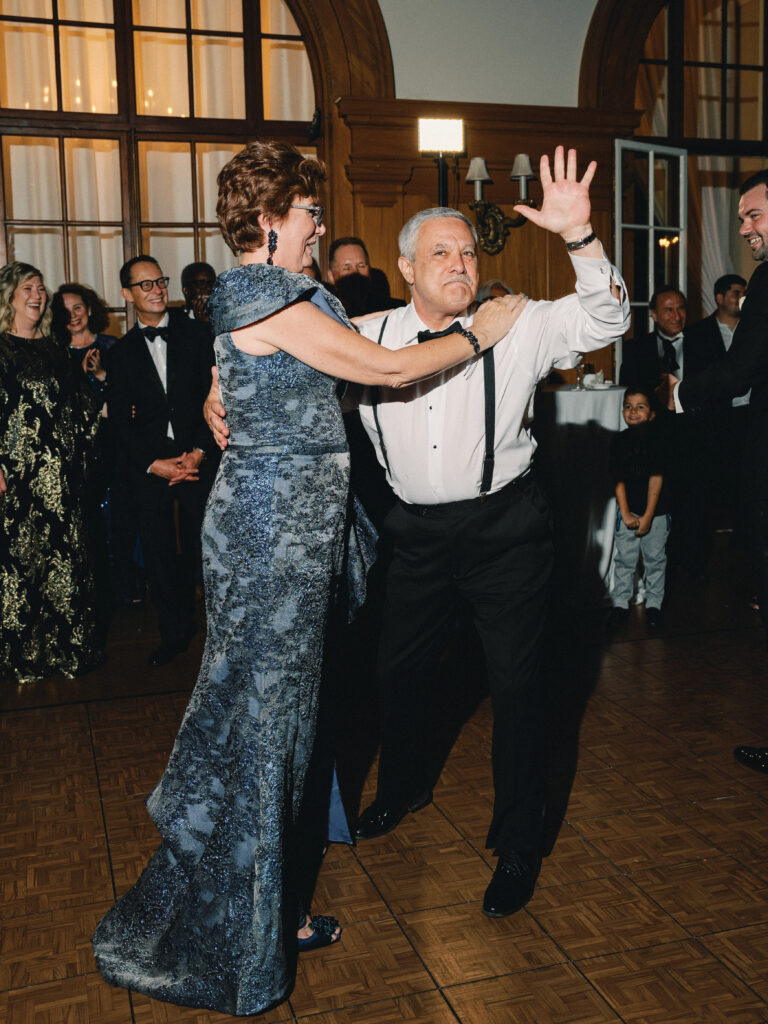
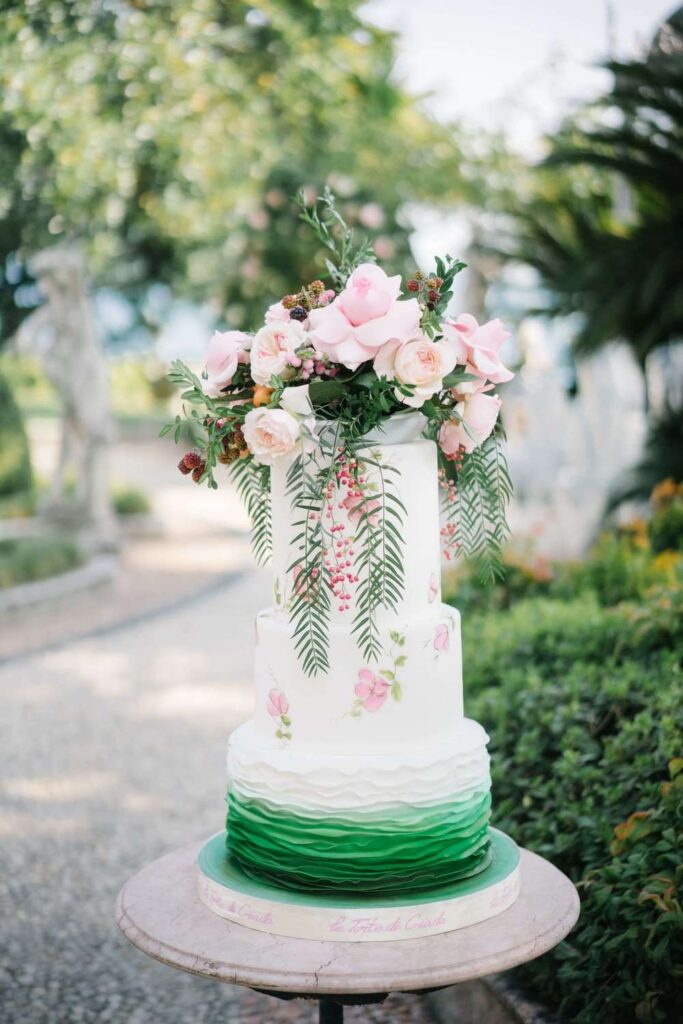
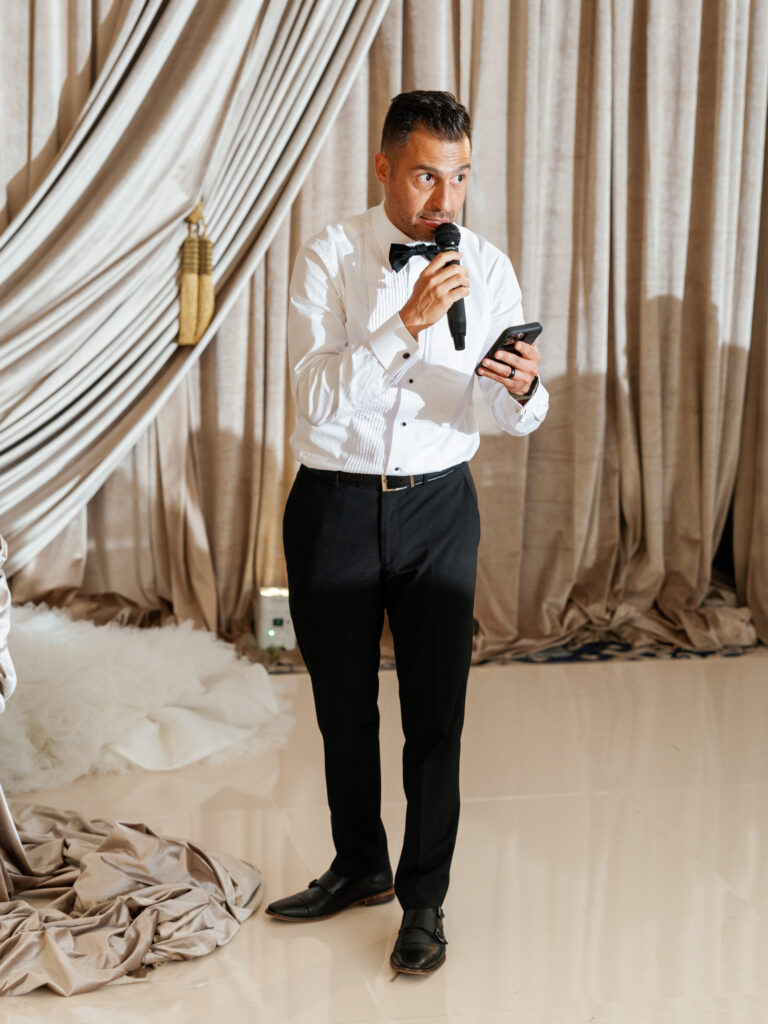
Reception coverage involves a predictable sequence of events: first dance, parent dances, speeches, cake cutting, dancing. There are many unpredictable moments around them, whether planned or not. This is a natural flow that happens at every wedding. The checklist handles the predictable sequence, and it is completely normal that it does not attempt to cover everything else.
List the scheduled events in order with approximate timings. Note whether speeches need to be recorded separately for audio or whether the photography team is responsible for sound. Flag any moments outside the standard sequence: a surprise performance, a slideshow that requires the room to be dark, or a specific exit arrangement at the end of the evening.
The reception is also where documentary coverage produces its strongest material, precisely because the couple is no longer the center of attention in the same way.
How to Leave Room for Real Moments
The couples who use checklists most effectively prepare the necessary information, hand it over, and then let the celebration happen.
Real moments do not happen on schedule. They happen when a grandmother sees the bride for the first time, when the groom’s expression changes during the processional, or when something goes slightly wrong and the couple handles it with more grace than they expected.
Build a list that covers what genuinely needs to be covered, communicate it clearly before the day, and then release it. If something is difficult to formulate, it is always better to ask the coverage team for guidance rather than trying to over-define it. The checklist handles the infrastructure. The photography captures the atmosphere.
Template Handoff to the Photo Team
The most useful handoff is a single document, no longer than one to two pages, organized into clear sections: a day timeline with key event times; the family portrait list, numbered and organized by side; a details list with notes on anything personally significant; ceremony logistics relevant to coverage; reception event sequence; and a brief context section covering family dynamics, mobility considerations, and the names of the most important people to know by sight.
Expert Note:
Provide it to the coverage team in advance, preferably at least two weeks before the wedding. The pre-wedding call, which most photographers schedule in the week or two before the day, is where the document can be discussed or adjusted together with the photographer.
FAQ
Do photographers need a shot list?
A shot list is useful for family portraits and for communicating specific requests the couple knows they want. It is not useful as a directive for the day’s overall visual approach. Photographers who work in a documentary style use a shot list as a reference for what needs to be covered, not as a sequence to execute. The most effective lists are short, clear, and accompanied by a conversation rather than delivered in isolation.
How many family photo combinations are realistic?
For a typical wedding with a moderate-sized family on both sides, twelve to eighteen combinations is a realistic and workable number within a thirty to forty minute window. Every combination beyond that either extends the session into other parts of the day or compresses the time available for each grouping. Couples who have large families on multiple sides often find it more effective to photograph each family side separately at different points in the day rather than attempting all combinations in a single session.
Should the couple share the checklist with the planner as well as the photographer?
Yes, and the earlier the better. A planner who knows the family portrait list can build buffer time into the post-ceremony schedule rather than discovering that the session runs longer than expected once it is already underway. Alignment between the planner’s timeline and the photographer’s coverage plan prevents the two from working against each other, which is one of the most common sources of pressure on a wedding day.
What should not be on a wedding photography checklist?
Anything that attempts to direct how the photography looks rather than what it covers. Requests for specific compositions, lighting styles, editing directions, or pose references belong in a pre-wedding conversation with the photographer, not in a day-of document. A checklist that mixes logistical information with aesthetic instruction makes both harder to use. Keep the checklist factual: who, what, when, and any context the team needs to navigate the day well.
Let’s Shape It Together
If you are putting your wedding checklist together, we can review it with you and refine it into something that works naturally with your day and your coverage team.
You can also reach us via the contacts page, explore our wedding portfolio, review coverage options, or read our FAQ to see how different celebrations translate on camera.