Why Wedding Videographer Cost Varies So Widely
A wedding film preserves the voices, movement, and atmosphere of a celebration long after the day itself has ended. The process behind creating that film includes planning, filming, sound recording, editing, and careful post-production decisions that all influence the final investment.
When comparing wedding videographer cost, couples may notice significant differences between packages that appear similar at first glance. Two studios may offer the same number of coverage hours while approaching the wedding day, production process, and final film in very different ways.
Expert Note
Coverage hours, team composition, audio planning, editing style, deliverables, travel requirements, and the experience behind the camera all contribute to the structure of a package. The investment reflects the complete process behind the final film, not only the hours spent recording the celebration. Post-production often requires more time than the wedding day. Selecting music, organizing footage from multiple cameras, color grading, balancing audio, and shaping hours of material into a cohesive story all require experience and creative direction.
Coverage Hours, Team Size, Audio, and Ceremony Complexity
Several elements influence wedding videography packages: coverage hours, the size of the filming team, audio planning, and the format of the ceremony all affect the production process and the final result.
Coverage Hours
Wedding videography packages are typically built around a defined number of coverage hours, often ranging from six to twelve hours.
A six-hour package can work well for celebrations with a shorter timeline, where preparations are not included or where the ceremony and reception take place within a compact schedule. Ten to twelve hours may be more suitable for a full wedding day with hotel preparations, multiple locations, extended portraits, and evening reception coverage.
Pro Tip
The goal is to create enough space for the moments that matter most to the couple and allow the story of the day to unfold naturally.
When reviewing coverage hours, consider:
- When does filming begin and end?
- Are getting-ready moments included?
- Is there enough time for portraits before the reception begins?
- Are travel and transitions between locations reflected in the timeline?
- Can additional hours be added if the schedule changes?

Team Size
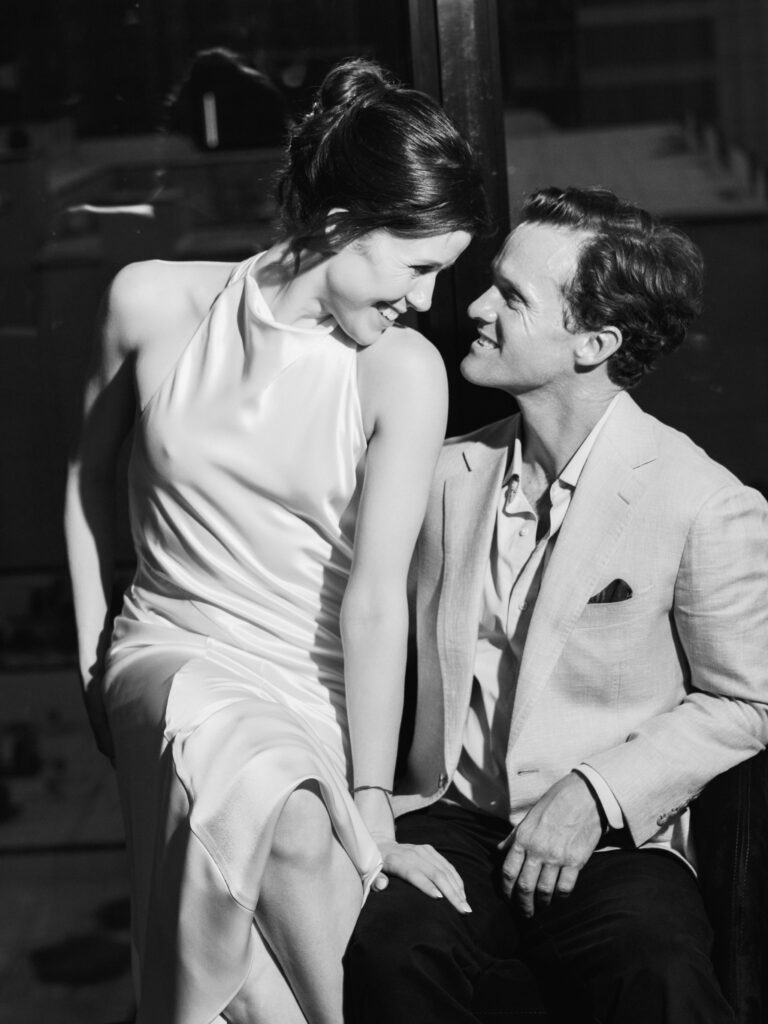
A single camera operator covers the wedding from one position at a time. A two-camera team covers the ceremony from two angles simultaneously, which matters during the vow exchange, where both the couple’s expressions and the officiant’s delivery are unfolding at the same time. Ceremony coverage from a single position can be beautifully executed, but it requires choosing one angle over another at every key moment. Two cameras give the editor options rather than decisions made in real time.
For larger weddings, properties with multiple ceremony and reception spaces, or celebrations where the first dance and speeches happen in different configurations, a second camera operator is a structural decision that shapes the quality of the final edit.
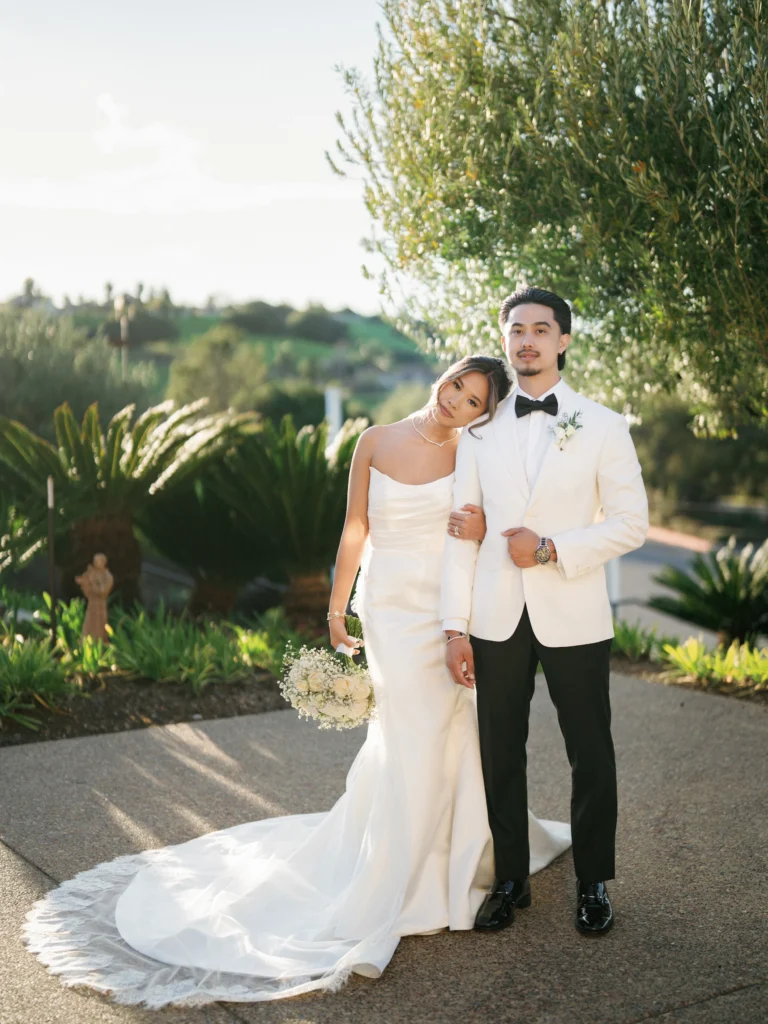
La Quinta Country Club, La Quinta, CA.
Audio Planning
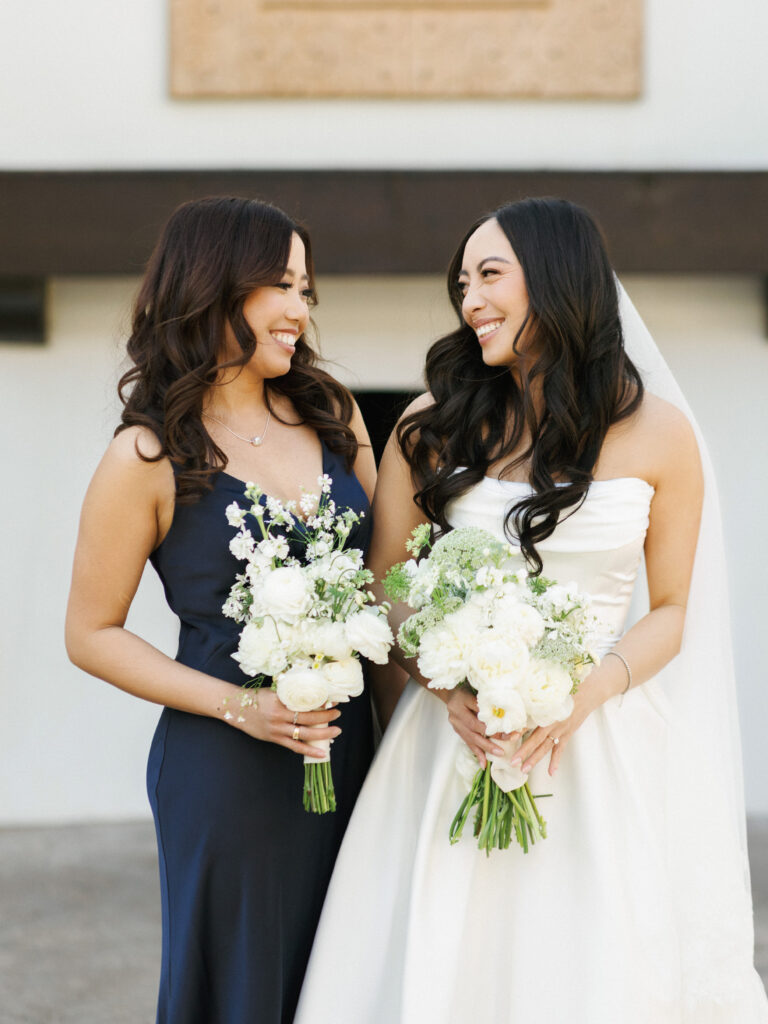
A beautiful image can capture a moment, but the emotion of a wedding film often comes from what was said and heard: personal vows, a parent’s speech, laughter during a toast, or the atmosphere of a ceremony surrounded by family and friends.
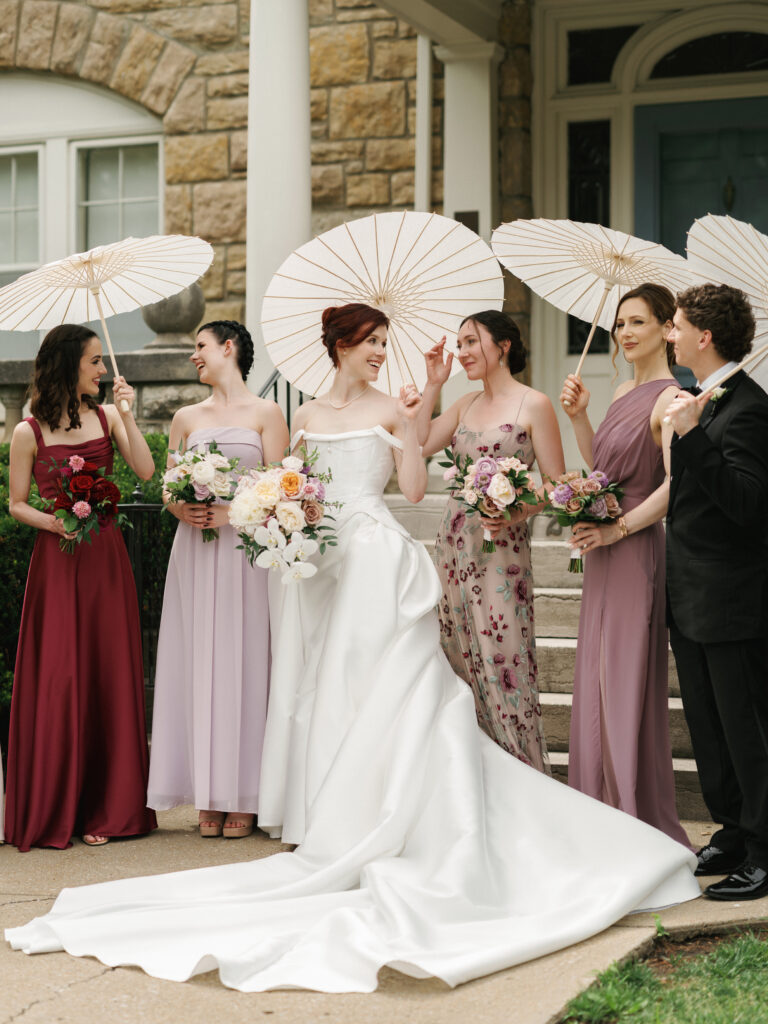
Outdoor ceremonies introduce their own considerations, including wind, distance between speakers, and changing surroundings. Indoor venues with stone, glass, or historic architectural elements may create natural reverberation that requires additional planning during recording and editing.
Pro Tip
Professional teams often use several audio sources throughout the day, including wireless microphones placed on key speakers, direct audio feeds from venue sound systems, and dedicated recording equipment separate from the camera microphones.
These elements are rarely visible when comparing wedding videography packages, but they have a significant impact on the final film. Clean, intentional audio allows the emotions of the day to remain present years later.
When reviewing a package, consider:
- How are vows recorded during the ceremony?
- Is the officiant or couple equipped with microphones?
- Are speeches captured directly from the venue sound system?
- Does the team record backup audio sources?
Ceremony Complexity
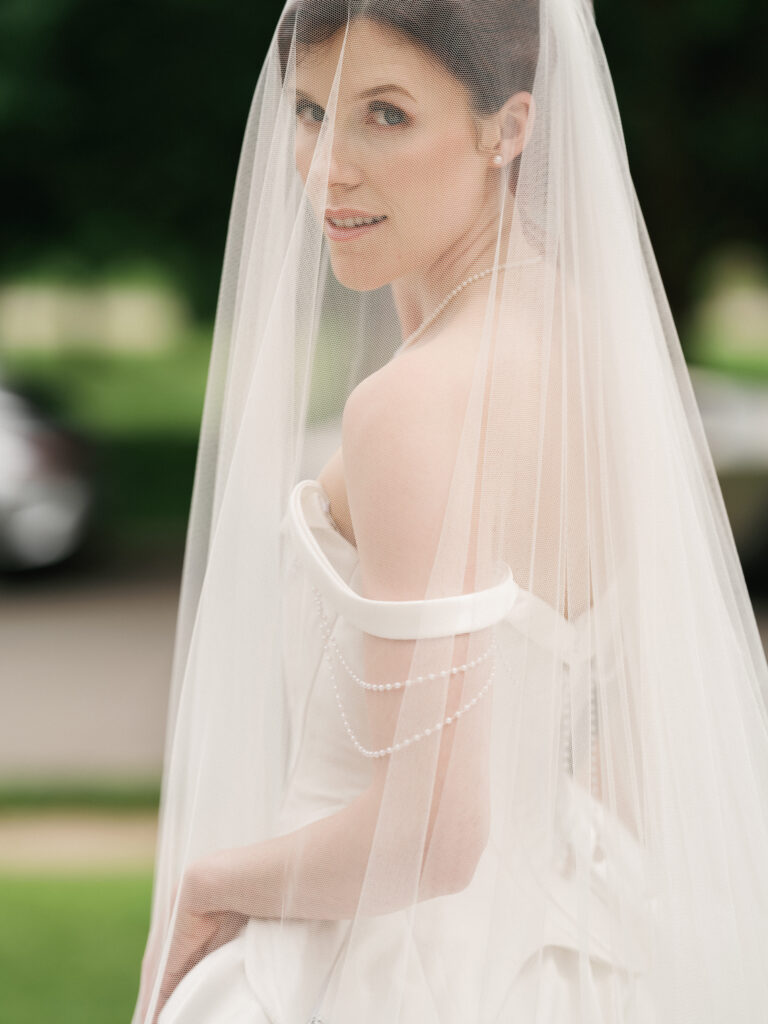
A civil ceremony of twenty minutes with two readings photographs and films differently from a ceremony with cultural traditions, multiple officiants, or rituals that require repositioning between sections. Multi-language ceremonies, ceremonies conducted across multiple locations, or events that include a separate religious and civil component each require more preparation, more equipment coordination, and more time in post-production to assemble into a coherent film. These factors legitimately affect what a package costs.
Highlight Film, Teaser, Full Ceremony, and Speech Edits
What a wedding videography package delivers matters as much as how many hours it covers. The deliverables worth comparing closely are the following.
Highlight Film
The highlight film is the central piece included in most wedding videography packages. Typically lasting four to six minutes, it brings together the emotional arc of the celebration: preparation, ceremony, portraits, reception moments, speeches, and the atmosphere of the day.
The style of a highlight film varies significantly between studios. Music selection, pacing, color grading, storytelling approach, and the balance between emotional moments and visual details all influence the final result.
When reviewing a videographer’s work, complete wedding films provide a clearer understanding than short promotional clips. A full highlight film shows how the team approaches different parts of the celebration, how transitions are handled, and how the story develops from beginning to end.
Teaser
A teaser is a shorter edit designed to share the feeling of the wedding soon after the celebration. Usually lasting between sixty and ninety seconds, it highlights some of the strongest visual and emotional moments from the day.
Many couples enjoy having a teaser available shortly after the wedding while the full film is still in production. It allows them to revisit the atmosphere of the celebration and share a first glimpse with family and friends.
Not every wedding videography package includes a teaser as a standard deliverable, so this detail should be confirmed before booking.
Full Ceremony Film
A full ceremony film preserves the complete ceremony from the processional to the final moments, without the editorial compression used in a highlight film.
For couples who have written personal vows, included cultural or religious traditions, or want to preserve the words spoken during the ceremony, this format becomes an important part of their wedding collection.
A highlight film captures the emotion and atmosphere of the day. A full ceremony edit preserves the complete experience, including the moments that may not appear in a shorter cinematic edit.
Because of the additional editing time involved, full ceremony films are often offered as an additional option rather than included in every base package.
Speech Edits
Speeches and toasts often become some of the most personal memories from a wedding day. Separate speech edits allow couples to revisit individual messages from family and friends without searching through the full wedding film.
Some packages include full speech recordings as part of the final delivery, while others provide only selected moments within the highlight film.
If speeches are an important part of the celebration, it is worth confirming how they are recorded, edited, and delivered before finalizing the package.
Delivery Timeline
The timeline for receiving a professionally edited wedding film depends on the studio’s workflow, the complexity of the project, and the number of deliverables included.
A highlight film typically takes approximately eight to fourteen weeks after the wedding to complete. Full ceremony edits, extended feature films, and additional deliverables may require additional time.
Some studios offer expedited delivery options for couples who would like to receive selected edits sooner. The expected delivery timeline, revision policy, and included rounds of feedback should always be outlined in the contract before booking.
Travel, Venue Logistics, and Production Value
Travel
Weddings outside a team’s local area often involve additional planning related to transportation, accommodation, and scheduling.
For destination weddings or celebrations held several hours away, travel costs may include flights, accommodation, ground transportation, and additional preparation time. Some studios include these expenses within a flat travel fee, while others calculate them separately based on the location and requirements of the event.
For weddings within driving distance, travel may already be included or added as a mileage fee depending on the studio’s location and pricing structure.
Having these details confirmed early allows the overall investment to remain clear throughout the planning process.
Venue Logistics
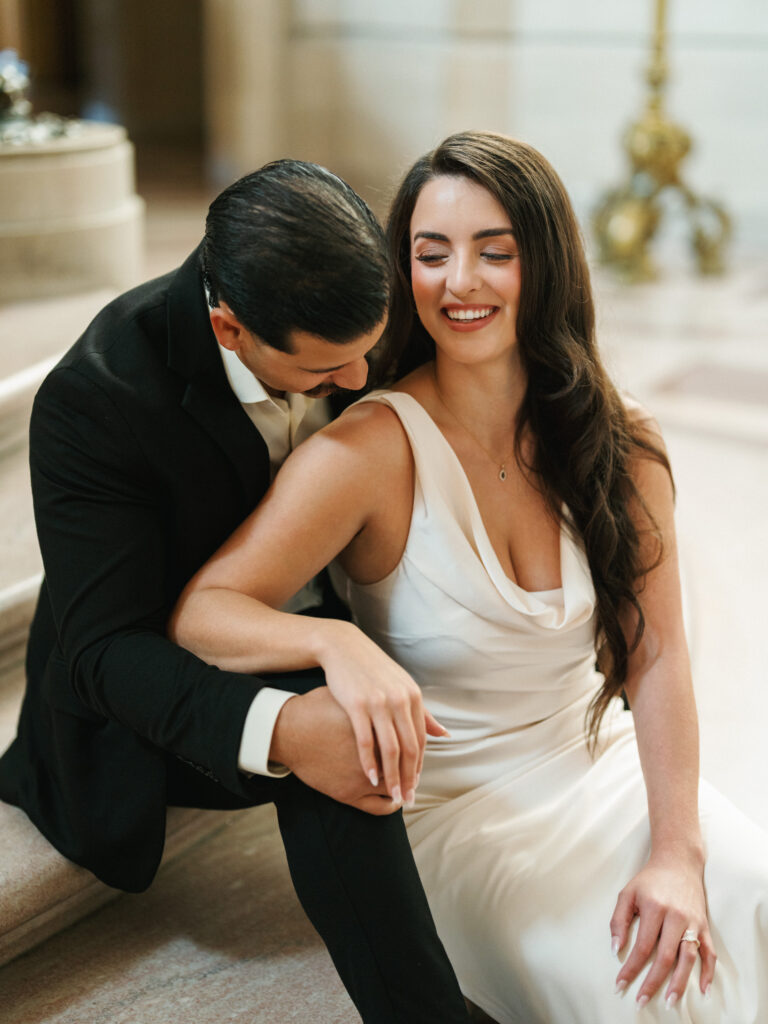
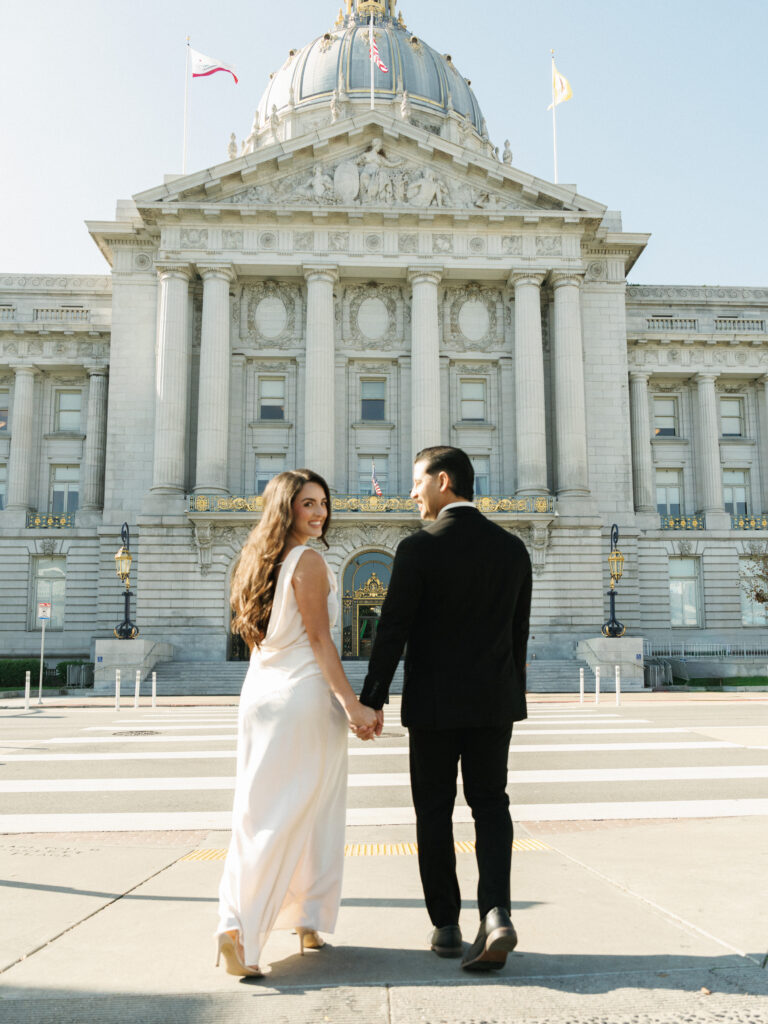
Every venue has its own environment, layout, and guidelines that influence the filming approach.
Some properties have specific rules regarding camera placement, ceremony access, sound equipment, or drone usage. Historic venues may have restrictions designed to preserve the character of the space, while outdoor locations may require additional planning for weather, lighting, and sound conditions.
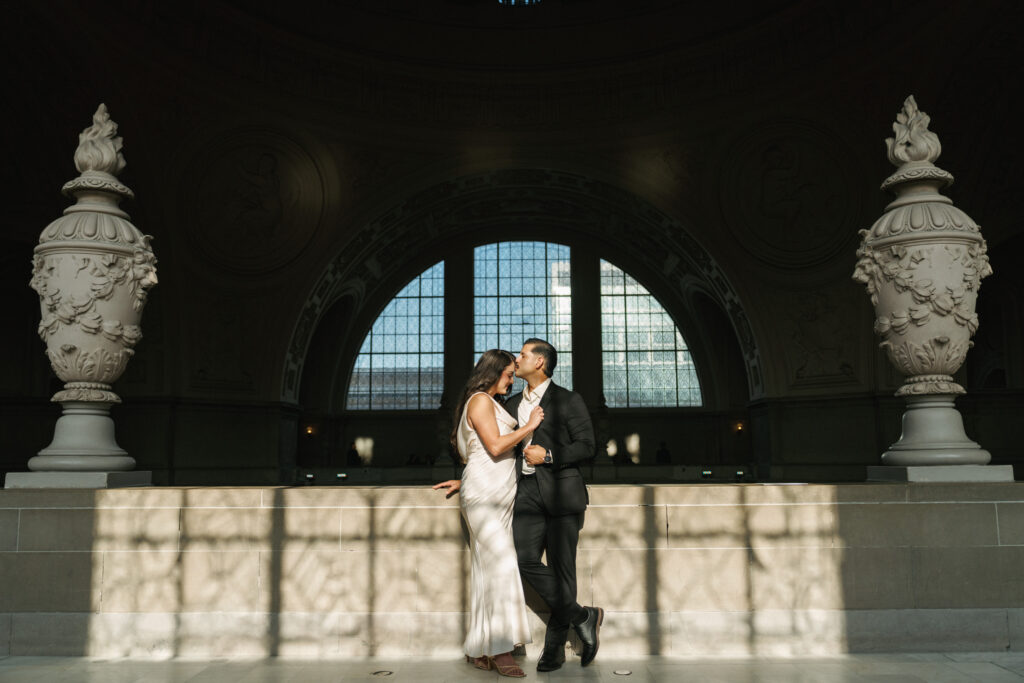
A rooftop ceremony may require careful audio planning due to surrounding city noise. A historic ballroom may require attention to acoustics and available lighting. A large estate may involve moving between multiple areas of the property while preserving the natural flow of the celebration.
These considerations are part of professional preparation. A team familiar with venue requirements can plan camera positions, equipment needs, and timing in advance.
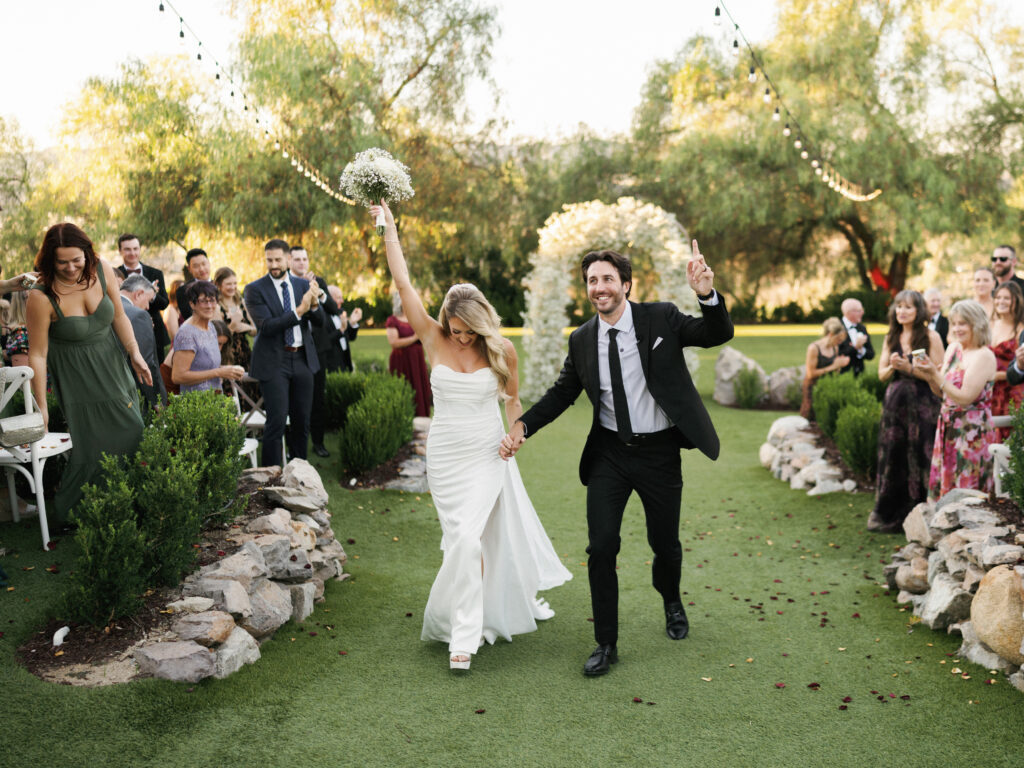
Production Value
Professional cinema cameras, stabilization systems, dedicated audio equipment, and backup recording solutions allow filmmakers to work with consistency and reliability throughout the wedding day. These tools support the process from quiet preparations in a hotel suite to a large evening reception.
Post-production also plays a significant role. A wedding film often combines footage captured across many hours, different lighting conditions, and multiple cameras. Creating a consistent visual style requires careful editing, color grading, sound design, and storytelling decisions.
A videographer’s visual style develops through experience, creative decisions, and years of refining their approach. This creative direction becomes part of the overall value reflected in the final investment.
How to Compare Videography Packages Fairly
Comparing wedding videography packages becomes easier when the same elements are considered across each proposal. The total investment is only one part of the decision. The structure of the package, the filming approach, and the final deliverables all influence what the couple receives.
Step
Start by reviewing coverage details:
- How many hours are included?
- Is a second filmmaker part of the package?
- What happens if additional coverage time is needed?
- Are travel requirements already included?
Step
Review the audio approach carefully. Vows and speeches cannot be recreated after the wedding day, which makes sound recording one of the most important technical elements of the final film.
Step
Consider the deliverables:
- Is the package limited to a highlight film?
- Is a teaser included?
- Are full ceremony and speech edits available?
- How many revision rounds are included?
Look at complete wedding films rather than only promotional reels. A short highlight clip shows the strongest moments, while a full film demonstrates how the videographer approaches pacing, storytelling, transitions, and the quieter parts of the celebration.
Step
Venue experience can also be valuable. A team familiar with a specific property may already understand the best portrait locations, lighting conditions, and logistical details that influence the filming plan. Discussing these details with the team before booking can help clarify how the venue will be approached.
Step
Finally, review the contract carefully. Delivery timelines, revision policies, payment schedules, travel arrangements, and contingency plans should all be clearly outlined before booking.
FAQ
How much does a wedding videographer cost?
Wedding videographer cost depends on several elements, including coverage hours, team size, audio planning, editing approach, deliverables, travel, and the overall production process behind the film.
A professionally created wedding film involves preparation before the event, filming throughout the celebration, and extensive post-production afterward. Reviewing what is included in each package provides a clearer understanding of the investment than comparing price alone.
What is included in a wedding videography package?
Wedding videography packages vary between studios, but most include a set number of coverage hours and an edited highlight film.
Additional options may include:
1. second camera operators;
2. teaser films;
3. full ceremony edits;
4. speech recordings;
5. extended feature films;
drone coverage.
The most important details to review are coverage structure, audio approach, editing style, and delivery timeline.
Why does audio matter so much in wedding videography pricing?
Audio preserves the parts of a wedding day that cannot be recreated: vows, speeches, readings, and personal messages from family and friends.
Professional audio recording requires planning, equipment, and backup solutions. A wedding film with carefully recorded sound allows the emotion of those moments to remain present in the final edit.
How long does it take to receive a wedding film?
A professionally edited highlight film typically takes around eight to fourteen weeks after the wedding, depending on the studio’s workflow and the complexity of the project.
Additional edits, such as full ceremony films or extended versions, may require more time. The expected delivery schedule should be confirmed before booking and included in the agreement.
Reviewing Your Videography Package Options?
If you are comparing wedding videography packages and want to understand how different videography options fit your celebration, timeline, and vision for the final film, we would be happy to help.