Two Conversations That Shape the Same Wedding
Most couples begin planning by choosing a venue, then selecting a planner, photographer, and videographer as separate decisions. In reality, these conversations often overlap much earlier than expected. While a wedding planner builds the structure of the celebration, photography and film rely on that structure from the first moments of coverage to the final dance.
This does not mean a planner needs to think like a photographer, or that the photography and film team should direct the planning process. Each professional brings a distinct expertise. The strongest celebrations happen when these perspectives meet early, while the day is still taking shape.
Before booking a planner, it is worth asking a few questions that go beyond logistics. The answers often reveal how that planner collaborates with creative teams and how much intention has already been placed on the experience that will eventually become your photographs and films.
How Does the Planner Work With Photo and Video Teams?
Every planner coordinates vendors. The more useful question is how that coordination happens.
Some planners introduce the photography and film team after the timeline has already been finalized. Others invite creative vendors into the conversation while the schedule is still flexible. The difference is subtle in wording, but noticeable in practice. Portrait sessions, travel between venues, ceremony timing, and reception entrances all depend on decisions made long before the coverage team arrives at the celebration.
Planners who regularly work alongside experienced photography and film teams usually understand which parts of the celebration depend on those decisions. They operate with awareness that portraits cannot be moved to another hour if the light changes, or that a ceremony running thirty minutes late affects dinner service and that every adjustment has a visual consequence as well as a logistical one.
Expert Note
The question worth asking early is direct: how does the planner typically coordinate with the photography and film team, and at what point in the planning process does that coordination begin?
How Is the Timeline Built?
Experienced planners usually develop the timeline gradually, refining it as decisions are made about the venue, ceremony, transportation, guest count, entertainment, and family logistics. Photography and film coverage naturally become part of that process because coverage depends on how the wedding day timeline is built.
The goal is to understand whether the schedule has been designed as a production plan or as an itinerary.
The strongest timelines leave enough room for key events, unexpected moments, buffers and transitions. Guests rarely notice that, but it helps the photography and film team perform better.
When discussing the planning process, consider asking:
How much time is normally reserved for portraits?
Is the portrait session positioned around the best available light?
How are travel times between locations estimated?
How are travel times between locations estimated?
Is additional time built in for unexpected delays?
When is the final timeline shared with vendors?
What Role Does the Planner Play in Choosing Vendors?
Many planners maintain a trusted network of photographers, videographers, florists, designers, rental companies, and entertainment professionals they have worked with before.
Planners who consistently produce weddings that photograph well develop vendor relationships based on direct experience. A photographer or videographer who has worked alongside a specific planner before knows how that planner manages transitions, what their communication style is under scheduling pressure, and when the timeline is likely to flex.
That familiarity often creates a smoother experience, particularly during moments when several vendors are working in the same space at the same time. Many couples, however, find their photographer or videographer independently. That is equally common and rarely presents a problem.
Additional Questions to Ask:
- How do they exchange information with the coverage team?
- Do they schedule an introduction?
- Is there a planning call before the wedding?
Expert Note
For couples who have already chosen a photography and film team independently, the relevant question shifts: how has the planner managed coordination between independent photo and video vendors in the past, and what does that coordination look like in practice?
Vendor Communication Before the Wedding
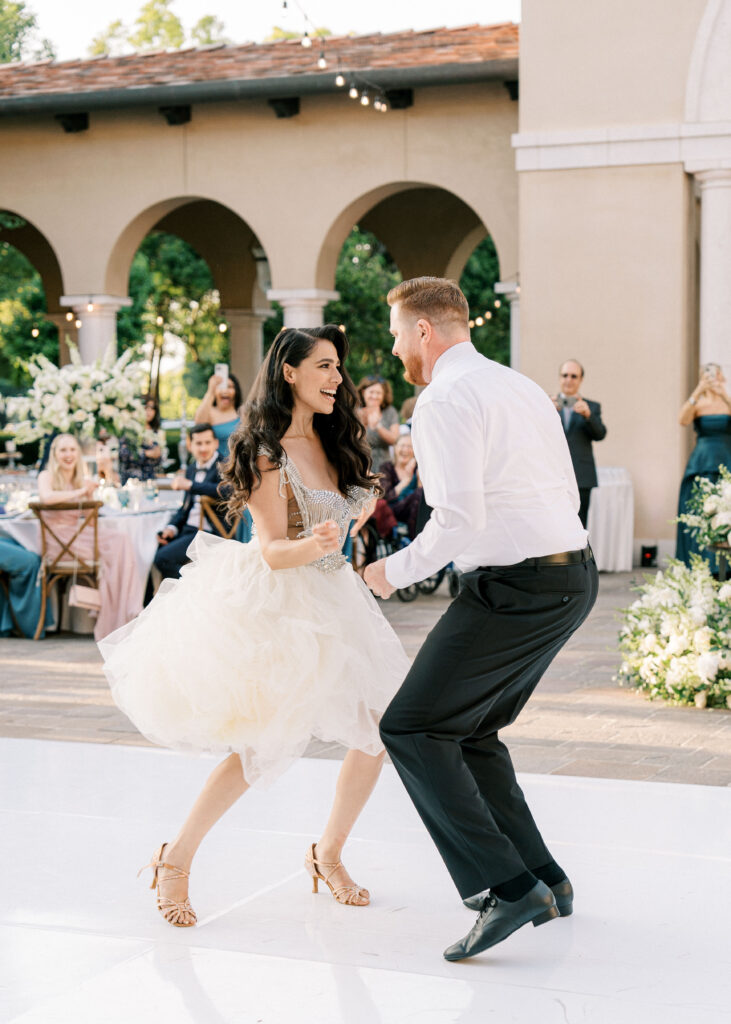
The pre-wedding information exchange between a planner and coverage team is where most avoidable day-of problems are resolved in advance. A planner who shares a detailed, organized brief with the photography and film team two weeks before the wedding gives that team time to prepare.
The information that directly shapes coverage includes the family portrait list with names of individuals the team needs to recognize on sight; the ceremony order and audio plan, including any non-standard elements; the reception lighting plan and when it changes; any moments during the ceremony that are private or restricted from photography; and realistic travel times between venues.
Planners with long track records at the high end of the market consistently emphasize specificity in vendor communication. Each wedding is treated as distinct from every other, with details gathered and communicated in ways tailored to the particular event. For couples, this translates into a question: how does the planner collect information about the family structure, ceremony sequence, and coverage priorities, and in what form is that information shared with the photography and film team before the day?
Expert Note
Look for signs of structure: shared timelines, written briefs, defined points of contact, and clear escalation paths if something changes.
What Happens When the Schedule Shifts?
Every experienced wedding planner operates with some version of a contingency framework. Ceremonies run long. Family members are delayed. Weather changes move elements inside. How a planner manages these shifts determines how much of the coverage plan survives intact.
For the coverage team, the portrait session is the element that consistently suffers when schedules compress. Typically scheduled at the end of a sequence, it absorbs whatever delay has accumulated. A planner who treats the portrait window as non-negotiable relative to other elements that can flex understands that the session cannot be rescheduled to a different hour of light.
Expert Note
A principle visible across top-tier planning is that production meetings with all involved vendors are scheduled well in advance, so that every party knows what to expect and how decisions will be made if plans change. The question to ask is not whether the planner has a contingency plan, but who holds decision-making authority when the schedule diverges.
Design Aesthetic and Coverage Compatibility
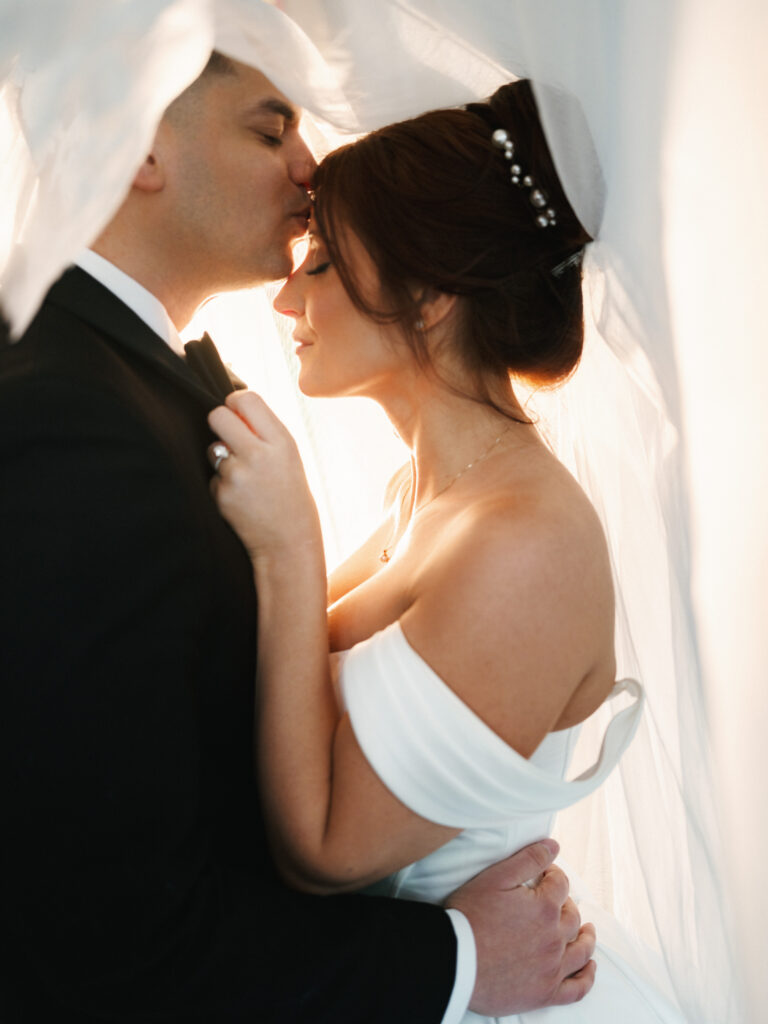
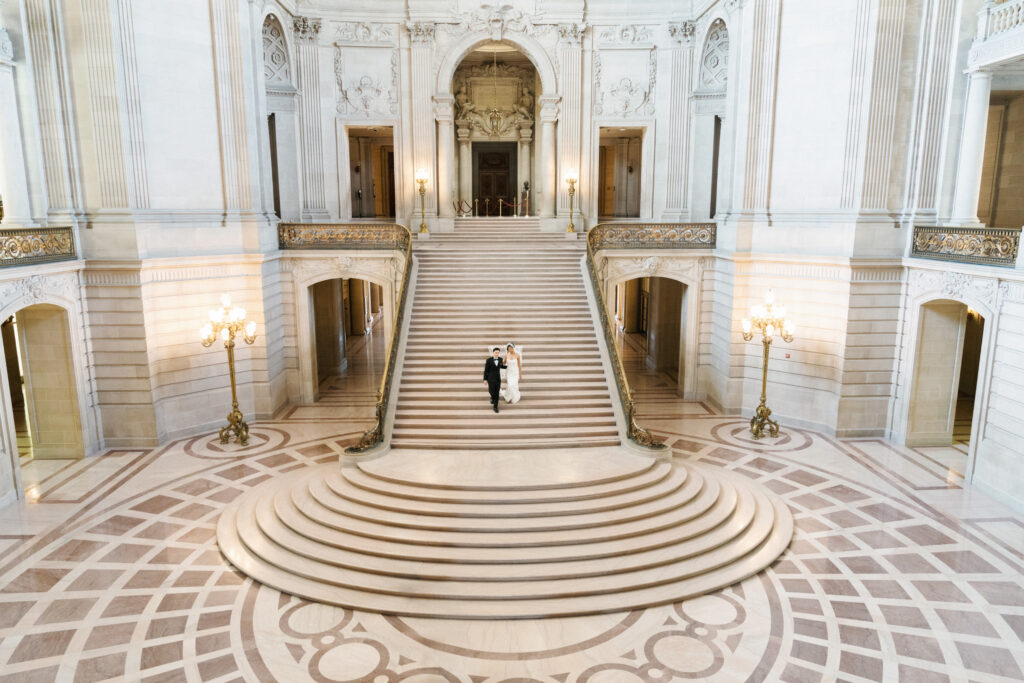
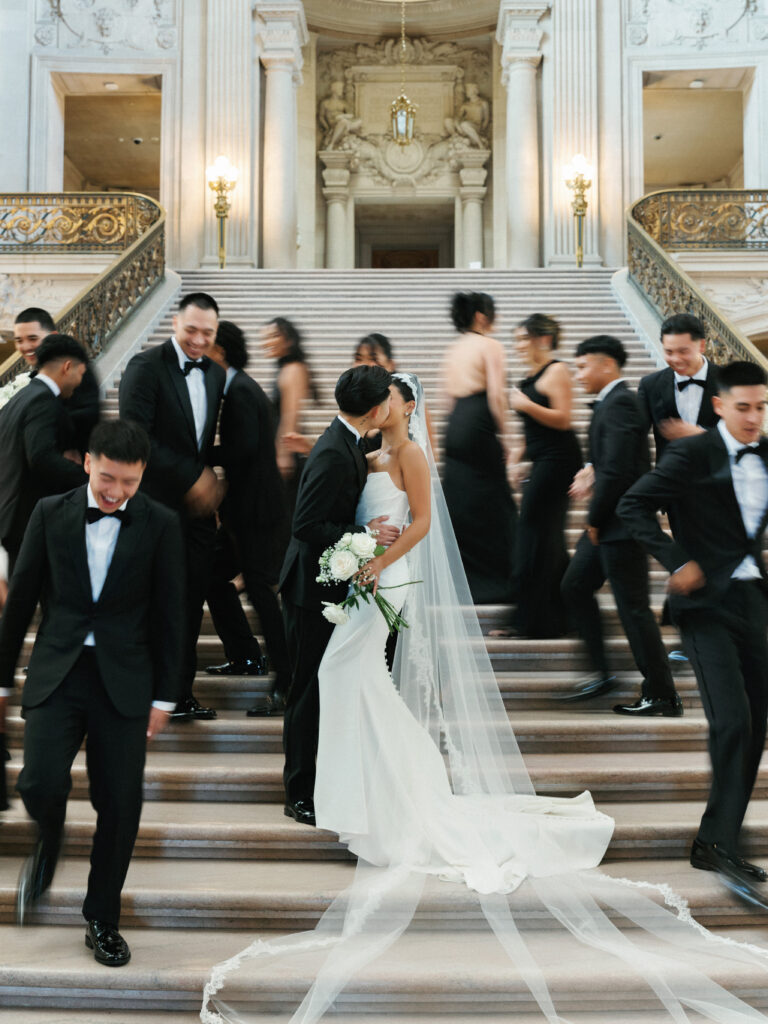
Experienced planners who think carefully about photography consistently flag lighting as a detail couples rarely ask about but that shapes the final images and film considerably. Warm, amber-toned ambient lighting reads better in photographs and film than cool or blue-tinted sources, which tend to flatten skin tones and alter the atmosphere in ways that are difficult to correct in editing. A planner who considers lighting in terms of how it reads in photographs and film has integrated coverage into the design process.
Expert Note
The most direct version of this question is: what does the planner know about how their events photograph?
Planners who have spent years working alongside strong coverage teams develop specific opinions about this. Those opinions are worth the conversation.
Final Questions to Ask Before Booking a Planner
How does the planner coordinate with the photography and film team during the timeline planning process?
At what point does the coverage team receive a detailed brief, and what does that brief include?
How is the portrait session positioned in the timeline, and what is the process for protecting it if other elements run long?
Has the planner worked with the photography and film team the couple is considering, and what was that experience?
What is the planner’s approach to reception lighting, and are there specific sources or color temperatures they avoid from a coverage standpoint?
Final Thoughts
A wedding day is a sequence of coordinated decisions happening under time pressure. But it is not the couple or guests who need to be under pressure — for them it is the day they should relax, celebrate, and enjoy.
With a good planner and a photography and film coverage team, wedding planning becomes a smooth, structured process that shapes and organizes the celebration, taking a lot of pressure and decision-making away from the couple.
Looking for a Deeper Look at This Topic?
If you’d like more on this topic, we invite you to watch our interview with professional wedding planners, offering insider insight into how wedding planning works behind the scenes.
Share Your Wedding Plans
If planning has already started, we’d be happy to help shape the next steps.