Why Wedding Ceremony Audio Matters
A wedding film is built from the voices, pauses, promises, and small sounds of the day.
The exchange of vows, a parent’s speech, a reading from someone close to the couple, or a quiet laugh before the ceremony begins all carry a feeling that cannot be recreated afterward. When those moments are recorded clearly, they become part of the story. When they are lost beneath wind, distance, or room noise, even the most beautiful footage can feel incomplete.
Beautiful cinematography preserves how the day looked. Clear, natural audio preserves how it felt. Together, they create an experience that allows you to return to the moment instead of simply watching it. That is why audio deserves the same attention as photography, lighting, and the timeline.
Why Audio Can Make or Break a Wedding Film
Most couples imagine their wedding film through images first: the walk down the aisle, the look between two people during vows, the movement of a dress, the atmosphere of the reception. Those visuals create the foundation, but sound is what often brings the emotion forward.
A vow spoken quietly between two people feels different when you can hear the hesitation before a sentence, the breath between words, or the change in someone’s voice. A speech from a parent or close friend carries more meaning when the personality behind the words is preserved, not just the outline of what was said.
A few conversations before the wedding day can shape how naturally those moments translate into film, from the first words of the vows to the final speeches of the evening. They come from understanding the ceremony flow, knowing which moments matter most, and creating a plan that fits the venue and the couple’s preferences.
A clear plan, the right equipment, and a few conversations with the venue, officiant, and entertainment team usually provide everything a videographer needs to record the day naturally and without interruption.

Ceremony Vows, Officiant, Readings, and Live Music
Wedding Vows
The vow exchange is the emotional center of most wedding films. It is also the moment most dependent on audio quality.
A discreet wireless lavalier microphone is often the most reliable solution. Depending on the ceremony and the team’s approach, it may be worn by the groom or the officiant, allowing the audio to remain clear without distracting from the ceremony itself.
Some couples prefer not to have visible microphones during the ceremony. In quiet indoor venues, experienced videographers can often adapt their recording approach successfully. Outdoor ceremonies, larger spaces, and venues with significant background noise usually require additional planning, making early communication even more valuable.
If couples have written personal vows, let the video team know before the wedding day. Personalized vows frequently become one of the defining elements of the finished film, and knowing they are part of the ceremony helps the team prepare accordingly.

The Officiant
The officiant plays an important role in ceremony audio because they often guide the entire flow of the moment. Their microphone placement can influence how clearly the ceremony structure is captured, including introductions, readings, and transitions between different parts of the ceremony.
Some venues provide microphones and sound systems as part of their ceremony setup. In other cases, the video team may use their own equipment. If the venue has an existing sound system, the videographer may be able to record directly from it while also capturing backup audio independently. Where no sound system is available, the team prepares a different recording setup.
The right approach depends on the location, the officiant’s preferences, and how the ceremony is arranged.


Readings and Personal Moments
Readings present a different audio situation from vows. The reader may not be in the same position as the officiant, may move to a lectern or podium, and may project differently depending on whether they are experienced public speakers.
If specific readings are emotionally significant to the couple or to the people delivering them, noting this for the video team allows additional attention to microphone positioning during that portion of the ceremony.
Live Music During the Ceremony
Live music adds another emotional layer to a ceremony, but it also changes the way sound moves through the space. A string quartet, solo musician, choir, or live instrumental performance creates an atmosphere that recorded music cannot replicate, but it also becomes part of the environment the video team needs to work within.
Sharing the ceremony music plan in advance helps the team understand when those moments happen and where the musicians will be positioned. A song played during the processional requires a different approach from live music continuing beneath the vows or immediately following the ceremony.
In some venues, musicians are positioned close to the couple. In others, they may be located at the back of the space or in a separate area. These details influence how both the music and spoken moments are captured in the final film.
Speeches, Reception Sound, and DJ Coordination
The emotional importance of sound does not end with the ceremony. A toast from a parent, a message from a sibling, or a few words from a close friend can become a defining part of the final edit. The quality of those recordings depends largely on how the reception sound is organized.
Speeches
Reception speeches are audio-dependent in the same way that vows are. The most reliable approach for speech audio is a direct feed from the venue’s PA system or the DJ’s mixer into the video team’s recording equipment. This captures the audio at the source rather than through the room, and it is typically a straightforward arrangement when confirmed in advance. The video team should connect with the venue’s AV coordinator or the DJ before the reception begins to confirm this is possible and plan the connection.
If a direct feed is not available or the venue’s system is not suitable, a wireless microphone held by or placed near the speaker is the alternative. Some venues have standing microphones at a podium for speeches; others use handheld mics that travel with the speaker. Knowing which applies helps the team position appropriately.
If several people will speak, it is also useful to share the approximate order. A surprise speech or unexpected toast can still become a beautiful moment, but advance notice gives the team a better chance to capture it fully.
Reception Sound and DJ Coordination
A short conversation between the videographer and the DJ before guests enter the reception often prevents a surprising number of problems later in the evening.
It helps confirm the order of speeches, the approximate timing of each event, how microphones will be used, and whether a direct audio connection is available. It also gives both teams an opportunity to coordinate transitions, particularly before the first dance or any planned performances.
If the reception includes live musicians, surprise entertainment, cultural traditions, or performances that are not part of the standard timeline, mentioning them in advance gives the video team time to prepare additional microphones or adjust camera positions.
A surprise speech from a grandparent, an unannounced performance, or a spontaneous toast cannot be repeated for better audio. Good communication helps ensure those moments are preserved naturally the first time.
Wind, Outdoor Ceremonies, and Venue Restrictions
Outdoor Ceremony Audio
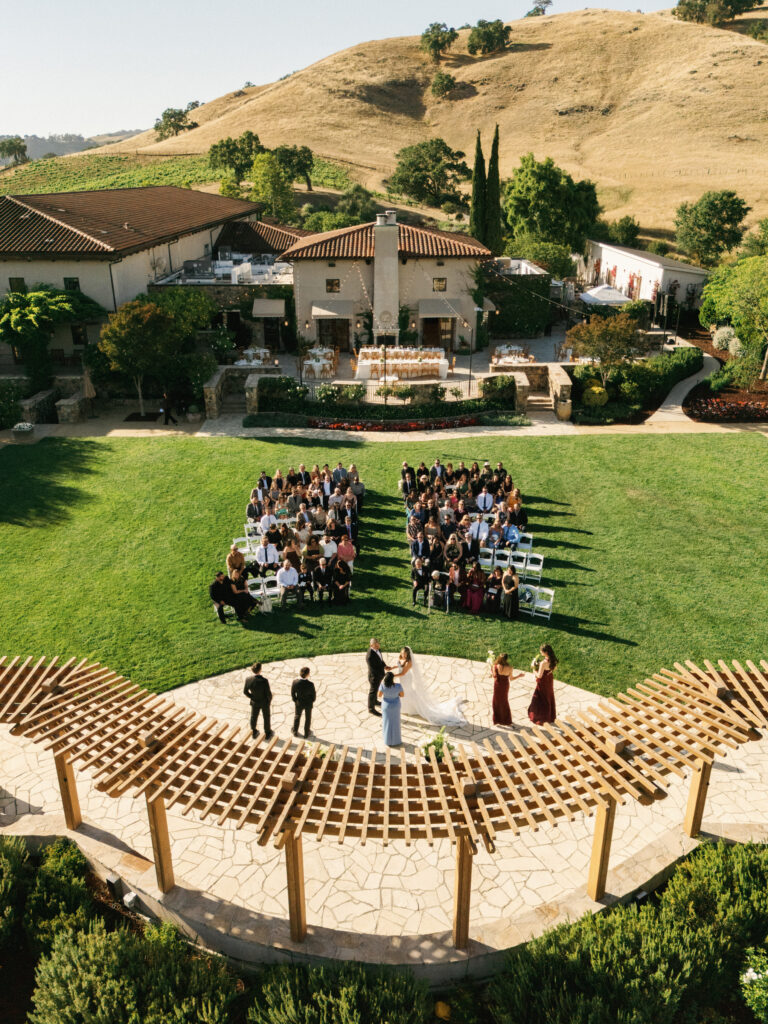
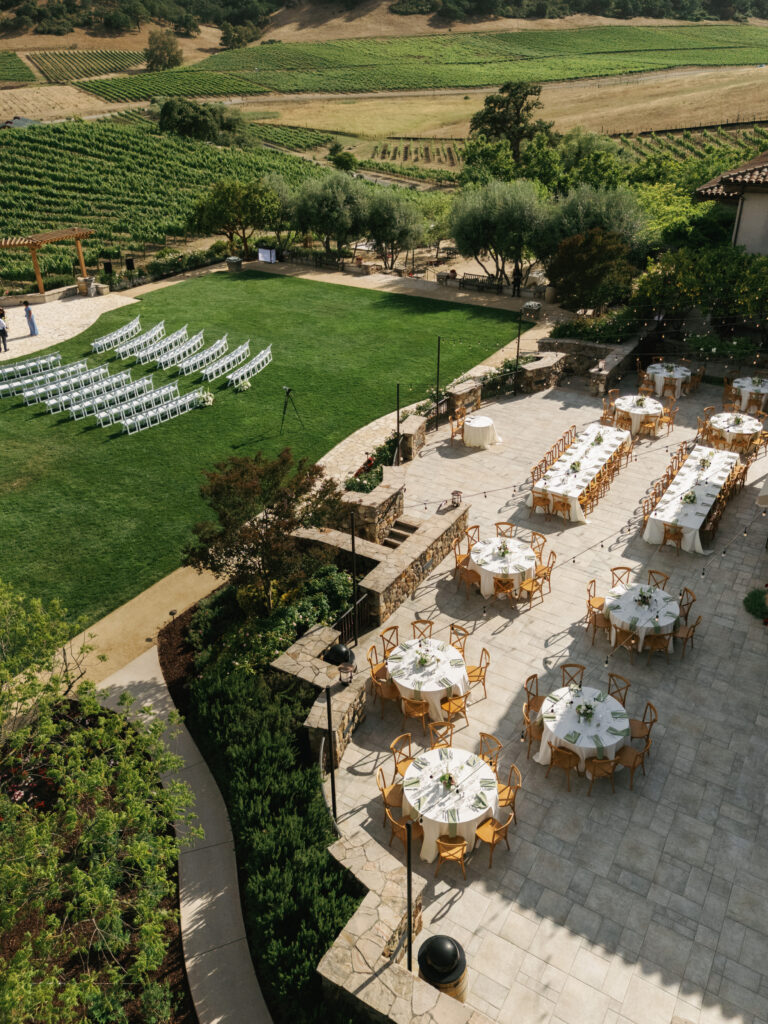
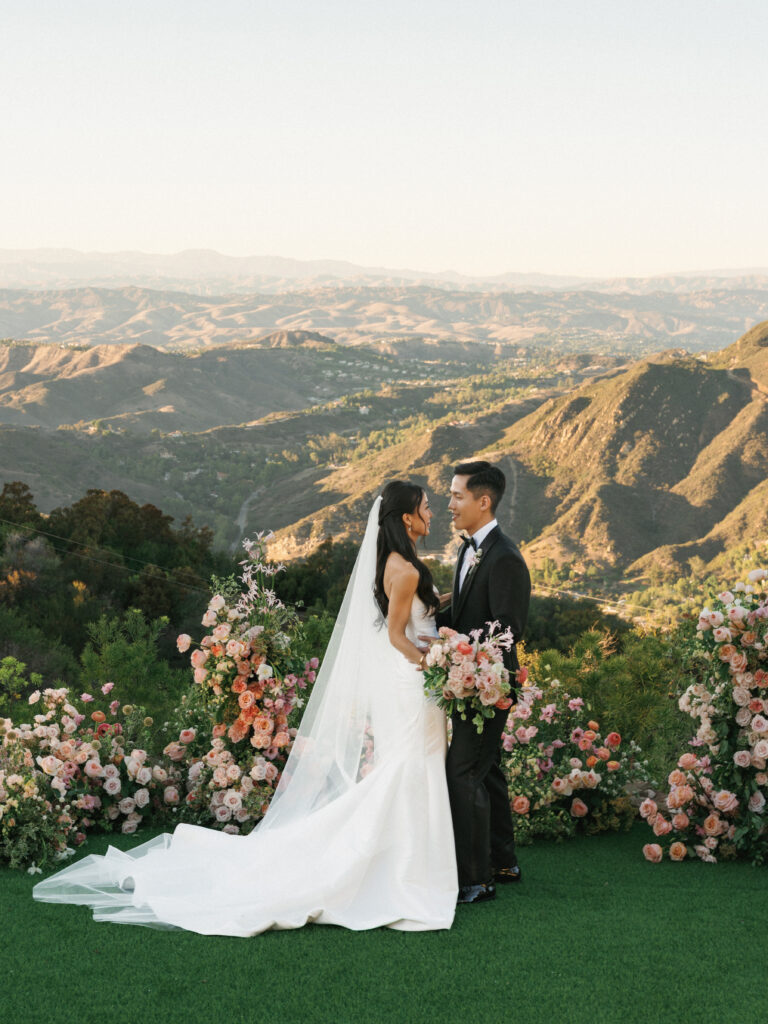
Outdoor ceremonies introduce audio challenges that indoor venues do not. Wind is the most common. Even a light breeze creates low-frequency noise on microphones that is difficult to remove cleanly in post-production. This is not a reason to avoid outdoor ceremonies; it is a reason to plan audio carefully for them.
Wind protection on microphones, wireless lavaliers placed in sheltered positions on clothing rather than exposed lapels, and directional microphones with appropriate wind covers all reduce the effect of ambient outdoor conditions. The video team’s specific approach to outdoor audio is worth asking about before the wedding day, particularly for ceremonies at exposed coastal, hilltop, or open-field venues where wind is a reliable presence.
At outdoor venues without a PA system, the vow audio is entirely dependent on the team’s own equipment. At outdoor venues with a PA system, the same direct feed approach used for indoor ceremonies applies. Confirming which situation applies to the specific venue is part of pre-wedding preparation.
Venue Sound Restrictions
Some venues restrict audio equipment in ways that affect what the video team can do. Historic properties may prohibit certain types of microphone mounting. Religious venues may have specific rules about where equipment can be positioned during the ceremony. Some venues require that external audio equipment connect through their own system.
These conditions do not affect the celebration, but require planning as they are much easier to address in advance.
What the Couple Should Confirm Before the Wedding Day
Couples do not need to manage the technical side of wedding video audio themselves. That is part of the video team’s role. However, sharing a few important details before the wedding helps everyone prepare for the day more effectively.
A short pre-wedding audio checklist for couples to work through with their video team:
Vow audio
Is a wireless lavalier microphone part of the plan? Has the officiant confirmed they are comfortable wearing it or holding it? If not, what is the alternative approach?
Officiant and ceremony setup
Share who will lead the ceremony, whether they use a microphone, and whether there are any venue requirements that may affect equipment placement.
PA system access
Does the ceremony or reception venue have a PA system? Can the video team receive a direct feed from it for both ceremony and speeches?
DJ or AV coordinator contact
Has the video team been connected with the DJ or venue AV coordinator before the event? Has speech timing and the audio feed arrangement been confirmed?
Outdoor wind plan
If the ceremony is outdoors, what specific equipment and positioning approach is planned for wind protection?
Venue restrictions
Are there any audio equipment restrictions at the ceremony or reception venue that the video team should know about?
Live music
Is there live music during the ceremony? Where will the musicians be positioned, and when does the music play relative to the vow exchange?
Speech order
What is the sequence of toasts and speeches at the reception, and approximately when are they scheduled?
A few thoughtful details shared ahead of time can protect the moments you will return to years later: the first words of your vows, the voice of someone you love, the laughter after a story, and the sounds that bring the entire celebration back.
FAQ
Why does wedding video audio matter so much?
A wedding film’s emotional impact depends as much on what is heard as on what is seen. Vows, speeches, and ceremony atmosphere are recorded in real time and cannot be recreated afterward. When the audio is clear and close, the film carries the day’s emotional weight effectively. When it is thin or obscured by ambient noise, the visual edit remains but the feeling it should carry is significantly reduced.
How does a video team typically capture vow audio?
The most reliable approach is a small wireless lavalier microphone placed on the groom or held by the officiant, capturing audio from close range regardless of ambient noise. In quiet indoor settings, a directional microphone positioned near the couple is an alternative. For outdoor ceremonies, wind protection on all microphones is standard practice. The specific approach varies by team and venue, and is worth confirming before the wedding day.
Can the video team capture audio from the reception PA system?
In most venues, yes. A direct feed from the PA mixer or the DJ’s system into the video team’s recording equipment captures speech and reception audio at the source, which produces cleaner results than recording through the room. This arrangement requires a brief coordination between the video team and the venue’s AV contact or DJ before the reception begins. Confirming it is possible at the specific venue is part of pre-wedding preparation.
What happens with audio at an outdoor ceremony with no PA system?
The video team’s own equipment is the primary audio source. A wireless lavalier microphone on the officiant or groom, combined with a directional backup microphone positioned near the ceremony, captures vow audio independently of any venue system. Wind protection on all microphones is particularly important in exposed outdoor settings. The team should assess the specific outdoor environment in advance when possible.
While you are coordinating the ceremony, it also helps to keep other family priorities organized. Our family wedding photo list guide shows how to prepare portraits without turning the day into a checklist.
Talk Through Your Ceremony Audio Plan
If you want to confirm how audio will be handled at your specific venue and ceremony setup, we are glad to go through it with you before the wedding day.