The Real Decision: Fit and Feasibility
A destination wedding adds another layer to the photographer decision. Travel, venue access, local requirements, weather, and experience on location all become part of the planning.
A photographer may have a beautiful portfolio and still have limited destination experience. Previous work in different locations, familiarity with travel logistics, and coordination with planners or venues can matter when the wedding takes place far from the photographer’s usual market.
Good destination coverage starts before the wedding day. Travel time, venue research, local coordination, and unexpected changes all need to fit within the photographer’s plans for the assignment.
Travel Costs and Coverage Boundaries
Travel expenses can be structured differently from one photographer or studio to another. Some include flights and accommodation in a destination fee, while others list airfare, lodging, ground transportation, meals, and travel days separately.
The full cost also depends on what happens around the wedding day. Welcome parties, rehearsal dinners, farewell gatherings, and next-day celebrations may require additional coverage and travel time.
Travel disruptions can affect the agreed schedule as well. A delayed flight may change the photographer’s arrival or prevent coverage of an event scheduled before the wedding. The agreement should address how the studio or photographer handles these situations.
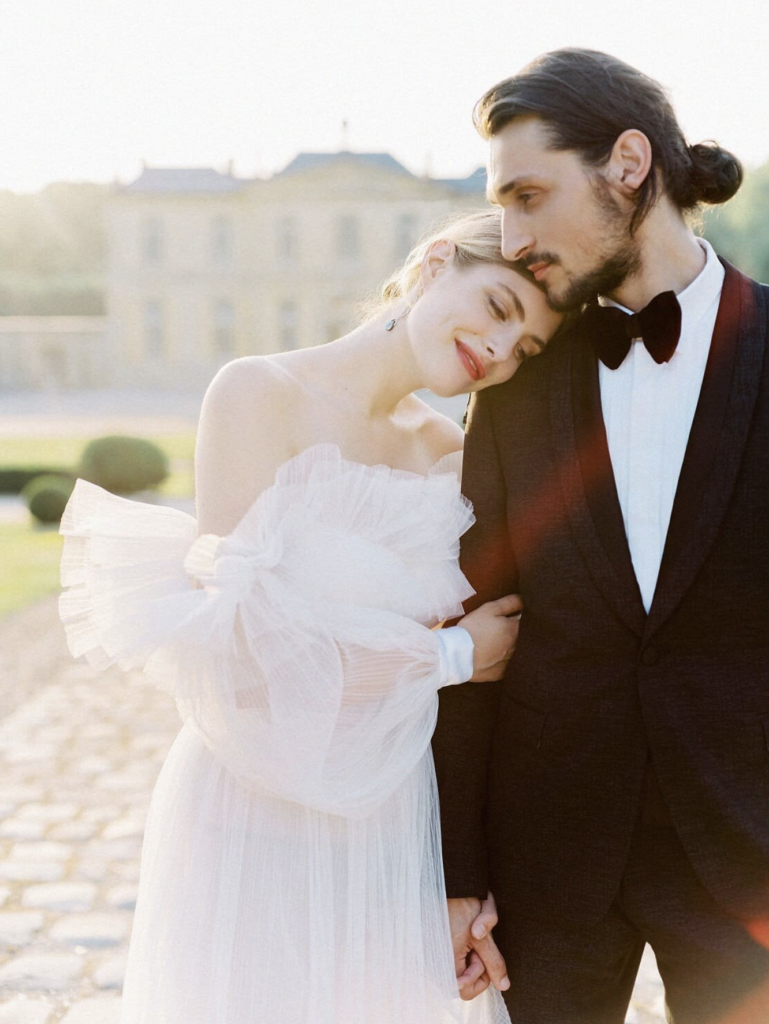
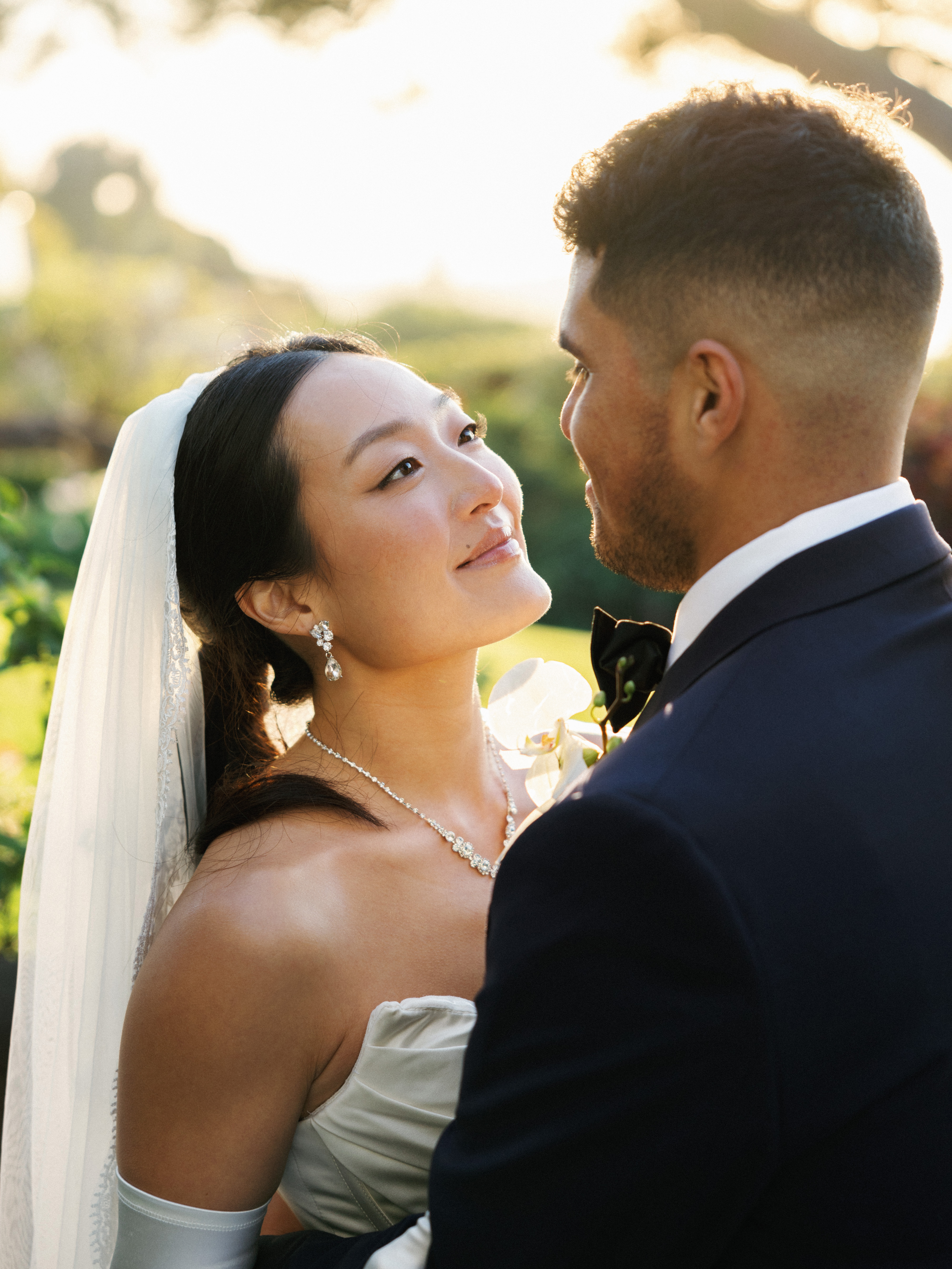
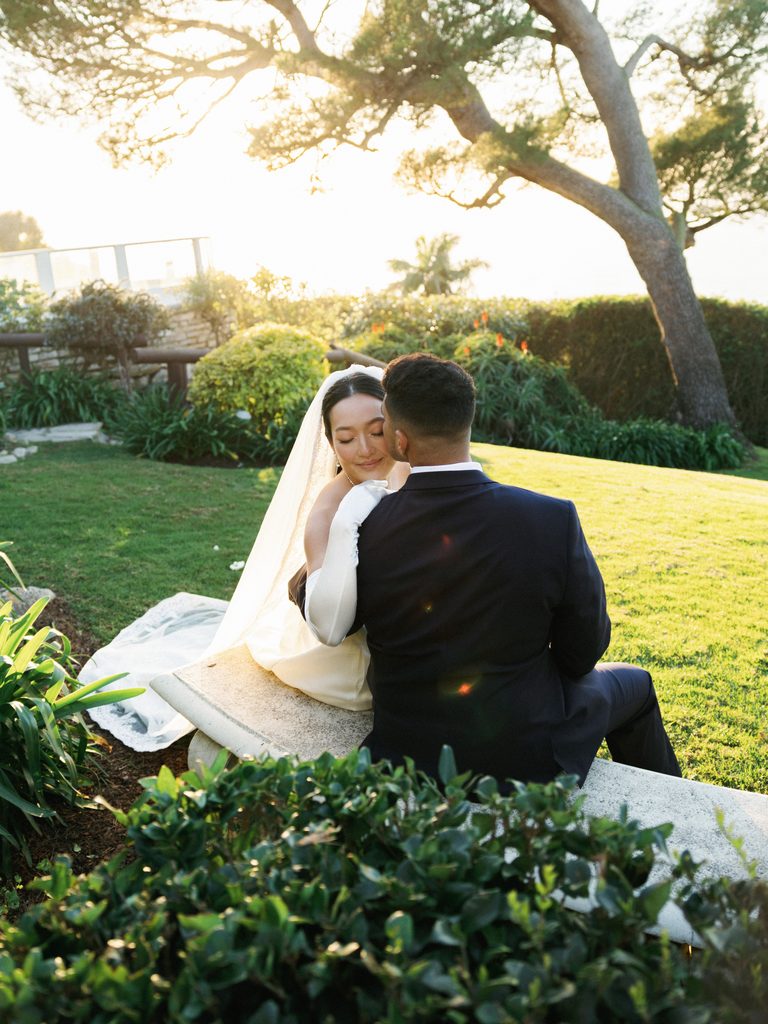
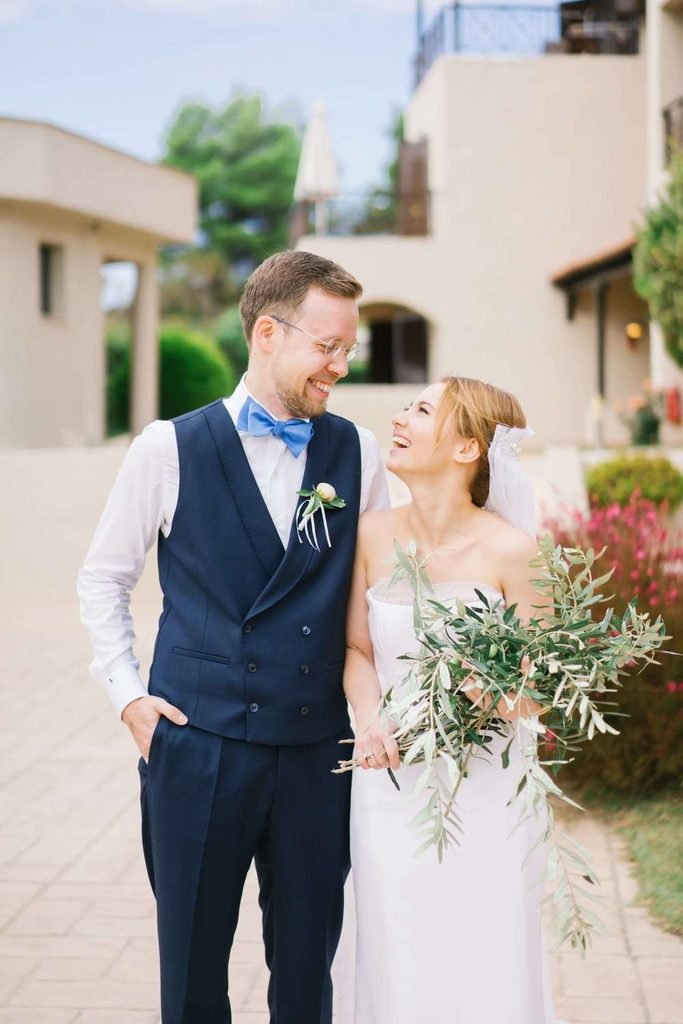
Gran Hotel des lles Borromees, Stresa. Villa Rsconi Clerici, Lago Maggiore, Italy.
Expert Note
A travel quote is easier to evaluate when flights, accommodation, transportation, travel days, and additional coverage appear as defined parts of the booking.
Local Experience Versus Destination Experience
Experience in the wedding location can bring practical knowledge of venues, access points, seasonal light, sunset timing, weather, local regulations, and reliable contacts. A photographer traveling in may bring substantial destination experience and a proven approach to unfamiliar locations, so the useful comparison is the location-specific knowledge each option offers and how the photographer prepares for any gaps.
During the consultation, it is worth asking where the photographer has worked, how often they travel for weddings, and how they prepare for destinations they have not photographed before. Venue research, communication with the planner, advance review of access and timing, and time to become familiar with the location can all form part of that preparation.
Permits and Venue Access
Photography restrictions can vary between countries, venues, beaches, historic properties, parks, and other protected or privately managed locations. Some require advance permits, while others restrict equipment, commercial photography, specific portrait areas, or drone use.
Responsibility for any required approval should be clear before booking. Depending on the location, it may fall to the venue, planner, photographer, or couple. Venue access also deserves attention, particularly when the photographer has never worked there. Early access for scouting, restricted areas, equipment entry, and the timing available for portraits can all affect the coverage plan.
For weddings involving multiple properties or public locations, confirming these details in advance helps keep the photography schedule realistic.
Timeline Planning and Location Scouting
Destination weddings often involve unfamiliar distances and several locations. Travel time can change once parking, transfers, restricted access, stairs, guest movement, or equipment are taken into account, so the photography timeline needs to reflect the actual route between events.
Scouting can help clarify light, distances, portrait locations, ceremony sight lines, and possible alternatives before the wedding day. It does not always require a separate full day. The relevant question is whether the photographer has enough access and preparation time to understand the location properly.
Local sunset times, ferry or shuttle schedules, and venue access can also affect the timing between events. A photographer with experience in the destination may have useful observations about portrait timing or travel between locations, which can then be incorporated into the timeline with the planner.
Backup Team and Weather Contingencies
If the assigned photographer becomes ill, misses a connection, or cannot reach the destination because of an emergency, finding a replacement can be considerably harder than for a local wedding.
Before booking, clarify what happens in that situation. A studio may have another photographer available to travel, a local professional they regularly work with, or another established arrangement. The agreement should state who is responsible for arranging the replacement and what happens to the agreed coverage if the assigned photographer cannot attend.


Backup equipment should be part of the photographer’s preparation. Camera bodies, lenses, batteries, and memory cards can help preserve coverage if something fails during the wedding. It is also reasonable to ask how image files are protected while traveling and after the wedding.
Weather planning deserves the same attention, particularly when portraits or the ceremony depend on outdoor locations. Indoor or covered alternatives, changes to portrait timing, and adjustments for rain, wind, heat, or changing daylight can all form part of the plan. The photographer and planning team should know which elements can move or shift if the original conditions become impractical.
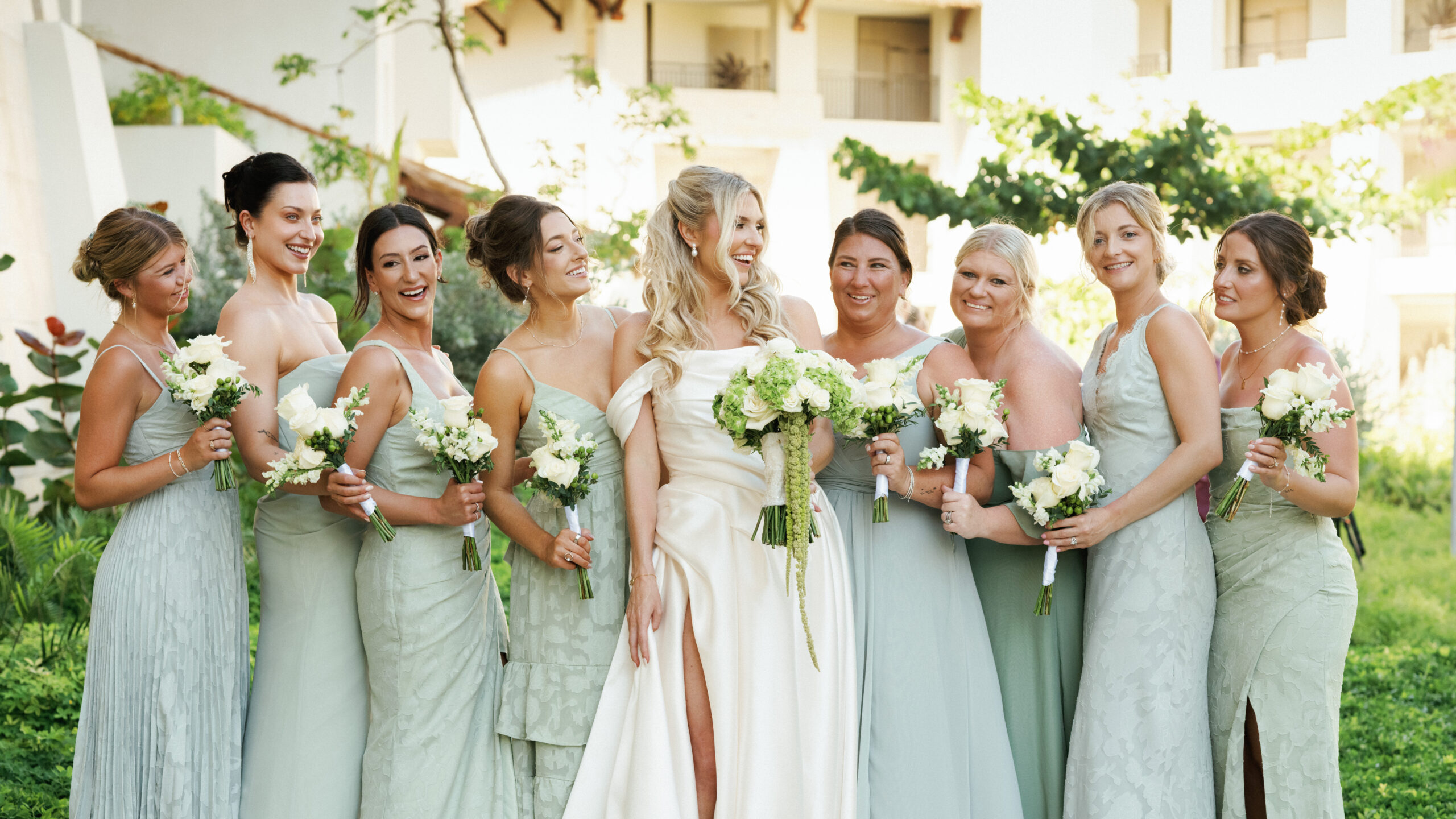
The Hummingbird Nest.
Expert Note
For a destination assignment, contingency planning covers more than the wedding venue. Travel disruption, equipment failure, and changing weather can all affect coverage, so the plan should account for each before the trip begins.
Delivery and Communication Across Time Zones
Destination planning often involves several people working from different locations. The photographer may live in one time zone, the couple in another, and the planner or venue team somewhere else.
Before booking, clarify how communication will work, who handles it, and how quickly replies can usually be expected. For a studio or agency, the person handling the inquiry may not be the photographer attending the wedding. The transition between those roles should be clear, with enough time for the assigned photographer to become familiar with the plans and priorities.
Time-zone differences become particularly relevant when a decision needs a quick response. A clear point of contact and a consistent way of sharing timelines, documents, and updates can keep planning moving across different locations.
Delivery timing should also be discussed. Travel does not necessarily change a photographer’s standard turnaround, but it is worth confirming whether the destination assignment affects the expected gallery delivery window.
Section heading
1. Confirm what the travel fee covers, including flights, accommodation, transportation, meals, and travel days where applicable.
2. Clarify the coverage included and whether welcome parties, rehearsal dinners, or other events require additional coverage.
3. Ask about destination experience, including previous weddings in the same country or region.
4. Confirm who handles permits and whether the photographer has worked with the relevant venue or location before.
5. Discuss venue access and scouting, including when the photographer can arrive and assess the property.
6. Review the timeline with destination logistics in mind, including sunset, transportation, ferries, shuttles, and travel between locations.
7. Ask what happens if the assigned photographer cannot travel because of illness, injury, or a travel disruption.
8. Confirm equipment backup and file protection during the wedding and after the event.
9. Discuss the weather contingency plan, including alternative portrait and ceremony locations where relevant.
10. Clarify communication across time zones, including the primary contact and expected response times.
11. Confirm the expected gallery delivery timeframe and whether destination travel affects it.
12. Put important arrangements in the contract, including travel costs, coverage, replacement plans, postponement terms, and delivery expectations.
13. Explain what happens here and why it matters.
If any important question remains open, bring it up with the photographer, studio, or agency before paying the retainer. Clear responsibilities and expectations are particularly useful when several people and locations are involved in the same wedding.

FAQ
Should we hire a local photographer or bring one from home?
Either can be a strong option. A local photographer may know the destination, venues, access points, and local conditions well. A photographer traveling from home may bring extensive destination experience or an established working relationship with the couple. Experience with similar weddings and the specific destination can help clarify which option fits better.
Do destination wedding photographers charge travel fees?
Travel costs vary by photographer and destination. Flights, accommodation, ground transportation, baggage, meals, and travel days may be included in the collection or quoted separately. The full arrangement should be clear before booking.
Should a destination photographer visit the venue before the wedding?
Not necessarily. The need for an in-person visit depends on the venue, number of locations, access requirements, and complexity of the timeline. When the photographer has not worked at the venue before, ask how they will prepare for the location and coordinate access, lighting, and timing.
How far in advance should a destination wedding photographer be booked?
Six to twelve months is a useful planning range for many destination weddings. Popular dates, peak travel seasons, complex itineraries, and additional wedding events can require more lead time. Earlier booking also gives more time to coordinate travel and venue logistic.
What happens if the photographer cannot travel to the wedding?
The contract should explain the replacement arrangement. A studio may assign another photographer from its team, while a solo photographer may have an established professional backup network. The timing and terms of any replacement should be clear before booking.
How should weather be handled at a destination wedding?
The photography plan should include practical alternatives for outdoor portraits and other weather-sensitive parts of the day. Indoor or covered locations, timing changes, and alternative portrait locations can be discussed with the photographer and planner in advance.
How do time zones affect destination wedding photography planning?
Time zones can affect consultations, planning calls, timeline updates, and communication before the wedding. Confirm the photographer’s working time zone and establish a practical way to schedule calls and share important updates.
Does a destination wedding affect gallery delivery time?
Not necessarily. Travel and additional events can sometimes affect a studio’s workflow, so it is worth confirming the expected delivery window before booking and checking whether it appears in the agreement.
What should a destination wedding photography contract cover?
The agreement should identify the photographer or team, coverage, travel costs, payment terms, cancellation and postponement conditions, replacement arrangements, delivery expectations, and any additional events or services included in the booking. Destination-related expenses and permit responsibilities should also be clear where relevant.