
Choosing One Story to Tell
Moodboards multiply quickly once a couple starts saving inspiration: a golden-hour field here, a moody city rooftop there, a cozy coffee shop scene from someone else’s session. Each image may be appealing on its own, but bringing several unrelated ideas into a two-hour session can pull the planning in three or four different directions, leaving less room for any one idea to develop.
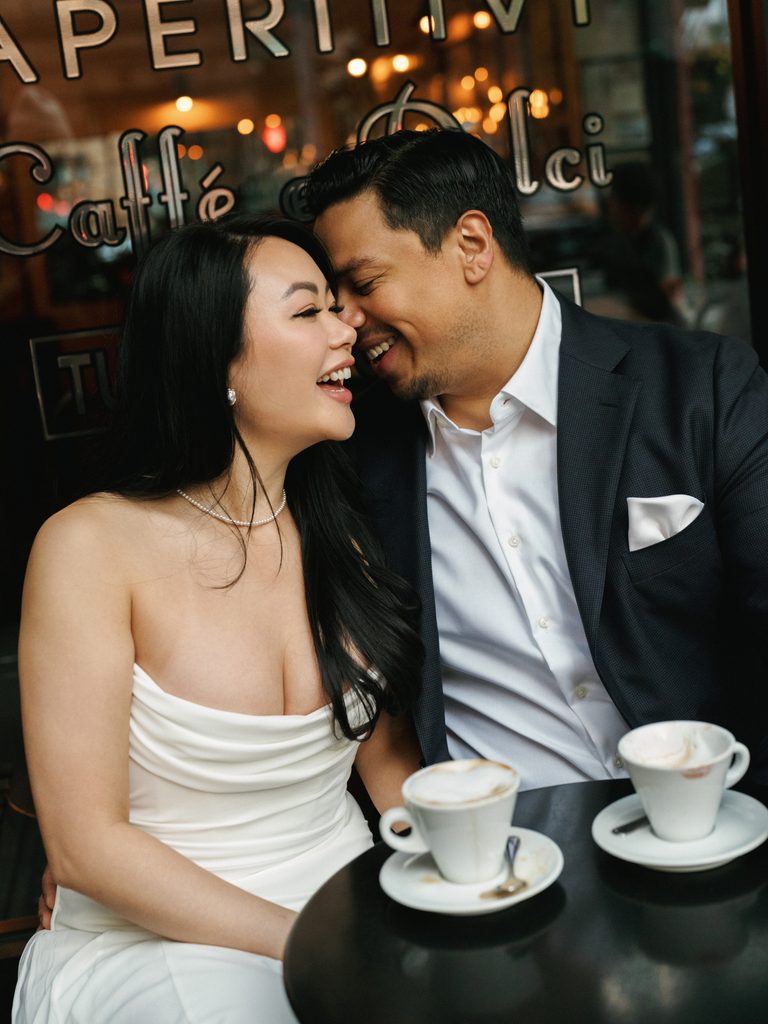
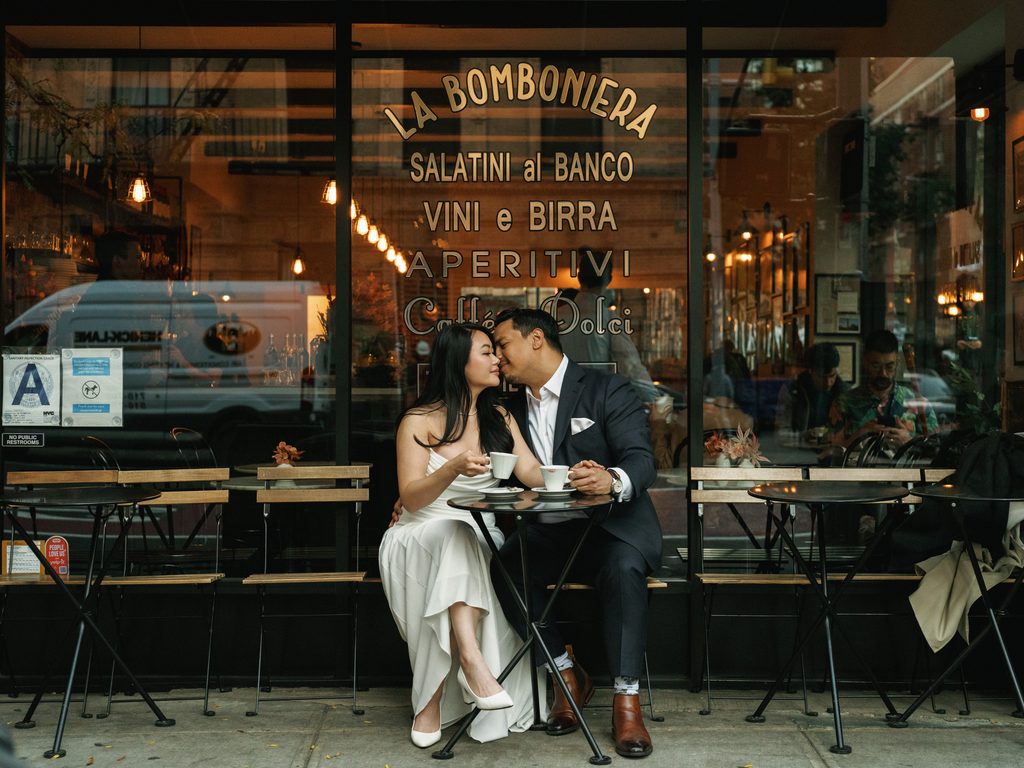
One clear idea connected to the couple gives the session a stronger foundation than a general aesthetic. It might be a place that matters to their relationship, an activity they genuinely enjoy together, or simply a quality of light they love in a particular season. The location, timing, and activities can then follow naturally from that idea, instead of being chosen from a collection of unrelated references.
Expert Note
A long collection of references can show what a couple likes, but a focused selection gives the photographer a clearer sense of how those preferences should come together within one session.
Matching Location to the Couple
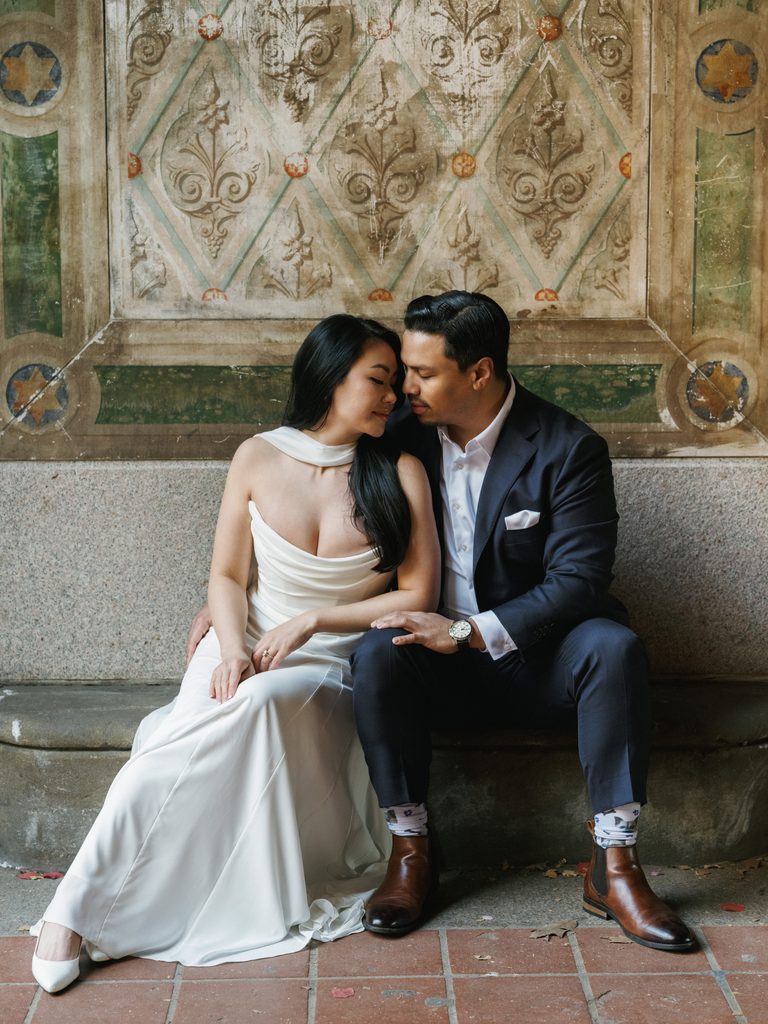
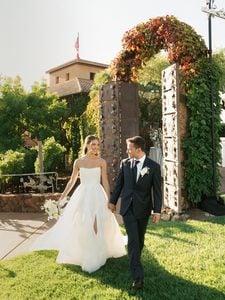
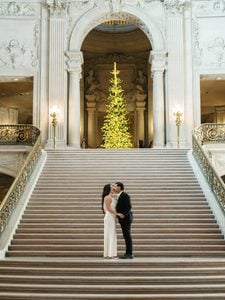
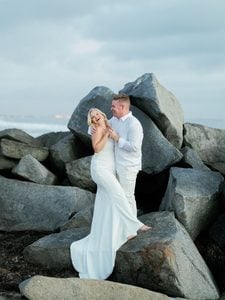
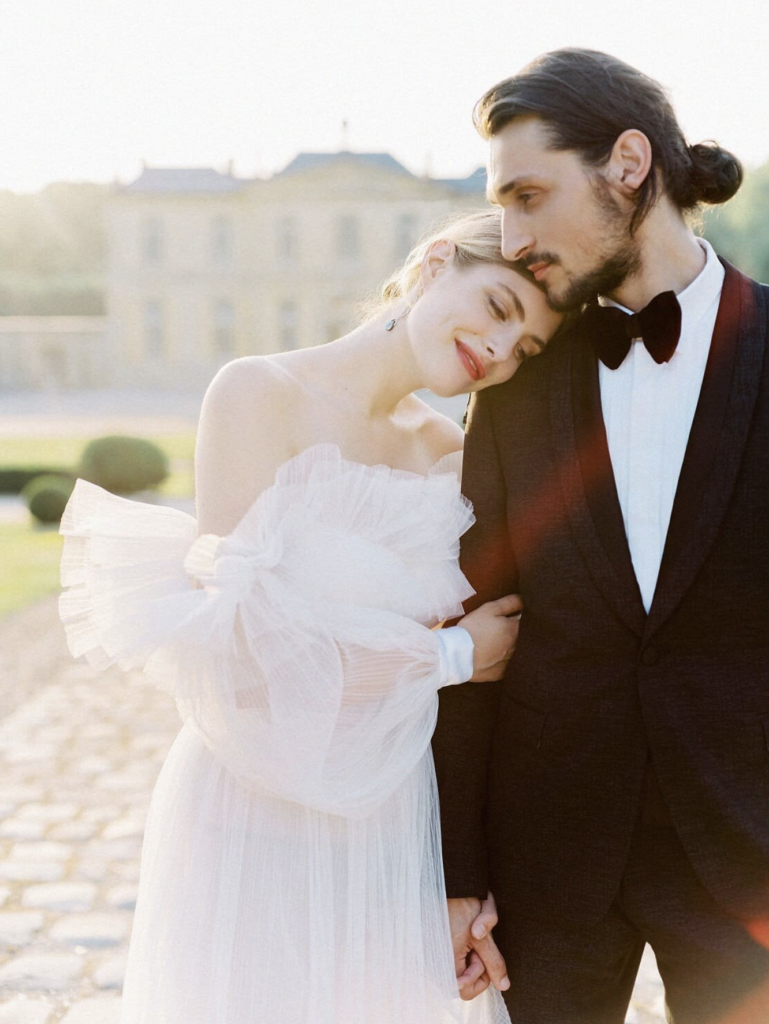
A beautiful location can be a perfectly good reason to choose it for an engagement session. A favorite hotel, historic estate, elegant restaurant, coastal setting, or architectural landmark may simply be a place the couple loves and wants to have photographed.
For couples who have chosen a wedding venue with a distinctive setting, an engagement session there can also create a visual connection between the two galleries.
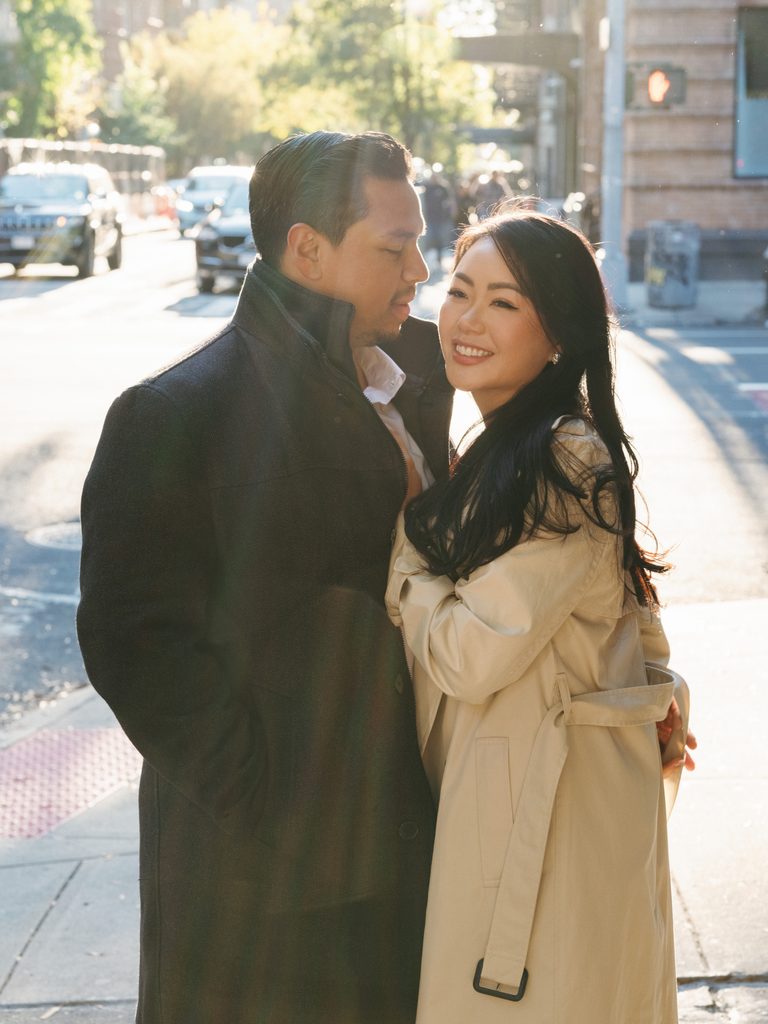
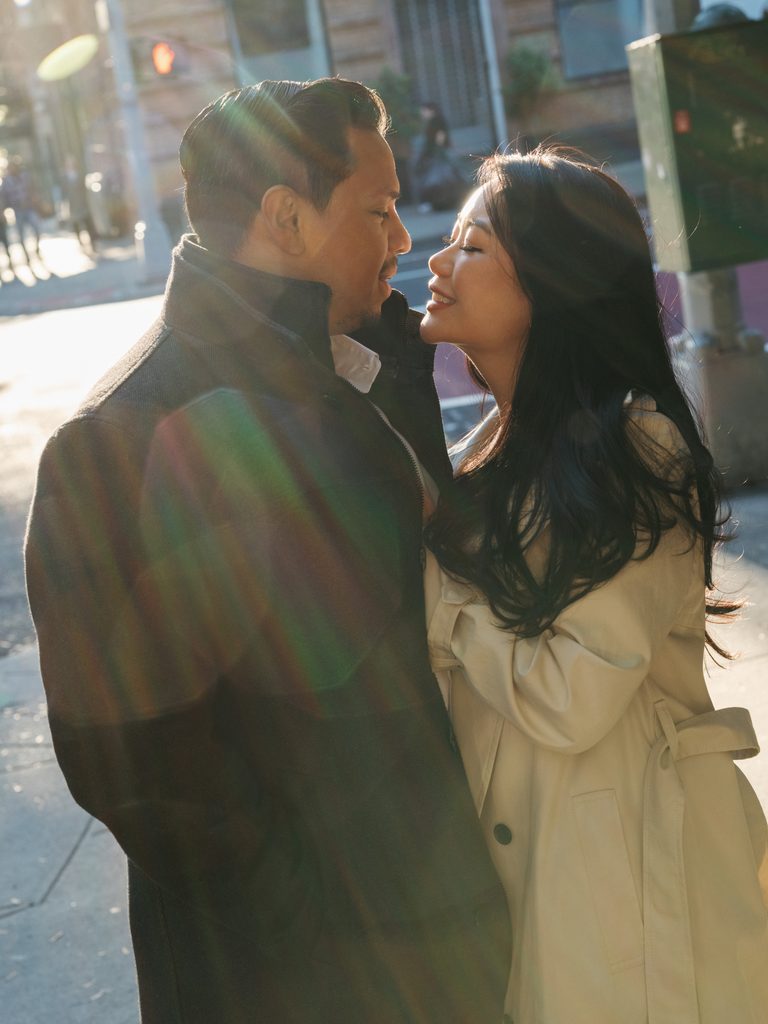
A location can also carry a personal connection: the neighborhood where the couple had their first date, a trail they hike most weekends, a family property, or a place they return to regularly. The familiarity can make the session feel more natural, particularly when the couple already knows how they move through the space and spend time there.
The location still needs to support the session as planned. Crowd levels, opening hours, permits, access, and travel between areas all affect the time available for photography. When several locations are involved, the distance between them should be accounted for before the schedule is finalized.
See Real Weddings in Our Gallery
Browse real celebrations photographed and filmed by Dreamwood across locations, cultures, venues, and styles.
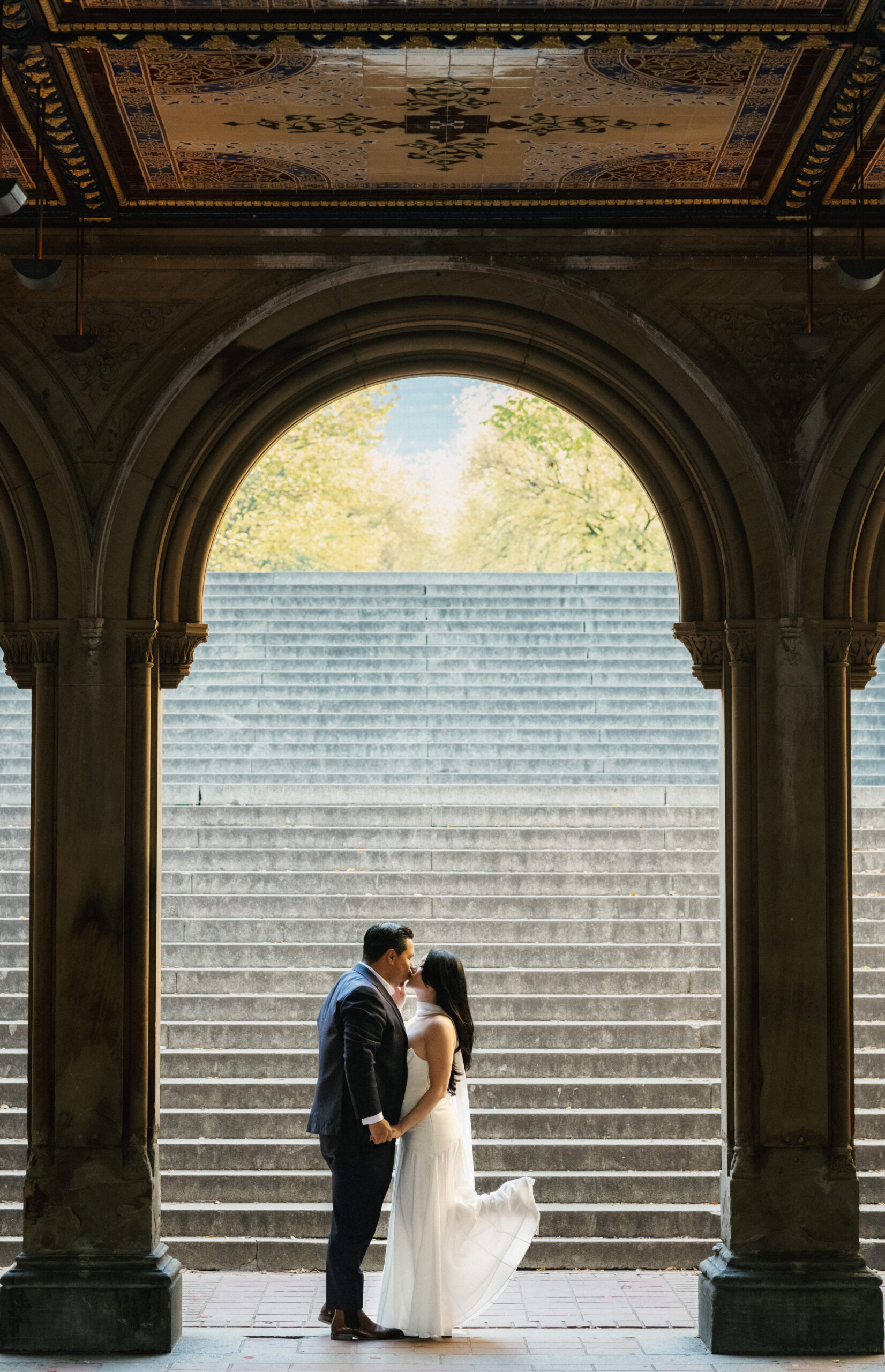
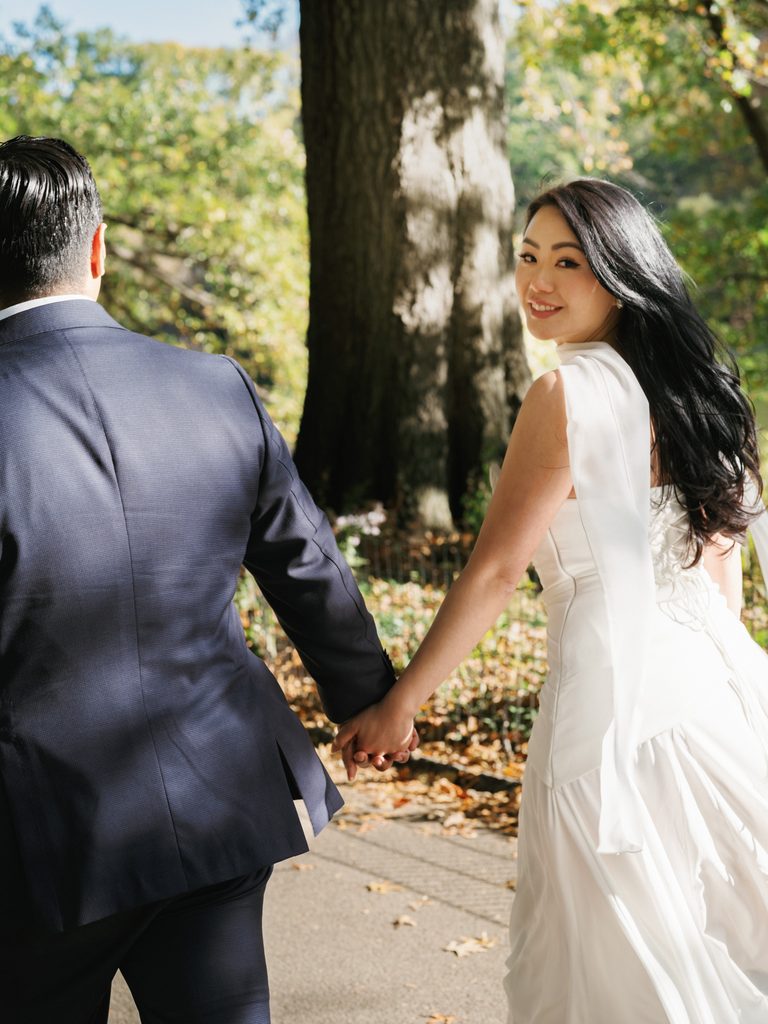
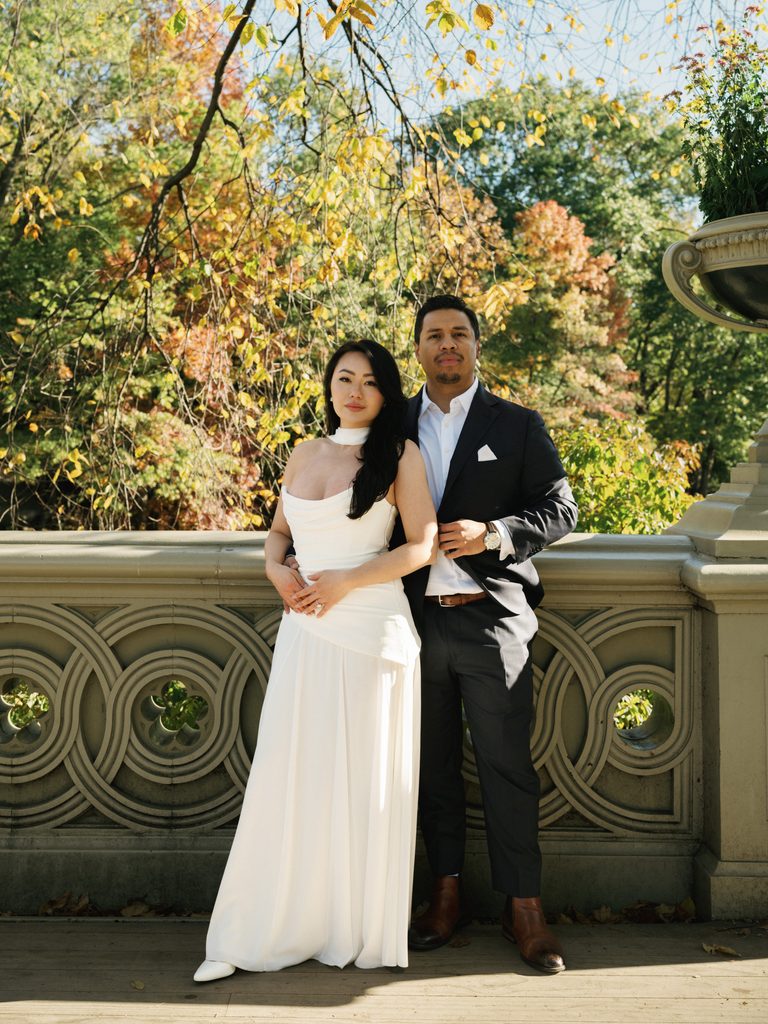
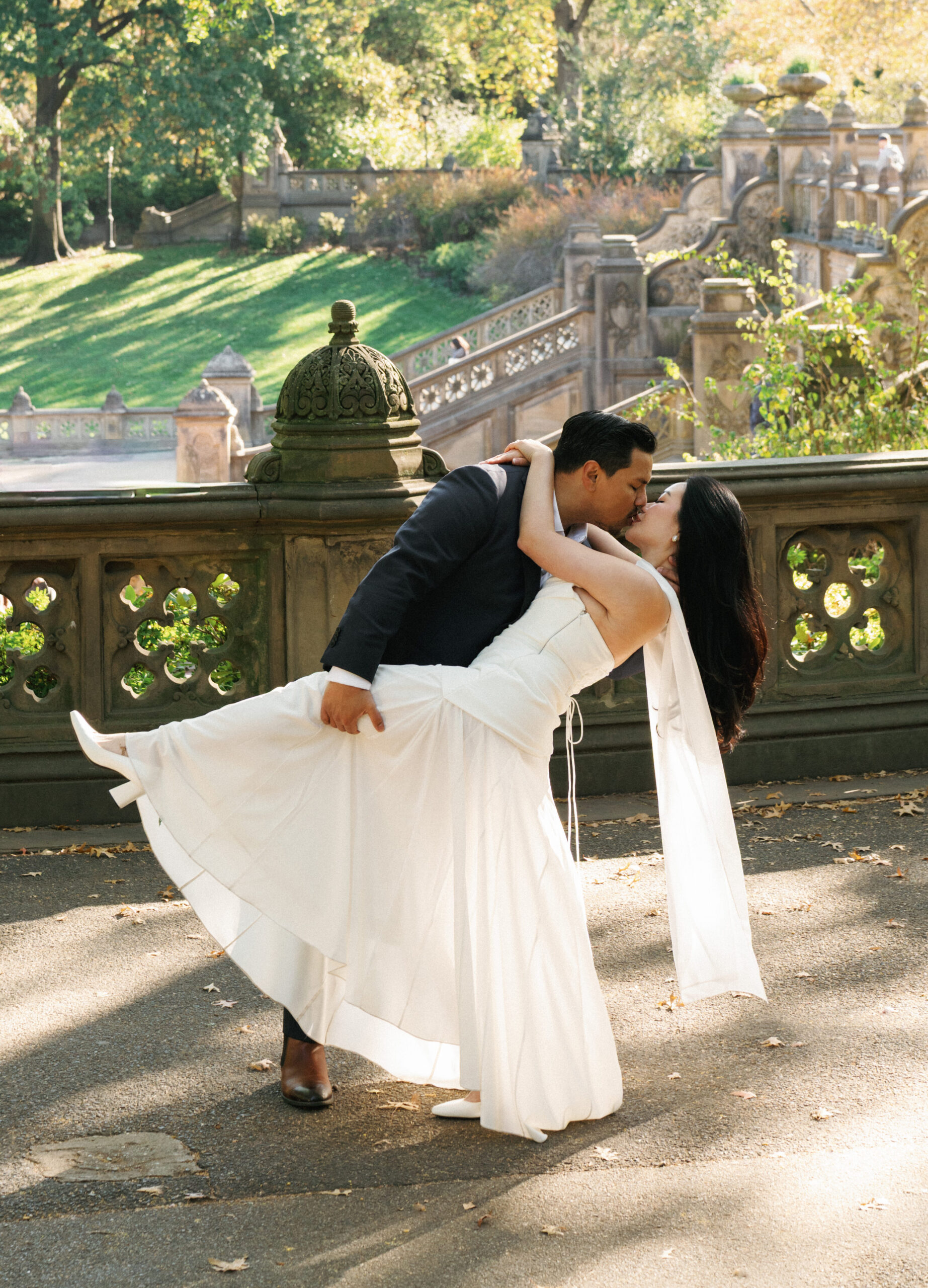
Central Park, NY.
Choosing the Time of Day and Season
Season sets the broader character of an engagement session. Spring and summer offer longer daylight and lush outdoor landscapes, fall brings changing foliage and warmer tones, while winter can create a quieter, more restrained atmosphere. The season also affects which locations are at their best and how much time the couple can comfortably spend outdoors.
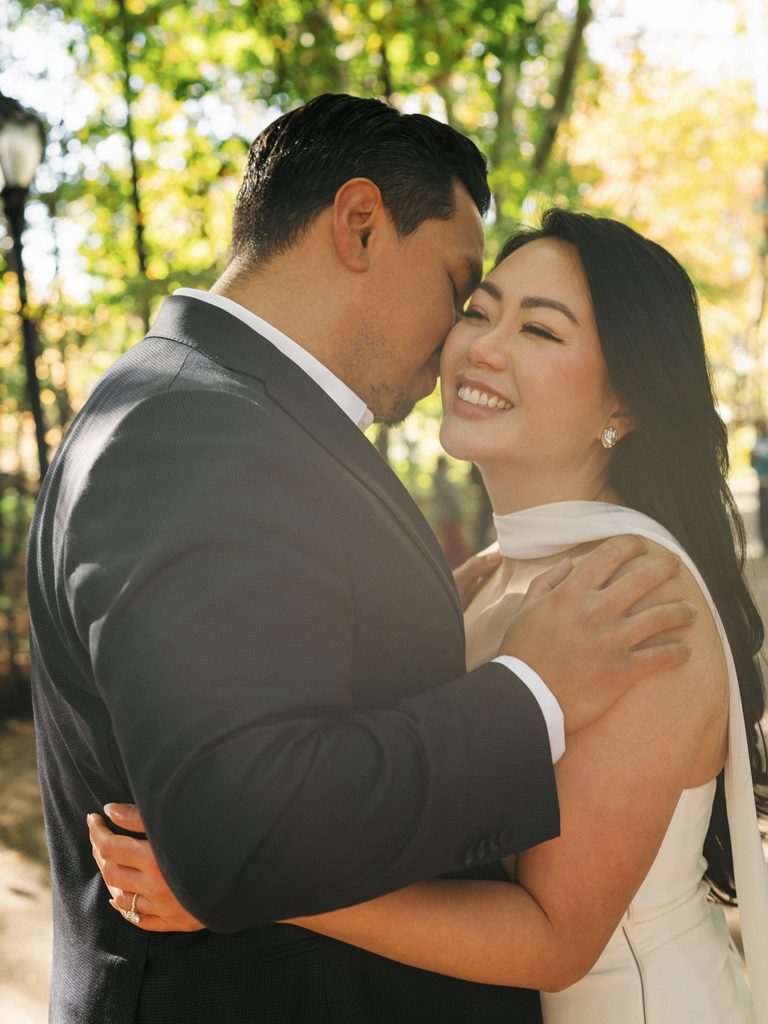
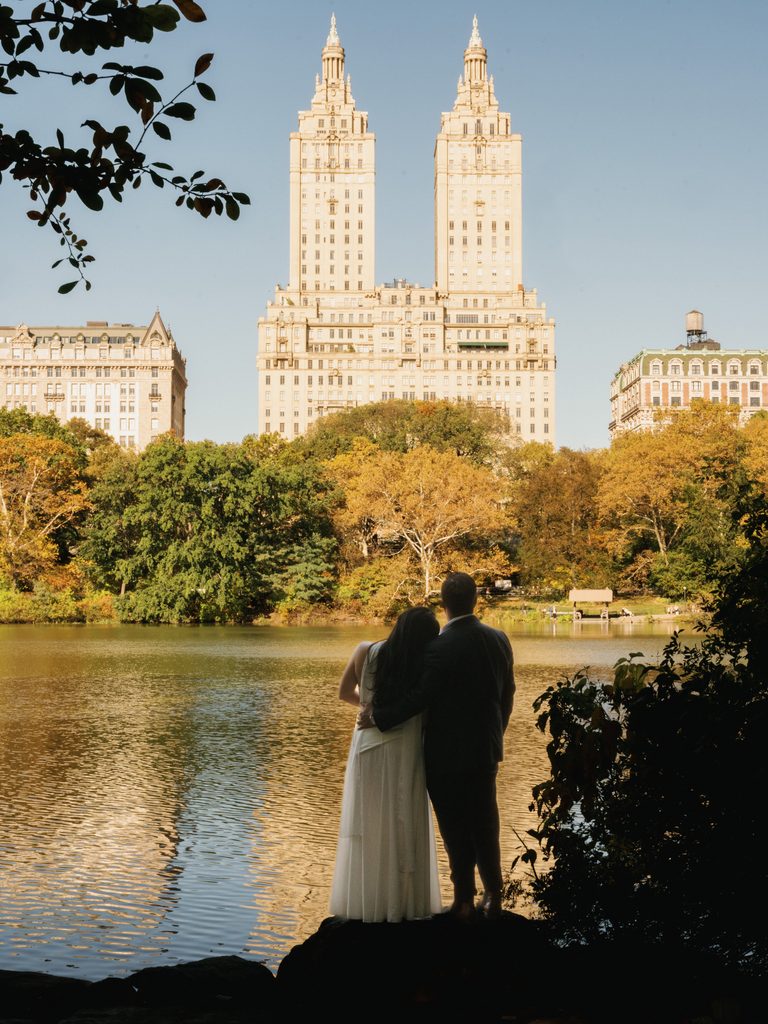
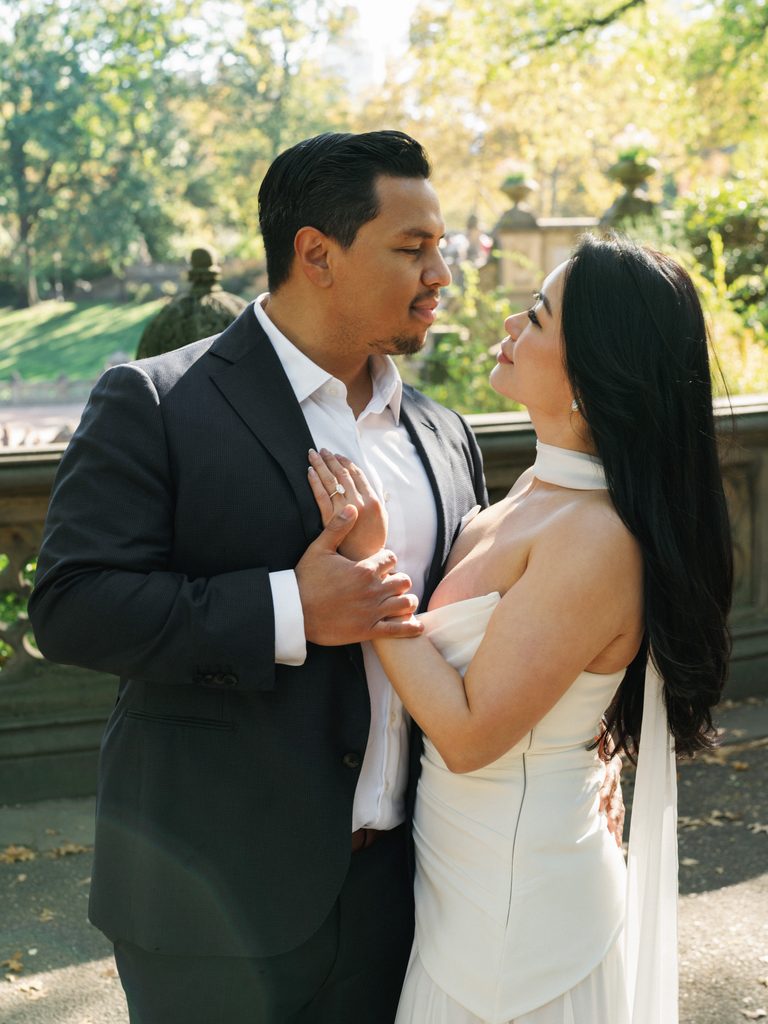
The time of day then determines the light and atmosphere within that setting. Early morning can bring quieter streets and softer light, while the hours before sunset often give a warmer, lower light that changes gradually as the session progresses. Overcast conditions can be equally beautiful, particularly when a location benefits from soft, even light.
The location should guide the final timing as well. A city street may be at its best early in the morning, while a garden, estate, or coastal setting may be worth timing around the later light.

Expert Note
For a session planned around sunset, the start time should be set from the actual sunset time for that date and location. The light can change noticeably during the final part of the evening, so the schedule needs to leave enough time for the session before that window begins.
Activity-Based Prompts for Natural Interaction
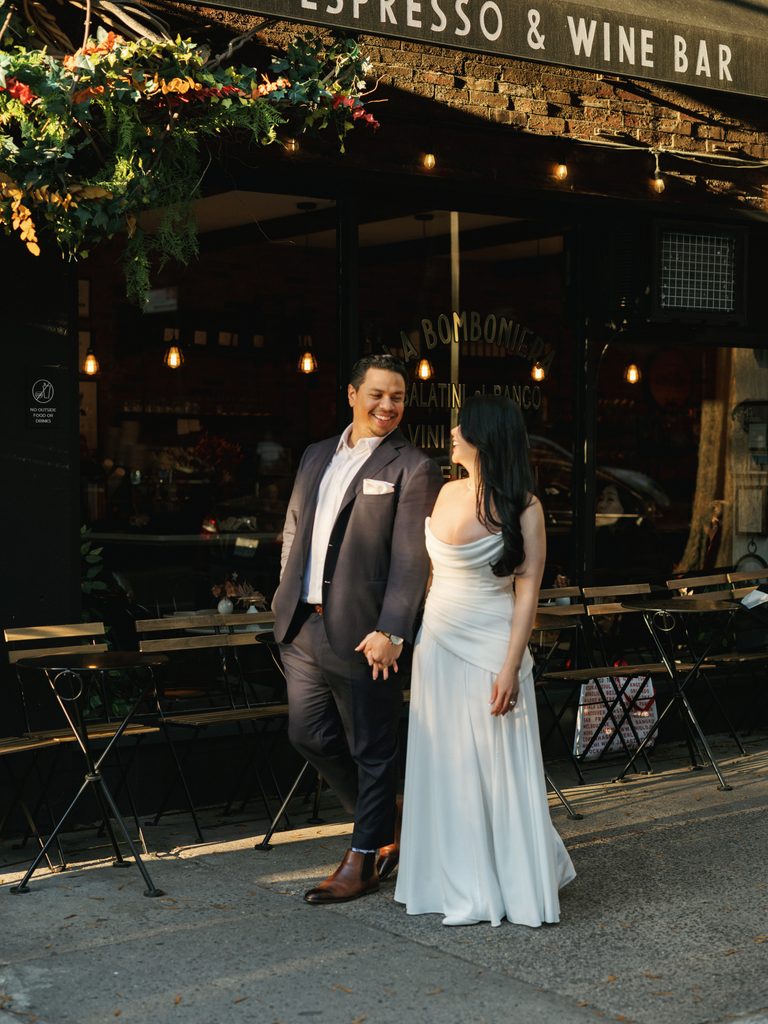
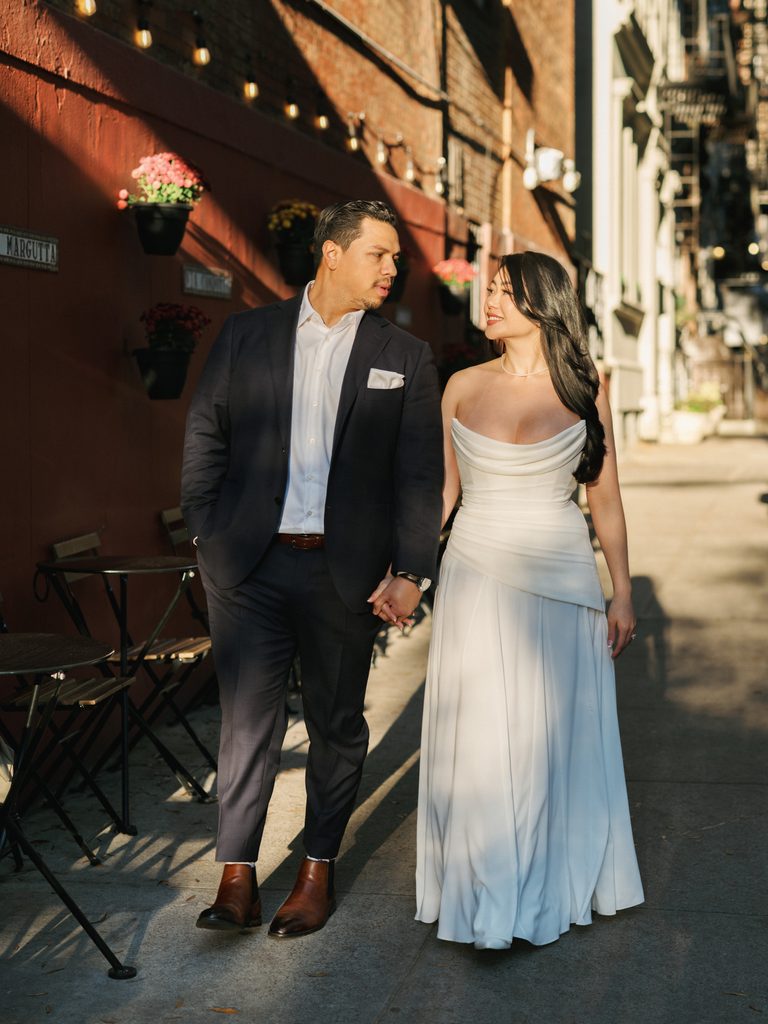
An activity gives the couple something familiar to focus on while the photographer works around them. Walking through a favorite neighborhood, visiting a market, cooking together, spending time at home, or taking the dog for a walk can all become part of the session. The activity does not need to fill the entire shoot. It can open the session, connect different parts of the location, or create a change of pace between more directed portraits.
Simple movement and interaction can also be enough. Walking together, stopping to talk, looking at something together, or continuing a familiar activity gives the couple a reason to move and respond to each other instead of holding a pose.
Physical closeness tends to feel more natural when it develops from the interaction itself.
Direction still has a place in the session, especially at the beginning or when the couple needs a starting point. An experienced photographer can recognize when an interaction is developing and give it time before moving on to the next prompt.
This is particularly useful for couples who are less accustomed to being photographed, since the first part of the session can establish a more comfortable rhythm.
Indoor and Bad-Weather Alternatives
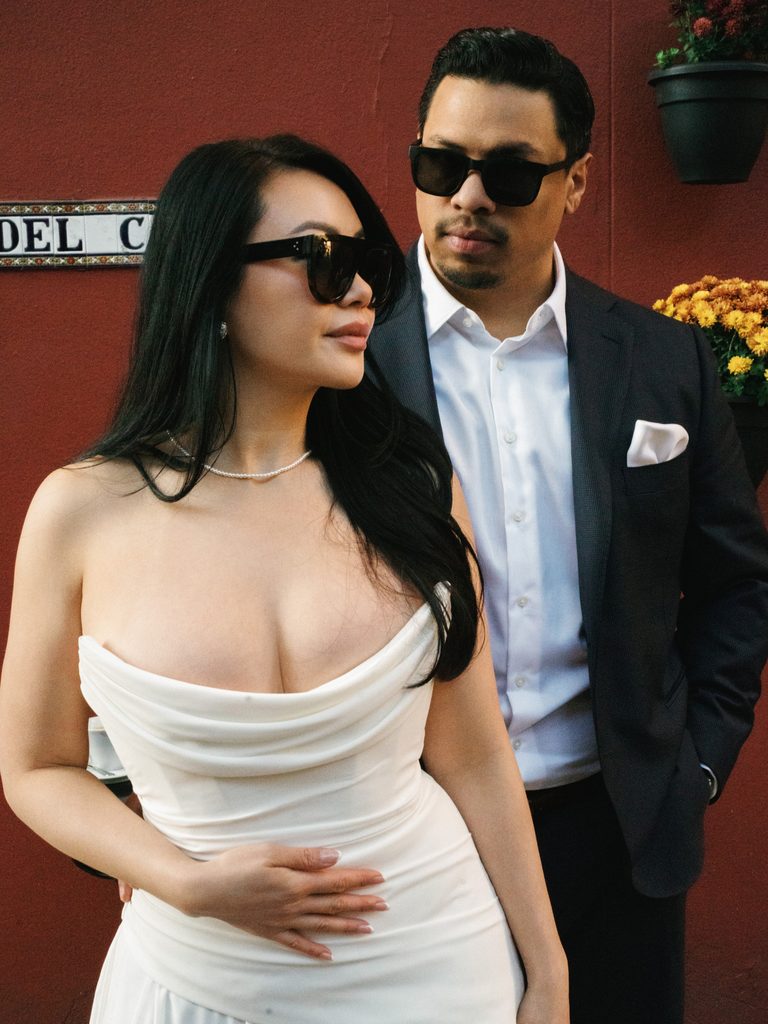
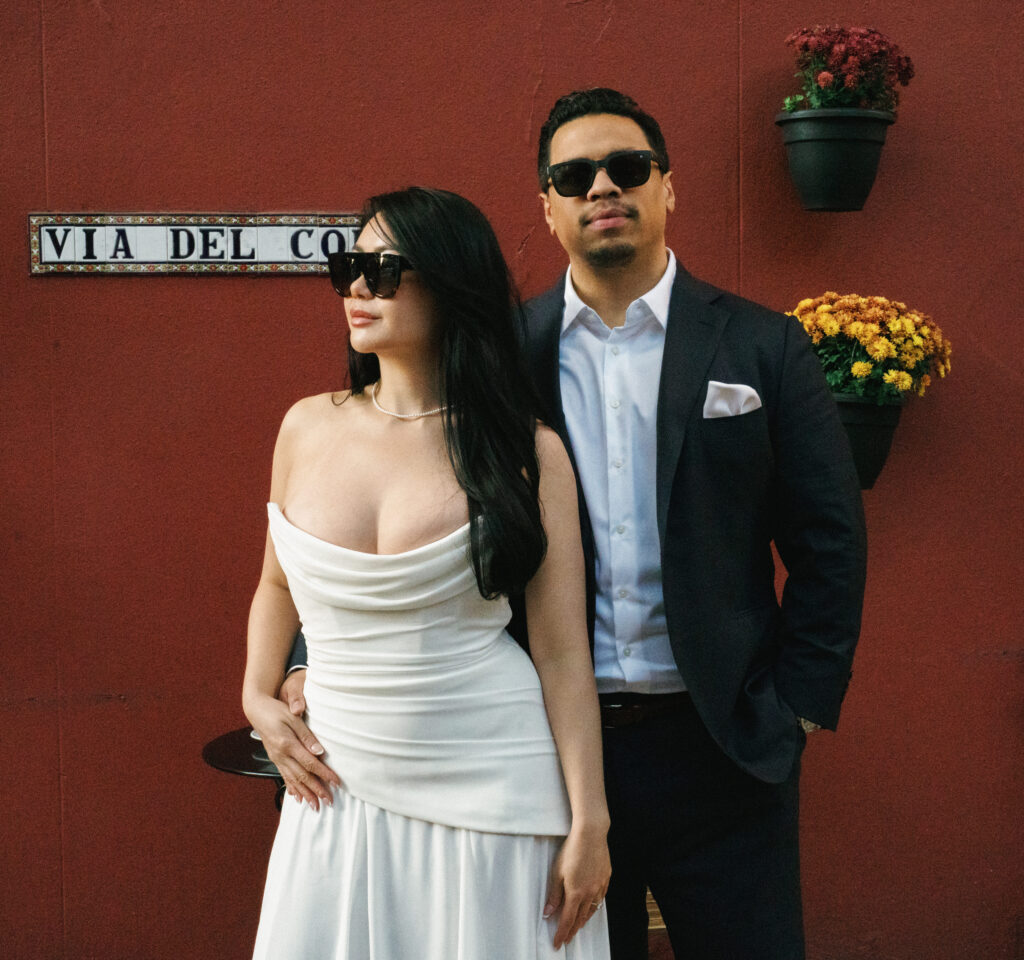
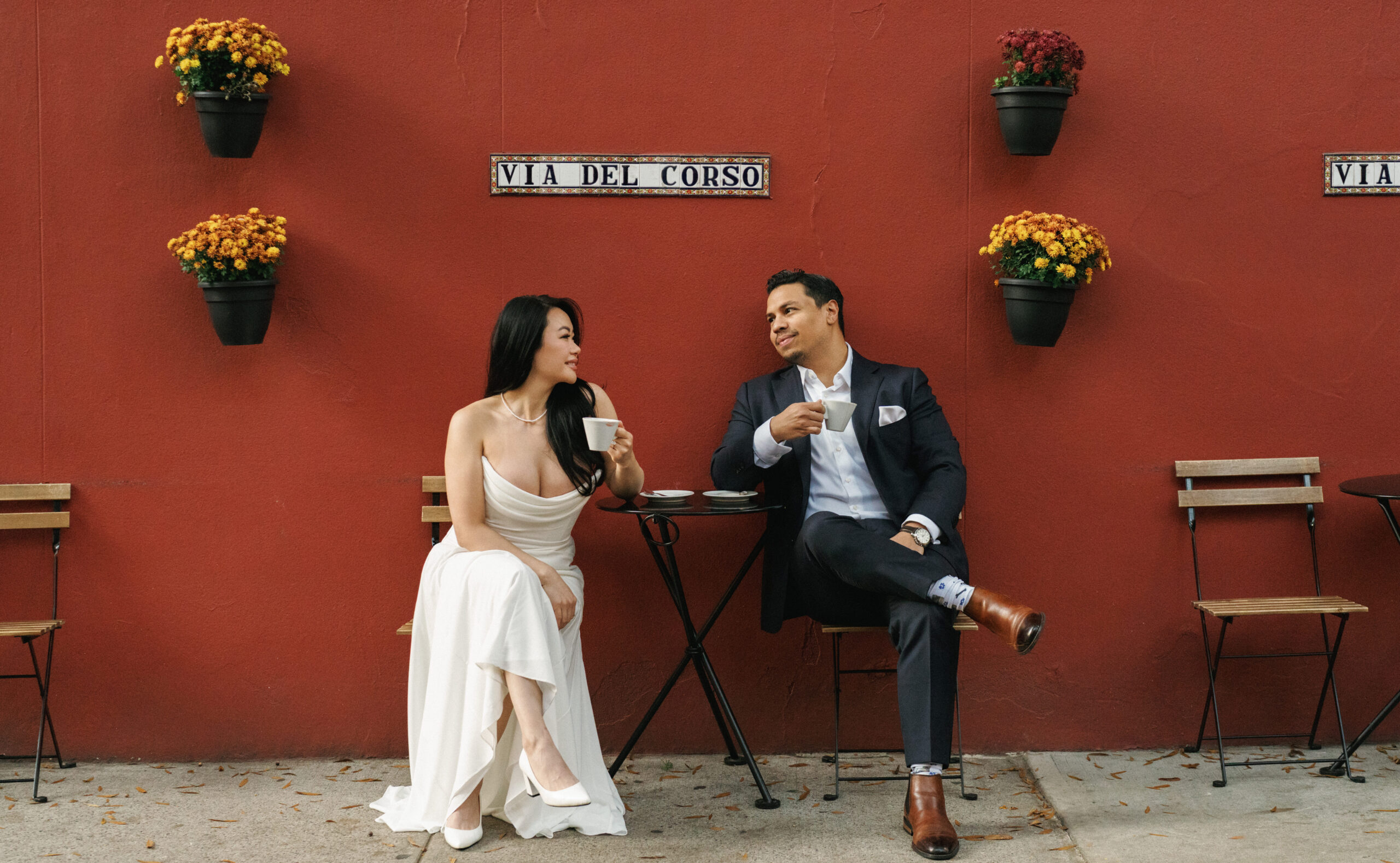
If rain, strong wind, extreme heat, or limited daylight could affect the original plan, an alternative location can be chosen in advance. A favorite restaurant, bookstore, museum, greenhouse, hotel, or the couple’s home can provide an indoor setting while keeping the session connected to its original concept.
A covered outdoor space can also work when light rain is the only concern. Porches, arcades, market pavilions, and other sheltered areas can preserve some of the outdoor setting while providing protection from the weather.
When the session depends heavily on a particular landscape, rescheduling may be the better choice. The photographer and couple can discuss a flexible date in advance, especially for locations whose character changes significantly with weather or daylight.
Pets and Personal Details
Pets can be part of an engagement session when they are genuinely part of the couple’s life. A pet may join for one part of the session before the couple continues on their own. Giving that portion its own place in the schedule keeps the session focused and gives the animal time to settle into the surroundings.
Personal objects can add another connection to the couple’s story when they have a natural place within the session. A family car, a musical instrument, or another meaningful object can work when it relates to the chosen location or activity.
The same applies to decorative props. A blanket, flowers, or another styled detail can be appropriate when it belongs to the concept of the session and the couple’s taste. A few intentional elements are enough; the session does not need to become a collection of props.
Building a Concise Inspiration Brief
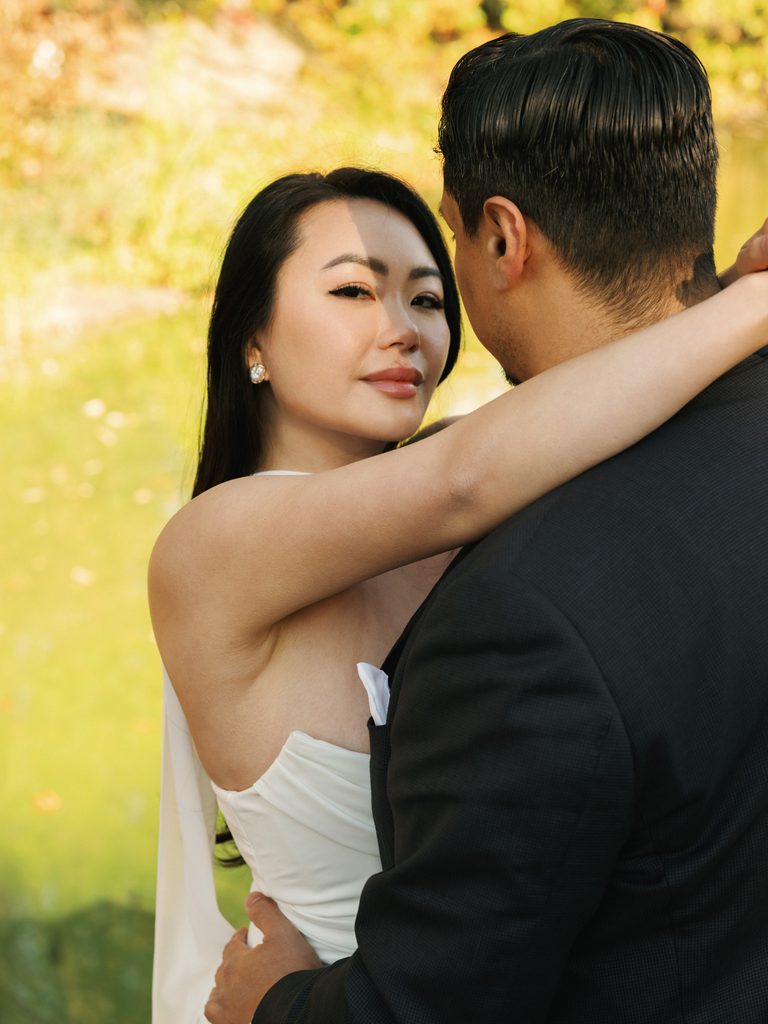
A concise inspiration brief gives the photographer a clear picture of what the couple wants from the session before planning begins. It can include the central idea, chosen location, preferred time of day, activities that are meaningful to the couple, and any details involving pets, personal objects, or specific places within the location.
A few carefully selected reference images can be useful when they communicate something specific about the session, such as the quality of light, the way a location is photographed, or the atmosphere the couple responds to. They do not need to show an exact pose or reproduce another couple’s session. Written context is often just as useful, particularly when the couple wants to explain why a certain place, activity, or part of the day matters to them.
The brief can also identify anything the photographer needs to plan around. A favorite restaurant with a specific reservation time, a location that requires permission, a pet joining for only part of the session, or a second location that involves travel all affect the sequence and timing. Sharing these details in advance gives the photographer enough information to shape the session around them.
FAQ
How do we come up with engagement photo ideas?
Start with something that belongs to the couple’s life: a meaningful place, a favorite activity, a familiar routine, or a season they enjoy. One clear idea gives the photographer enough direction to build the session around it.
Do engagement photos need a theme?
No. A session can be built around a place, activity, season, or simple idea. The concept only needs to give the location, timing, and activities a clear direction.
Should we choose a meaningful location?
A meaningful location can give the photographs personal context, whether it is connected to the couple’s history or simply reflects how they spend time together. A beautiful location chosen because the couple loves it can work just as well. Access, timing, permits, and travel between locations should also be considered.
What is the best time of day for engagement photos?
The right time depends on the location, season, weather, and concept. Morning can suit a busy city or a quieter setting, while later hours often offer softer light. The photographer can recommend a start time based on the conditions at the chosen location.
Should we plan an activity for engagement photos?
An activity can give the couple something natural to do together and create movement throughout the session. It can be central to the concept or simply one part of the session.
How many locations should an engagement session include?
There is no fixed number. One well-chosen location can provide an entire session when it offers enough variety, while two connected locations can work well when the travel time fits the schedule and available light.
What if it rains on the day of the session?
An indoor or covered alternative can keep the session on its original date, particularly when it connects naturally to the original concept. For locations that depend heavily on a specific landscape or light, rescheduling may be preferable.
Can we include our pet?
Yes. A pet can join for part of the session when the location allows it and the animal is comfortable there. The photographer can plan a dedicated portion of the session for the pet before continuing with the couple alone.
Should we bring props to an engagement session?
Personal objects can work when they have a genuine connection to the couple, the location, or the activity being photographed. Decorative elements can also be included when they fit the concept and the couple’s style.
How many inspiration photos should we send our photographer?
A small, focused selection is more useful than an extensive collection. Choose references that communicate the atmosphere, setting, light, or type of interaction the couple has in mind.
How much should we plan before an engagement session?
The concept, location, timing, activities, and weather alternative should be discussed in advance. The photographer can then shape the session around those decisions while leaving room for natural interaction and changes in the setting.