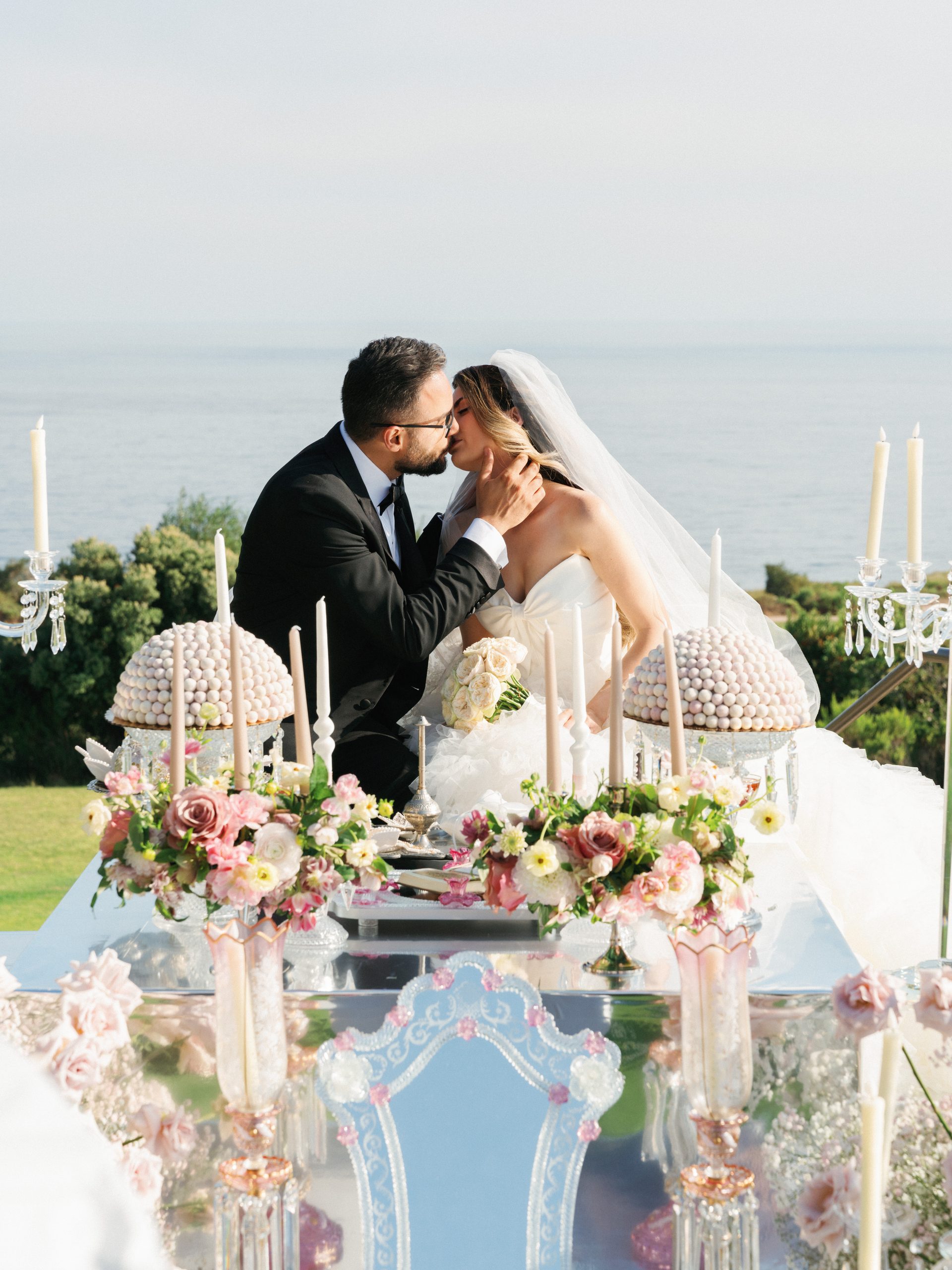
The Real Decision Behind Ceremony Photo Planning
The photographer needs a clear understanding of the ceremony space before the wedding day. The aisle, altar, seating arrangement, available light, and any restrictions on movement can all affect where they can work and which views of the ceremony remain available.
Some spaces leave room for several positions around the couple. Others have a narrow aisle, raised altar, chuppah, or designated photography area that limits where a photographer can stand. Religious and historic venues may also restrict movement or prohibit flash, so those rules should be confirmed in advance.
When both photography and film are involved, the teams also need to account for each other’s positions and equipment. Sorting out these practical details beforehand leaves the ceremony free to unfold without photographers or filmmakers needing to work out their positions once the guests are seated.
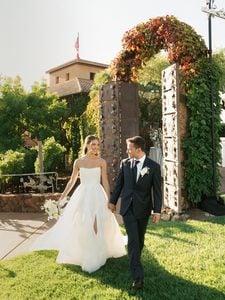
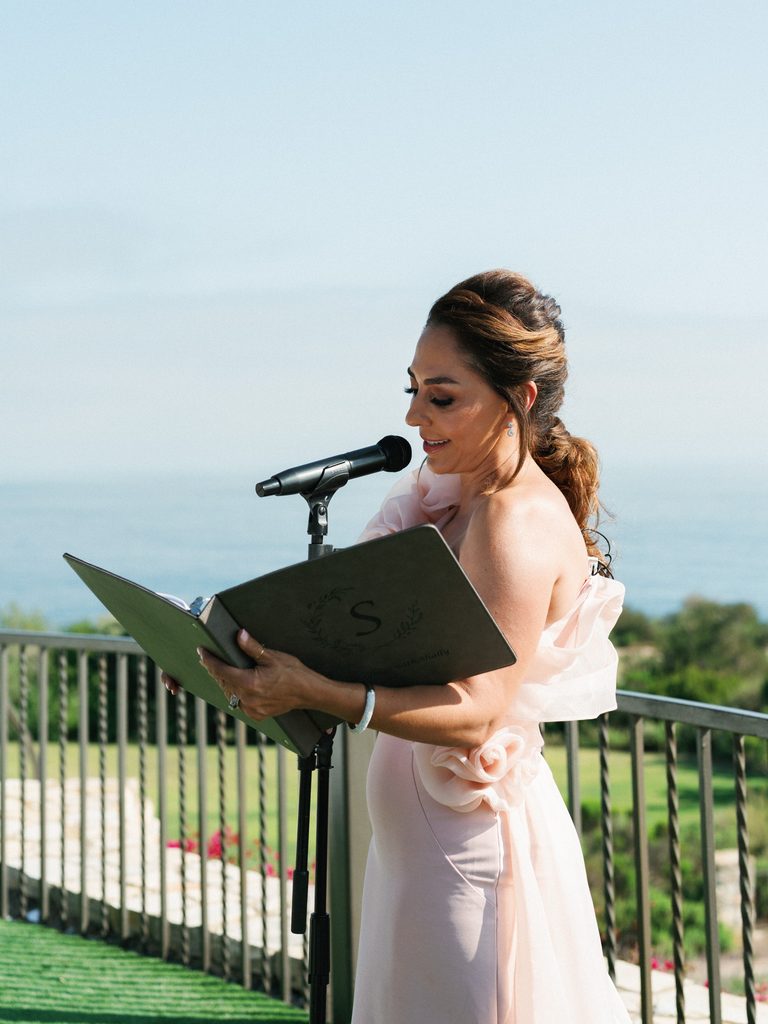
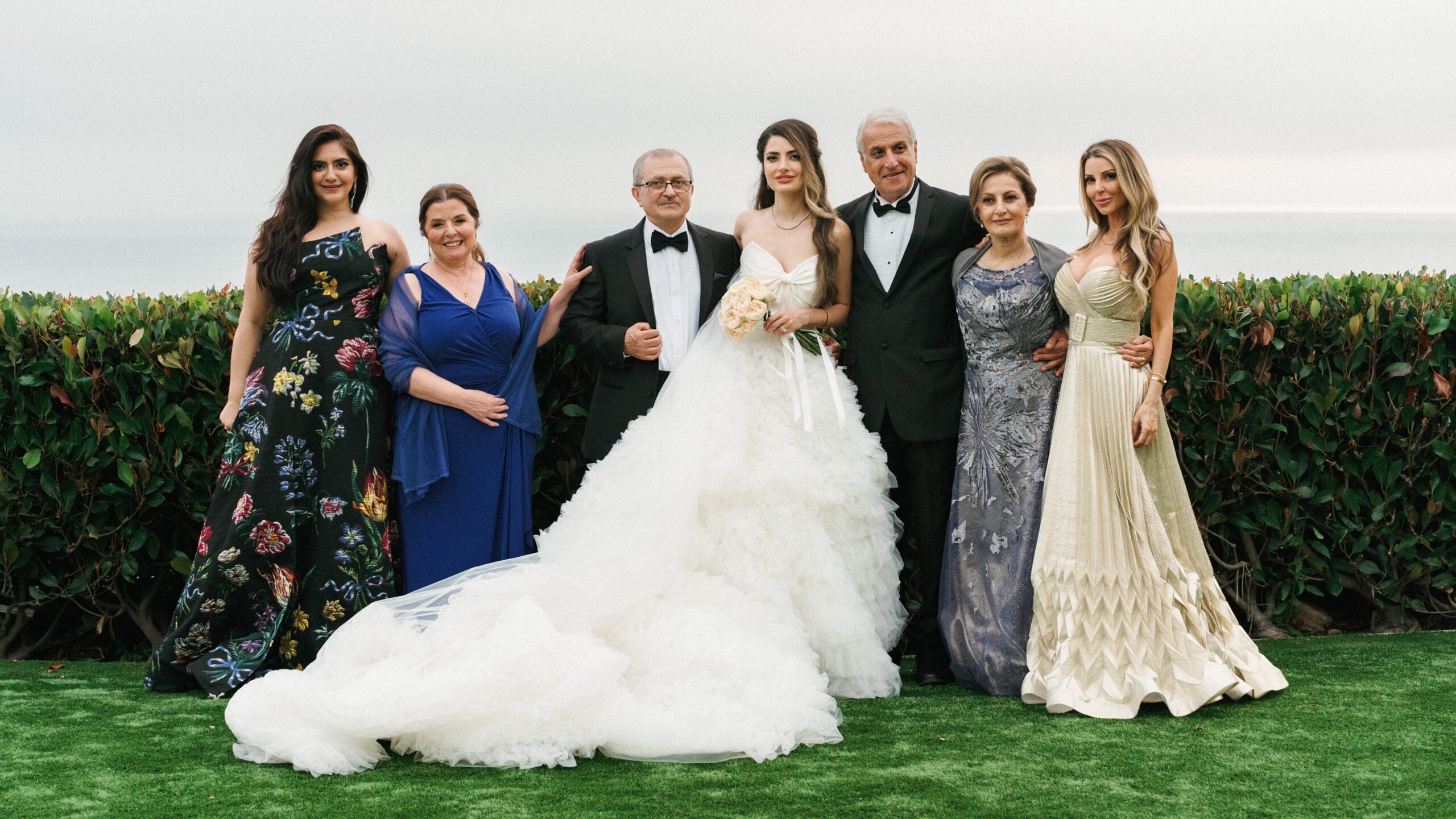
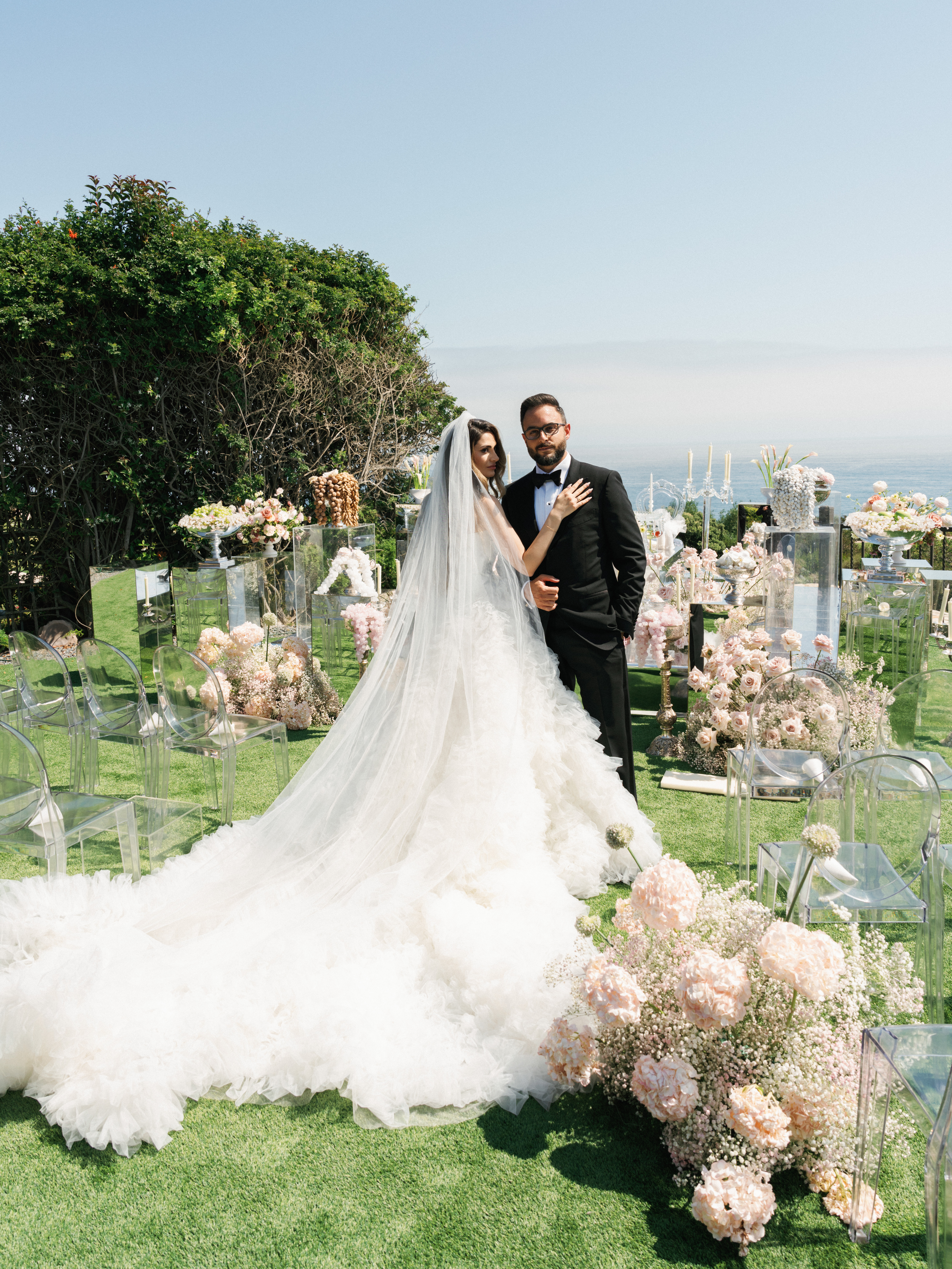
Trump National Golf Club in Rancho Palos Verdes, California, LA.
Venue Sight Lines and Photographer Access
Once guests are seated, the available views of the ceremony depend on the space between the aisle, seating, altar, and any fixed structures around them. Columns, floral installations, a chuppah, or a raised platform can block part of the frame from certain positions, while a narrow aisle may leave little room for movement.
Venue rules add another consideration. Some spaces allow photographers to work from the sides or back, while others designate specific positions or restrict movement during readings, vows, or other parts of the ceremony. Flash may have separate restrictions.
The photographer can use this information to plan where to work and which angles remain available throughout the ceremony. When access is limited, knowing those positions in advance also helps the photo and film teams avoid competing for the same space.
Expert Note
The couple does not need to decide where each camera should stand. The useful step is to pass along the venue’s access rules and any fixed features that could affect visibility, particularly when the ceremony space has limited or unusual access.
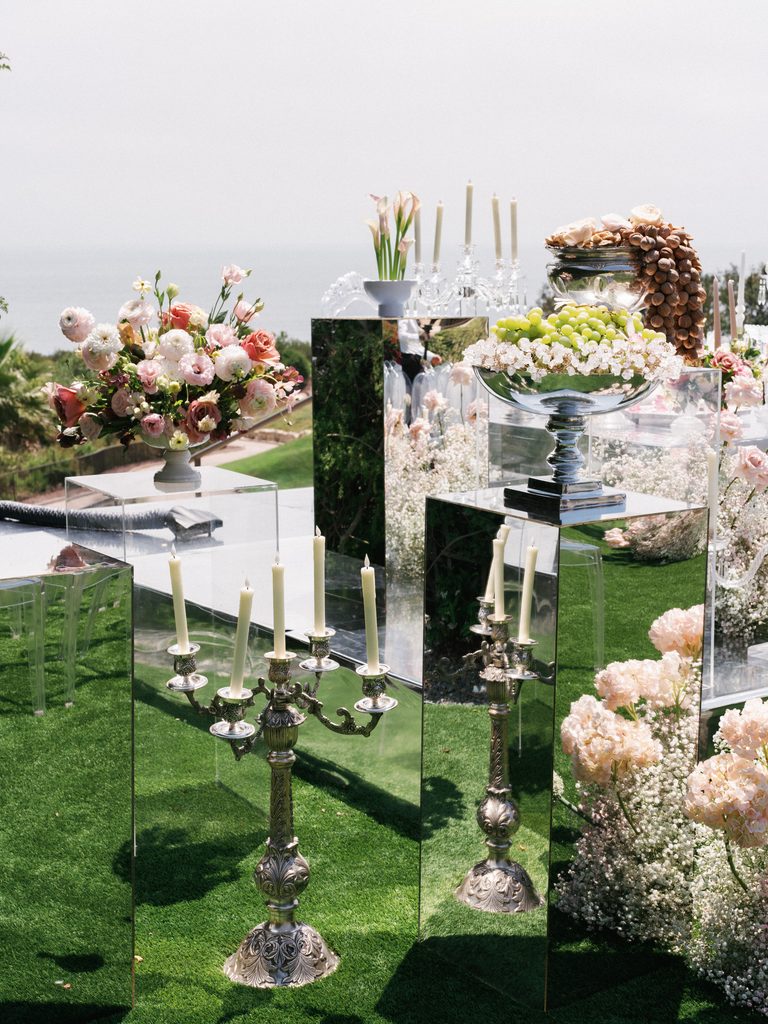

Covering the Processional and Recessional
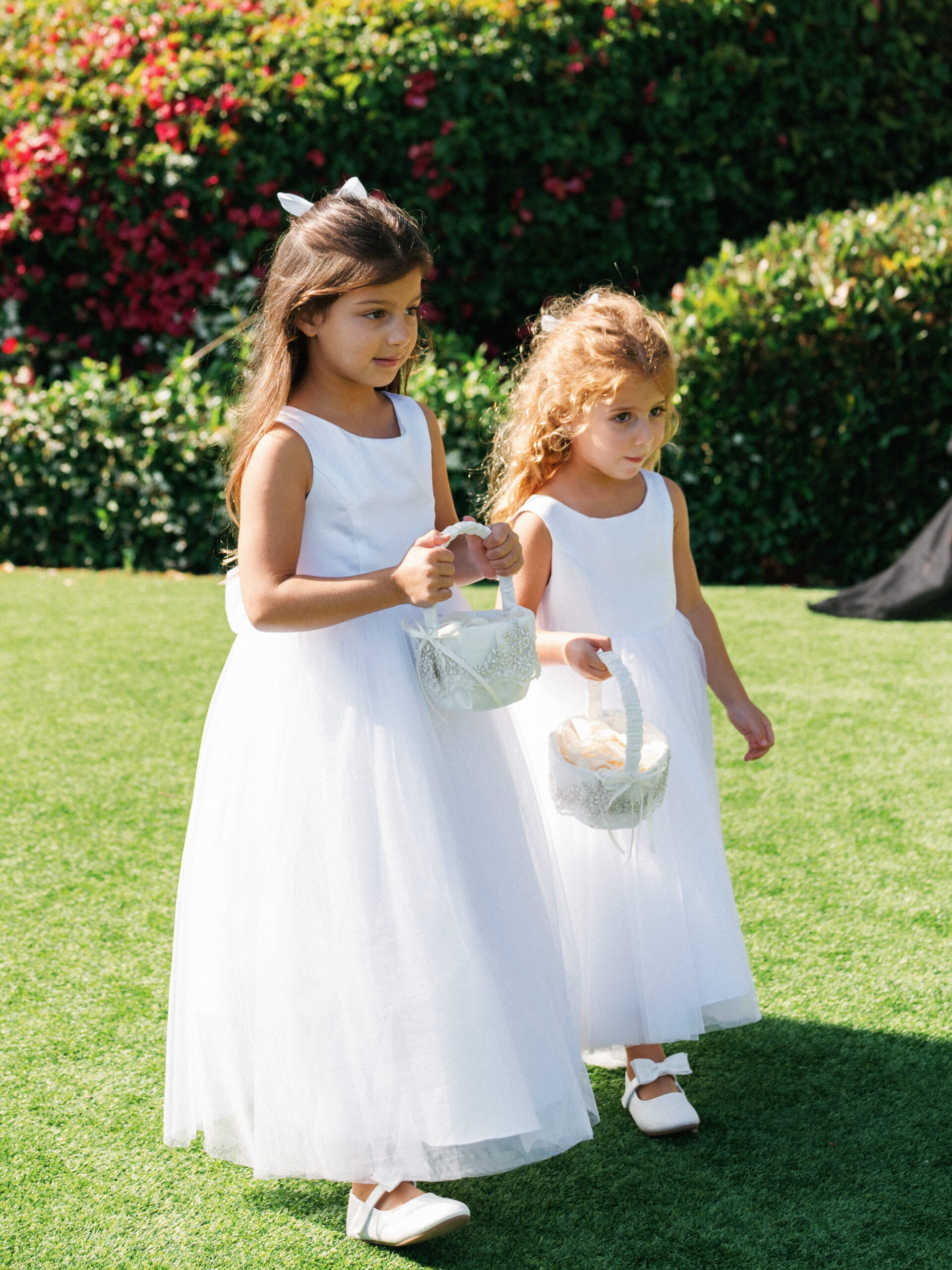
The processional and recessional both use the aisle, but the coverage needs are different. During the processional, the photographer may want to see the person entering, the couple’s reaction, and the guests watching from their seats. During the recessional, the couple moves toward the camera while guests may stand, applaud, or turn toward them.
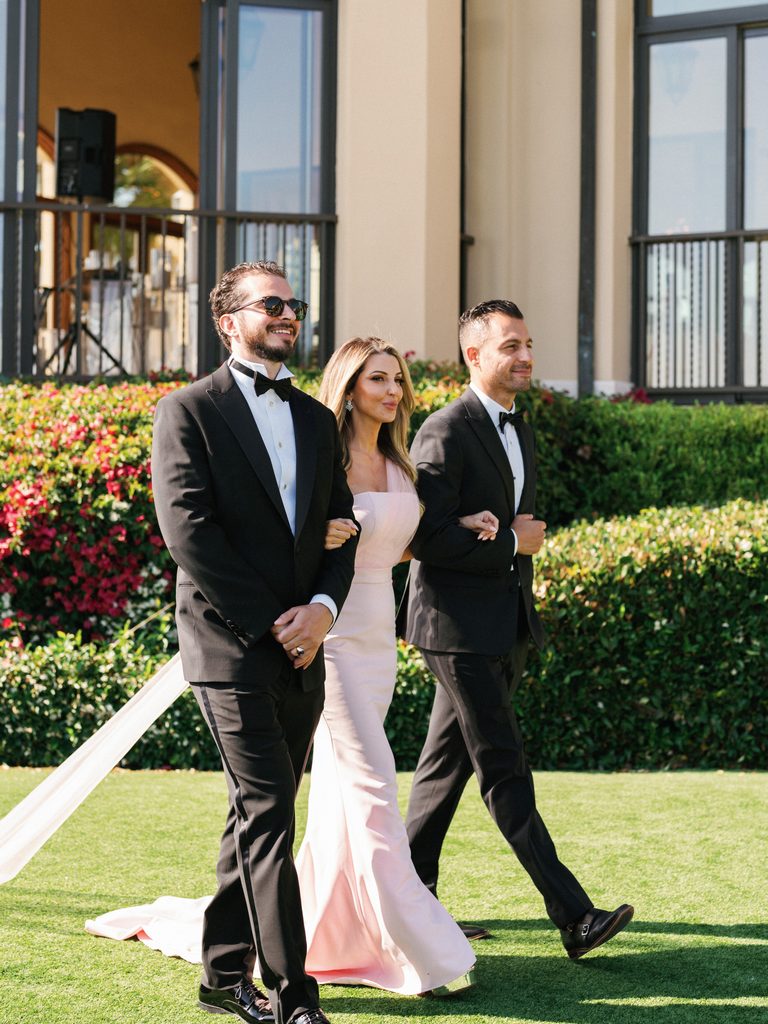
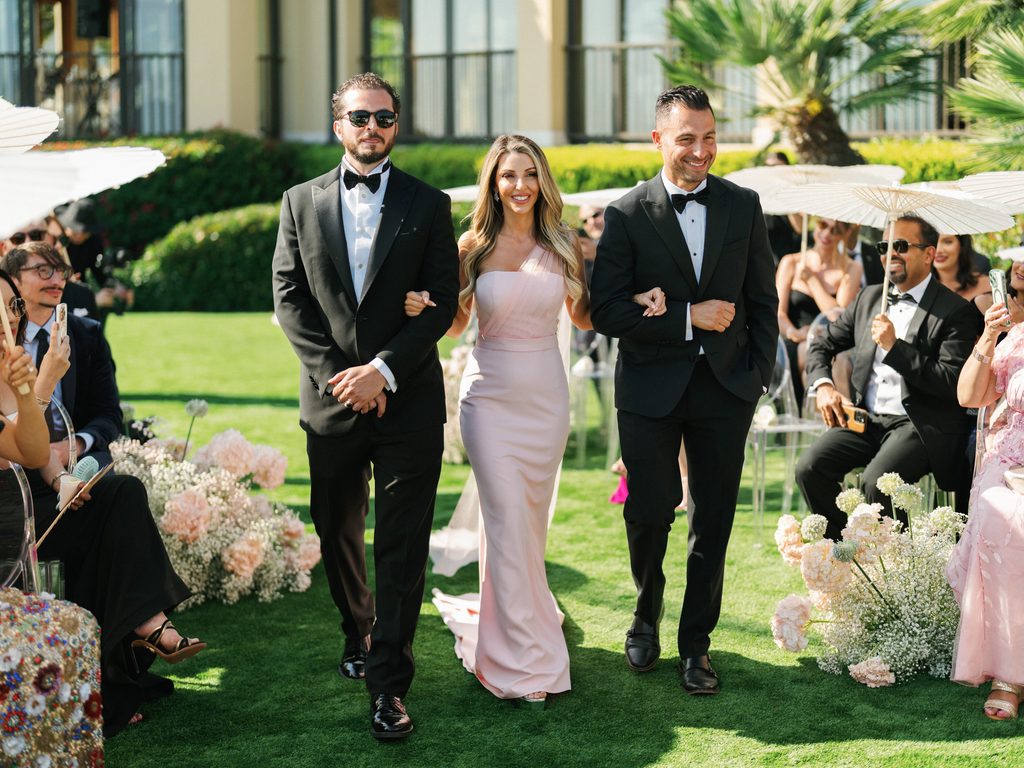
A position near the front of the aisle gives a closer view of the people entering but may leave less of the surrounding room visible. A position farther back can show more of the aisle and guest reactions, although the couple will appear smaller in the frame.
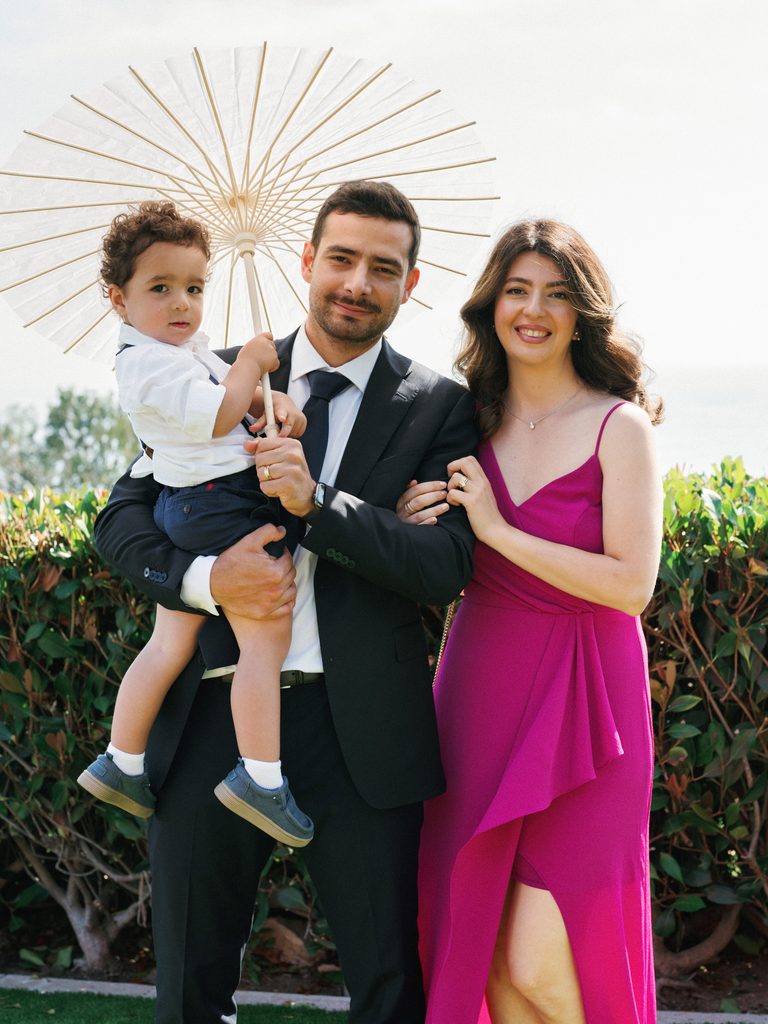
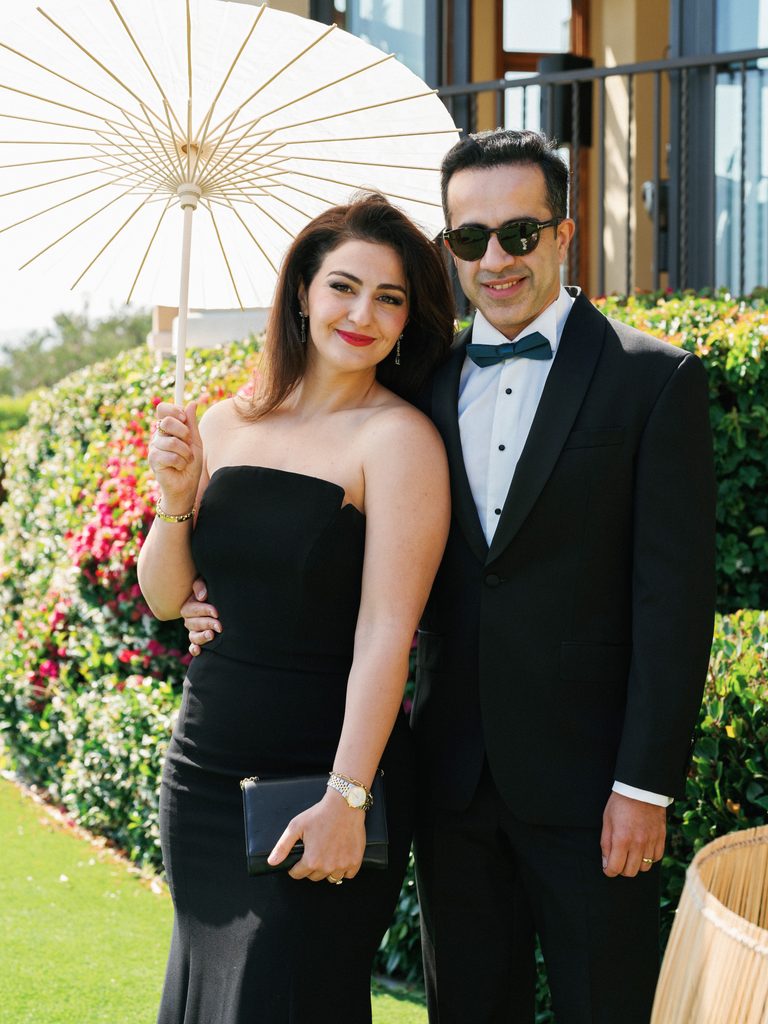
When more than one camera or photographer is present, positions can be divided between these views. With one photographer, the available position may need to favor the aspect of the entrance that matters most to the couple.
The processional and recessional order should already be established before the ceremony. Photography coverage can then follow the planned sequence without requiring anyone to change direction or repeat an entrance.
Vows, Rings and the First Kiss
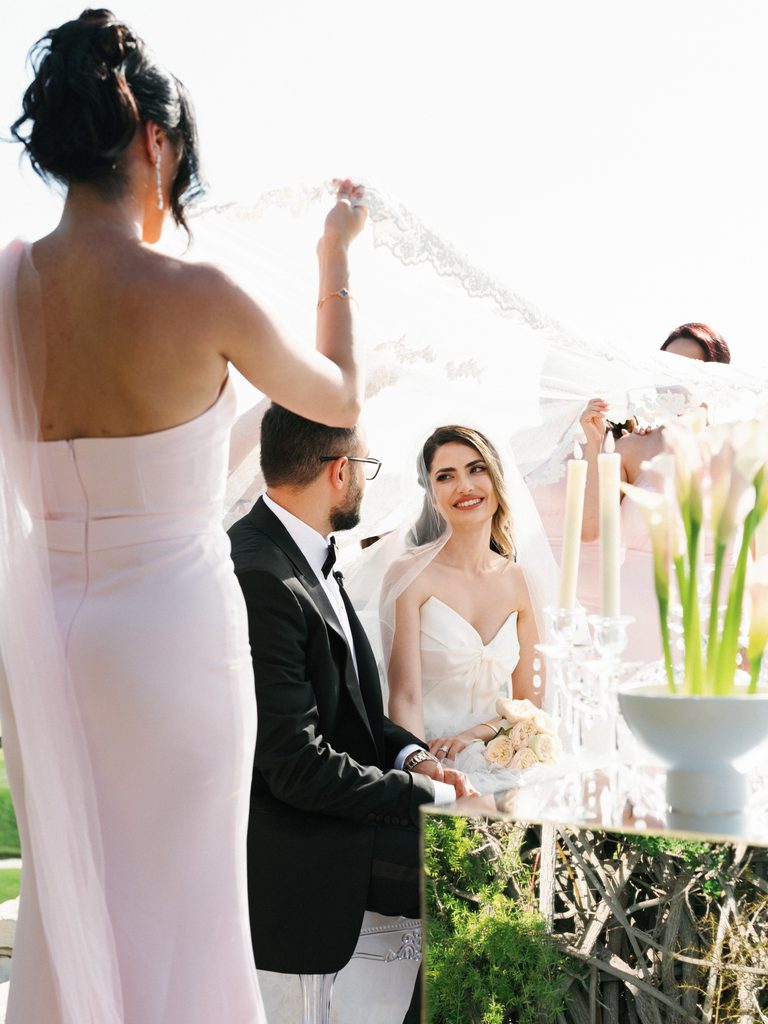
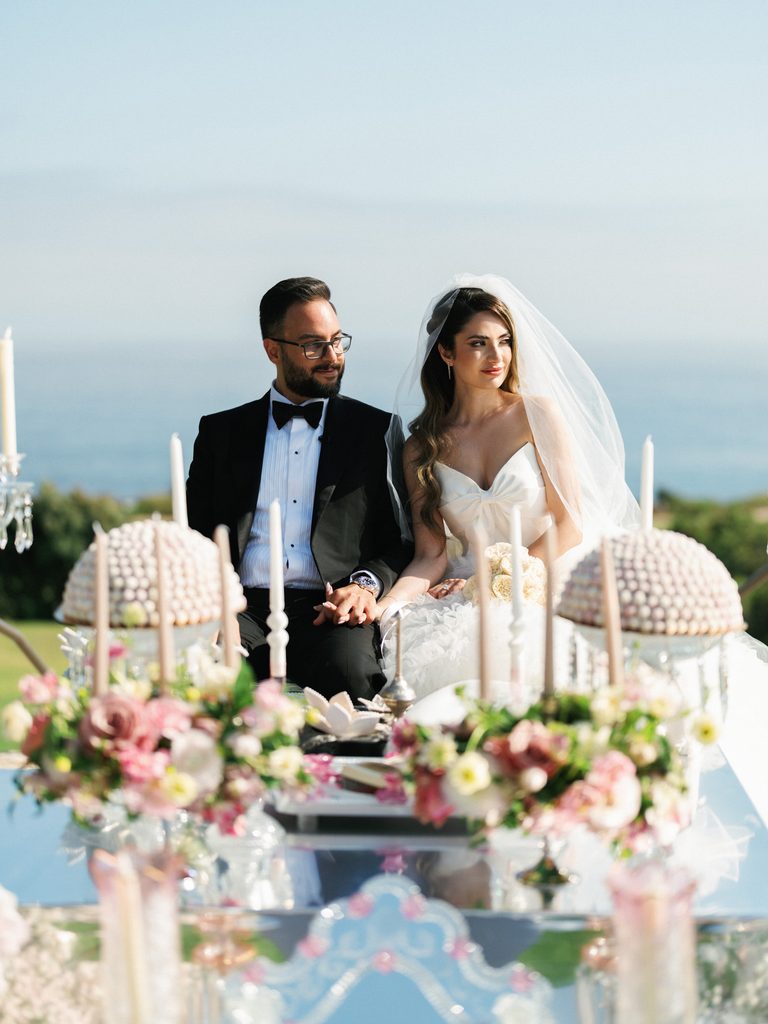
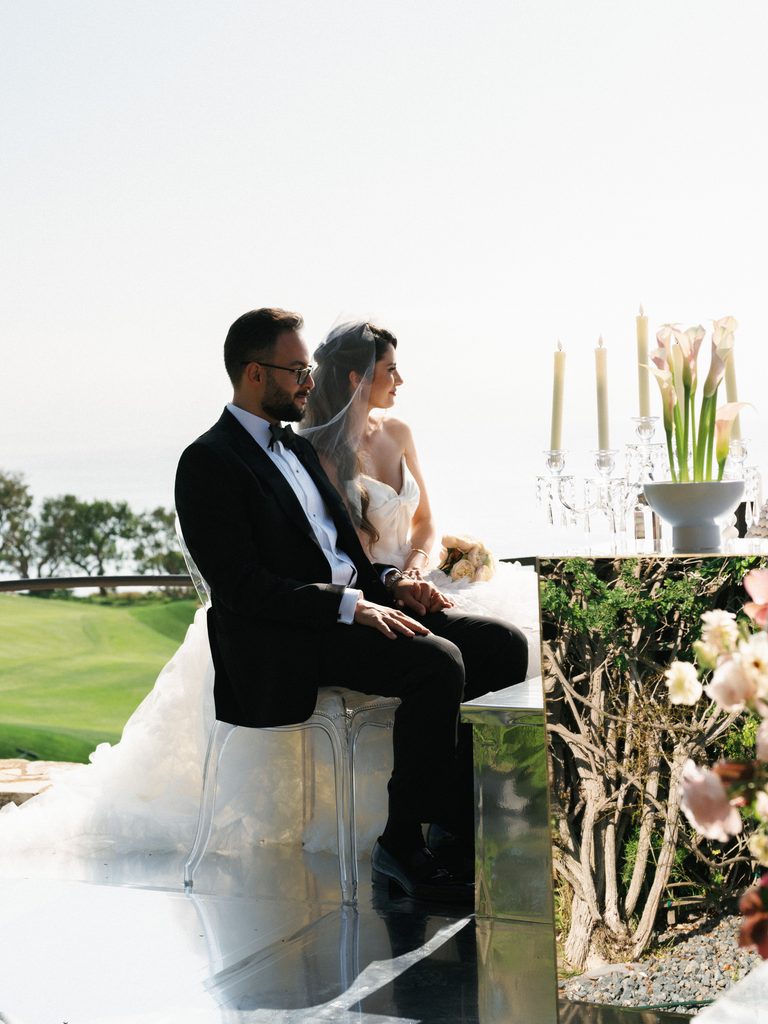
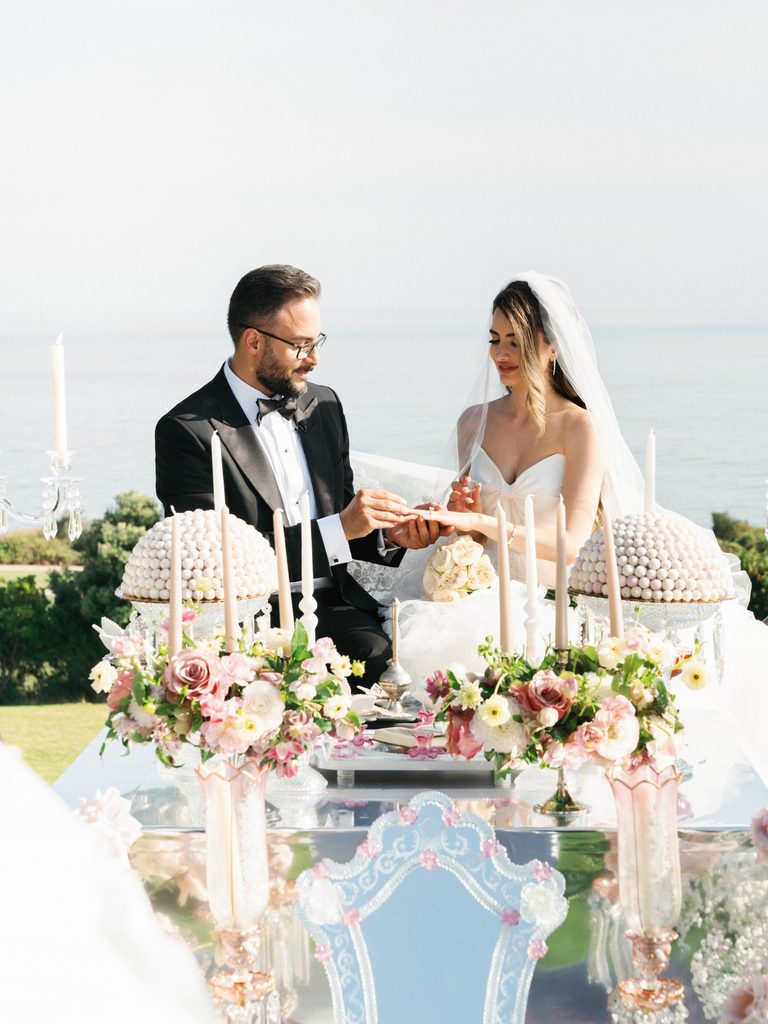
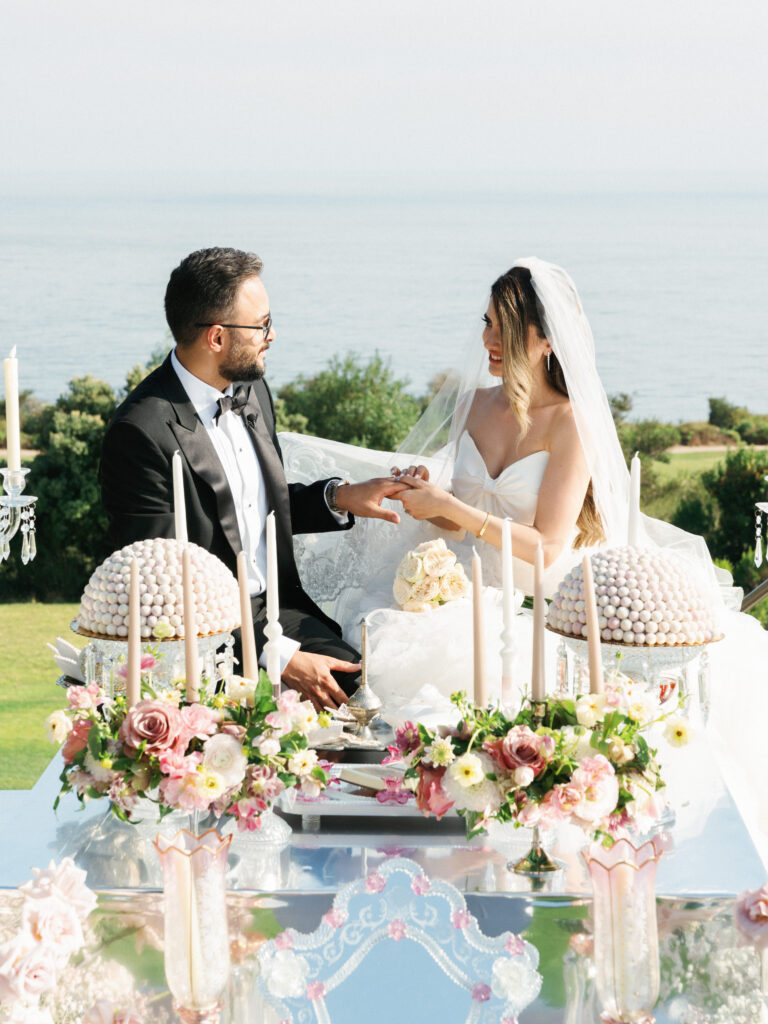
During the vows, the photographer needs a clear view of both partners’ faces, particularly when they turn toward one another. The ring exchange calls for attention to their hands as well, while the first kiss may happen quickly and without much warning.
The couple’s position and orientation can change between these moments. A photographer may work from slightly different angles to keep faces, hands, and expressions visible as the ceremony progresses.
Guest Reactions
A photographer may watch the guests as closely as the couple during key parts of the ceremony. Parents and close friends often react during the processional, vows, readings, ring exchange, and first kiss, and those expressions can add context to the photographs from the ceremony.
Guest seating affects which of these moments remain visible. Columns, distance from the ceremony area, low lighting, and restrictions on movement can make certain parts of the room harder to reach or photograph.
If particular guests are important to the couple, their names and seating locations can be shared during planning. The photographer can then recognize them during the ceremony without turning natural reactions into planned photographs.
Unplugged Ceremony Choices
Some couples ask guests to put away phones and cameras for the full ceremony, while others limit the request to the processional, vows, and first kiss.
Phones in the aisle can block the couple from view, appear in photographs, or create bright screens in a dim room. The couple can communicate the request through the officiant, ceremony program, or a note at the entrance.
A partial restriction can suit couples who want unobstructed views during key moments but are comfortable with guests taking photos afterward. The photographer and film team should know which approach has been chosen before the ceremony.
Flash and Low-Light Conditions
Ceremony lighting can range from bright outdoor daylight to very low light in a stone chapel, candlelit room, or evening setting. A space that feels comfortable to guests may still photograph quite darkly.
Flash use can also be limited by the venue or officiant. Some ceremonies allow it, while others prohibit flash during the ceremony entirely. When flash is not permitted, the photographer works with the available light and the equipment suited to those conditions. Film coverage has its own considerations in a particularly dark space.
If the ceremony will take place in unusual lighting, the photographer can discuss the expected conditions during the consultation. When possible, seeing the space at a similar time of day gives a clearer idea of what the ceremony will look like through the camera.
Quiet Teamwork Between Photo and Film
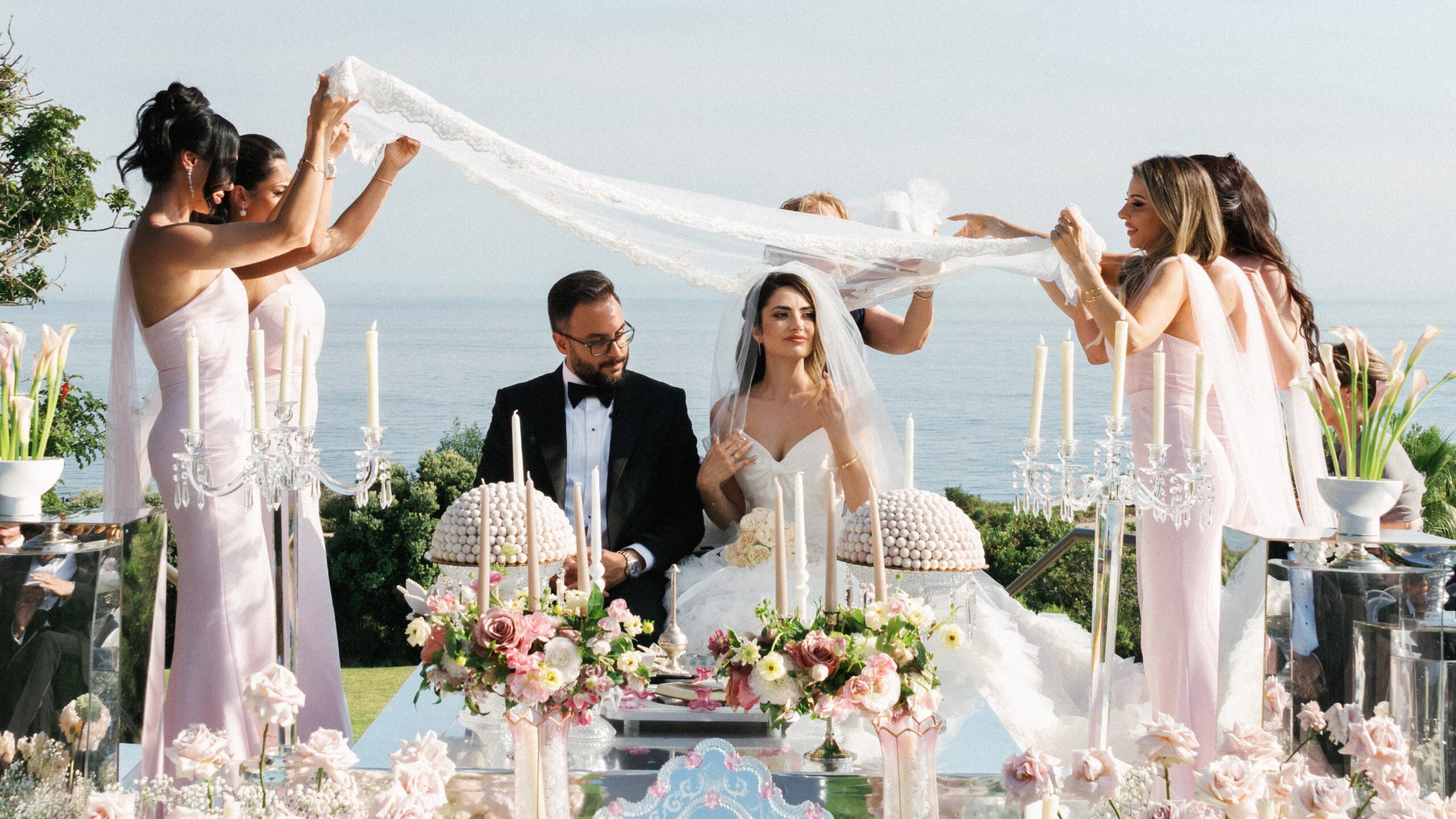
When photography and film cover the same ceremony, their positions should be planned together. Several people working from the same angle can leave another view uncovered, while movement through a narrow space can put one team member in another’s frame. Before the ceremony, the teams can agree on their positions and how they will move during the processional, recessional, and other transitions. Any restricted areas should be clear to everyone involved.
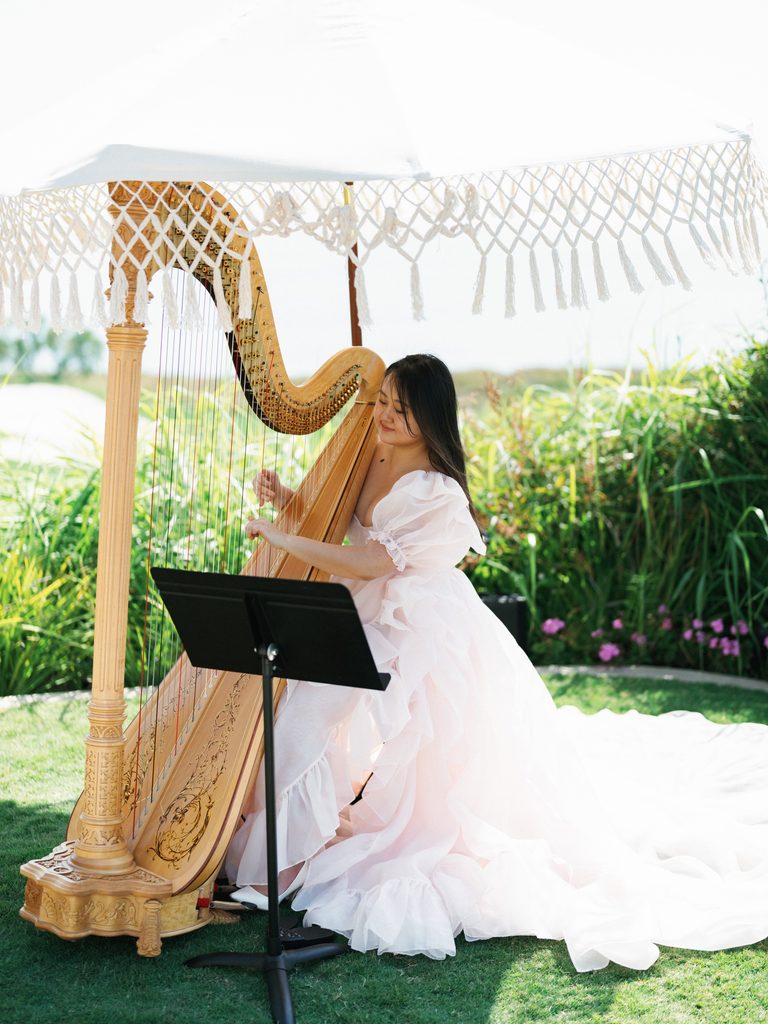
Audio needs to fit into the same plan. A microphone on the officiant or another recording setup should be placed so it does not interfere with the ceremony or appear unnecessarily in photographs.
The couple does not need to manage this during the ceremony. The photographer, filmmaker, officiant, and venue can settle the arrangement beforehand.
A Ceremony Photo Planning Checklist
Venue access:
where photography and filming are permitted
Sight lines:
aisle, altar, chuppah, stage, seating, and fixed structures that may affect visibility
Movement rules:
where the photo and film teams may stand or move during the ceremony
Processional:
entrance order and any unusual starting points
Recessional:
exit route and any planned variations
Key moments:
vows, ring exchange, first kiss, and other moments requiring a clear view
Guest reactions:
important family members and their seating locations
Lighting:
expected conditions and whether flash is permitted
Photo and film positions:
how the teams will share the available space
Audio:
microphone placement and any equipment that could affect the visual frame
The checklist can stay short. It simply keeps the practical details of ceremony coverage in one place.
FAQ
Can photographers move during the wedding ceremony?
It depends on the venue and ceremony rules. Some spaces permit movement from the sides or back, while others require photographers to remain in designated positions.
Should we tell our photographer about venue restrictions?
Yes. Restrictions on movement, flash, designated photography areas, balconies, or other parts of the ceremony space should be shared before the wedding.
Does having two photographers always solve ceremony coverage gaps?
Not automatically. Two photographers can cover different angles at the same time, but their positions still need to be coordinated around the ceremony layout and movement rules.
Should we have an unplugged ceremony?
There is no requirement to make a ceremony fully unplugged. Couples can ask guests to put away phones for the entire ceremony or only during particular moments such as the processional and vows.
Can flash be used during the ceremony?
Only when the venue and ceremony rules permit it. If flash is restricted, the photographer can work with the available light and equipment suited to the conditions.
What if our ceremony is very dark?
Tell the photographer during planning and confirm the venue’s lighting and flash rules. If possible, the ceremony space can also be reviewed under lighting conditions similar to those expected on the wedding day.
How are wedding vows and ring exchanges photographed?
The photographer generally chooses a position that provides a clear view of the couple while respecting the ceremony space and any movement restrictions. The exact position depends on the layout, the couple’s orientation, and the venue rules.
Can guest reactions be photographed without a second photographer?
Yes. A single photographer can include guest reactions when the ceremony layout provides a suitable view. A second photographer or additional camera can provide another angle when reactions occur across different parts of the room.
How do photographers and filmmakers work together during the ceremony?
They can establish positions, movement rules, and transitions before the ceremony begins. The arrangement can also account for audio equipment and areas that need to remain clear for the officiant and guests.
What happens if the ceremony layout changes?
The photo and film team should be informed as soon as the change is known. A different aisle, seating arrangement, altar position, or lighting setup can change the available sight lines and working positions.