
Equipment Redundancy
A wedding photography backup plan starts with backup equipment available throughout the day. A second camera body gives the photographer a working replacement if the primary body becomes unusable during the ceremony, portraits, or reception. Spare lenses cover another potential point of interruption, particularly when a particular focal length is needed for an important part of the day.
The same applies to batteries. Wedding coverage can run for many hours, with the photographer moving between preparation, ceremony, portraits, and reception before having an opportunity to recharge. Several fully charged spare batteries and a reliable charging option keep a depleted battery from interrupting coverage.
When several photographers cover the wedding, each person can bring separate camera bodies, lenses, and batteries. If one photographer needs to change equipment during the day, the rest of the team can continue photographing the event. The team can also redistribute coverage temporarily when an equipment issue requires more time to resolve.
Continuity also includes situations in which a photographer unexpectedly becomes unable to continue working. The team needs a clear understanding of who takes responsibility for the equipment and for the memory cards already captured, so the photographs from earlier in the day remain accounted for and can continue through the backup process.


Dual-Slot Capture
Many professional cameras have two memory card slots, and professional wedding teams often use both slots to record each photograph to two cards simultaneously. If one card fails, the second card still contains a copy of the corresponding images. The photographer can continue working with the same camera while the second card preserves the photographs already captured.
Some cameras can also use the second slot in overflow mode, where recording moves to the second card only after the first reaches capacity. That configuration extends the available storage, but it does not create a second copy of each photograph. For wedding coverage, simultaneous recording provides a separate layer of protection at the point where each image is captured.
Expert Note
Memory cards can fail because of physical wear, manufacturing defects, corruption, or problems during use and transfer. Recording to two cards addresses one part of that risk at the moment of capture.

Card Handling During the Day
Once a memory card contains wedding photographs, professional teams treat it as a record that needs to remain accounted for until the files have been copied and checked. Cards are typically labeled or otherwise identifiable, and filled cards are kept separate from those ready for use. This keeps the status of each card clear as photographers move between cameras and locations during the day.
A filled card is not returned to service simply because another card is available. The photographs remain on the original card until a secure copy exists elsewhere. After the files have been transferred and verified, the card can return to the working set for future coverage.
When several photographers are working together, card handling follows the same principle across the team. Each photographer can keep track of the cards used in their cameras, and filled cards can move into a designated storage point before they enter the backup workflow. Clear labeling and consistent handling reduce the chance of a card being misplaced or accidentally formatted before its photographs have been secured.
File transfer also includes a verification step. A copy is only useful if the photographs can actually be opened and read from the destination storage, so professional workflows typically include a check of the transferred files before the original card is cleared for reuse.

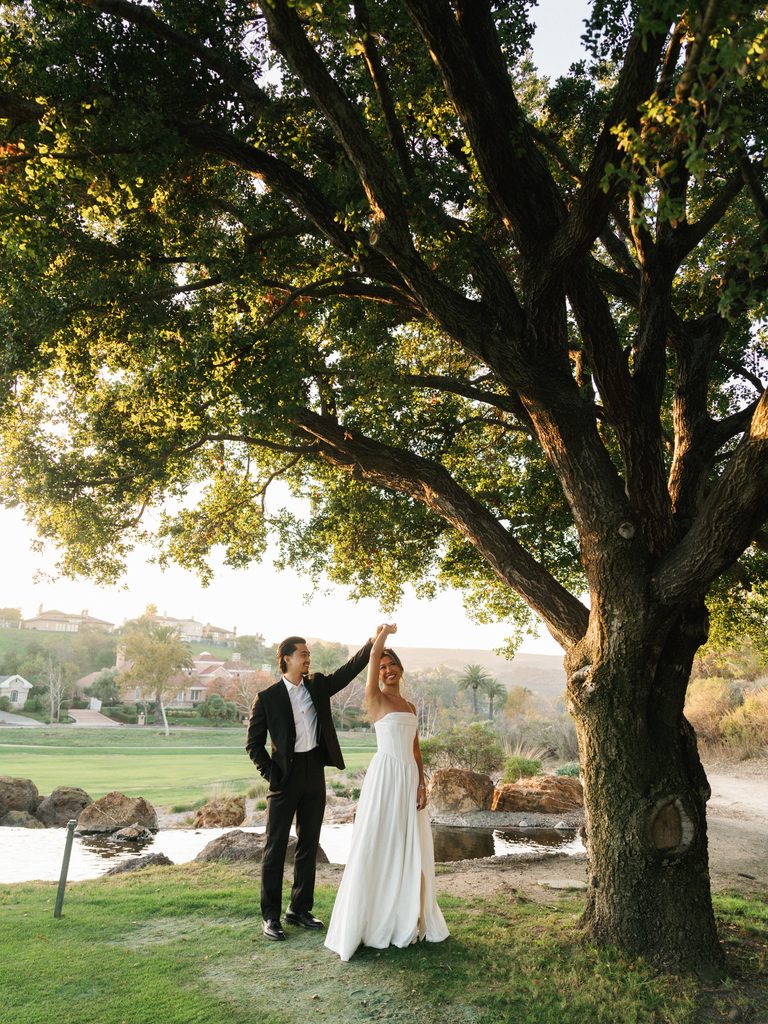
See Real Weddings in Our Gallery
Browse real celebrations photographed and filmed by Dreamwood across locations, cultures, venues, and styles.
Parker Palm Springs, CA.
First and Off-Site Copies
After the wedding, photographs move from the camera cards into the team’s working storage. Files may be transferred to a computer, external drive, server, or another storage system, creating a separate copy while the original cards remain intact.
Professional workflows usually include a verification step after transfer, confirming that the copied files open correctly before the original cards return to use. The photographs can then move into the studio’s wider backup system, with additional copies stored separately from the primary working files.
One commonly used professional approach is the 3-2-1 backup principle: three copies of important data, stored across two types of media, with at least one copy kept in a separate physical location. Studios can apply this through different combinations of local drives, servers, cloud storage, and off-site physical storage.
The exact technology varies between studios, but the sequence remains straightforward: the original files stay on the camera cards, verified copies move into working storage, and additional copies provide further protection as the photographs progress toward final delivery and archive.


Archive and Retention Questions
File protection continues after the final gallery has been delivered. Studios set their own retention policies, so the length of time wedding photographs remain in the studio’s archive can vary.
Some photographers retain wedding files for a defined period after delivery, while others maintain longer-term archives or separate systems for working files and long-term storage. The retained material can also differ, with some archives covering the full captured material and others focusing on the edited gallery prepared for delivery.
A long-term archive can combine several forms of storage, including redundant drives, servers, cloud storage, or physically separate copies, depending on how the studio has structured its file system. The photographs may move through different storage environments over time, with the archive preserving the files beyond the period of active editing and delivery.
Retention policies also define what happens when the stated period ends. Files may be deleted, transferred into a long-term archive, or handled according to another studio policy. The retention period and storage approach determine how the photographs remain in the studio’s archive after delivery.
Red Flags and Reasonable Answers
Specific answers make a photographer’s backup process easier to understand. A photographer can explain whether cameras use dual-card recording, how spare equipment is handled, what happens to memory cards after the wedding, when files are copied, whether an off-site copy forms part of the system, and how long the studio retains the images.
The exact setup varies between photographers and studios. A single photographer may work with a different combination of cameras and storage from a larger team, and different systems can follow different workflows. There is no need for couples to know the technical details in advance or to compare camera models and memory card specifications.
Questions about image protection are perfectly reasonable during the booking process. When something is unclear, a photographer or studio can explain how the equipment, cards, file copies, and archive fit together in straightforward terms. The conversation can stay focused on the photographs and their continuity, with the technical details provided by the team as needed.
FAQ
Should a wedding photographer carry two cameras?
A backup camera body kept on-site gives the photographer an immediate alternative if the primary camera develops a problem during the wedding. Some photographers carry multiple camera bodies throughout the day, while others keep a dedicated backup body ready for use. The arrangement depends on the photographer’s workflow and the coverage provided.
When should wedding photos be backed up during and after the day?
The original cards remain protected until the photographs have been safely copied to another location. The timing of that transfer varies by studio, with some photographers beginning the process on the wedding day and others transferring files afterward. An additional off-site or cloud copy can follow once the first working copy has been established and checked.
How long do wedding photographers typically retain files?
Retention policies vary by photographer and studio. Some retain wedding files for several months after delivery, others for a year or longer, and some maintain longer-term archives. The retained material can also differ, with some studios keeping the full captured files and others retaining the edited gallery prepared for delivery.
What is the difference between backup mode and overflow mode on a dual-card camera?
Backup mode records each photograph to both memory cards at the same time, creating two copies during capture. Overflow mode uses the second card after the first reaches capacity, extending storage but leaving each photograph on only one card at the time it is recorded.
What should couples do if a photographer cannot clearly explain their backup process?
Couples can ask the photographer to explain how the cameras, memory cards, file transfers, and storage are handled during and after the wedding. Photographers and studios use different systems, so the conversation can focus on the workflow in place for the booking and any details that the couple would like clarified.