Ask Before Booking
The consultation stage provides a natural place to ask what happens if the lead photographer becomes ill and cannot attend the wedding. A wedding photographer sick backup plan can take several forms, from a network of trusted replacement photographers to another member of the studio team prepared to step into the role. The important details are who could provide the coverage, what experience that person brings, and how the studio handles the transition.
Some studios maintain relationships with photographers specifically for unexpected absences, while others have an internal team structure that provides another route to replacement coverage. The handoff can also include the wedding timeline, family photograph information, location details, and priorities discussed during the consultation.
When photography and film are booked together, the same questions apply to both services. Photography and film may have separate teams and replacement arrangements, so the contingency plan for one should be confirmed independently from the other.
Lead Photographer and Replacement Roles
The photographer a couple meets during the consultation may be the person expected to lead the wedding coverage from start to finish. If that photographer becomes unavailable, the replacement can come from several places within the studio’s existing team and professional network.
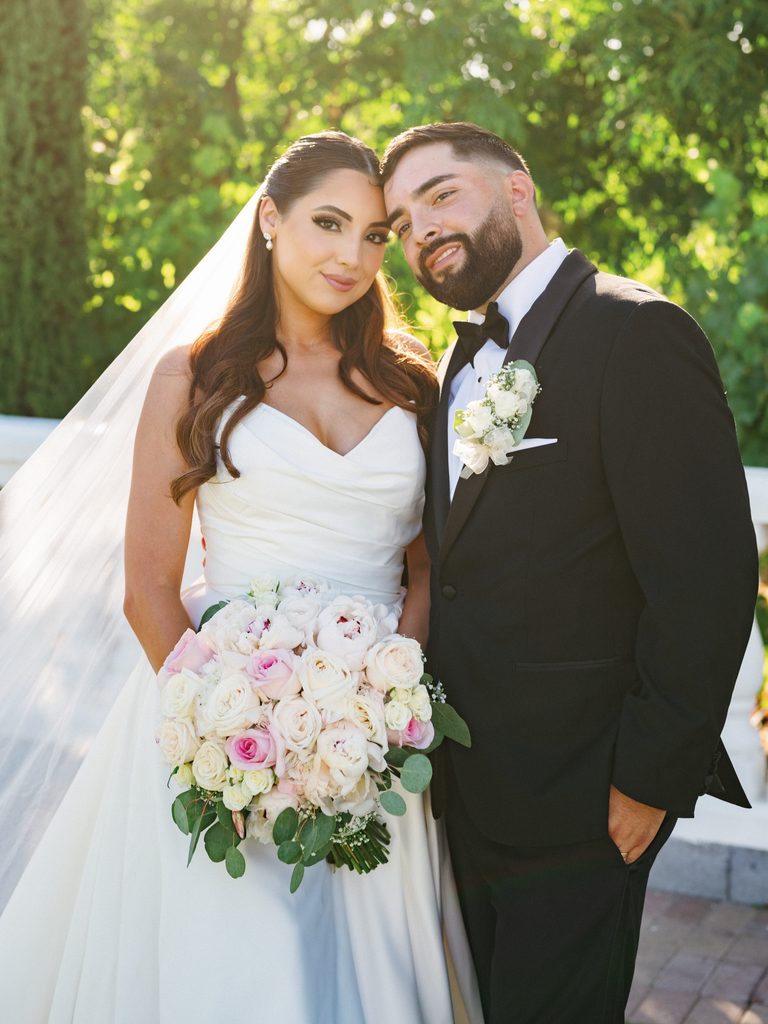
A second photographer already assigned to the wedding may be part of that arrangement. Working alongside the lead means that the second photographer has already seen the timeline, locations, family members, and rhythm of the day. Depending on the studio’s workflow and the photographer’s experience, that familiarity may make the second photographer a natural person to consider if the lead cannot attend. Another studio may bring in a trusted photographer who was not originally part of the wedding team.
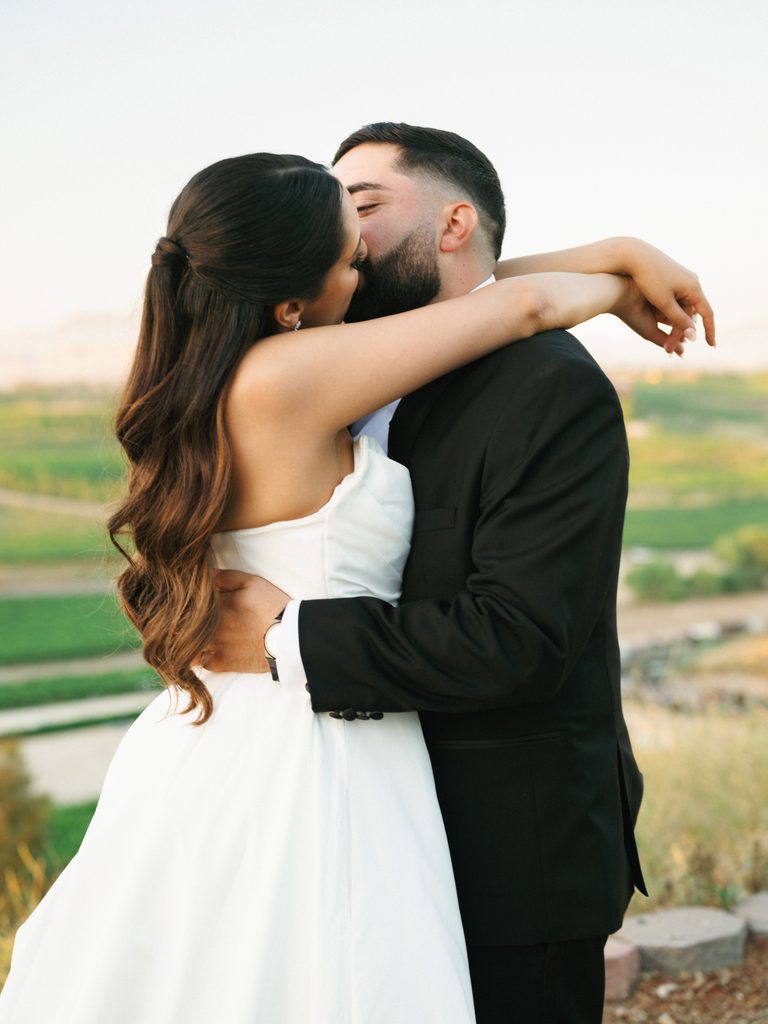
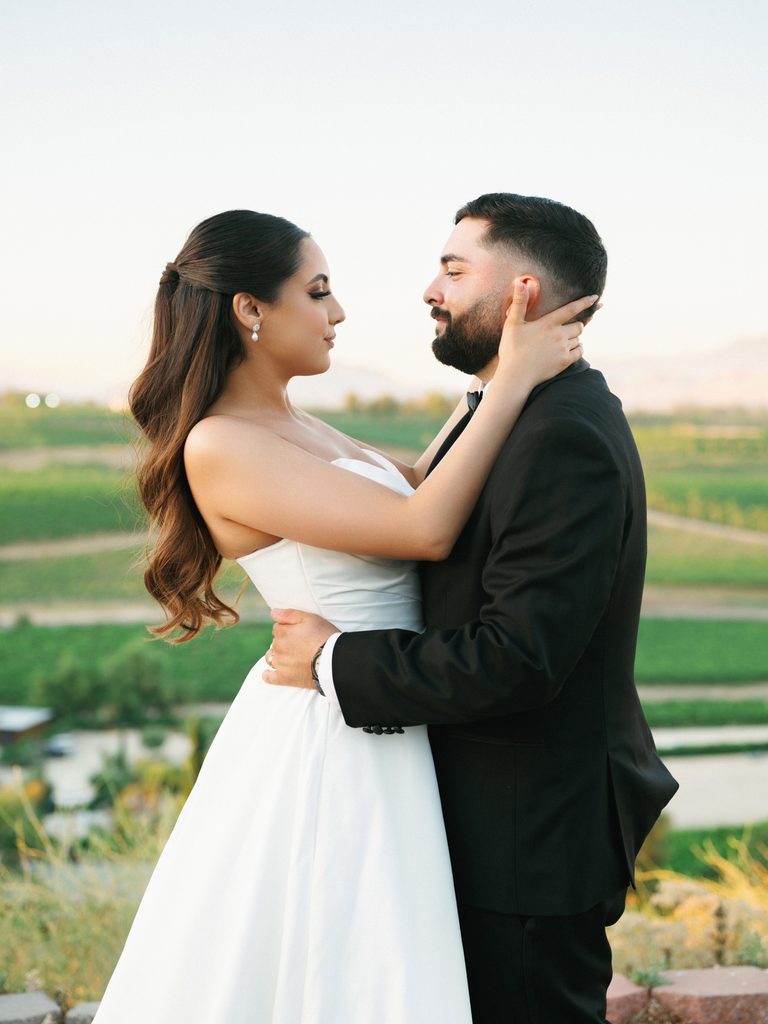
For the couple, the reassuring part is having a clear sense of how that transition would happen. The incoming photographer should have access to the information already gathered for the wedding, from the schedule and family photographs to the locations and preferences discussed during the consultation. The photography continues as part of the same booking, even though the person holding the camera has changed.
The same principle applies when videography forms part of the booking. The photographer and filmmaker may have different teams behind them, so each service can have its own replacement arrangements and handoff process.
Notice and Communication
Illness can become apparent several days before a wedding or develop suddenly on the wedding morning. The amount of notice can affect how much time the studio has to introduce the replacement, review the timeline, and pass along the details already gathered for the wedding.
Destination weddings add another consideration because a replacement photographer may need to travel to the location. Availability, travel arrangements, accommodation, visa requirements, and arrival time can all form part of the studio’s planning when coverage takes place away from the photographer’s usual area.
If a change becomes necessary on the wedding day, the agreed communication plan can determine who receives the first call. Depending on the arrangements made in advance, the studio may contact the wedding planner, coordinator, or another person the couple has designated for situations of this kind. The couple can then remain focused on getting ready, seeing family, and enjoying the day, with the photography team and the designated contact handling the transition.
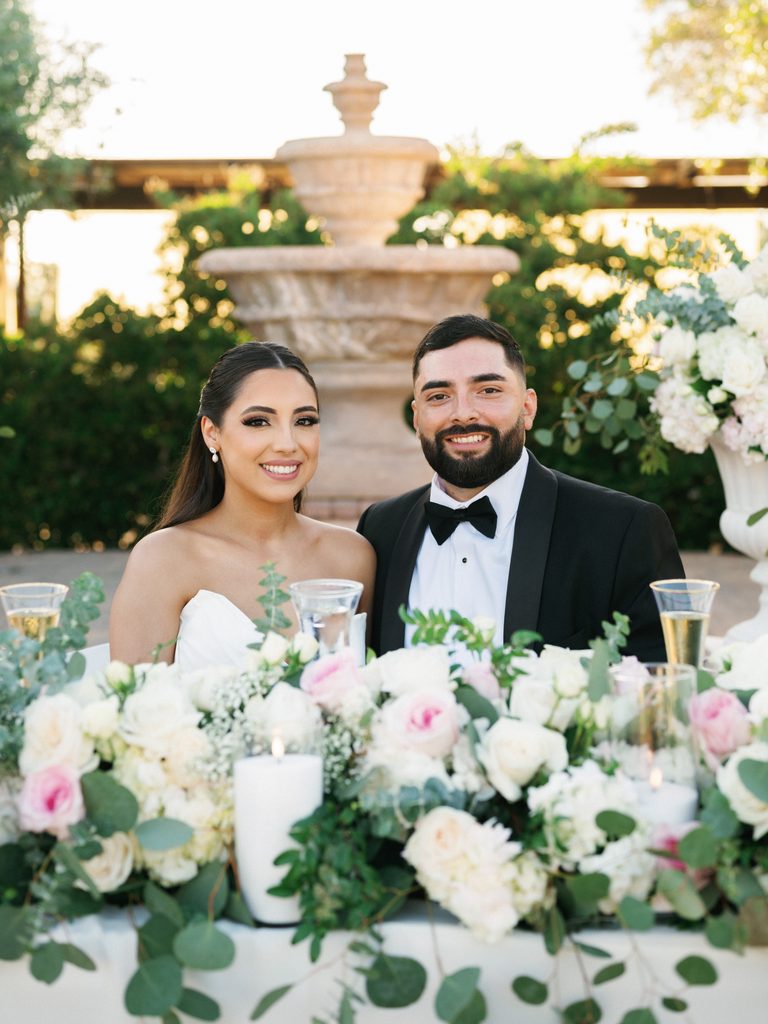
Expert Note
A planner or coordinator can be particularly useful in this situation because the couple may not need to become involved in the change at all. Once the studio has communicated the situation and the agreed replacement is in place, the person coordinating the wedding can keep the day’s schedule moving and relay anything the couple genuinely needs to know.
For weddings without a planner, the same role can be assigned to a trusted family member or another person chosen by the couple in advance. The specific arrangement can be discussed during booking so that everyone knows who should be contacted if the photographer becomes unavailable on the wedding day.
File and Style Handoff
A replacement photographer steps into a wedding that has already been planned around a particular visual approach. The studio’s notes include the timeline, family photographs, locations, portrait priorities, and details discussed during the consultation, giving the incoming photographer a clear sense of how the coverage was planned.
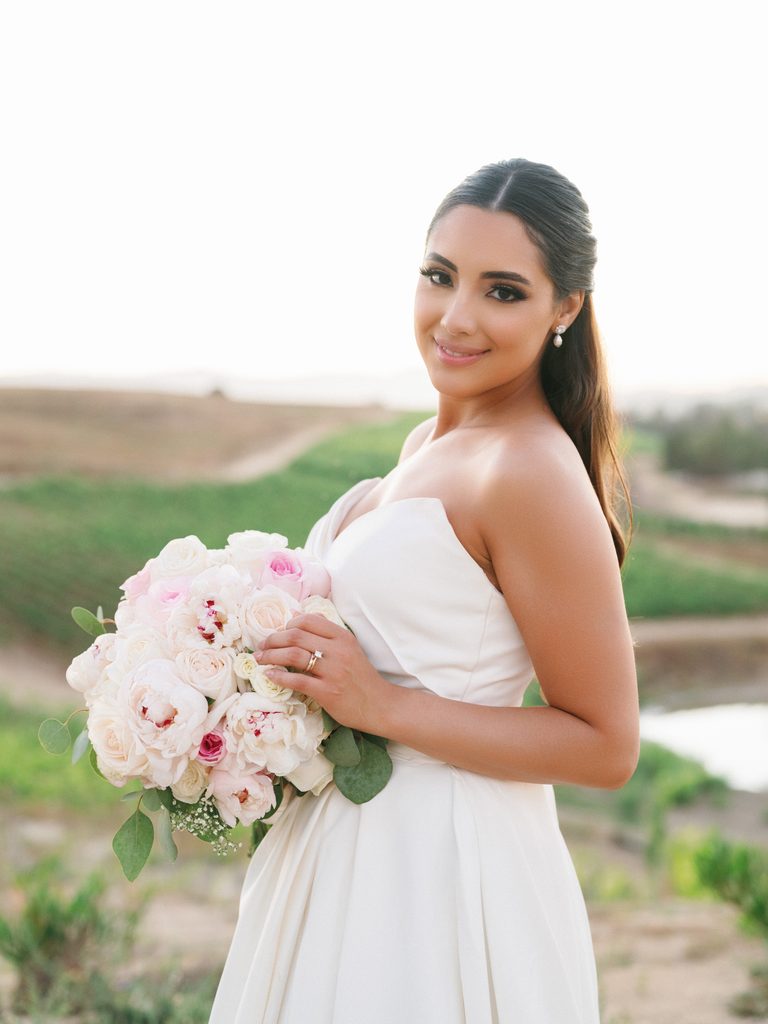

Experienced photographers are used to adapting to new locations, schedules, and people on short notice. When a studio works with an established team or professional network, replacement photographers are typically familiar with the level of work expected for the booking and can prepare from the information provided before coverage begins. The studio handles the transition during the wedding day, so the couple can continue with the celebration.
The visual consistency continues through the post-production process. The photographs from the replacement photographer are reviewed alongside the rest of the wedding coverage, with the studio’s established editing approach applied during the normal selection and editing stages. The person who photographs the wedding does not necessarily handle every stage of post-production, so the studio continues overseeing the gallery after the wedding and brings all of the images together into one finished collection.
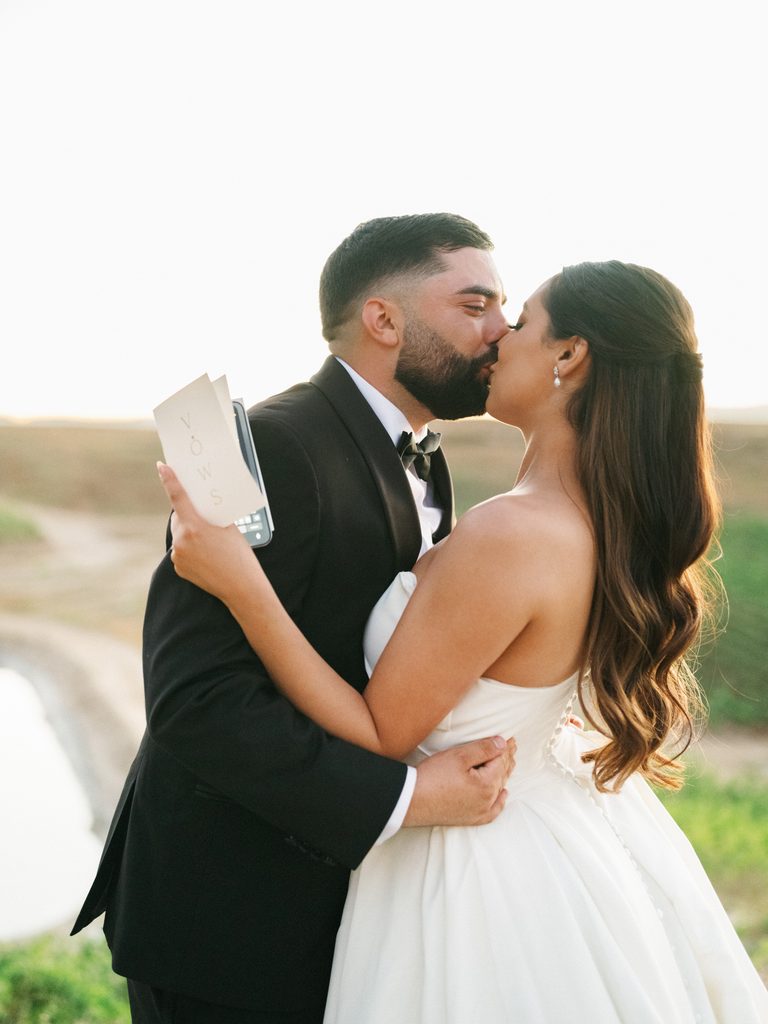
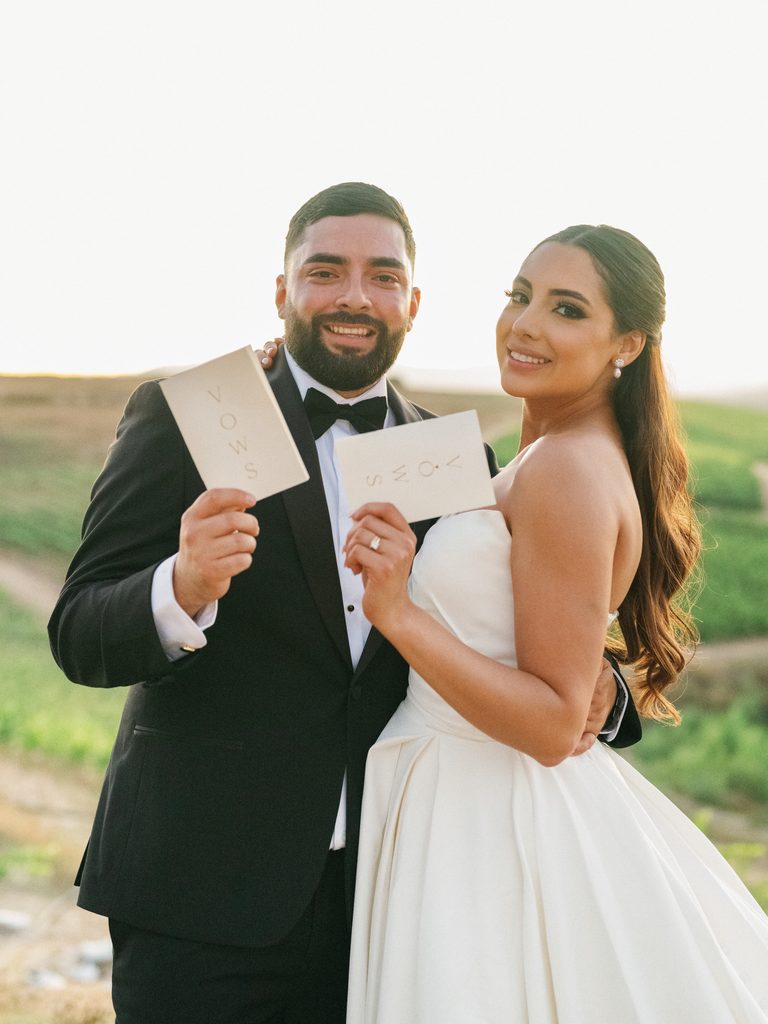
The same applies to specific preferences discussed before the wedding. If the couple has emphasized documentary coverage during dinner, carefully composed portraits, or particular family interactions, those details are passed on to the replacement photographer so the planned priorities remain clear and the coverage can be carried out to the expected standard.
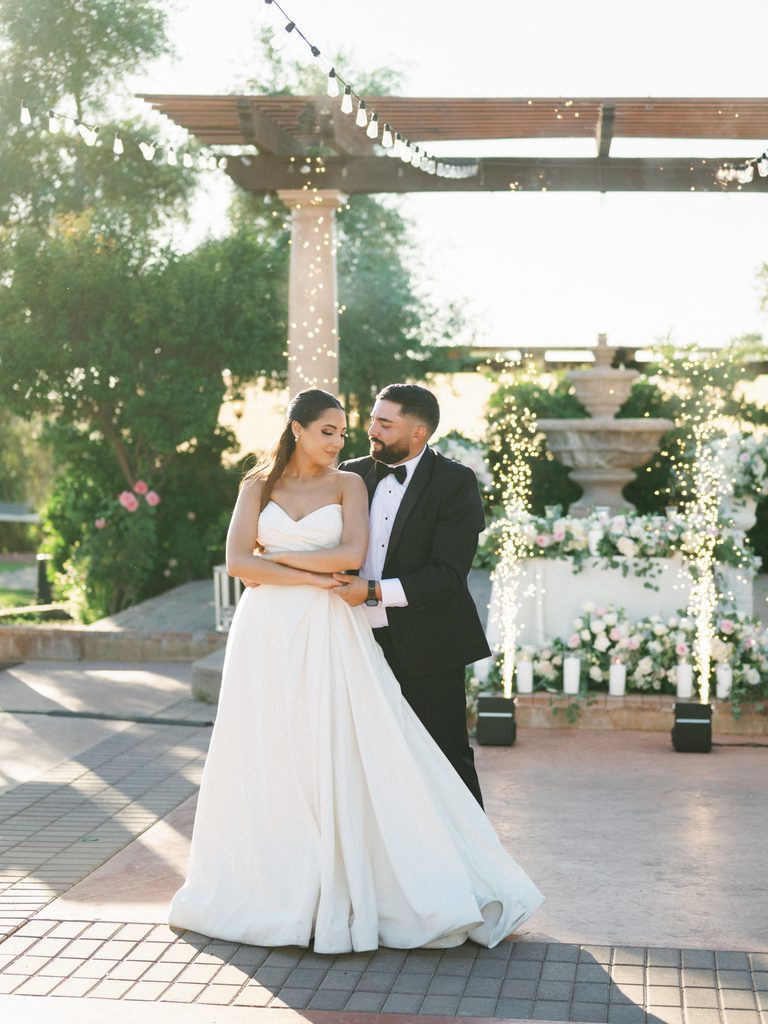
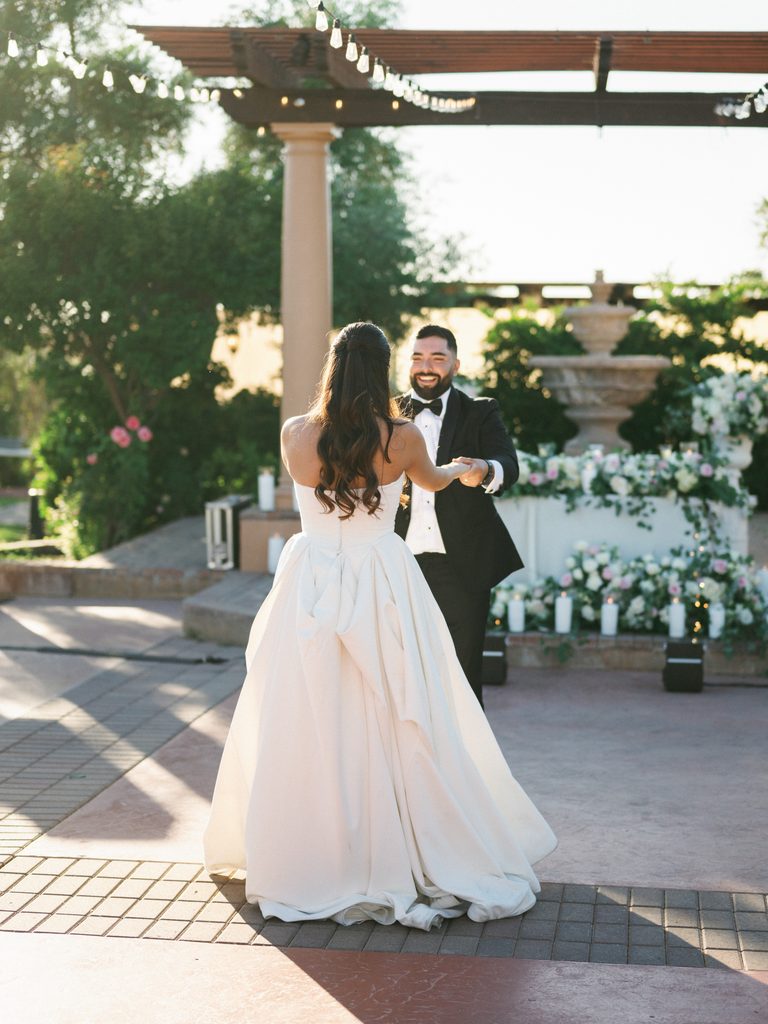
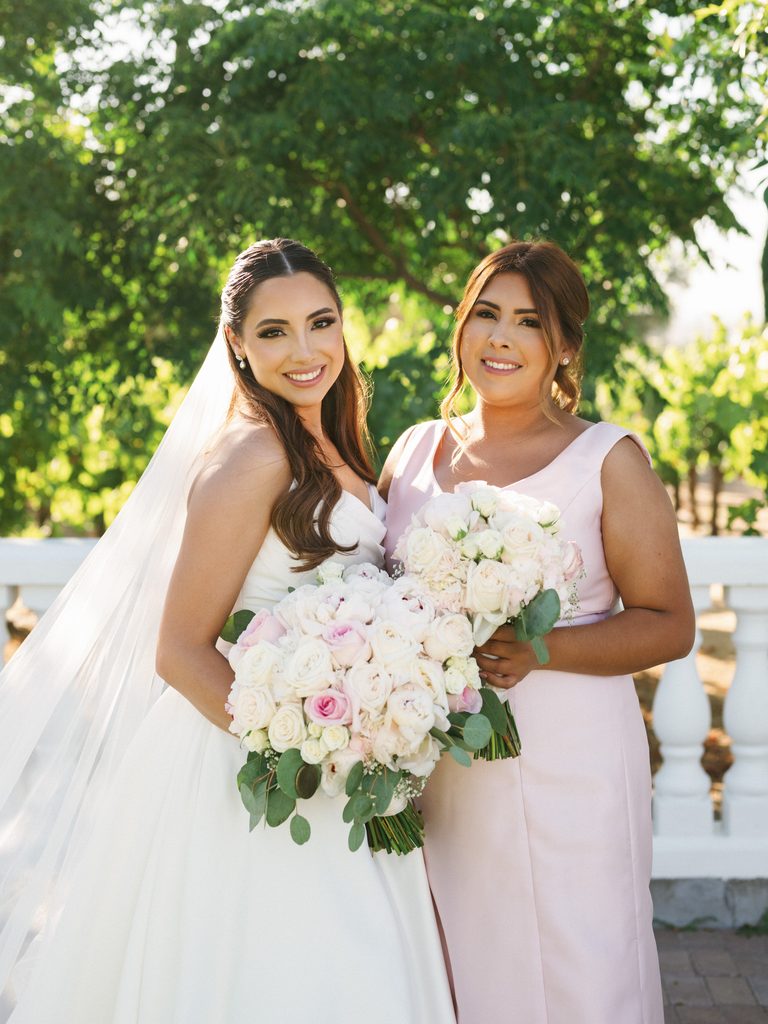
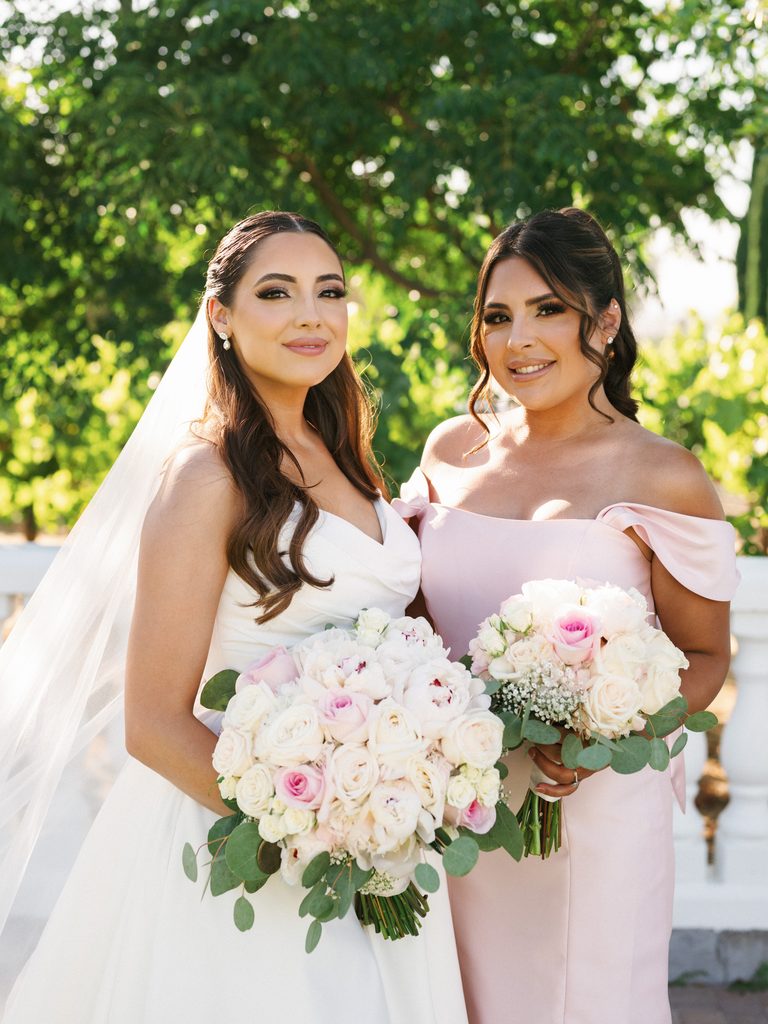
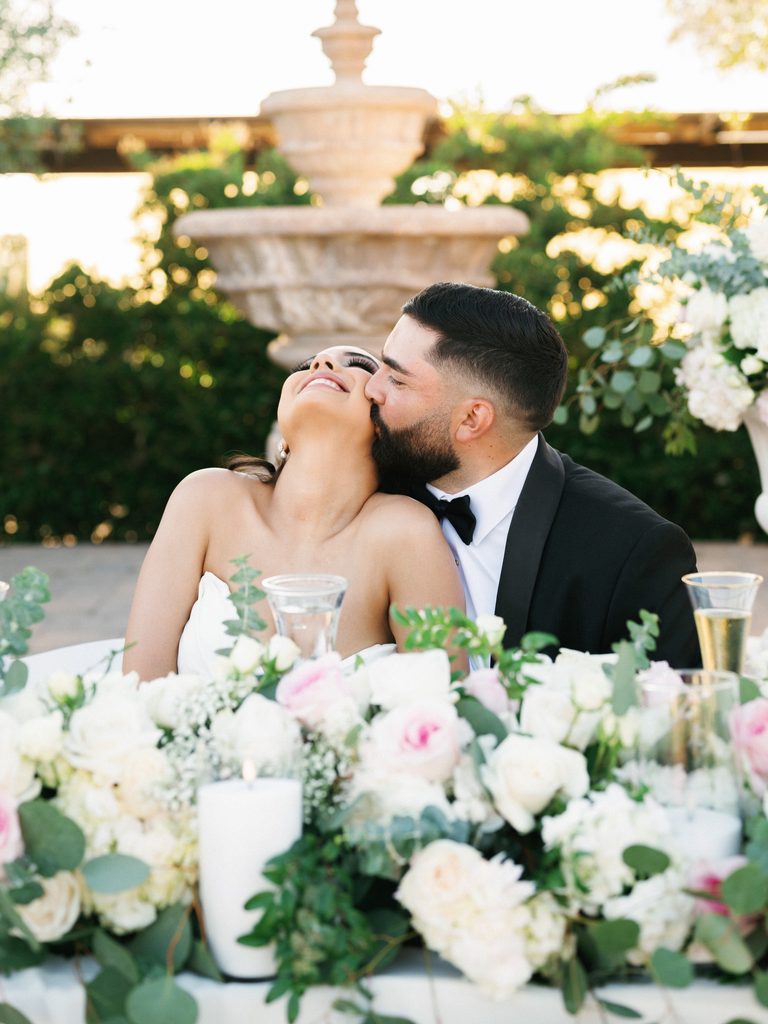
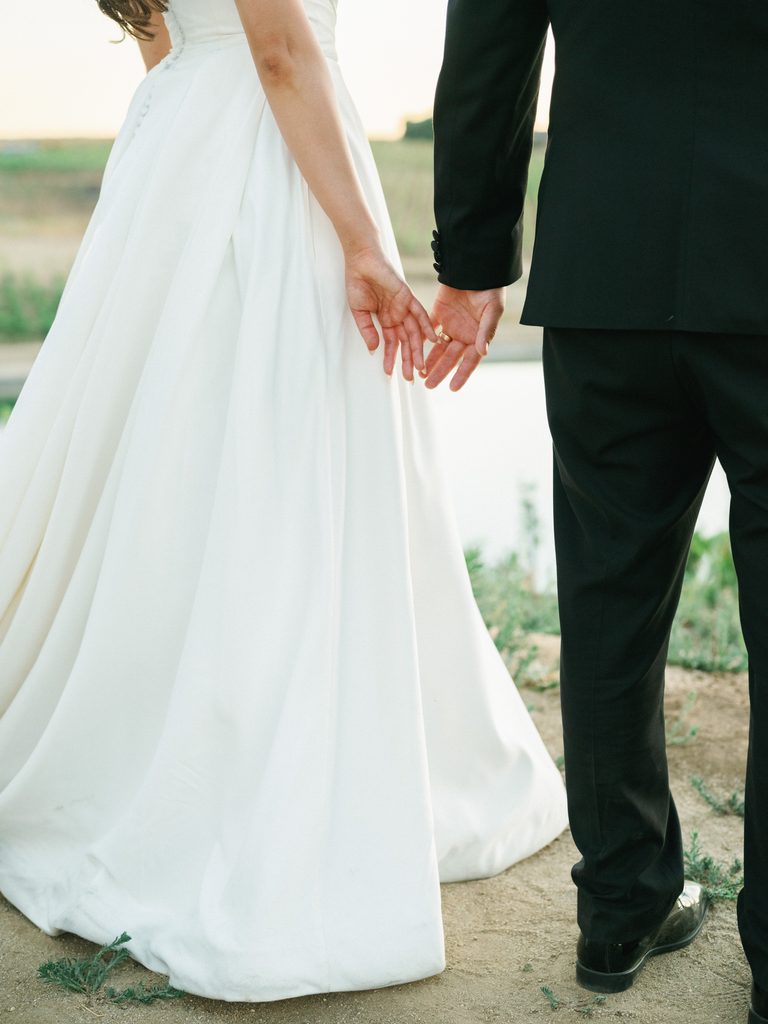
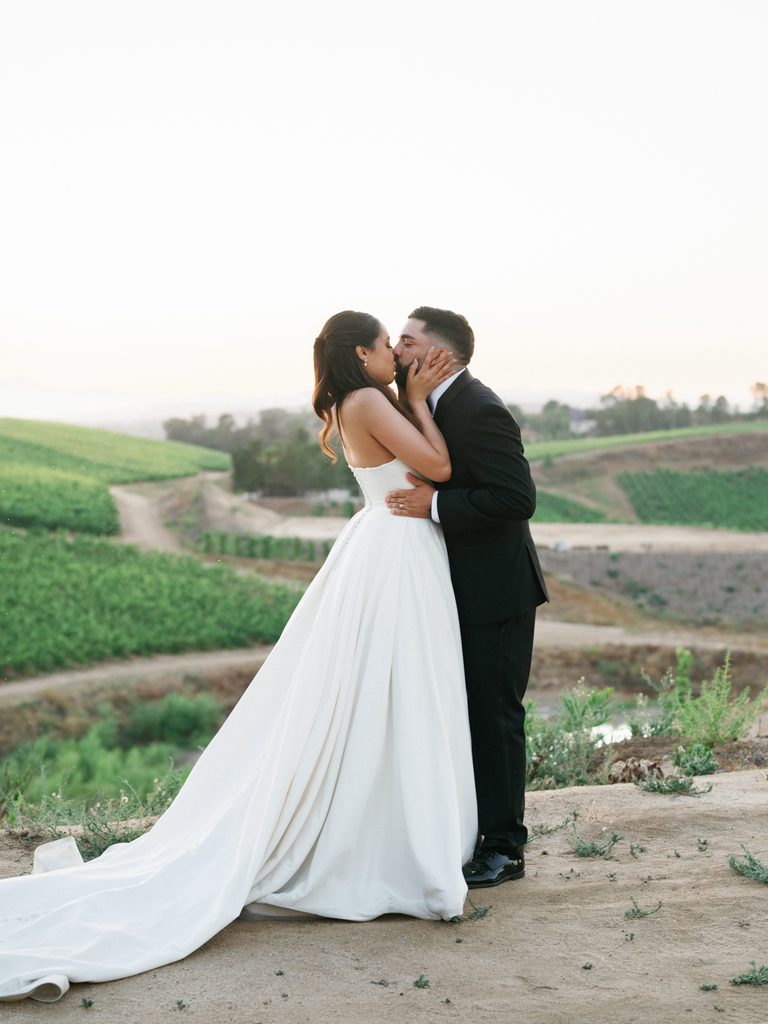
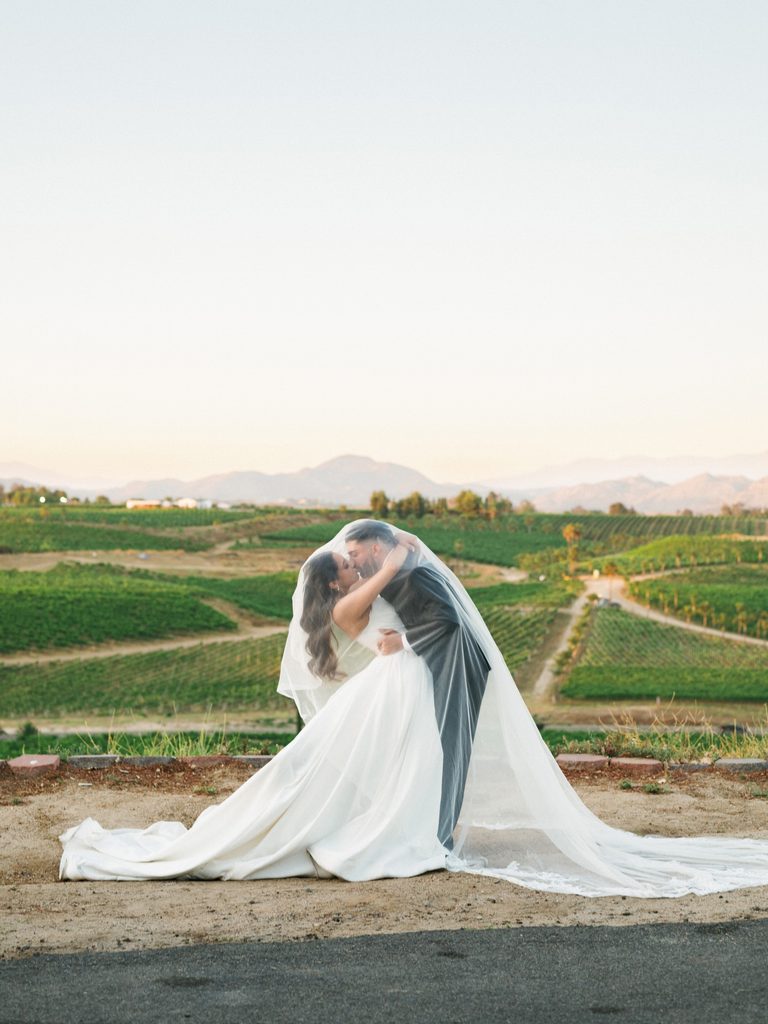
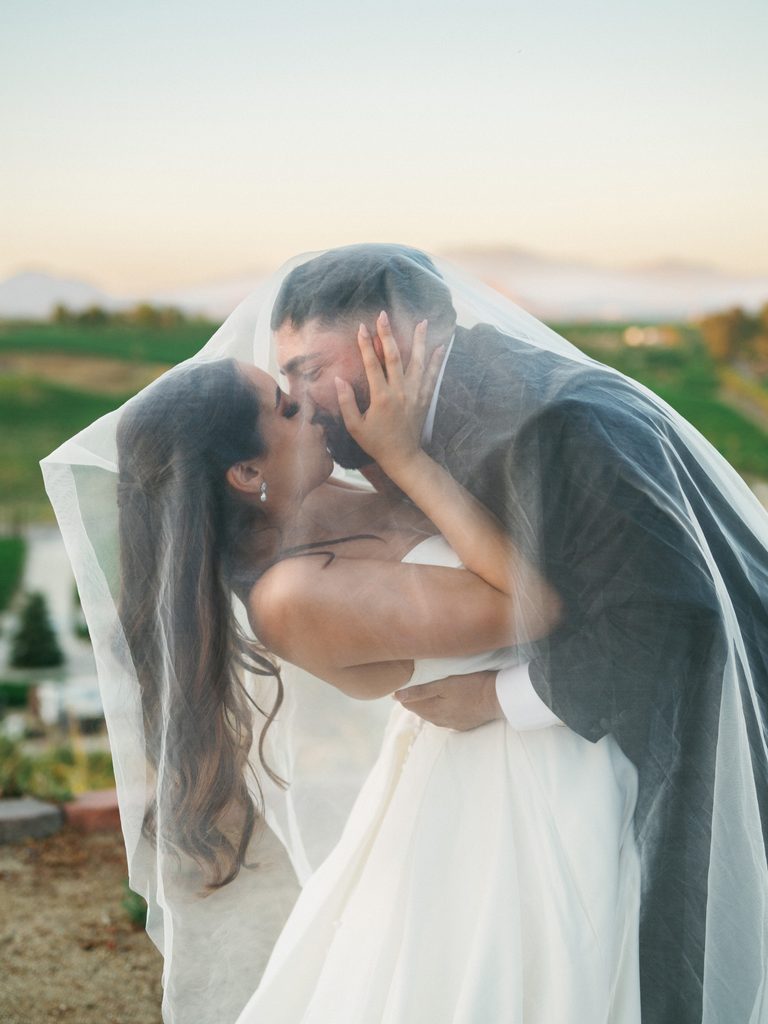
Mount Palomar Winery, Temecula, CA.
See Real Weddings in Our Gallery
Browse real celebrations photographed and filmed by Dreamwood across locations, cultures, venues, and styles.
Contract and Remedy Questions
If the contracted photographer becomes unavailable, the photography agreement becomes the reference point for the arrangements already made around replacement coverage and payment. The relevant terms can describe how a replacement photographer is provided and what financial provisions apply if the planned service cannot be delivered in full.
Some agreements focus on arranging a replacement photographer, some specify a refund or partial refund in particular circumstances, and some combine replacement coverage with financial provisions. If a replacement photographer covers the wedding, the agreement can also state whether the original booking price remains unchanged. If the studio cannot provide the contracted coverage in full, the contract can explain how any applicable refund or other remedy is handled. The exact arrangement depends on the contract and applicable law.
Any arrangements discussed during the consultation can then be reflected in the signed agreement, giving the couple and studio the same reference point if circumstances change. If the terms are amended later, the agreed changes can be recorded in writing as part of the booking.
A Day-of Escalation Checklist
The contact details for an illness-related change can be established alongside the rest of the wedding information. The booking information can include the primary studio contact, an alternative contact where one exists, and the person who should be notified first if the photographer cannot attend. A planner, venue coordinator, or trusted family member can keep those details accessible during the wedding preparations.

The studio can also establish who communicates the replacement decision and how the incoming photographer receives the information already gathered for the wedding. The timeline, family photograph list, venue details, contact information, and relevant notes from the consultation can all form part of that handoff.
For the couple, this keeps the communication chain straightforward if something changes on the wedding morning. The studio can coordinate with the designated contact, pass the necessary information to the replacement photographer, and keep the couple informed as the situation requires.
FAQ
Who covers a wedding if the photographer becomes ill?
The answer depends on the studio’s contingency arrangements. Some studios maintain a network of trusted replacement photographers, some use another member of their team, and some have different arrangements depending on the booking. The specific process can be confirmed during the consultation.
Is a second photographer an automatic replacement if the lead photographer gets sick?
Not necessarily. A second photographer may already be familiar with the wedding and, depending on the studio’s arrangements and the photographer’s experience, may be able to step into lead coverage. Another studio may bring in a photographer from its existing professional network.
What happens to the photographs if a replacement photographer takes over?
The replacement photographer’s images become part of the same wedding coverage. After the wedding, the studio can bring the photographs together during selection and editing, applying the established approach across the full gallery and reviewing the finished collection before delivery.
What should a wedding photography contract say about illness?
The contract can set out what happens if the contracted photographer cannot attend, including replacement arrangements, coverage, payment, and any applicable refund or other remedy. The exact terms vary by studio and should appear in the written agreement.
How much advance notice does illness usually provide?
There is no fixed timeline. An illness can become apparent several days before the wedding or arise suddenly on the wedding morning. The contingency arrangements can cover both situations, from advance replacement planning to a short-notice change on the day.
When is the right time to ask about a photographer illness contingency plan?
The initial consultation is a suitable time to raise the question, before the date is reserved. The conversation can cover who would provide replacement coverage, how the handoff works, and what the contract says about the situation.
Does travel insurance or wedding insurance cover a sick photographer?
Some wedding insurance policies may include coverage for certain vendor cancellation or non-appearance situations, depending on the policy and provider. Insurance coverage sits separately from the photography studio’s own contingency arrangements, so the specific policy language can be reviewed with the insurer.