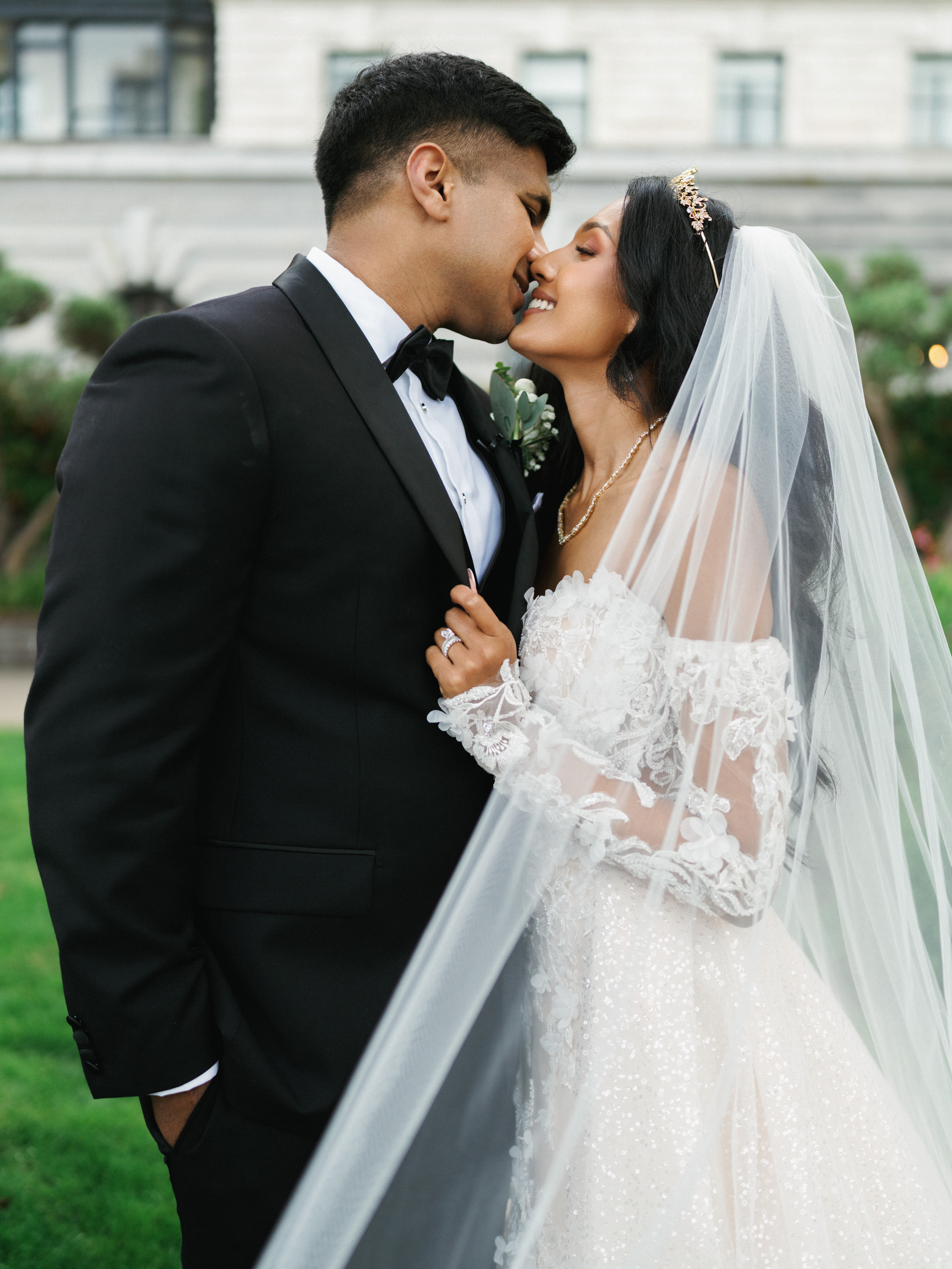
What a RAW File Actually Is
A RAW file is the original image file recorded by a digital camera. It contains the image data captured at the moment of exposure and preserves substantial information for adjustments during post-production. The exact RAW format depends on the camera manufacturer and model, with different formats requiring compatible software for viewing and editing.
Straight from the camera, a RAW file can look flat, muted, or less contrasty than a finished wedding photograph. Exposure, white balance, color, tonal range, and other elements still need adjustment before the image reaches its final appearance.
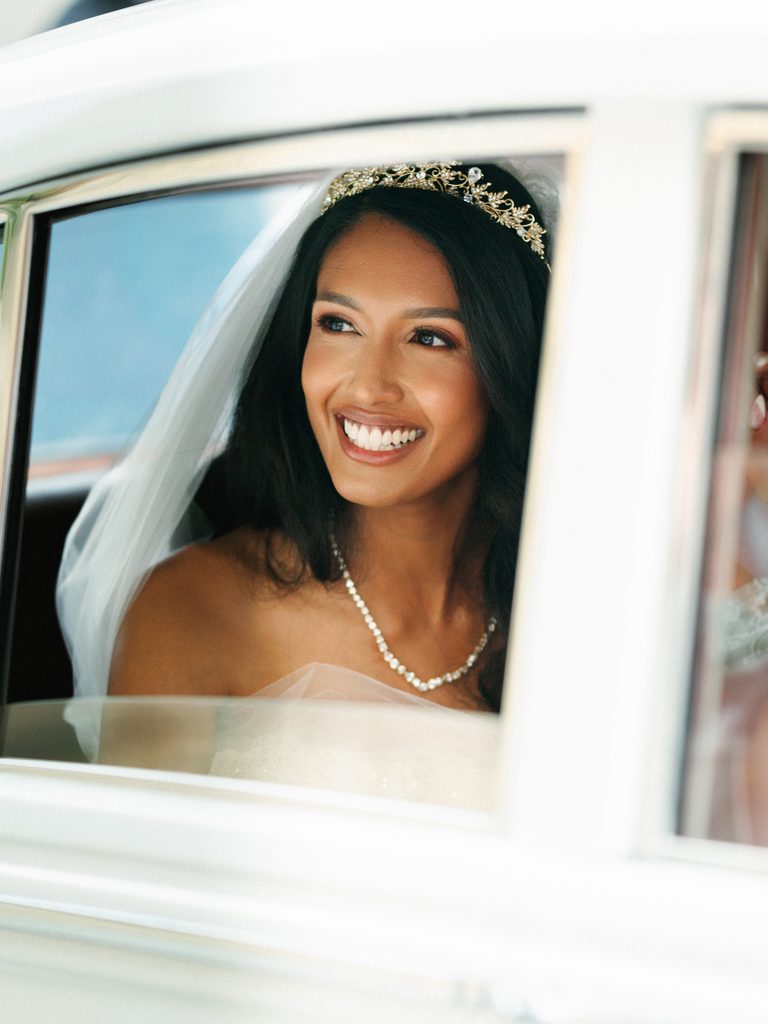
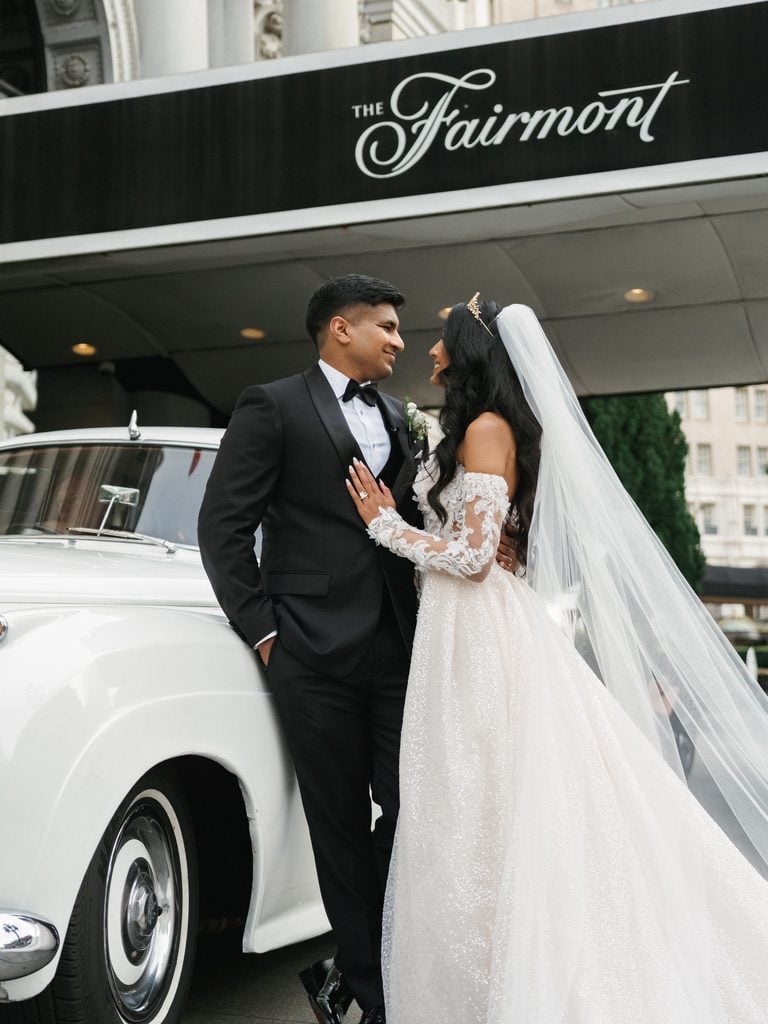
RAW files give photographers considerable flexibility during post-production. Exposure and white balance can be refined, color can be adjusted, and tonal information can be shaped according to the lighting and visual treatment of the photograph. Programs such as Lightroom, Capture One, and other RAW-processing software interpret the camera data and provide the tools for these adjustments. The RAW file therefore belongs to the capture stage of the photographic process. The finished gallery comes after the photographer has selected the photographs and completed their visual treatment, resulting in files prepared for viewing, sharing, and printing.
Why Culling and Editing Are Part of the Finished Photograph
After the wedding, the photographer reviews the captured frames and selects the photographs that belong in the final gallery. Frames with blinks, missed focus, awkward expressions, accidental movements, and technical issues are removed, along with duplicate images that add little to the finished sequence.
Several frames from the same moment can be technically successful. Small differences in expression, gesture, composition, or timing still matter when the photographer chooses the image that represents that moment in the final gallery. A photographer has to recognize those differences across hundreds or thousands of captures and decide which frames deserve a place in the final collection.
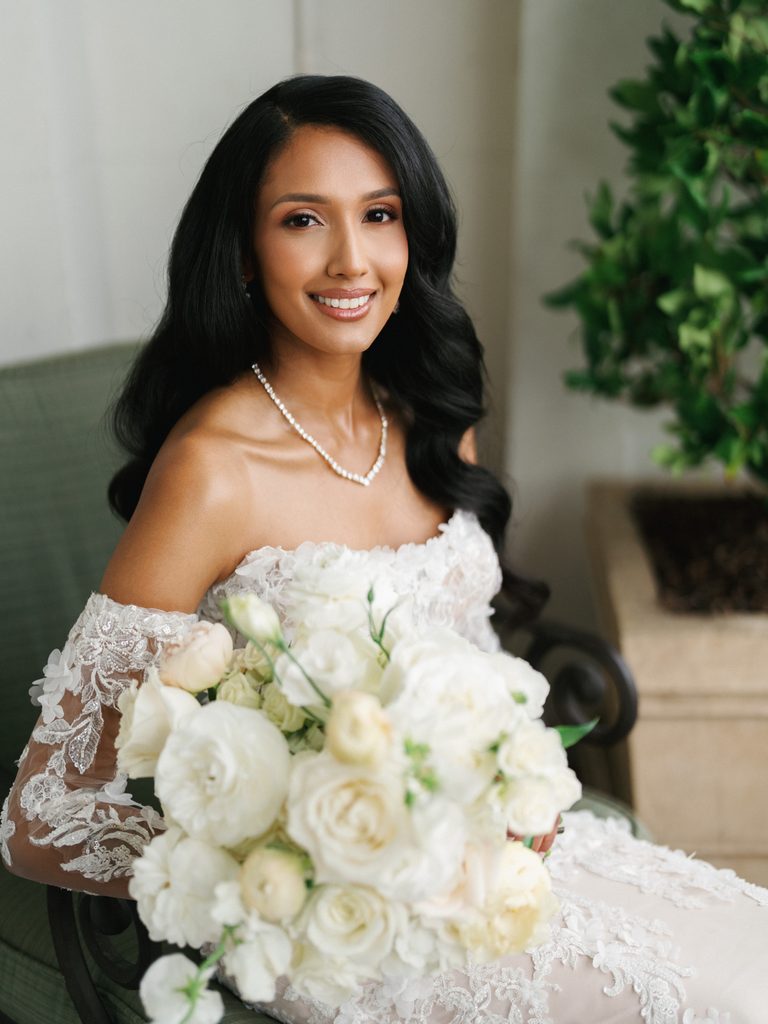
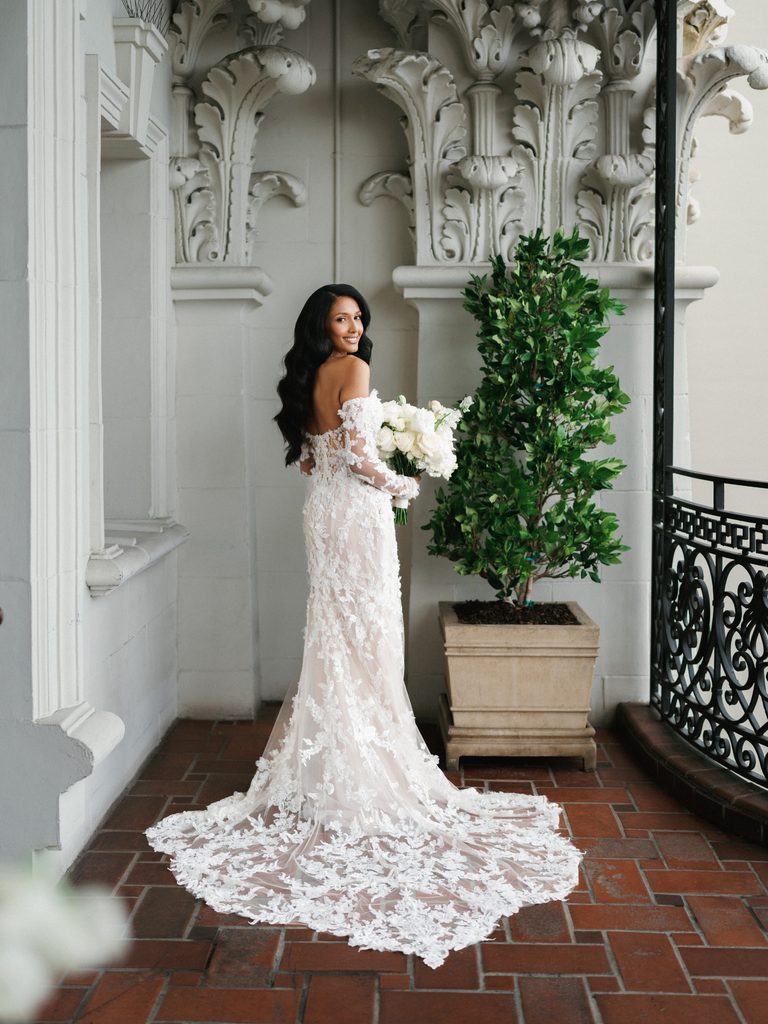
Editing brings the selected photographs into a consistent visual language. Exposure, white balance, color, contrast, tonal range, cropping, and other adjustments vary according to the light and circumstances of each part of the wedding day. A ceremony photographed in window light, portraits outside in direct sun, and dinner under warm indoor lighting may each require a different treatment.
Expert Note
Post-production is a substantial part of the work included in wedding photography coverage. A finished gallery may require hours of concentrated computer work after the cameras have been put away, with the photographer maintaining attention to small visual details across the entire collection. For a solo photographer, this work follows the wedding coverage directly. For a larger team, editing may pass through several stages or involve multiple people before the gallery reaches its final form.
What a Finished Delivery Should Specify
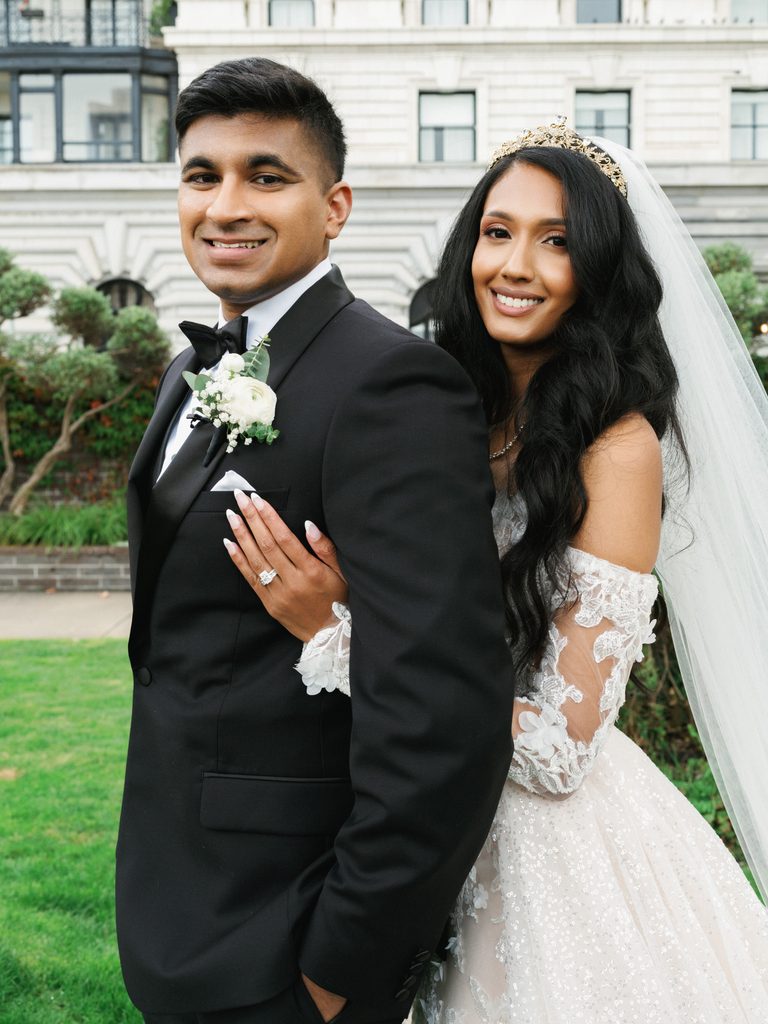
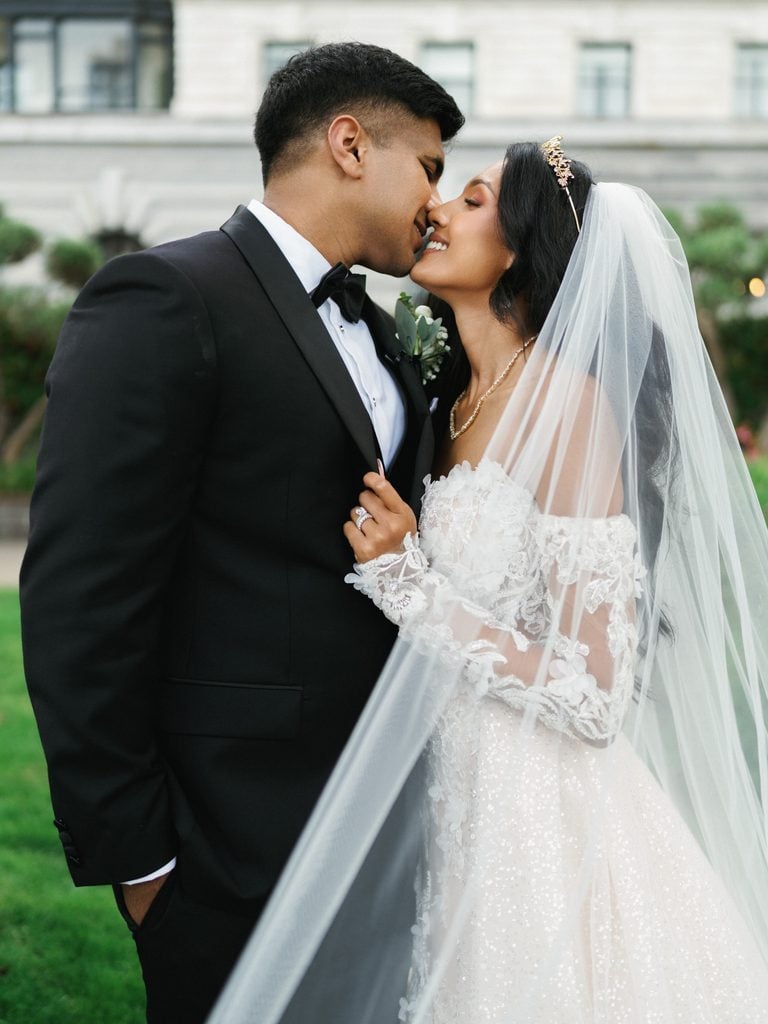
The agreement should identify the format of the final photographs and describe their editing status. For many wedding galleries, the final delivery consists of edited, high-resolution JPEGs prepared for viewing, sharing, albums, and printing. A clear description also confirms that the files have received the photographer’s final color and image adjustments across the gallery.
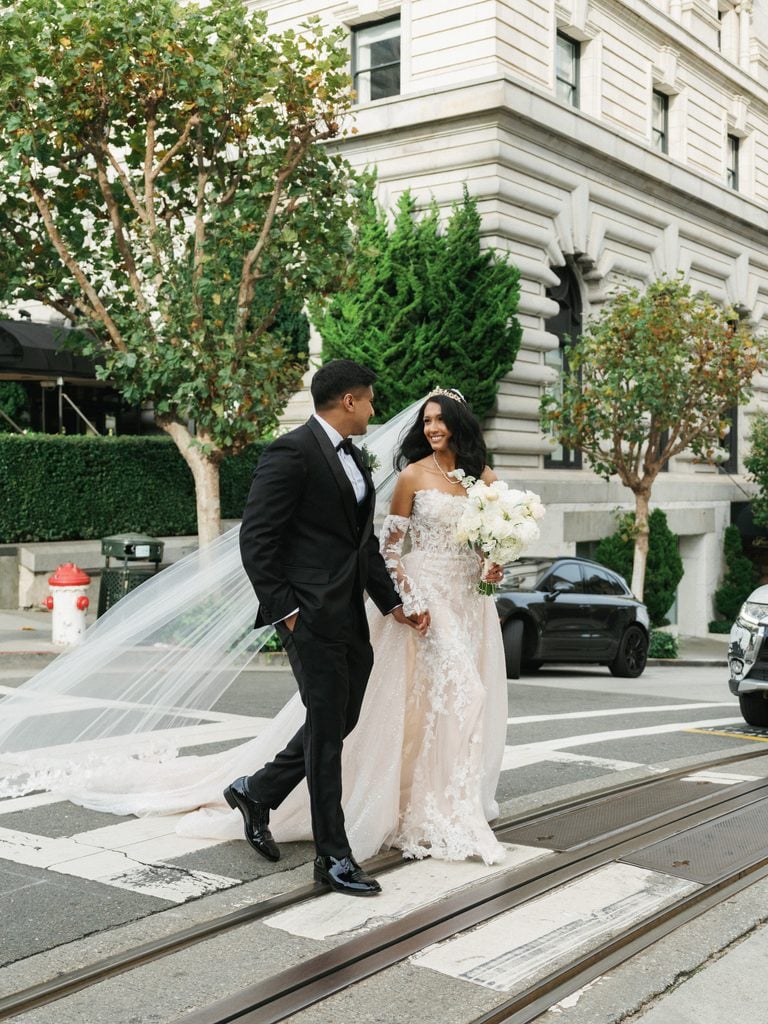
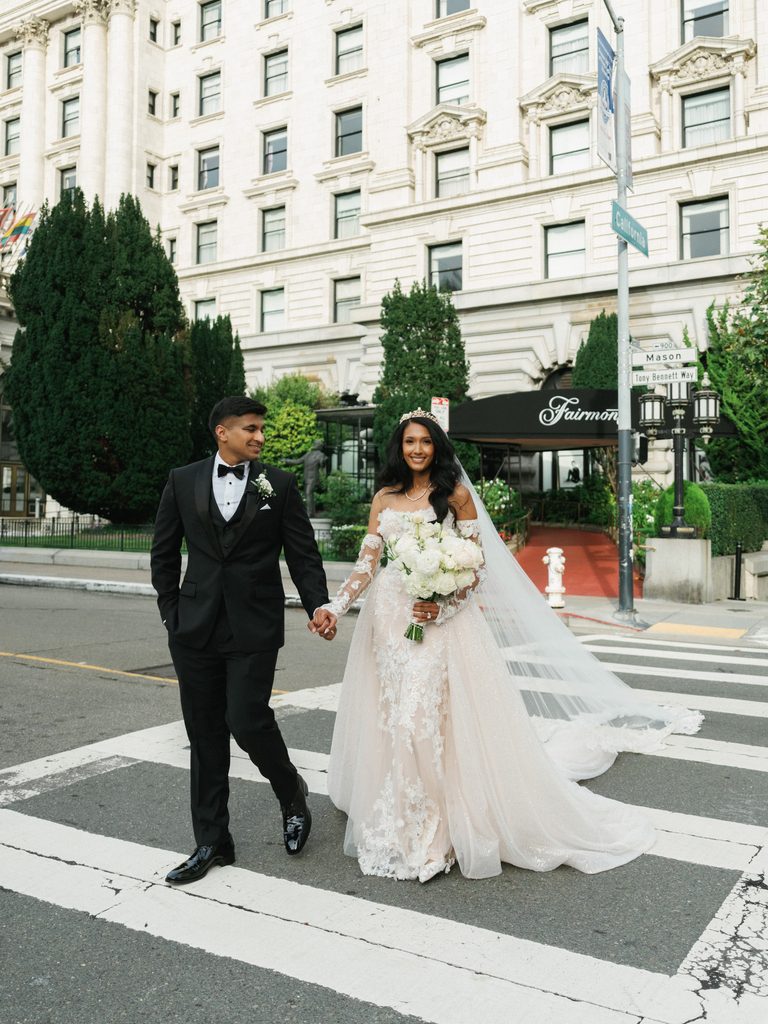
Resolution becomes particularly relevant when the photographs will appear in printed work. A couple planning an album, enlargement, or large wall print may want to ask which print sizes the delivered files can support and whether the studio has recommendations for larger formats. The appropriate resolution depends on the intended print size, so guidance from the studio can clarify whether the delivered files suit the couple’s planned use.
The delivery method should also be clear. A private online gallery may provide access to the finished files for viewing and download, with some studios offering additional download options or another form of file delivery. The agreement can specify how the photographs will arrive, whether the downloads contain the full-resolution files, and which format is included.
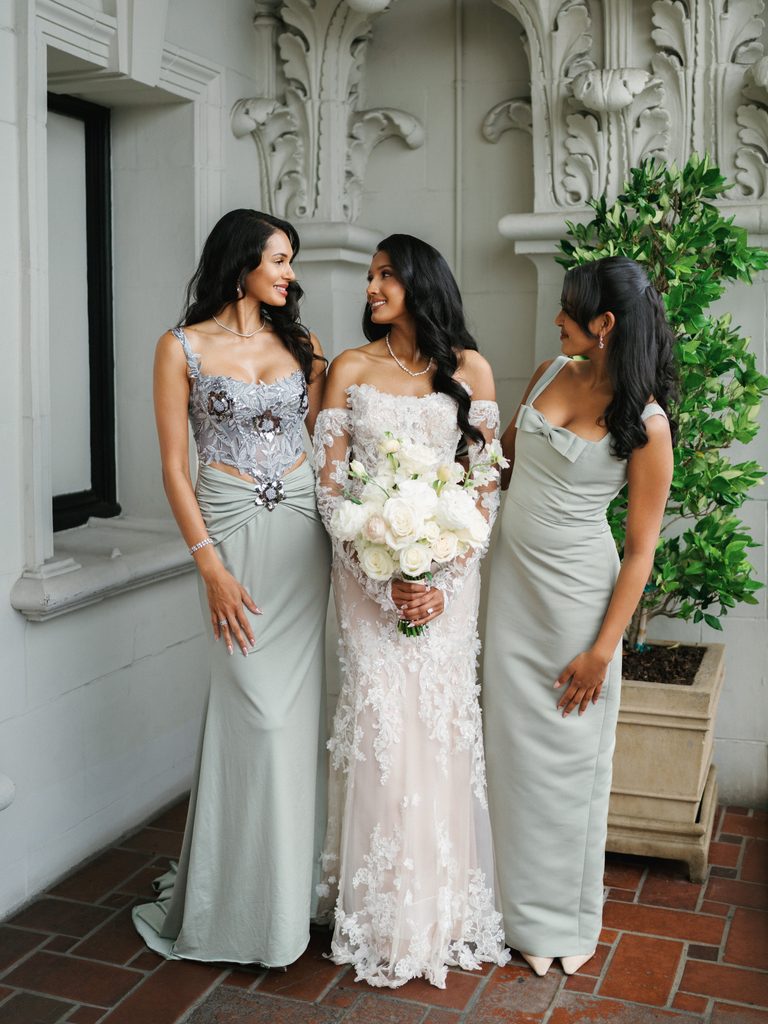
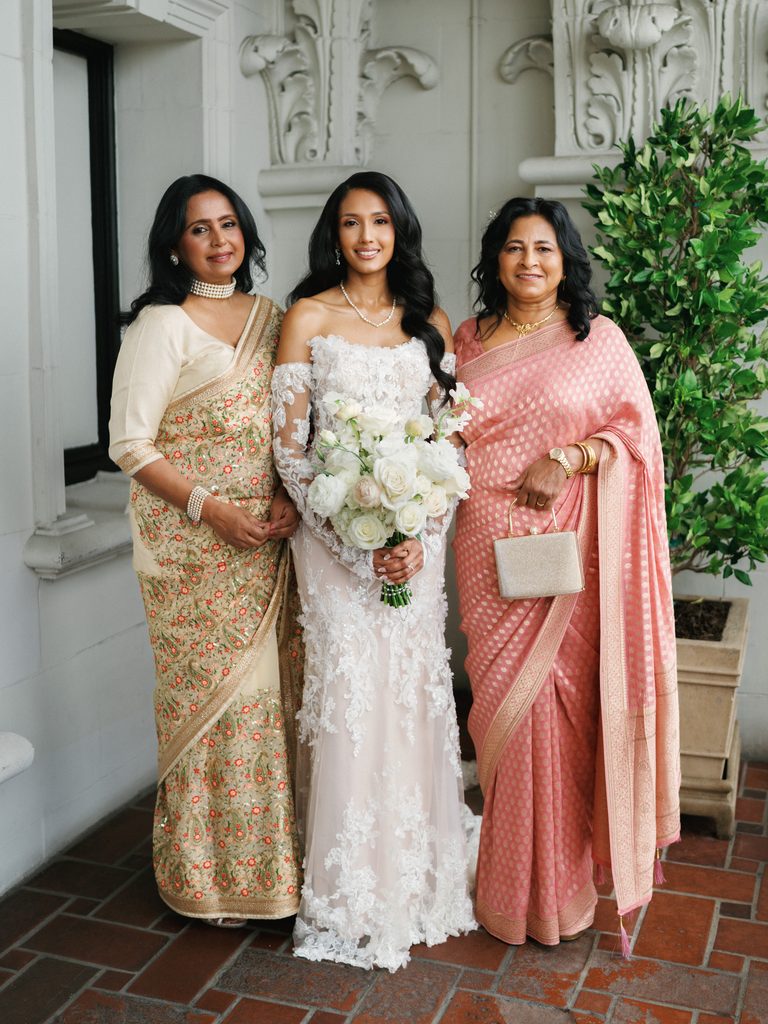
See Real Weddings in Our Gallery
Browse real celebrations photographed and filmed by Dreamwood across locations, cultures, venues, and styles.
The Ritz-Carlton, Dana Point, CA.
When RAW Files Are a Legitimate Request
A couple may already work with an editor whose approach they want to apply to selected photographs, or they may have a particular creative workflow that requires access to the original camera files. Commercial and editorial projects can involve similar arrangements when another creative professional needs to continue working with the images after the wedding.
Long-term archiving can be another reason to request the original files. Someone who understands RAW workflows may want to keep them as part of a personal archive alongside the finished gallery. It can be helpful to consider the storage space and software needed to keep the files accessible over time.
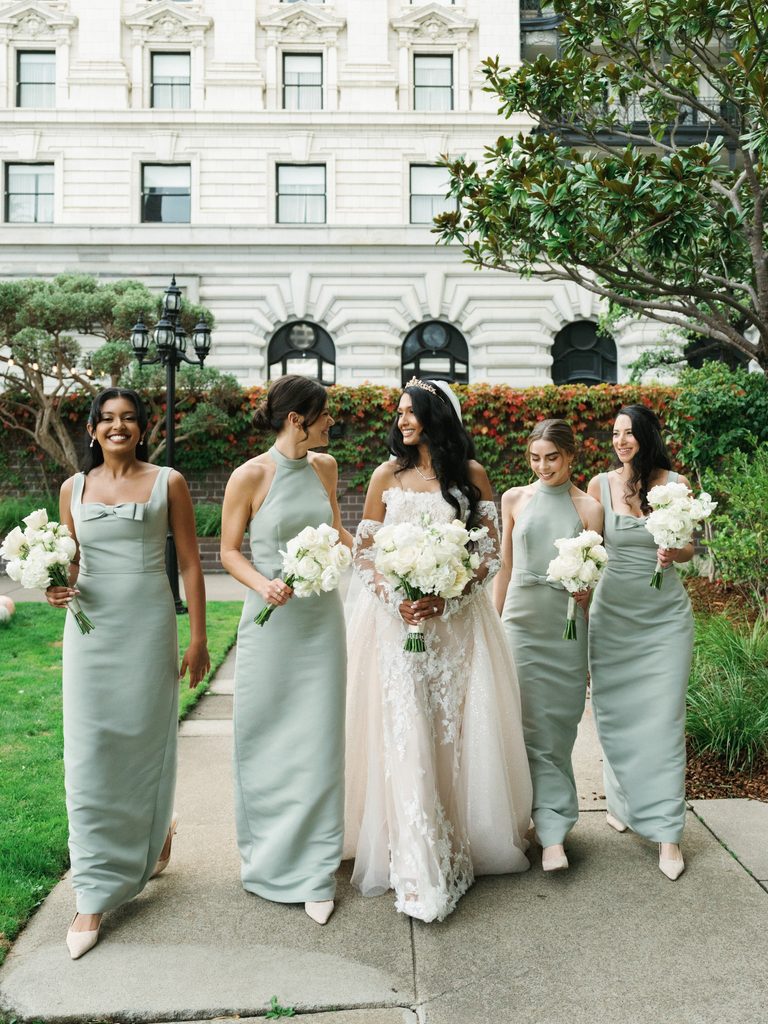
Some photographers and studios offer RAW files as a negotiated or paid addition. Others may offer them only in certain circumstances or keep them outside their standard deliverables. Asking about the possibility before booking gives the couple a clear idea of what the studio can provide and how the files would be delivered.
RAW access and image-use rights are also separate parts of the agreement. If a couple would like to make their own edits or use the photographs in a particular way, those details can be discussed with the photographer and included in the agreed terms.
Storage and Software Limits
Keeping RAW files takes considerably more storage space. Each original capture contains a large amount of camera data, and a wedding archive can grow quickly once those files are kept across primary storage and backup copies.
A couple considering RAW delivery may want to account for the space required on an external drive or cloud storage, particularly when the intention is to keep the files for many years. The storage question also matters for photographers and studios maintaining original captures from many weddings as part of their own archive.
Future access depends on software support too. RAW formats vary between camera manufacturers and models, and a file may rely on compatible software for full access. For long-term storage, knowing the specific formats included in the delivery can be useful, especially when original files are being kept for many years.
TIFF files serve a different purpose in some professional workflows. They can be useful for particular printing or production requirements, and some labs or creative professionals may request them for selected images.
TIFF supports different compression methods, so the format does not automatically mean that a file is uncompressed. A couple planning a specialized print can ask the studio whether TIFF files are available if the chosen printer or production process recommends them.
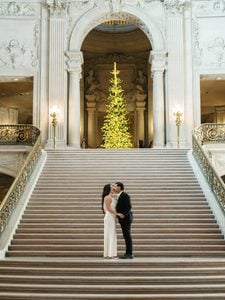
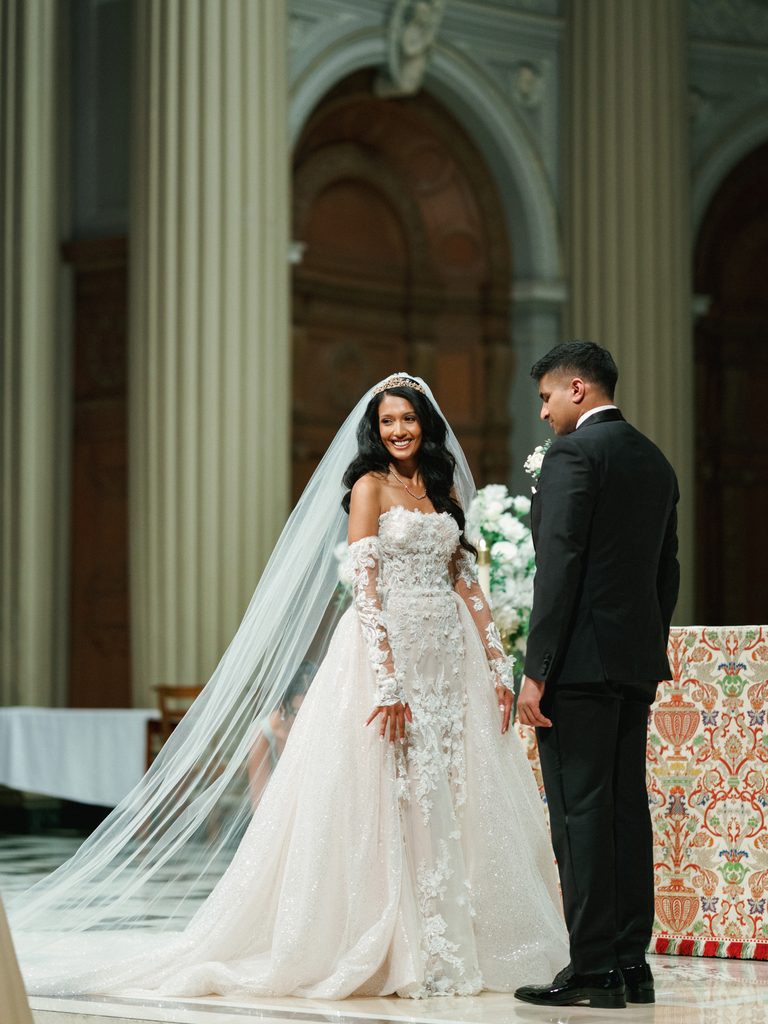
Saint Ignatius Church. Fairmont San Francisco, CA.
Questions Worth Asking Before Booking
Before booking, couples can ask the photographer to clarify exactly which files are included in the final delivery:
- What file format is included in the final gallery?
- Are the delivered photographs fully edited and color-corrected?
- Are the downloads high-resolution files suitable for professional printing?
- Are RAW files available, and if so, are they included or offered separately?
- Are there additional costs for RAW, TIFF, or other file formats?
- How are the final files delivered, and do the downloads contain the full-resolution versions?
- Are there any specific terms around personal editing of the delivered photographs?
The answers can then appear in the proposal, contract, or written deliverables description. A clear record of the file format, editing status, resolution, and any additional file options gives couples a concrete reference for what will arrive after the wedding.
FAQ
Are RAW files higher quality than edited JPEGs?
RAW files contain more original image data and give the photographer greater flexibility during post-production. An edited JPEG reflects the photographer’s decisions around exposure, color, contrast, tone, and cropping, so the finished file can look very different from the original camera file. The two formats serve different stages and purposes within the photographic process.
Can couples edit the photos they receive from their photographer?
The answer depends on the image-use terms in the photography agreement. Minor personal adjustments, such as cropping or preparing an image for a particular display, may be permitted. More substantial alterations can fall outside the agreed terms, so couples planning extensive personal edits can confirm the permitted use with the photographer or studio.
What files should a final wedding gallery include?
A typical final gallery contains edited, high-resolution JPEGs prepared for viewing, sharing, albums, and printing. The agreement or written deliverables description should identify the file format, editing status, resolution, and delivery method, so the expected final files remain clear from the start.
Why do so few photographers include RAW files as a standard option?
RAW files belong to the photographer’s capture and post-production process. They include the original camera files, including frames that may not appear in the final gallery, and require compatible software and additional storage. Wedding photography delivery usually centers on selected, edited photographs prepared for the couple’s intended use.
Is it reasonable to ask a photographer for RAW files anyway?
Yes. Couples may have a specific reason for requesting the original files, such as an independent editing workflow, a personal archival preference, or an editorial or commercial use. RAW delivery can be discussed with the photographer before booking, including whether an additional fee applies and which file formats and usage terms would accompany the delivery.