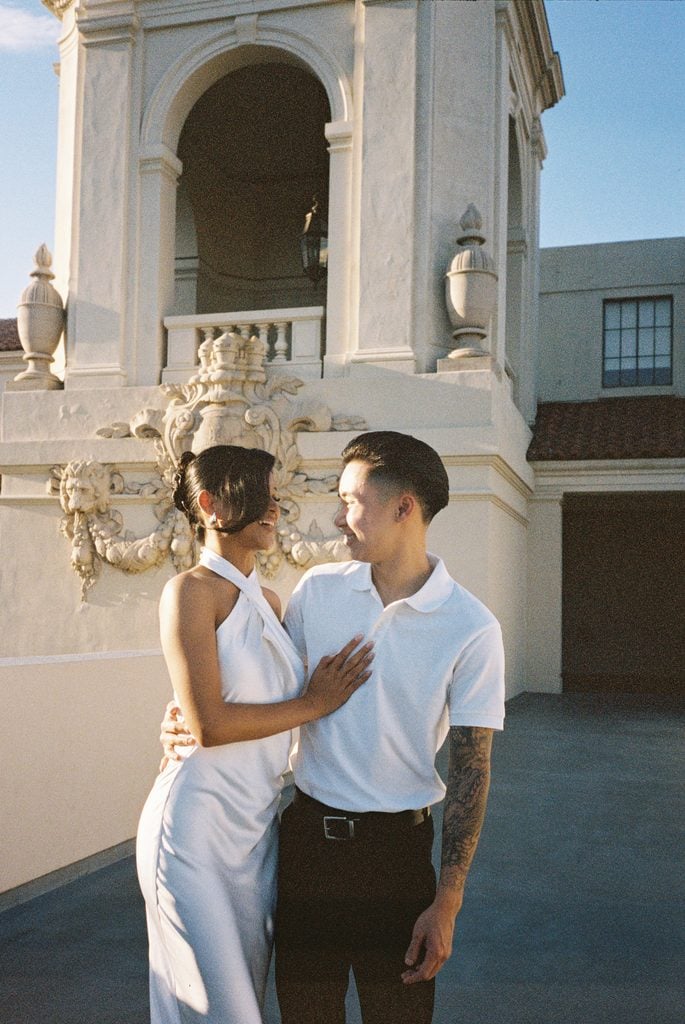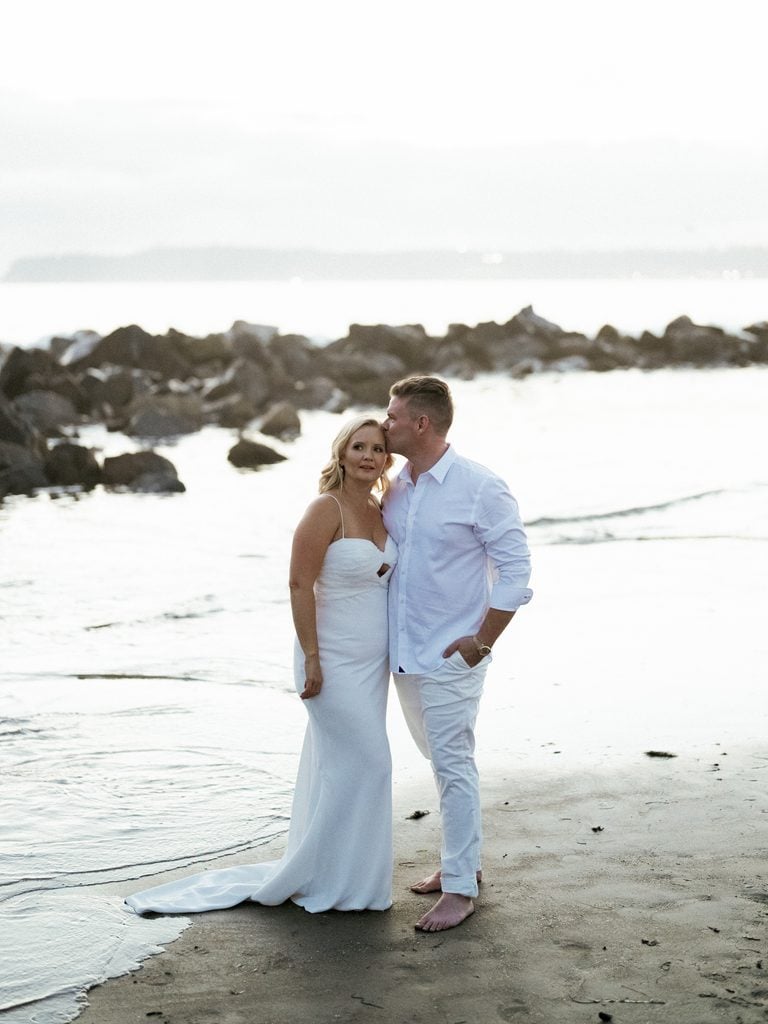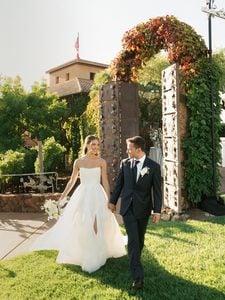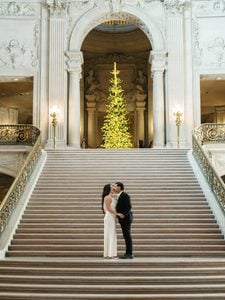
What Blue Hour Is
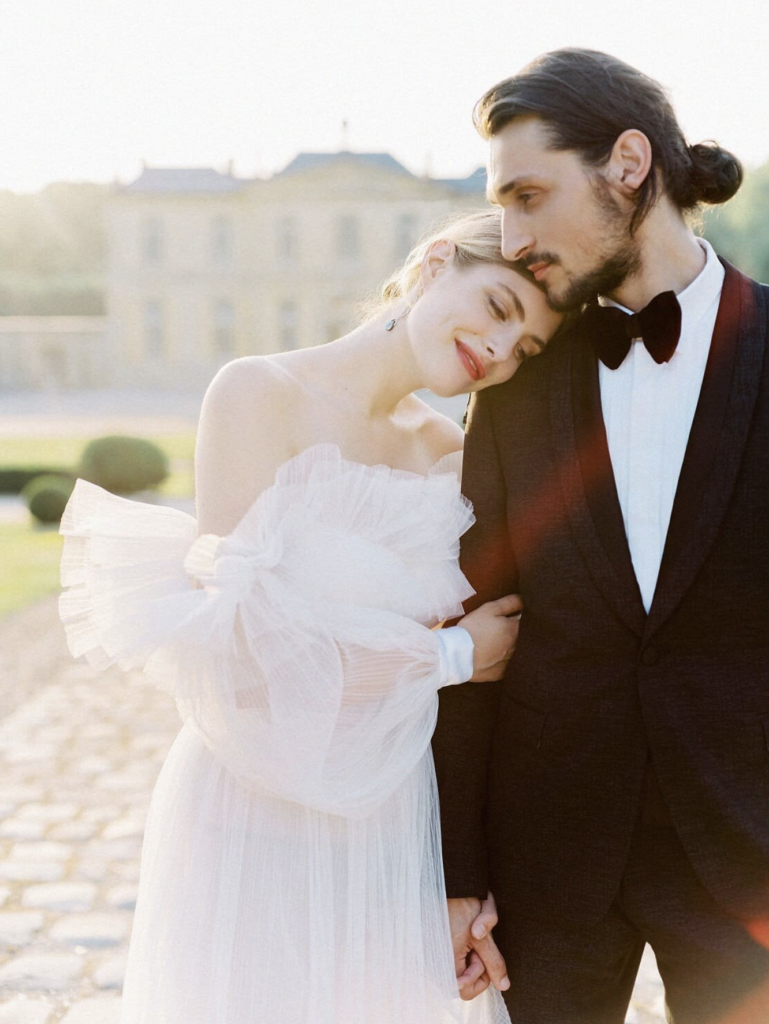
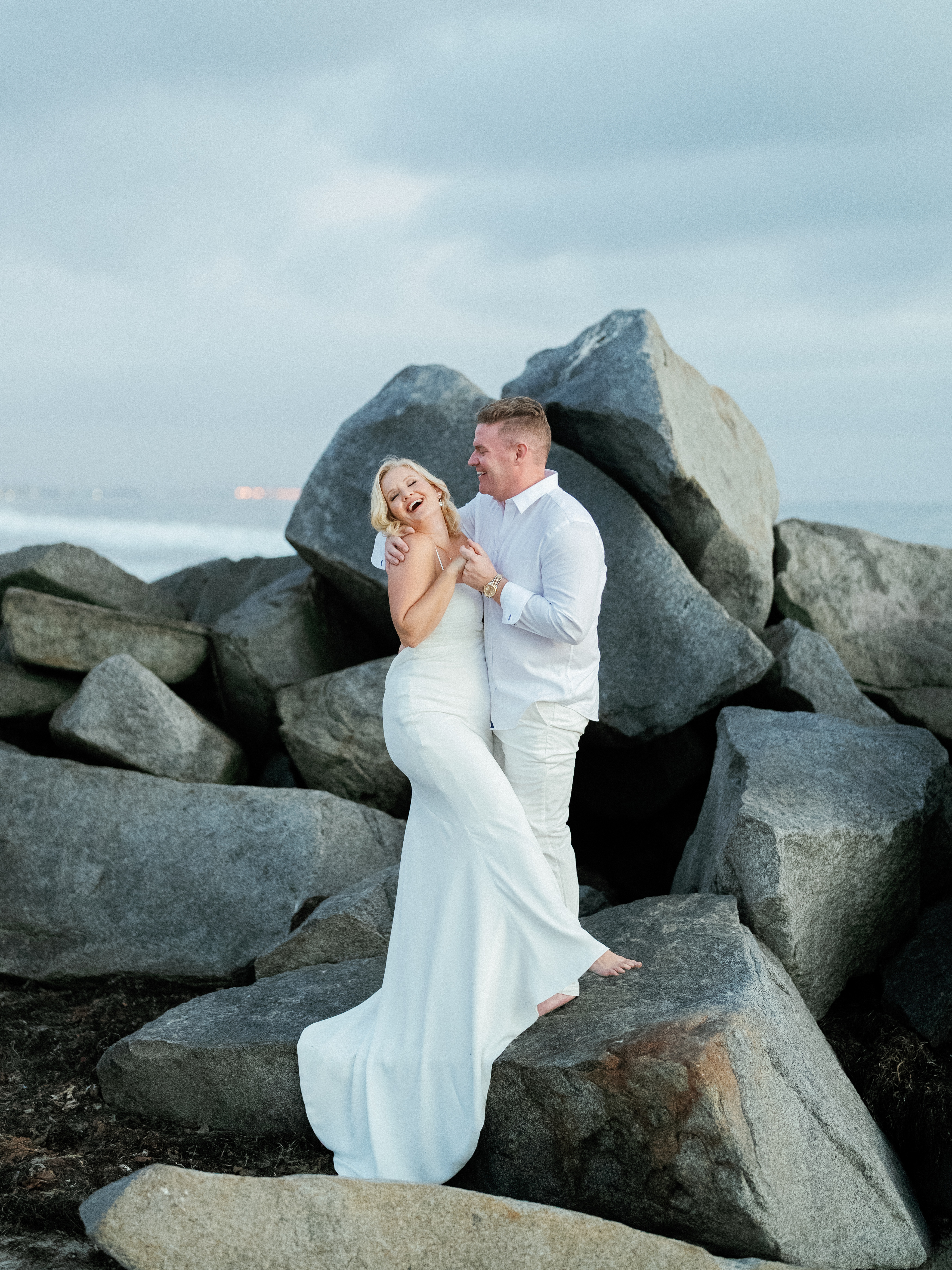
Blue hour refers to a stage of twilight that occurs both before sunrise and after sunset, when the sun sits below the horizon and the remaining natural light takes on a cooler blue quality. In wedding photography, the term usually refers to the evening window after sunset, when the sky still holds ambient light as the reception and other evening events begin.
It follows the warmer tones associated with sunset and golden hour. Golden hour works with low sunlight that remains visible and directional, while blue hour takes place after the sun has dropped below the horizon and the available natural light becomes softer and more diffuse.
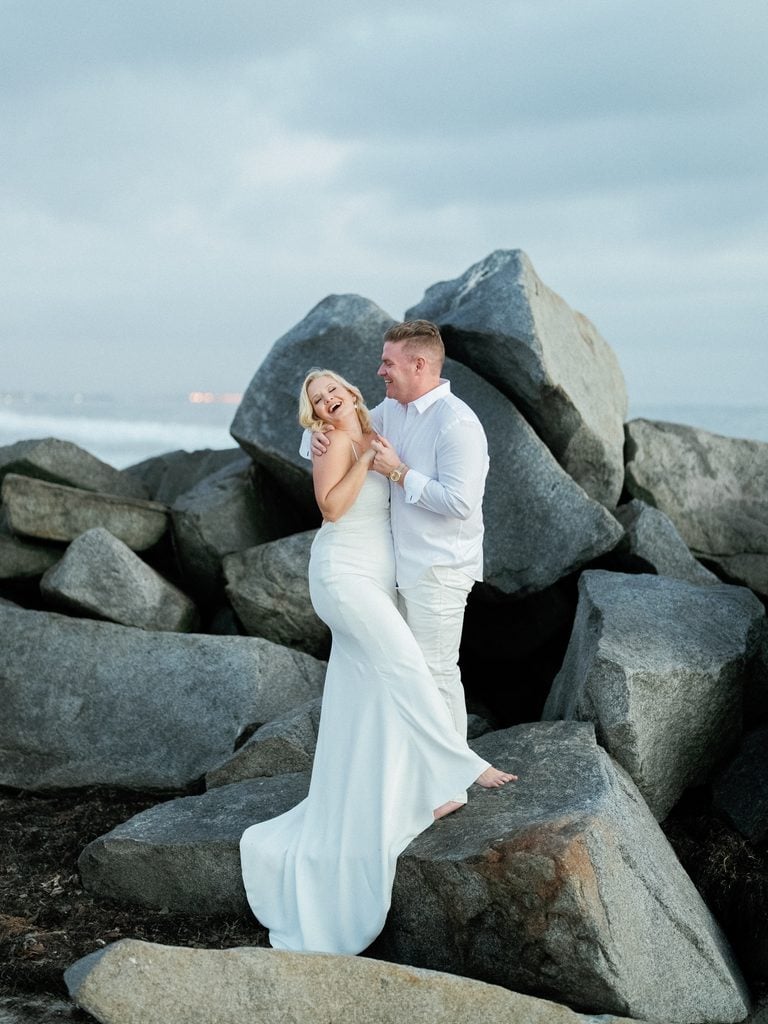
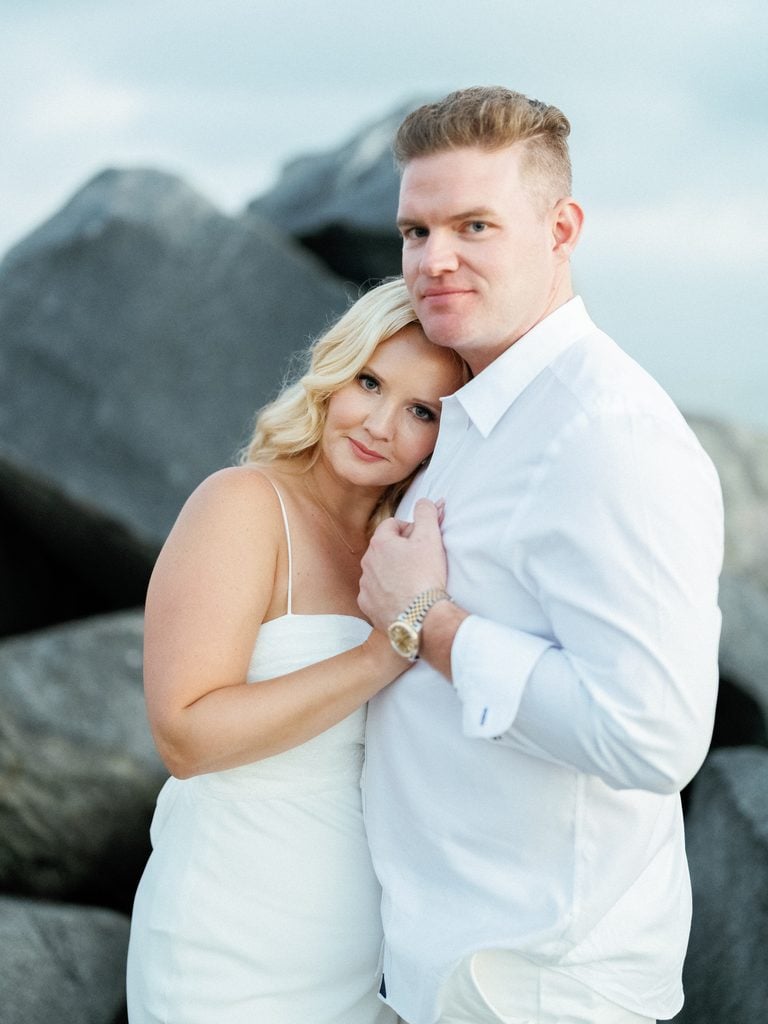
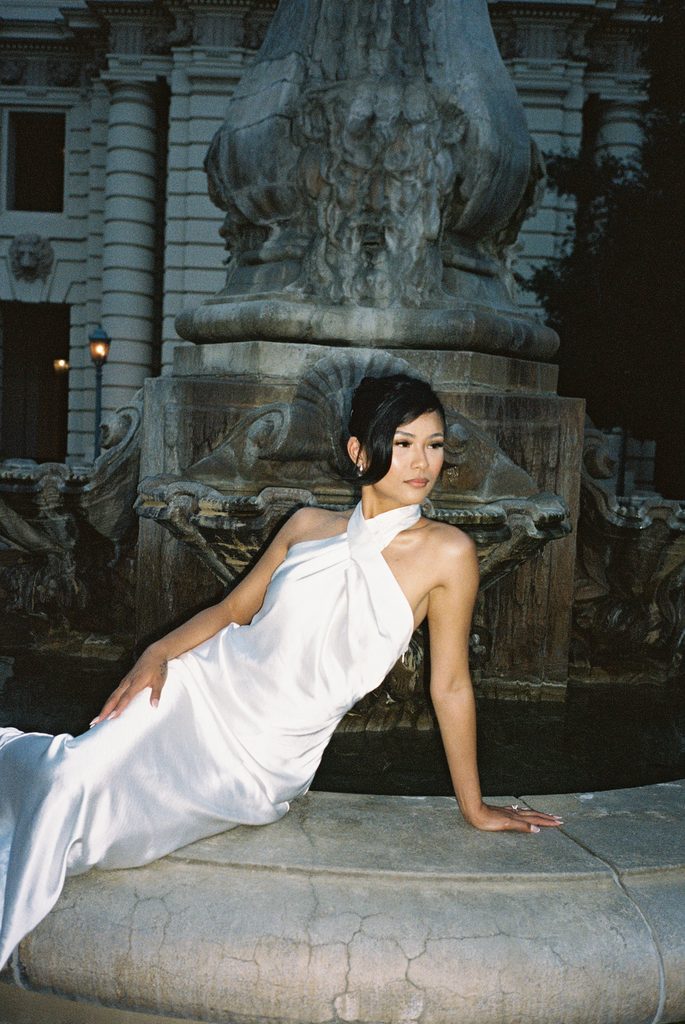
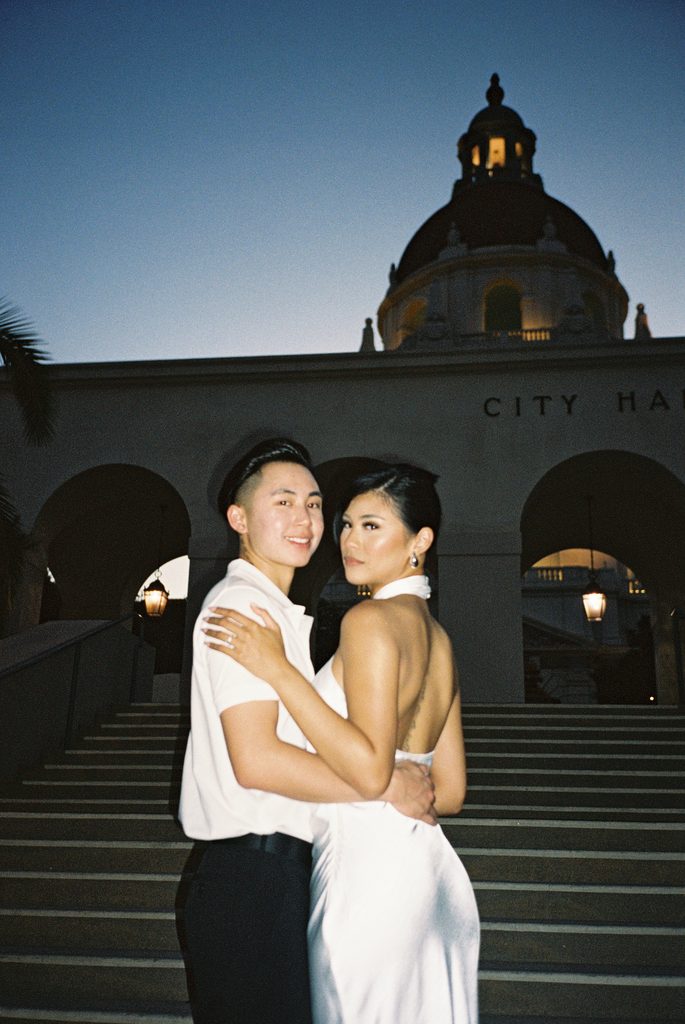
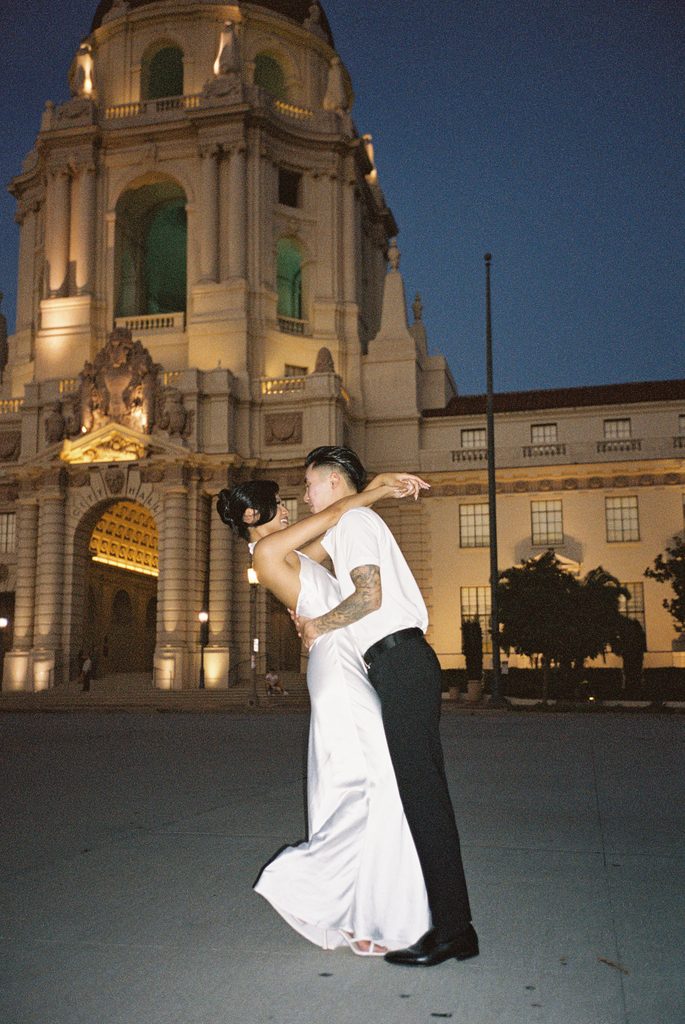
As the ambient light decreases, the relationship between the sky and artificial light at the venue also changes. String lights, café bulbs, illuminated windows, building facades, streetlights, and city signage can begin to register as warm points of light against the cooler sky.
For wedding photography, the evening blue-hour window can be useful when the venue, architecture, city lights, or surrounding landscape have something to contribute to the frame.
Timing by Place and Date
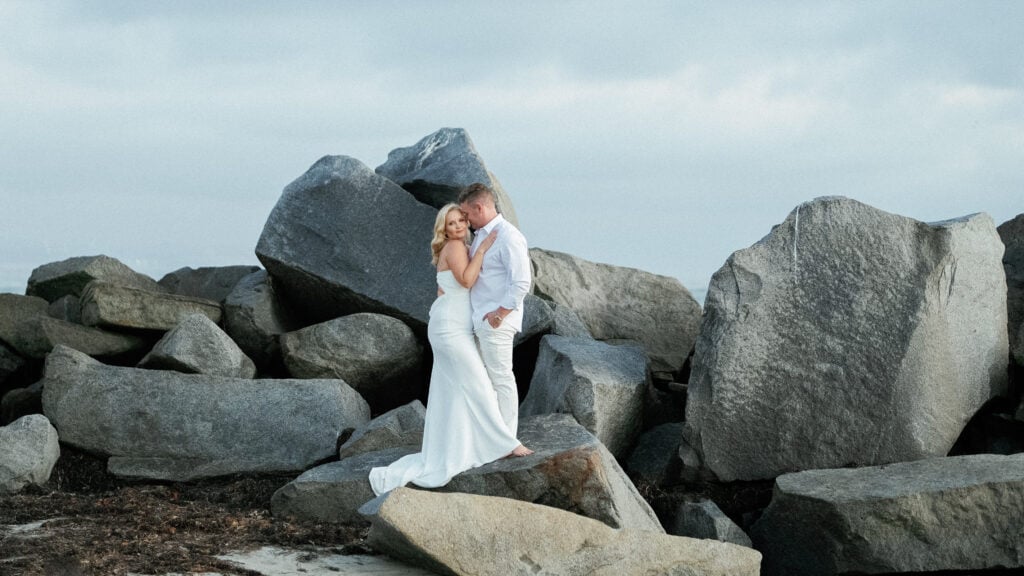
The evening blue-hour window shifts with the date and location. Latitude, season, and the position of the venue influence how quickly the light changes after sunset, so the portrait plan needs to follow the actual evening conditions at the wedding location. A general estimate can help during the early planning stages, but the final timing comes from the sunset and twilight times for the specific date and place.
For a short blue-hour session, the photographer can work from that timing backward. The couple may need several minutes to leave the reception, reach the planned portrait position, and settle into the first photograph before the sky reaches the intended quality of light. A 10 to 25 minute session can fit naturally into the evening when the location, route, and camera position have already been considered in the timeline.
The timing can also be refined closer to the wedding date, when the exact venue and portrait position are confirmed. This gives the photography team a clear window for the session and a realistic point for returning the couple to the reception.
Scenes That Work Well During Blue Hour
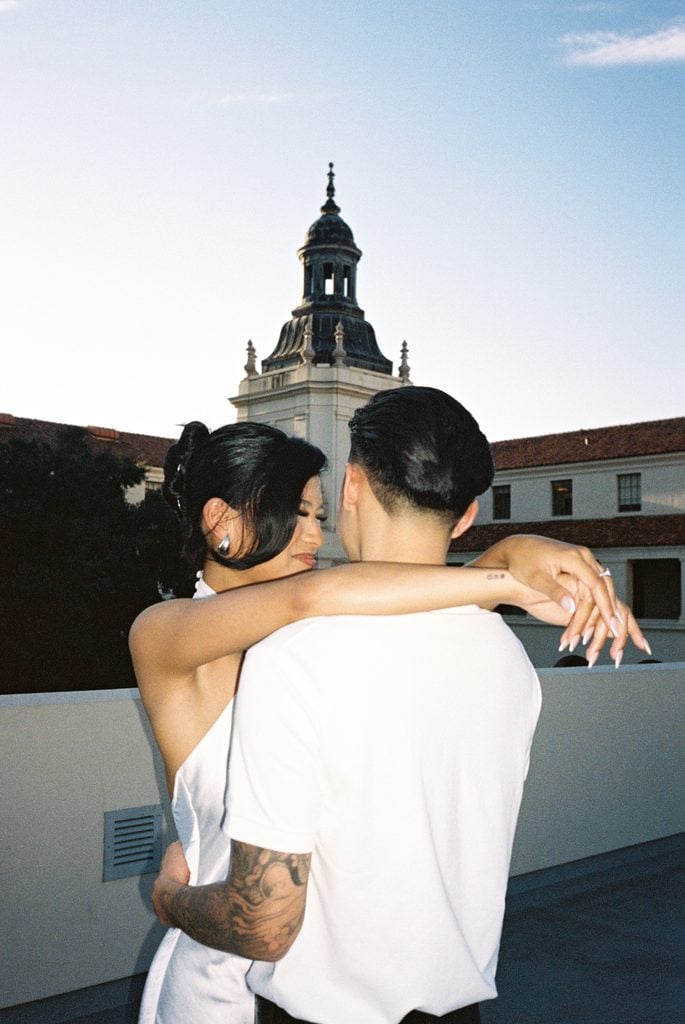
Blue hour works naturally with places where the remaining sky and artificial light can share the frame.
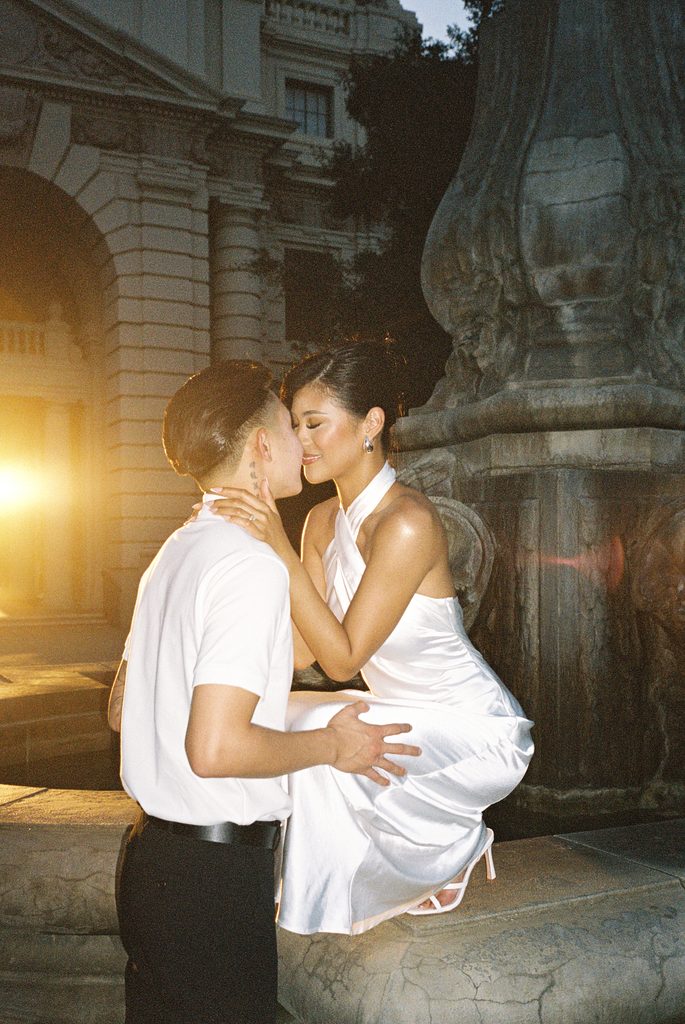
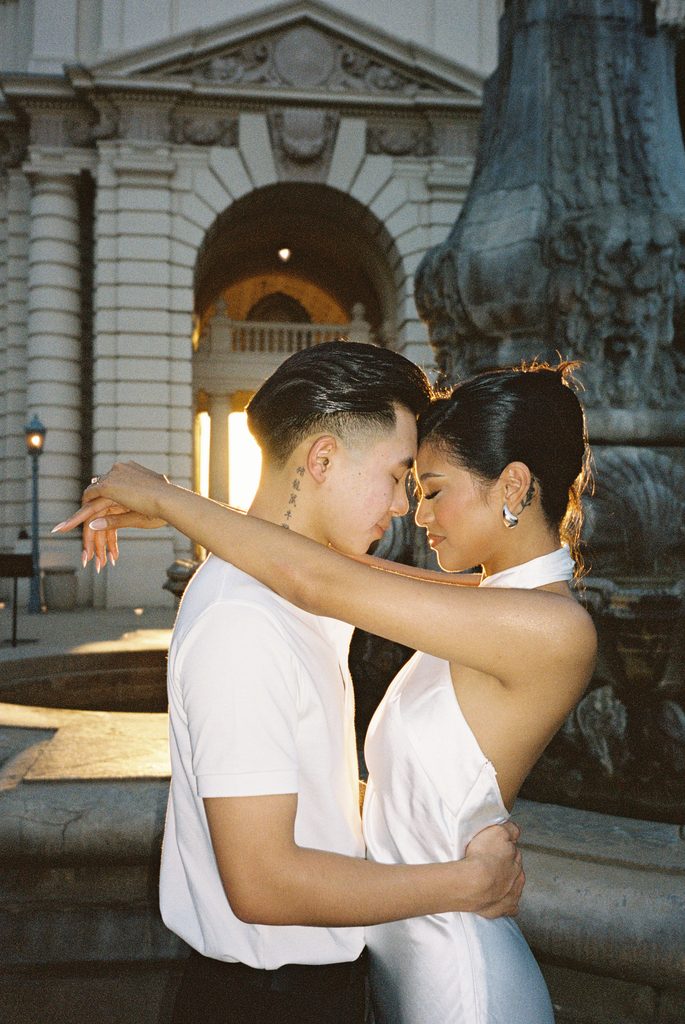
A lit building facade, city skyline, terrace with string lights, hotel entrance, illuminated pathway, or distinctive architectural feature can keep the evening setting visible around the couple. Warm practical lights against the cooler ambient sky add another layer to the composition and give the surroundings a clear role in the photograph.
Couple portraits suit this setting when the venue or location has architectural details, lights, reflections, or landscape elements that can become part of the frame. Reflections, architecture, city lights, surrounding landscape, or a view across the property can carry part of the image, with the couple photographed within that evening environment. The resulting photographs can feel distinct from earlier portraits because the visual setting has shifted with the light.
The window can also suit a brief pause away from the reception. A couple may step outside after formal portraits, leave the room before dinner, or take a few minutes alone during the evening. These moments need little staging and can bring a quieter sequence into the wedding gallery.
For group photographs, larger combinations need careful positioning once ambient light drops, and additional lighting may need to be prepared before everyone is brought into place. Blue hour often works better for a short couple-focused sequence or a small group photograph than for a long list of formal combinations.
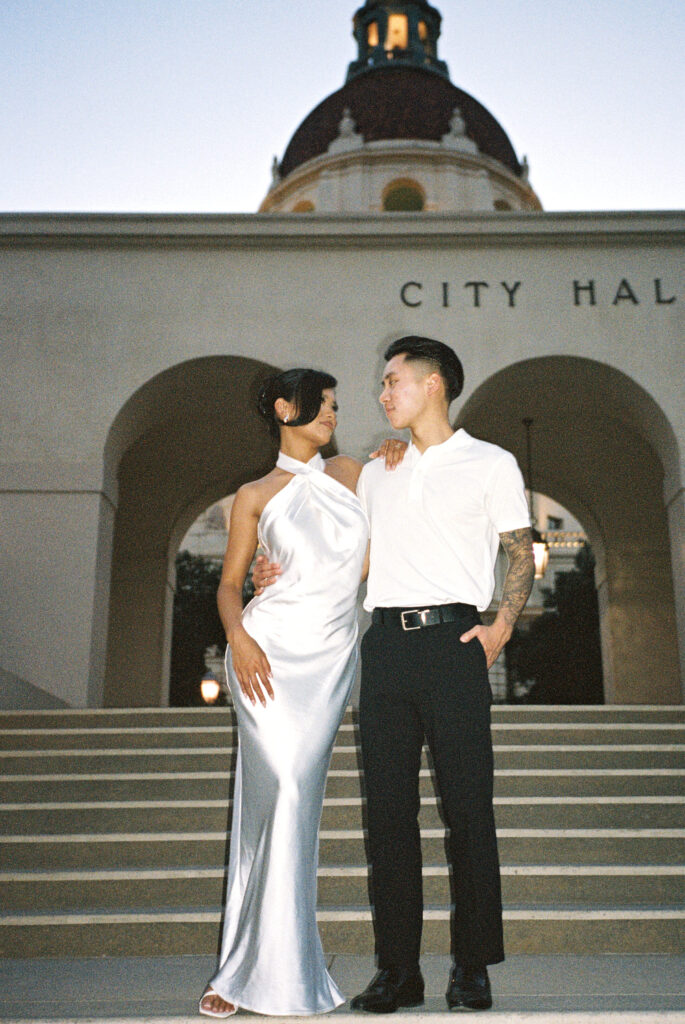
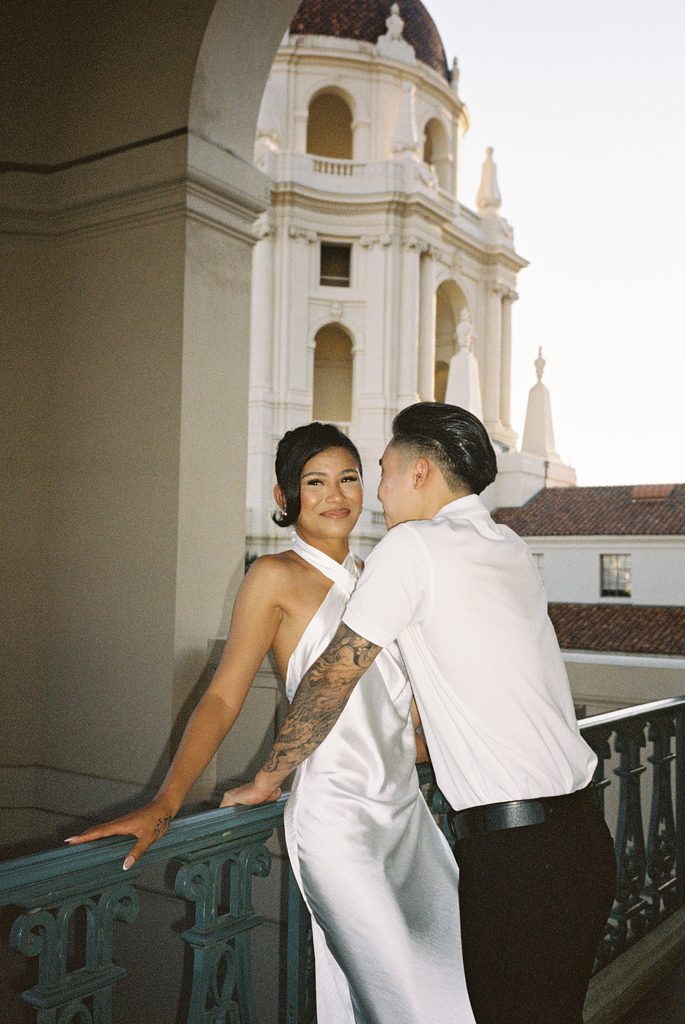
Expert Note
Blue hour can bring a different visual character to familiar parts of a venue compared with daylight. A hotel entrance, city street, terrace, or architectural passage may take on a different atmosphere once windows, signage, pathway lights, and the evening sky enter the frame. Including one of these locations in the planned sequence can add a sense of place to the wedding gallery without requiring a separate portrait location.
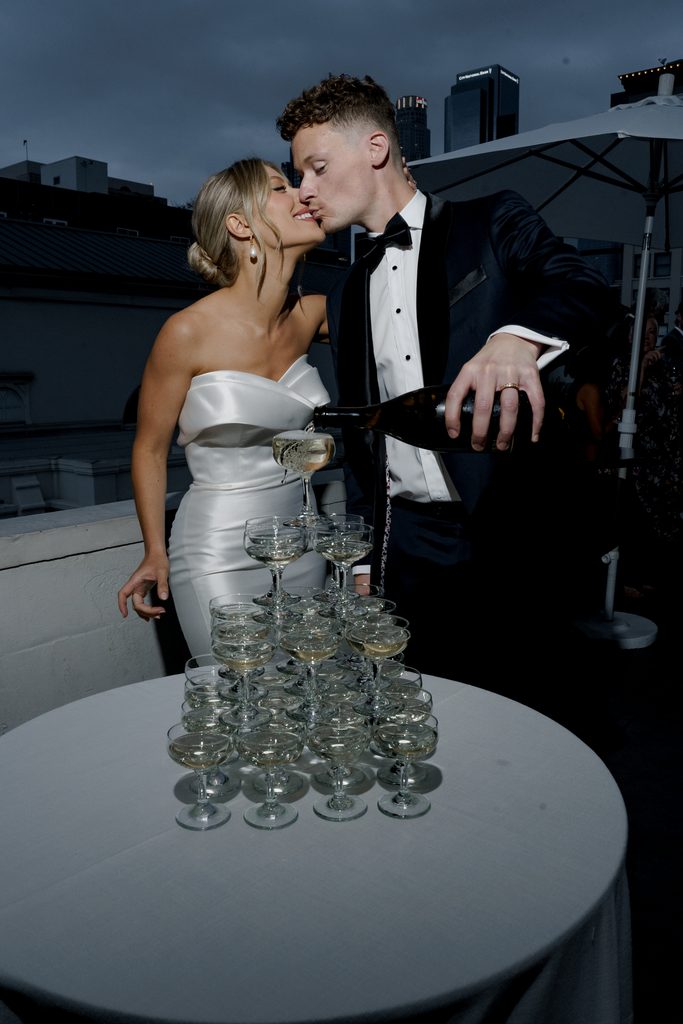
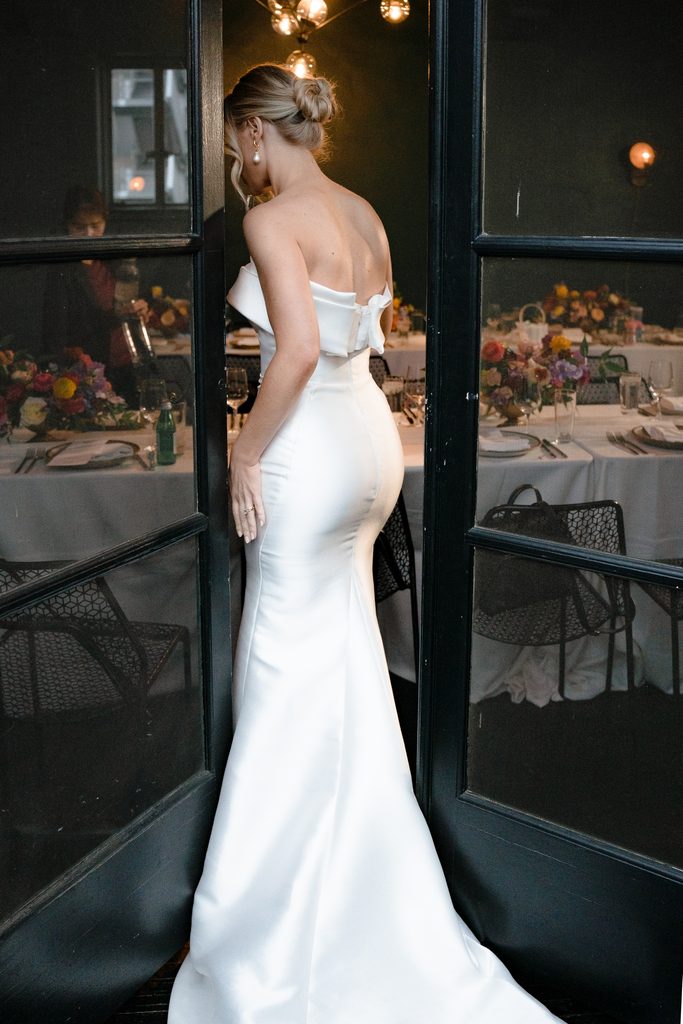
Preparation and Lighting
The photographer can identify the shooting position in advance, check the direction of the sky, and establish how the couple will reach the location before the evening session begins. A rooftop, terrace, courtyard, hotel entrance, or nearby city street may require a different approach to framing and movement once ambient light starts to fall. The camera setup can then be prepared around the location before the couple arrives, with any additional lighting positioned in advance so the short session stays focused on the photographs.
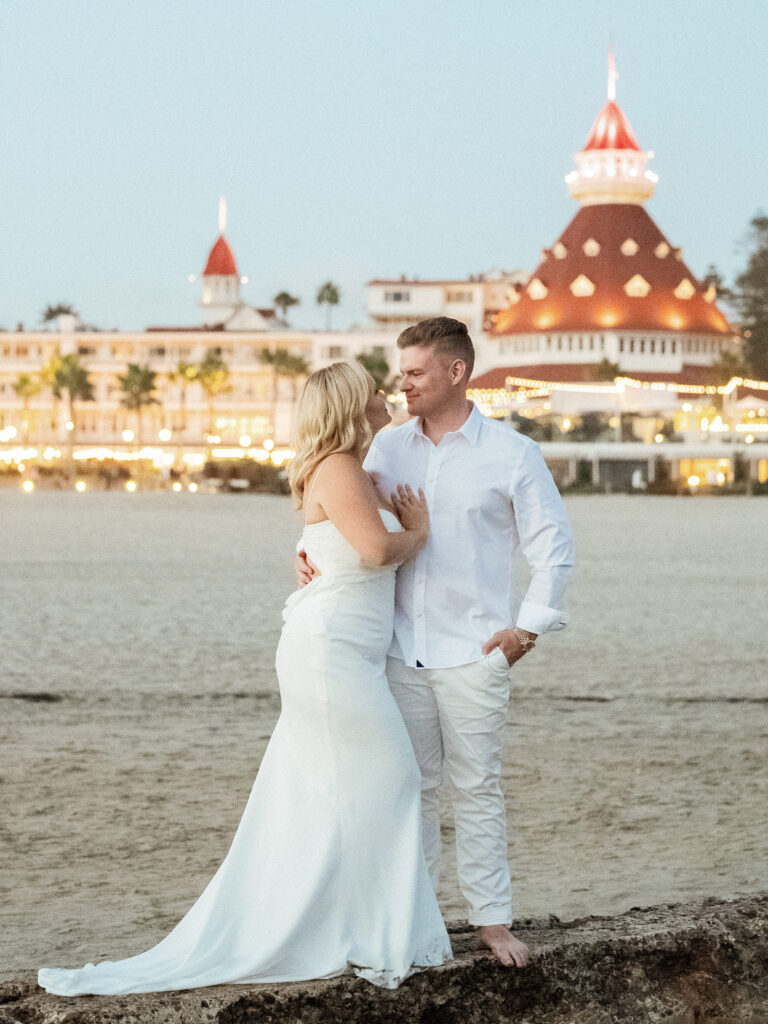
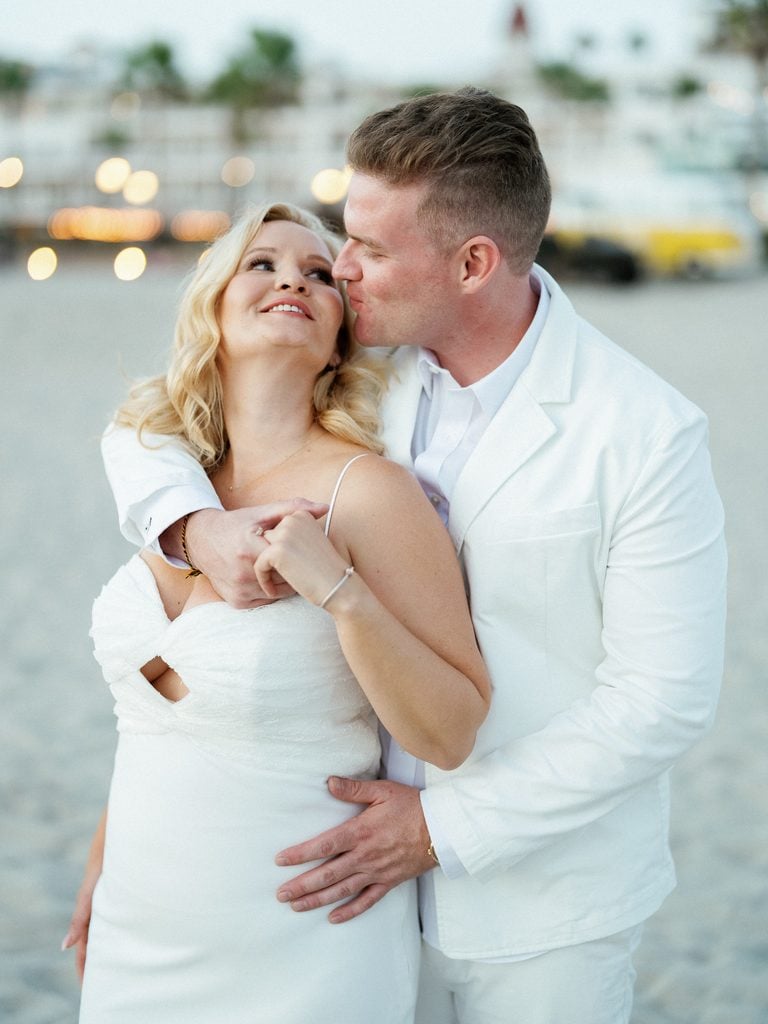
Weather can alter the appearance of the sky during the session. Low cloud near the horizon may soften the transition and reduce the visible blue, while higher cloud can retain color and texture in a different way. Clear skies bring another set of conditions, with the remaining ambient light and surrounding artificial illumination registering more distinctly. The final appearance depends on the atmospheric conditions at the venue that evening, so the photographer works with the light available on the day instead of planning around one guaranteed sky.
Fitting Blue Hour Into the Timeline
A 10 to 25 minute blue-hour session can fit naturally into the wedding day when it sits between moments that already create a pause. The transition between formal portraits and dinner may offer a suitable opening, as can a short break after dinner or between reception events. Leaving during a reception entrance, speech, first dance, or another moment centered on the couple can pull attention away from the celebration, so the timing needs to follow the rhythm of the evening.
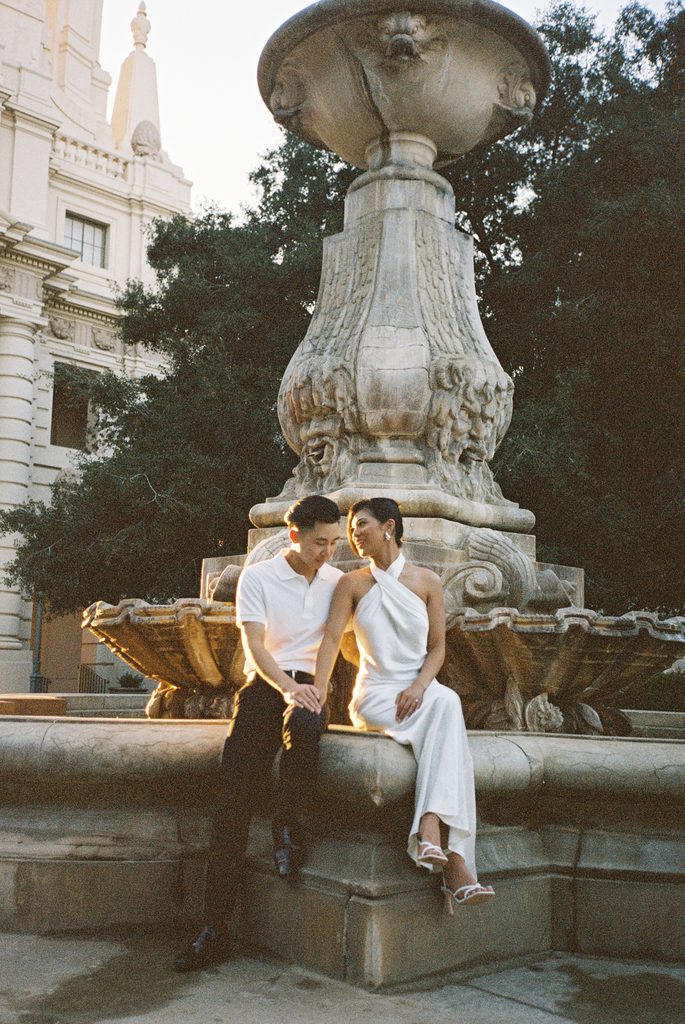
The photographer can coordinate the blue-hour plan with the planner or coordinator, taking the location, route, reception schedule, and other timed events into account. The couple can then step away for the planned sequence, with the photography team and coordinator already aware of where the session takes place and when the couple is expected back.
See Real Weddings in Our Gallery
Browse real celebrations photographed and filmed by Dreamwood across locations, cultures, venues, and styles.
The Ritz-Carlton, Dana Point, CA.
When to Skip Blue Hour
Blue hour is an optional part of the wedding photography timeline. It has real value when the couple wants photographs in that evening setting and enjoys the combination of twilight, surrounding lights, and the atmosphere of the chosen location. If that style does not appeal to the couple, there is no reason to build a separate session into the reception.
The timing may also fall during dinner, speeches, a reception entrance, or another part of the evening where the couple wants to remain with guests. Weather can change the appearance of the sky, and a particular venue may look more interesting in daylight or under its evening lighting. Cloud, haze, rain, and surrounding city light can all affect the color and contrast available for the photographs.
The photographer can discuss the date, venue, and reception schedule with the planner or coordinator and decide whether the window fits naturally into the evening. If the conditions change, the location proves less suitable, or the blue-hour window passes unexpectedly, the photography team can shift to another part of the venue, another moment, or another lighting situation and continue building the gallery around what the wedding offers that evening.
FAQ
Is blue hour after sunset?
Yes. Evening blue hour refers to a later stage of twilight after sunset, when the sun has moved below the horizon and the remaining natural light takes on a cooler blue quality. A morning blue hour also occurs before sunrise, although that window rarely fits a wedding-day timeline.
How long does blue hour last?
There is no single fixed duration because blue hour is a photographic term rather than an official astronomical interval. Its length changes with latitude and season. For wedding photography, the practical portrait session is often much shorter, with 10 to 25 minutes enough for a focused sequence when the location and lighting are prepared in advance.
Is blue hour photography possible on cloudy days?
Yes. Cloud cover changes the appearance of the sky and can soften or reduce the visible blue. Higher or thinner cloud can retain color and texture, while low, dense cloud may produce a flatter twilight background. The resulting photographs depend on the actual conditions at the venue that evening.
Does a blue-hour session replace golden-hour portraits?
No. Golden hour and blue hour use different stages of the evening light. Golden hour works with warm, directional sunlight around sunset, while blue hour takes place later, after the sun has moved below the horizon. A wedding can use one, the other, or both as separate short portrait windows.
Can blue hour work in a city?
Yes. City environments can suit blue hour naturally because illuminated buildings, windows, streetlights, and other artificial sources remain visible against the darker sky. The result depends on the view from the portrait location and the balance between the surrounding artificial light and the remaining ambient light.
How far in advance should a blue-hour plan be set?
The location and general plan can be discussed well before the wedding, with the exact timing confirmed closer to the date using the wedding venue and calendar date. The photographer can then identify the usable window and place it around the ceremony, reception, and other evening events.