What a Second Photographer Actually Changes
A second photographer changes how many parts of the wedding can be documented at the same time. One photographer can be physically present in one place and work from one position at a given moment. A second photographer can stay elsewhere, following another reaction, interaction, or part of the same event. During a processional, for example, one photographer may follow the person walking toward the ceremony while the other stays with the person waiting at the front. During the vows, one can remain focused on the couple while the other watches the parents and close family.
Guest count does not tell the whole story. A large reception in one room can keep the day’s activity within a fairly compact area, with the photographer able to move through the space as the evening progresses. A smaller wedding can place preparations, portraits, ceremony, and reception activity in different parts of a property or at different locations, with important moments taking place at the same time. The timeline and venue layout show where those situations occur.
When two photographers are booked, the studio may designate one as the lead photographer and the other as the second photographer. These titles describe how the photographers divide responsibility during the wedding.
The lead photographer often coordinates the overall visual approach, timeline, key portraits, and communication with the couple, while the second photographer works from a complementary position and covers assigned parts of the day. The second photographer may be an experienced professional with their own established approach to weddings, and the title refers to their role within this particular team. The exact division varies between studios, and some teams use different titles or structure the roles more collaboratively.
The second photographer may work closely alongside the lead for much of the day, then separate to cover another location or part of the timeline when simultaneous coverage calls for it. In other arrangements, the second photographer may have a defined area of responsibility from the beginning. Couples can ask who will handle the main portraits and family photographs, how simultaneous coverage will be divided, and how both photographers’ images will be brought together in the final gallery.
Simultaneous Locations
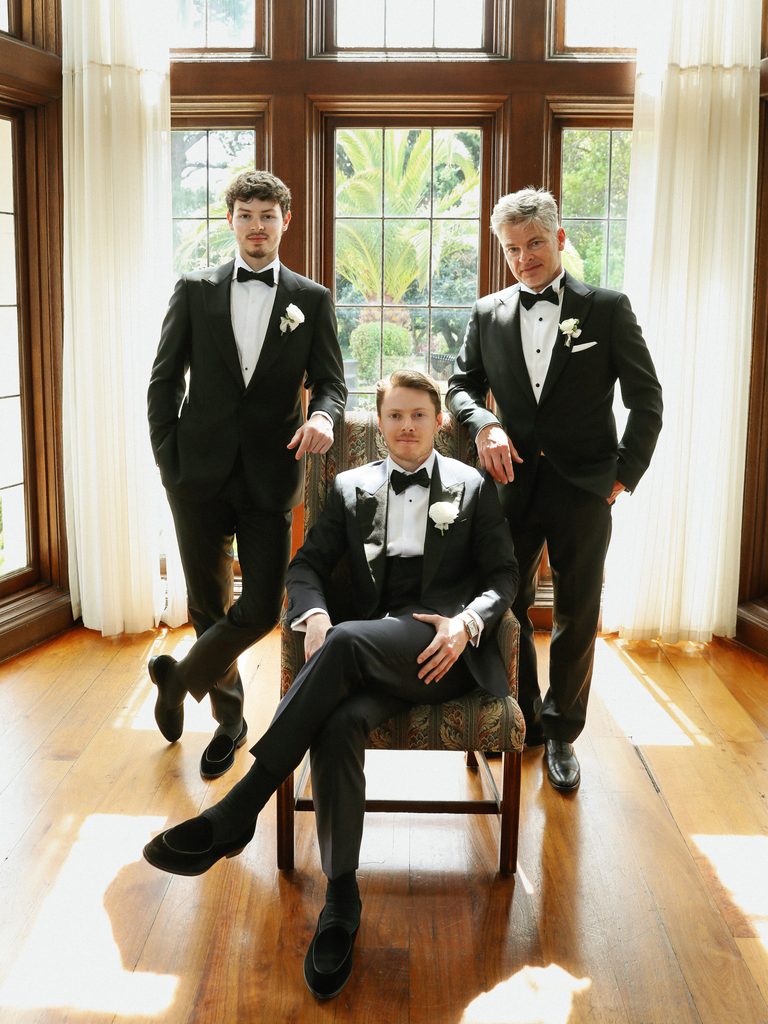
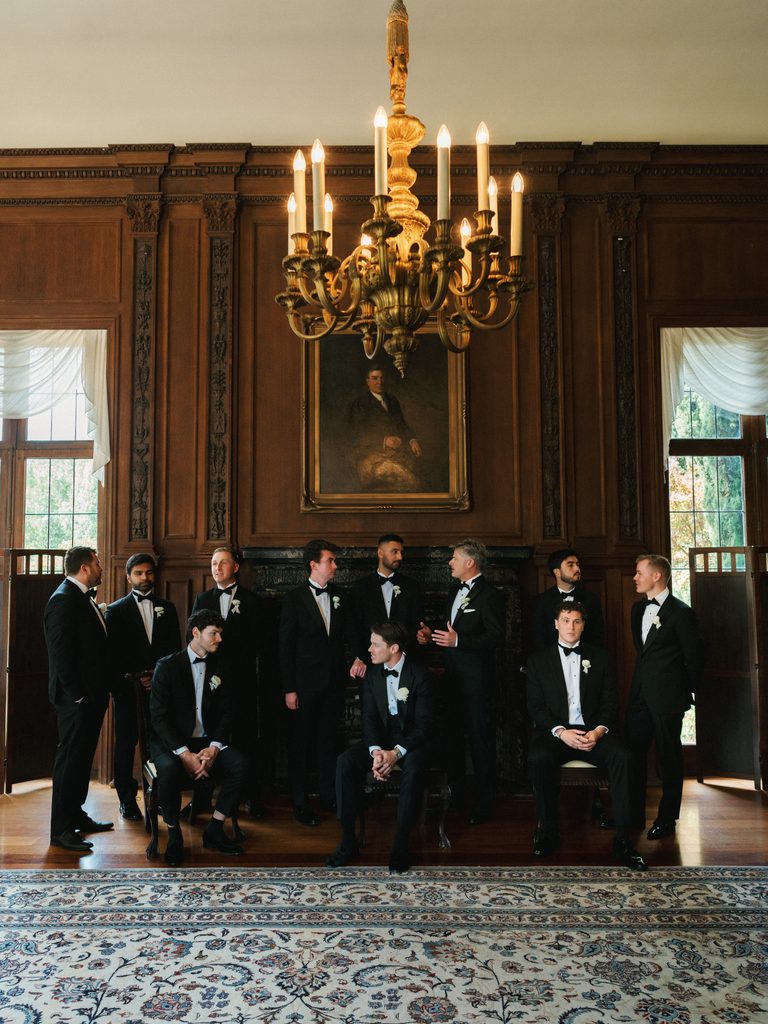
Many couples prepare in separate rooms, separate floors, or separate buildings at the same time. One photographer can stay with one part of the preparations, focusing on the details, family interactions, and quieter moments happening there. A second photographer can follow what is happening with the other partner, giving both sides of the morning their own photographic presence.
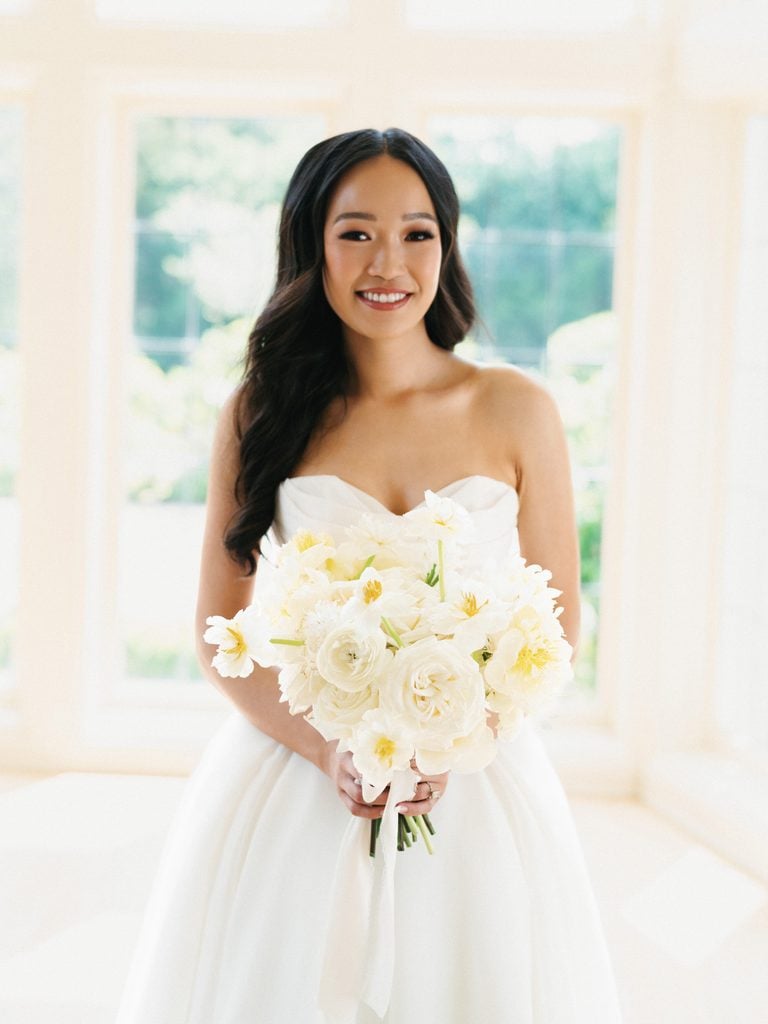
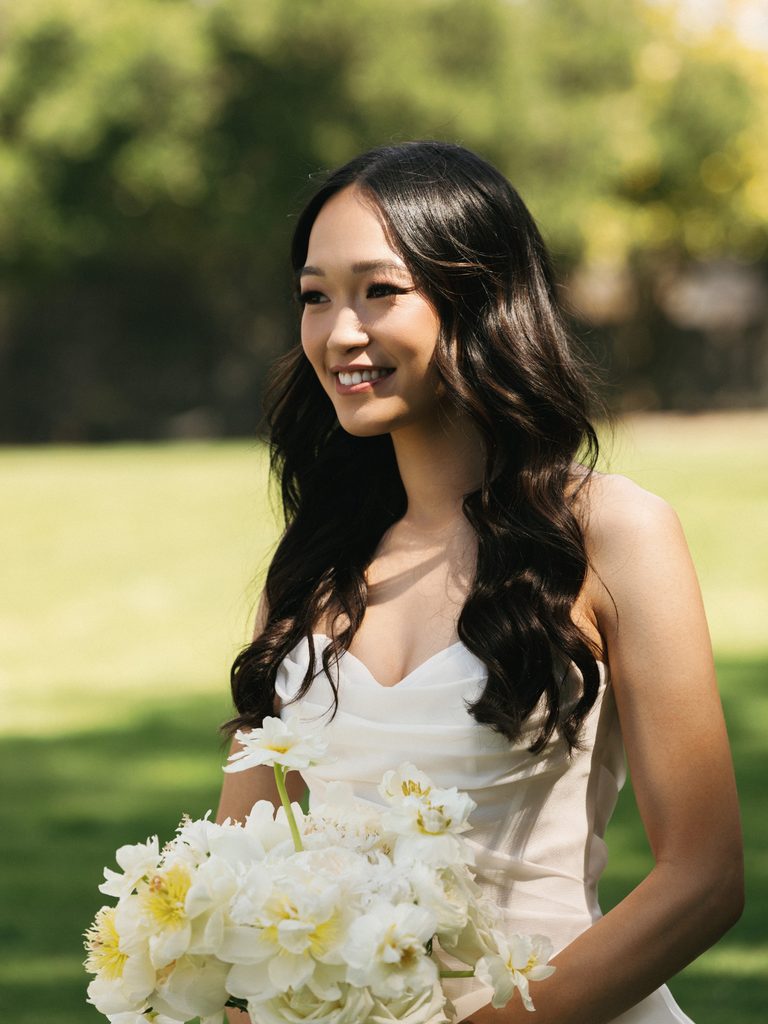
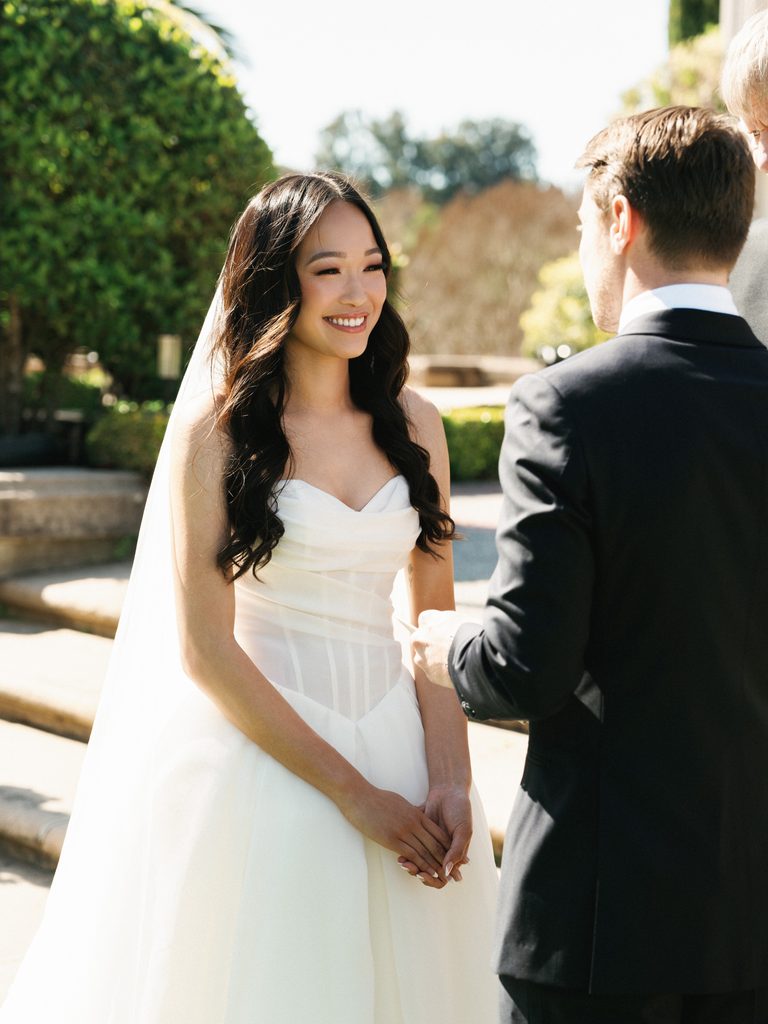
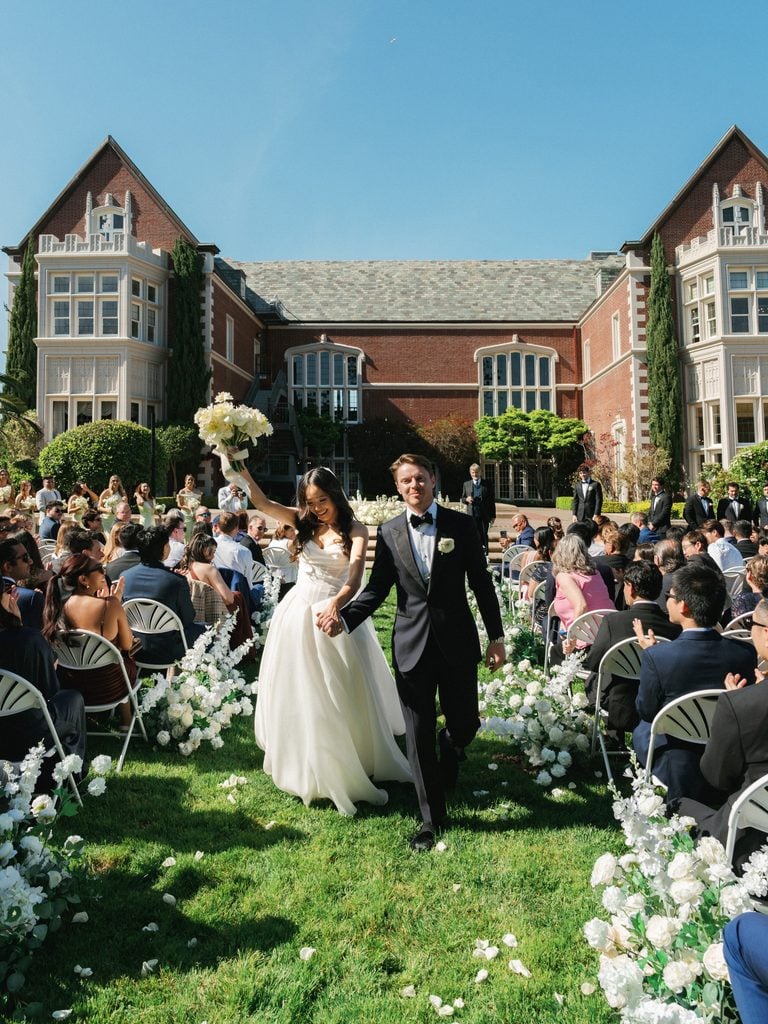
The ceremony can create the same kind of split attention even when everyone is gathered in one room. As the bride walks down the aisle, the groom’s reaction happens at the front at that exact moment. One photographer can follow the entrance while the other stays with the person waiting at the altar. During the vows, one camera can remain close to the couple as the second photographer watches parents and close family, catching the expressions and reactions around them.
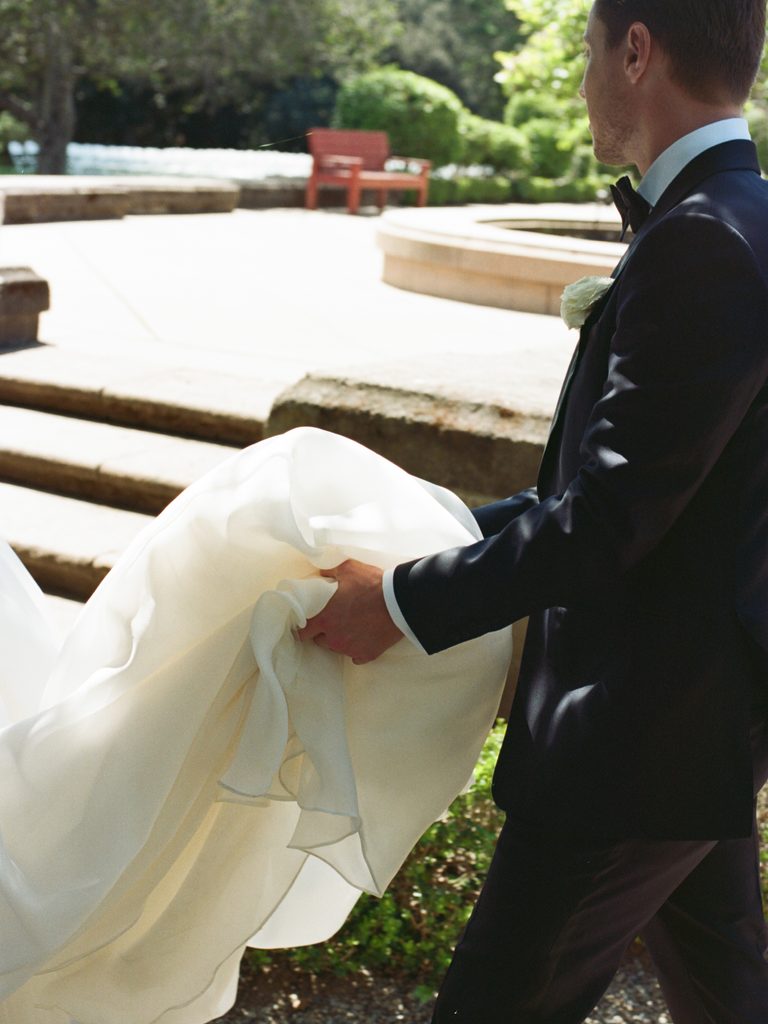
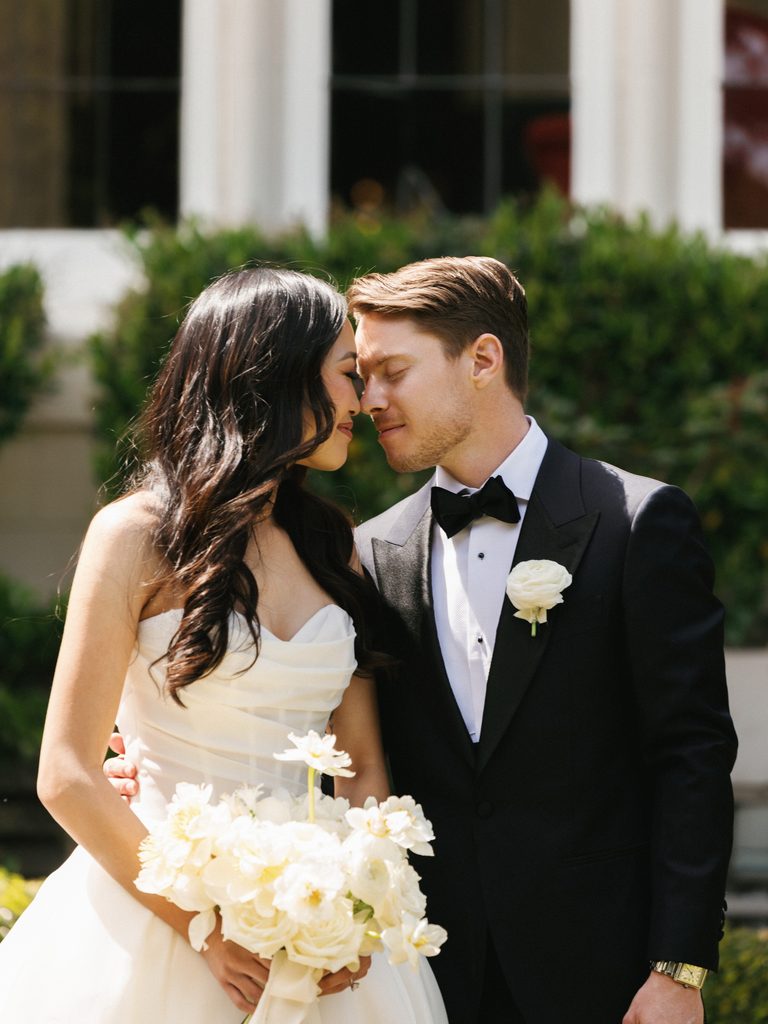
First looks, reception entrances, and other fast-moving parts of the day can also gain from having two photographers working together. When the couple is moving through a space, guests are turning, people are greeting each other, and reactions happen in different directions, two photographers can follow the movement from separate positions. One can stay with the couple as they move through the scene, while the other captures what happens around them, giving the final sequence a sense of where everyone was and how the moment developed.
Complex Venues and Movement
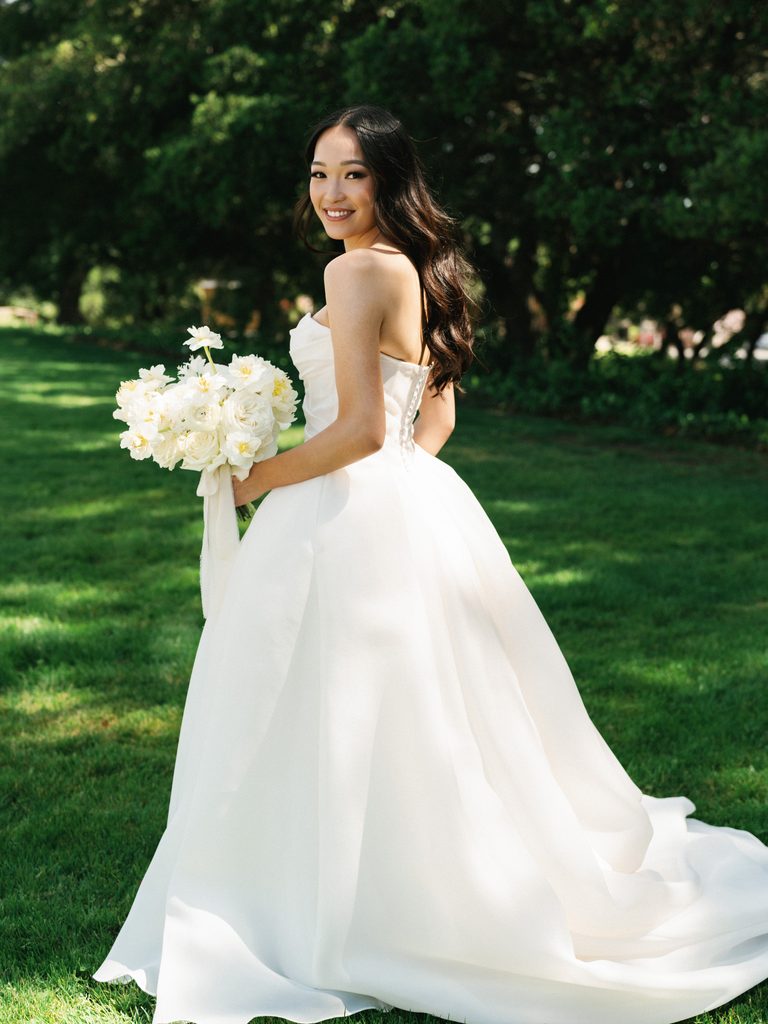
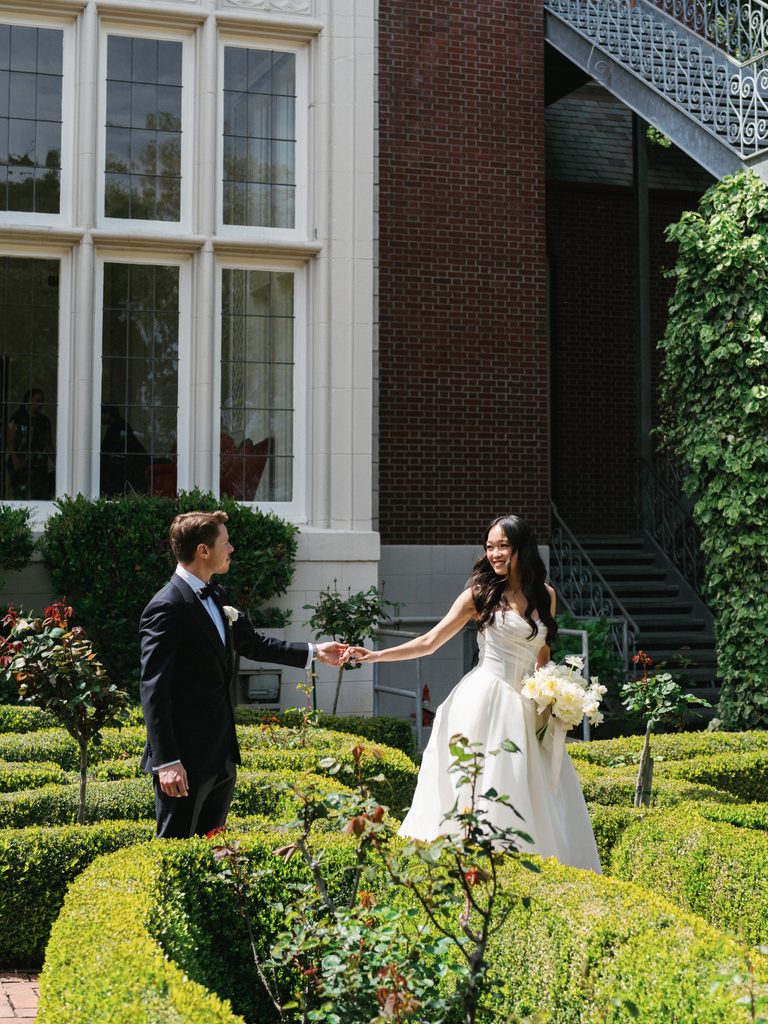
A wedding spread across several parts of a property can put the photographers in different places throughout the day. The ceremony may take place some distance from the reception, portraits may happen in another area, and getting ready may take place in separate buildings. When the lead photographer leaves one part of the venue with the couple, the second photographer can stay with the guests and activity continuing there, keeping that part of the day covered.
The transition between spaces can also overlap with another part of the wedding. Guests may already be arriving for the reception as the couple finishes portraits, or family members may still be gathering near the ceremony site as the couple moves elsewhere. A second photographer can already be in the next location, ready to photograph those people and interactions as they happen.
Setup can add another layer at venues where lighting or additional equipment needs to be prepared in advance.
One photographer may need to establish the next shooting position before an event begins, leaving the second photographer available to continue coverage in the current space. This can be particularly useful when the timeline leaves little room between one part of the day and the next.
A second photographer can also broaden guest coverage across a large or divided reception space. One photographer may be following the couple or a conversation near the head table while the second works elsewhere in the room, photographing reactions, conversations, and smaller interactions taking place away from the main focus.
Expert Note
A large venue or a busy wedding can contain more simultaneous activity than a photography team can reasonably cover from every position. The useful approach is to identify the parts of the day that matter most to the couple and understand which areas, people, and interactions deserve photographic attention. A planner or coordinator can also help communicate those priorities to the photo team when the venue has several active spaces and a full timeline.
There is no need to document every person and every moment for a gallery to feel complete. Experienced photographers make decisions throughout the day about where to stand, what to follow, and when to let one moment pass in order to be present for another. A second photographer adds another set of eyes and another position, but the coverage still works best when the team has a clear sense of what the couple wants to remember.
When One Photographer May Be Enough
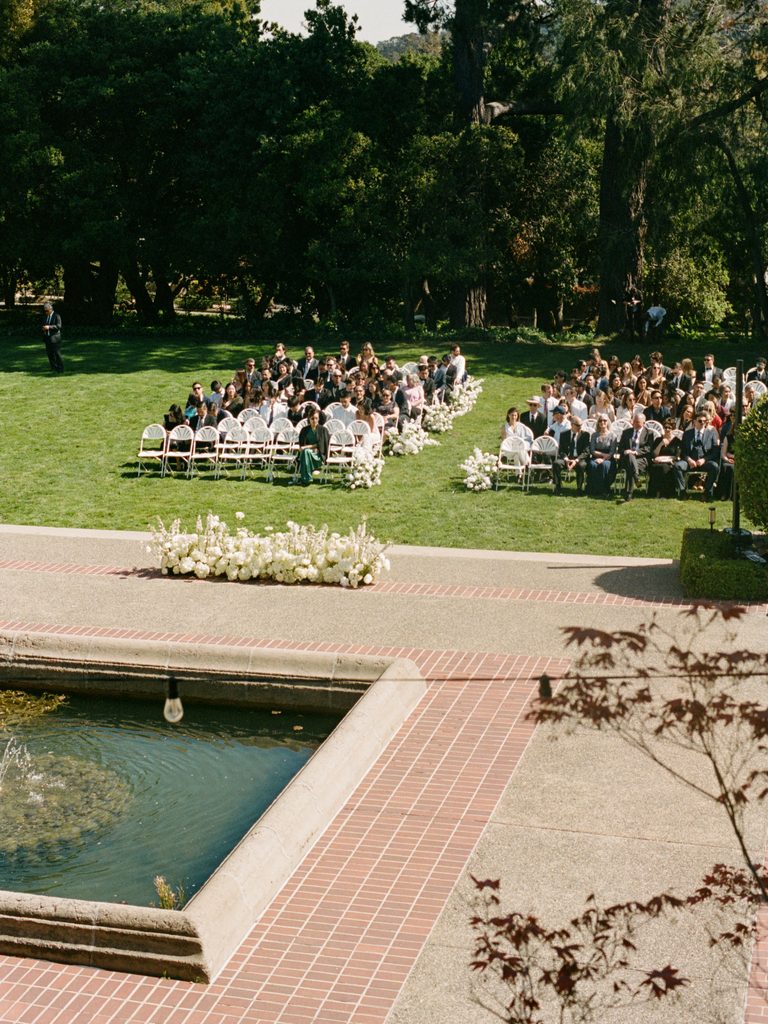
A single photographer can cover a wedding comfortably when the important parts of the day happen in sequence and the people being photographed stay within a manageable area. Getting ready together in one location, a single ceremony and reception space, and a timeline with little overlap can leave one photographer present for nearly all of the planned coverage.
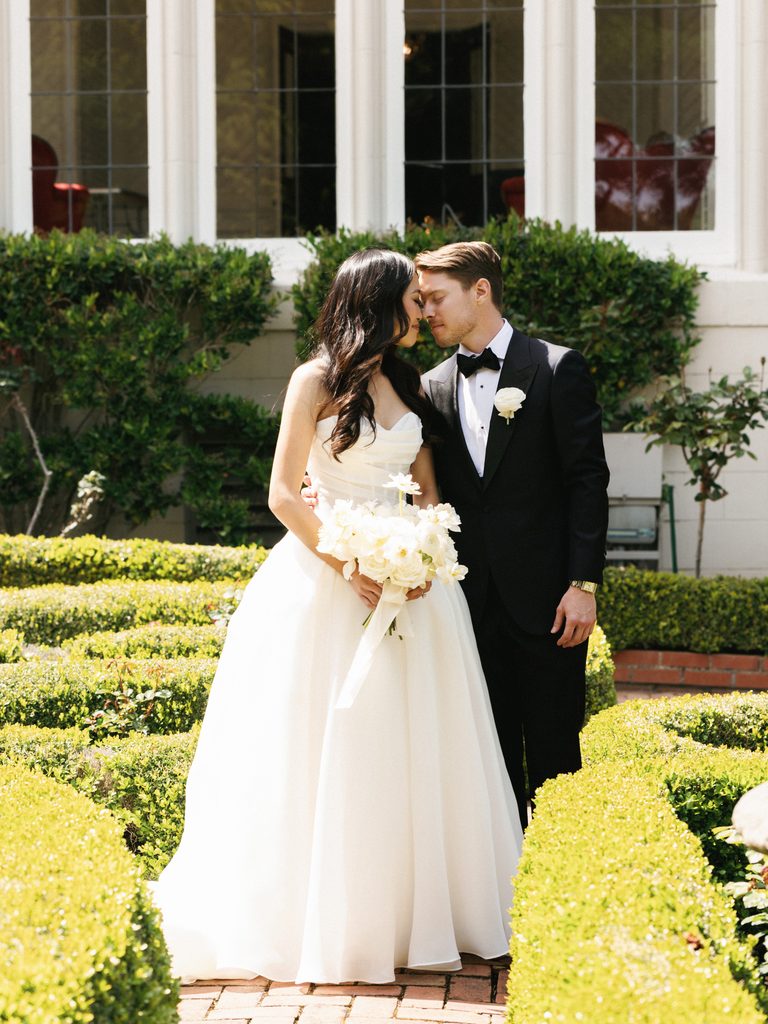
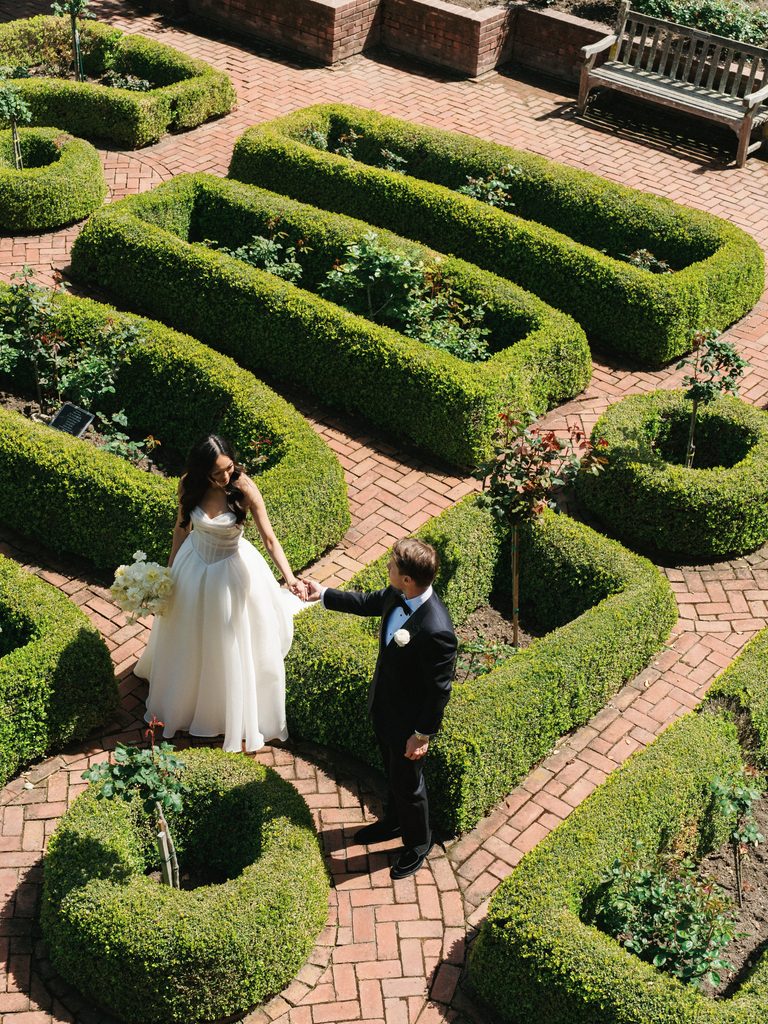
The size of the photography team can also reflect the way the couple wants the day to feel. When the wedding keeps its activity within a defined area and the timeline has little overlap, one experienced photographer may be able to give the couple the level of attention and range of coverage they expect. The decision can then rest on the character of the day and the way the couple wants it documented.
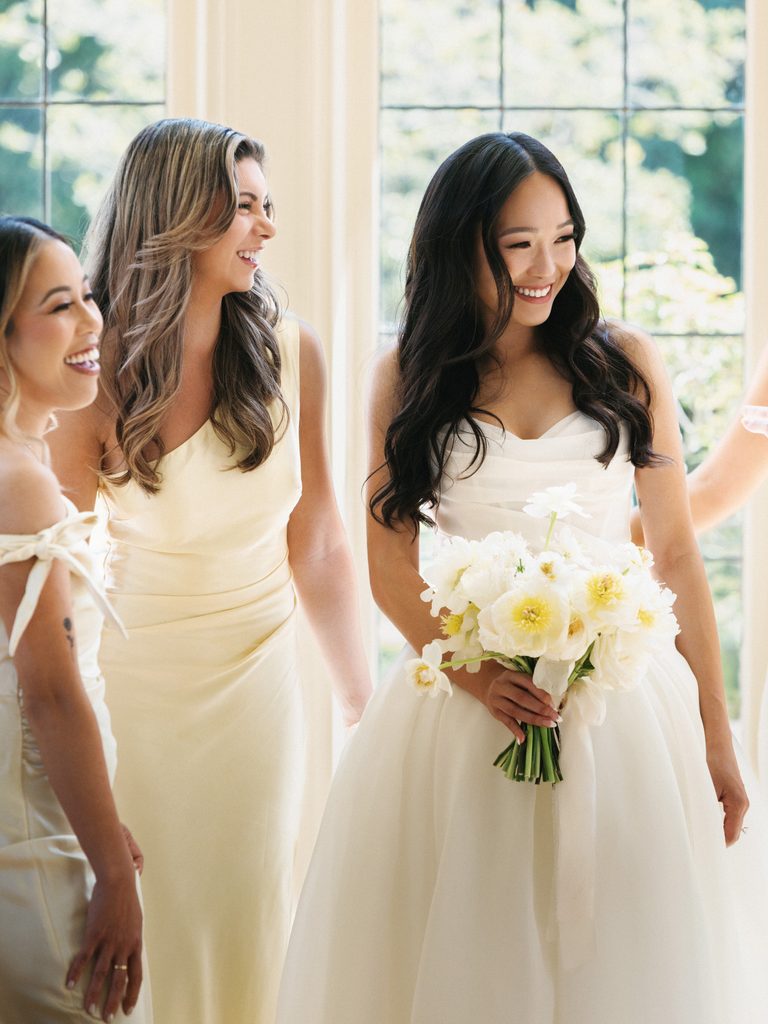
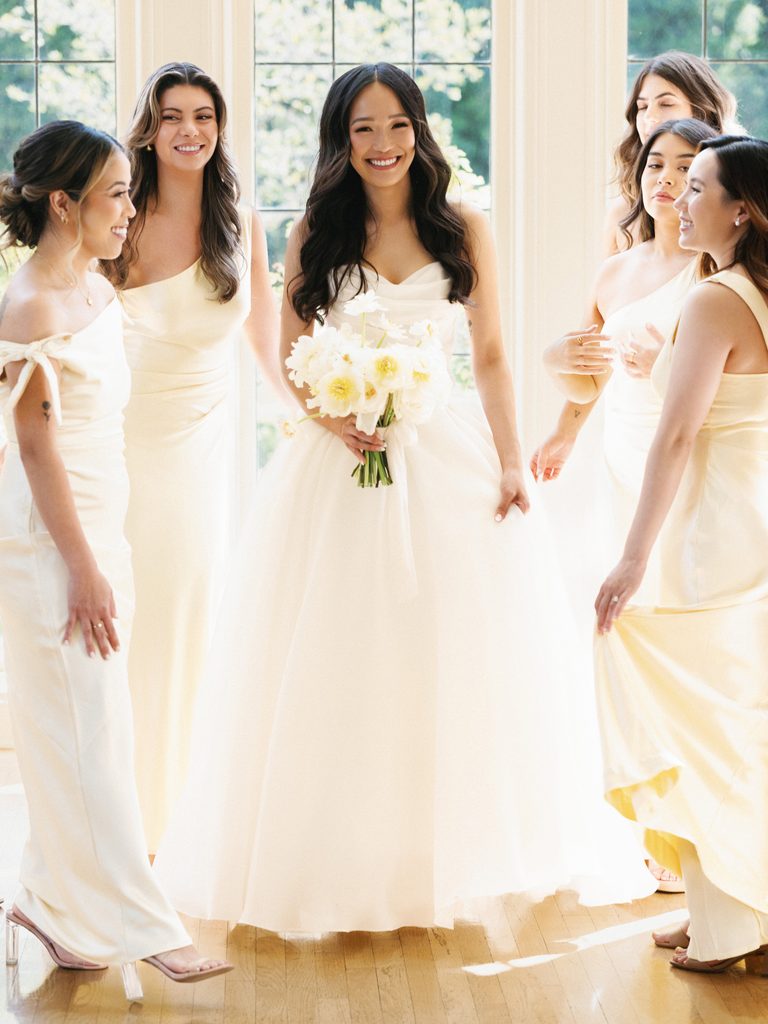
A single-photographer timeline can also accommodate some situations that would otherwise call for two photographers. Separate getting-ready coverage can take place at different times, or a first look can bring both partners together before the ceremony. These decisions require some coordination during planning, but they can preserve the parts of the day that matter to the couple when simultaneous coverage is not a priority.
Questions About Roles and Consistency
The role of a second photographer can vary between studios. In some teams, the lead photographer directs the overall coverage and assigns the second photographer specific positions during the day. The second photographer may focus on reactions, candids, details, or a separate location, then work alongside the lead again for portraits or other planned portions of the timeline. Other teams divide the coverage more independently, with each photographer responsible for a defined part of the day.
The final gallery should bring those different perspectives together into one consistent body of work. The photographers may have different positions and ways of observing a moment, and the selection and editing process should follow the visual approach established for the wedding. In a studio-led team, the second photographer’s images are typically reviewed and edited within that established style before they become part of the final gallery.
The presence of a second photographer also introduces a few logistical details. The team may need an additional meal, parking, transportation between locations, or accommodation when the wedding involves travel. At a property with limited access, the photographers may also need to coordinate where equipment can be left and how each person will move between spaces during the day.
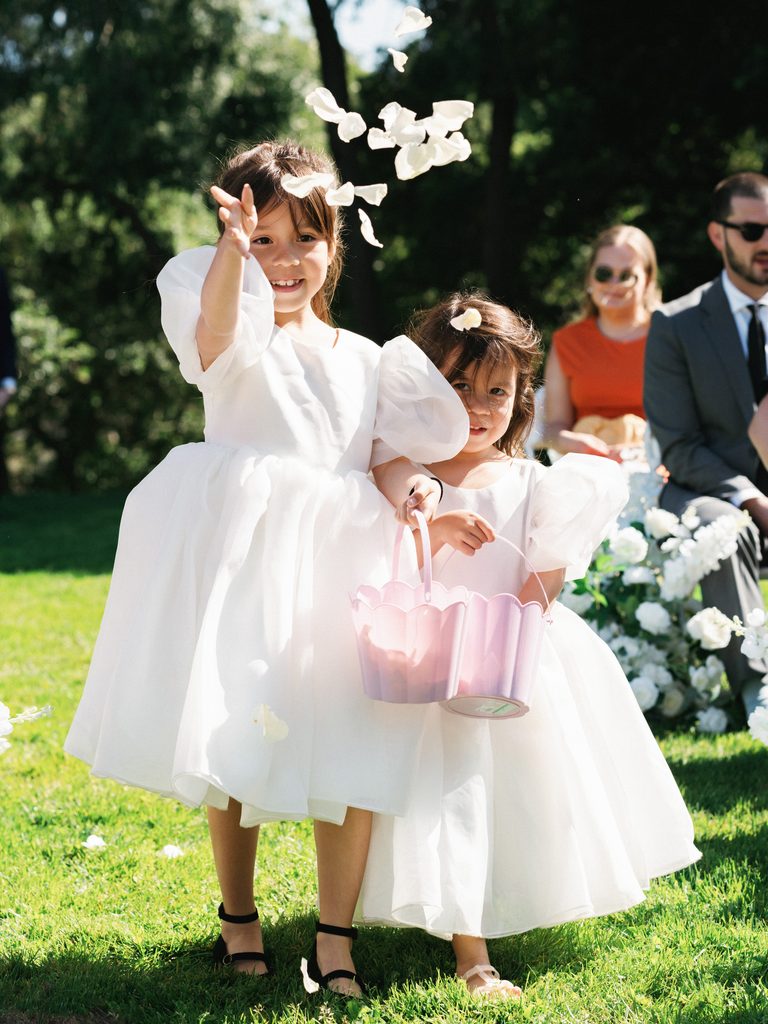
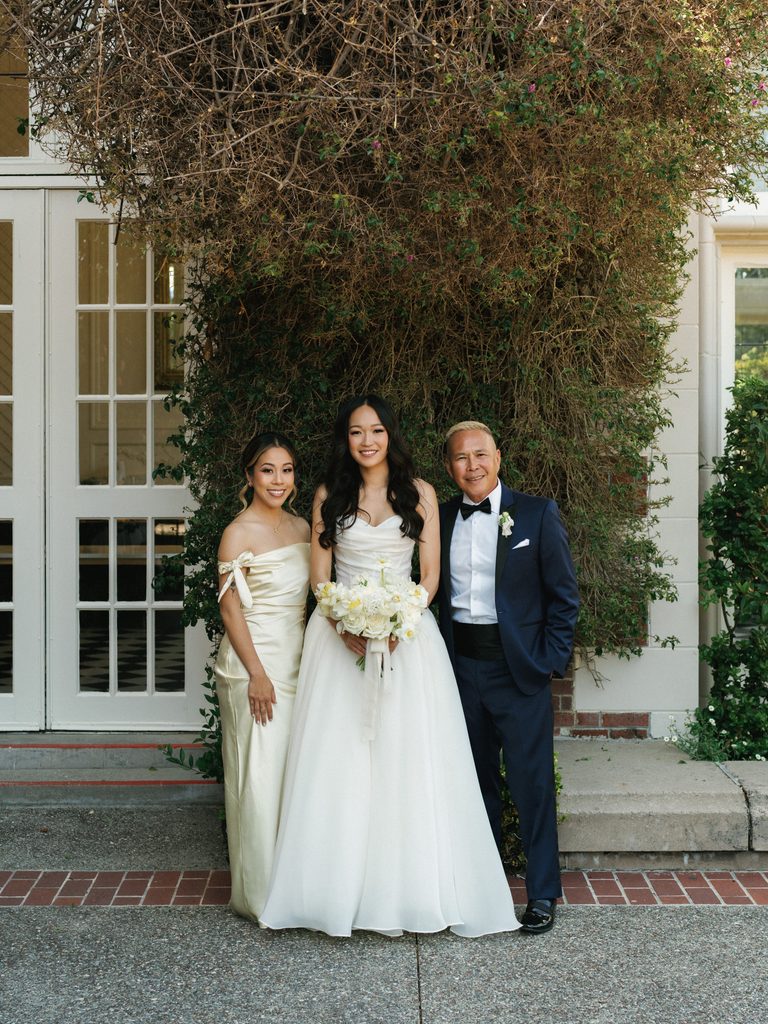
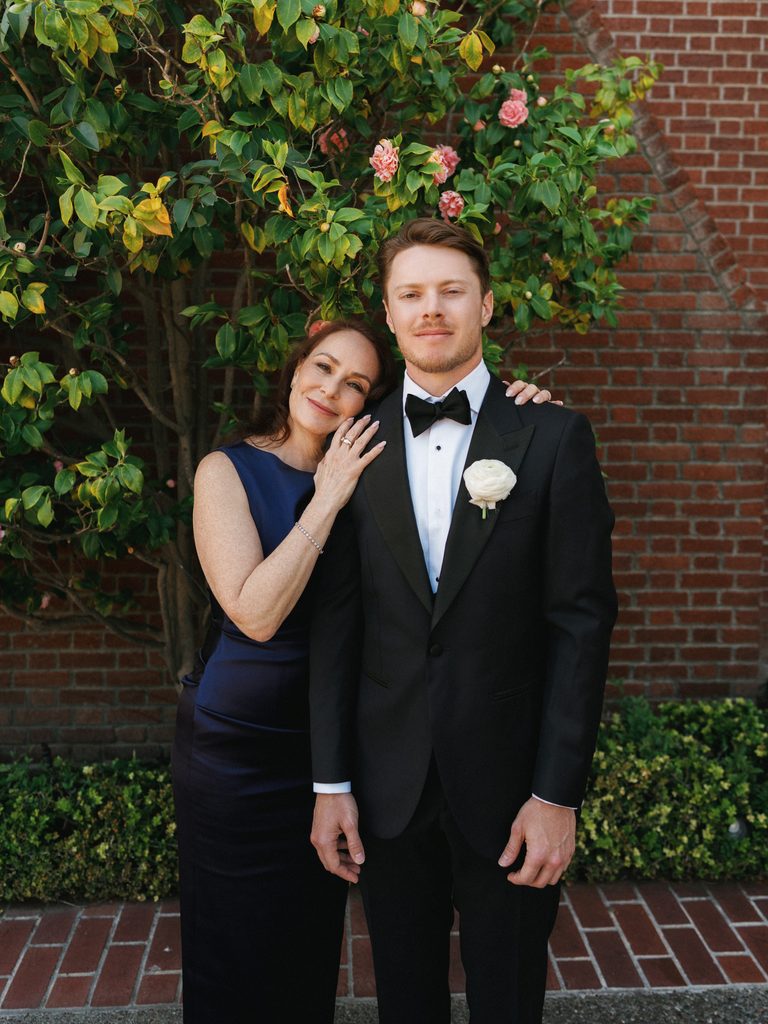
A second photographer serves a different role from an emergency replacement for the lead photographer. Their presence is planned as part of the wedding coverage from the beginning, with their position and responsibilities defined around the timeline. If the lead photographer becomes unavailable, the studio’s separate contingency arrangements determine who takes over and how the booking is handled.
A Decision Worksheet
The wedding timeline and venue map usually reveal where a second photographer would add meaningful coverage.
- Are the couple getting ready in separate locations at the same time?
- Does the wedding involve multiple venues or significant distance between important spaces?
- Are there moments when two meaningful things happen in different places within the same few seconds?
- Would coverage from another position add useful reactions or interactions during the reception?
- Does the timeline include enough movement between spaces that one photographer may need to leave one area before another event has finished?
- Are there specific moments the couple would like photographed from two perspectives?
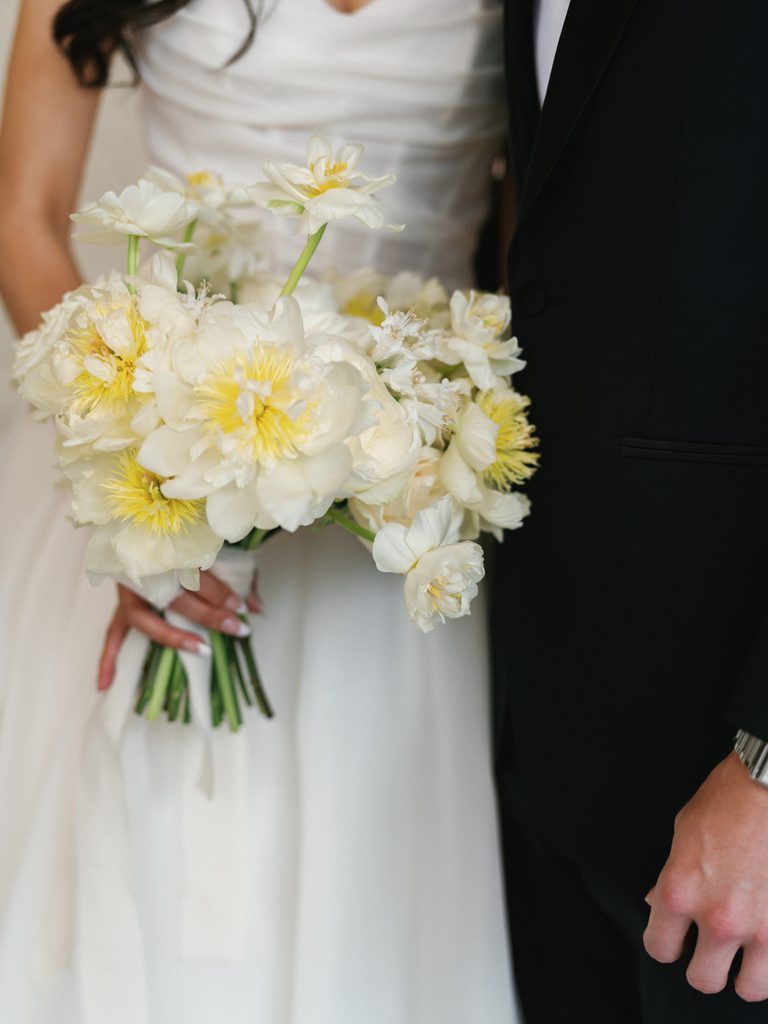
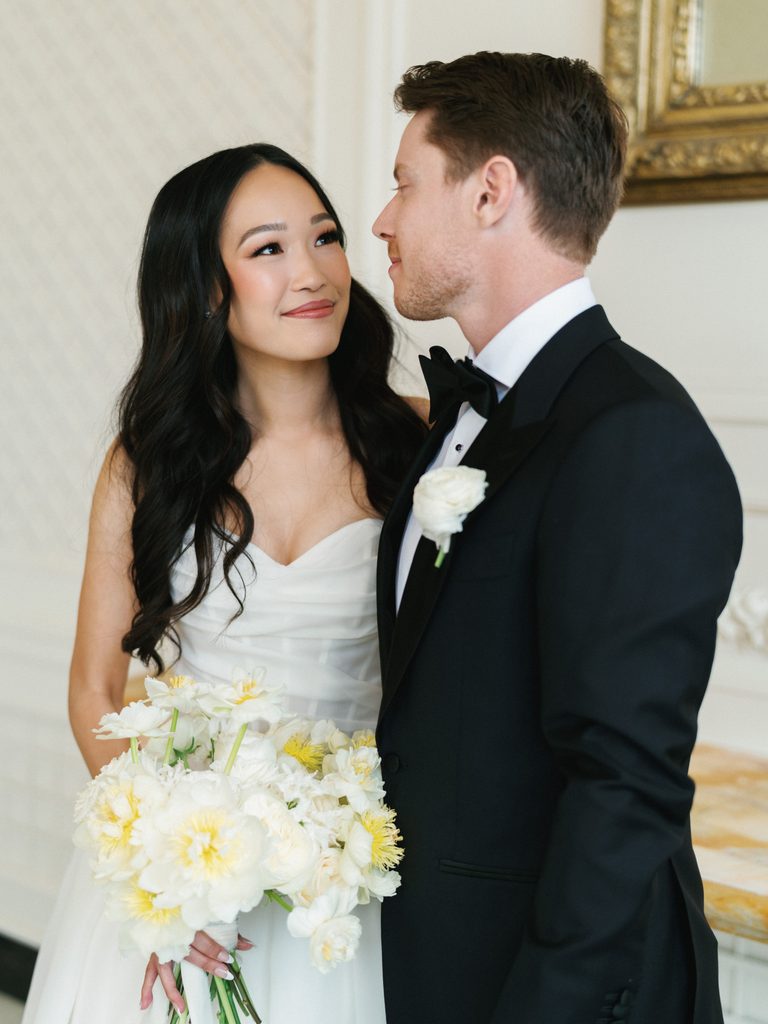
If most of these situations do not apply, a single experienced photographer may cover the wedding comfortably. If several appear in the timeline, a second photographer can fill specific coverage gaps created by simultaneous events, movement, or distance. The decision can then rest on the actual structure of the wedding and the way the couple wants the day documented.
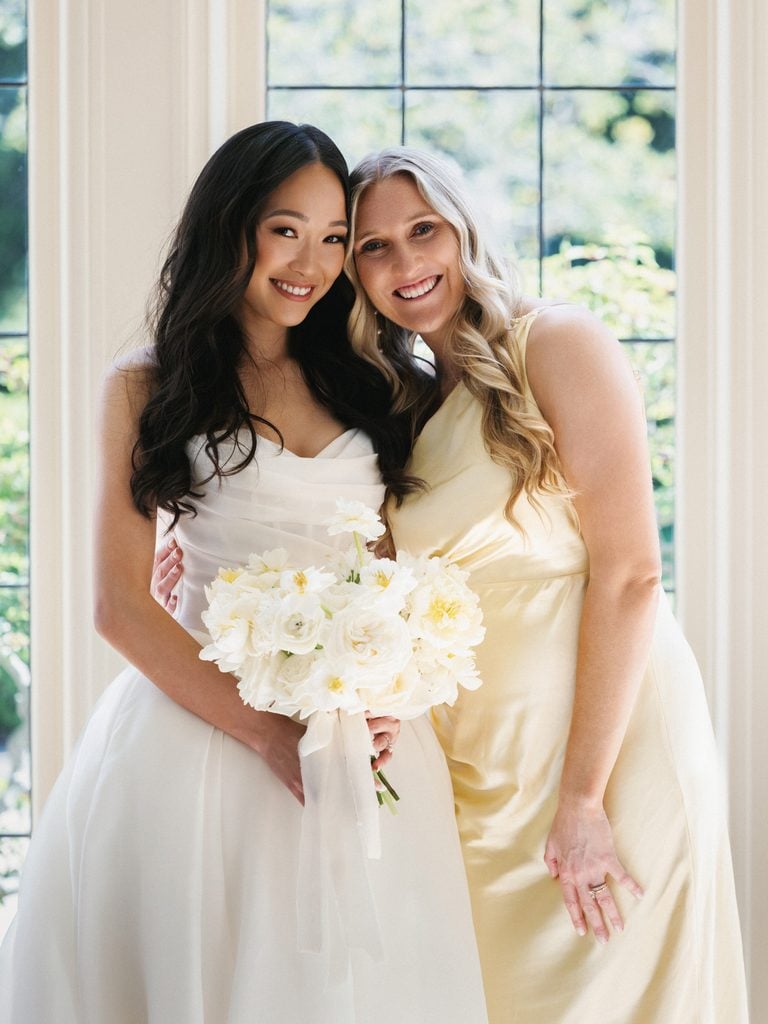
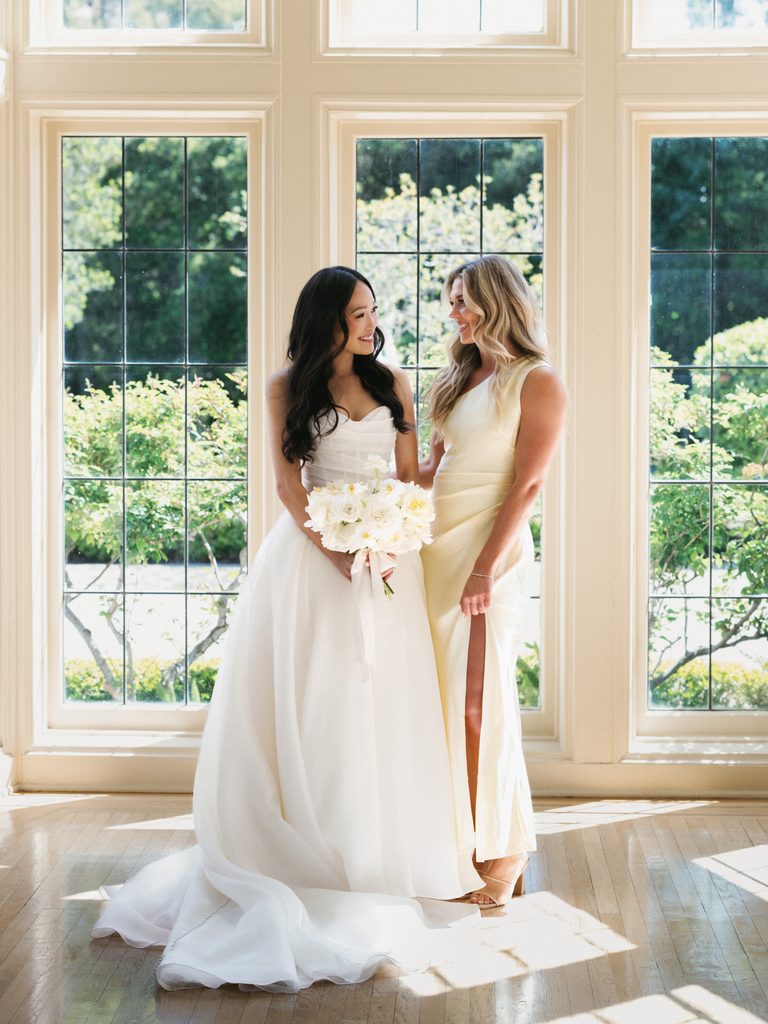
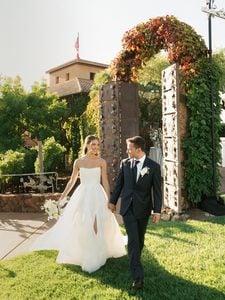
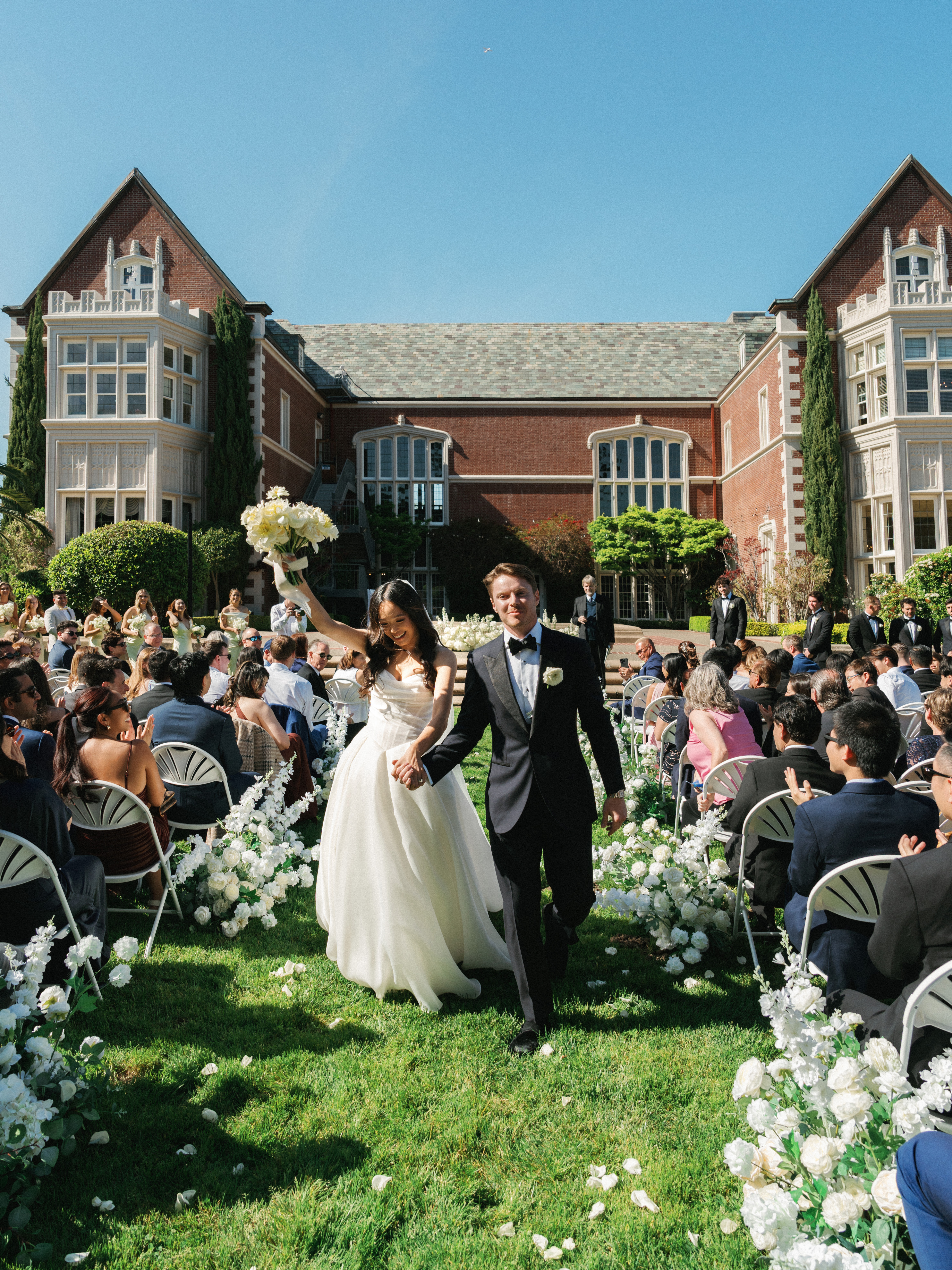
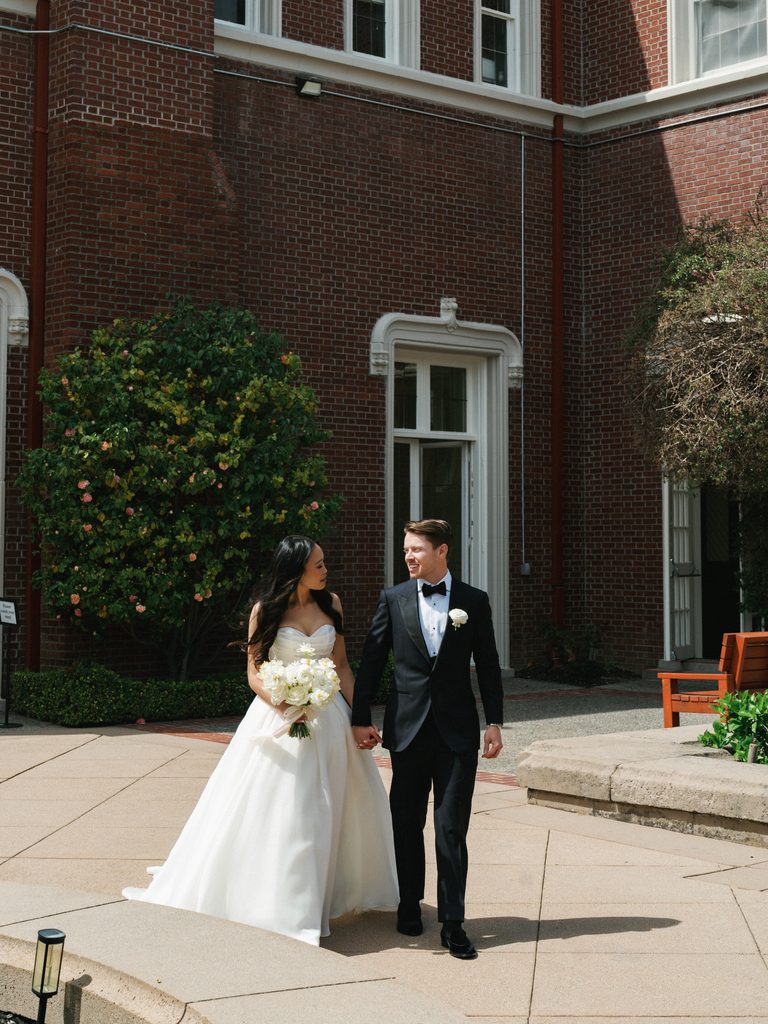
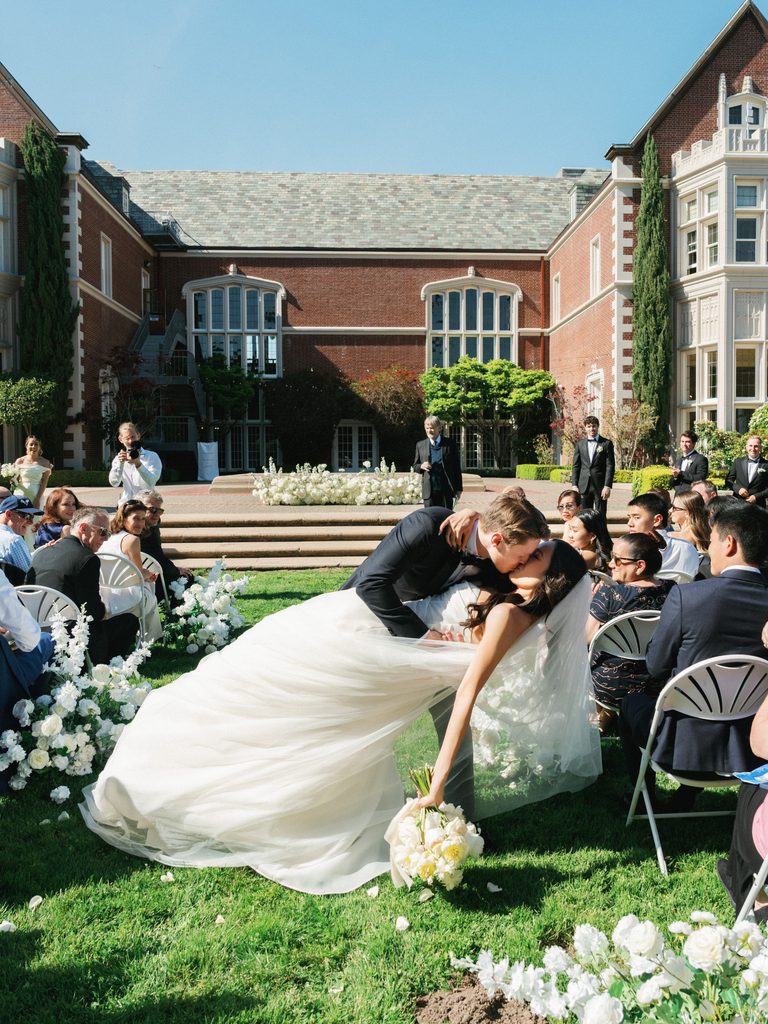
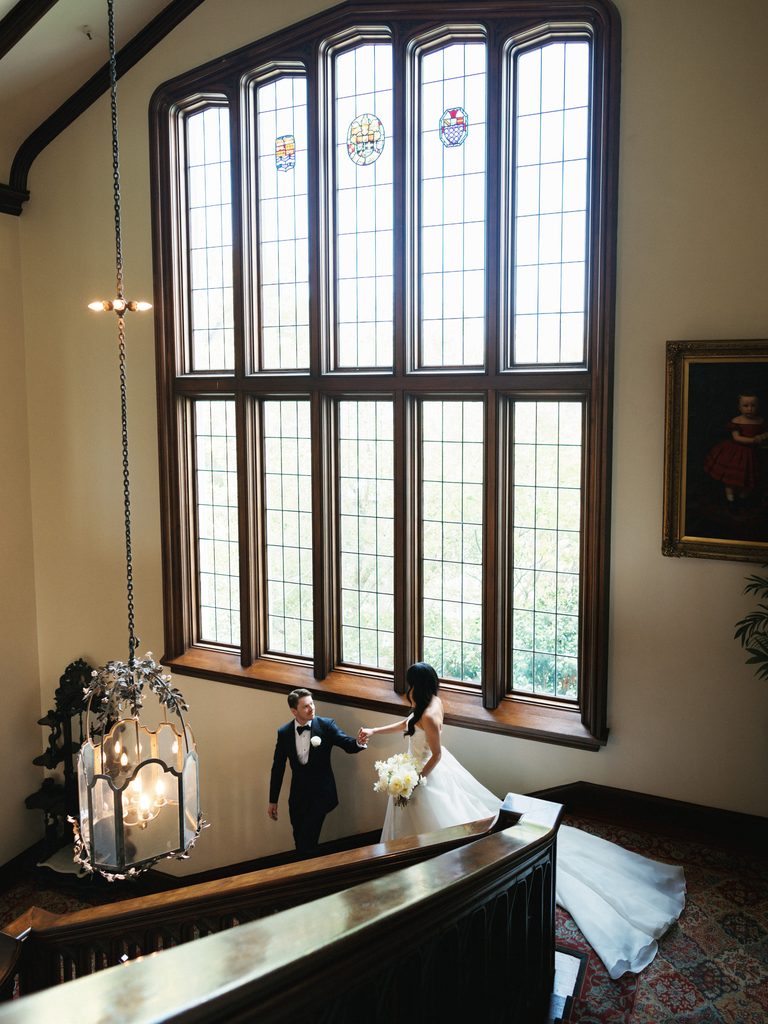
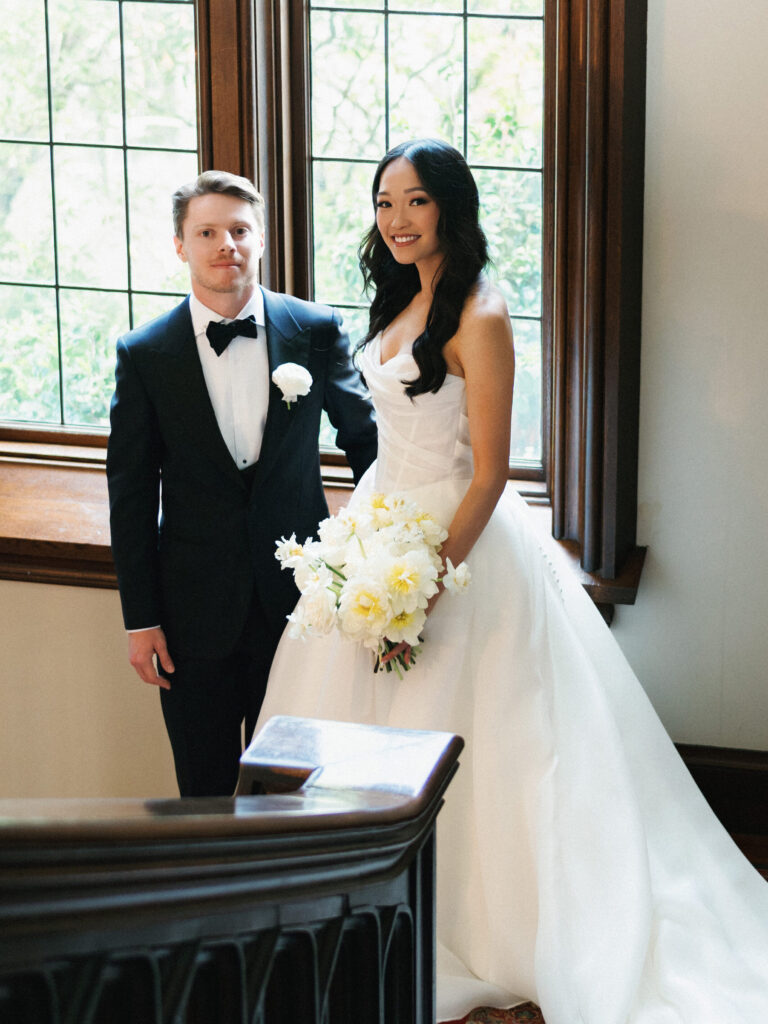
Kohl Mansion, Burlingame, CA.
FAQ
Do you need a second wedding photographer for every type of wedding?
No. The need depends on the wedding’s timeline, locations, and simultaneous events. Some weddings can be covered fully by one photographer, while separate preparations, multiple venues, or overlapping moments can call for another photographer.
Is a second photographer a backup photographer?
Not primarily. A second photographer provides additional coverage during the wedding, including different angles, reactions, and simultaneous moments. Illness or emergency contingency planning is a separate arrangement that can be confirmed with the studio.
What wedding layouts may call for a second photographer?
Separate getting-ready locations, multiple venues, divided properties, and timelines with overlapping events can all create situations where another photographer adds useful coverage.
Does a larger guest count automatically mean a second photographer is needed?
No. Guest count alone does not determine the need for a second photographer. The physical layout of the wedding, the timeline, and the number of simultaneous moments provide more relevant information for the coverage decision.
Can a second photographer cover only part of the wedding day?
Yes, depending on the studio’s approach and the structure of the wedding. A second photographer can join for a specific period when separate getting-ready locations, overlapping events, or another concentrated coverage need occurs.
Does a second photographer need to stay with the lead photographer all day?
Not necessarily. The photographers may work together for some parts of the day and cover separate areas during others. The arrangement depends on the timeline, venue layout, and responsibilities assigned to the second photographer.
How should a couple confirm what a second photographer will actually cover?
The consultation can clarify where the second photographer will be positioned, which parts of the day they will cover, how independently they will work, and how their photographs will be incorporated into the final edited gallery.