Download the Originals First
Once the final gallery arrives, the first step in a wedding photo storage plan is downloading the original files. An online gallery provides a convenient way to view the photographs, and the downloaded files give the archive a separate place to live.
A full-resolution download can usually be made through the gallery’s download function, often as one complete collection. Saving the collection in one download keeps the delivery together and makes the files easier to verify afterward. Large galleries can take time to transfer, making it useful to confirm that the download has finished and that the expected folders and files are present.
The original delivery can then remain together as the master archive. Separate folders can hold photographs selected for an album, prints, family copies, or personal edits, keeping those working versions distinct from the delivered collection. The complete original set remains the reference point for any future copy, export, or additional backup.
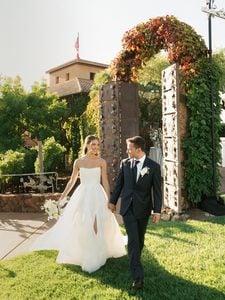
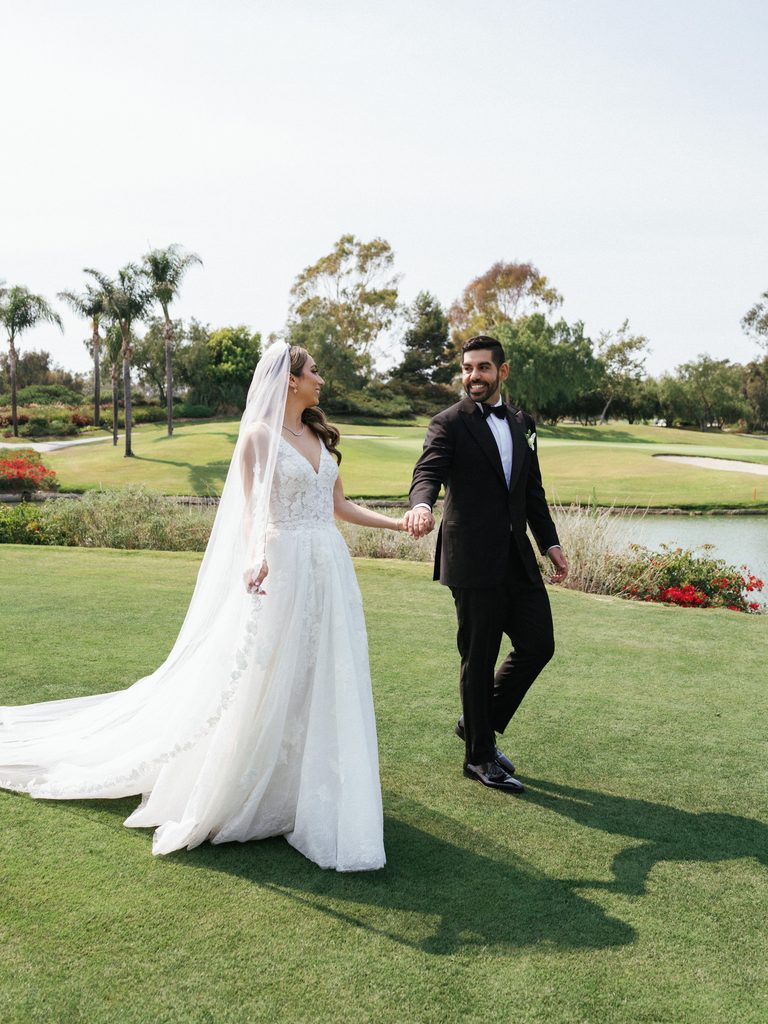
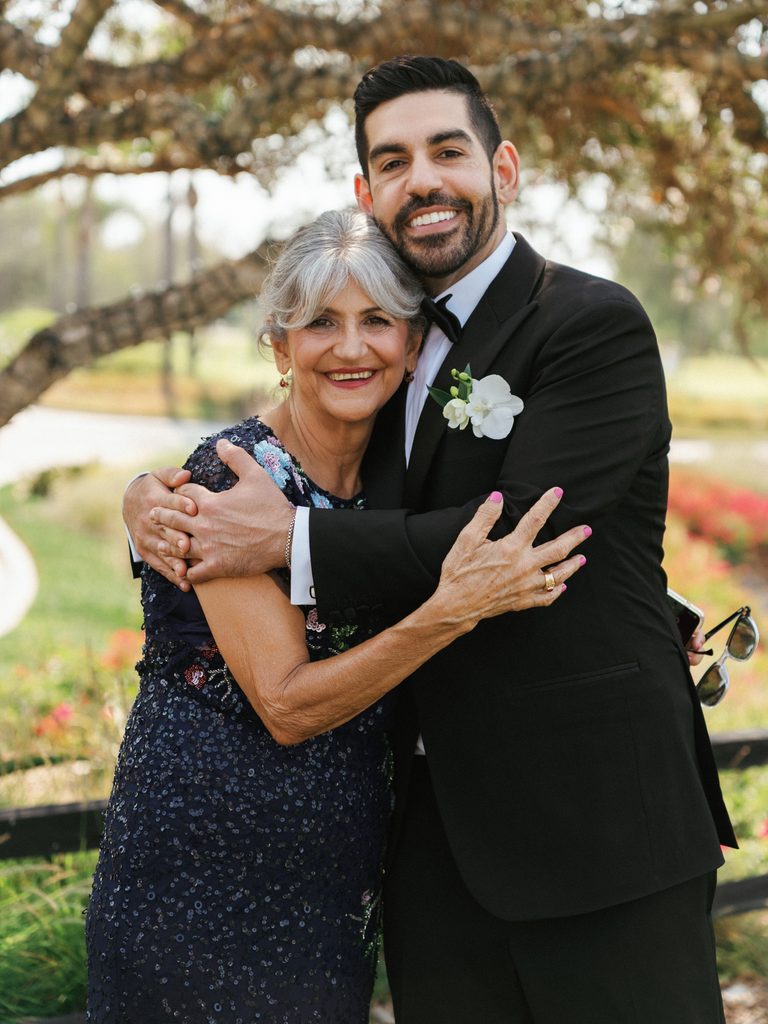
Old Ranch Country Club, Seal Beach, CA.
Check That the Full Gallery Downloaded
After a wedding gallery has been downloaded, photographers and studios typically verify the file set before moving it into the next stage of their archive. The first reference is the delivery information: a stated image count or reasonable range gives a point of comparison for the files that arrived on the computer.
The downloaded folders should correspond to the structure of the original delivery. A gallery may contain separate folders for preparation, ceremony, portraits, reception, or other parts of the day, depending on how the photographer organized the collection. An interrupted download can leave one section incomplete even when the main gallery folder appears to be present.
A few full-size files from different parts of the collection can then be opened. Checking photographs near the beginning, middle, and end gives an initial indication that the files transferred correctly and remain readable. Thumbnails can appear normally even when an individual full-resolution file has a problem.
For the couple, the check can stay simple: compare the downloaded collection with the delivery information, open several photographs at full size, and look through the folders for any obvious gaps. Any missing or unreadable files can then be downloaded again before additional copies are created. If something in the delivery raises a question, the photographer or studio can explain how the files were prepared, why a particular folder or format appears as it does, or what the delivered collection includes.

Expert Note
Photographers often keep the first verified download as the reference copy for the rest of the archive. Additional storage copies come from that checked set, so the original delivery remains available for comparison if a later copy develops a missing file, corruption, or an accidental change. Keeping that reference intact also makes it easier to distinguish the delivered photographs from album selections, print exports, and personal edits that accumulate later.
Build Local and Off-Site Copies
Once the wedding gallery has been checked, the couple can build a separate backup structure for the photographs kept at home. A 3-2-1 backup describes three copies of the files, kept across two types of storage, with one copy stored in a separate physical location.
Professional photographers use similar principles when preserving wedding files after a shoot, with additional copies kept in separate places so that one equipment or storage problem does not affect the entire archive. After delivery, the same approach can be adapted to the couple’s own collection.
For a personal wedding archive, one copy can remain on a computer or local storage device, another can sit on an external hard drive, and a third can live off-site through a cloud backup service or a separate physical location. The exact combination can vary, provided the copies remain sufficiently independent.
The off-site copy adds another layer of protection for the archive and keeps one version of the photographs available if an unexpected problem affects the primary storage.


External drives and cloud backup have different practical characteristics. An external drive gives direct access to a physical copy and can hold a complete local archive. Cloud backup keeps another copy away from the home and can provide access when local storage is unavailable.
For the couple, the process starts with the verified original delivery from the previous step. That collection can be copied to an external drive and added to an off-site backup system, with the original folder kept intact as the reference archive. If a photographer or studio has specific recommendations for storing the delivered files, those details can be clarified before the archive is set up.
Organize the Archive Without Damaging the Originals
A simple folder structure keeps a wedding archive easy to navigate after the original delivery has been verified and copied. A main wedding folder can contain separate sections for the original delivery, album selections, print files, family copies, and personal edits. The exact structure can follow the couple’s preferences, with the original delivery kept separate from later versions created for particular uses.
Camera-generated filenames can also carry useful sequence information. Renaming thousands of files immediately after delivery can introduce duplicate names or make the original sequence harder to follow. Keeping the delivered filenames intact preserves a stable reference for the archive.
Descriptive filenames can still be useful for a working collection, especially for album selections or files prepared for printing. Those names can be applied to a duplicate copy, with crops, black-and-white versions, resized images, and other variations placed in separate folders. The original delivery then remains unchanged and available for future use.
JPEG files also deserve careful handling.
Repeated editing and resaving can introduce additional compression and gradually reduce image quality. For the couple, the simplest approach is to keep the delivered JPEGs as the original reference files and create separate copies for any editing or resizing. If a photograph needs further work for an album, print, or personal project, the original file remains available for a fresh export. A photographer or studio can also prepare a new high-resolution file if a particular use requires a specific size or quality.
Keep an Annual Archive Check
A wedding photo archive needs occasional attention after the initial backup has been created. An annual check can confirm that an external drive still connects and reads correctly, important folders remain present, and the cloud account remains accessible. Opening a few photographs from different parts of the archive also confirms that the files remain readable. External drives can eventually fail, even when they spend most of their time sitting unused. When a drive needs replacing, the archive can be copied to the new device and checked before the older drive leaves the backup system.
Cloud storage deserves a periodic review too. Subscription terms, storage limits, payment details, and account access can change over time, so confirming that the off-site copy remains available keeps the backup connected to the original archive. An annual date such as a wedding anniversary can make the check easy to remember. The review can remain a small part of the yearly routine, with the external drive, cloud copy, and a few original photographs checked for continued access.
Expert Note
The original delivery should remain identifiable even years after the wedding. Album exports, print files, personal edits, and resized copies can accumulate over time, so a clearly labeled master folder gives the archive a stable reference whenever a photograph needs to be printed or exported again.

What Not to Rely On
As the only storage location for the wedding photographs, an online gallery, a phone, a single external hard drive, or several folders on one computer each have limitations worth considering. All of these can be useful parts of a personal archive, with a few practical differences to keep in mind when deciding where the complete original delivery will live.
An online gallery remains convenient for viewing, downloading, and sharing, with access depending on the service provider and the terms of the delivery. Keeping the downloaded originals in personal storage gives the couple a copy that does not depend on continued gallery access. A phone can also hold convenient viewing copies, although its storage may not accommodate a complete high-resolution wedding gallery. Some devices and cloud photo applications use storage-saving settings that keep smaller versions on the device, so the full original delivery is better suited to dedicated storage.
An external hard drive provides a convenient physical copy and can hold a complete wedding gallery in one place. A second copy adds another layer to the archive, since a single drive represents one physical storage location. The same principle applies to several folders on one computer: they can keep files well organized, but the folders still depend on the same underlying storage. A separate copy gives the archive another place for the photographs to remain available.
A Simple 3-Copy Wedding Photo Storage Plan
The final gallery can be organized into a simple storage sequence:
- Download the complete original delivery.
- Check the file count, folder structure, and several full-size photographs.
- Keep the verified delivery as the master archive.
- Create a second copy on a separate storage device.
- Create a third copy in an off-site location or suitable cloud backup.
- Keep album selections, print files, and personal edits separate from the original delivery.
- Review the archive once a year and replace aging storage when needed.
FAQ
Is an online gallery a backup?
No. A gallery provides convenient access to the photographs, but that access depends on the gallery provider and delivery terms. Downloading the original files and storing them independently gives the couple a separate archive.
How many copies of wedding photos are enough?
Three copies provide a practical starting point for long-term storage. The 3-2-1 approach uses three copies across separate storage locations or devices, with one copy kept in a separate physical location.
Should wedding photos stay on a phone only?
No. A phone can hold selected photographs for everyday viewing, but a complete high-resolution wedding gallery should have dedicated storage elsewhere. The phone can serve as an additional access copy alongside the archive.
Does downloading photos reduce their quality?
No. Downloading the original files preserves the quality of the delivered photographs. Quality can change through later processing, particularly when a compressed JPEG is repeatedly edited and resaved.
Is one external hard drive enough for wedding photos?
One external drive provides an additional copy, but it should not be the only backup. A separate physical or cloud-based copy gives the archive another storage location if the drive develops a problem.
Is cloud storage better than an external hard drive?
The two serve different purposes. An external drive provides direct access to a physical copy, while cloud storage can provide off-site storage and remote access. Using both gives the archive separate local and off-site copies.
Should the original wedding photo filenames be changed?
Keeping the delivered filenames unchanged preserves the original archive and its sequence. Descriptive filenames can be used for duplicate working copies when needed for albums, prints, or personal organization.
How often should wedding photo backups be checked?
An annual check is a practical interval for most couples. The review can confirm that physical drives still work, cloud access remains available, and important folders and files are intact.
What happens if the photographer’s gallery expires?
The original files should already exist in the couple’s independent archive. If the gallery has not yet been downloaded, the couple can contact the photographer or studio to ask whether access can be restored or the files can be delivered again.