Terminology Worth Sorting Out First
Wedding albums and photo books can look similar in a studio portfolio. Both may feature the same wedding photographs, a carefully designed cover, and a sequence of spreads that follows the day. The physical construction underneath those images can be quite different, however, and the distinction usually becomes clear once the book is opened and handled.
In wedding photography, “album” commonly refers to a lay-flat or flush-mount format with substantial pages, while “photo book” often describes a more traditional bound book with thinner paper. Studios use the terms with some variation, so the name alone gives only part of the picture. Page construction, binding, paper, printing, and the design process all shape the finished piece.
The difference becomes visible across a full spread. A lay-flat album can carry a wide ceremony photograph from one page to the other with the center of the image remaining open. A standard-bound book curves toward the spine when opened, so the same photograph needs different placement and framing.
Construction Differences
Lay-flat construction, sometimes called flush-mount, uses substantially thicker pages with photographs mounted or printed onto a rigid page structure. When the book opens, the center of the spread stays relatively flat, creating a broad viewing area across both pages. A photograph can extend across the full spread with the center of the image remaining open.
Standard binding follows the familiar structure of a conventional book. Individual pages are printed and bound along a spine, and the center of an open spread curves inward toward the binding. A photograph placed across both pages interacts with that curve, so important details may need different placement within the layout.
A lay-flat album has a substantial, rigid feel, with each page carrying more weight. A standard photo book feels closer to a traditional bound volume and can accommodate a larger number of pages within a lighter format.
The cover forms another part of the construction. Leather, linen, vegan leather, printed covers, and other materials give the finished book different textures and levels of structure. The spine, cover thickness, and page edges also contribute to how the book feels when opened and handled.
Expert Note
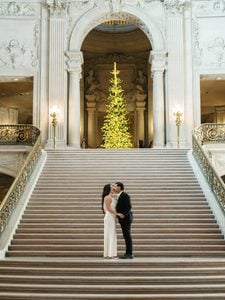
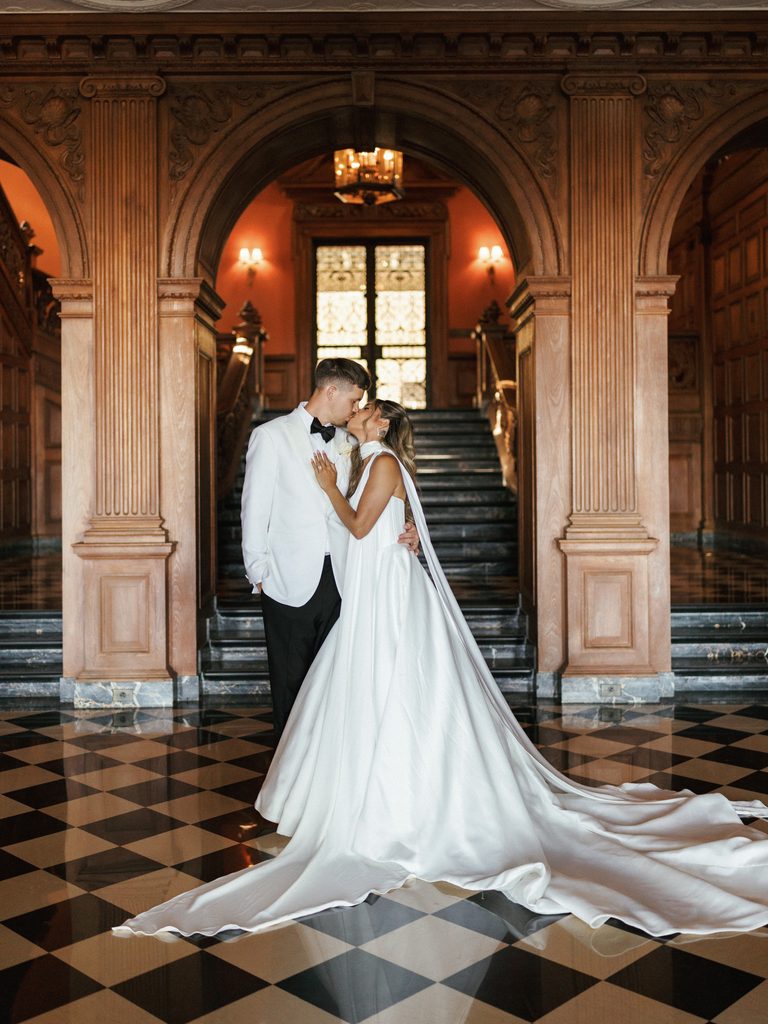
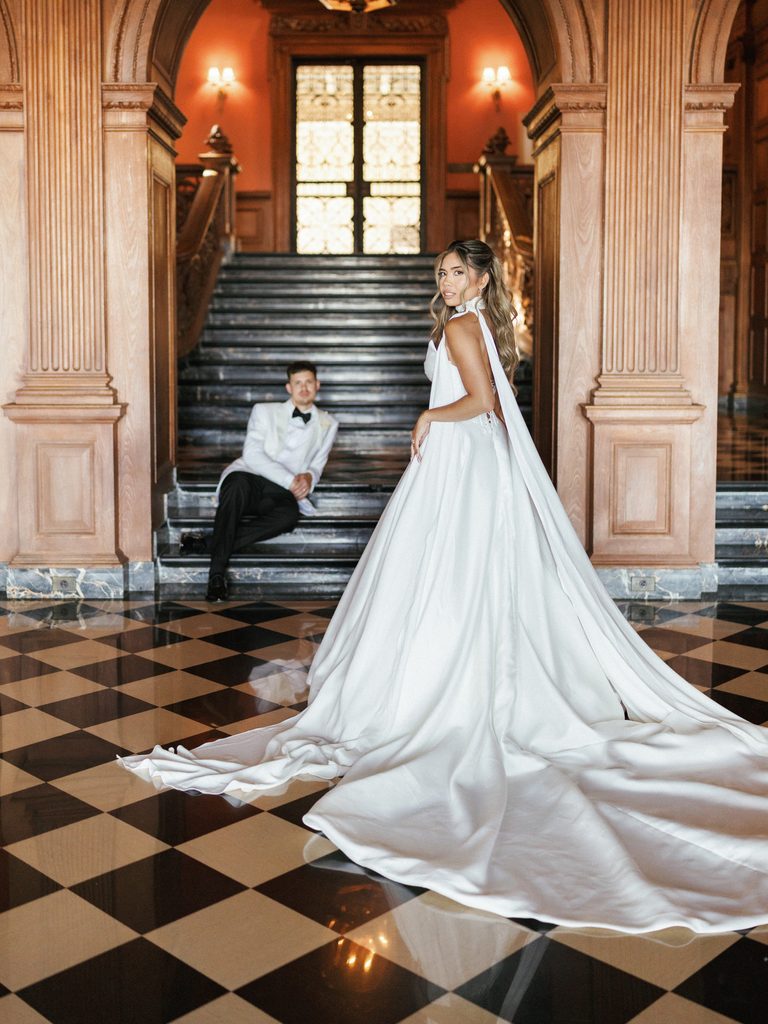
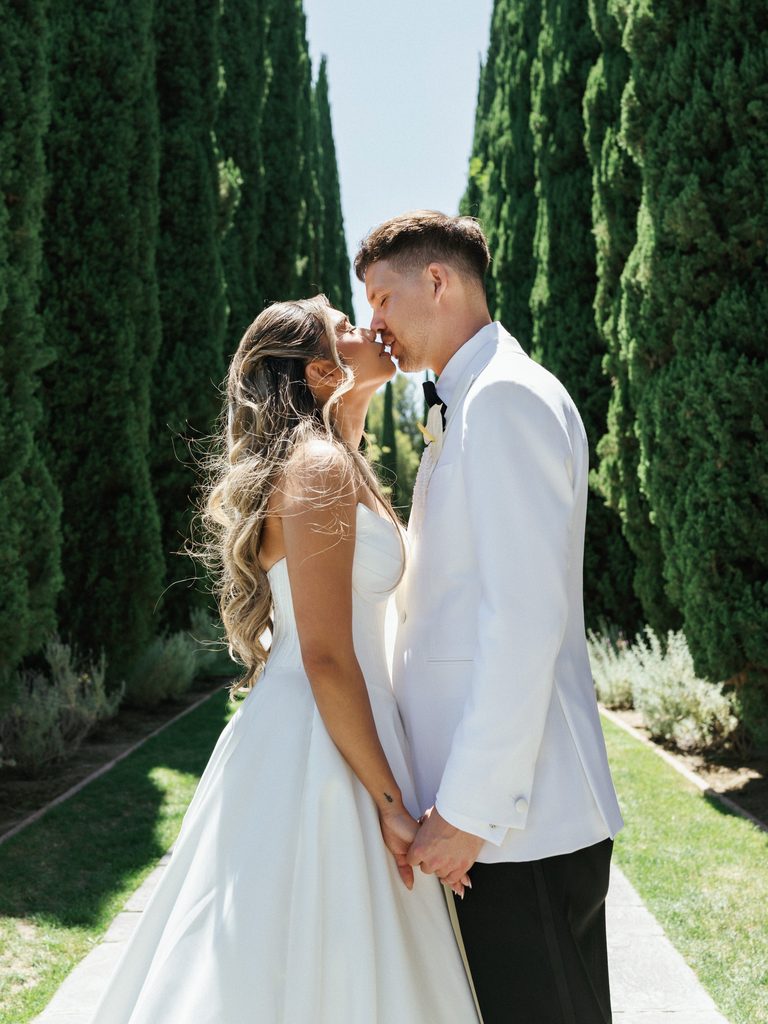
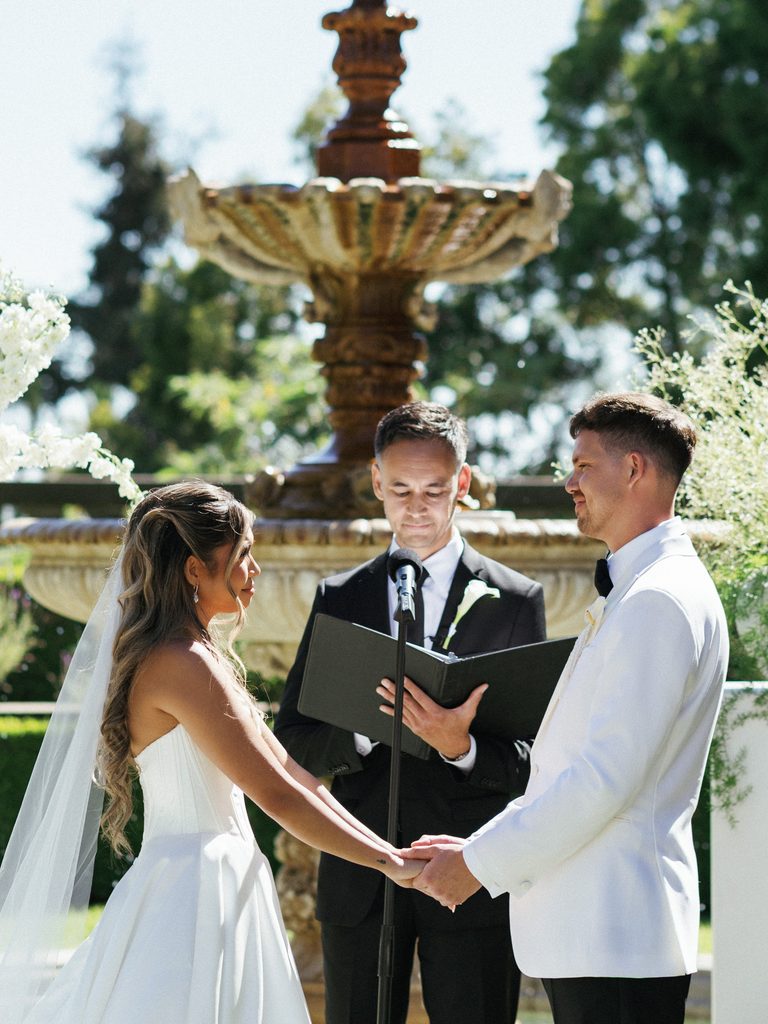
Photographers often think about the eventual album when selecting photographs for a story. A wide ceremony frame may need room around the couple for a full spread, while a close portrait may work better on a single page or beside another image. The position of faces, hands, dress details, architectural lines, and areas of open space can all influence how naturally a photograph fits into the finished design.
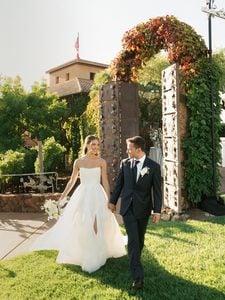
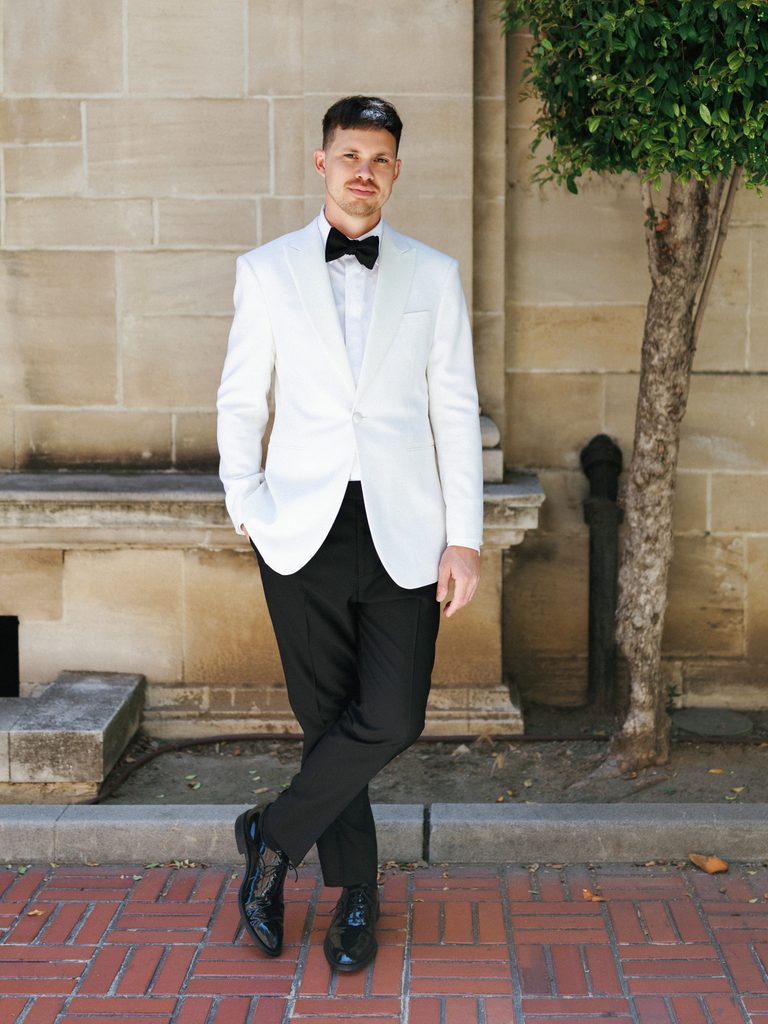
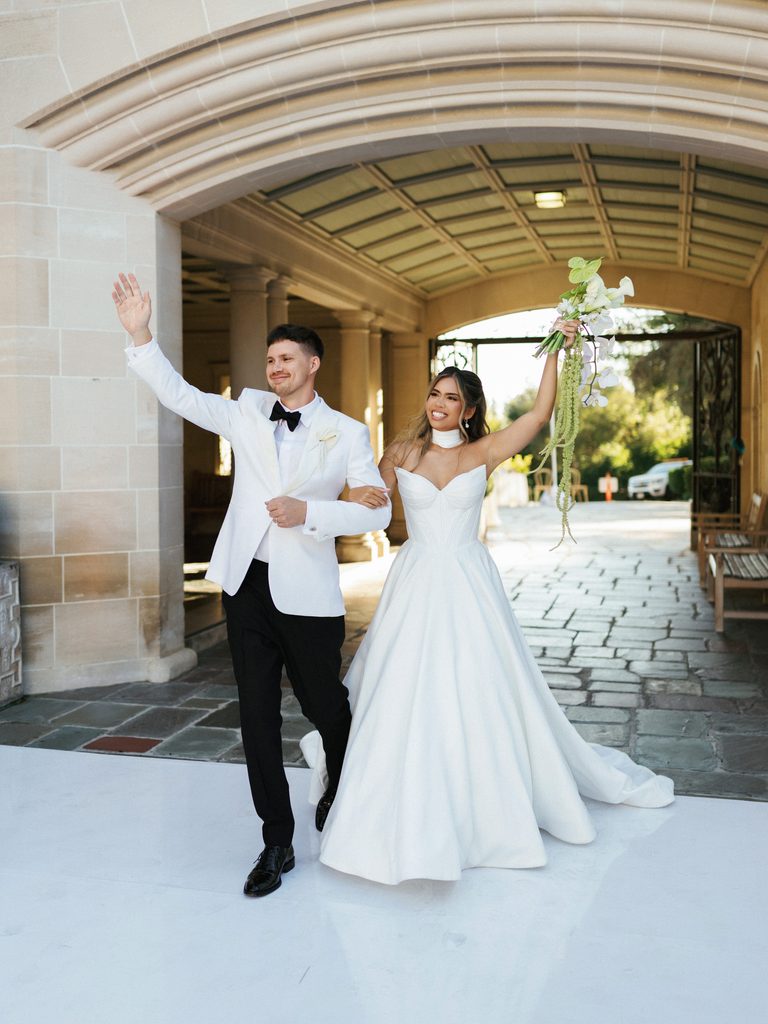
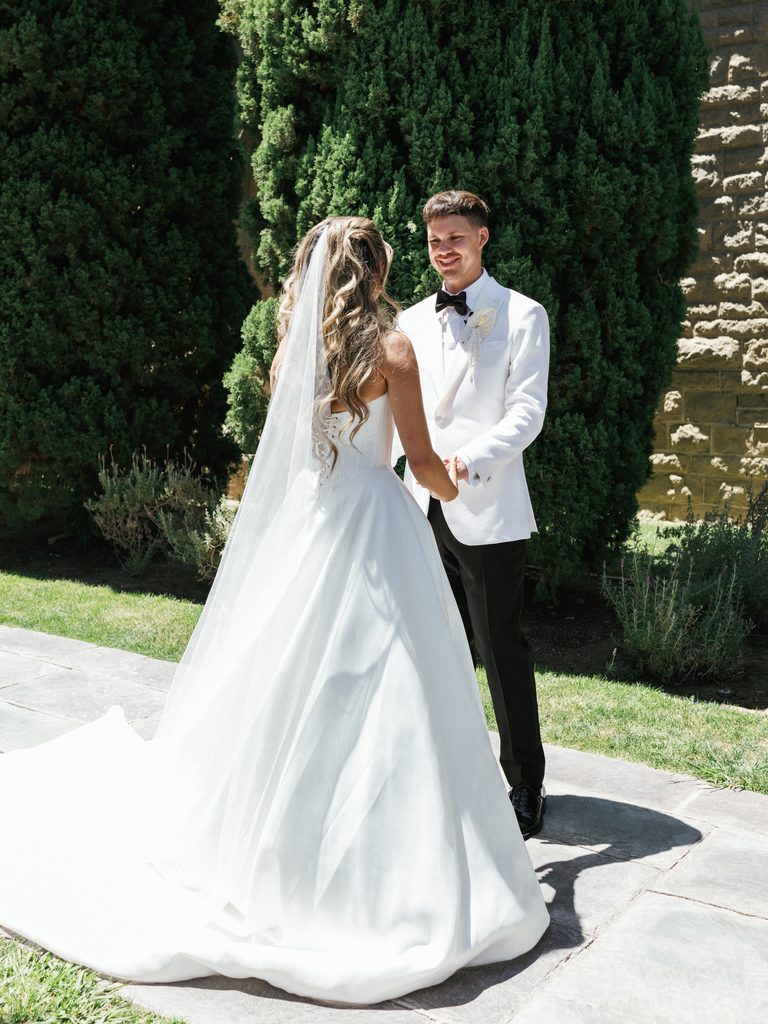
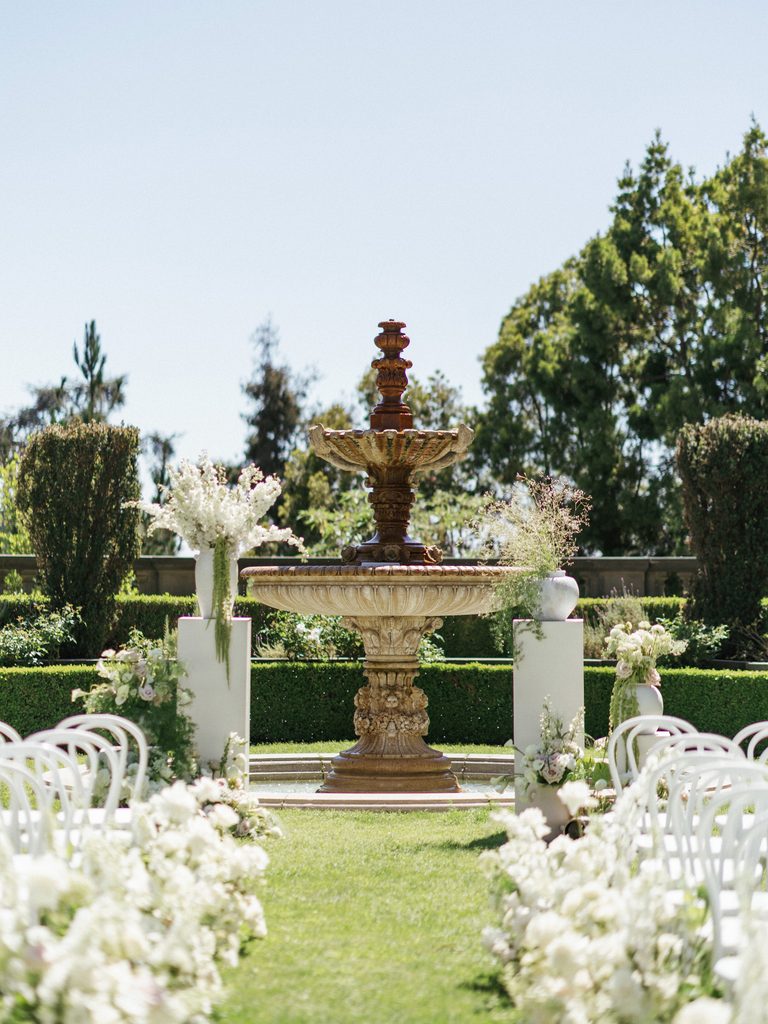
Greystone Mansion & Gardens: The Doheny Estate, CA.
Layout and Image Count
Page count and spread count describe different things. Twenty-five spreads contain fifty individual pages, but studios may use either measurement when describing a format. The distinction becomes relevant when album options have different page structures, since the same number can describe very different amounts of physical space.
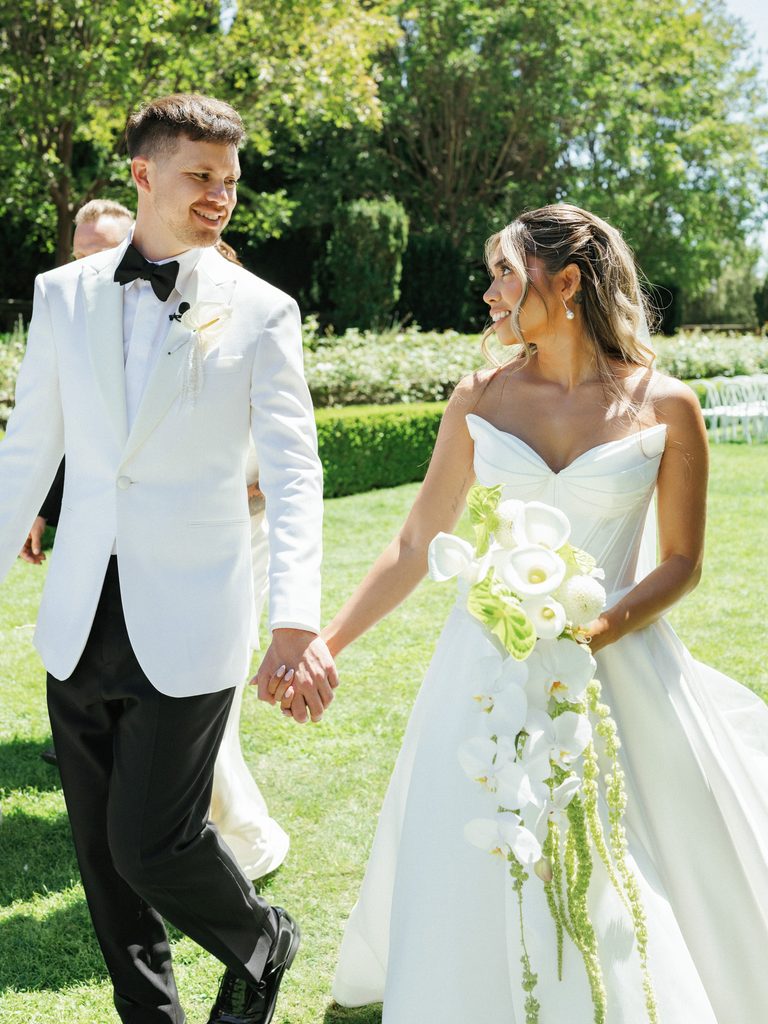
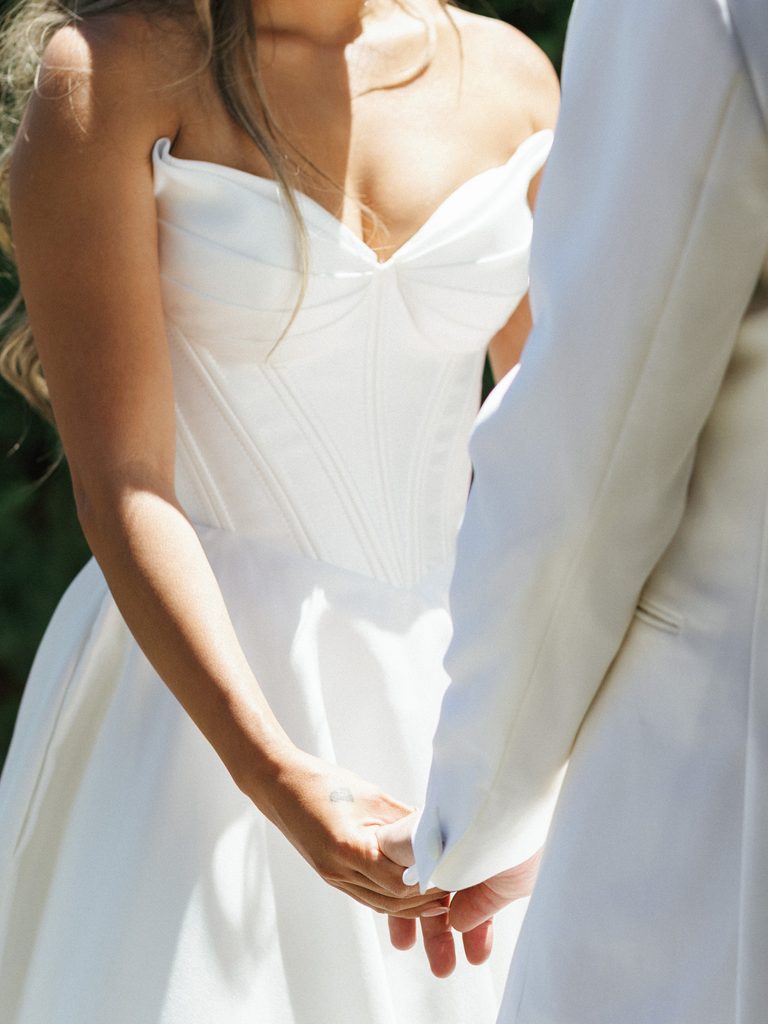
Image count also depends on the way that space is designed. One large photograph can occupy an entire opening, while several smaller photographs can form a sequence across the same spread. A ceremony may call for several images to preserve movement and reactions, while a portrait with strong architectural surroundings may carry an entire spread.
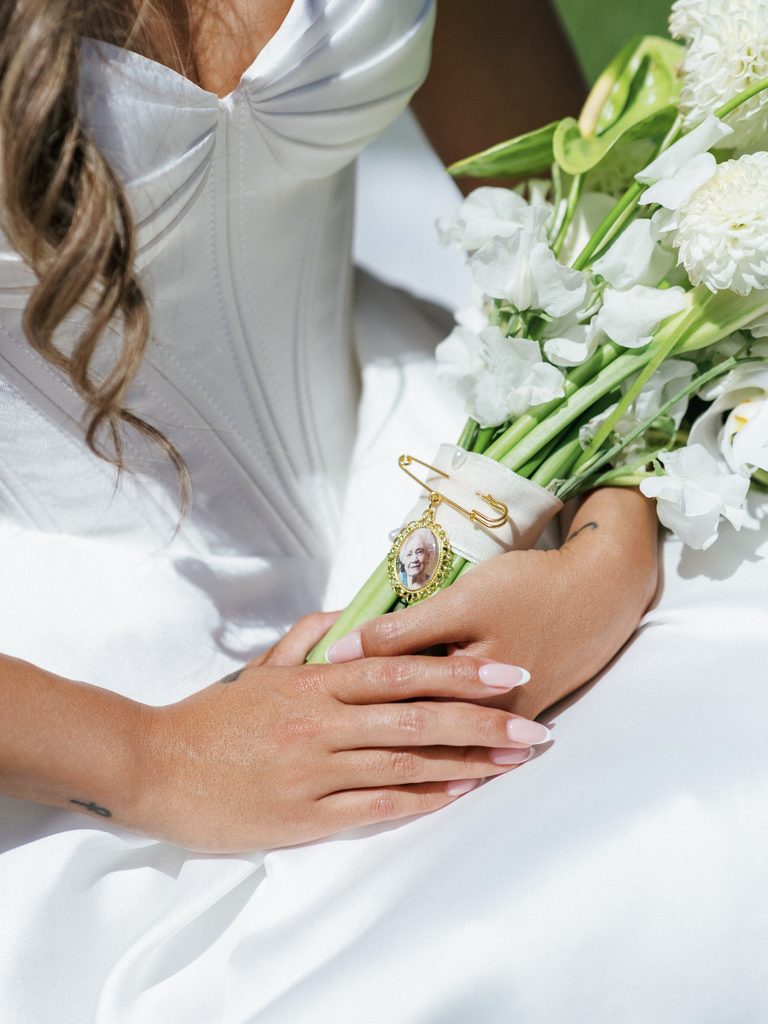
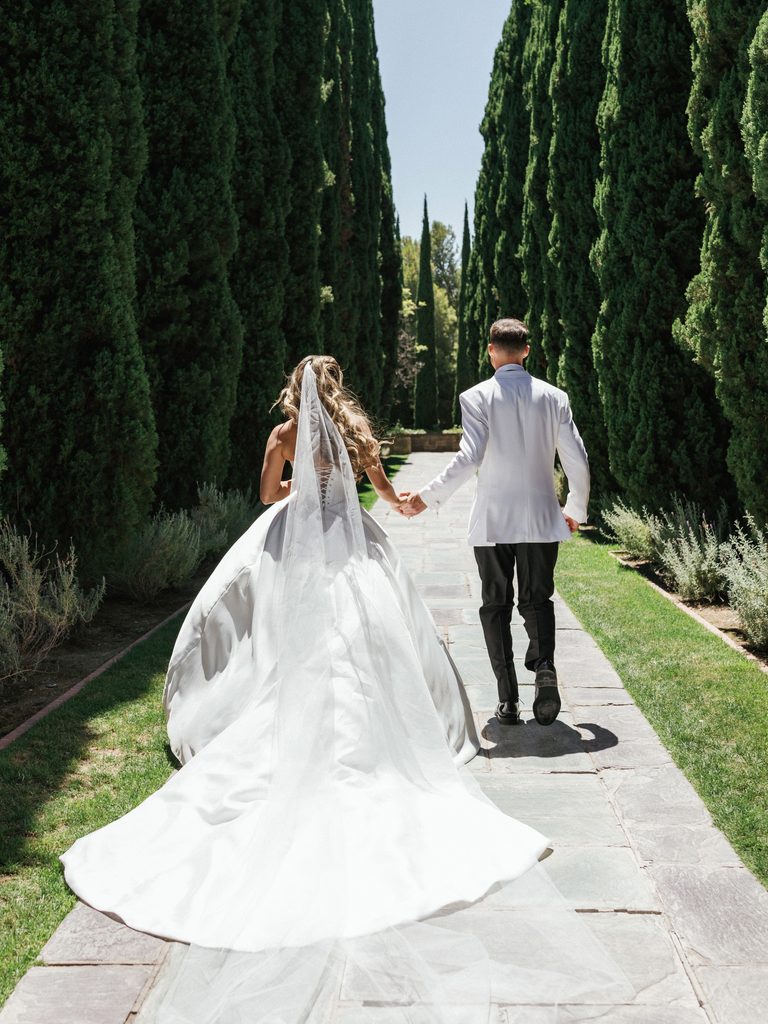
The photographs selected for the book come from the finished wedding gallery, but the album has its own editing process. The full gallery can contain a wide range of moments, expressions, details, and portraits. The album brings a smaller selection into a physical sequence, with each photograph considered in relation to the pages around it.
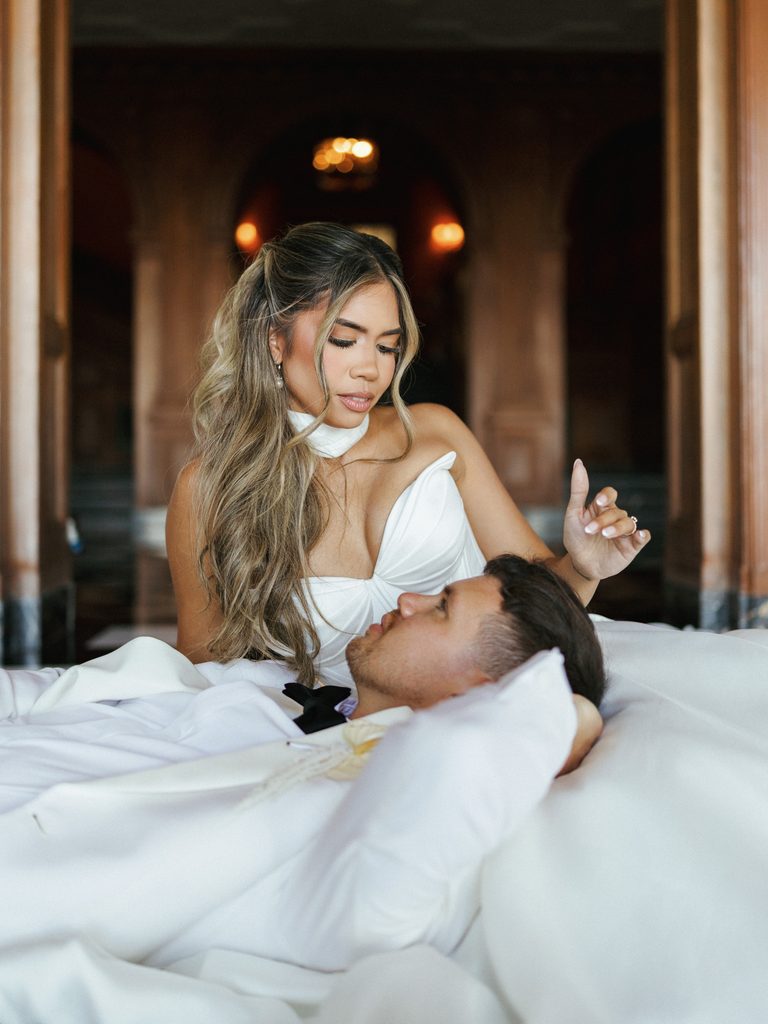
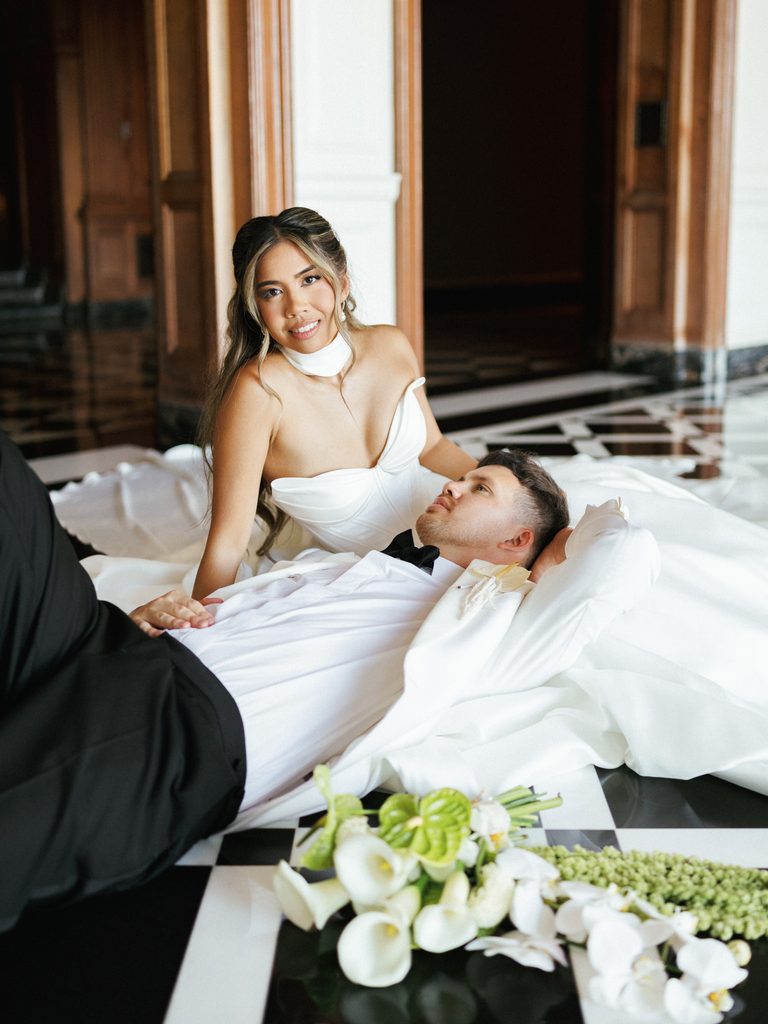
The sequence can also connect facing pages through location, movement, people, color, or the progression of the day. A single photograph can provide a visual pause between denser sequences, giving the following spread room to carry more visual weight.
Durability and Archival Questions
The word “archival” can refer to specific properties of paper, inks, photographic processes, and other materials. The term can therefore cover several parts of the production process, depending on how a studio uses it. Acid-free and lignin-free papers can support long-term preservation, and the printing method and inks can influence how photographs age over time.
The materials work together with the construction of the book. Binding, page structure, printing process, and paper all contribute to how a finished album handles years of use. Cover materials have their own characteristics. Leather, linen, vegan leather, and printed covers can develop different appearances through handling, and a book intended for regular family use may call for different material choices from one kept primarily as a display piece.
Weight and dimensions belong in the practical side of the decision. A lay-flat album with rigid pages can carry considerably more weight, even with a similar number of pages. The finished size affects storage, particularly when an album will spend years on a shelf and come out for family gatherings.
Storage conditions influence long-term preservation. Strong direct sunlight, high humidity, substantial temperature changes, and careless handling can affect paper, covers, and printed photographs over time. A studio can provide care guidance based on the materials and production methods used for a particular album or book. For an album intended to remain in the family for years, useful specifications include the paper, printing process, page construction, binding, cover material, and recommended storage conditions.
See Real Weddings in Our Gallery
Browse real celebrations photographed and filmed by Dreamwood across locations, cultures, venues, and styles.
Who Actually Designs the Pages
A professionally designed wedding album is usually built spread by spread, with a person making deliberate decisions about photograph selection, sequence, scale, and page composition. That person may be the photographer, a dedicated album designer, or another member of the studio team.
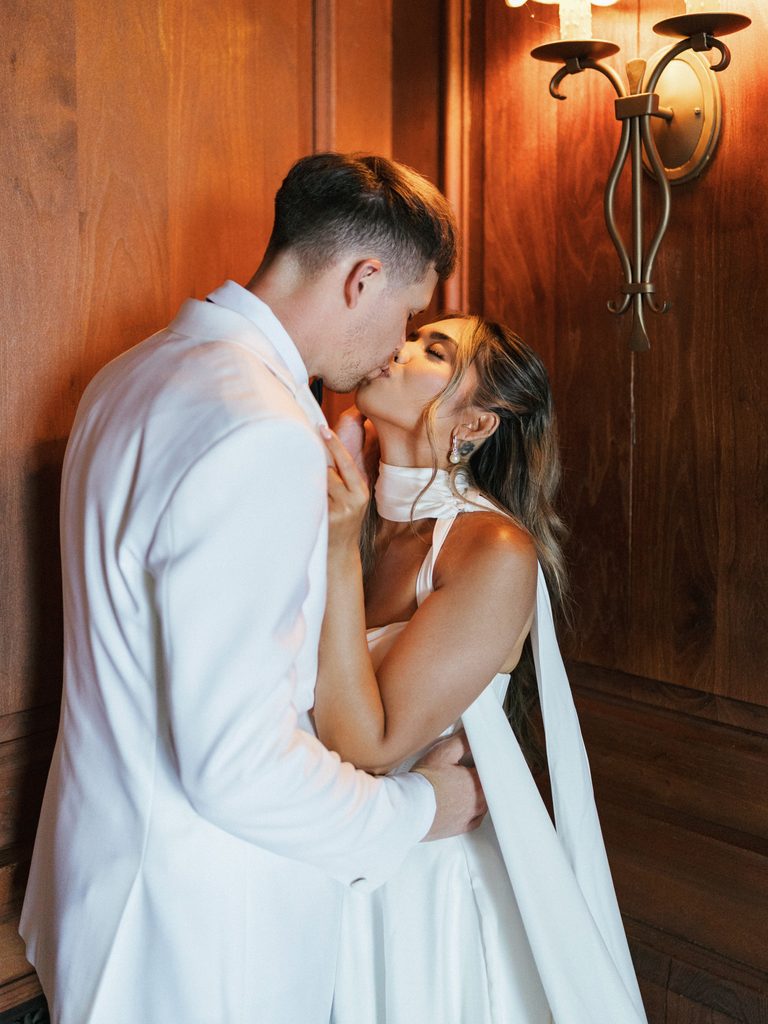
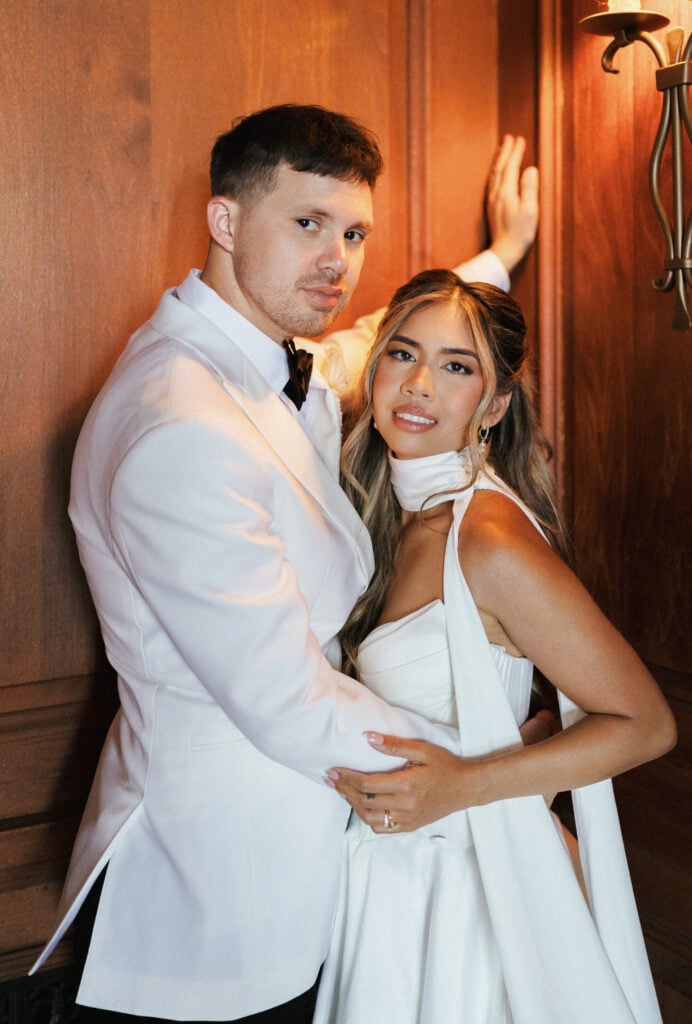
A photo book ordered through a consumer printing service may rely on templates that the couple completes independently. Other photo book services offer professional design, and studios vary in how they divide the work. Some studios select the photographs and prepare the first design for review. Other studios ask the couple to choose the photographs before the design begins. Revision policies vary too, with some studios including several rounds of changes before production. These details shape how closely the couple participates in the design and how much of the visual editing stays with the studio.
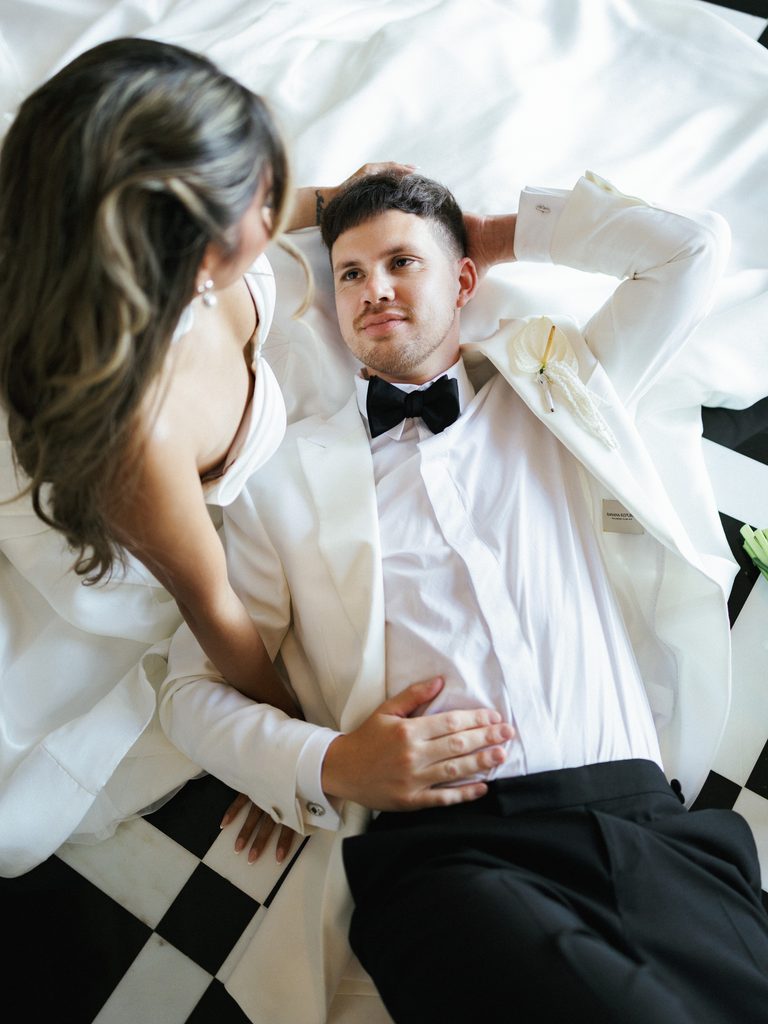
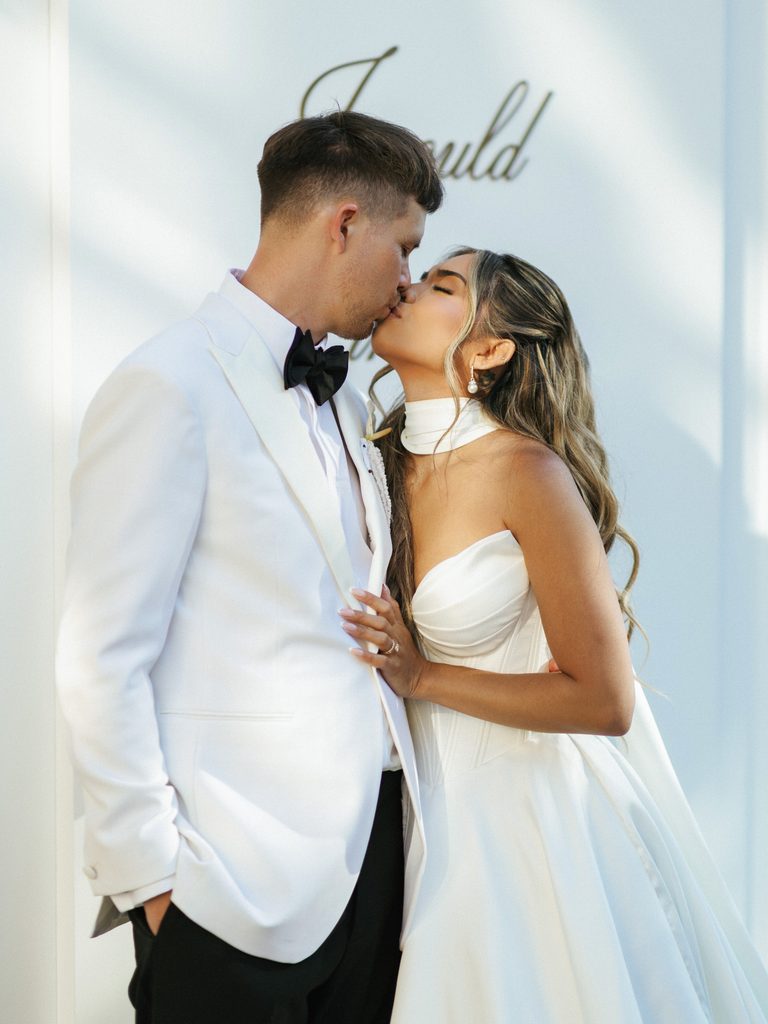
The practical details can be established before the design begins: who creates the first layout, who selects the photographs, how many revision rounds the process includes, and whether the final proof requires approval before production.


A Decision Checklist
Before choosing an album or photo book, a short set of practical details can narrow the options considerably:
- Construction: Is the book lay-flat, flush-mount, or standard-bound?
- Pages and spreads: How many pages or spreads does the format include, and how is that capacity measured?
- Photographs: How are images selected for the book, and who makes the final choices?
- Design: Who creates the layout, and how does the couple review the design?
- Revisions: How many rounds of changes are included before the book goes into production?
- Size: What are the finished dimensions, and where will the book be stored?
- Materials: What paper, printing, binding, and cover materials are used?
- Care: What storage and handling conditions are recommended for the finished book?
These details give a clear basis for comparing album and photo book options. The final choice can then follow the format, design process, and physical qualities that fit the photographs and the way the book will be kept.
FAQ
Is a wedding album really different from a photo book?
Often, yes, although the terms are used differently by different companies. Wedding albums commonly use substantial pages and lay-flat or flush-mount construction, while photo books often use thinner pages and traditional binding. The actual specifications are more useful than the product name alone.
How many images fit in a wedding album or photo book?
There is no fixed number. Capacity depends on the construction, number of pages or spreads, book size, and layout. A design built around large photographs can contain fewer images, while a denser layout can accommodate a longer sequence.
What actually makes an album archival?
Archival suitability depends on the specific materials and production methods used. Paper, printing process, inks, page construction, and binding all contribute to long-term preservation. If a studio describes a product as archival, couples can ask which materials and processes support that description.
Does a lay-flat album work differently from a standard-bound photo book?
Yes. A lay-flat construction presents the open spread with little interruption at the center, which suits photographs designed to extend across both pages. Standard binding curves toward the spine when opened, so photographs spanning the center require different placement in the design.
Can images from a professionally designed album be reordered or replaced?
This depends on the studio’s design and proofing process. Many studios allow changes before the final design receives approval, while changes after production may require a new order. The revision process should be clear before the design is finalized.
Who should design a wedding album’s layout?
The layout may be created by the photographer, a dedicated album designer, another member of the studio team, or the couple. The process depends on who selects the photographs, who creates the design, and how revisions are handled. Those details can be confirmed before the album design begins.