The Difference Between Wedding Videography and Photography
Many couples return to their wedding film more often than they return to their photographs. However, the preparation required for film coverage is different in kind from what photography requires.
Film brings a different set of considerations: audio capture, edit structure, and delivery expectations that have no equivalent when the deliverable is a still image.
More Than a Moment: The Power of Wedding Video
Sound and movement shape the emotional impact of a wedding film more than almost any visual choice.
A vow exchange captured in sharp focus but with distant, ambient audio becomes a sequence the viewer watches from outside. The same exchange with clear, close audio becomes something they experience from within.
Expert Note
Photography and videography document the same celebration, but they approach it differently. A photograph of a first dance can be taken from a fixed position, while a film of the same moment needs to follow the subject, manage changing light as the couple moves, and maintain audio clarity while the room fills with music.
Expert Note
A videographer follows people as they walk, embrace, dance, and interact throughout the celebration. Camera positions, available space, venue layout, and lighting all influence how naturally these moments translate on film. Reviewing the venue layout and timeline before the wedding gives the team an opportunity to prepare camera positions instead of making decisions under time pressure.
Expert Note
Editing also begins long before post-production. The pace of the day, the time available for portraits, transitions between locations, and breathing space between key events all influence how the final story comes together. A thoughtful timeline provides the editor with stronger material than a schedule where every moment runs back-to-back.
Audio Plan for Vows and Speeches
Ceremony Audio
Every ceremony presents different acoustic conditions. Outdoor celebrations introduce wind, surrounding conversations, and environmental sounds. Historic churches and stone venues often create echo that carries through recordings.
Ask the videography team how they plan to record your vows. Many professionals use discreet wireless microphones on the groom or officiant because they capture voices consistently throughout the ceremony. Others combine several recording sources to create additional security during editing.
If the venue has specific rules about microphones or sound equipment, it is worth discussing those details before the wedding day. Early coordination usually provides more flexibility than finding a solution shortly before the ceremony begins.
Speeches and Toasts
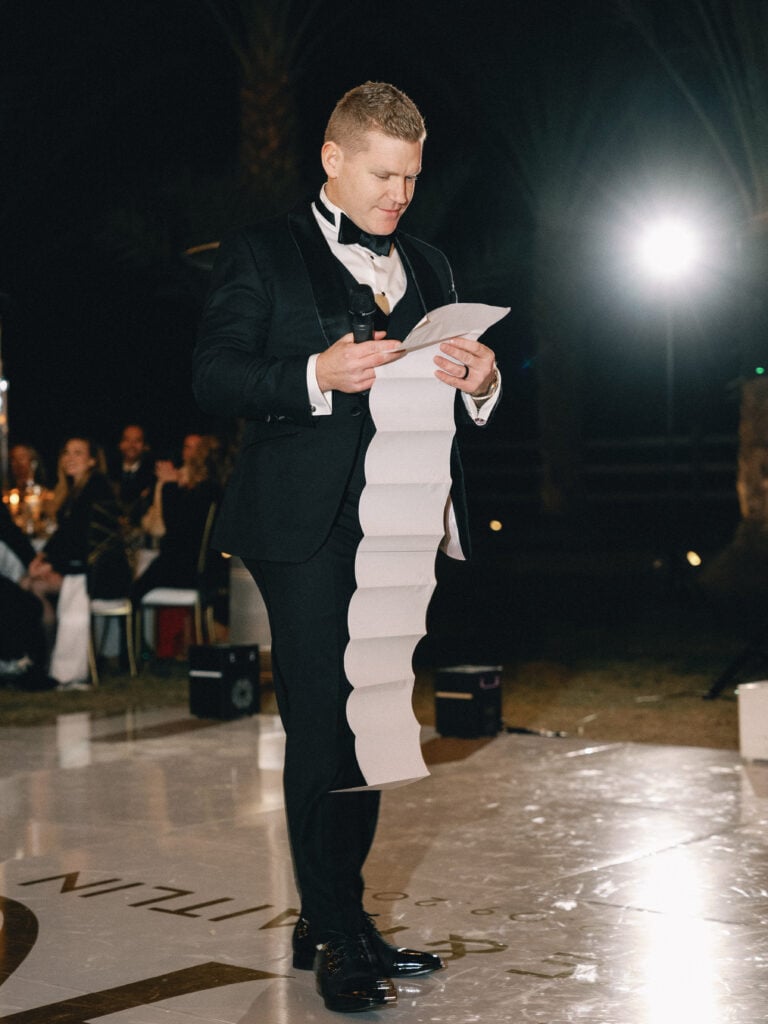
Reception speeches deserve the same level of preparation. The speaker may move, turn away from the microphone, or speak at an inconsistent volume or angle. Sound quality often depends on how the venue’s audio system is configured and whether the videography team can connect directly to the venue’s sound desk (audio mixing console).
Confirm in advance:
1. Whether the venue allows a direct audio connection;
2. Whether additional microphones are recommended;
3. Who coordinates with the venue’s audiovisual (AV) technician before the reception begins.
Sharing the order of speeches with the videography team is equally helpful. Knowing who speaks and when allows camera operators to prepare naturally befor
Timeline Moments That Shape the Film
A wedding film is built around a small number of key moments, each carrying a different narrative weight. Planning those moments with intention helps the videography team protect them in the timeline and avoid compressing them during the day.
1. Getting Ready
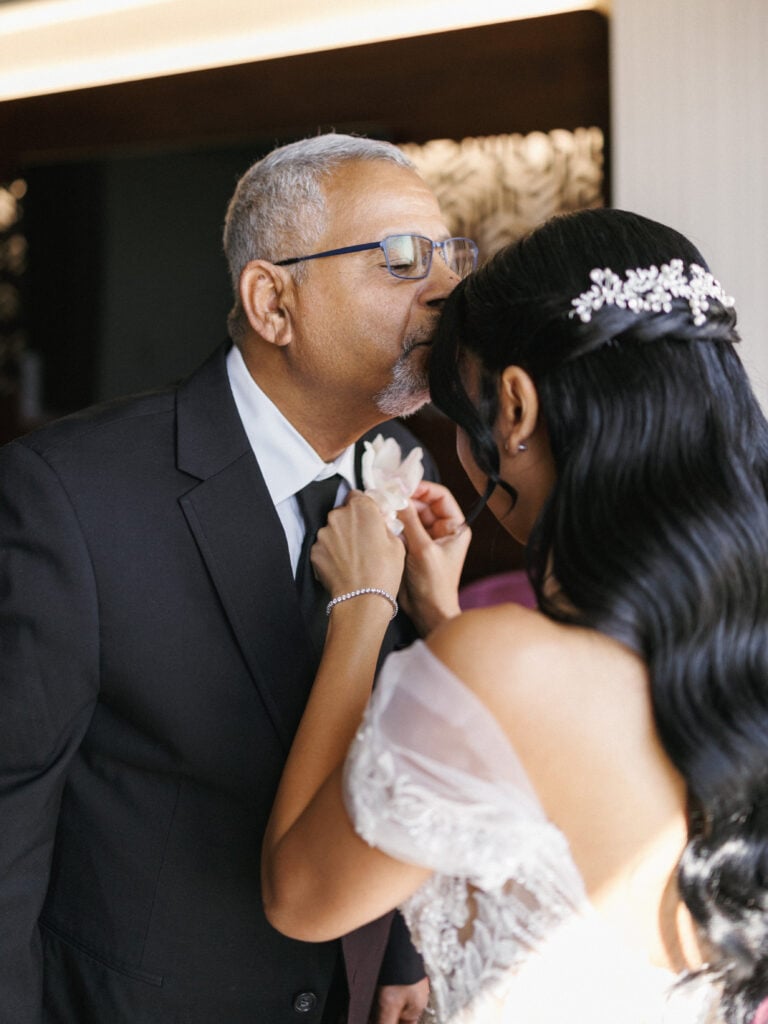
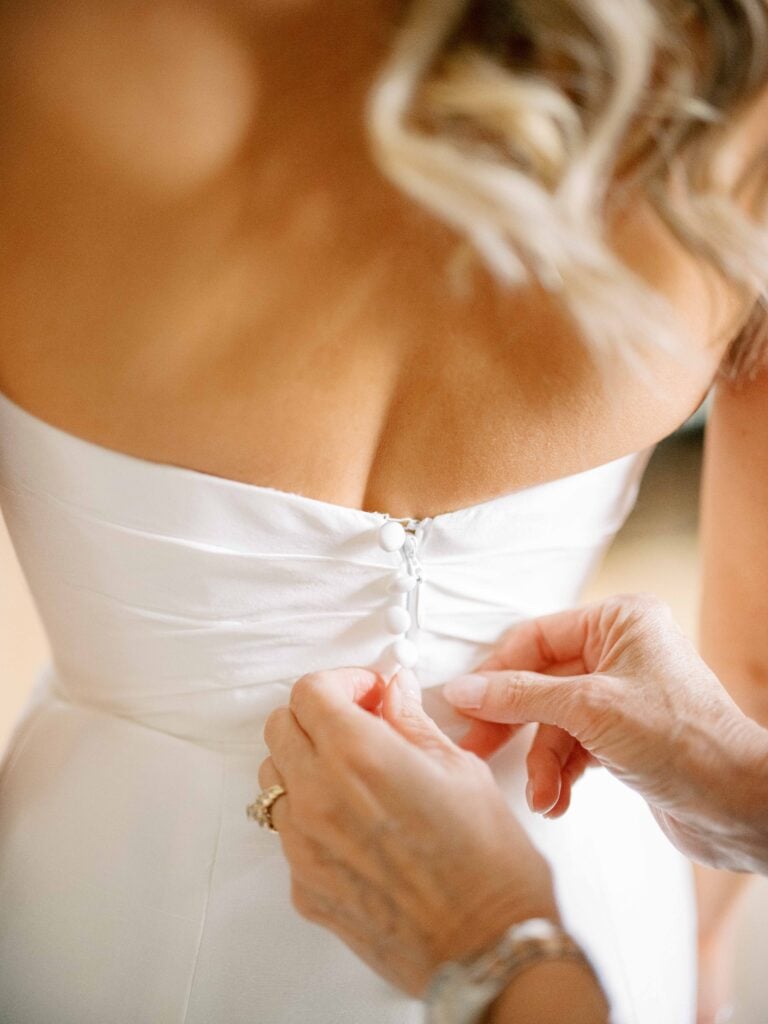
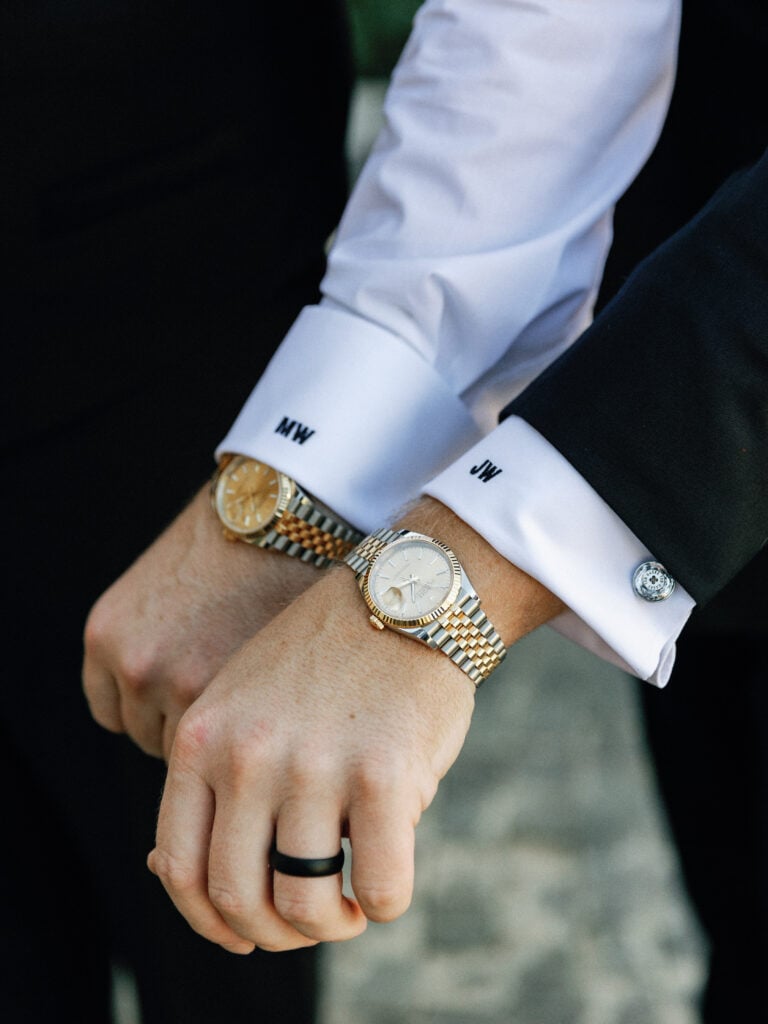
Getting ready footage establishes character and context early in the film. It carries atmosphere, anticipation, and the first interactions between people who matter most, before the formality of the ceremony shapes how everyone presents themselves.
Videographers usually need a clear understanding of the morning structure. Knowing when the dress goes on, when family members arrive, and whether a first look is planned allows the team to position themselves in advance rather than reacting to events as they happen.
A well-prepared space also matters. Natural light, uncluttered surfaces, and enough room for movement all contribute to smoother coverage and stronger visuals.
2. The Ceremony
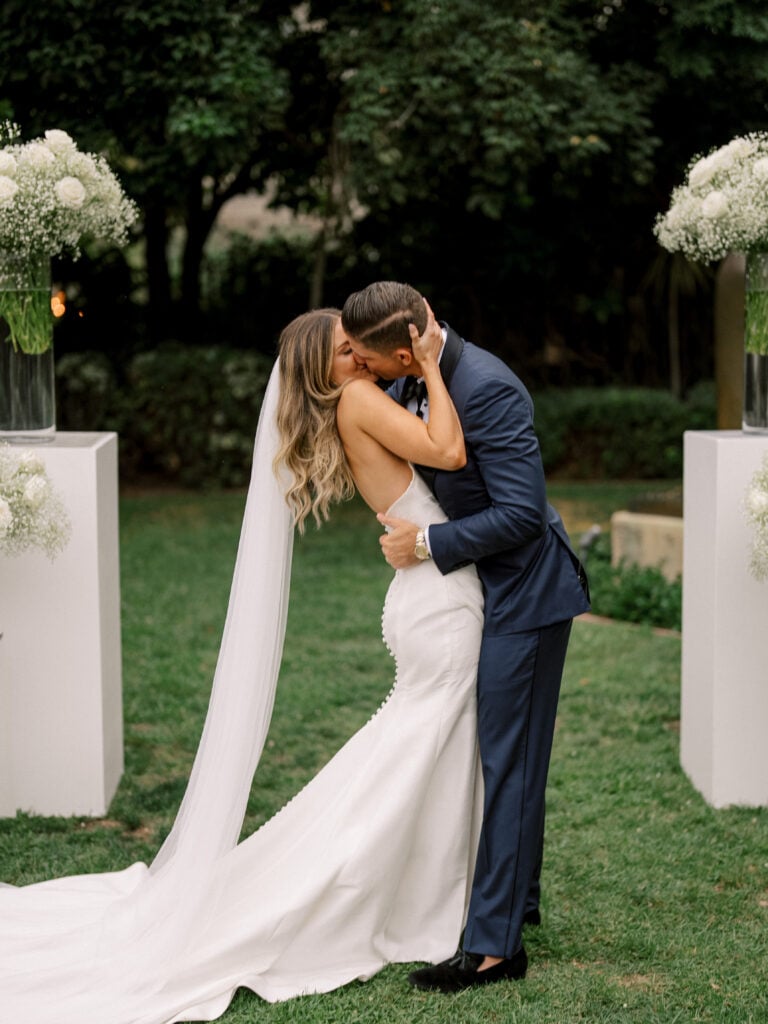
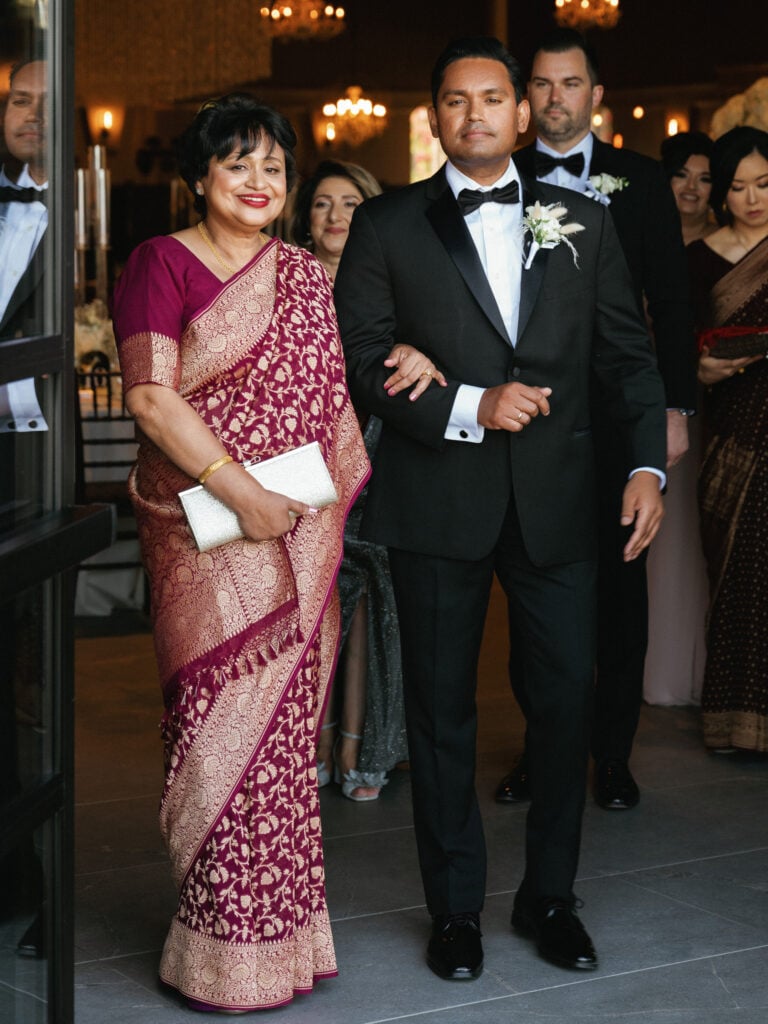
The ceremony is where audio planning and visual coverage converge. The processional, the vow exchange, the ring exchange, and the first kiss are the structural checkpoints. Around them are smaller moments: a parent’s expression during the processional, a quiet exchange between the couple during the reading, a reaction in the front row that no one directed.
If there are cultural traditions, non-standard elements, or moments that require repositioning between sections, different camera angles or audio focus, communicating this information beforehand gives the team time to plan for them.
3. Couple Portraits
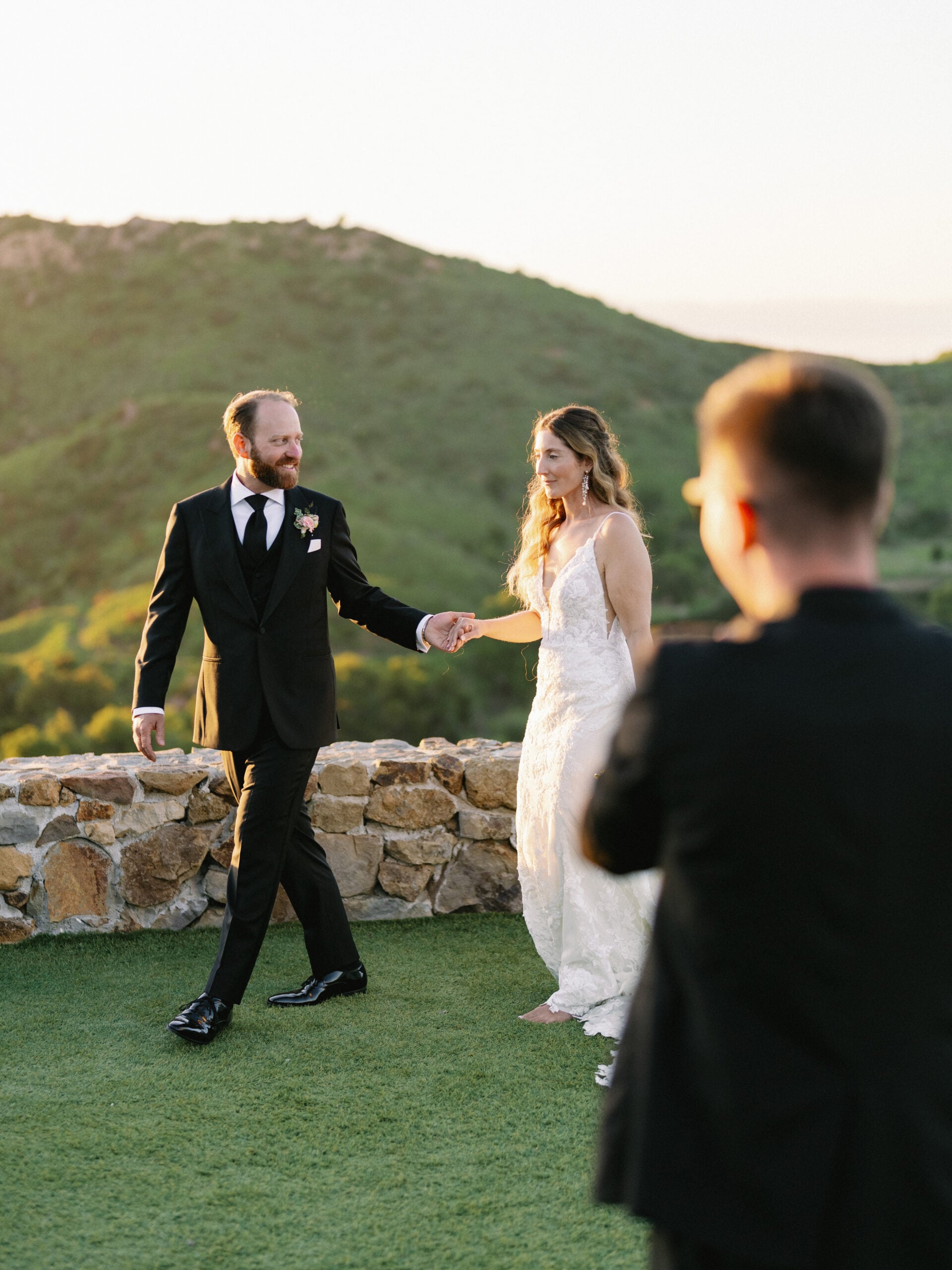
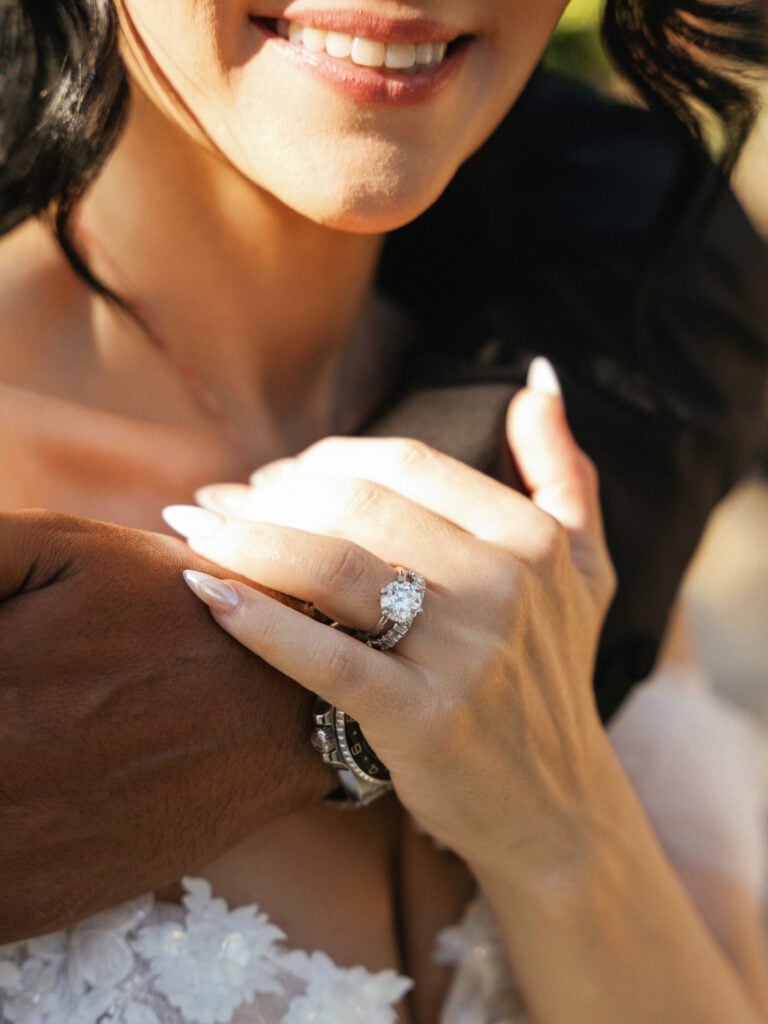
Portrait sessions generate film material as well as photographs. A couple moving through a location, reacting to the environment, speaking to each other without direction: this footage is often among the most usable material in the final edit. It is also the material most frequently compressed when the timeline runs late.
When the timeline gives the team forty minutes of late-afternoon light with the couple, the film reflects it. When that window is reduced to fifteen minutes by a delayed ceremony or extended cocktail hour, the edit has considerably less to draw from.
4. Reception
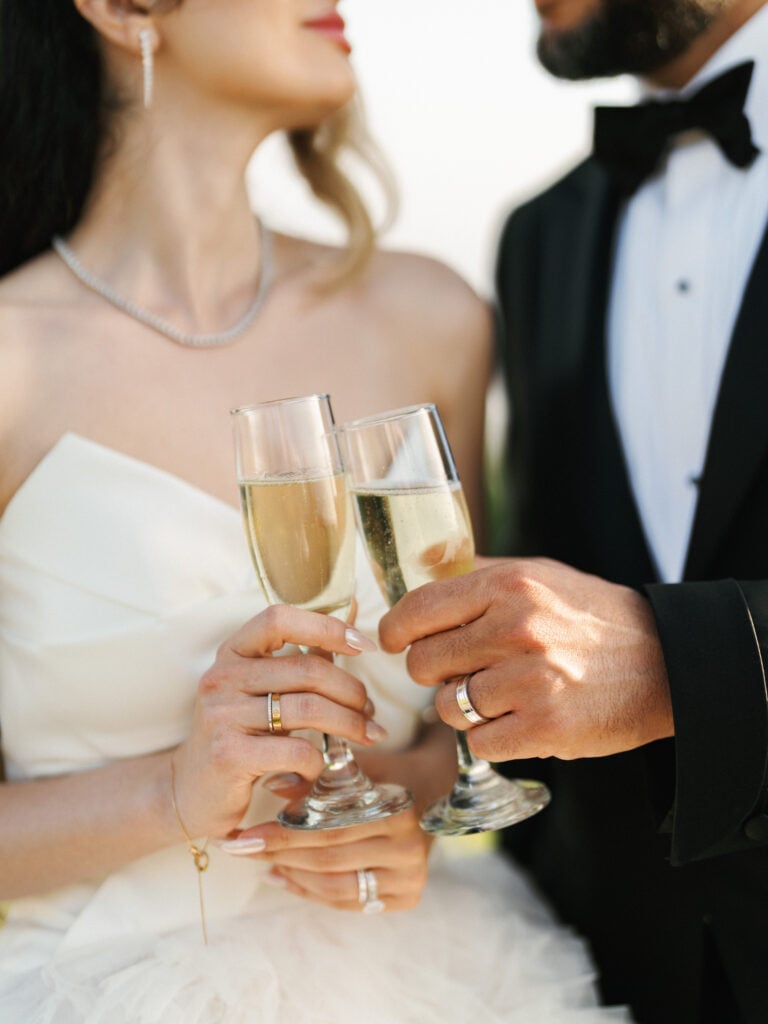
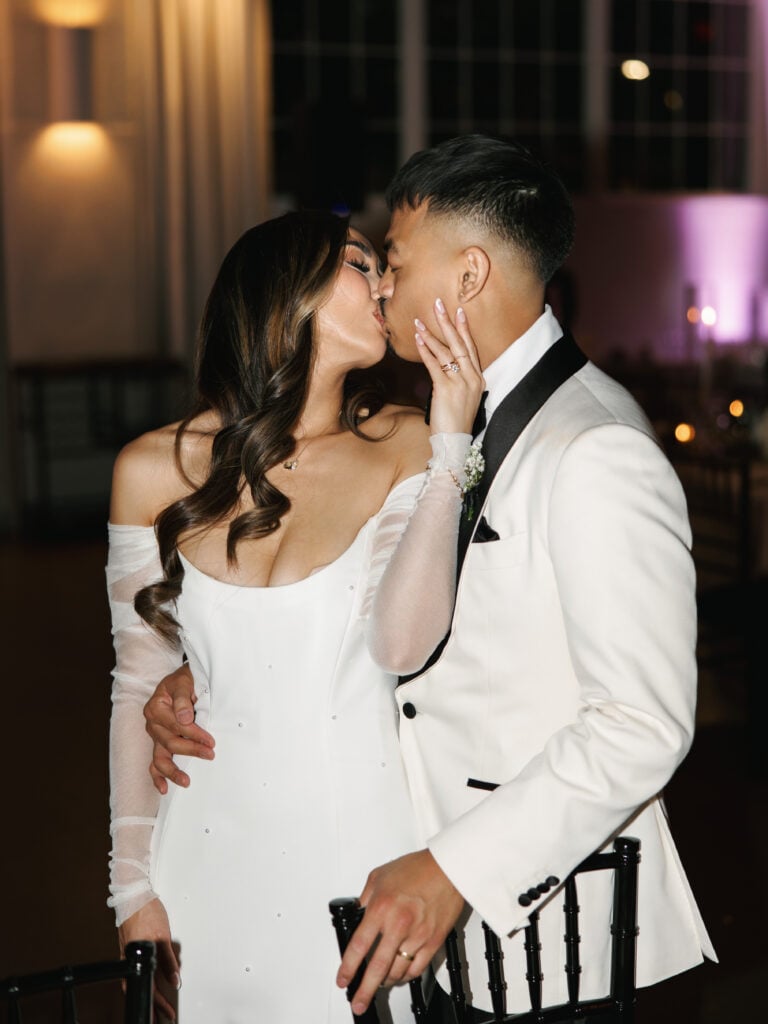
The reception checklist is similar to the one for photography: the order and timing of key events, whether speeches use the venue sound system or separate microphones, and any planned surprises or non-standard moments.
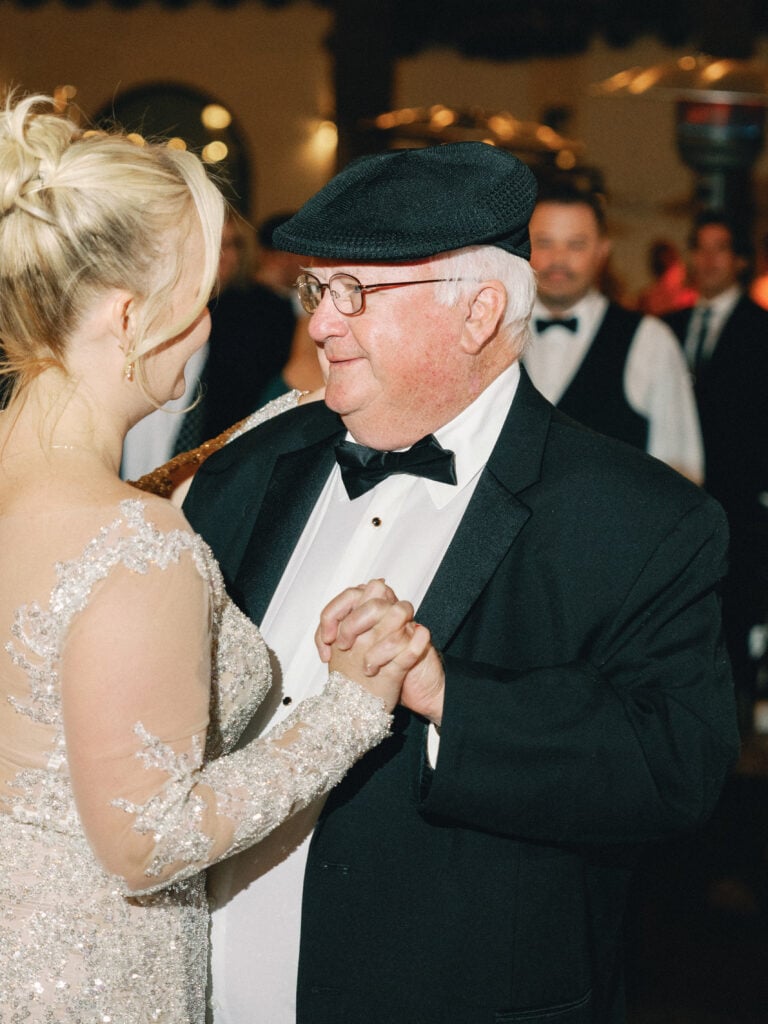
The first dance deserves special attention. Lighting, placement, and space around the couple influence how movement is captured. If the reception lighting plan includes a shift at a particular moment, the film team should know when and what to expect.
Music, Edit Style, and Delivery Expectations
The choices made after the wedding day influence the final film as much as anything captured during it. Considering them in advance reduces the most common points of misalignment.
Music Licensing
Popular songs are protected by copyright, and films using unlicensed music may be removed from social platforms or restricted in certain territories. Professional film teams typically work with licensed music libraries. Some offer couples a selection; others select music as part of the creative edit.
If a specific song matters to the couple, it is worth asking whether it can be licensed and at what cost. If the team selects music, asking for examples from previous films confirms whether the approach aligns with what the couple wants.
Edit Style and Length
Wedding films come in different formats:
1. Highlight film: a short, curated edit that captures the emotional arc of the day;
2. Full ceremony edit: complete recording of vows, readings, and structure;
3. Extended film: longer edit that includes speeches and additional reception moments.
These are typically offered as separate deliverables. Feel free to ask questions about what is included in the package, what is optional, and what the additional cost is for extended edits.
Delivery Timeline
A realistic delivery window for a professionally edited highlight film is eight to fourteen weeks after the wedding, depending on the studio’s workload and the complexity of the edit. Some studios offer expedited delivery for an additional fee.
The expected delivery window, whether preview footage is offered, and what the revision policy covers are all worth confirming before the contract is signed. One round of revisions is standard; additional revisions are typically limited.
Questions to Confirm Before the Wedding Day
These questions help clarify coverage expectations before the wedding day:
1. How will ceremony audio be recorded in my venue?
2. Will you connect directly to the venue sound system for speeches?
3. How many cameras will cover the ceremony?
4. How do you coordinate positioning with the photographer?
5. What is included in the final delivery?
6. What is your editing and delivery timeline?
FAQ
These answers shape both planning and expectations for the final film.
What should couples ask a wedding videographer?
Questions that go beyond style and cover logistics tend to be the most useful. The most useful questions focus on coverage, audio, timeline structure, and delivery.
For example how vows and speeches are recorded, how the team plans camera positions, what deliverables are included, and how long editing takes. Reviewing full ceremony films gives a more accurate sense of style than highlight reels alone.
Why does audio matter in wedding film?
Audio is what makes a wedding film emotionally coherent rather than visually interesting. Vows, speeches, and ambient sound from the ceremony and reception are captured in real time and cannot be re-recorded afterward. Poor audio quality in any of these sections affects the final film in ways that editing cannot fully correct. Confirming how each audio source will be captured before the wedding day is among the higher-value things a couple can do in the planning process.
Is a highlight film enough, or should we also book a full ceremony edit?
A highlight film is a creative edit shaped around the emotional arc of the day. It is the version many couples return to and share most often.
A full ceremony edit serves a different purpose. It preserves the vow exchange, the readings, and the complete ceremony structure in real time. Couples who wrote their own vows, whose ceremonies include cultural elements, or who want a complete record of what was said often find the full ceremony edit valuable independently of the highlight film.
How much footage is recorded during a wedding day?
A full wedding day of ten to twelve hours of coverage typically produces several hundred gigabytes of raw footage across multiple cameras. The final film uses only a small portion of that material, selected for emotional relevance and narrative flow.
Let’s Shape It Together
If you are putting your wedding videography checklist together, we can review it with you and refine it into something that works naturally with your day and your coverage team.