Understanding Wedding Photography Cost
Wedding photographer cost varies depending on how each package is structured and what it includes. Two photographers can quote for the same wedding, differ by several thousand dollars, and both be pricing accurately. It reflects the fact that wedding photography is not a standardized product: coverage hours, team composition, editing process, deliverables, travel, and experience behind the camera all vary between packages, each carrying its own cost.
To understand how wedding photographer cost is built, the focus shifts to what each proposal includes and how those elements map to the requirements of the day being planned.
What Shapes the Price
Wedding photography does not follow a single production format, which is why pricing moves across such a wide range.
Expert Note
A lower price point often reflects photographers still building their portfolio, working with fewer hours of coverage, simpler equipment setups, and limited post-production capacity. The work can still be technically solid, but the structure behind it is usually more constrained, particularly in editing time and operational support.
At the higher end, pricing reflects the cost of running a professional operation. Editing often extends well beyond the wedding day itself, with each gallery requiring substantial post-production time to achieve consistency across changing light, locations, and movement. Professional equipment, insurance, backup systems, and multi-wedding scheduling all sit behind the final gallery.
Summary
The wedding photography cost reflects a photographer’s editing process, their client experience, their backup systems, their insurance coverage, and the reliability of their business infrastructure, not only their skill behind the camera. A photographer priced noticeably below the market standard at a similar visual level is often operating with less capacity in one or more of those areas.
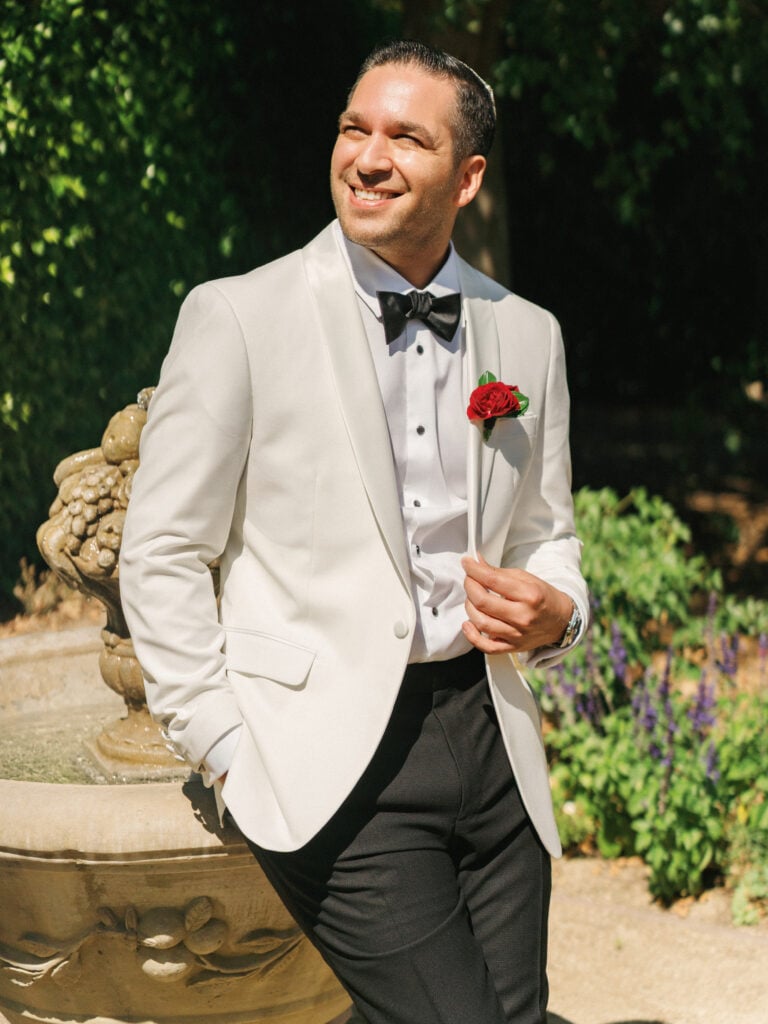
Coverage Hours, Team Size, Travel, and Deliverables
These four elements shape most wedding photography packages and account for much of the variation in cost.
1. Coverage Hours
Wedding photography packages are typically built around a set number of hours, ranging from six to twelve. The hours that carry the most weight are those aligned with getting ready, the ceremony, portraits, and the opening of the reception.
A six-hour package may cover the ceremony and reception comfortably for a shorter wedding. A ten- or twelve-hour package suits a full destination wedding day with a long getting-ready sequence, separate ceremony and reception venues, and extended evening coverage. The question is not which is longer but which hours are actually needed for the day being planned.
Overtime is usually charged separately once coverage extends beyond the agreed window, which makes clarity around extension rates important before the celebration begins.
2. Team Size
A single photographer covers a wedding from one position at a time. A two-photographer team covers the same moment from two angles simultaneously, producing more options in the edit and ensuring that moments unfolding in different parts of the space are captured.
For a ceremony where both the processional entrance and the groom’s reaction carry equal weight, two photographers are what the coverage requires. For an intimate elopement with a handful of guests, a single lead is often the right fit.
Second photographer rates are typically charged separately from the lead photographer’s fee and vary based on experience level and coverage hours.
3. Travel
Destination wedding photography involves travel costs separate from the photographer’s creative fee. Flights, accommodation, ground transportation, and per diems for multi-day coverage are typically billed at cost or included in a flat travel fee quoted alongside the package.
For local weddings within driving distance, travel may be included or charged as a mileage fee.
For international destinations, travel costs can add meaningfully to the total. Couples planning destination weddings are well served by requesting a clear breakdown of estimated travel costs and whether those costs are capped or billed at actuals.
4. Deliverables
Deliverables vary widely between photographers and packages, even when pricing appears similar on the surface.
The most common deliverables are an online gallery of edited images with digital download and print rights. What varies is the number of images included, the editing style, whether an album is included, how long the gallery remains accessible, and whether high-resolution files are provided.
Image count is not a reliable indicator of quality. A photographer who delivers three hundred carefully edited images from a full wedding day is not providing less value than one who delivers eight hundred lightly processed ones. The question is what the editing process produces and whether the images reflect the visual standard the couple chose the photographer for.
Albums are usually a separate production item, involving design, printing, and material choices that influence both longevity and feel. Quality differences are visible in binding, paper stock, and overall construction.
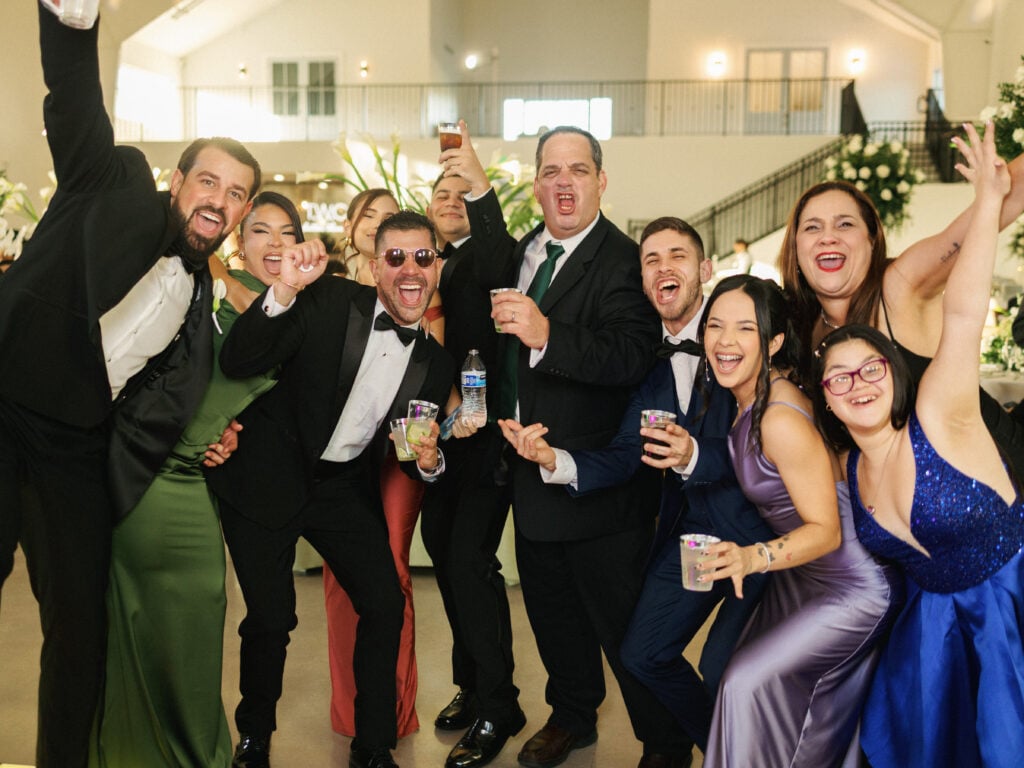
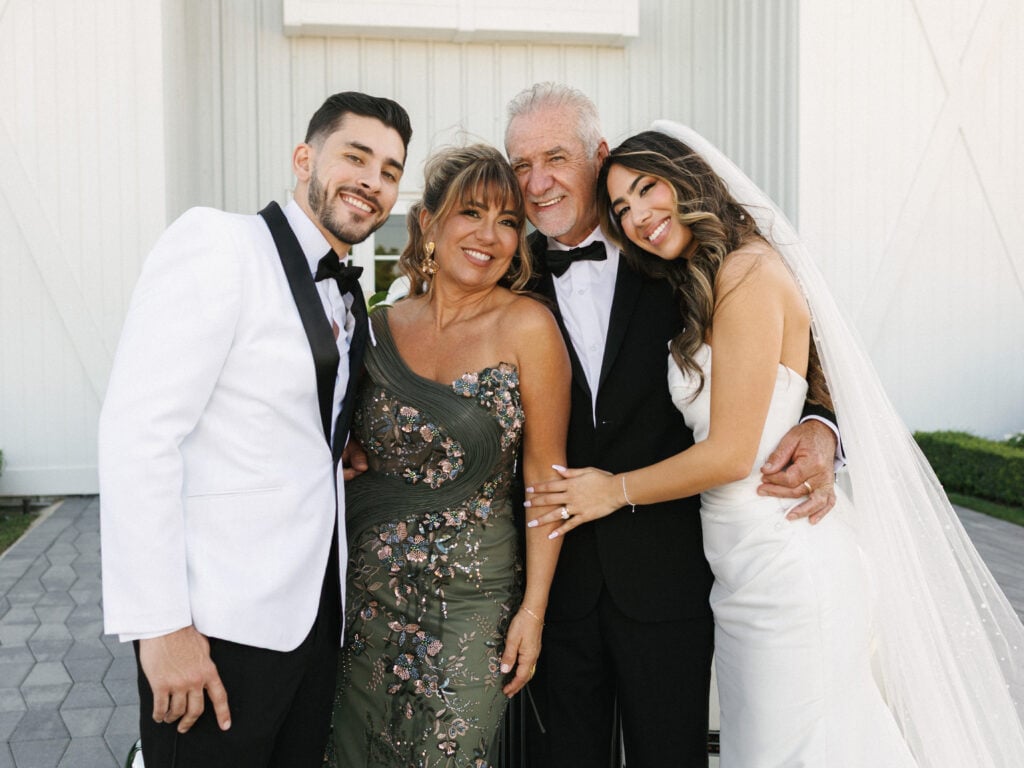
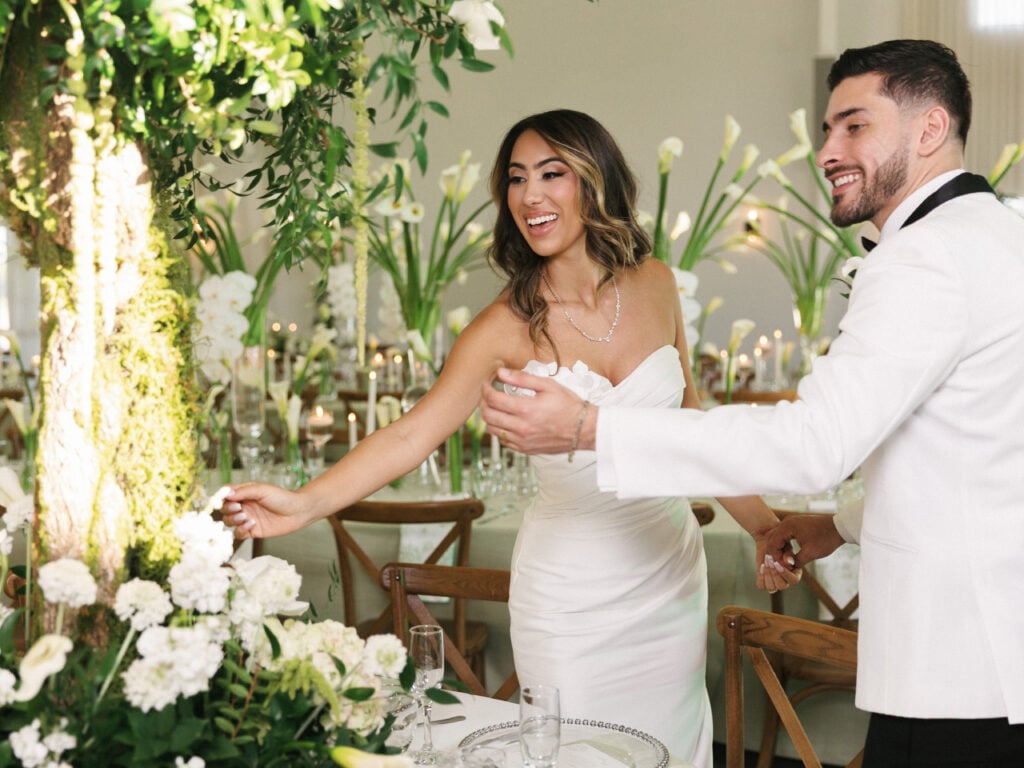
Editorial Style and Production Value
Style carries real production weight, both in shooting and in post-production.
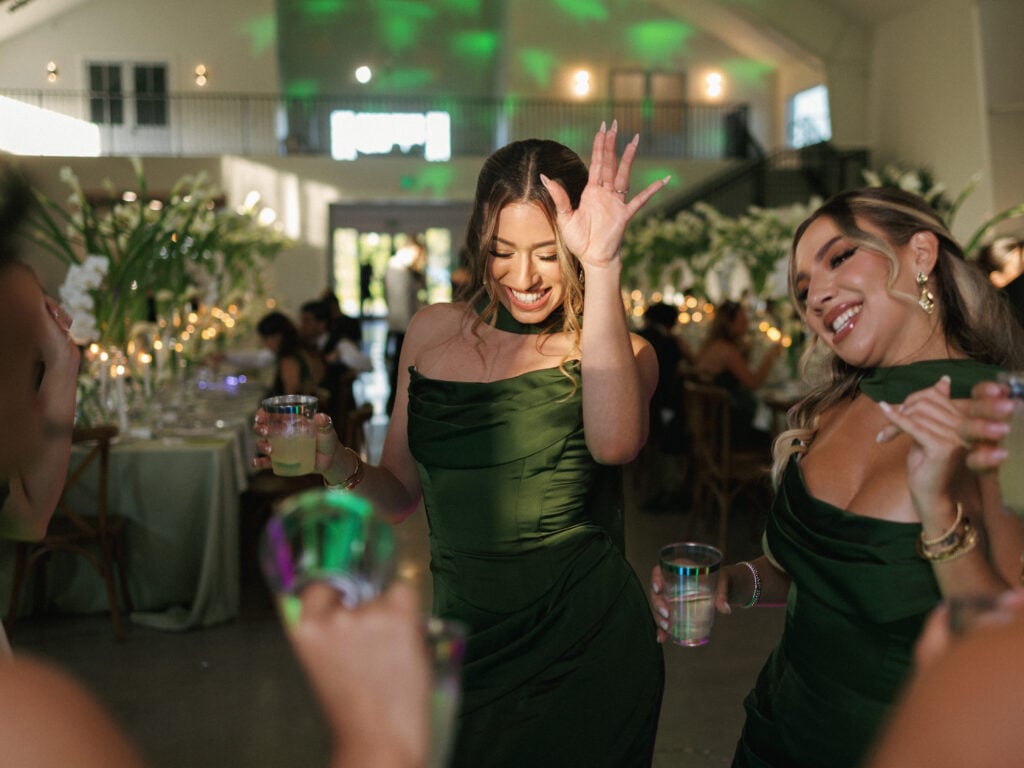
Documentary and editorial approaches require careful post-production work to maintain consistency across varying lighting conditions, locations, and moments. A full wedding gallery often moves through hundreds of images that need unified color and tone, which requires extended editing time after the event.
Equipment also plays a role in reliability and consistency. Professional camera systems, multiple lenses, backup bodies, memory redundancy, and lighting tools all support stable execution across unpredictable conditions.
For couples selecting a photographer based on a specific visual direction, editing style becomes part of the investment. Consistency between portfolio work and full wedding galleries is often one of the clearest indicators of expected outcome.
How to Compare Packages Fairly
Comparing wedding photography cost calls for looking at the same variables across each option rather than comparing total prices.
Step
Start with coverage hours and confirm what the package includes: how many hours, whether a second photographer is included, what the overtime rate is, and what the deliverables are. Then consider whether travel costs are included or additional.
Step
Look at the editing process. How many images are typically delivered? What does the editing style look like across a full gallery, not just portfolio highlights? How long does delivery take, and what is the revision policy?
Step
Consider the contract terms: payment schedule, cancellation policy, and whether liability insurance is in place.
Expert Note
Full galleries remain the most reliable reference point. Portfolio selections show peak moments; complete weddings show consistency across transitions, quieter intervals, and changing conditions throughout the day.
When a Higher Investment Changes the Result
Additional investment changes the outcome when it increases coverage at key moments, introduces a second photographer where simultaneous perspectives matter, or brings in deeper post-production work that refines the final gallery.
Impact becomes less pronounced once a baseline of technical and operational quality is already in place. Beyond that point, differences tend to sit in style alignment and approach rather than measurable output.
The most practical evaluation comes from matching coverage structure, visual direction, and delivery expectations to the flow of the wedding day. Price sits within that equation as one factor among several.
FAQ
How much should wedding photography cost?
Wedding photography cost depends on coverage hours, team structure, travel, editing depth, and deliverables. Full-day coverage with a professional photographer and complete edited gallery reflects the combined cost of shooting, editing, equipment, insurance, and logistics. The clearest comparisons come from what is included rather than total price.
What is included in a wedding photography package?
Most packages include a set number of coverage hours, a lead photographer, and a fully edited digital gallery with download rights. Add-ons may include a second photographer, albums, engagement sessions, or extended coverage. Differences often sit in structure, editing approach, and delivery scope.
Is it worth paying more for an experienced wedding photographer?
Experience affects timing judgment, light handling, coordination during fast-moving moments, and anticipation of events before they unfold. These skills influence consistency and coverage depth, especially in complex timelines.
What does post-production actually involve?
Post-production includes image selection, color correction, tonal balancing, and consistency editing across the full gallery. A typical wedding may generate several thousand images, refined into a curated final set. Editing alone often takes twenty to forty hours and forms a significant part of the overall production cost.
Let’s Shape Your Wedding Photography Coverage Together
We are happy to help you shape coverage or understand what fits your day.