Coverage That Begins With Context
Two families, two sets of traditions, and a single day that has to hold both with equal weight: this is what defines a multicultural wedding, and it is what makes the photography and film around it different from any other kind of coverage.
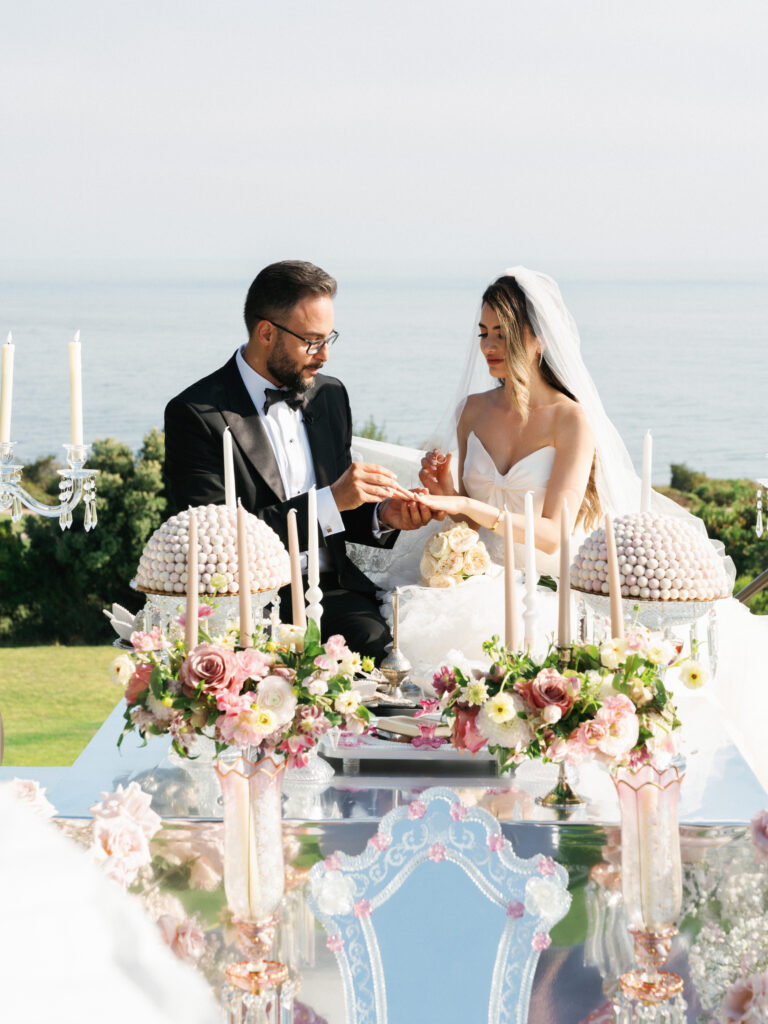
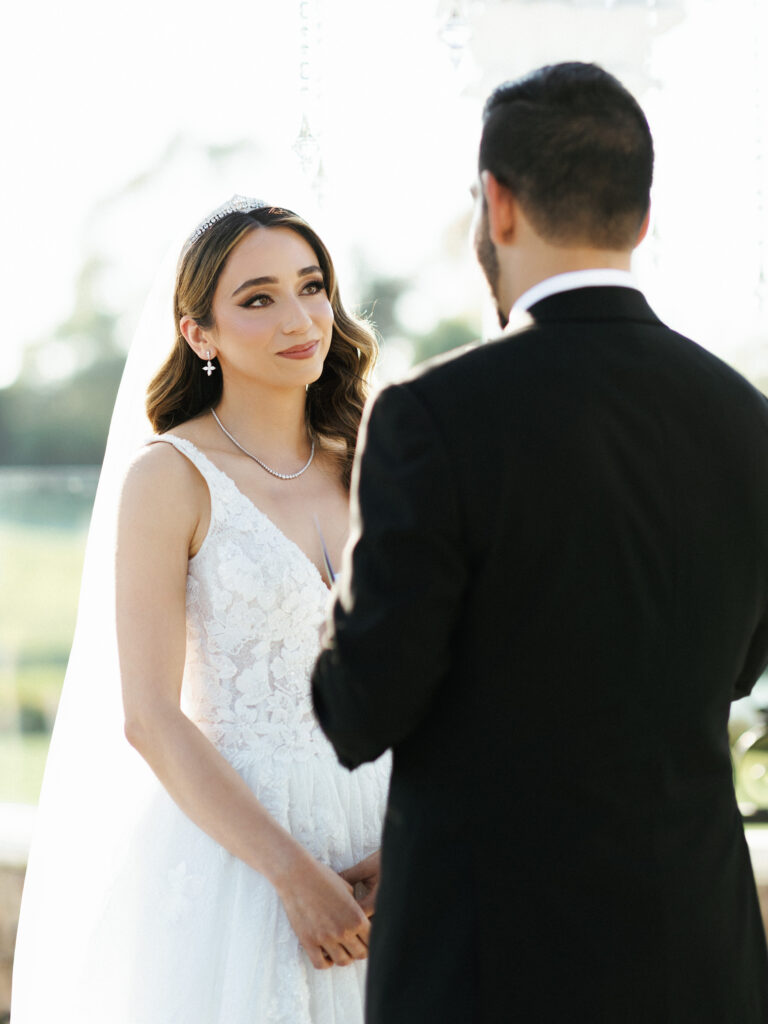
A quiet exchange of hands can sit at the emotional center of the entire ceremony. Moments that pass almost unnoticed to an outside observer might be the one a grandmother has waited thirty years to witness.
The camera needs to know which is which before the day begins, and that knowledge changes where it is positioned, when it moves, and what it stays with.
Meaning Comes Before the Frame
Every multicultural wedding carries a visual language shaped by its specific traditions, but that language only makes sense once the meaning behind it is understood. Couples combining different cultural backgrounds are often weaving together rituals that each family holds its own relationship with.
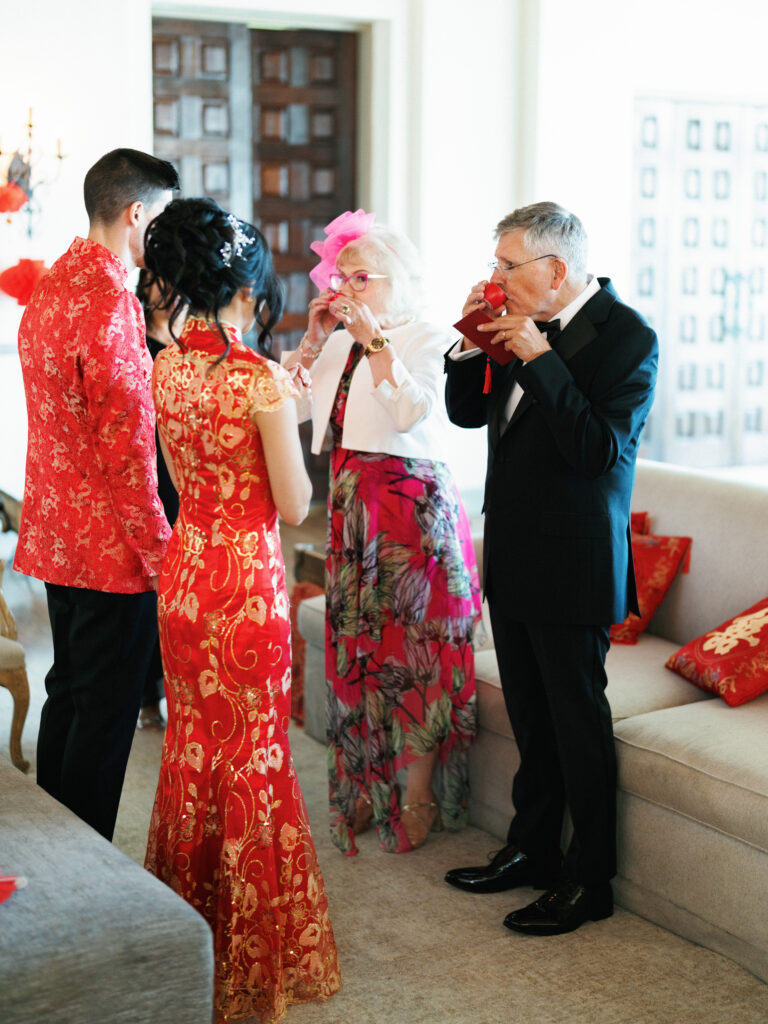
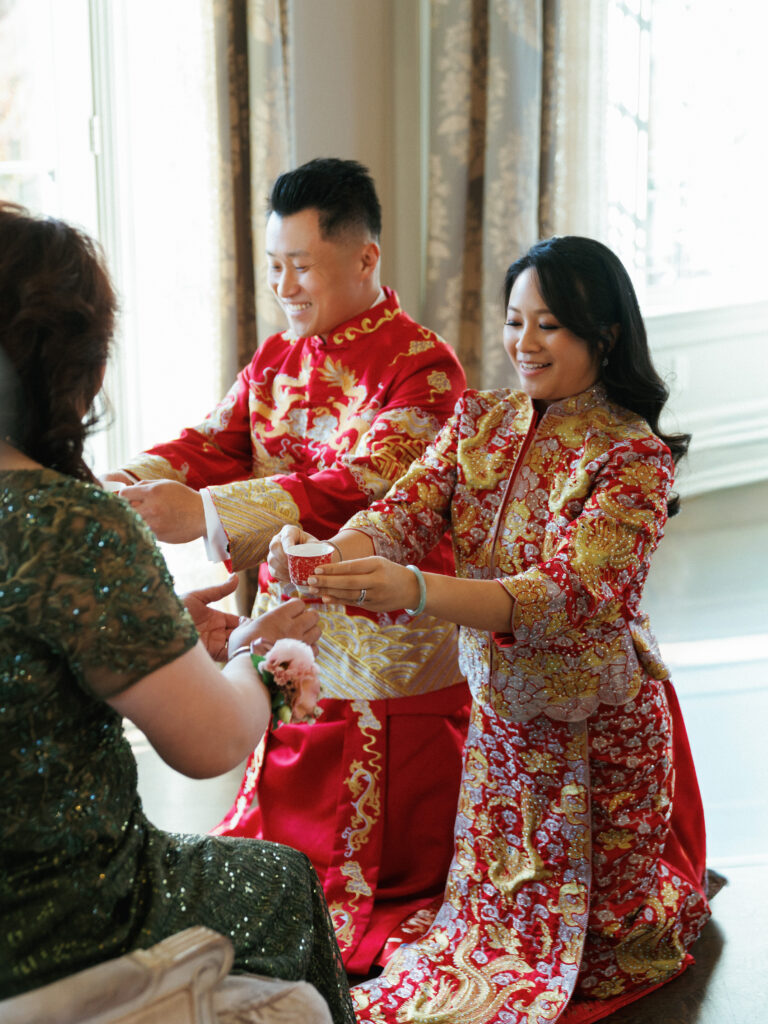
A tea ceremony in a Chinese-Western wedding lands very differently for the bride’s grandmother, who has witnessed it her whole life, than for the groom’s parents, who may be participating in it for the first time. A henna night before a South Asian ceremony carries its own social structure and its own emotional rhythm, building toward moments families return to in photographs and film for years afterward.
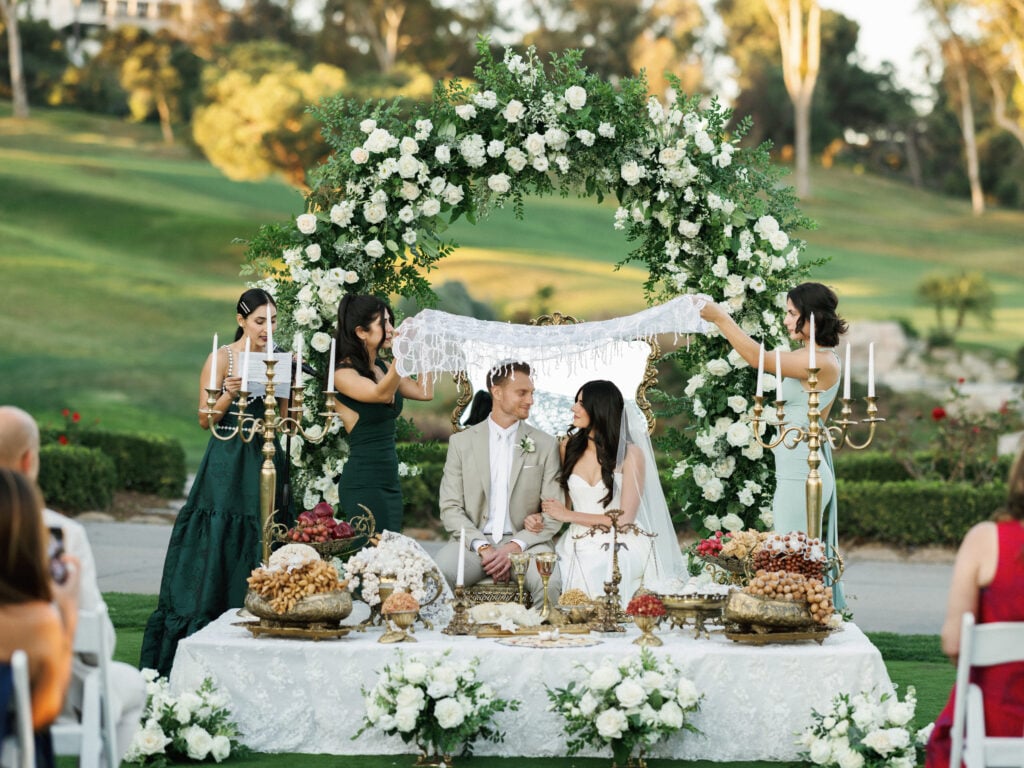
A coverage team that arrives already familiar with the rituals at hand reads the day differently than one encountering them for the first time.
Starting from meaning changes the questions a coverage team asks before the camera ever moves: what does this ritual represent to the families involved, who in the room feels its weight most, where is the sequence headed, and what is its peak.

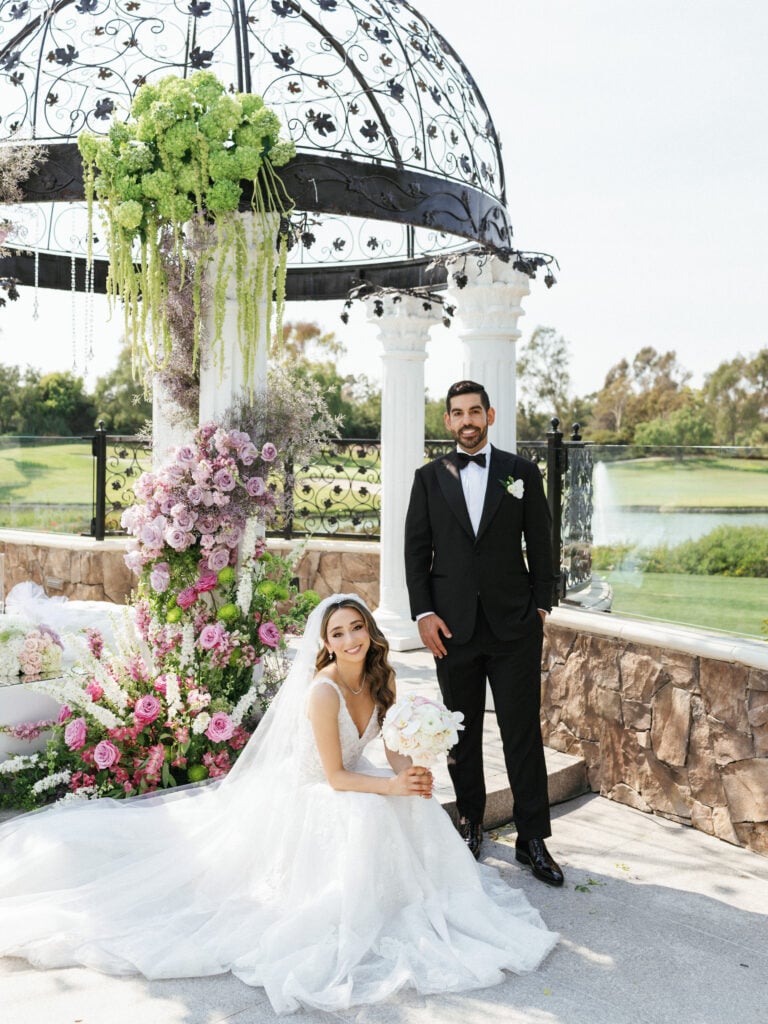
What a Pre-Wedding Brief Should Capture
Building the Brief
It helps to know who the key family members are and what role each one plays. Many traditions assign specific functions to particular relatives: pouring, wrapping, placing, witnessing. These people are not background figures. They are central to what the moment means.
It also helps to flag any restrictions on photography or film during specific portions of the ceremony. Some traditions hold moments of prayer or blessing as private. Some families prefer that certain exchanges happen without a camera close by. Knowing this in advance lets the team plan coverage around those moments rather than discover the boundary mid-ceremony.
It helps too if the team knows where each ritual element actually happens within the space, since a ritual at an altar, a table, or a specific outdoor spot calls for them to have already assessed light and positioning there before the ceremony starts. And families often know from experience that a particular ceremony runs longer than the official schedule suggests, a detail worth sharing so the team can plan transitions accordingly.
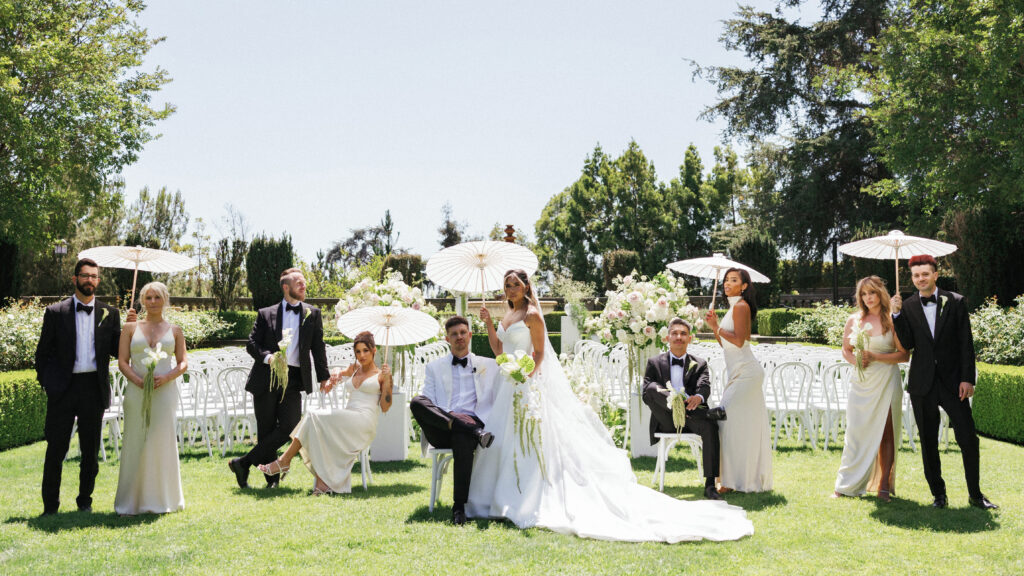
Ceremony structure
List every ceremony in order, including smaller or informal events that sit between main moments. A welcome gathering, a blessing in a private room, a tea ceremony before guests arrive.
Some of the most meaningful parts of a wedding happen before the official start time. Those moments need to be written down with the same clarity as the main ceremony.
Family Roles
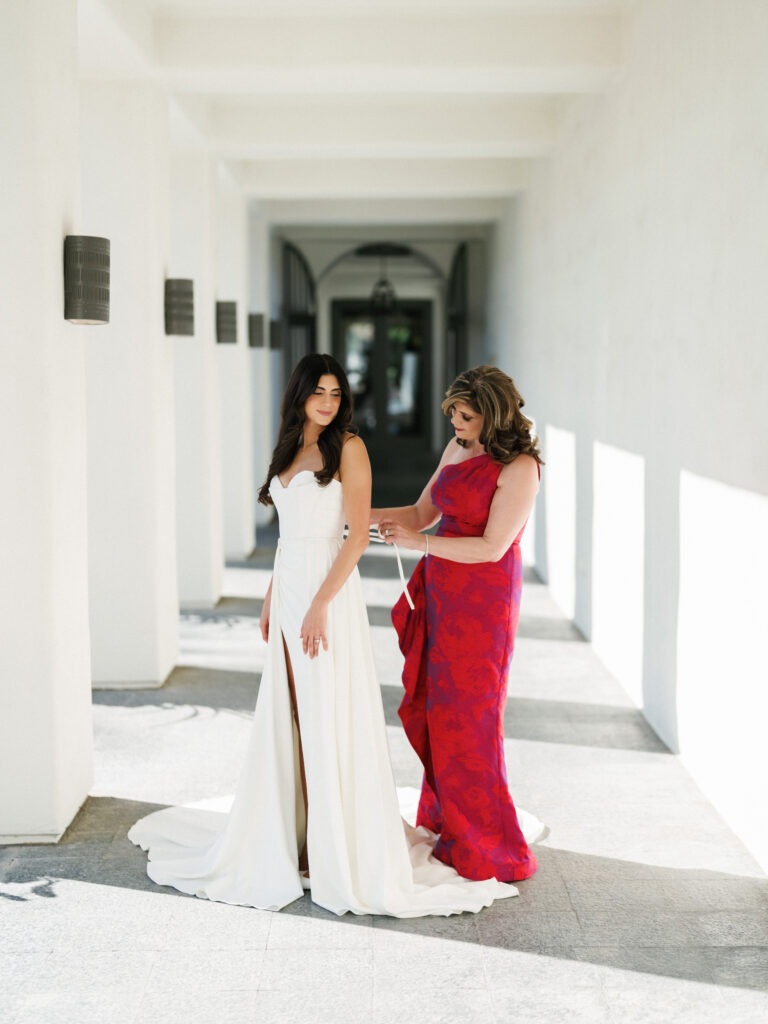
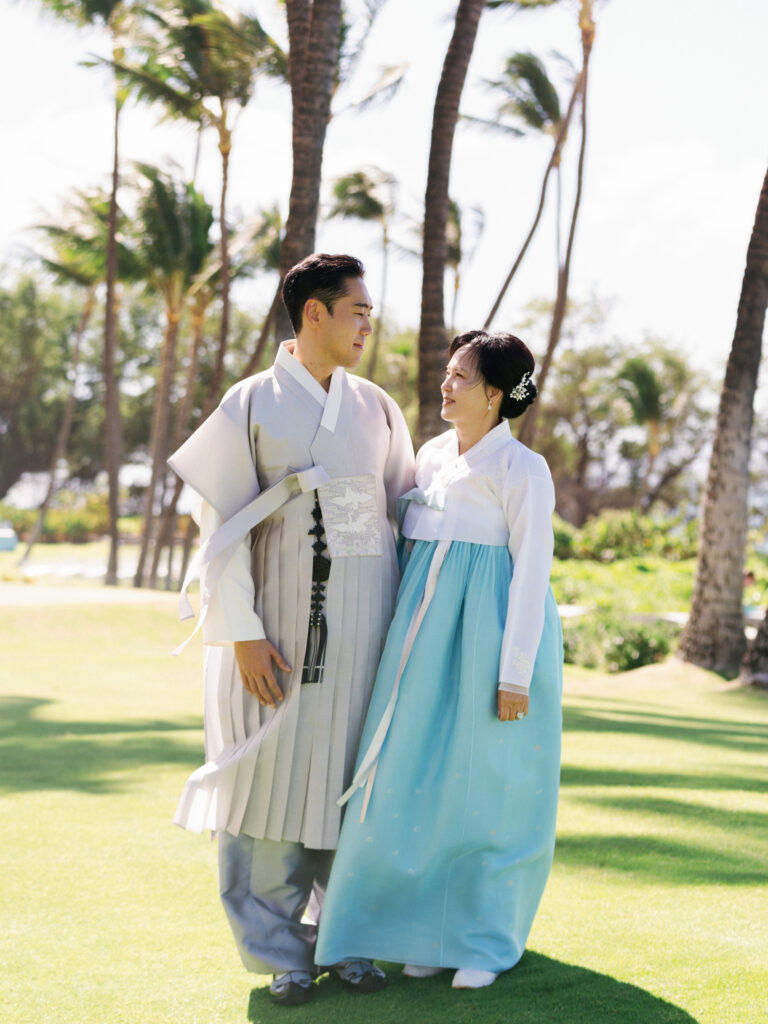
Many traditions assign specific responsibilities to relatives. Parents may lead blessings. Grandparents may perform key gestures. Siblings or elders may guide the sequence.
The coverage team cannot identify these individuals by sight. The brief should include photographs or descriptions that allow the team to recognize the people who matter before the ceremony begins, rather than asking the couple to point them out while the ritual is in progress.
Restrictions and Boundaries
Some moments are not meant to be photographed closely. Others require stillness, distance, or no movement at all.
These boundaries do not interrupt coverage, but knowing them in advance prevents last-minute adjustments.
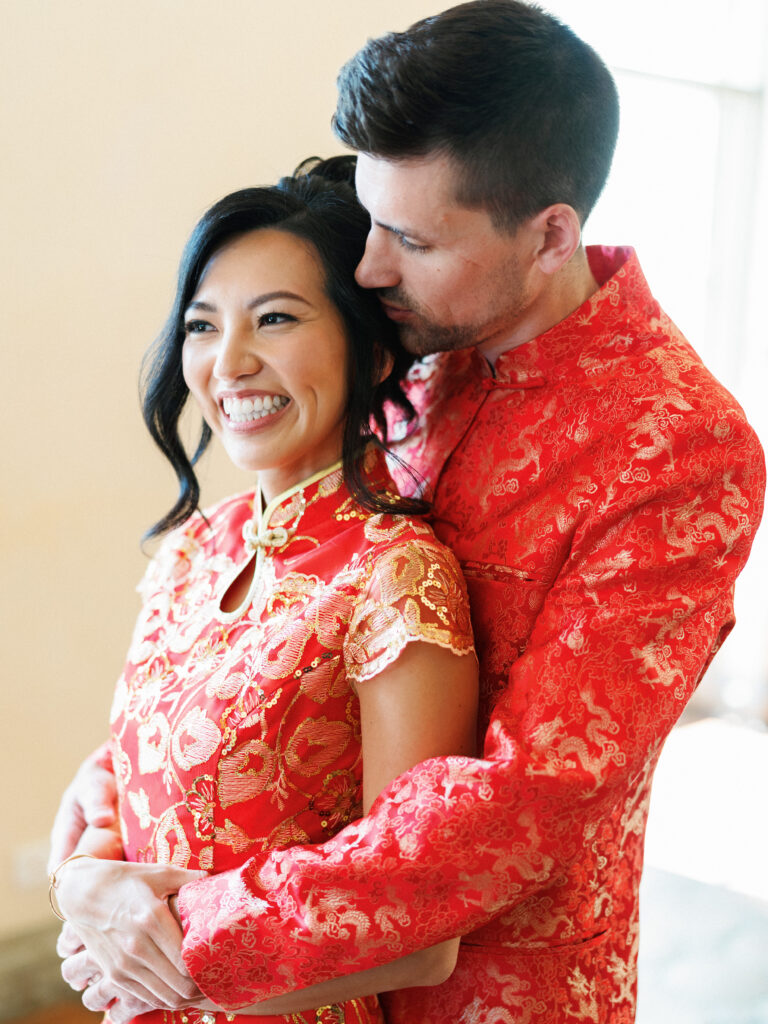
Physical layout
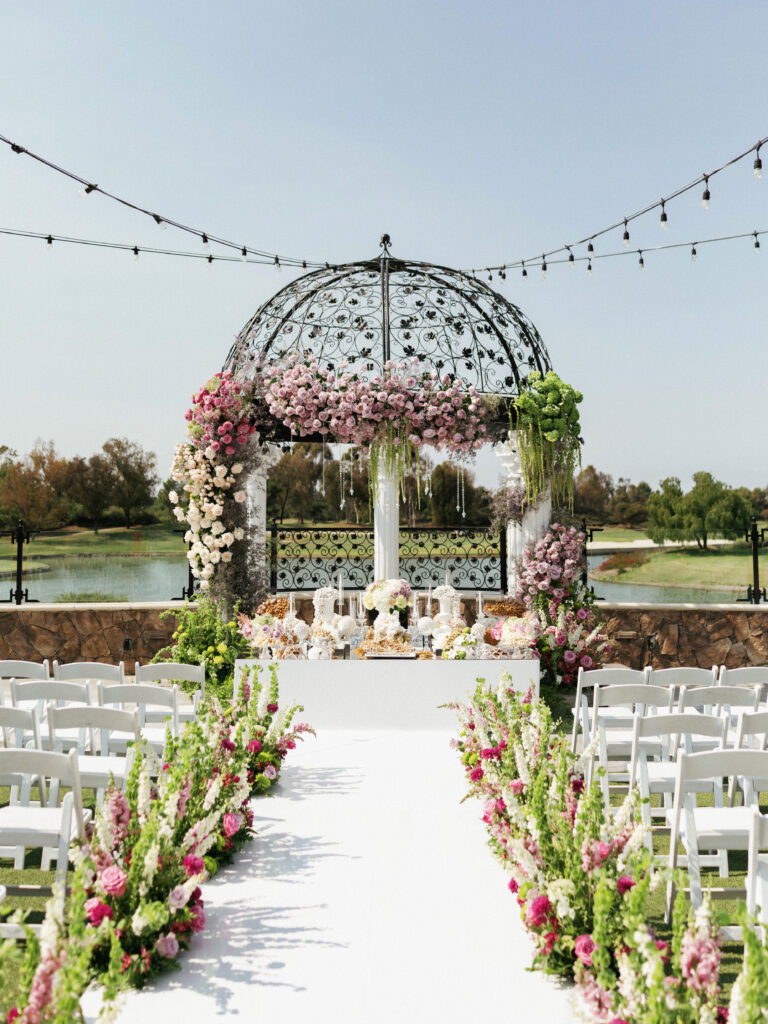
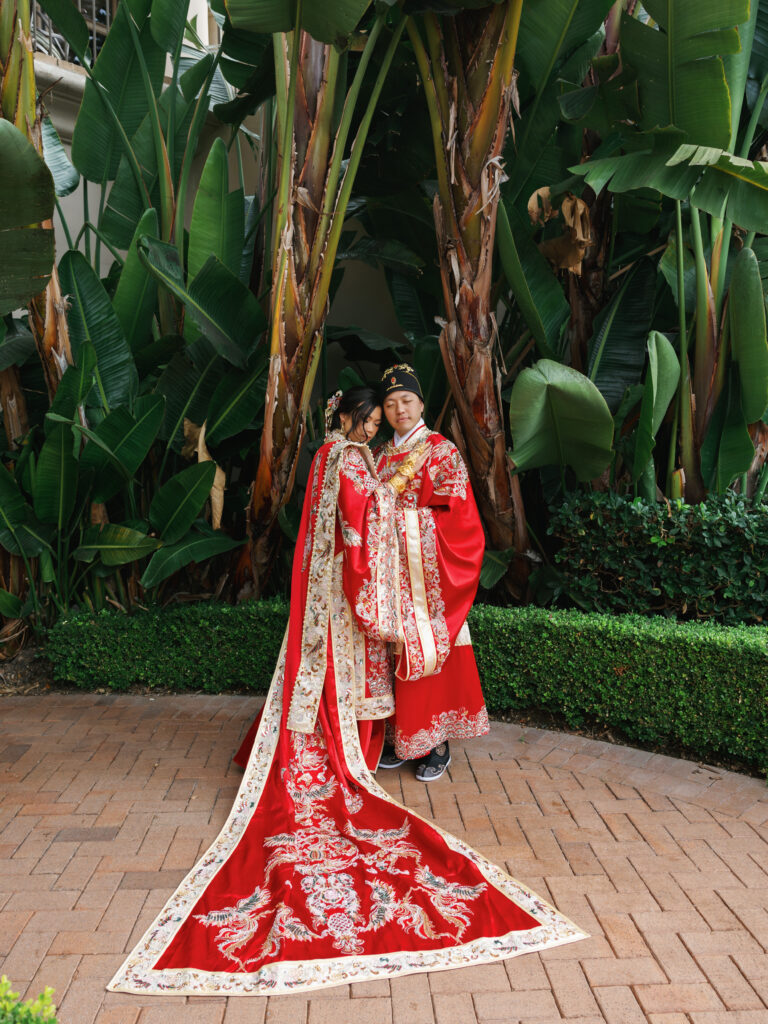
Rituals rarely happen in a single predictable location. Some take place outdoors, others inside specific rooms, sometimes moving between spaces within the same venue. Each shift changes light, sound, and positioning. When these transitions are known early, the coverage stays steady and professional.
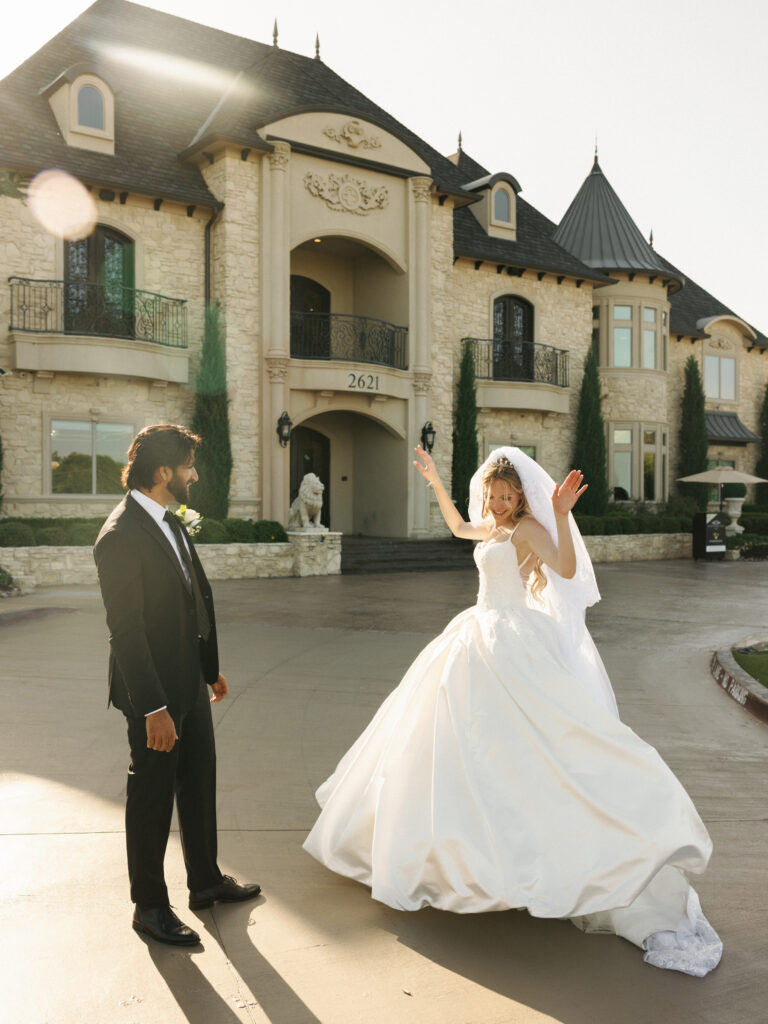
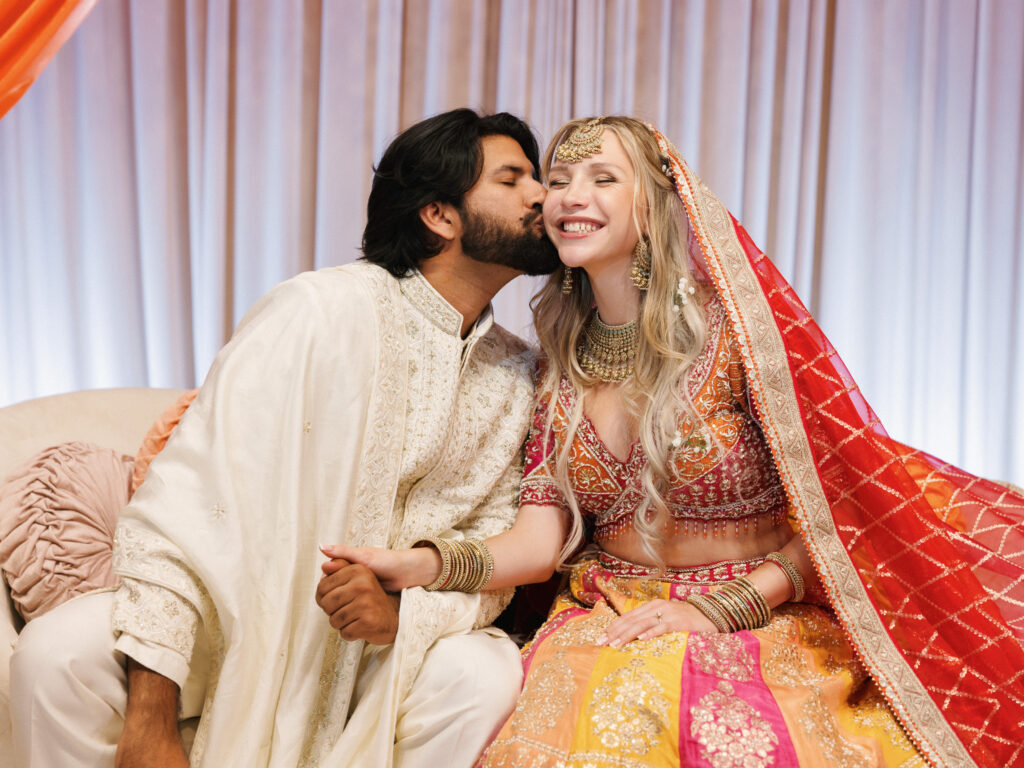
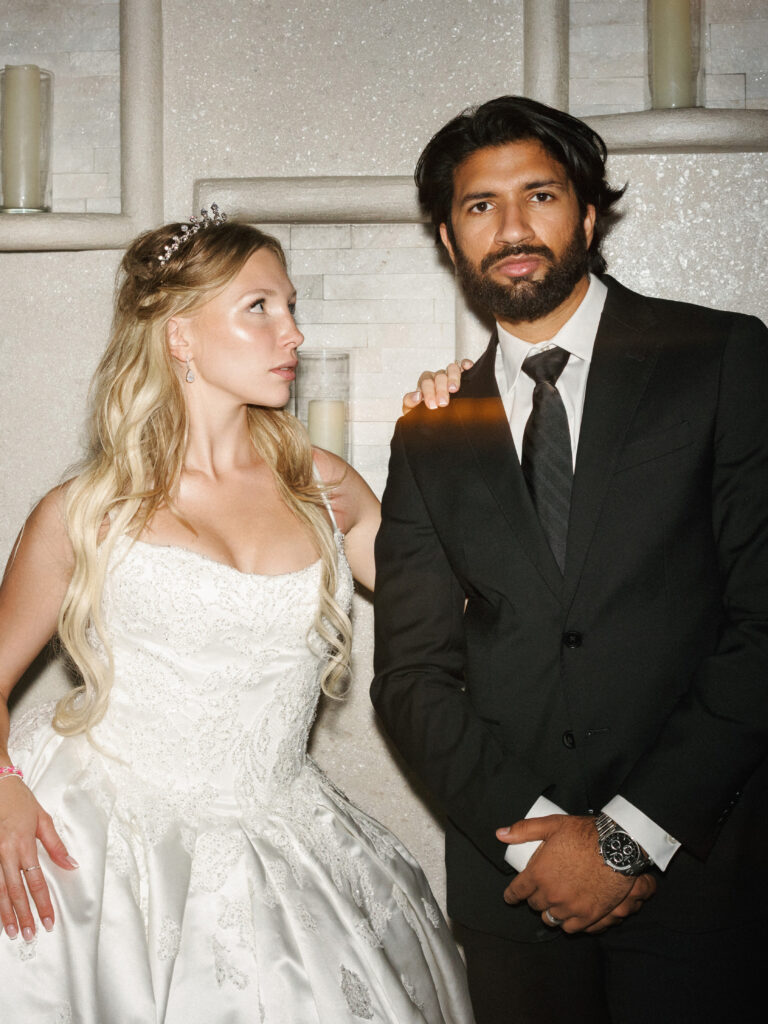
How Photo and Film Teams Avoid Missing Key Moments
The moments most often missed in multicultural wedding coverage are not the ones no one anticipated. They are the ones that happen faster than expected, in a location the team had not positioned for, during a transition between two events that appeared to be a pause.
Advance Positioning
A ceremony that the team has read about but not physically mapped is a ceremony where positioning decisions happen reactively. A team that has walked the space, identified where each ritual takes place, and planned camera angles in advance moves with the ceremony rather than behind it.
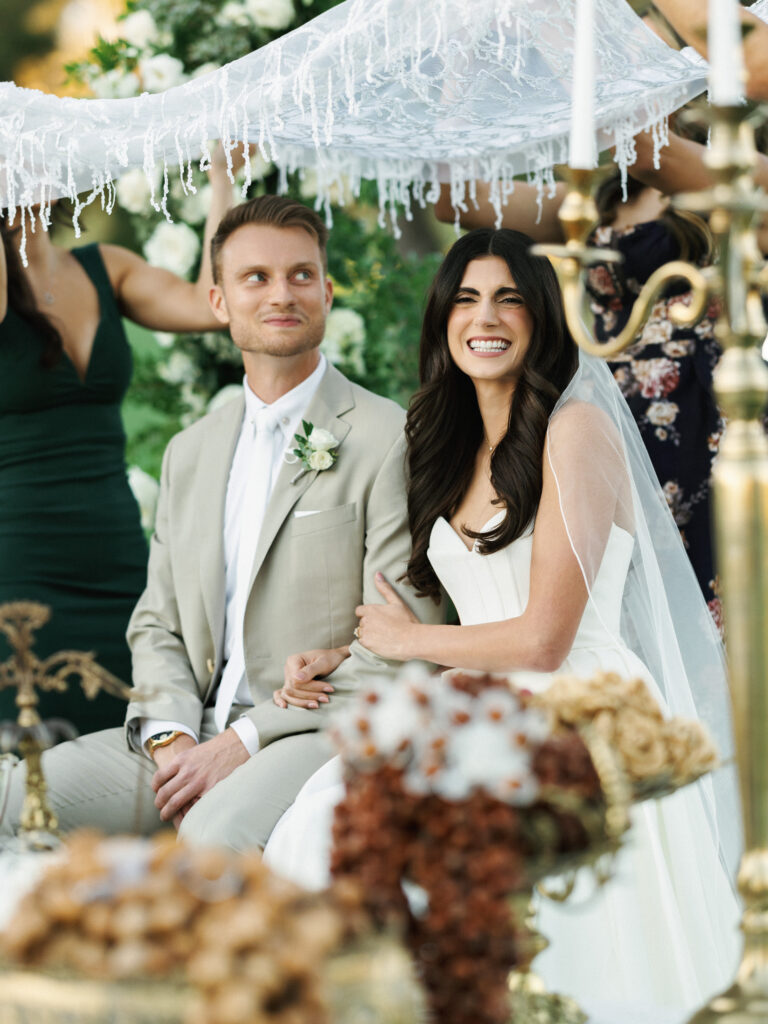
For multi-camera film coverage, advance positioning also means assigning angles before the ceremony begins. One camera on the couple. One on family reactions. These are not decisions that can be made quickly during a ceremony without creating disruption.
Understanding the Sequence
The most emotionally significant moment in many multicultural ceremonies is rarely the climax. More often, it is the exchange just before it, or the reaction just after, when the formality of the ritual gives way to something more personal.
A team that understands the sequence in advance can meet these transitions rather than scramble to catch them. Pre-ceremony conversation with the officiant, a family elder, or the couple about the specific sequence of events is one of the most practical things a coverage team can do. Five minutes of conversation before the ceremony begins can change the entire approach.
Audio Across Languages
Ceremonies conducted in more than one language are common at multicultural weddings, with translations, prayers, or blessings spoken in languages the film team may not understand. A prayer spoken in Arabic, Mandarin, or Hindi still carries its full emotional weight in the film, regardless of whether the viewer follows the words.
In multi-language ceremonies, the audio plan requires particular attention. If a blessing is spoken by an elder positioned away from the main microphone, the words and the sound of the voice need to be captured close. This is worth planning in the brief rather than improvising during the ceremony.
Balancing Documentary and Editorial Coverage
Multicultural weddings present a specific tension between documentary instinct and editorial framing. Documentary coverage follows what happens and editorial coverage considers how it looks. Both have a role, and the balance between them shifts depending on the moment.
Ritual moments are primarily documentary. A tea ceremony, a circling ritual, a blessing exchange: these have their own logic and their own sequence, and they do not pause for better light or a cleaner angle. The coverage team moves with the ritual, not around it. The camera finds the best available position and stays present.
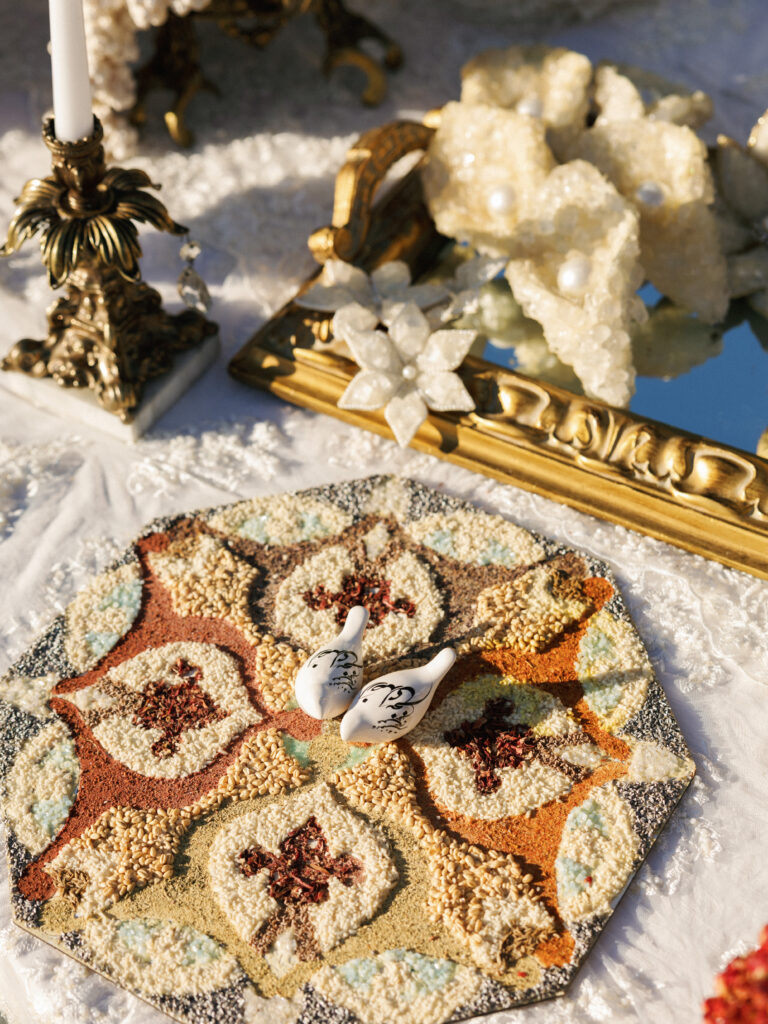
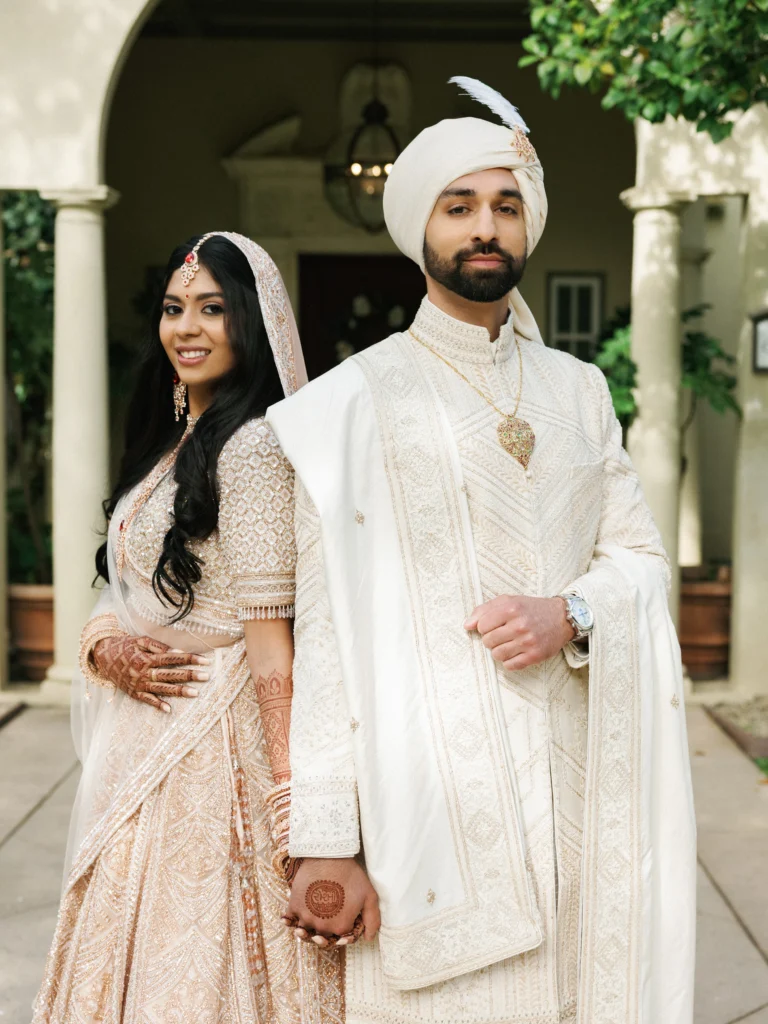
Portrait moments, before or between ceremonies, allow more editorial consideration. Light, location, and composition can be considered because the subject is not in the middle of something that cannot be interrupted. These sessions also allow couples from different backgrounds to be photographed in ways that reflect both of their aesthetic sensibilities, which is worth discussing in advance.
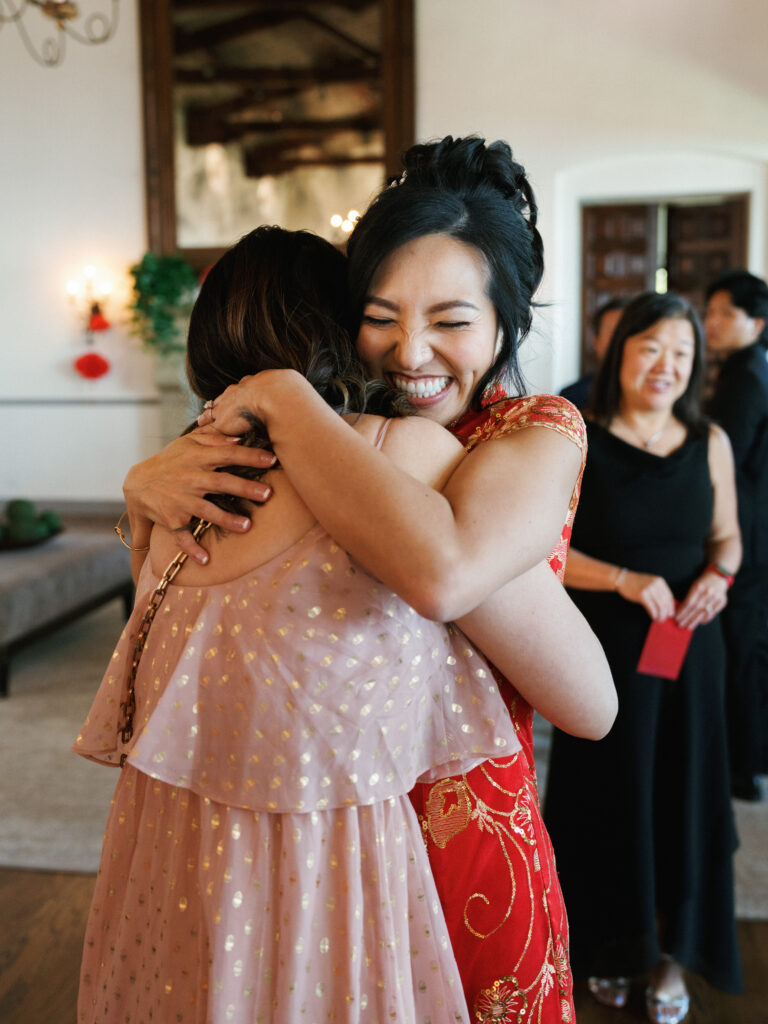
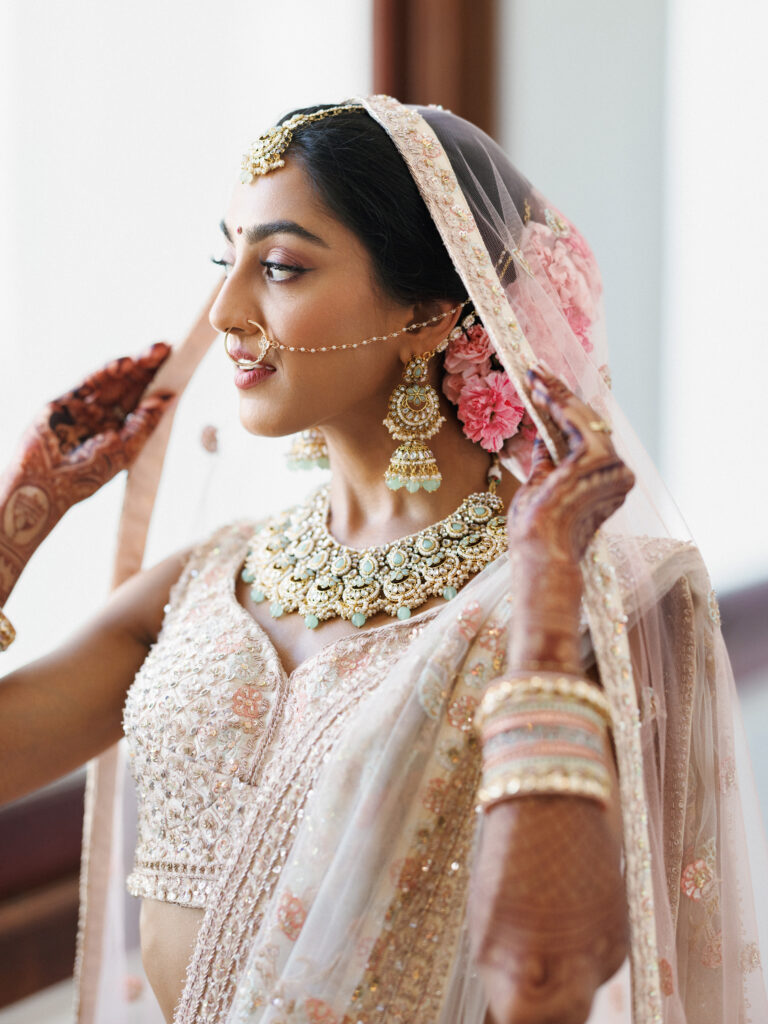
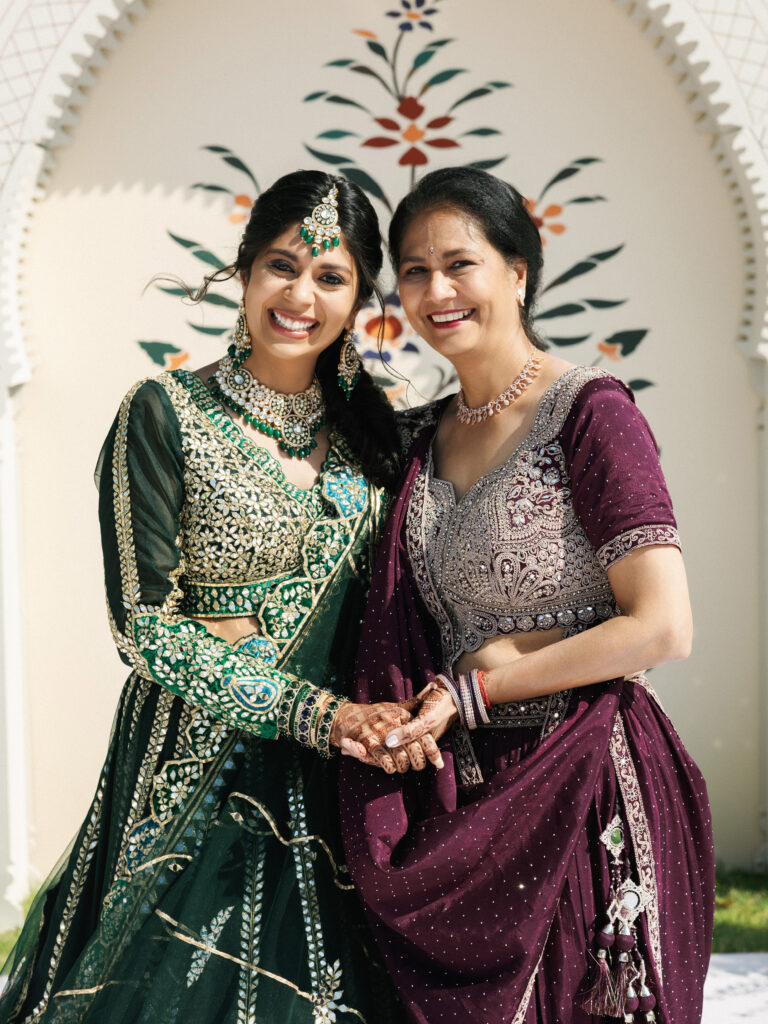
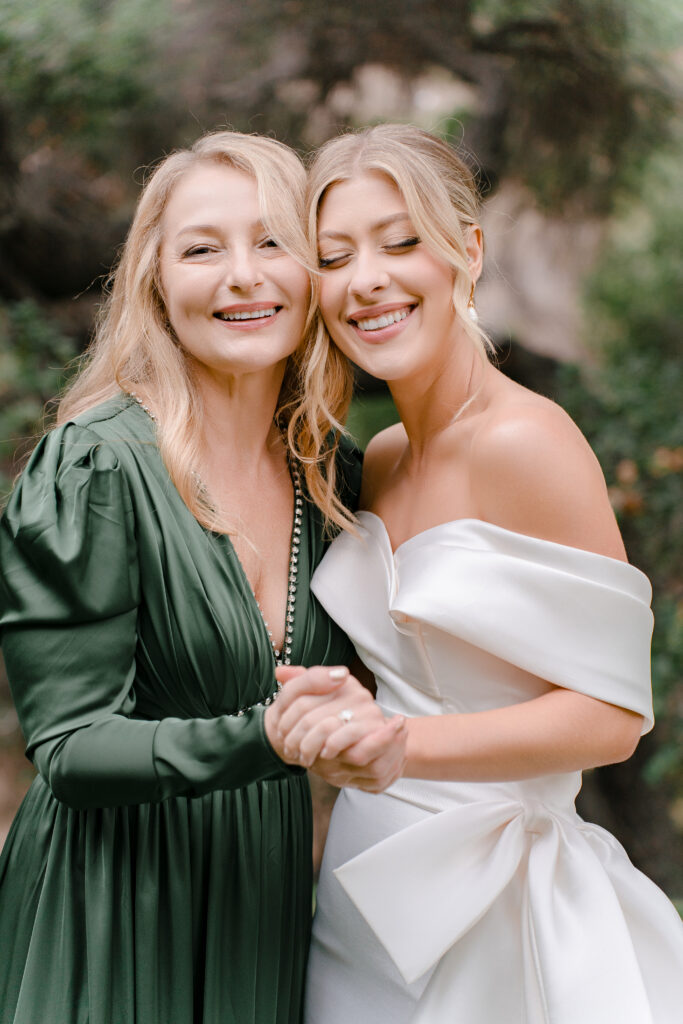
The transition between the two modes requires the team to read the room continuously. A moment that begins as a formal ritual can shift into something spontaneous and unscripted. A quiet exchange between a mother and daughter before a henna ceremony can produce an image that neither party planned. Being present for that shift, rather than waiting for the formal version, is often where the most affecting coverage comes from.
Questions Worth Clarifying Before the Wedding
Which ceremonies carry the most importance for each side of the family, and what makes them significant?
Who are the individuals responsible for key actions during each ceremony?
Are there moments where photography or film should remain at distance or pause entirely?
Does any part of the ceremony take place in more than one location?
Are there rituals or blessings that typically take longer than scheduled?
Which languages will be spoken during the ceremony, and where will key moments be spoken from?
Is there someone who can walk the photography and film team through the structure shortly before the ceremony begins?
FAQ
How should we brief photographers on cultural traditions?
A useful brief goes beyond describing what will happen and explains why each element matters to the families involved. Include the full sequence of each ceremony, the names and roles of family members whose presence in specific moments should be documented, any restrictions on photography during particular portions, the physical location of each ritual within the ceremony space, and any timing that differs from the official schedule.
Can wedding video capture multiple ceremonies?
Multiple ceremonies often produce richer film material than a single one because they allow the emotional arc of the day to develop across different registers: the formality of a religious ritual, the warmth of a family gathering, the celebration of a reception. The practical requirements are advance knowledge of each ceremony’s sequence and location, an audio plan for each environment, and a timeline that gives the film team enough transition time to reposition equipment between ceremonies.
How to handle ceremonies with different dress codes or locations?
Each transition between ceremonies, whether in dress, location, or both, needs a place in the timeline. These shifts also work in the couple’s favor visually. Moving between a traditional ceremony and a civil celebration, in different dress and different settings, gives the coverage team a range a single-ceremony day simply cannot offer. A brief portrait session placed between ceremonies, somewhere that bridges both aesthetics, often becomes one of the most distinctive parts of the final gallery.
Should both families be involved in planning the photo and film coverage?
Involving both families, even briefly, tends to surface details a couple might not think to mention on their own. A parent or grandparent often knows the precise order of a ritual, which relative performs which role, or which moment in a ceremony tends to run differently than the written program suggests. A short conversation with someone from each family, ahead of the wedding, frequently uncovers context that shapes the coverage plan in ways a couple’s own knowledge cannot.
What if the two families have different expectations for how much is photographed or filmed?
This comes up more often than couples expect, particularly when one tradition treats certain rituals as private and the other is accustomed to fuller documentation. The most workable approach is identifying these differences during the pre-wedding brief, rather than navigating them in real time. A clear understanding of which moments call for restraint and which are open to full coverage lets the team move confidently through the day without second-guessing in front of either family.
How far in advance should the pre-wedding brief be shared with the coverage team?
Three to four weeks before the wedding gives a team enough time to absorb the details, ask follow-up questions, and walk the ceremony space if needed. Briefs shared only days before the wedding leave little room for the kind of preparation that makes a real difference: confirming positioning, understanding audio needs for multi-language moments, and clarifying which family members carry specific roles.
Tell Us About the Traditions That Matter Most
If you are planning a wedding that brings together different cultural traditions, we’d be happy to learn more about your plans and help you shape the photography and film coverage.