Different Markets, Different Considerations
A wedding photography package that works well for a vineyard estate in Sonoma requires different planning than one built for a ceremony at The Plaza in Midtown Manhattan.
The deliverables may look similar on paper: coverage hours, an edited gallery, a second photographer, and print rights. The planning behind those deliverables, however, can look very different. Travel logistics, venue rhythm, lighting conditions, positioning constrains, and the pace of the day all influence the outcome. California and New York illustrate these differences particularly well, making them a useful comparison for couples evaluating wedding photographer cost.
Understanding what shapes the investment in each market provides more meaningful insight than comparing headline prices alone. The goal is not to determine which location is more expensive, but to understand how the structure of a wedding influences the package built around it.
What Shapes Wedding Photographer Cost Overall
Wedding photographer cost reflects the complete process behind documenting a wedding, not only the hours spent photographing the celebration.
Planning, communication before the wedding, photographing the event, editing, gallery preparation, and image delivery all contribute to the final investment. A full wedding day is often followed by twenty to forty hours of post-production, where thousands of images are reviewed, selected, edited, color-corrected, and prepared for delivery.
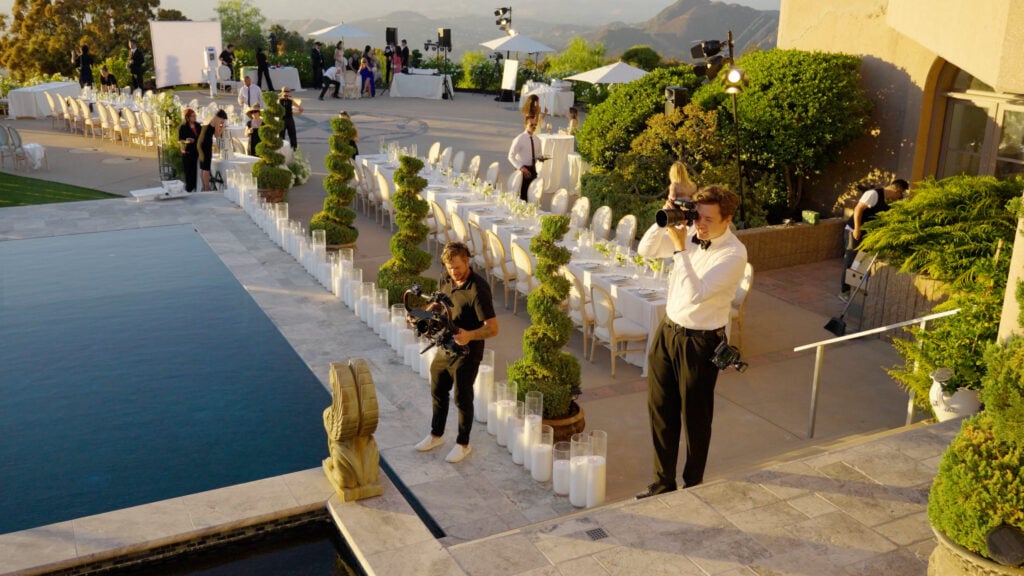
Professional photography also involves ongoing investment beyond the wedding day. Equipment, backup systems, insurance, business infrastructure, and years of experience all contribute to the consistency and reliability couples expect when choosing a professional photographer.
Expert Note
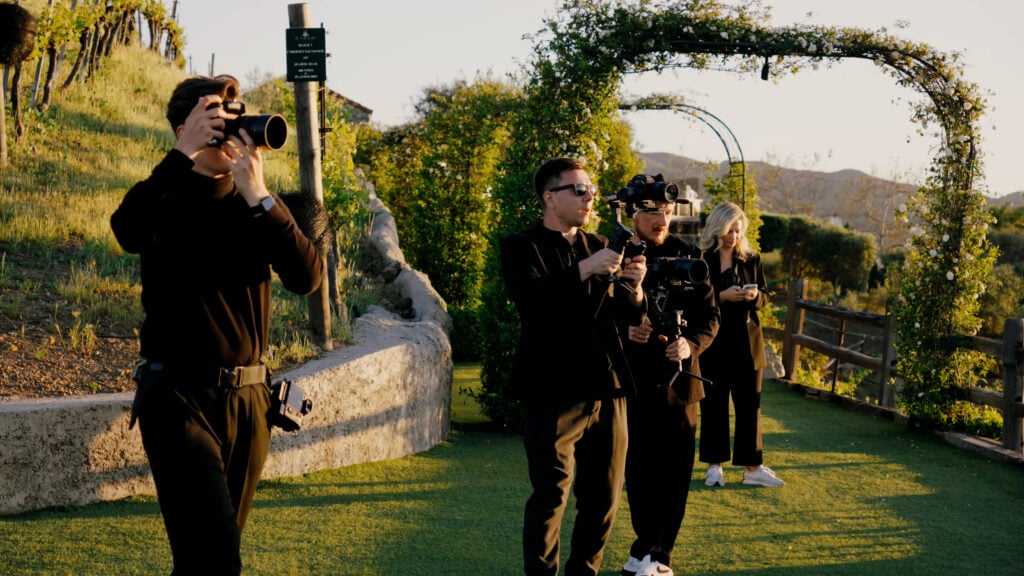
A photography package represents much more than coverage on the wedding day. It reflects the entire process behind the finished gallery, from preparation before the celebration to careful editing afterward. Selecting images, refining color, maintaining a consistent visual style, and delivering a polished collection all require time, experience, and creative judgment.
Across both California and New York, four elements influence wedding photography pricing more than any others:
1. coverage hours;
2. team size;
3. travel requirements;
4. deliverables.
California Market Factors: Distance, Venues, Light, and Travel
Travel Across California
California’s geography creates travel considerations that photographers in many other markets rarely encounter.
A Los Angeles-based team photographing a wedding in Santa Barbara, Ojai, or the Santa Ynez Valley may spend several hours traveling in each direction. Weddings at Malibu properties such as Cielo Farms or Stone Mountain Estate also require realistic planning around weekend traffic, which can significantly affect arrival times.
Northern California weddings in Sonoma, Napa Valley, Big Sur, or along the Northern California coast frequently require overnight accommodation for the photography team, particularly when coverage begins early in the morning or extends late into the evening.
These travel requirements are reflected in California wedding photographer cost. Some studios include travel within a flat package price, while others calculate transportation and accommodation separately depending on the location.
Pro Tip
When reviewing wedding photography packages, couples may want to ask:
- Are additional travel costs estimated before booking?
- Does the proposal include all transportation expenses?
- Is travel already included?
- Does the location require overnight accommodation?
Venue Variety and Light Conditions
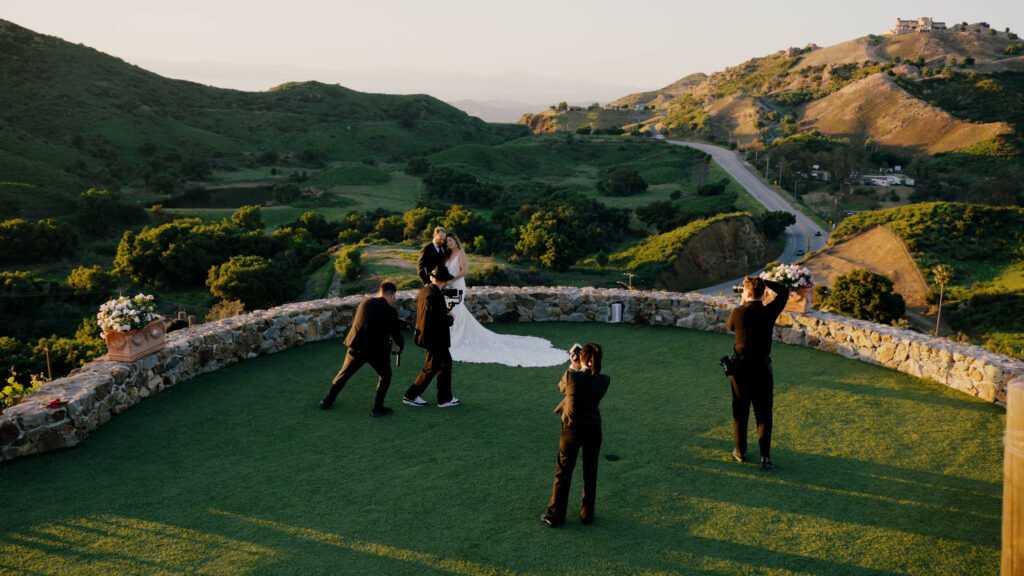
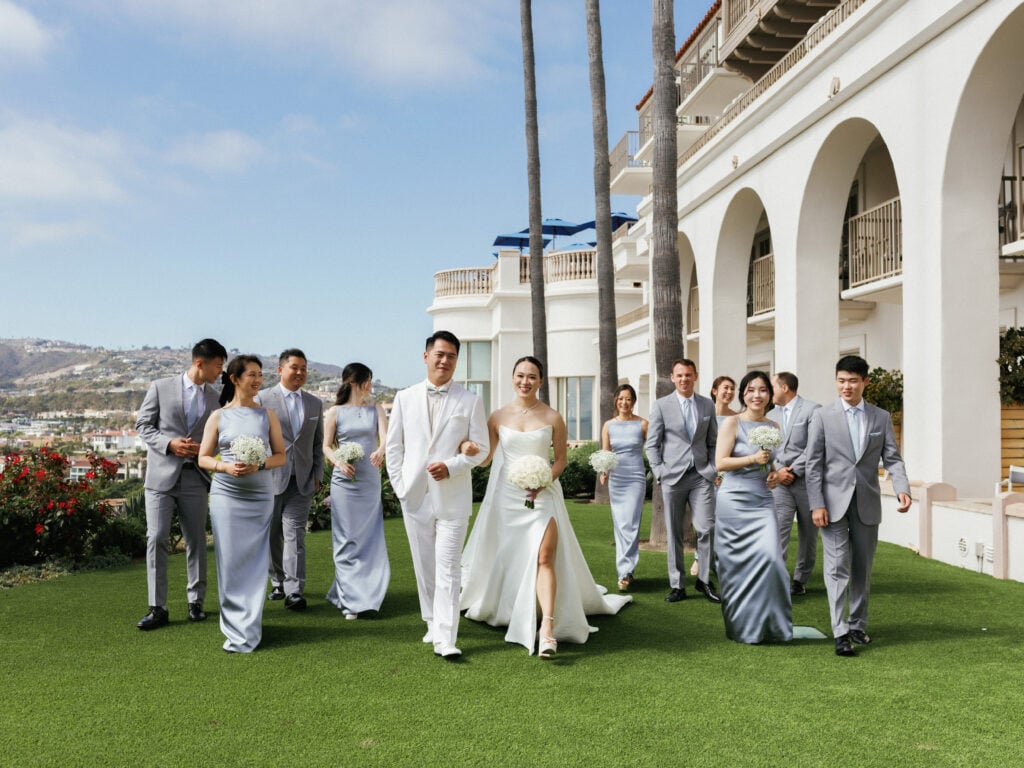
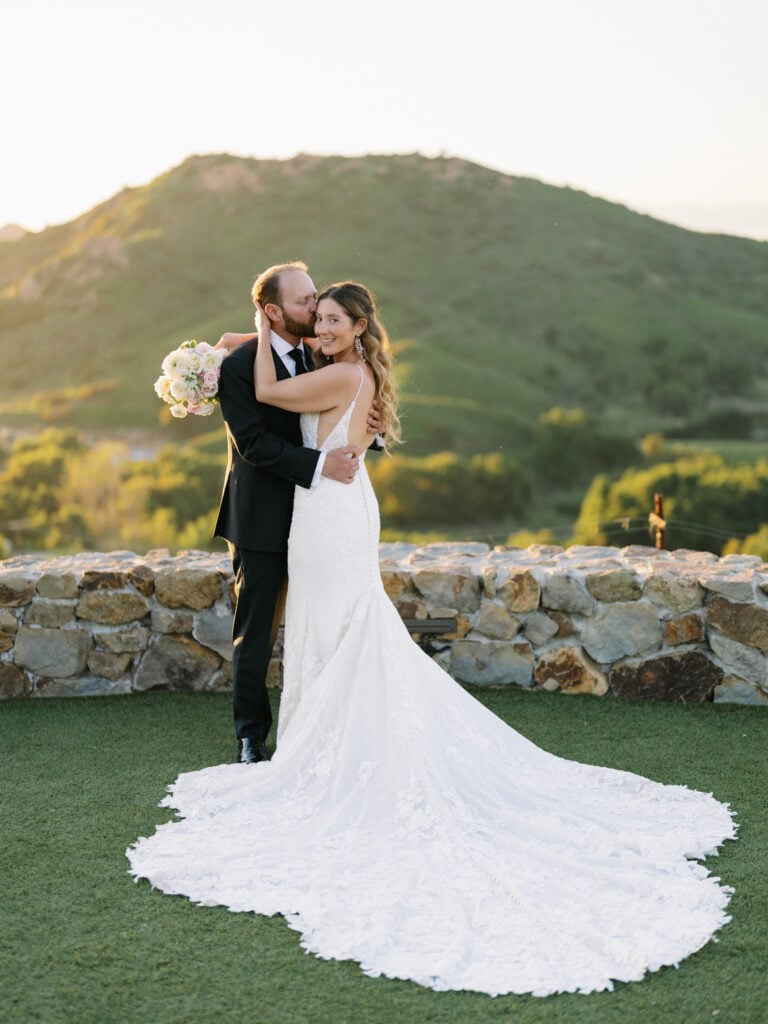
California offers a wide range of venue environments: coastal cliff ceremonies, vineyard estates, desert properties, historic urban buildings, garden estates, and mountain locations. Each creates different photographic conditions and different demands on the coverage team.
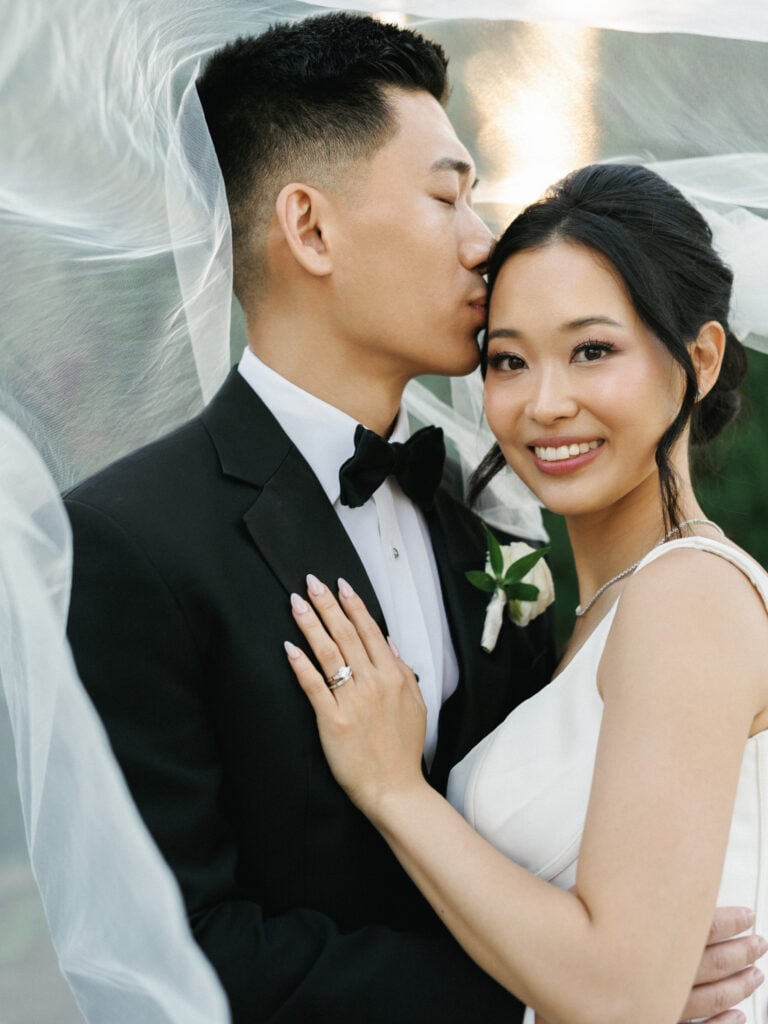
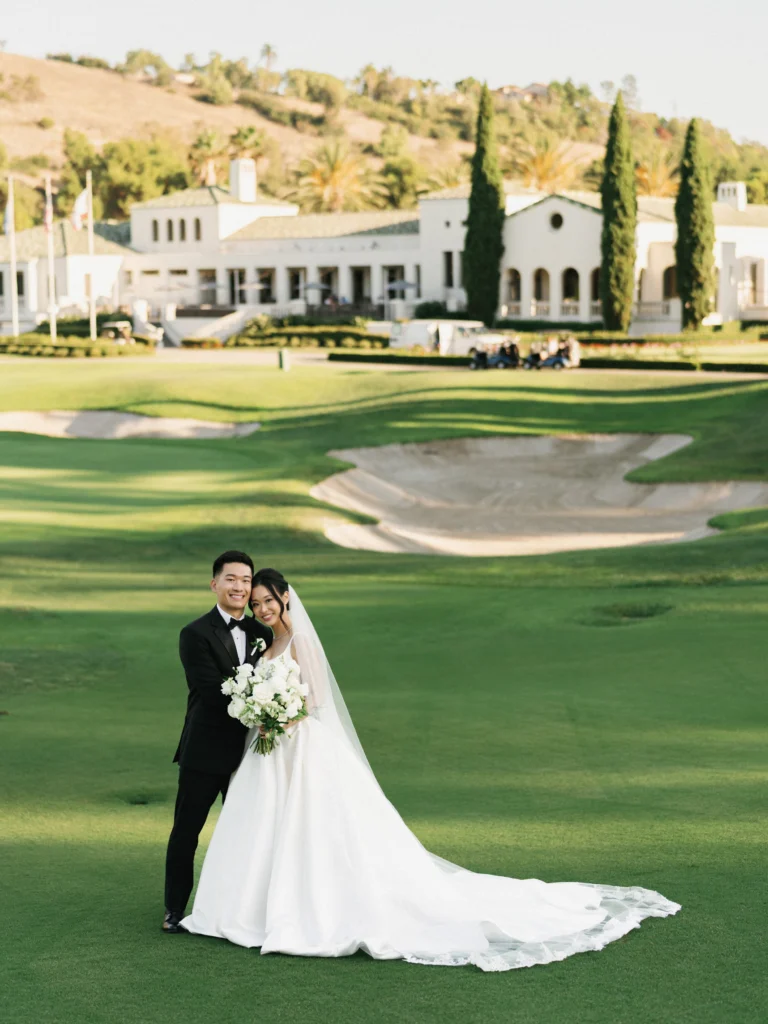
A ceremony at Terranea Resort on the Palos Verdes Peninsula, with its westward-facing Pacific coastline, photographs completely differently from a ceremony at Greystone Mansion in Beverly Hills or a vineyard celebration at Sunstone Estate in Santa Ynez. Understanding how a specific venue behaves across different hours of the day, where the light lands during the ceremony, and what portrait locations are available requires venue-specific knowledge that adds genuine value to the package.
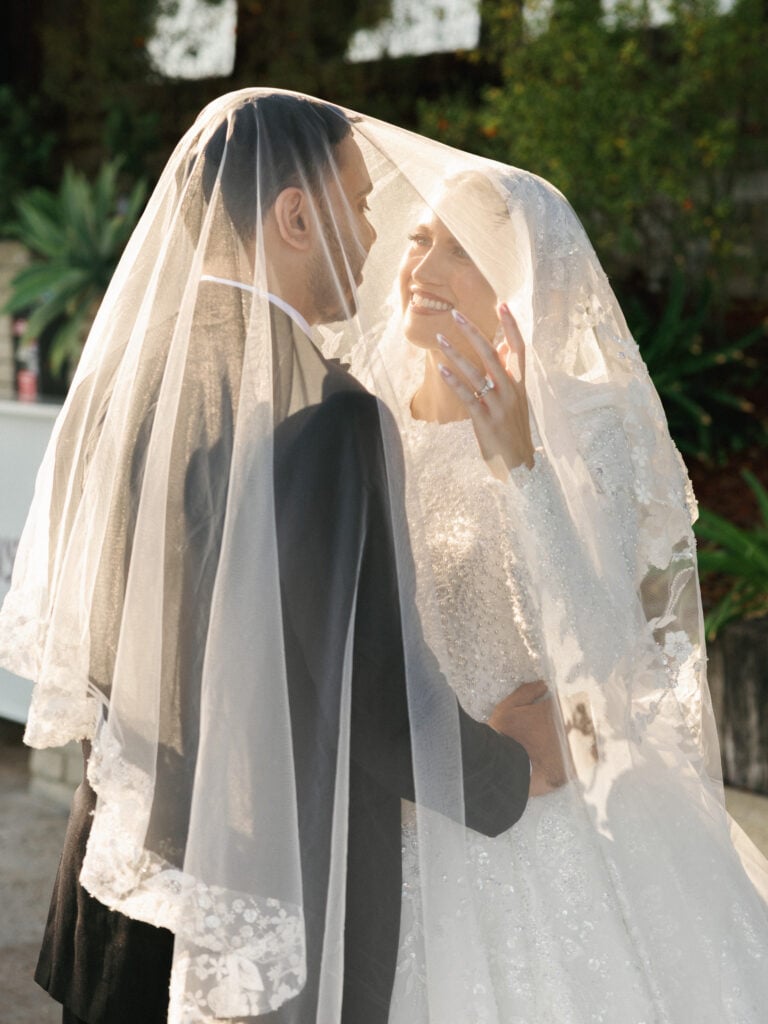
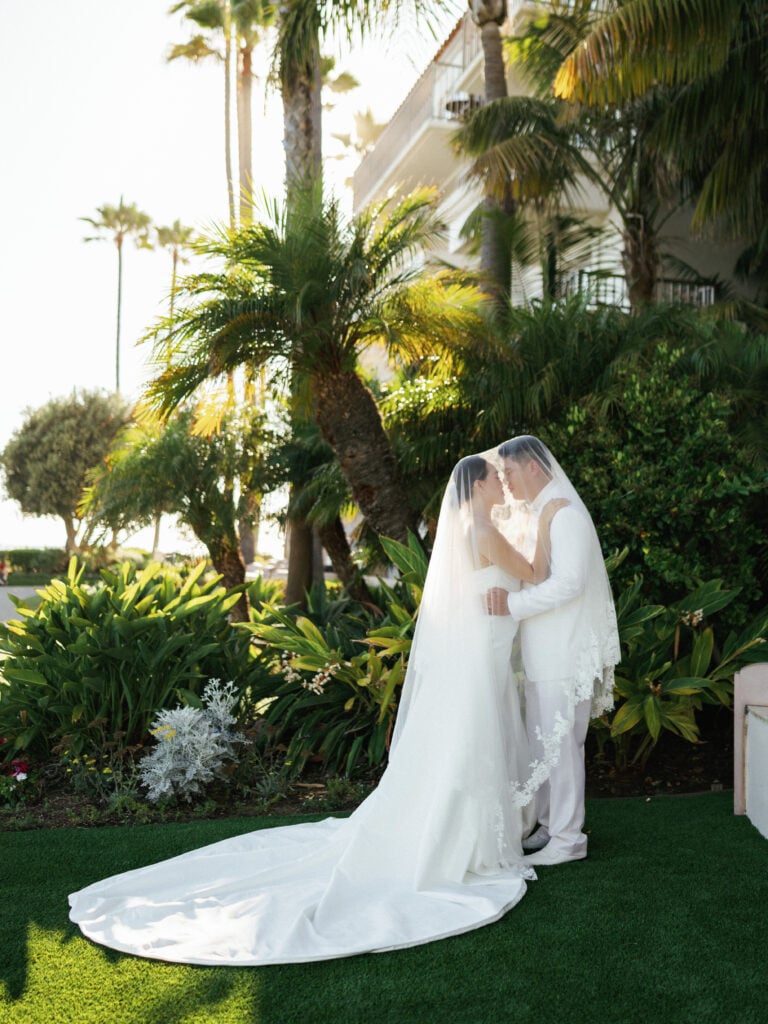
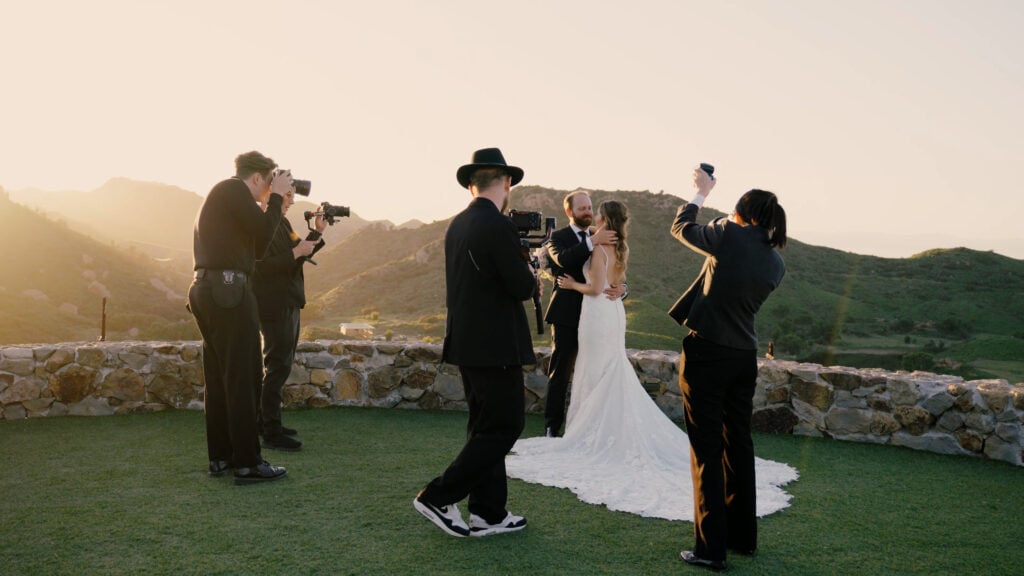
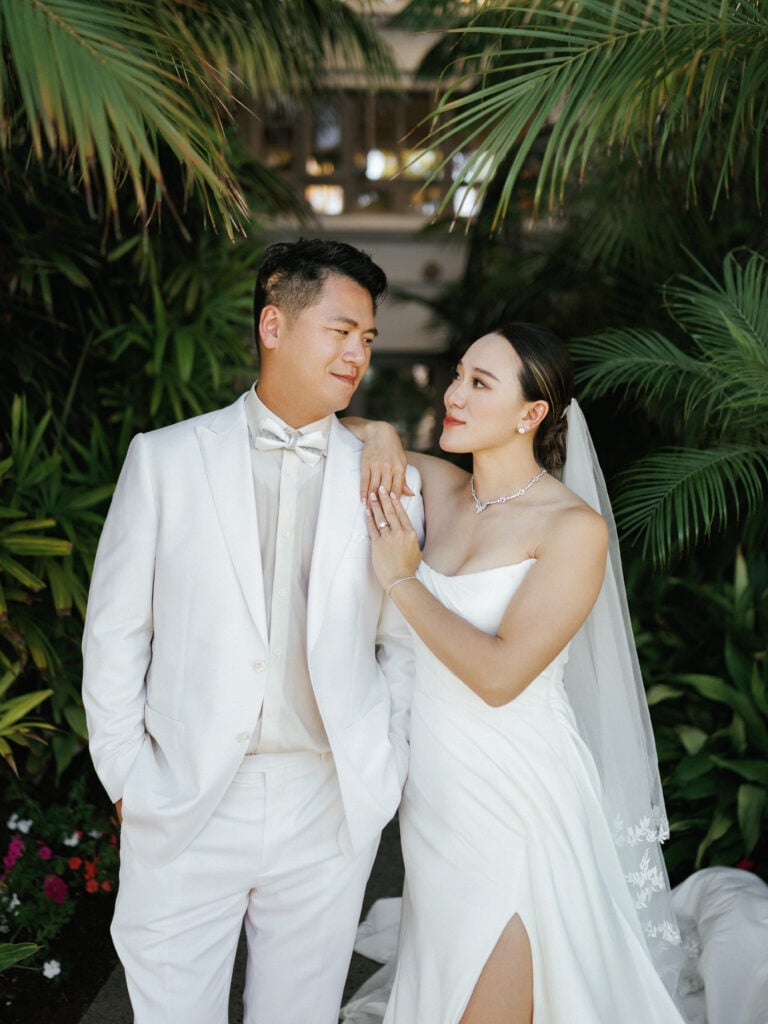
California’s golden hour is known for its warm, directional light and its long duration during the summer months. A portrait session that arrives at that window on time produces images with a quality of light that post-production cannot replicate. A session compressed by a delayed ceremony ends up in flat evening light instead. The difference is visible in the final gallery and reflects how carefully the team has structured the day in coordination with the couple and their planner.
Team Structure in California
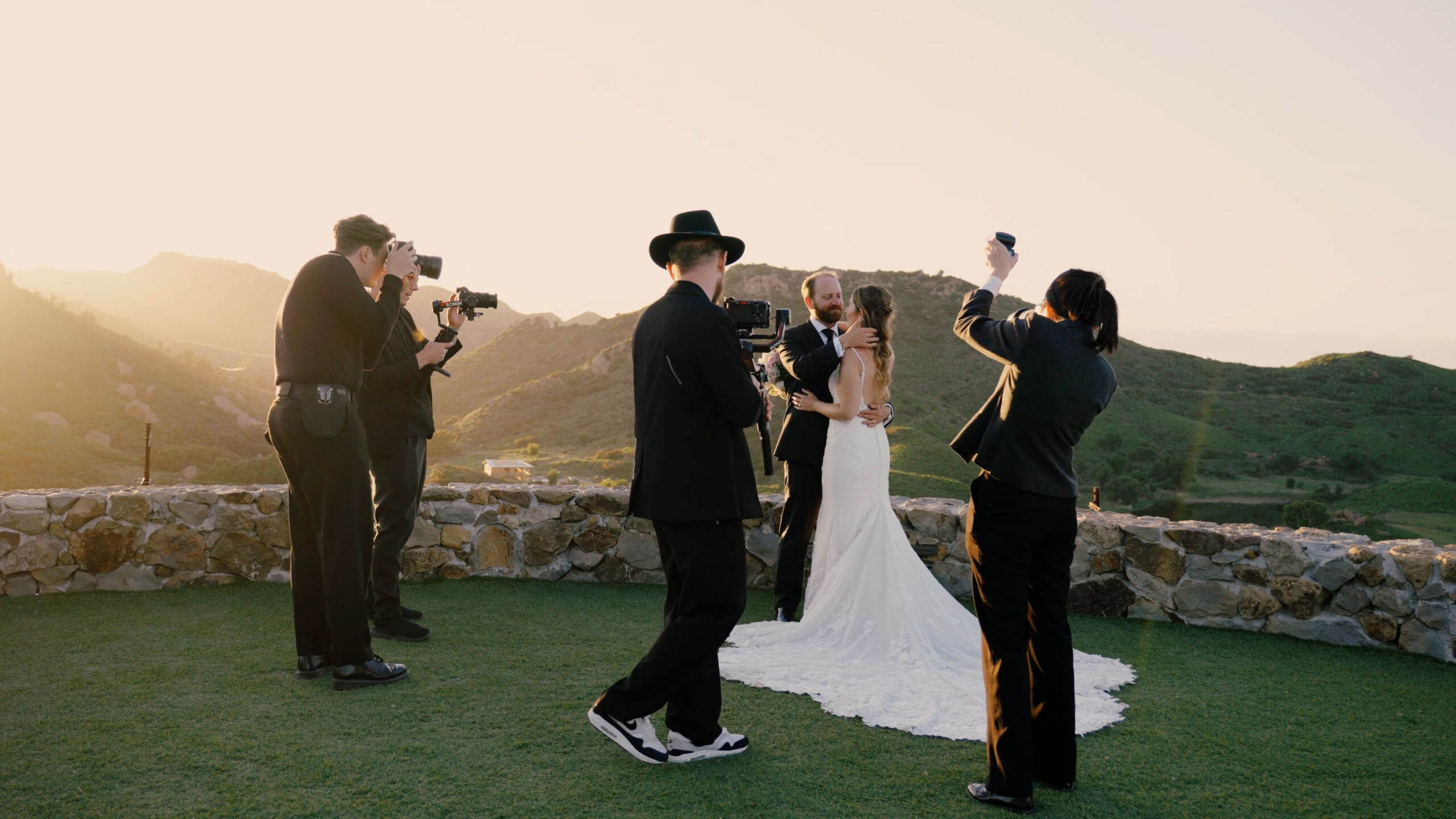
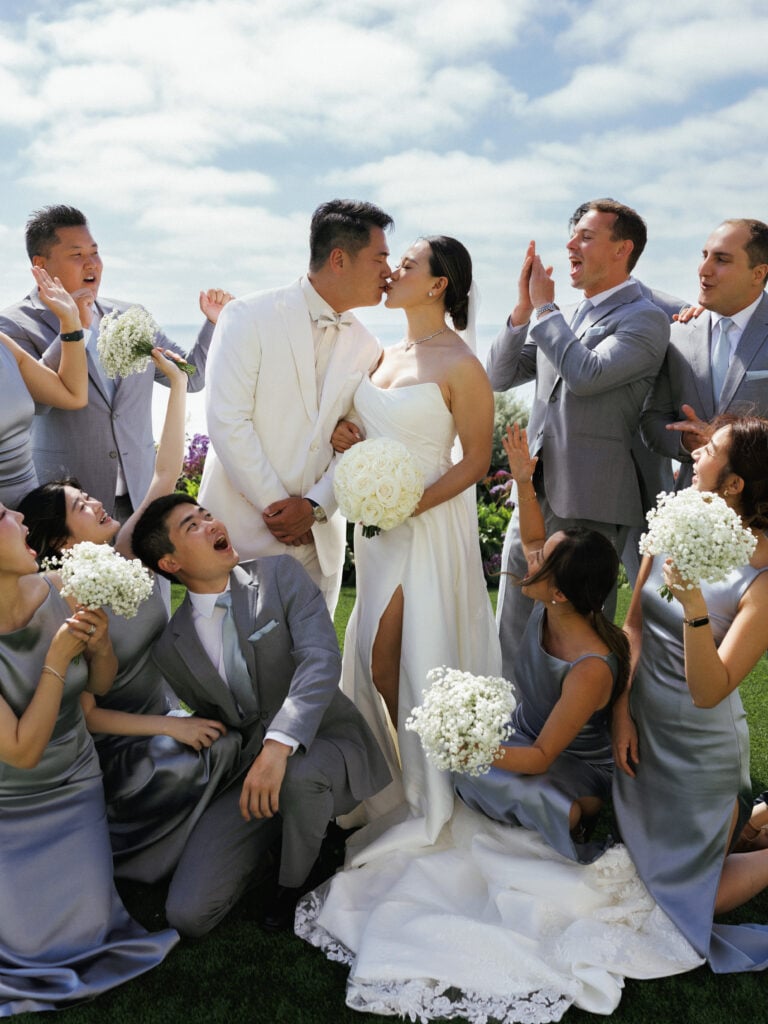
Large estate properties, multi-location weddings, and celebrations that move between outdoor and indoor spaces often create several meaningful moments at the same time. While one photographer documents the ceremony entrance, another may capture reactions from family members. During cocktail hour, one photographer can remain with the couple for portraits while the other records candid guest interactions and reception details.
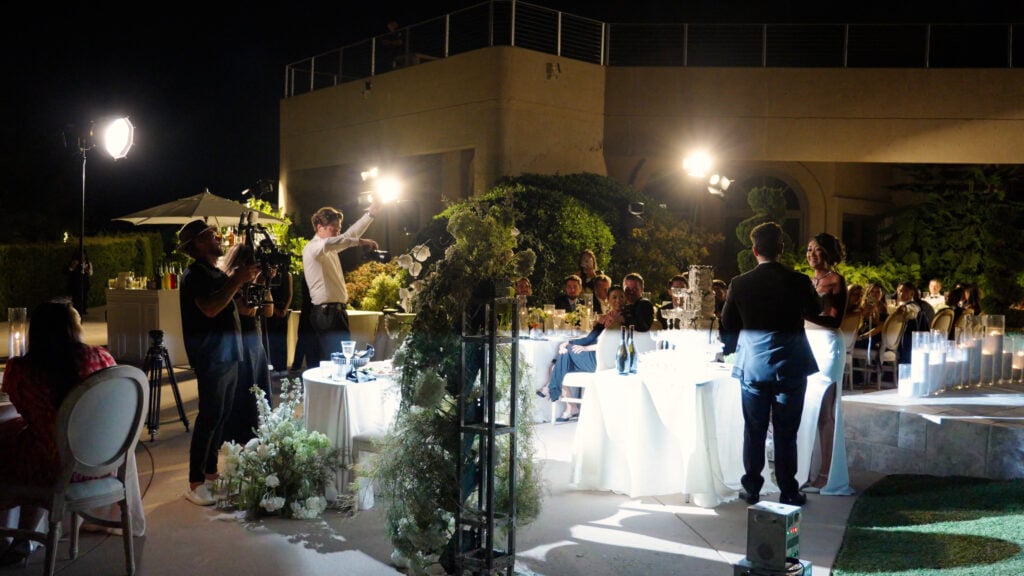
For vineyard estates and expansive private properties, portrait locations may also be spread across different parts of the venue. Moving efficiently between those locations allows the photography team to maintain the rhythm of the day without asking the couple to repeat moments or interrupt the celebration.
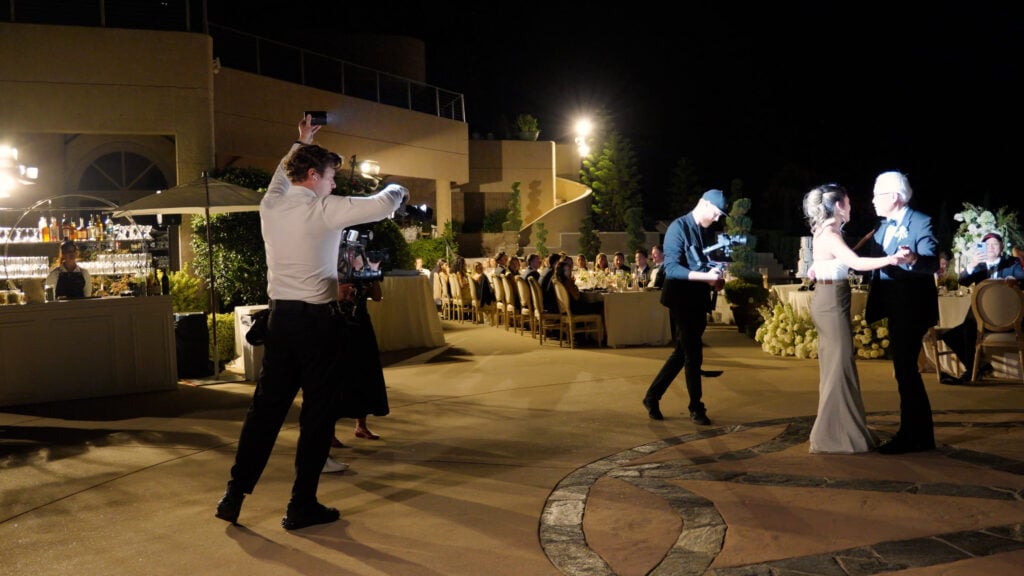
Many wedding photography packages in California include a second photographer for exactly these reasons. For smaller celebrations with one venue and a straightforward timeline, a single lead photographer may provide complete coverage. Larger celebrations often benefit from additional coverage that allows more of the day to be documented simultaneously.
New York Market Factors: Timing, Access, Venues, and Logistics
Compressed Timelines and Venue Precision
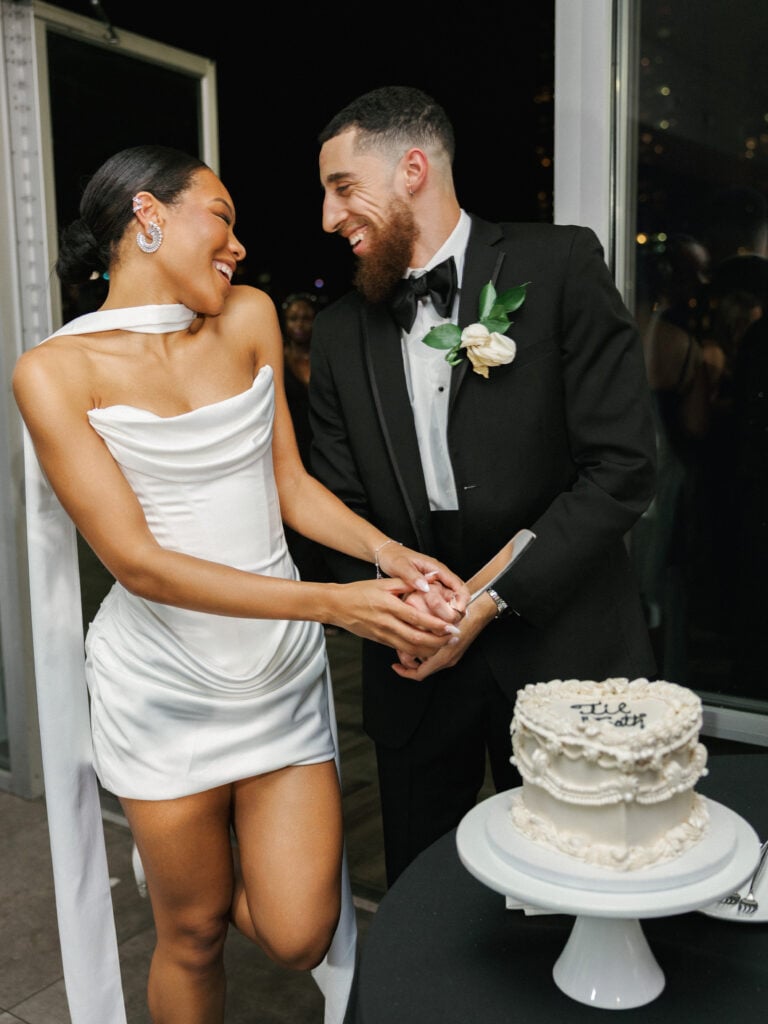
Luxury hotels, private clubs, historic venues, and event spaces frequently operate within carefully defined schedules. Ceremony and reception timelines are coordinated with multiple vendors, venue staff, transportation, and city logistics, leaving relatively little flexibility once the day begins.
A celebration at venues such as Cipriani 42nd Street or The Morgan Library may include separate preparation locations, ceremony spaces, and reception areas, each connected by a carefully planned timeline. Moving between them requires efficient coordination without interrupting the experience for the couple or their guests.
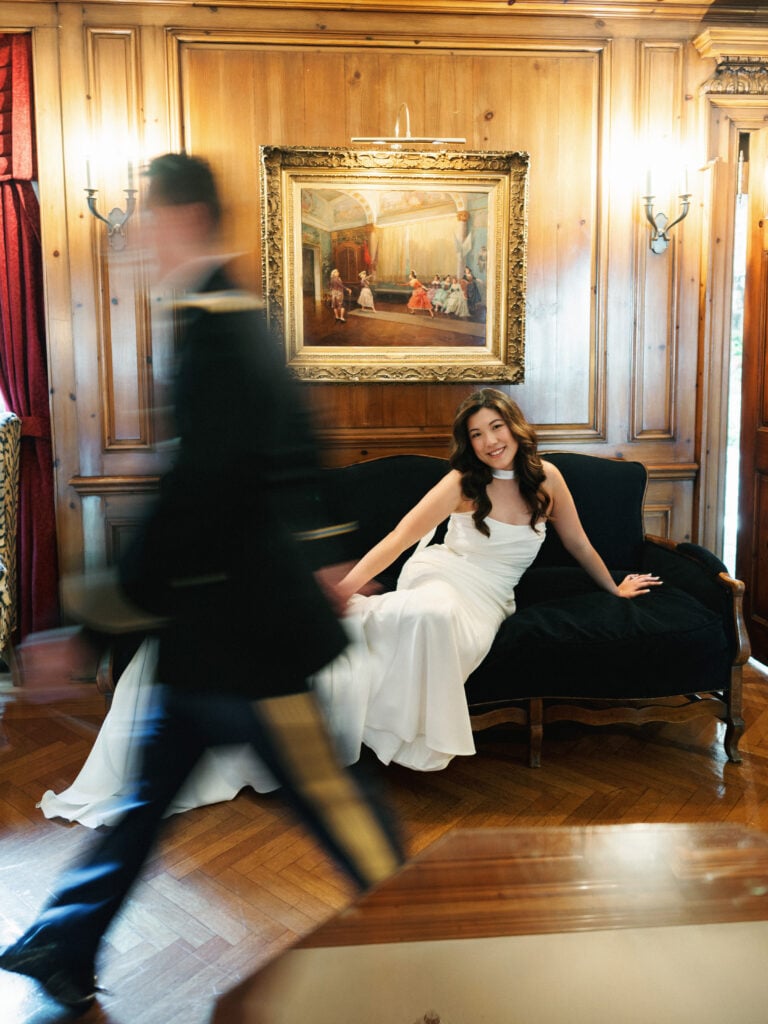
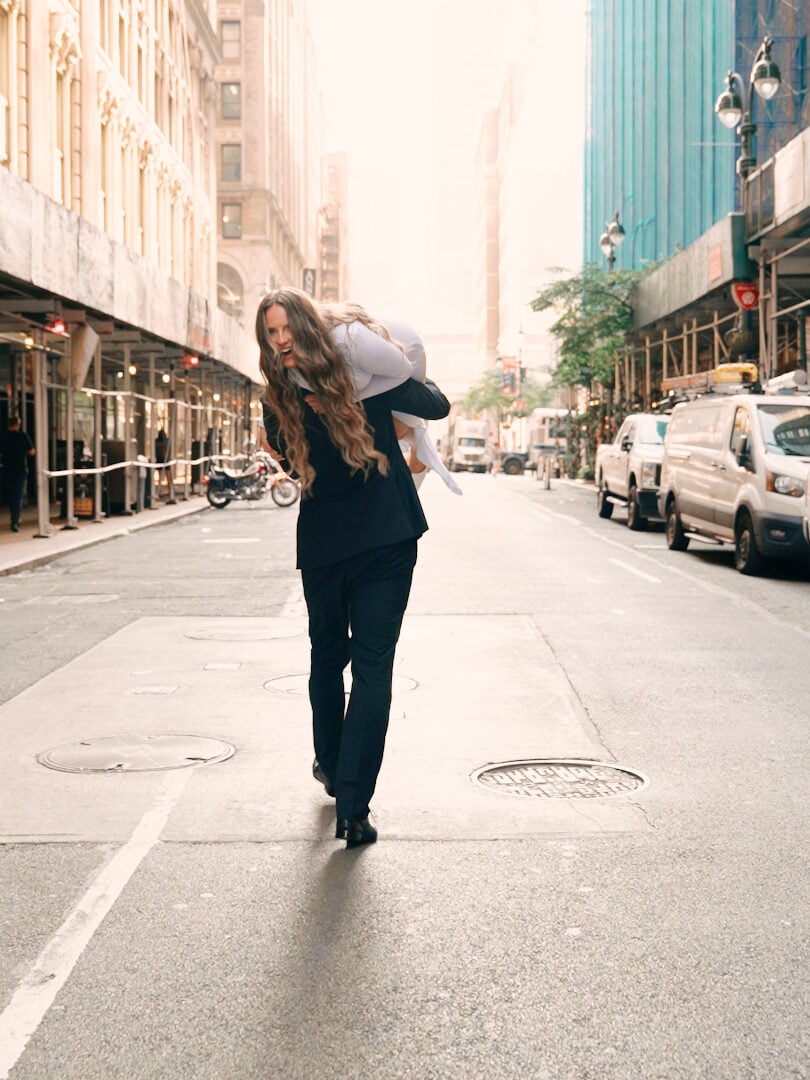
Experienced New York photographers often know where portraits can be created within limited time windows, how natural light moves through different spaces, and how transitions between events can be managed. That experience becomes part of the value couples receive when choosing a photographer who regularly works within the city.
City Access and Equipment Logistics
Street parking for equipment vehicles is rarely available near Manhattan venues. Load-in windows are often shared with other vendors. Elevators serving ceremony and reception floors have specific operating schedules. These are logistical realities that experienced New York photographers have built into their workflow, and they affect the pace and efficiency of coverage.
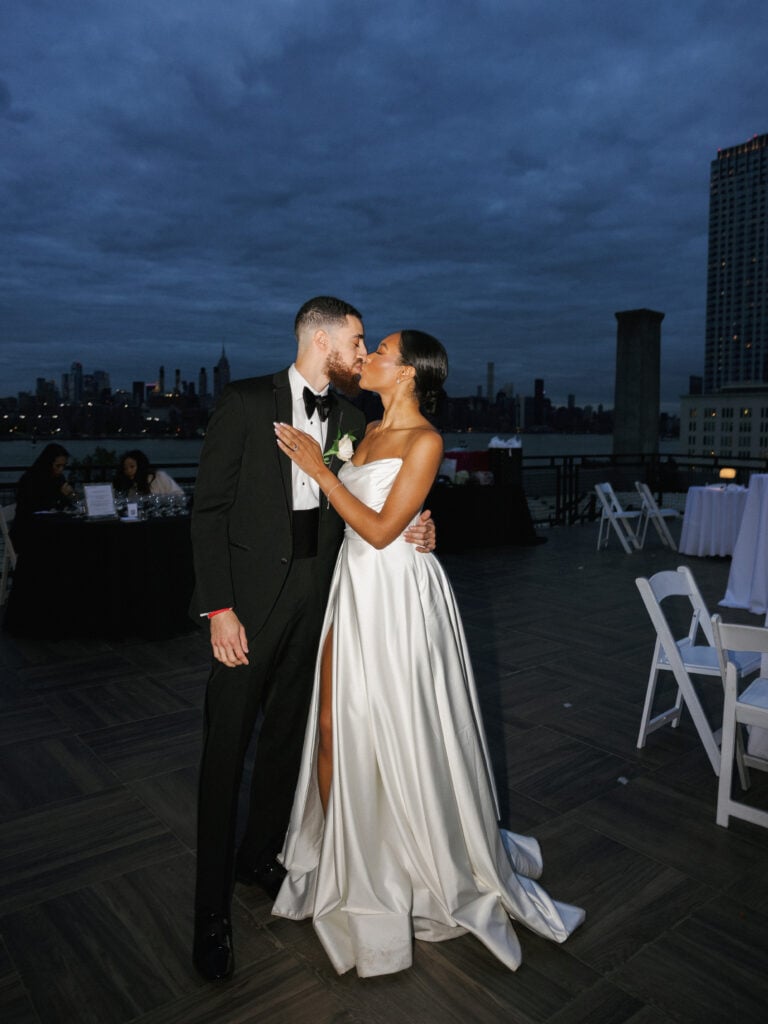
For rooftop ceremonies, venues with limited natural light, or historic buildings with strict restrictions on equipment placement, preparation requirements increase.
A photographer who has assessed a venue in advance arrives knowing exactly where the light falls at ceremony time and where the strongest portrait locations are. One encountering it for the first time on the wedding day is problem-solving during the event.
Estate and Upstate Weddings in New York
Long Island estates, Hudson Valley properties, and Catskills venues offer landscapes, gardens, historic architecture, and expansive grounds that create opportunities very different from those found in the city.
Properties such as Oheka Castle, The Garrison, and Locust Grove Estate allow photography to extend across multiple locations within a single venue. Portraits may move from formal gardens to historic interiors, open landscapes, or waterfront views as the day progresses.
Those opportunities also require thoughtful planning. Larger properties often involve more movement between locations, additional coordination with planners, and advance scouting to identify portrait settings throughout the estate. Weddings several hours from New York City frequently require overnight accommodation and additional transportation arrangements for the photography team.
Expert Note
Both markets offer extraordinary venues and luxury celebrations, but they ask photographers to solve different logistical challenges. Those differences are reflected in the way photography packages are planned long before the wedding day arrives.
How Package Structure Changes the Investment
Coverage hours and team size are the most significant levers in wedding photography pricing across both markets, but they interact differently depending on which market and which venue type.
A six-hour package suits a compact wedding with a single venue and a shorter reception. Ten to twelve hours covers a full wedding day with getting ready, separate ceremony and reception venues, couple portraits, and extended evening coverage. In New York City, where transitions between venues consume time that would otherwise be available for coverage, ten hours often covers less than it does in a single-estate California wedding of the same duration.
Deliverables also vary considerably between packages at similar price points. An edited gallery with digital download and print rights is standard. Albums, engagement sessions, expedited delivery, and extended gallery access are typically add-ons. The editing approach, number of images delivered, and how long the gallery remains accessible differ between studios and should be confirmed before booking.
Expert Note
For both California and New York markets, the final wedding photography investment tends to be higher at venues that require more logistical preparation, teams with demonstrable experience at similar venues, and packages built around the actual structure of the day rather than a generic hour count.
How to Compare Cost Without Losing Quality
Step 1:
Start with coverage hours and confirm what the package includes: how many hours, whether a second photographer is included, what the overtime rate is, and what the deliverables are. Then confirm whether travel costs are included or additional, and how they are calculated for the specific venue.
Step 2:
Look at the editing approach across complete galleries from comparable weddings. Portfolio images are curated by definition. A complete gallery from a similar venue and celebration scale shows how a photographer handles an entire day, including the quieter moments between the obvious highlights. Consistent quality across a full gallery is a more reliable indicator of what the couple will receive than a selection of highlight images alone.
Step 3:
Ask about venue familiarity. A photographer familiar with a specific property may already understand the strongest portrait locations, changing light throughout the day, and logistical details that influence the photography plan. Discussing the venue before booking allows couples to understand how those details will be incorporated into the coverage.
Step 4:
Consider the creative alignment. A photographer whose portfolio reflects the visual direction the couple wants, whose package covers the hours and deliverables the day requires, and whose approach fits the type of celebration being planned is the right match.
Final Thoughts
A photography package can look nearly identical from one proposal to another, yet represent different amounts of preparation behind the scenes.
California and New York illustrate how wedding photographer cost is shaped by more than geography. The same coverage can involve different travel requirements, venue logistics, lighting conditions, and timelines depending on where the celebration takes place.
Looking beyond the package reveals what couples are truly investing in: thoughtful planning, professional experience, and photography designed around the realities of the wedding day.
FAQ
How much does wedding photography cost in California?
California wedding photography pricing varies based on coverage hours, team size, travel, venue complexity, and the editing approach. For a full wedding day at a California estate or coastal property with a professional lead photographer, a second photographer, and a complete edited gallery, the investment reflects the cost of a serious photographic operation including travel, equipment, time, and post-production. Multi-venue events and destination weddings in Northern California wine country tend toward the higher end of the range.
How much does wedding photography cost in New York?
New York wedding photography pricing reflects the market’s venue complexity and logistical demands. City weddings with separate ceremony and reception venues, compressed timelines, and equipment access constraints often require more preparation and experience than comparable events elsewhere. Estate and upstate weddings add travel costs that vary by distance from the team’s base. Packages at the higher end of the New York market typically reflect teams with demonstrated experience at specific venue types.
What is the difference between California and New York wedding photography packages?
The core deliverables, coverage hours, team size, edited gallery, and print rights, are similar across both markets. What changes is how those elements interact with venue logistics, travel costs, and the pace of the day. California packages often include significant travel time and may require overnight accommodation for remote locations. New York packages, particularly for city weddings, often reflect the logistical complexity of urban venues and compressed day-of timelines.
The package is ultimately shaped by the environment where the celebration takes place.
Should we prioritize photography or videography in our budget?
Both serve different purposes, and the answer depends on what the couple values most in the long term. Photography produces the individual images that are displayed, shared, and returned to across years. Film captures movement, sound, and the atmosphere of the day in ways that photography cannot hold. For couples who want both, booking a coordinated photo and video team through a single studio often produces a more consistent final result than two independently booked vendors.
Comparing Package Options for Your Wedding?
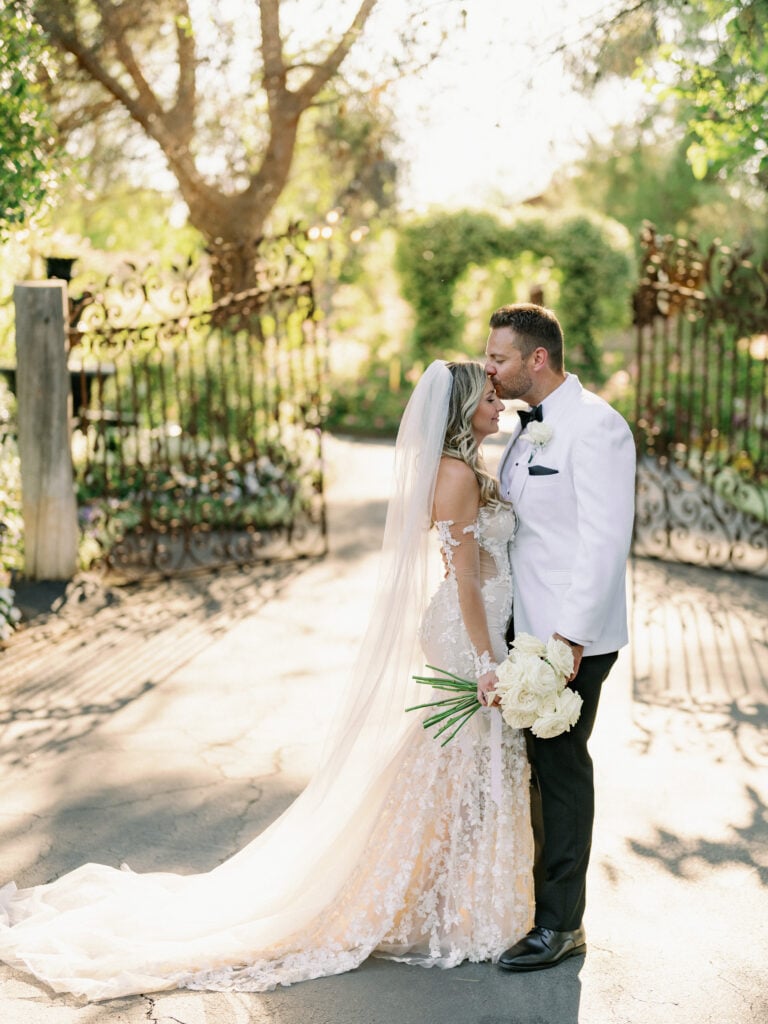
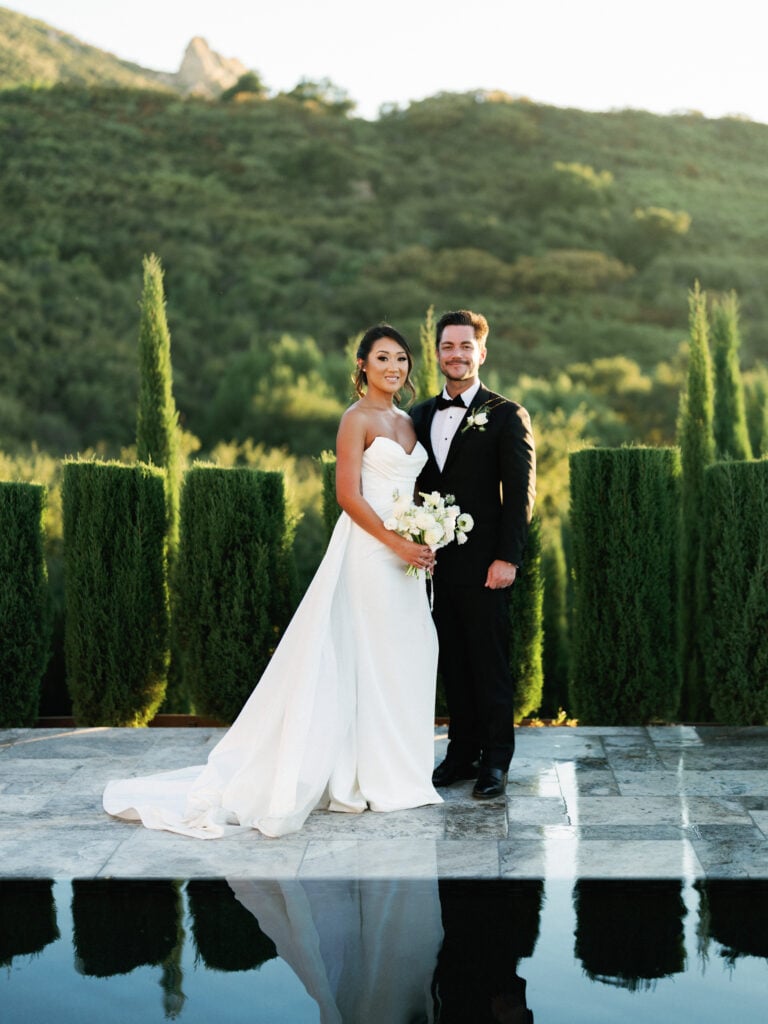
If you are comparing wedding photographer cost across California and New York markets and want to understand how different package structures fit your venue, timeline, and celebration plans, we would be happy to help.