A Decision That Shapes More Than One Moment
A first look wedding and an aisle reveal are often presented as a personal preference. While that is true, the choice also affects the structure of the entire day: when portraits happen, how much time remains after the ceremony, how family moments fit into the schedule, and which reactions become part of the final photo and film collection.
The difference begins before the vows. A first look creates a private scene before the ceremony and shifts part of the portrait schedule earlier in the day. An aisle reveal keeps the first shared reaction inside the ceremony, surrounded by guests, music, and the space where the vows take place.
Each approach creates different experiences, timelines, and opportunities for photography and film.
What a First Look Changes in the Day
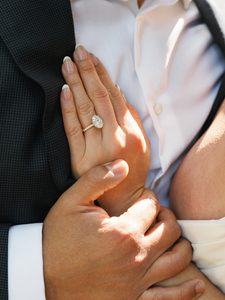
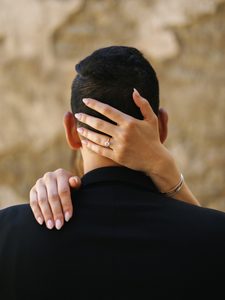
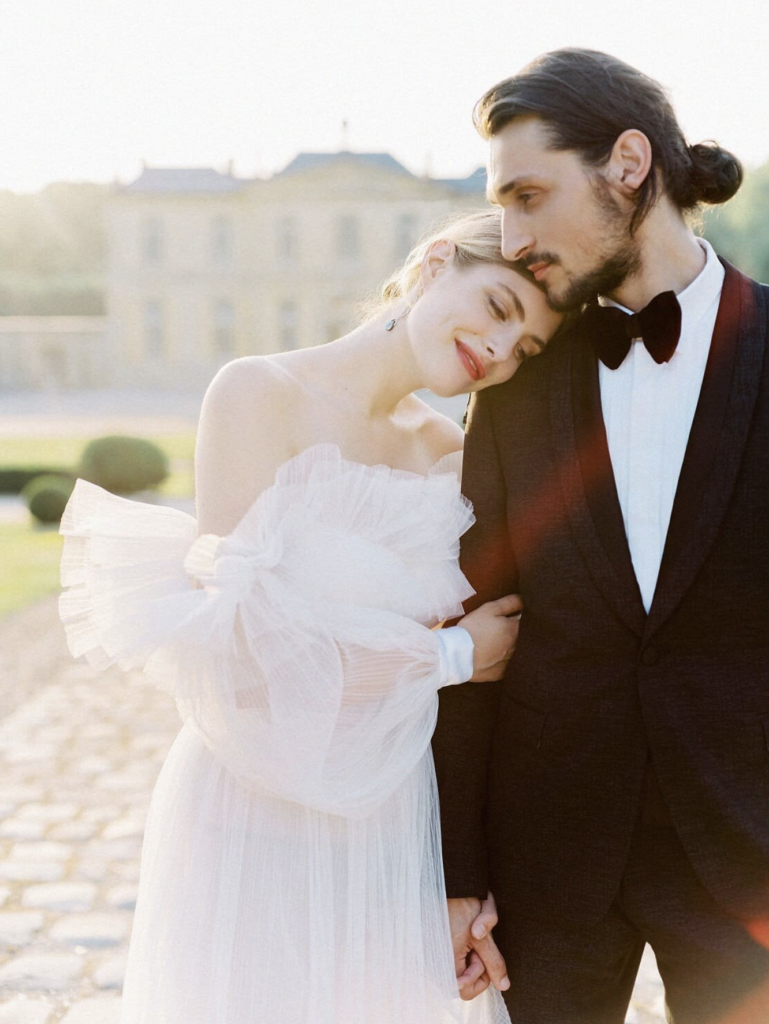
A first look is a private moment, typically scheduled thirty to sixty minutes before the ceremony, when the couple sees each other privately before the vows begin.
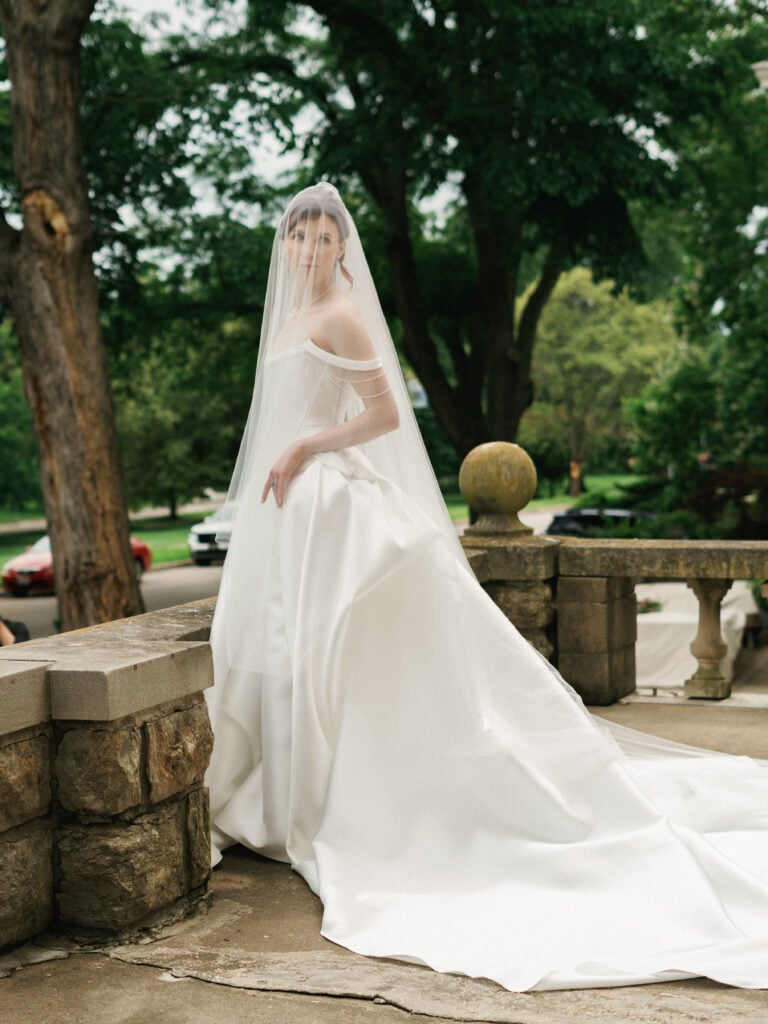
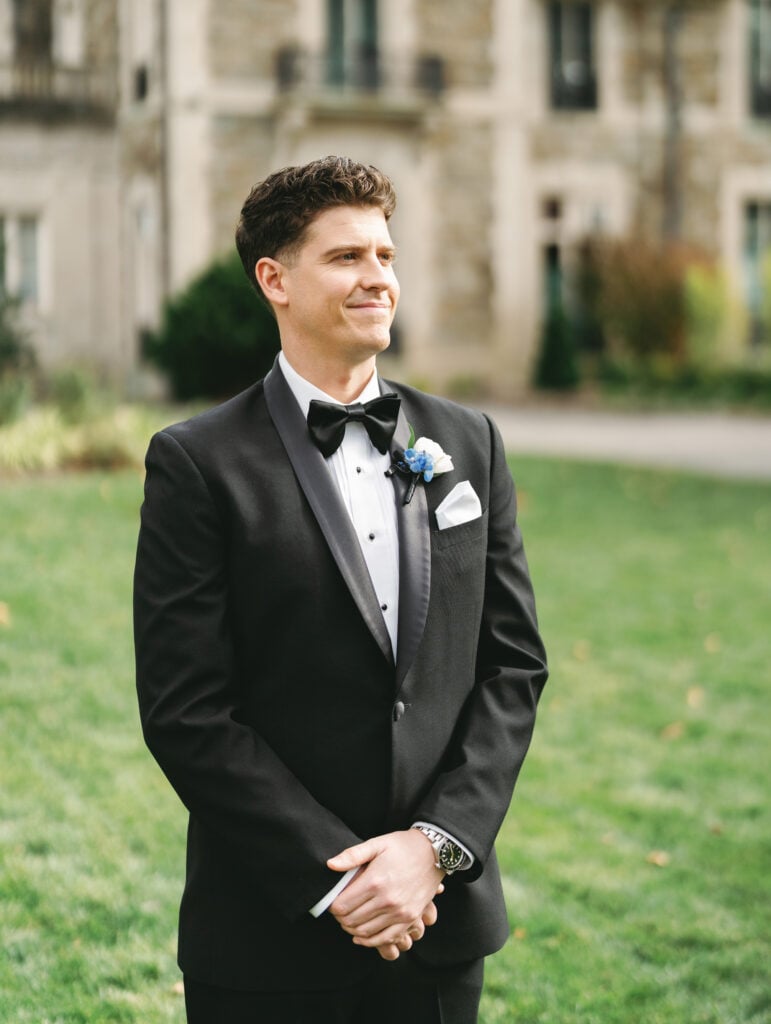
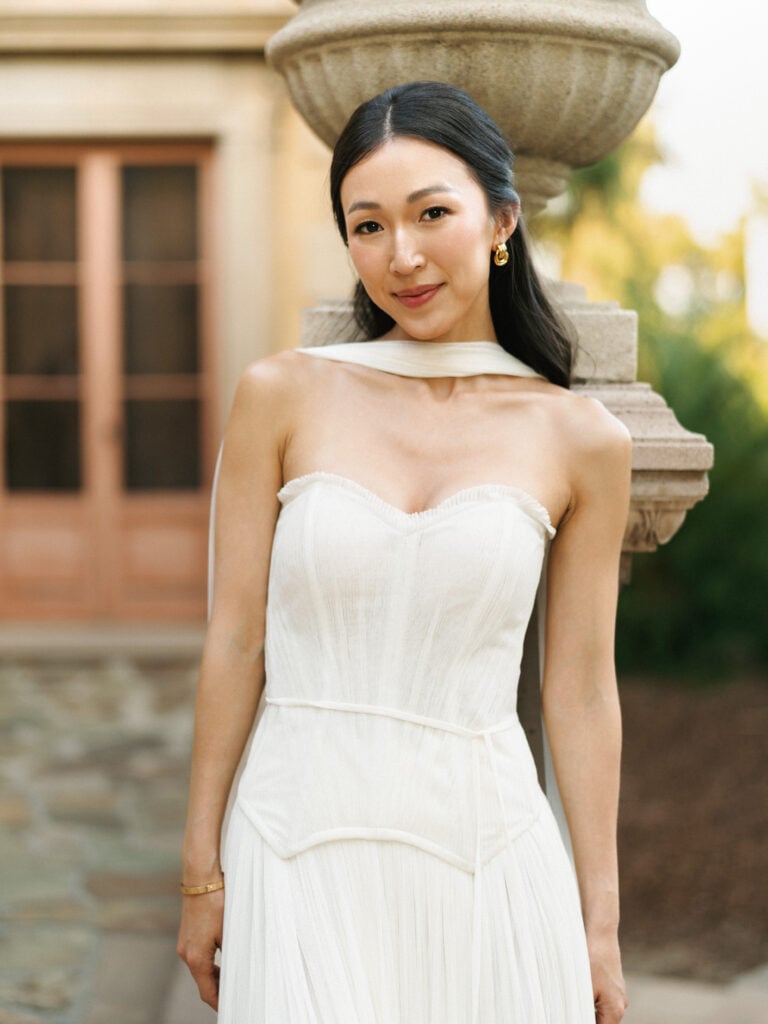
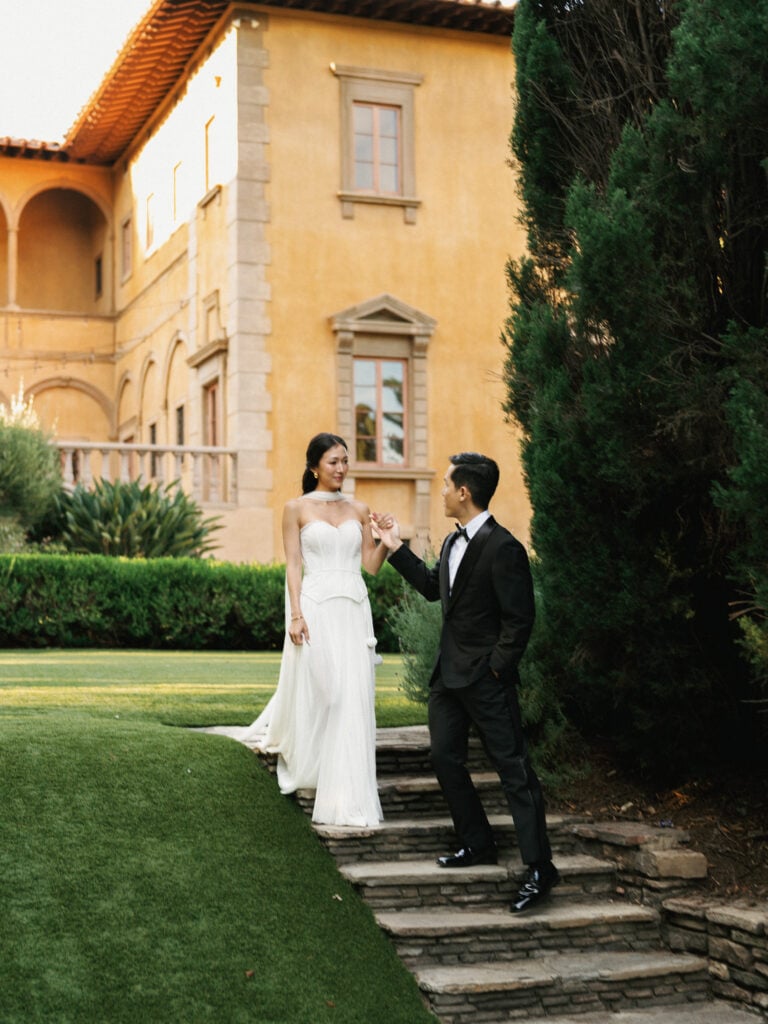
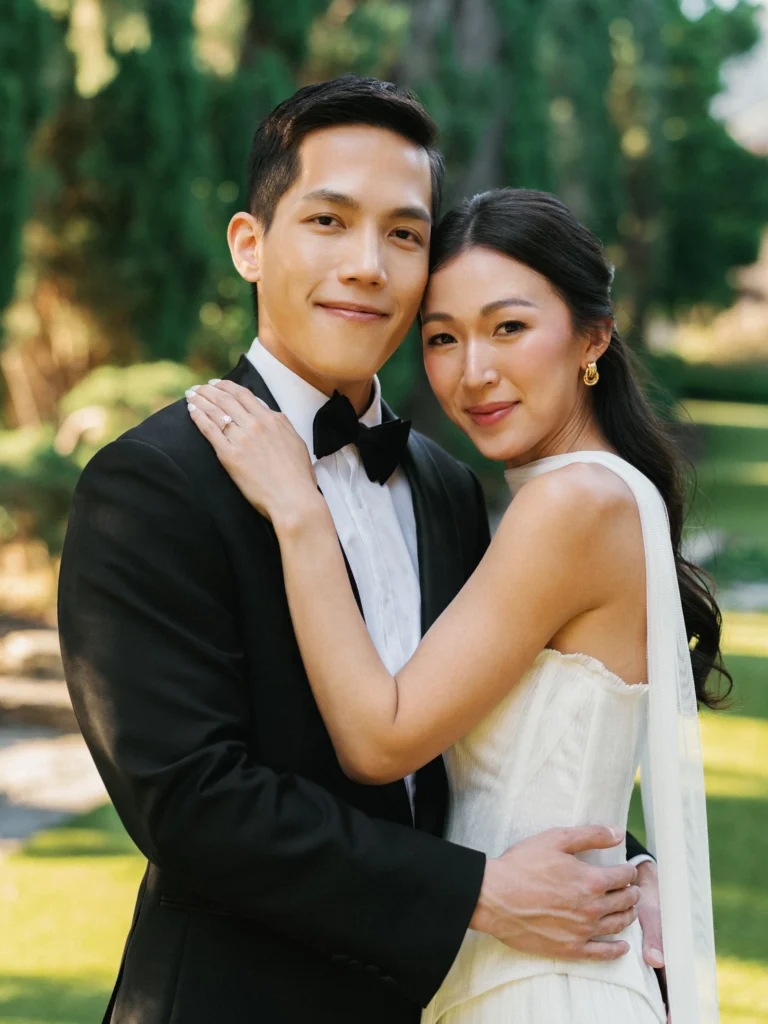
When a first look is included, couple portraits can begin before the ceremony instead of taking place only afterward. The first meeting is usually planned in a quiet area with enough space for the couple and the coverage team to move without drawing attention from arriving guests. After the initial reaction, there is often time for portraits nearby, and some family or wedding party photographs can happen before the ceremony when everyone involved is already present and ready.
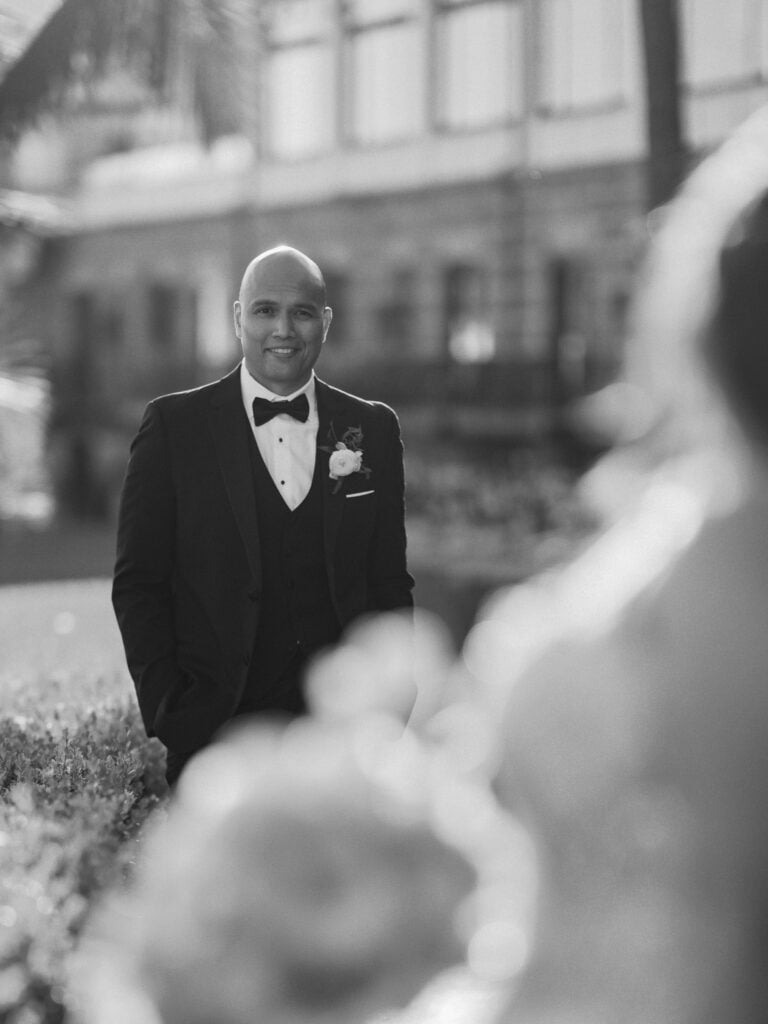
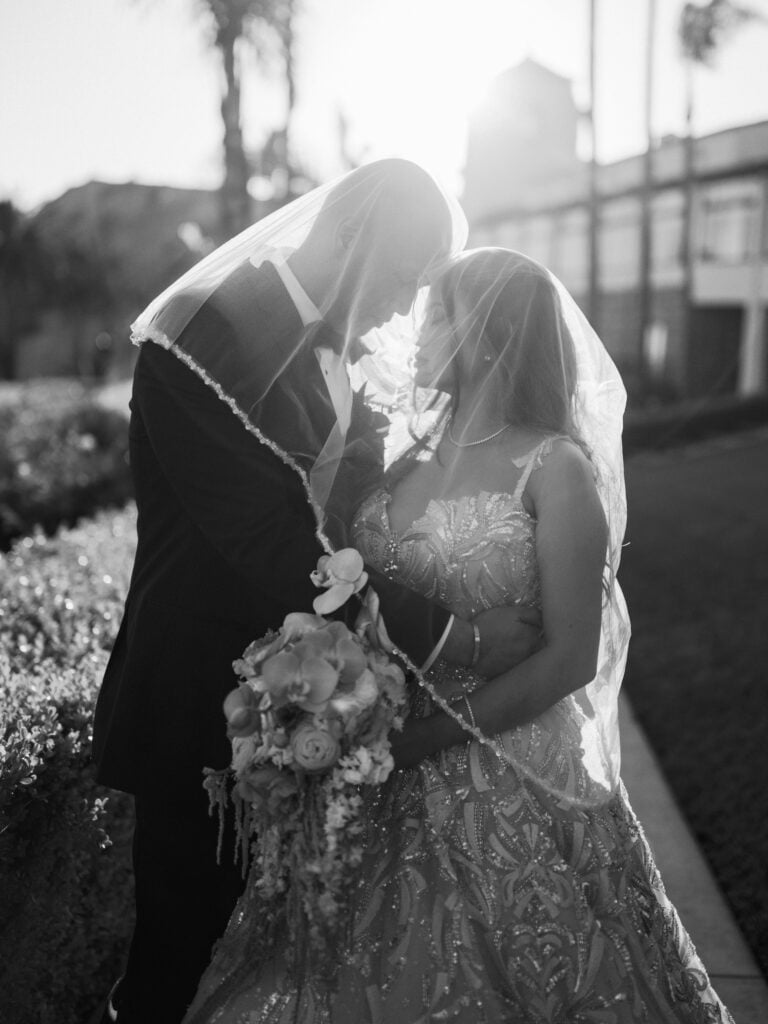
Family photographs may still remain in the post-ceremony window, but the couple is less likely to lose the entire cocktail hour to portraits. If late-afternoon light is important, a shorter second portrait session can be protected near sunset, leaving golden hour available without the pressure of completing the entire portrait list.
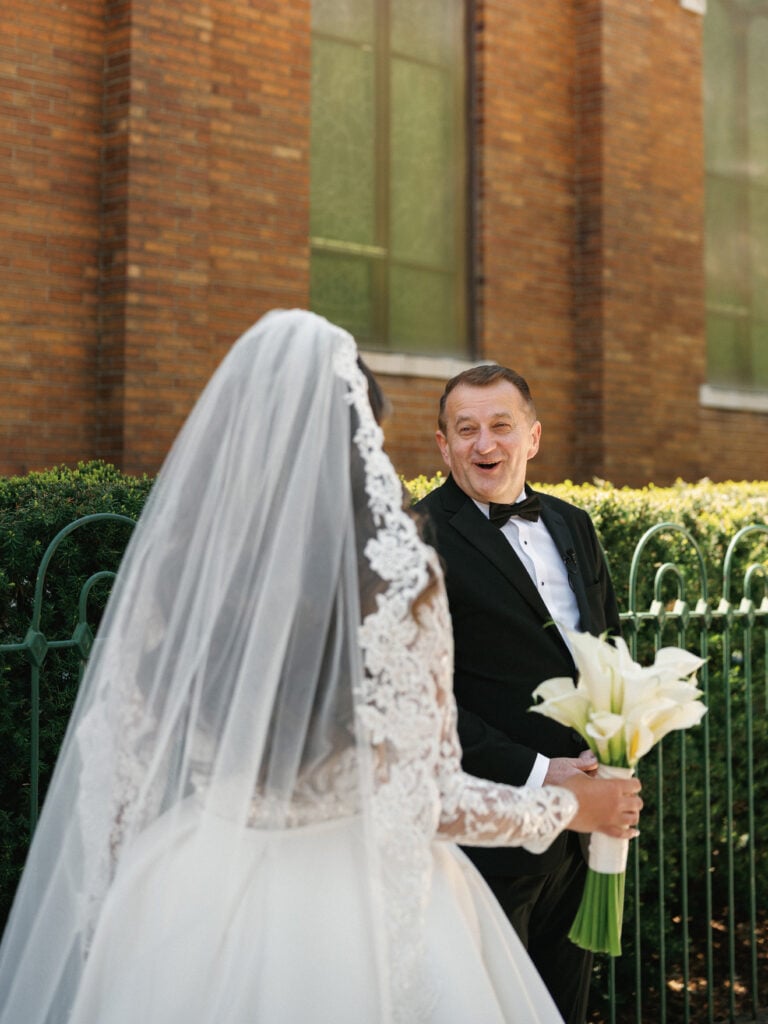
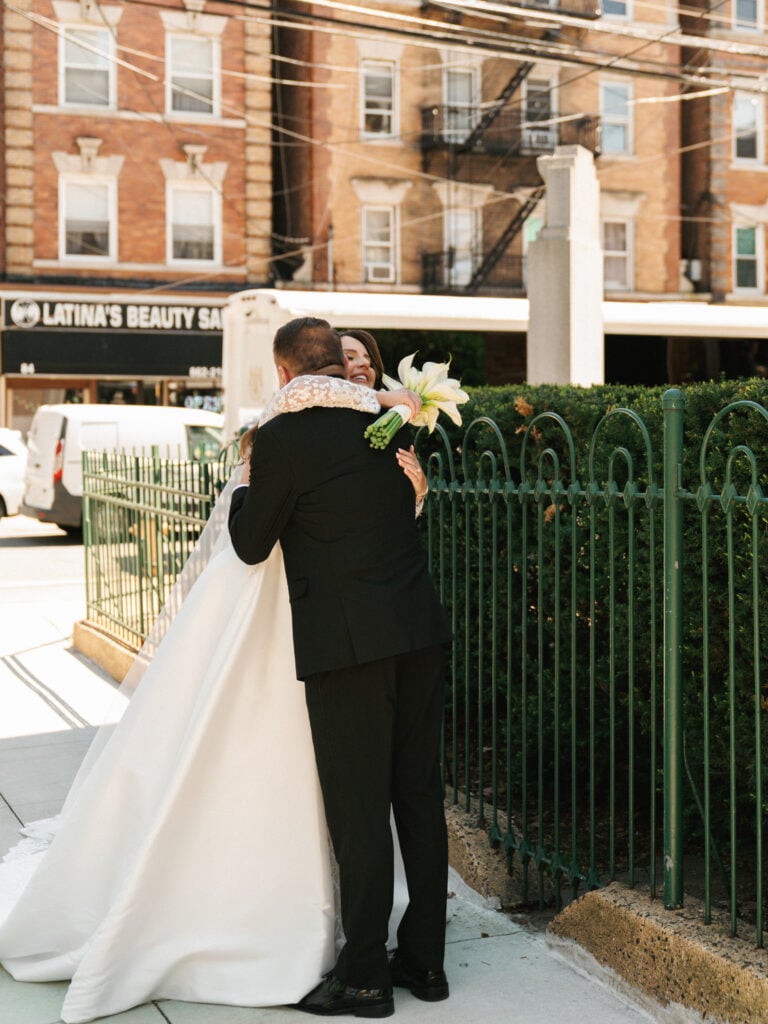
A portrait session before the ceremony often happens when both people are calmer, before the pace of the day changes. The location can be selected with light, privacy, and movement in mind, although it still needs to work with guest arrival patterns, weather conditions, and the venue layout.
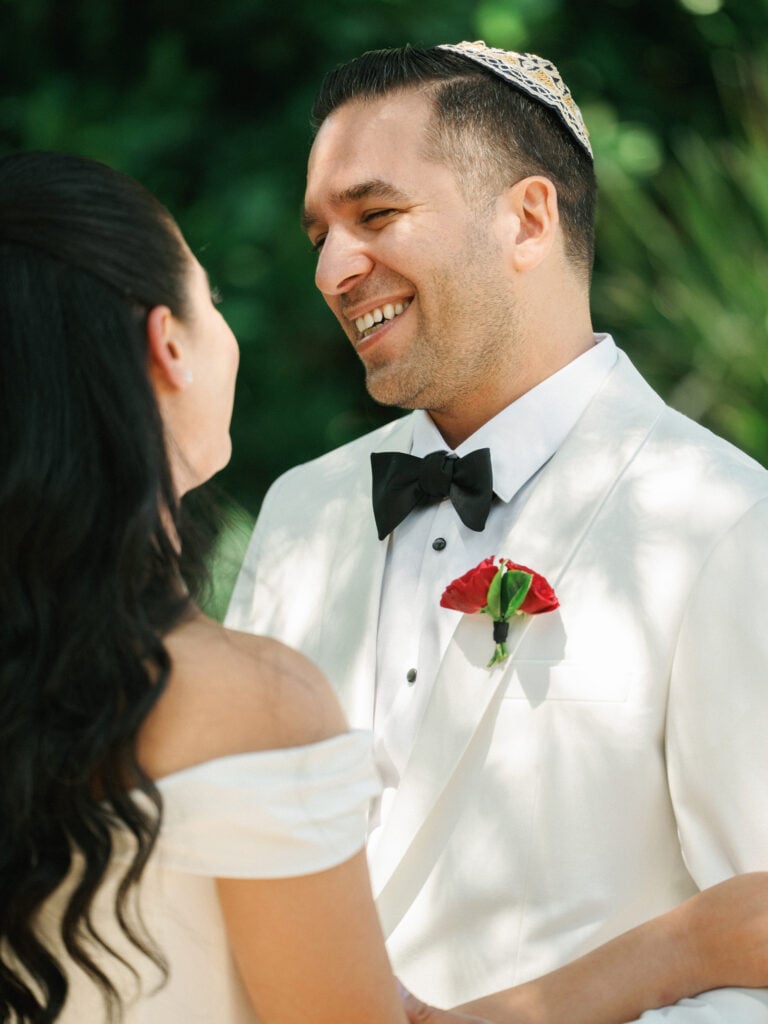
When the location allows privacy, the film team may also capture natural dialogue, a letter exchange, or a few minutes together without the structure of the ceremony around them. That footage gives the final film moments of conversation and connection that cannot be recreated during the ceremony.
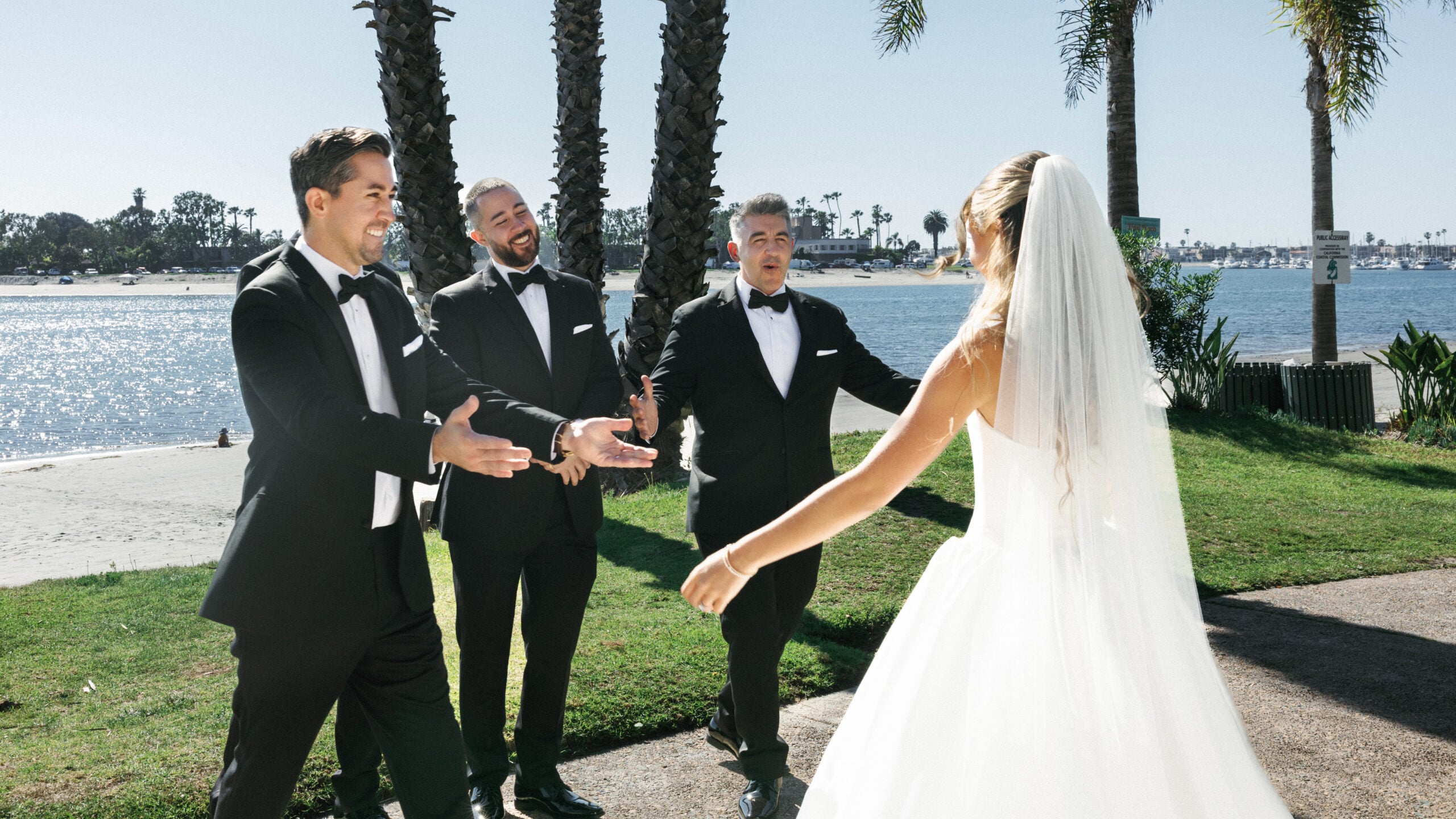
What an Aisle Reveal Preserves Emotionally
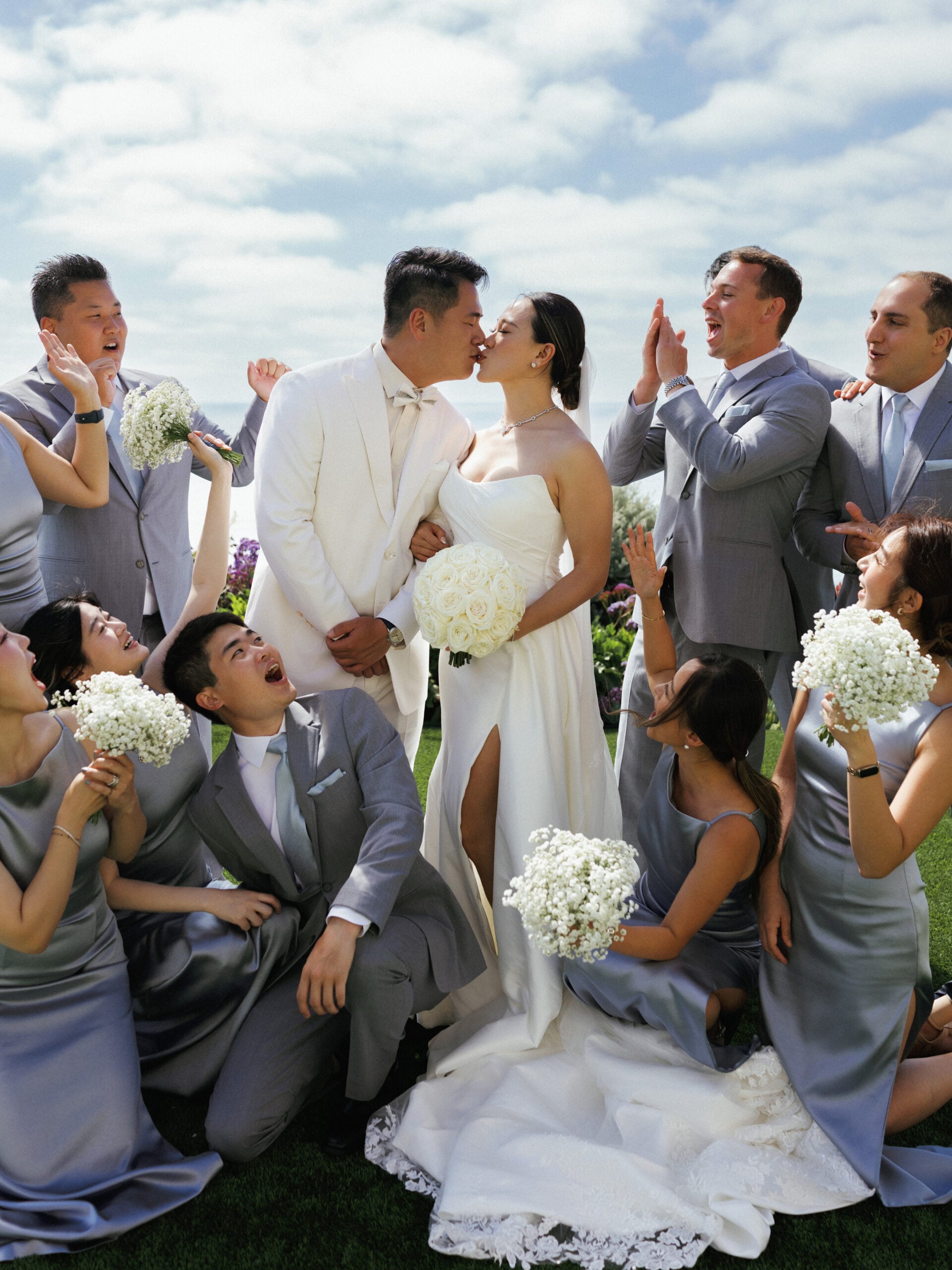
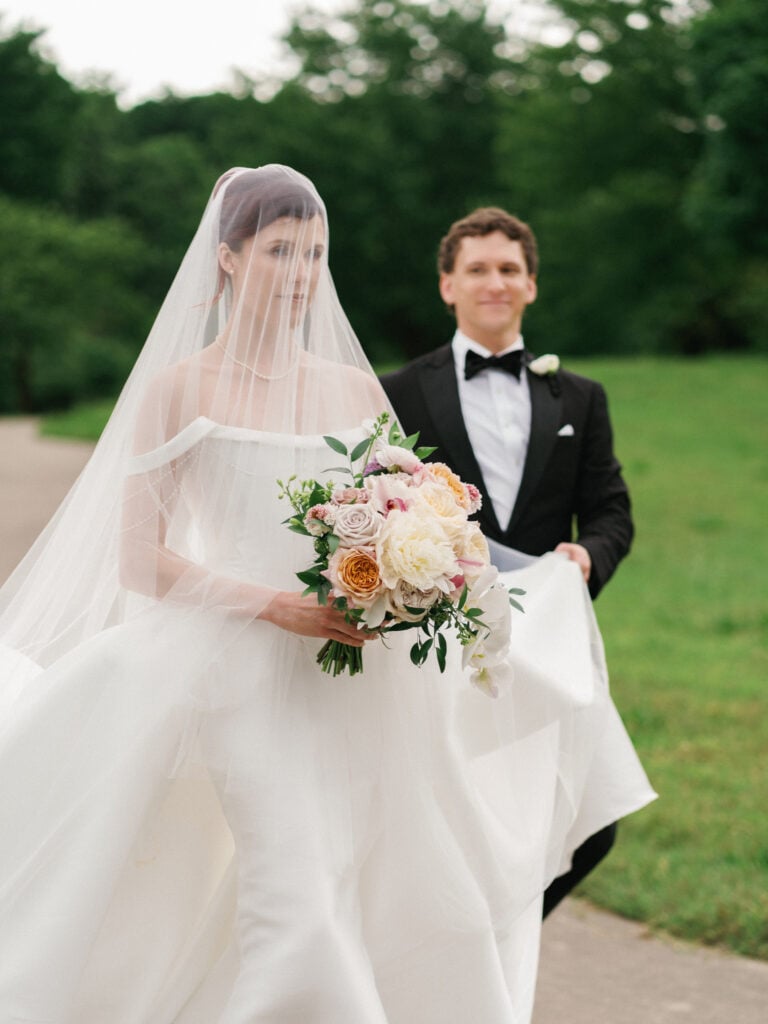
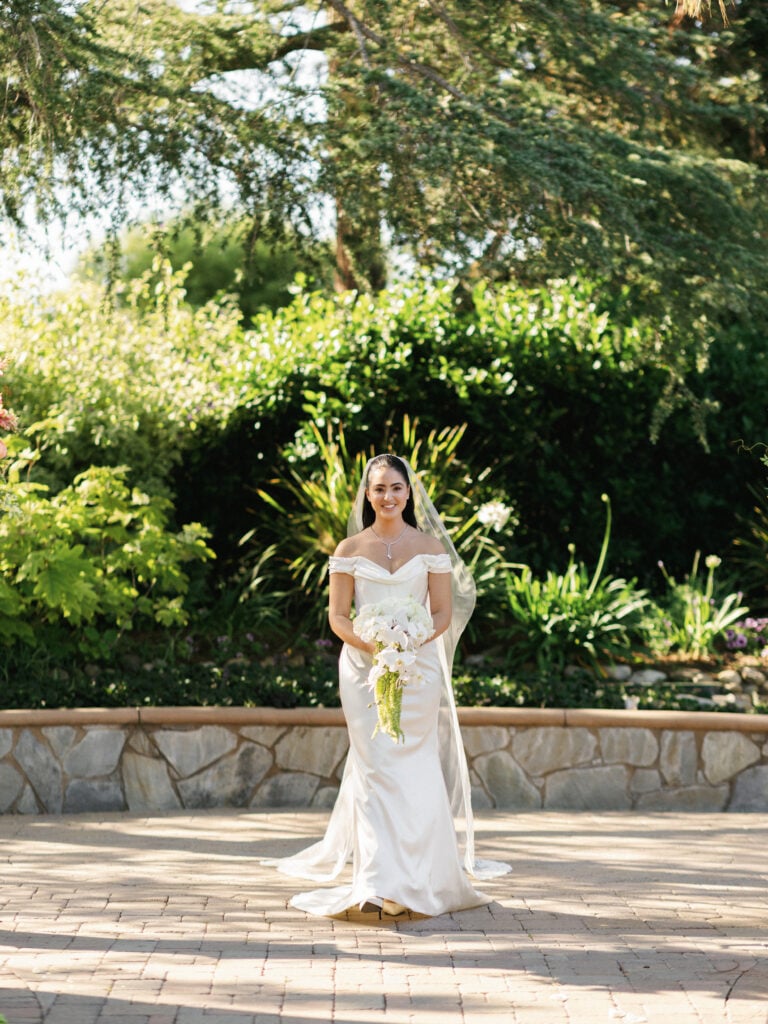
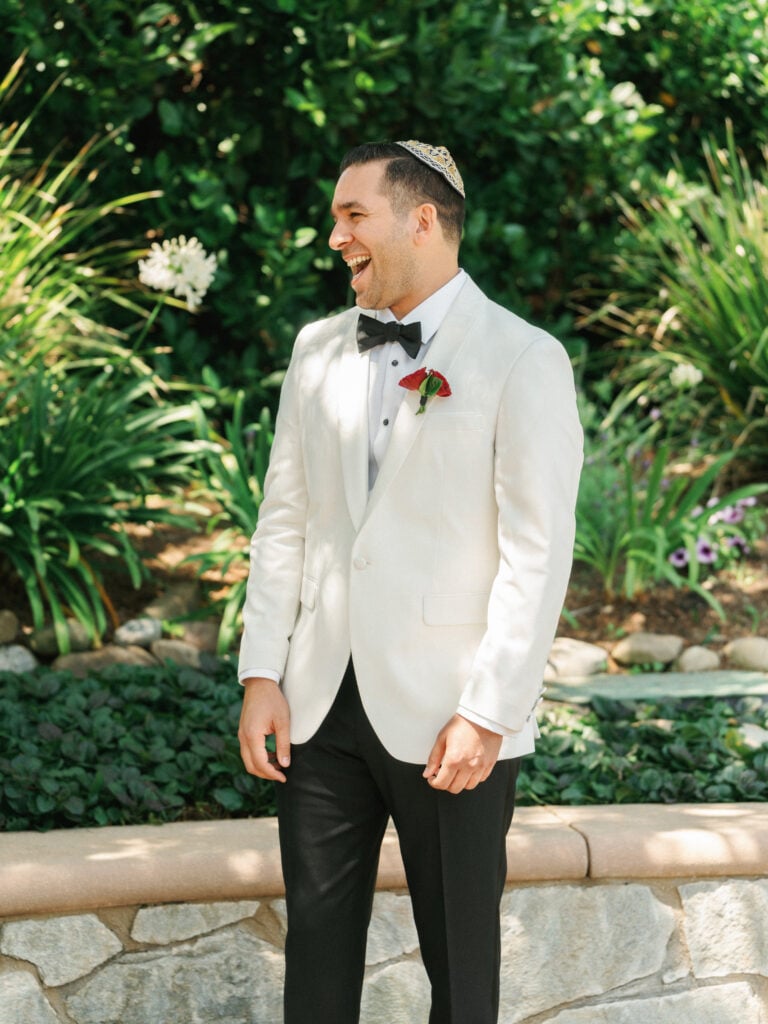
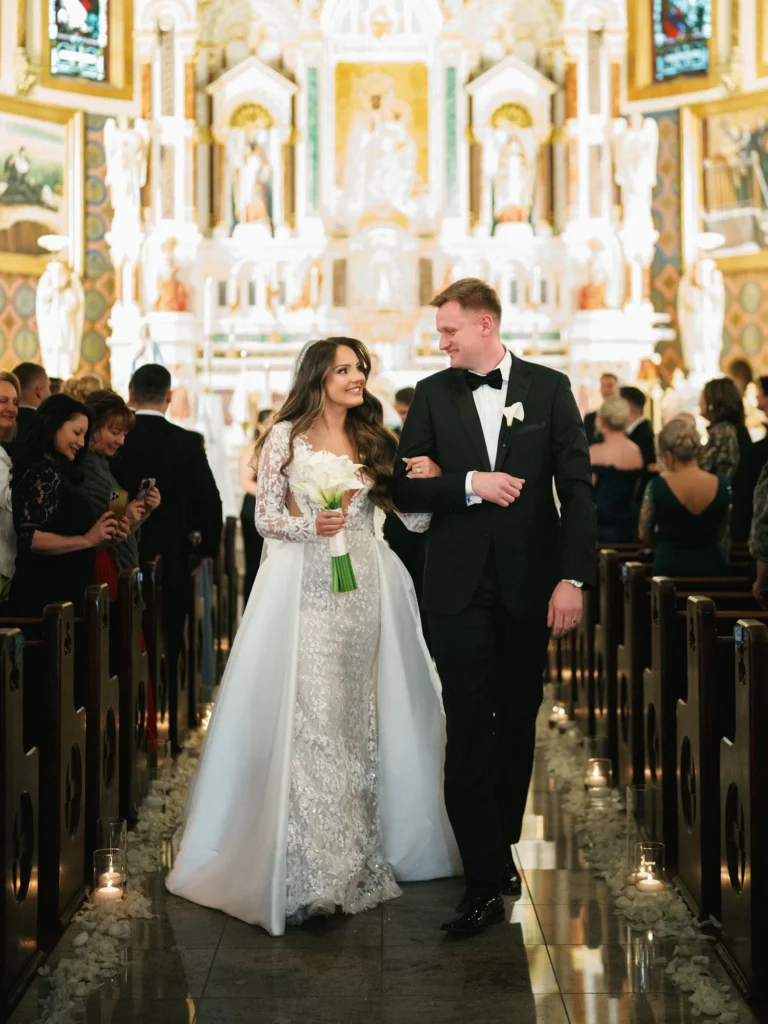
An aisle reveal keeps the first shared reaction inside the ceremony. The space is already filled with movement and anticipation: guests turn toward the entrance, music begins, one partner walks forward, and the other reacts from the front of the room.
For many couples, that public moment is the reason they choose an aisle reveal. The reaction happens in front of the people who came to celebrate with them, creating a shared experience with the people who matter most to them.
An aisle reveal wedding also offers a different type of visual story for photography and film. The reaction exists within the larger ceremony environment: the architecture, the flowers, the guests, the music, and the anticipation before the vows.
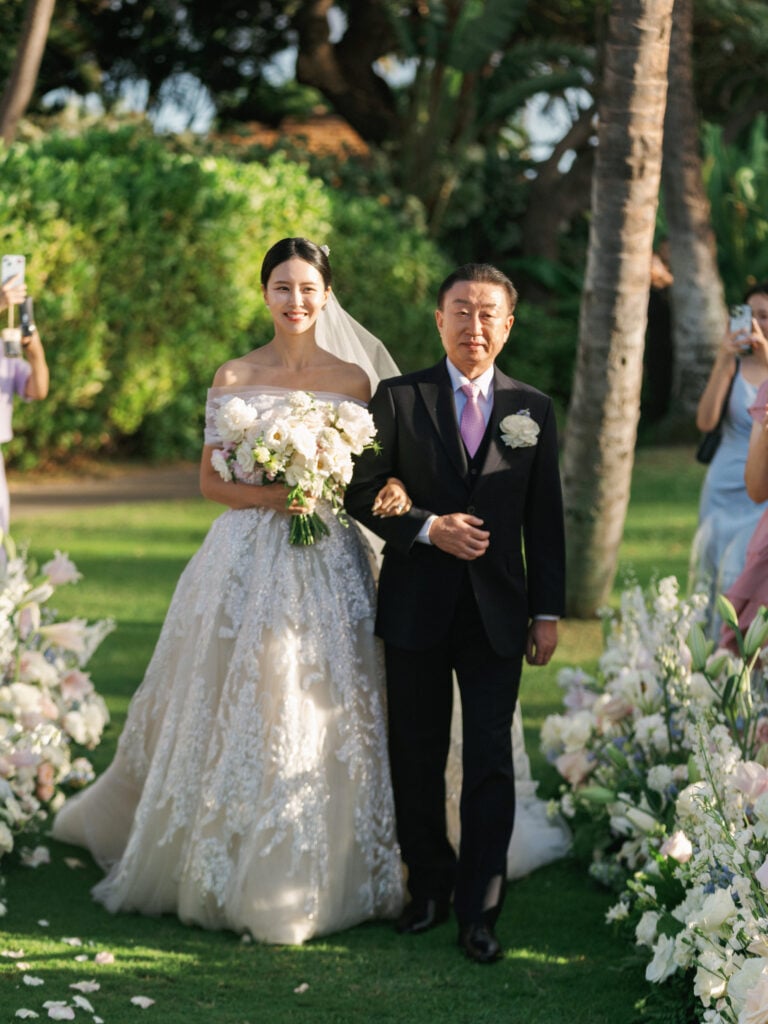
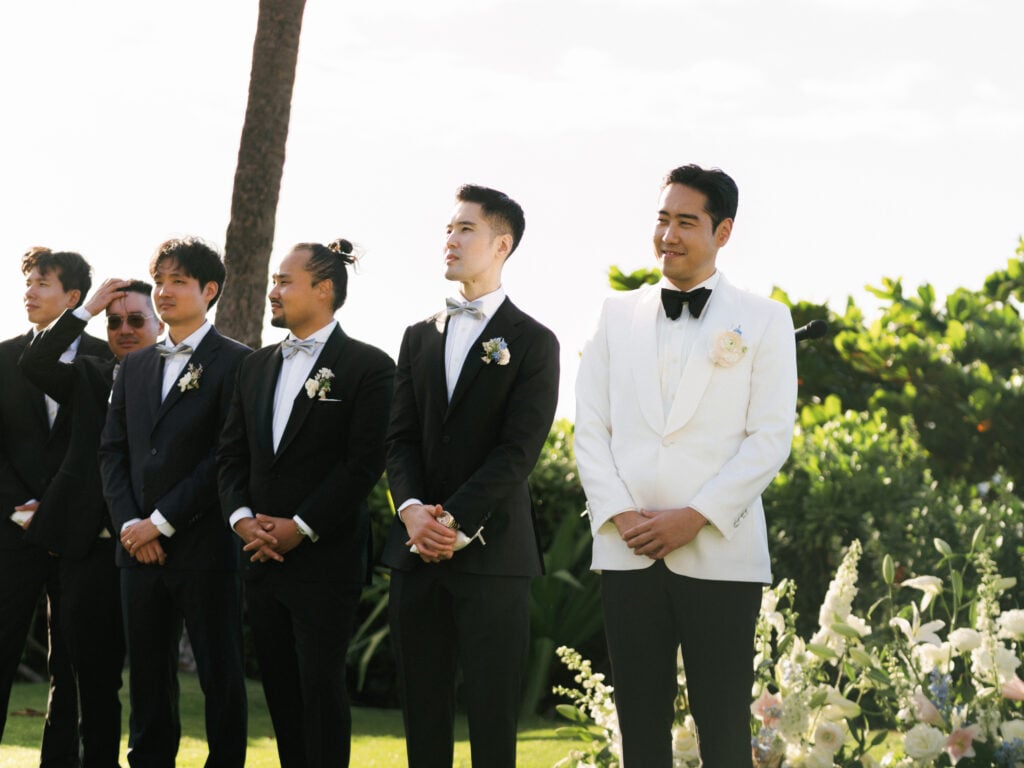
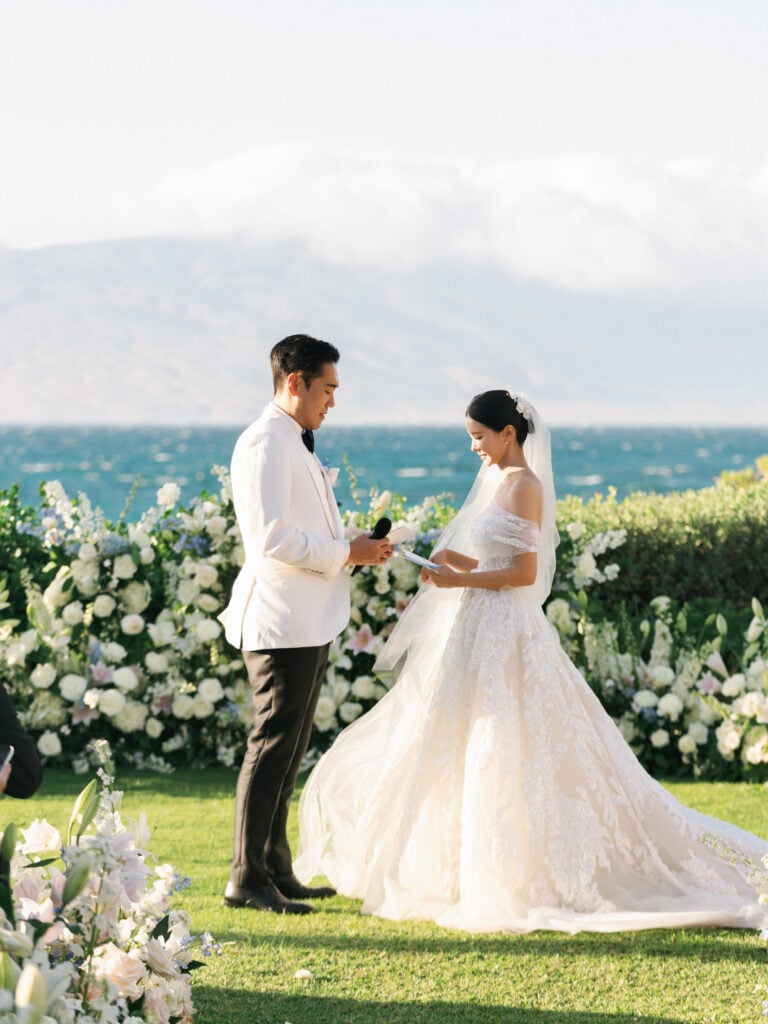
The conditions are less controlled than with a first look. The light depends on the ceremony location, the distance is determined by the aisle, and guest movement can affect visibility. These factors create additional planning considerations, but they are also part of the authenticity of the moment.
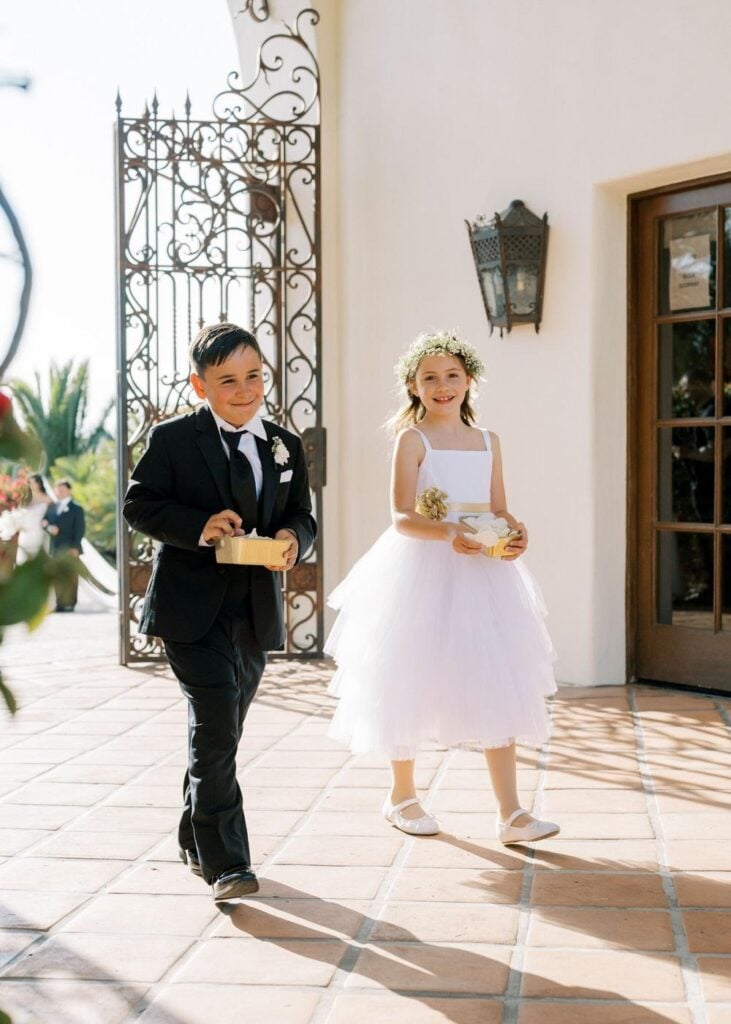
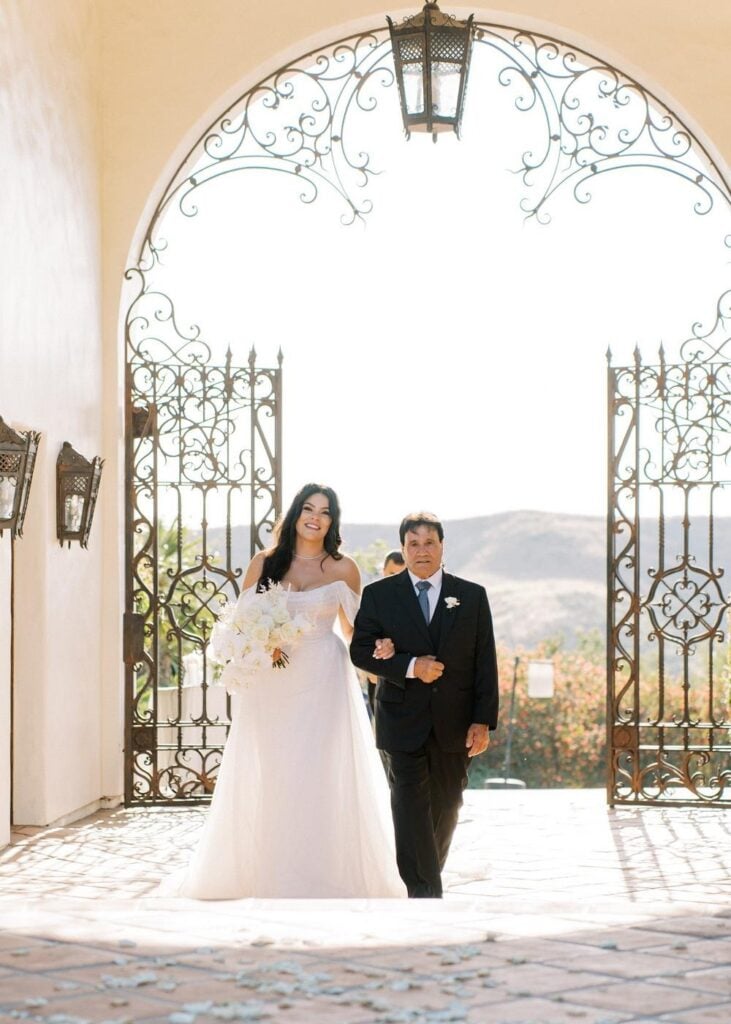
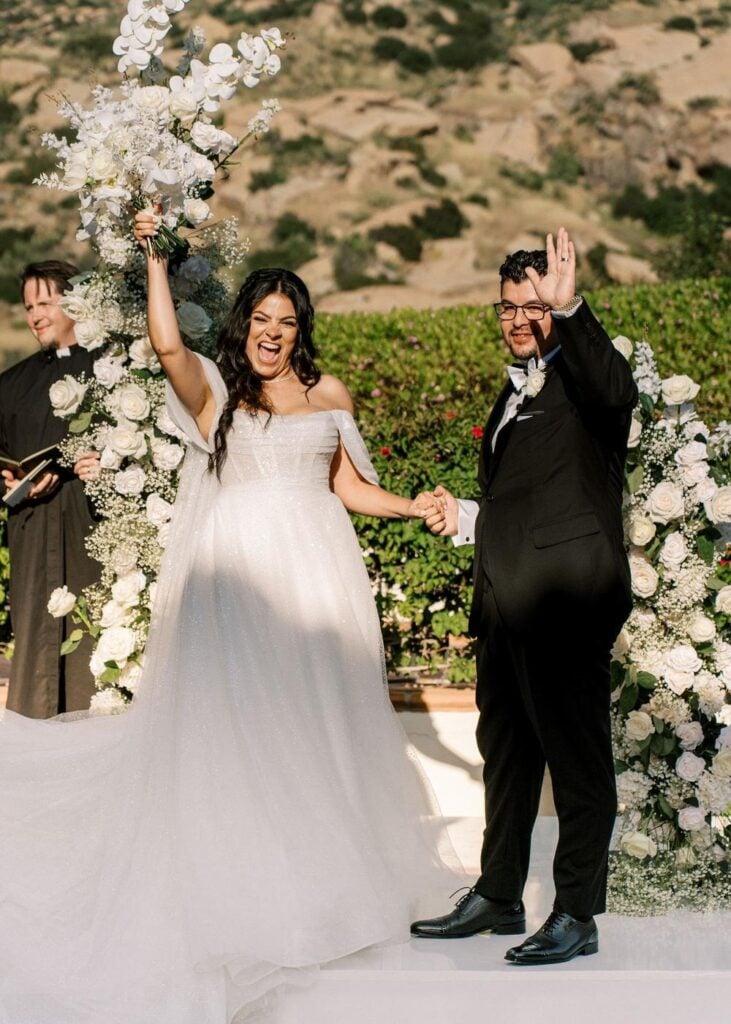
Because the aisle reveal happens only once and lasts only a few seconds, positioning becomes especially important. If both reactions matter to the couple, the coverage plan should account for both perspectives before the ceremony begins.
Expert Note
A second photographer or additional camera angle allows the team to capture the person walking down the aisle and the reaction of the person waiting at the front simultaneously. Smaller teams can still capture the moment effectively, but the priorities should be discussed in advance based on the venue layout and ceremony structure.
Timeline and Portrait Tradeoffs
The wedding photography timeline should be planned around the actual conditions of the day, not only the ceremony start time. Season, location, sunset, venue orientation, travel between spaces, and indoor restrictions all influence how much usable light remains after the vows.
With a First Look
With a first look, portraits can be divided into two parts.
An earlier session creates space for relaxed movement and a wider range of images before the ceremony. A shorter session later in the day can then focus on softer evening light without carrying the responsibility of completing the entire portrait list.
This structure often reduces pressure after the ceremony. Couples have more flexibility to join cocktail hour, spend time with guests, or take a private moment before the reception begins.
Without a First Look
Without a first look, couple portraits start after the ceremony. This can work beautifully when the ceremony ends close to sunset and the schedule allows enough time before the reception begins.
The transition from vows to portraits can feel natural, especially when the venue provides a strong portrait setting nearby.
The timeline becomes more challenging when family groups are large, the ceremony runs longer than expected, the portrait location requires travel, or the reception begins at a fixed time immediately afterward.
Family Portraits
Family portraits should also be considered separately. They are often most efficient immediately after the ceremony because relatives are already gathered in one place. However, some wedding party or family photographs can be completed earlier when a first look brings everyone together before the ceremony.
A first look makes that option available, but it does not automatically solve the entire schedule. The timeline still needs to be built around the venue, family availability, and the couple’s priorities.
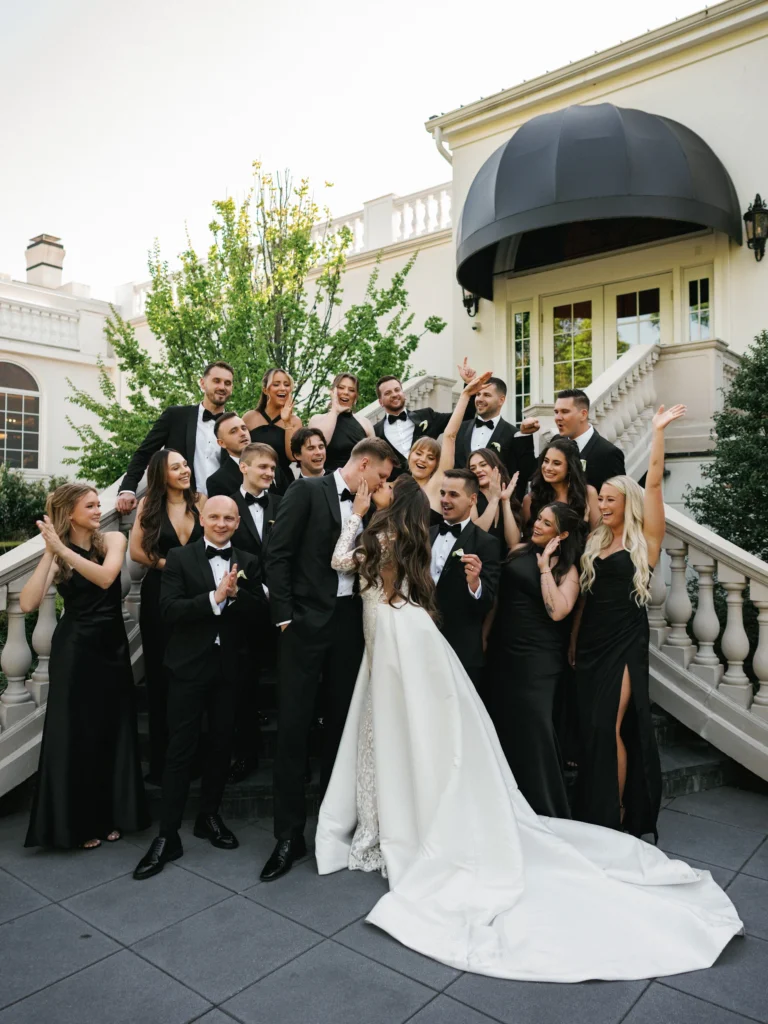
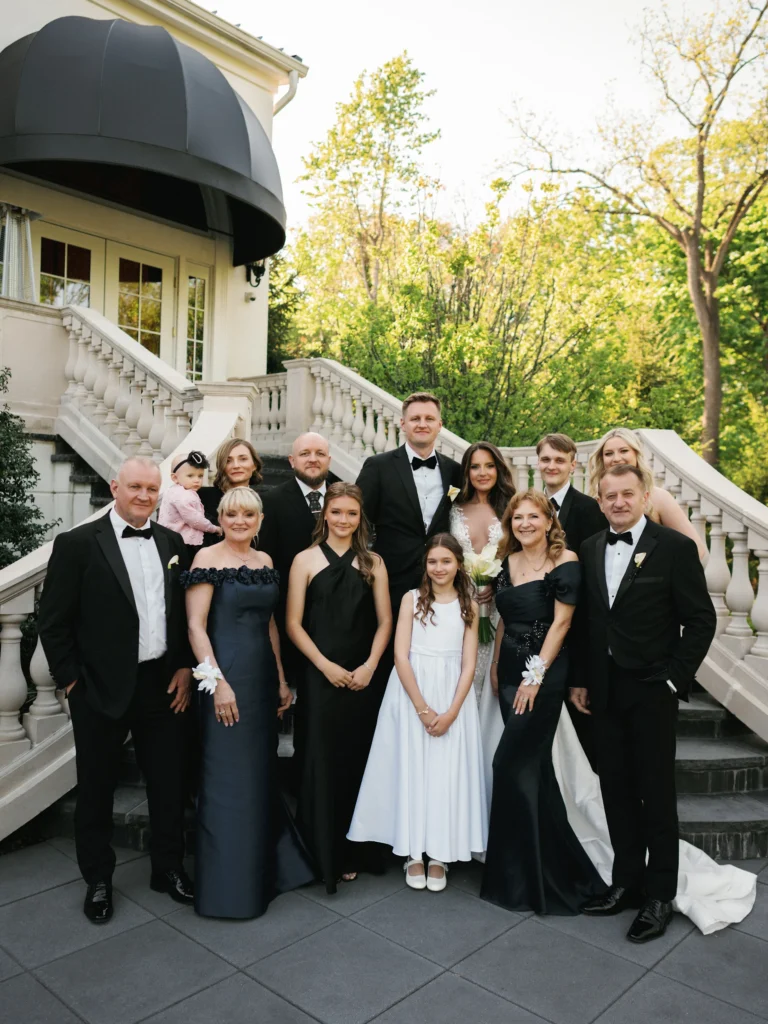
Photo and Video Implications for Each Choice
First Look
A first look gives the photography team a scene that can develop over several minutes instead of a single frame. The approach, reaction, conversation, and portraits can all be photographed without the visual interruption of seated guests or ceremony décor. These images often feel closer and quieter, since the couple is responding directly to each other in a private setting.
Aisle Reveal
An aisle reveal gives photography one unrepeatable entrance set inside a larger composition: the architecture, the aisle, the guests, the flowers, and the ceremony light all remain in frame together. Coverage here depends heavily on sightlines and timing, and if both reactions matter to the couple, the team needs a clear plan for who follows the entrance and who stays with the partner waiting at the front.
The same distinction carries into film. A first look offers continuity and natural sound recorded before the ceremony begins. An aisle reveal offers scale: music, the collective response of the room, and a sequence that remains part of the larger ceremony narrative, with the reaction unfolding in front of family and guests.
A wedding ceremony reveal also depends on sound details that are easy to overlook. Live musicians, a recorded processional, venue acoustics, and guest movement all shape how the sequence feels once it reaches the final edit.
Explore Real Weddings in Our Gallery
Couples curious to see how different approaches look side by side can explore our gallery, where first look sessions and aisle reveal ceremonies are captured across a range of venues and lighting conditions.
How to Decide Based on Guest Flow and Ceremony Timing
Venue Logistics
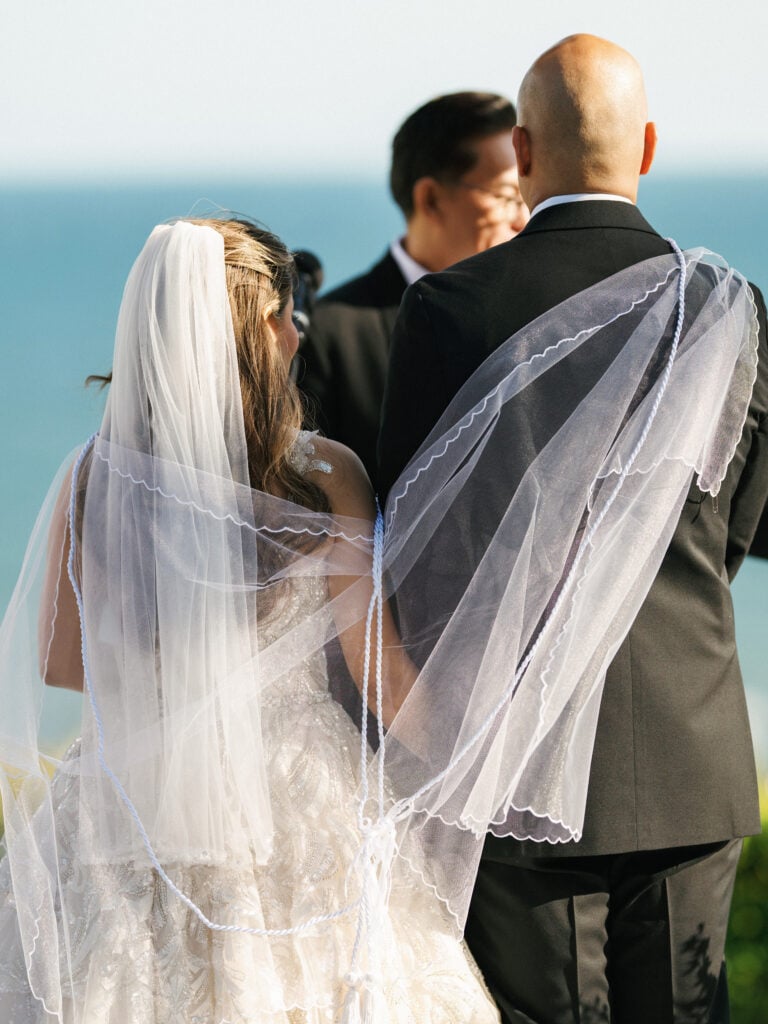
A first look needs privacy before the ceremony, and at venues where guests arrive through the same garden, lobby, or courtyard used for portraits, protecting that privacy may require a different location or adjusting the timeline earlier in the day. At venues with naturally separate spaces, the transition is almost invisible.
Cocktail Hour
Cocktail hour is another practical consideration. Couples who want to greet guests, see the reception space before everyone enters, or have a few quiet minutes together often prefer to complete more portraits before the ceremony.
Couples who are comfortable using cocktail hour for family and couple portraits have more flexibility to keep the aisle reveal intact.
Light and Timing
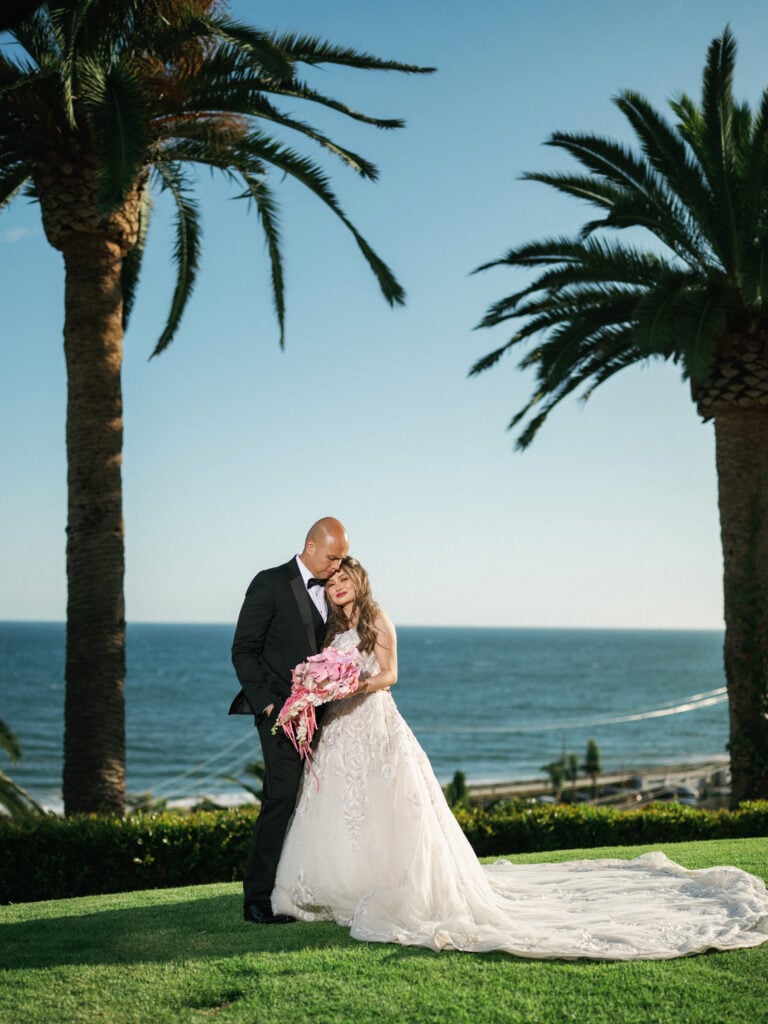
Ceremony timing should also be considered alongside natural light. When the ceremony ends close to the preferred portrait window, an aisle reveal can transition naturally into portraits afterward. When several hours separate the ceremony from sunset, or when reception events begin immediately after the ceremony, a first look can distribute the photography timeline more evenly across the day.
Weather and Backup Plans
Weather and indoor alternatives should also be part of the conversation. A timeline that works perfectly outdoors may require adjustments if rain moves portraits indoors or if the venue has limited backup locations.
Expert Note
After the practical details are considered, the decision often comes down to the kind of moment a couple wants to preserve: a private reaction shared between the two of them, or a first reveal experienced in front of family and friends.
Final Thoughts
The choice between a first look and an aisle reveal is not only a timeline decision. It defines how the first shared reaction becomes part of the wedding story.
A private moment before the ceremony and a public reveal during the processional create different emotional settings, each with its own possibilities for photography and film.
The strongest approach is the one that supports the experience a couple wants on their wedding day while preserving the moments they want to remember.
FAQ
Does a first look improve wedding photography?
A first look changes the conditions in which photographs are created, not the underlying standard of the work. It creates an additional portrait window and tends to reduce pressure on the post-ceremony schedule. The result still depends on light, location, timing, and how the couple responds to the setting, so a first look is best understood as a structural choice rather than a guarantee of better images.
Will a first look make the processional less emotional?
Not necessarily. The processional no longer holds the very first visual reaction, but it still carries music, movement, guests, and the walk toward the vows. Many couples experience the two moments as separate emotional scenes, each with its own atmosphere and purpose.
Is an aisle reveal better for a wedding film?
Neither option is categorically better for film. An aisle reveal offers a concentrated ceremony sequence with music, guest response, and two simultaneous reactions if the team is positioned for it. A first look offers a longer, private sequence with more conversation and movement to work with. The better fit is whichever sequence the team can cover well at the couple’s actual venue and timeline.
Can a couple have both a first look and an aisle reveal?
Yes, with some coordination. Some couples plan a private first look for portraits and quiet time together, then still process down the aisle for guests and film. The processional in that case is no longer a true first reveal, but it remains its own meaningful scene with its own light and emotion. Planning both as two distinct moments usually creates the strongest result, since each one serves a different role in the wedding day.
How far in advance should this decision be made?
The decision should be made before the final timeline is created so the photography and film team can plan locations, lighting, positioning, and transitions properly. There is no universal deadline, but discussing the choice early gives more flexibility to build the day around the moment the couple wants to preserve.
Let’s Shape Your First Reveal Together
Whichever moment you choose to protect, we can help you build a timeline that gives your portraits and film the time and attention they deserve.