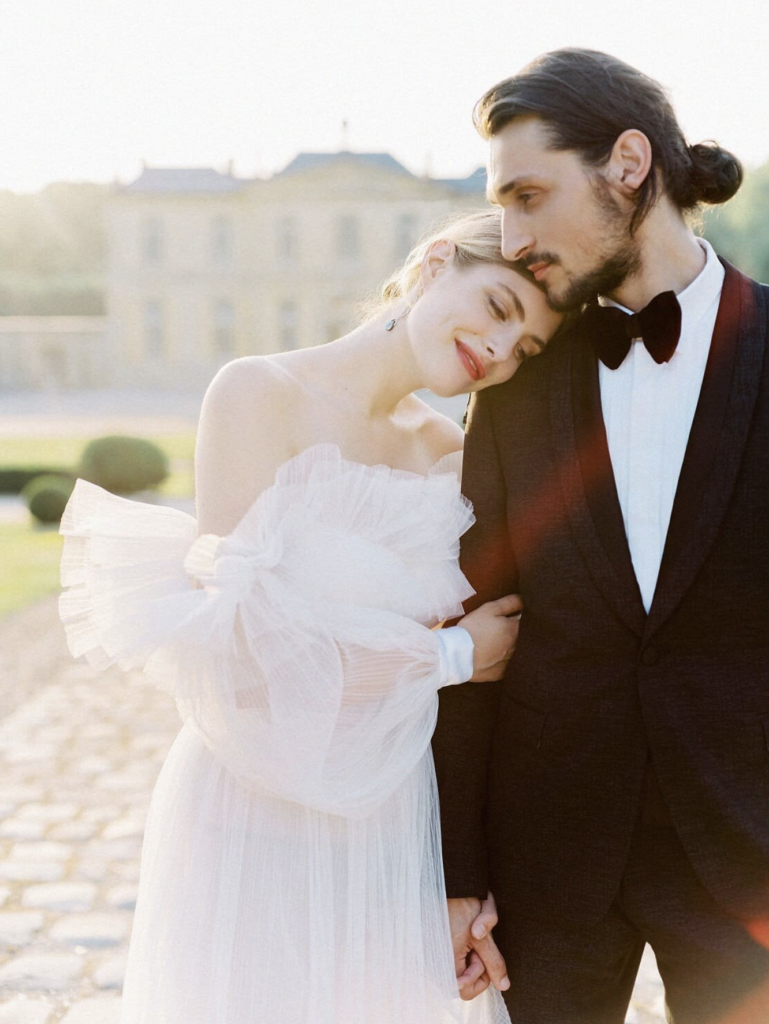
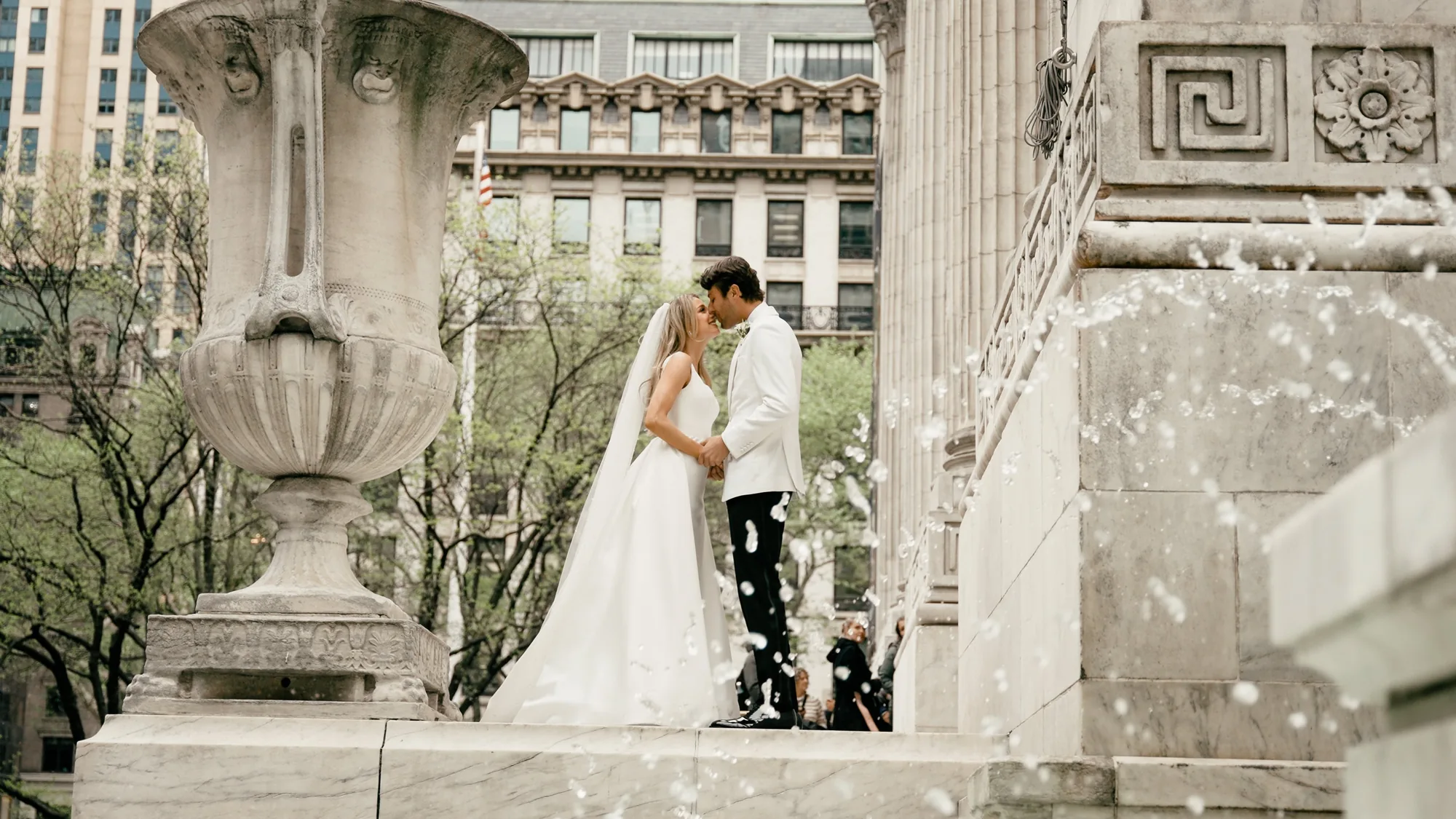
A San Francisco wedding photographer is often working with a day made of contrasting spaces: a quiet interior in the morning, a ceremony where family and guests gather, a portrait window shaped by the route, and a reception that comes alive after dark. The city can offer architectural, waterfront, and green settings, yet the photographs belong to the couple’s actual venue plan. Coverage feels cohesive when it follows the movement already built into the day and leaves room for guests to experience it with the couple. For a different market or a venue-focused guide, use the Dreamwood City Pages hub.
A San Francisco coverage plan should connect preparation, ceremony, portraits, cocktail hour, dinner, and the reception before a route is chosen. A smaller number of agreed spaces can carry more visual character than an ambitious itinerary. Check the route, access, property rules, and timing with whoever manages each space before setting the schedule. Before the contract is final, carry the location questions into the wedding venue checklist.
Build the route around event spaces, not the city map
A city wedding may begin in a hotel room, a private home, or an interior prepared for the wedding party. The ceremony may have a different scale and visual language, followed by a reception in another part of the city. These changes are easier to photograph when the timeline keeps the transitions clear.
Begin by tracing the day from one meaningful moment to the next. Where will the couple get ready? When do family members arrive? Will a first look happen before the ceremony? Where do guests go while portraits are being made? The answers make a route feel intentional, even when the day includes more than one location.
The venue’s guidance should lead the practical decisions. It can clarify vendor arrival, available rooms, setup timing, and any limits on where photography or film equipment may be placed. Use the event plan for the property hosting the celebration.
Use interior light before adding another stop
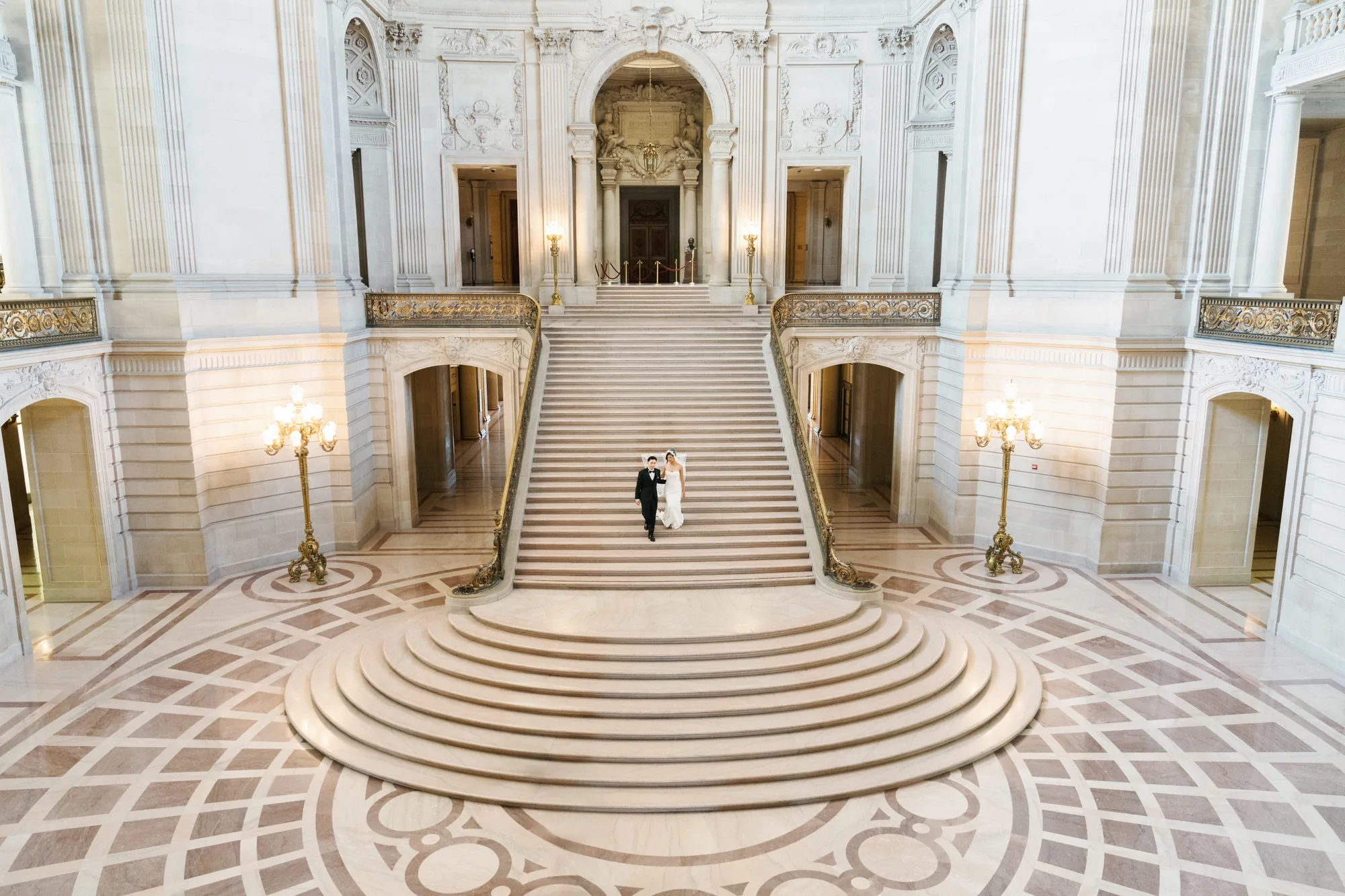
Light can change quickly as a wedding moves between rooms, streets, courtyards, ceremony areas, and a reception space. Choose places where the couple can stay together without a rushed transition between parts of the day.
Start with the room where preparation begins
Getting-ready photographs often hold the first quiet exchanges of the day. A room with workable window light, clear surfaces, and enough space for the wedding party gives those moments room to breathe. Before coverage begins, move garment covers, bags, catering items, and other visual distractions away from the area where the couple will dress.
Keeping the area clear lets the people in it remain visible. A parent adjusting an earring, friends sharing a pause before the ceremony, or a partner reading a note can carry the early photographs without needing additional direction.
Choose one or two portrait settings with a real route
Couple portraits can take place near the ceremony, within the venue, or in another setting when the agreed schedule and access support it. One setting with open light and another with a different texture may be enough to create variation. A long list can add pressure at the point when guests are gathering or dinner is about to begin.
Discuss the route with the venue before the wedding day. Review where the couple can go, how long the movement will take within the event plan, and what happens if the preferred space is unavailable. The plan becomes more reliable when it has an agreed alternative.
Guest movement and portrait timing belong together
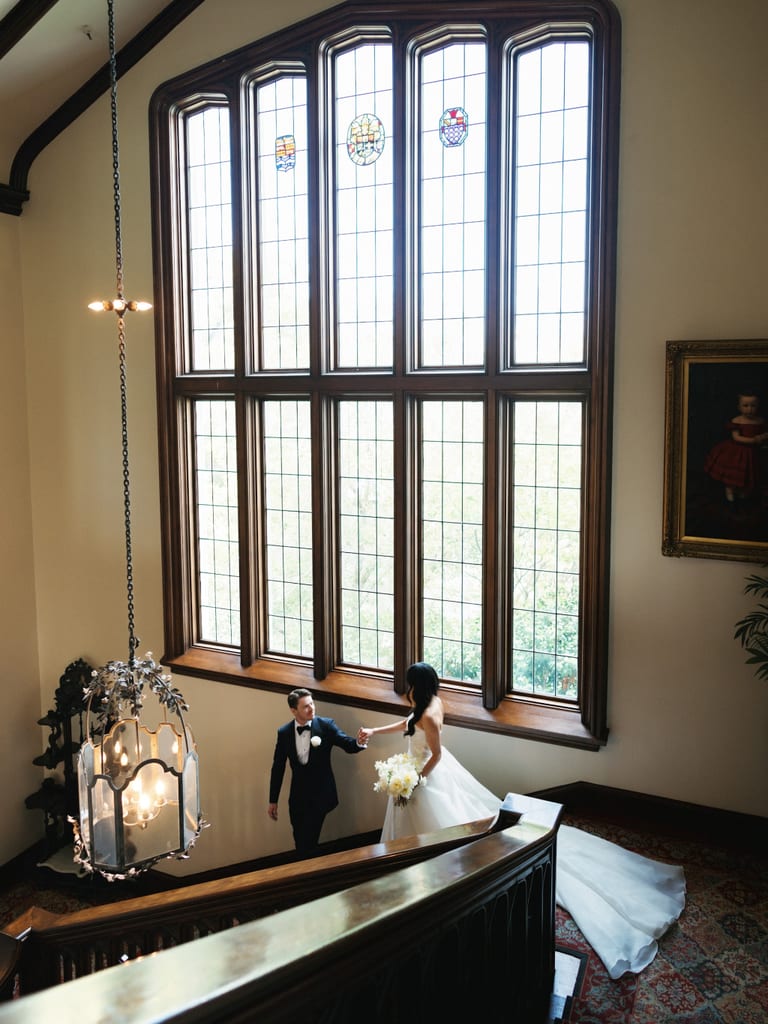
The portrait window affects more than the couple. It can shape when family members are needed, how long guests wait before cocktail hour, and whether the wedding party has time to settle after the ceremony. A clear sequence protects the social rhythm of the day.
Family photographs are easiest when the group list is prepared before the wedding. Put the necessary combinations in order, choose a venue-approved meeting point, and ask one person who knows the family to help gather people. This keeps the coverage team focused on the photographs and lets relatives return to the celebration as soon as their part is complete.
Then make space for the couple. A focused portrait interval can happen before the ceremony, after it, or during the transition into the reception. The timing should come from the day’s actual priorities. Some couples want to join cocktail hour quickly. Others prefer a quiet interval before the room fills. Both choices can be photographed thoughtfully when the schedule is not trying to do everything at once.
Plan positions and audio before the ceremony
A photograph may hold a glance across the ceremony or the detail of hands during a reading. Film follows a wider movement: a processional, a vow, a toast, the sound and pace of a dance floor. Both need awareness of what happens before and after a moment.
Share the ceremony layout, significant readings or cultural elements, portrait timing, family-photo plan, and reception order with the teams before the wedding. If clear audio for vows or speeches matters, the venue and relevant vendors should be part of that conversation. This gives the coverage team a way to prepare without creating an obvious production around the celebration.
At the reception, different moments need different positions. A speech may call for attention to the speaker and the people listening. A first dance may need room for movement and a wider view of the room. Coordination lets photo and film teams make those decisions quietly, while guests remain focused on the couple.
What to review in a San Francisco wedding photographer’s work
Start with complete wedding coverage. Look beyond a portfolio’s headline portraits and see how the team handles preparation, ceremony, family groups, transitions, dinner, and low-light reception photographs. These parts show whether the visual approach holds together once the schedule becomes less controlled.
Notice how people appear in the work. Family photographs should feel organized without becoming rigid. Couple portraits should hold a sense of place without losing the connection between two people. Reception photographs should show the room and the people responding to one another inside it. If film is part of the service, ask to see how it carries sound, movement, and the sequence of a full celebration.
A planning call should also sound specific. The photographer may ask about venue guidance, the number of spaces, portrait priorities, indoor options, and the guest experience you want to protect. Those questions show preparation more clearly than a generic city-wedding claim.
Set the route before portrait time disappears
Start with your known moments: preparation, ceremony, family photographs, portraits, cocktail hour, dinner, and the reception. If you are still choosing the event property, use the San Francisco Wedding Venues guide to compare ceremony flow, portrait access, sound, and venue-specific event terms before the final route is set. Then discuss which transitions need more time and which spaces are available to the couple. You can see the visual approach in the gallery, compare coverage on the pricing page, or share your route and timeline when the schedule begins to take shape.
Planning a San Francisco wedding?
Share your date, venue or shortlist, ceremony and reception locations, and whether photography, film, or both are part of the plan. We can begin with the city route and the transitions that need the most protection.
Frequently asked questions
Does a San Francisco wedding need a second photographer?
Team size should follow the sequence of the day. A second photographer may help when preparation happens in separate spaces or important moments overlap. Review the timeline before deciding.
How can we keep personal items from slowing the portrait route?
Keep only what the couple needs during portraits in one small bag, then assign it to a trusted person. Arrange an agreed place with the venue or wedding party for everything else.
Can family photographs happen before the ceremony?
They can, especially when the couple has planned a first look and the required relatives will arrive early. Confirm an appropriate space and build the group order around actual arrival times. This can leave the post-ceremony transition more open for guests and the couple.
What should the film team know about reception speeches?
Give the film team the speaking order, names, pronunciations, and any language or translation details. Confirm who is responsible for microphones and sound before the reception begins.