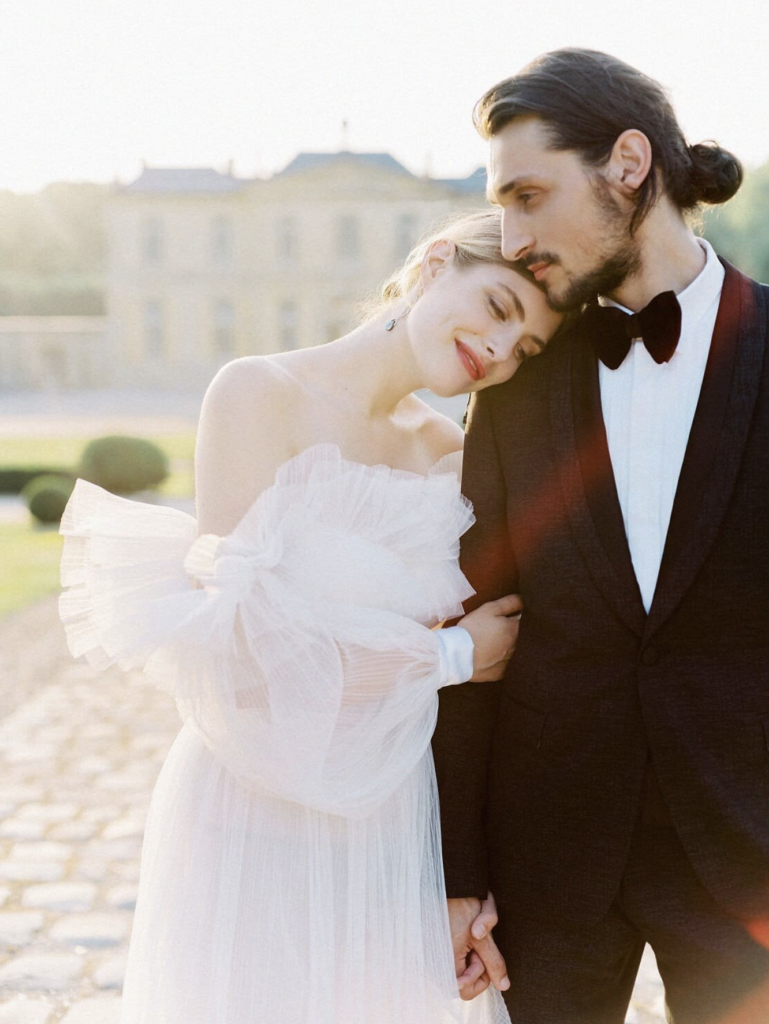
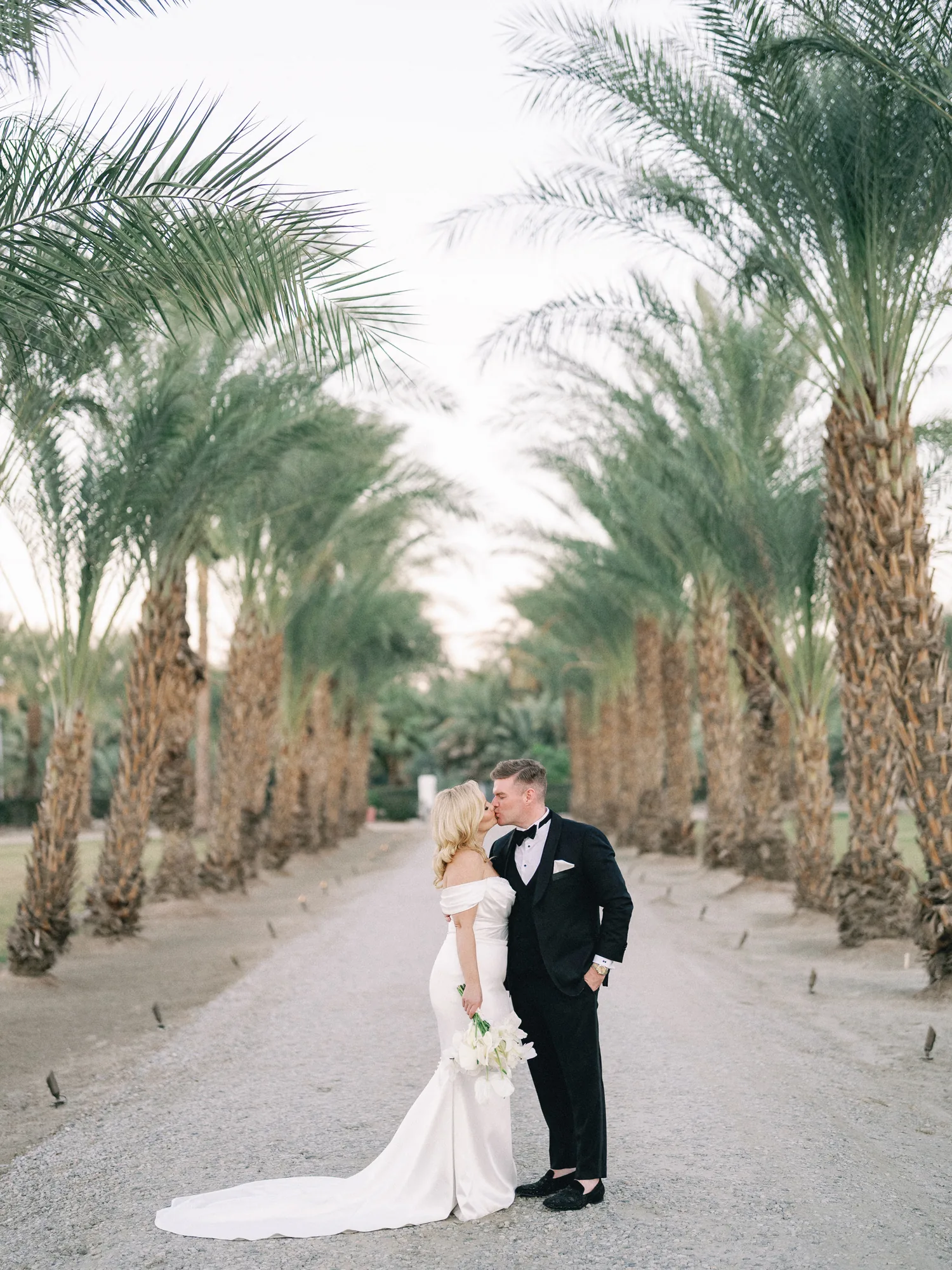
A Temecula wedding photographer needs to understand the kind of day being planned before choosing the photographs. Wine-country properties, hotel ballrooms and garden settings can create very different relationships between arrival, ceremony, family photographs, portraits, dinner and sound. The useful plan begins with the contracted route, not with a generic list of local backdrops.
Name the venue format, then write the day in order. Confirm where preparation happens, which ceremony setting is booked, where family can gather and how the couple returns to guests. If the property is still being selected, keep the Temecula wedding venues guide and the wedding venue checklist open beside the coverage conversation.
Three Temecula formats create three different coverage problems
These are planning lenses, not rankings. The operator and current agreement must confirm the spaces, access and weather alternative for the wedding date.
Wine country: keep distance visible
A broad property can make every setting look close on a map. Ask how guests and vendors move between preparation, ceremony, portraits and reception. The route should protect time with guests rather than turn the couple into transportation between photographs.
Hotel ballroom: make the room change legible
A ballroom day may concentrate several moments in connected interiors. Confirm where family photographs happen during a room reset, where the couple can pause without crossing guest traffic and who controls reception lighting and sound.
Garden setting: pair shade with the weather plan
For an outdoor plan, record the ceremony shade, guest waiting area, portrait access and indoor alternative. Do not let a gallery image stand in for the current contract or a date-specific answer.
Use architecture as part of the route, not as a detour
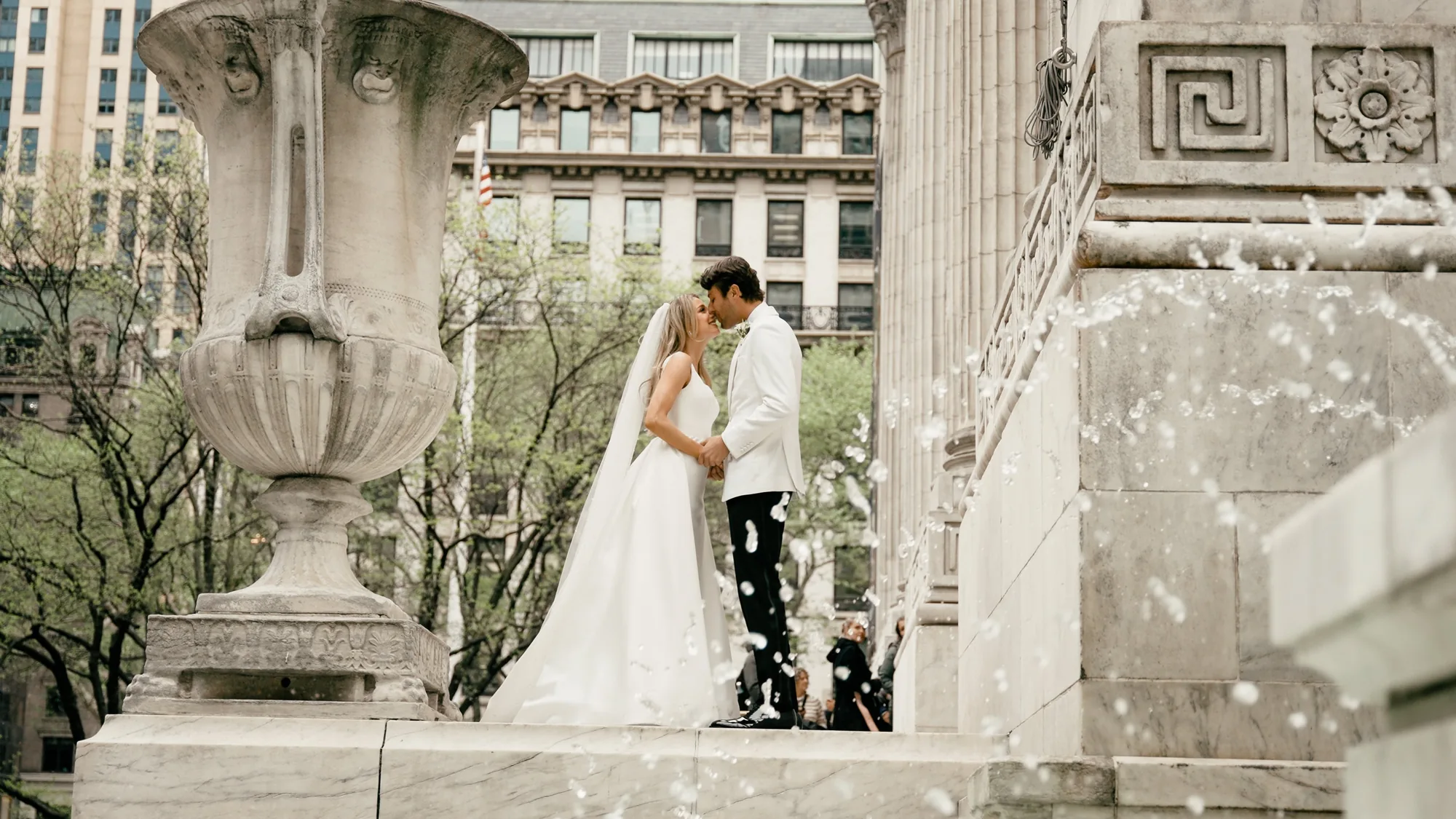
A strong architectural setting can give portraits scale without demanding a second location. First confirm that the area is included, when it is clear of guest traffic and how long the couple can be away. Then let the composition serve the wedding instead of scheduling the wedding around the composition.
The Dreamwood image here is a portfolio reference and is not a Temecula location claim. It illustrates the editorial principle: one deliberate setting, enough time to settle into it and a clean route back to guests.
Two venue names do not mean one shared timeline
Temecula Creek Weddings currently presents The Stone House and The Meadows as separate outdoor venue settings. That is a reason to ask which setting is contracted, not proof that one wedding booking includes both.
Confirm the ceremony location, guest route, portrait access, equipment position and sound plan for the selected setting. The operator page does not establish availability, price, permission or a Dreamwood work history.
Put the ceremony handoff on paper
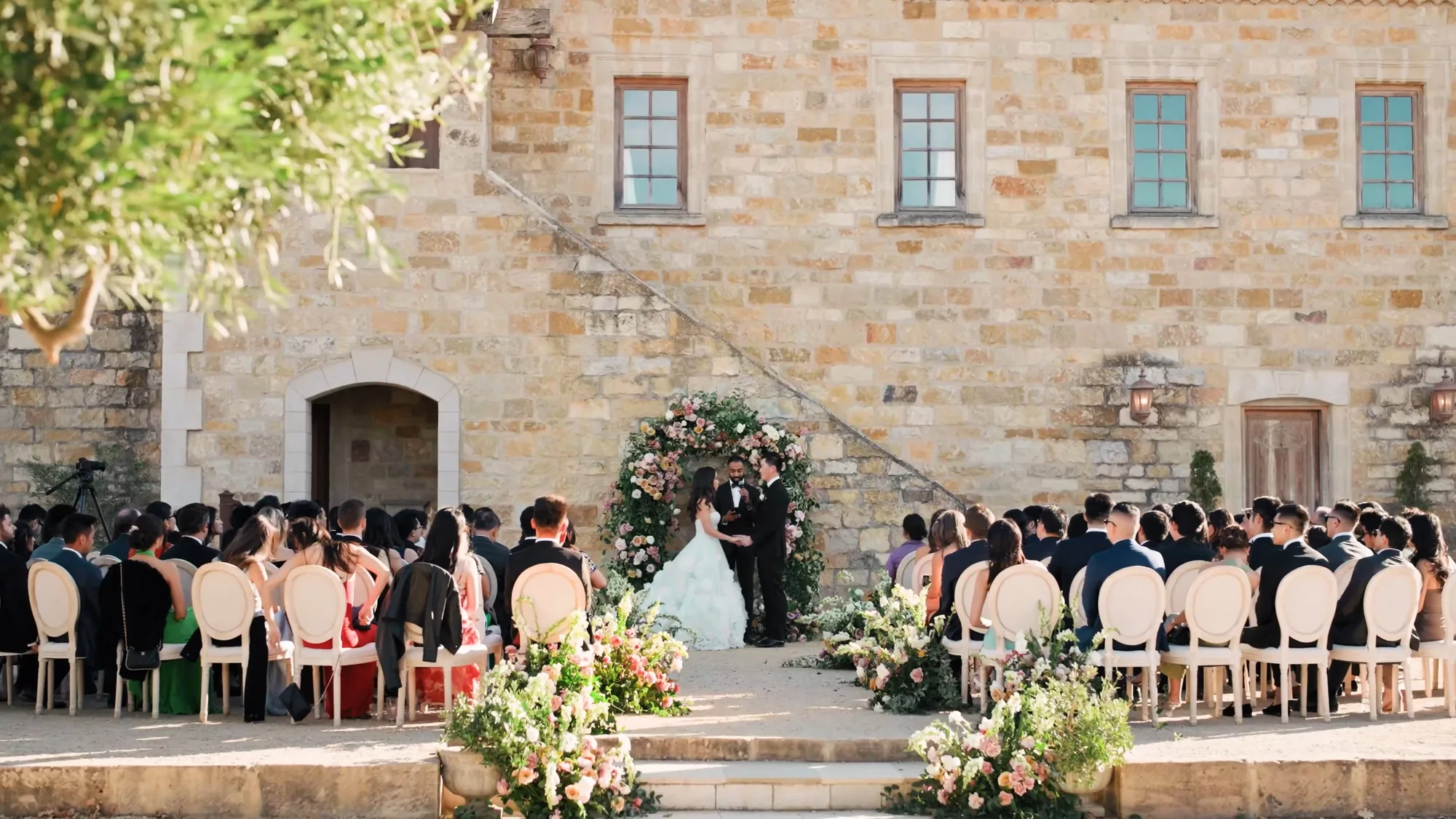
The moment before the processional is operationally small and emotionally important. Name the person who tells photo and film that guests are seated, the officiant is ready and the entrance may begin. That handoff prevents the team from solving logistics while vows are starting.
For an outdoor ceremony, add the weather decision, indoor route and microphone owner. The reference image beside this section shows why scale and sightlines matter; it is not presented as a Temecula wedding.
Write five lines before the planning call
Preparation
Where does coverage begin, how many people share the room and which details or family moments need quiet time?
Ceremony
Which setting is contracted, who confirms readiness and what changes if the plan moves indoors?
Family
Who must be photographed, where will the group gather and who helps bring each person into the frame?
Portraits
Which route is approved, where is shade or interior space and how long can the couple be away from guests?
Reception and sound
Where do introductions, dinner, speeches and dancing begin, and who controls the microphones and room lighting?
Already have the Temecula venue route?
Share the date, booked setting, ceremony time, family priorities and whether you are considering photography, film or both. We can start with the transitions that should feel effortless.
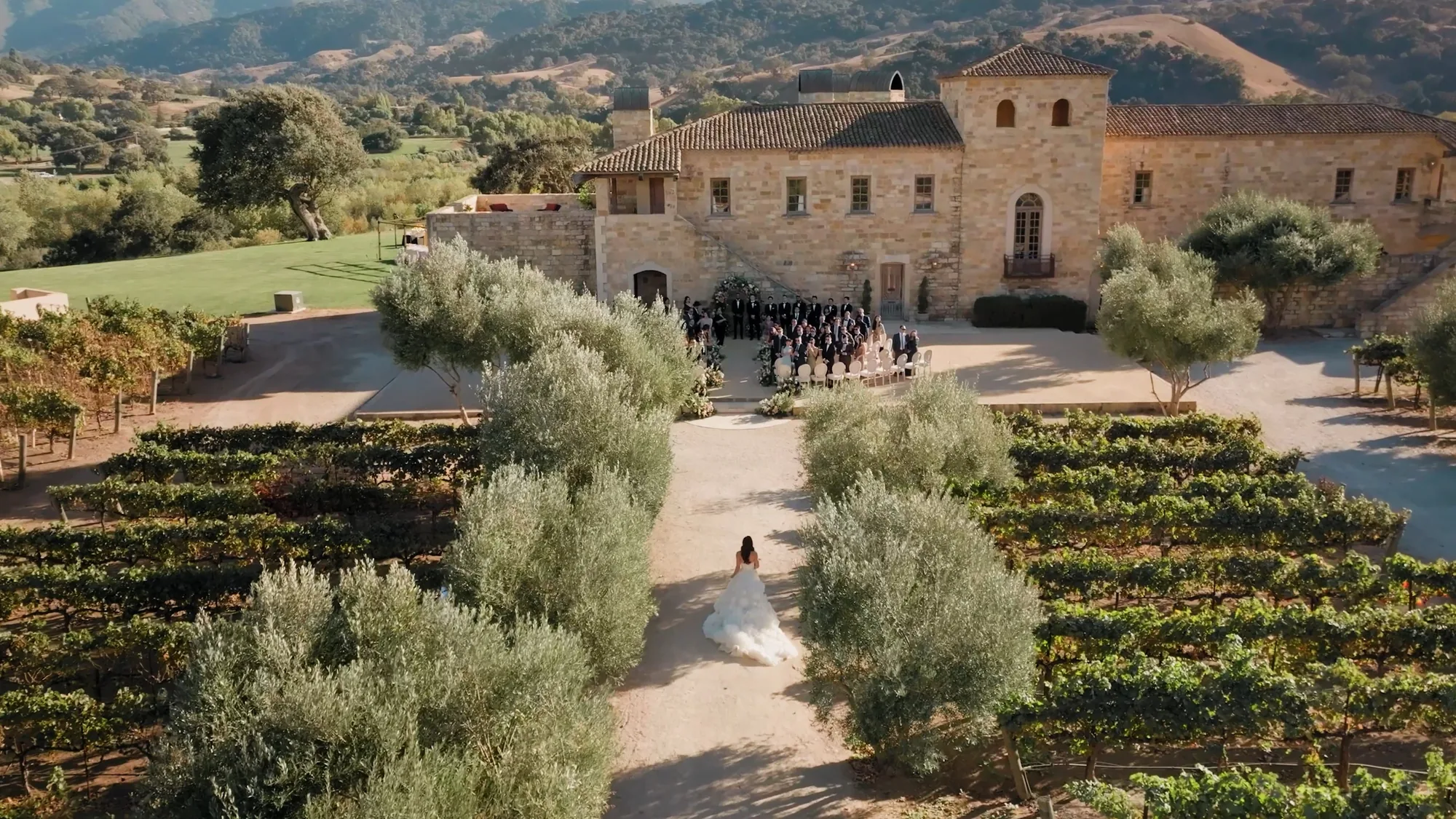
On a large property, protect the return to guests
Aerial views can make a venue feel like a collection of possibilities. On the wedding day, it is one sequence of people moving through confirmed spaces. Mark the family meeting point, portrait route and cocktail-hour boundary. If a proposed stop delays the return to guests, it needs a stronger reason than variety.
The Dreamwood aerial reference is not identified as a Temecula venue. Use it to ask a practical question: which movements belong to the celebration, and which have been added only for the camera?
Let film test the timeline for sound and continuity
Film exposes gaps that a static checklist can hide. Vows need usable sound, a reception entrance needs a clear route and speeches need enough context before and after each line. Share the officiant plan, microphone responsibility, introductions and toast order before the day.
The short Dreamwood showreel below is a portfolio sample, not a Temecula event claim. Watch for the relationship between voices, movement and room changes rather than treating any one setting as a promise.
Choose the portrait interval after the guest route is known
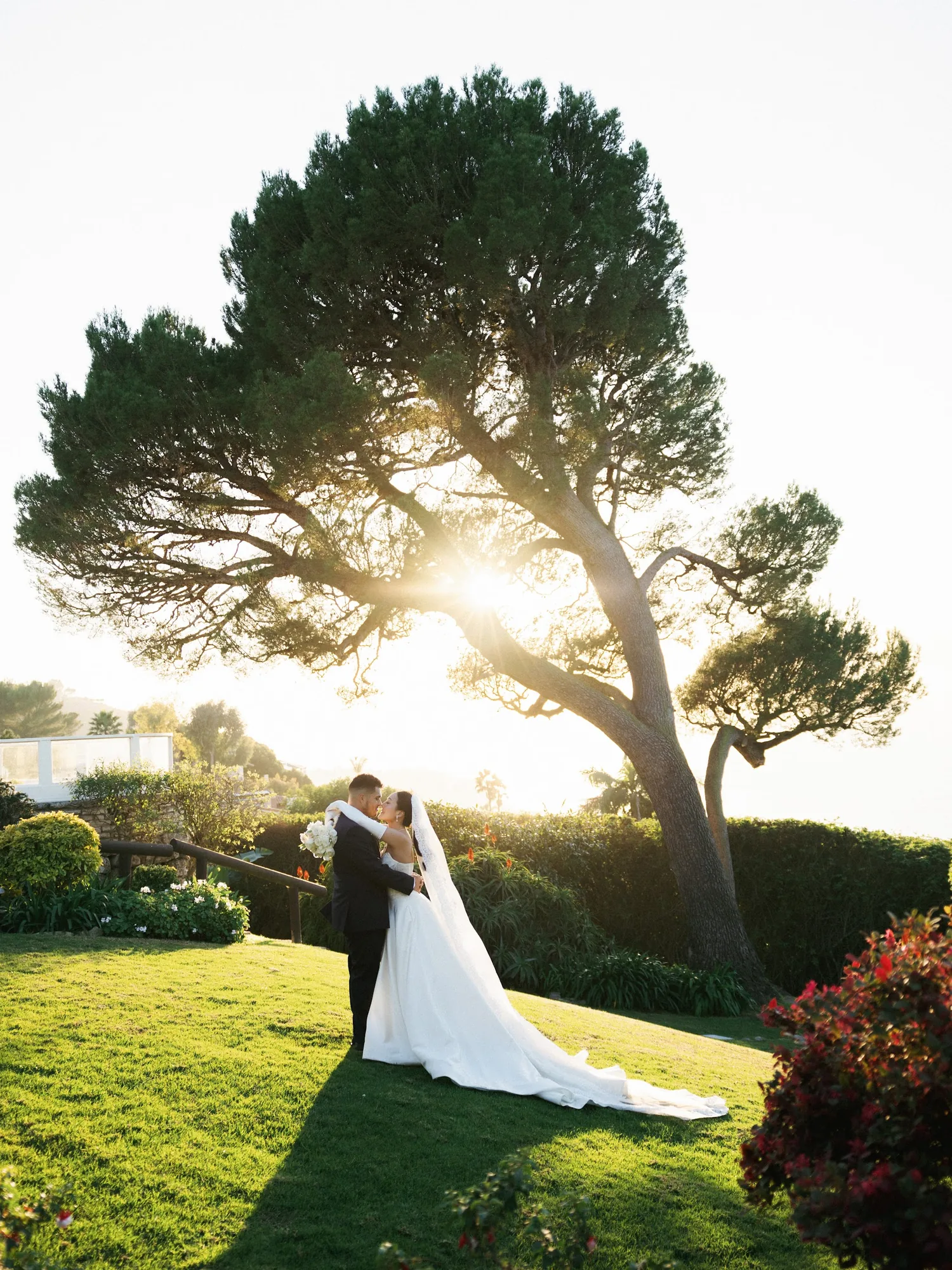
Temecula light can be visually inviting, but a portrait window still has to fit the ceremony, family list, comfort plan and reception return. Confirm the actual shade and access on the date, then choose a short route with two or three meaningful visual changes.
The garden image is a Dreamwood portfolio reference, not evidence of a Temecula property or client event. Its role here is to show how a quiet interval can feel complete without a long list of locations.
Frequently asked questions
Can the venue format change the portrait plan?
Yes. A garden, ballroom or large estate can change where guests wait, how far the couple moves and which indoor or shaded alternatives exist. Confirm the actual spaces before choosing a portrait window.
What should we ask when an operator shows more than one setting?
Ask which setting is included for the date, whether ceremony and reception share the same route, what portrait access applies and how vendors or guests move. Published names alone do not establish that every setting belongs to the booking.
How do we keep family photographs from taking over cocktail hour?
Prepare a short named list, choose one meeting point, tell relatives when to arrive and assign someone who knows the family to gather each group. The photographer can then work through the sequence without searching for people.
What should a film team know before an outdoor ceremony?
Share the ceremony order, officiant position, microphone plan, wind or weather alternative and the person authorized to change the setup. Those answers protect both the sound and the guest experience.
Bring the family sequence into the inquiry
Arrive with the confirmed setting, family list, portrait route, reception handoff and sound question. Review complete work in the gallery and wedding films, then use the current pricing page for service structure without inventing a package from a city guide.
For another market, return to the Dreamwood City Pages hub. The protected form below remains the inquiry boundary.