What editorial wedding photography means
Editorial wedding photography uses intentional composition, light, styling, and clear direction to create polished images while the wedding still unfolds naturally. It does not have to mean posing all day. The practical question is how a photographer balances planned portraits and details with candid observation—and whether that balance matches how you want the day to feel. For location-specific photographer and venue guides, use the Dreamwood City Pages hub.
If you are drawn to polished images but want to recognize the real energy of your wedding, look beyond the label. This guide explains how the approach can work, where it overlaps with documentary coverage, and which questions help you choose a photography team. For the booking-stage venue questions, use the wedding venue checklist.
Quick guide: choose the balance, not the label. Decide how much direction feels comfortable, which portraits deserve protected time, and which moments must be photographed exactly as they happen.
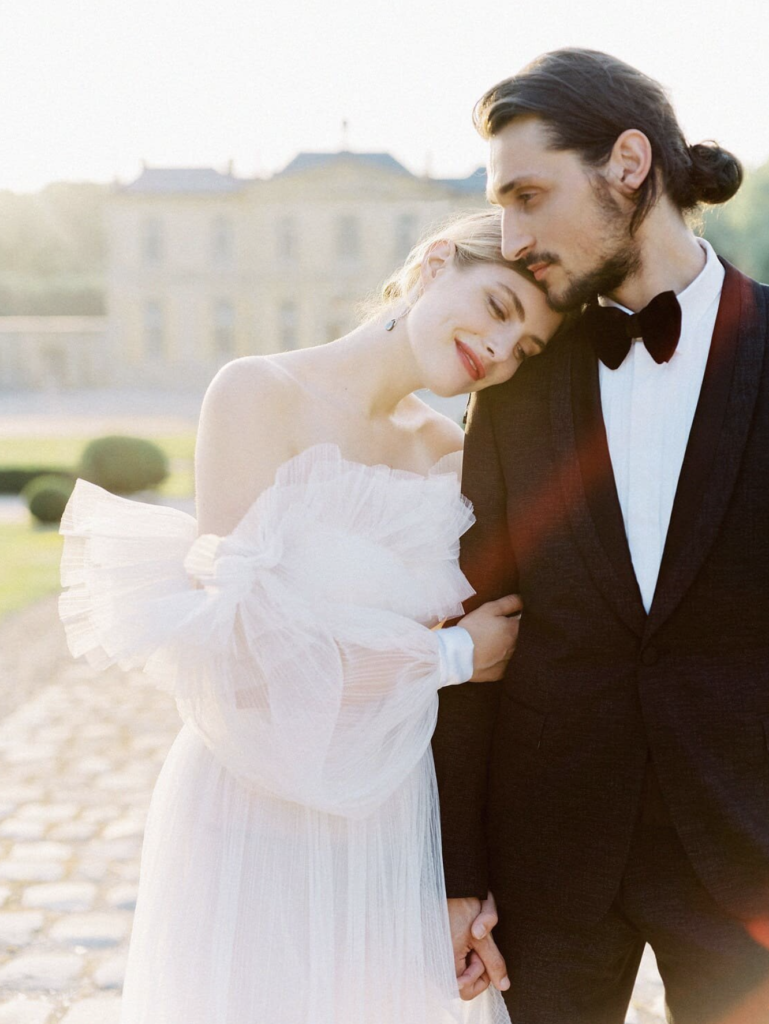
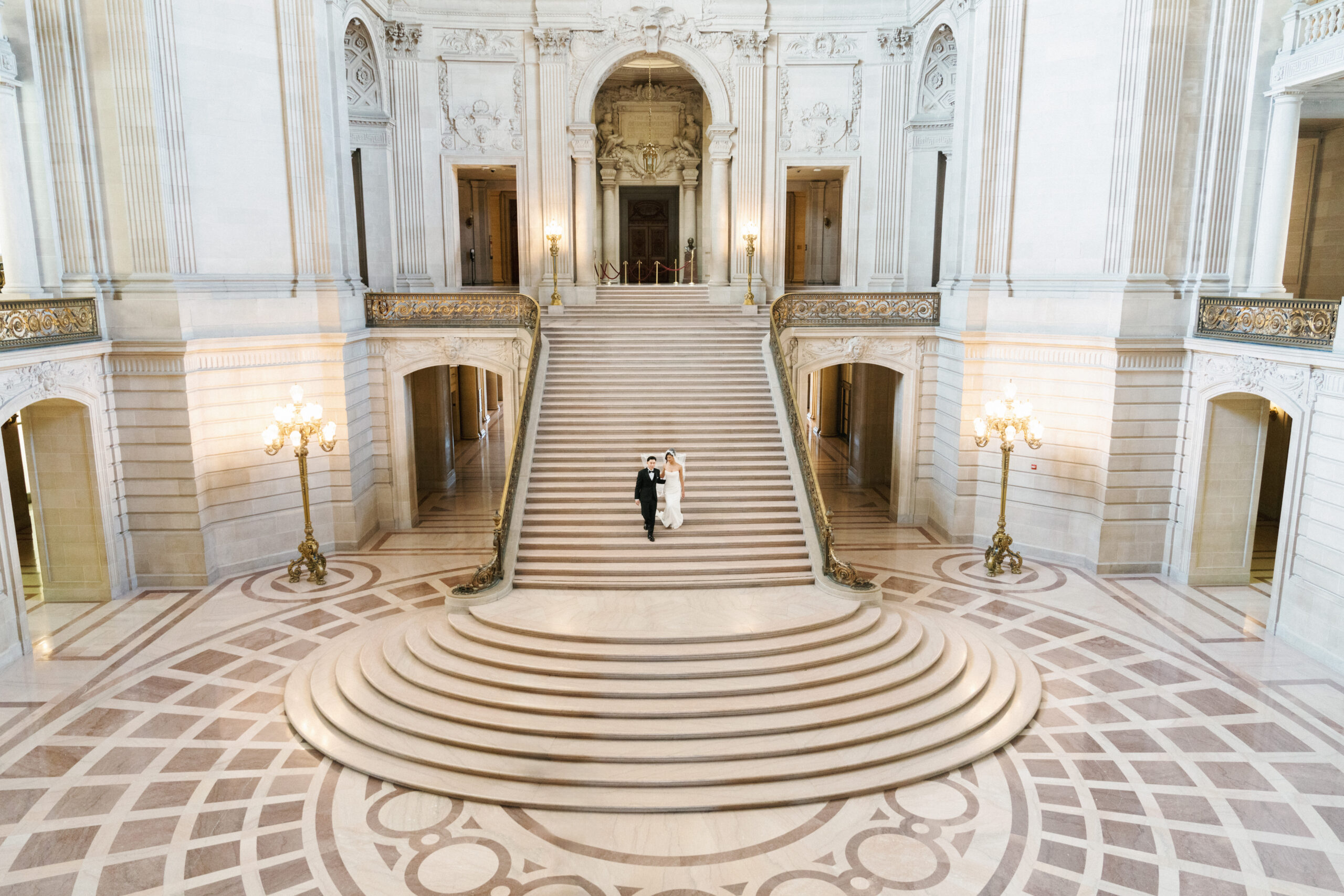
Editorial wedding photography—also called wedding editorial photography or editorial-style wedding photography—is an approach that treats a photograph as something deliberately made, not merely recorded. A photographer may pay close attention to the direction of light, the relationship between people and their setting, the shape of a dress or suit, the arrangement of personal details, and the composition of the frame. For the venue-specific side of style and logistics, use Wedding Venue Photography.
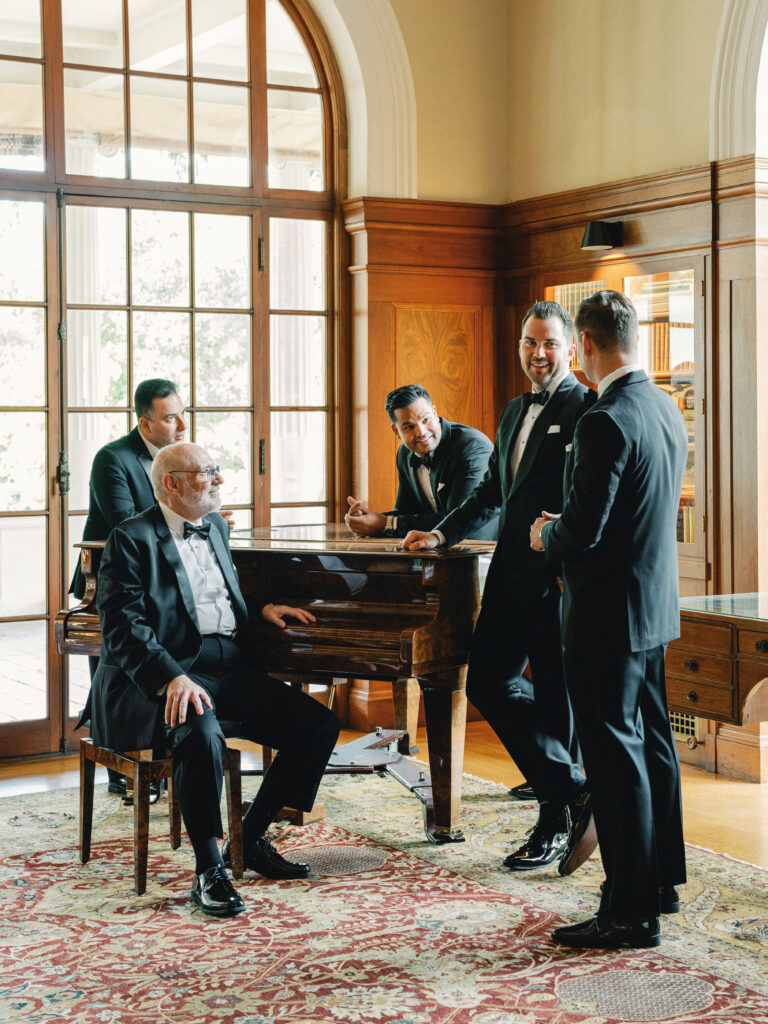
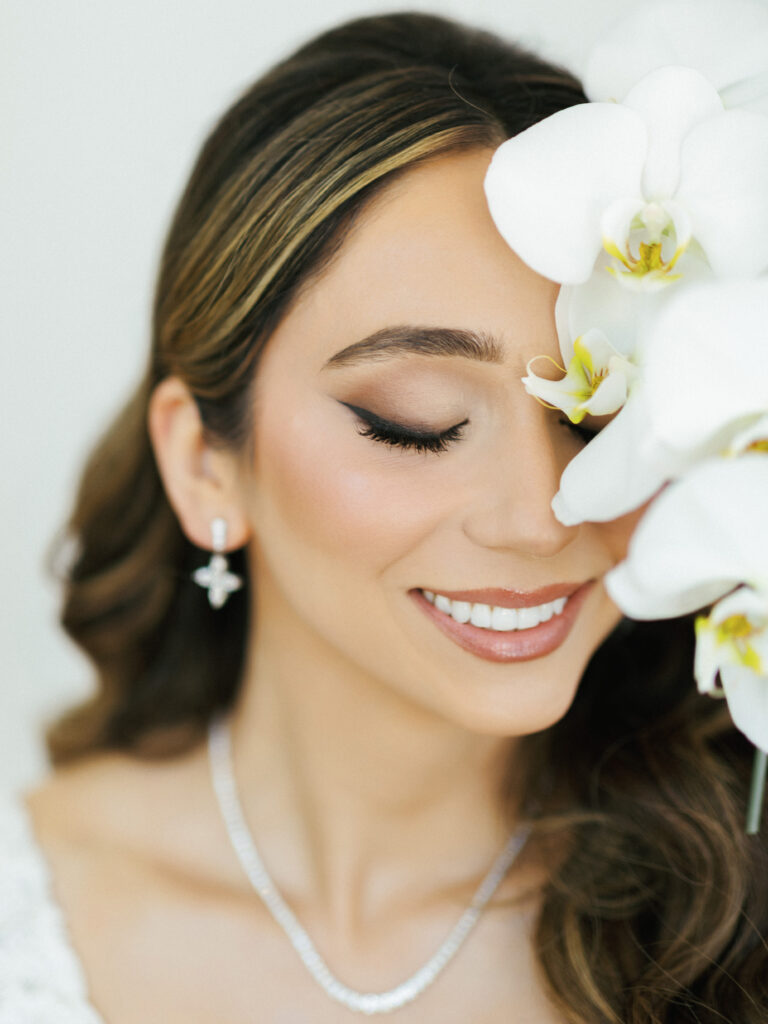
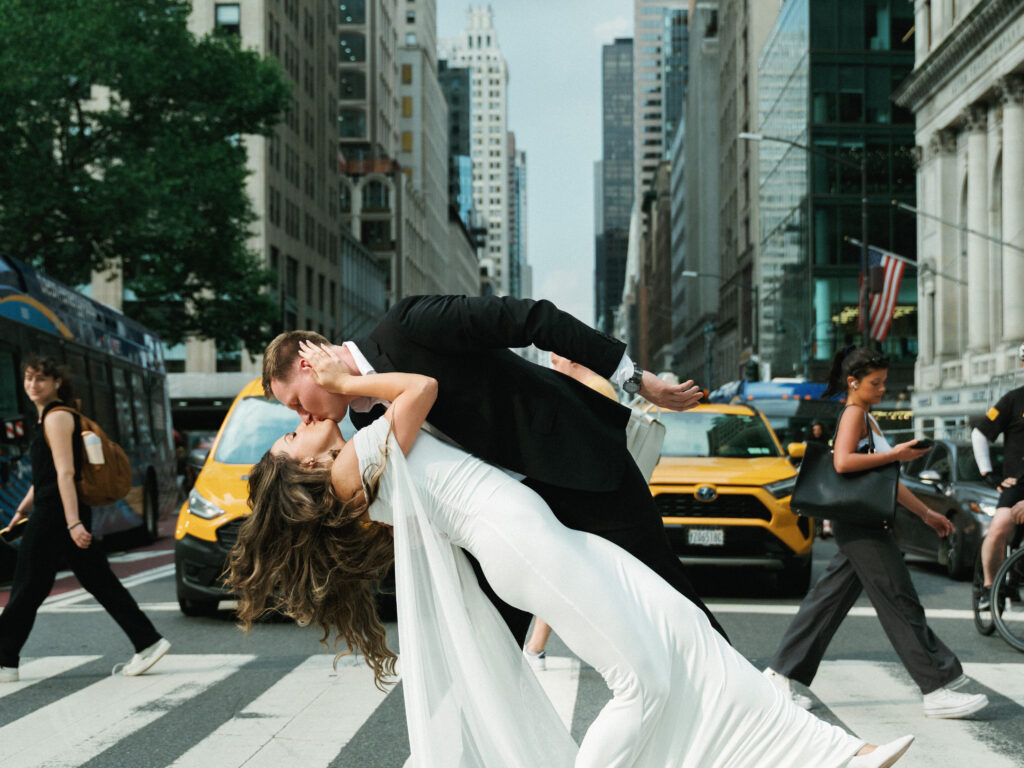
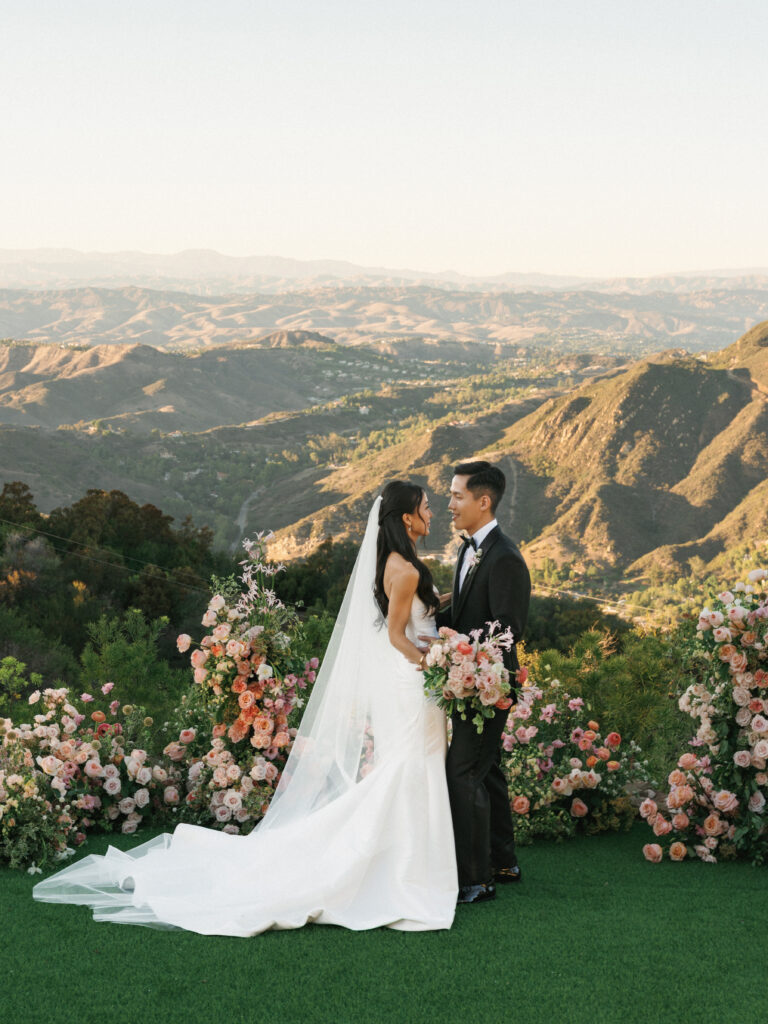
During portraits, that often includes calm, specific prompts: where to stand, how to turn toward the light, or when to pause so a moment can settle. The goal is a cohesive visual point of view rather than a collection of unrelated snapshots. That can make room for clean backgrounds, purposeful framing, expressive movement, and detail images that feel connected to the rest of the gallery.
The term does not guarantee a fashion-magazine result, a fixed amount of posing, or the same look at every celebration. It also does not tell you how a team behaves when the schedule moves quickly, the weather changes, or guests gather unexpectedly. The most useful definition is practical: editorial-style wedding photography puts intention into the making of images, while the actual balance of direction and observation should be discussed before the day.
Editorial vs documentary wedding photography
Editorial and documentary wedding photography are often described as opposites, but most real coverage lives on a continuum. A documentary-minded photographer may still guide a family portrait so everyone can be seen clearly. An editorial-minded photographer may step back during a toast because the genuine reactions are more important than directing the frame. The difference is usually one of emphasis, timing, and working style—not a rule that one approach is posed and the other is candid.
- Direction: editorial work may use more active guidance for portraits, details, and selected scenes; documentary work usually involves less intervention and responds to what unfolds.
- Timing: an editorial approach often protects intentional pockets for portraits or styling, while a documentary approach more often follows the event as it moves.
- Composition: editorial coverage may shape light, background, posture, and visual rhythm; documentary coverage may prioritize the moment and its context, even when it is imperfect.
- Candid observation: it remains essential in both approaches, especially during unrepeatable events, but it is usually the central method of documentary coverage.
- Planning: both benefit from clear priorities, access, and a flexible timeline; the emphasis is simply different.
For a couple, the decision is less about choosing a side than deciding what needs to be in the final gallery. You may want composed portraits and a visual thread among details, attire, and the room, while still valuing laughter, quiet glances, and reactions that cannot be reset. Those priorities can point toward a mixed approach: deliberate direction in selected moments, candid continuity throughout.
What an editorial approach looks like during a real wedding day
An editorial approach is not a separate event layered onto the wedding. It is a way of choosing where direction will help, where time is worth protecting, and where the best decision is to stay observant. The details vary with the couple, setting, schedule, and priorities agreed in advance.
Portraits and couple direction
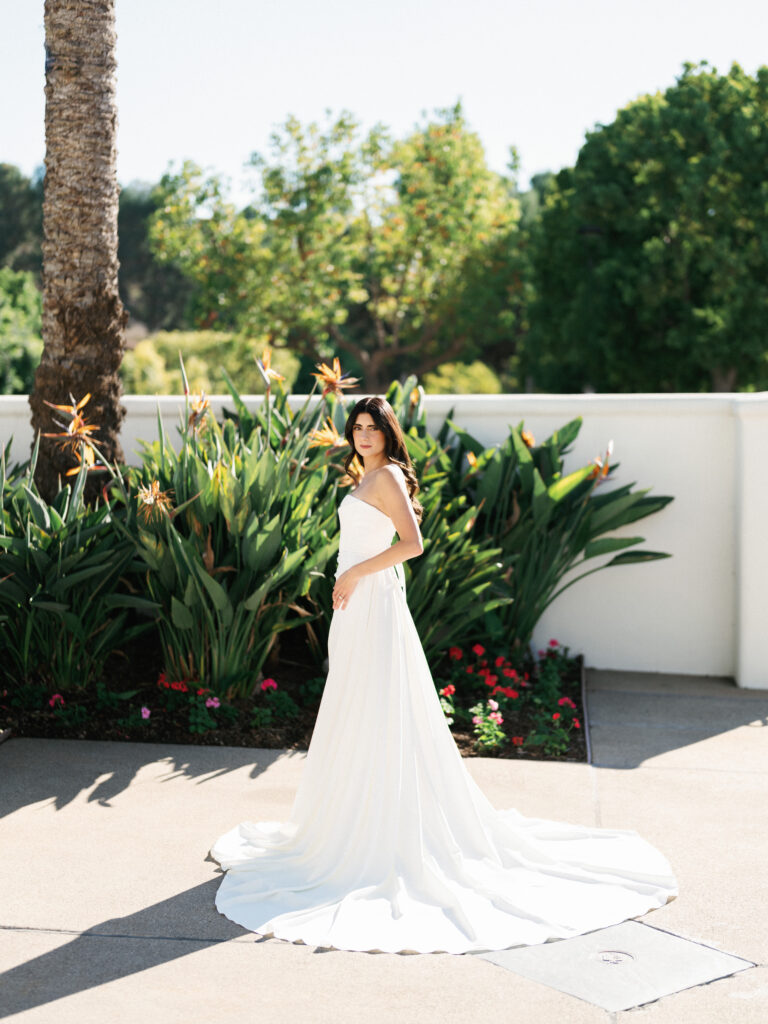
Portrait time is usually where direction is most visible. Instead of asking you to invent poses, a photographer may suggest a place with cleaner light, offer a small adjustment to your hands or shoulders, or give you a simple action—walk slowly, look toward one another, take a breath—then make room for your own response. Good direction should make the camera feel less mysterious, not turn the time into a performance.
Think about the experience as well as the pictures. Some couples enjoy a focused portrait session; others prefer a short window that leaves more time with guests. Naming that preference early lets the timeline and locations support it.
Details and flat lays
Details are one area where preparation has an outsized effect. Invitations, rings, accessories, textiles, and meaningful small objects can be photographed with attention to shape, texture, and light, but the process is easier when the items are collected and any priorities are known. If that part of the day matters to you, use this guide to prepare wedding detail photos and editorial flat lays. It focuses on the narrower task of preparing those objects without making the whole wedding day about styling.
Ceremony and reception moments that cannot be recreated
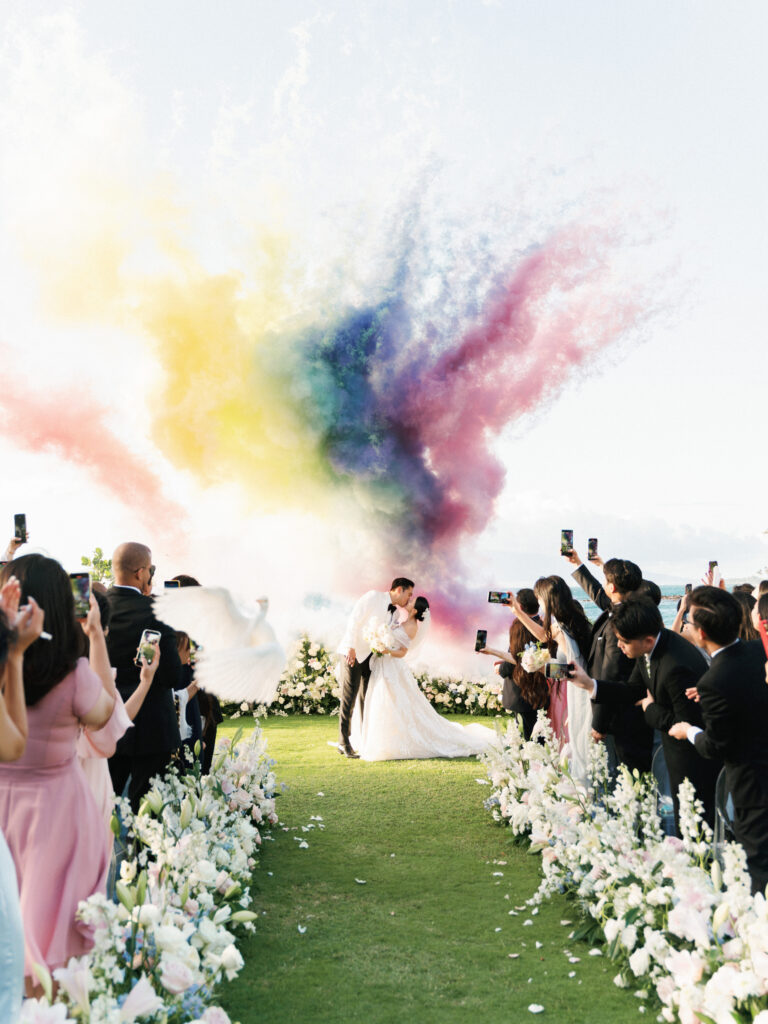
Many of the most meaningful photographs are not planned at all: a parent taking a breath before the ceremony, hands finding each other during a reading, a friend’s reaction during a toast, or a crowded dance floor changing from one second to the next. These moments ask for awareness, access, and restraint. A photographer can anticipate them, but should not treat them as scenes to repeat for the camera.
That is why a polished visual approach and candid coverage can coexist. The key is to decide where guidance is helpful—perhaps portraits, details, or a quiet pause just after the ceremony—and where being present matters more than directing anything.
How much posing and direction should you expect?
There is no universal answer, and a photographer should not reduce it to a fixed promise. Direction can range from a few prompts during portraits to more structured styling and composition around selected parts of the day. The right amount depends on what makes you feel comfortable, how much time is available, and what you value most when you look back at the images.
Start with comfort
Start with a candid conversation about comfort. Say if you like polished photographs but dislike long stretches in front of the camera, or if you are happy to protect time for portraits. Ask how the team moves between directed and observational work, and how the plan changes when the schedule does.
Protect a realistic portrait window
Natural-looking editorial images rarely come from pretending there is no plan. They are more likely when the plan gives people enough room to be themselves. Build breathing space around the moments that matter most to you, rather than trying to photograph every idea on a rigid list. If portraits are a priority, identify a realistic window and one or two settings that appeal to you; if guest time is the priority, make that clear too.
Stay responsive to light and pace
Light and location influence the options, but they do not need to become a source of stress. It is helpful to tell your photographer what you are drawn to—soft window light, open shade, a lively room, an architectural background, or something else—while staying open to the conditions that actually arrive. Clear communication with planners, coordinators, and other creative partners can reduce avoidable friction without turning the day into a production.
A useful editorial plan: rank your priorities. A carefully arranged detail photograph may be worth a few quiet minutes early in the day; it may not be. A longer portrait session may feel restorative to one couple and disruptive to another. There is no correct answer. A useful editorial plan protects the images you care about while leaving enough space for the people and moments you do not want to miss.
How to choose an editorial wedding photographer
Bring questions that reveal a working process, not just a preferred aesthetic. The answers should help you understand how the photographer will make decisions when the day is moving quickly.
- How do you balance direction and observation? Ask for a plain-language explanation of when they give prompts and when they step back. Listen for an approach that respects both your comfort and the moments that cannot be recreated.
- How do you plan portraits without losing the day? Discuss the kind of portrait time you want, the parts of the celebration you do not want to miss, and how the plan can remain flexible.
- How do you handle changing light and limited time? You are looking for realistic communication about options, trade-offs, and how the team adapts—not a promise that every condition will look the same.
- What parts of a gallery show candid continuity as well as hero images? Ask to see how the work moves from preparation through reception. This can be more revealing than judging a style from a handful of portraits.
- How are photo and video teams coordinated, if relevant and fact-approved? If both are involved, ask how they share space and communicate around key moments. Confirm any specific workflow directly with the teams you are considering.
It is equally useful to review full galleries, not only highlight images. A strong selection of hero portraits can show visual taste; a fuller sequence helps you understand how the photographer handles arrivals, family interactions, the ceremony, dinner, and the changing pace of the reception. These questions are also useful when comparing an editorial wedding photographer with someone whose work appears more documentary. You are not trying to find a perfect label. You are trying to learn whether the team’s decisions, communication, and pace are compatible with yours.
Is editorial wedding photography right for you?
Editorial wedding photography may be a good fit if you want images with intentional composition, enjoy some clear direction, and value a visual thread connecting portraits, details, and the atmosphere of the day. It may also fit if you want candid moments, provided that candid observation is part of the conversation rather than an assumption.
You may prefer a more documentary-forward approach if you want very little camera direction, want the schedule to remain as unstructured as possible, or care most about spontaneous coverage over composed portraits. Many couples land somewhere between these descriptions. Use the distinction as a way to set priorities, not as a test you have to pass.
Before booking, make a short list: Which images feel most like you? How much time do you want to spend in front of the camera? Which events must be photographed as they happen? What details, people, or parts of the setting matter most? Those answers give a photographer something more useful than the word “editorial” alone.
Editorial wedding photography FAQ
Does editorial wedding photography mean posing all day?
No. It usually means direction is used intentionally for selected portraits, details, or scenes. The rest of the day can still be observed as it unfolds.
Can an editorial approach still include candid moments?
Yes. Polished composition and candid observation can coexist. Ask where a photographer gives guidance and where they prefer to step back.
How much portrait time should we plan?
There is no fixed amount that fits every wedding. Decide how much direction feels comfortable, which portraits matter most, and which guest or ceremony moments you do not want to miss. A flexible timeline can then support those priorities.
What should we ask before booking?
Ask about direction, portrait timing, changing light, full-gallery coverage, and how the team protects moments that cannot be recreated.
Explore the approach and discuss your wedding
To compare visual approaches, begin with the wedding photography portfolio and look for the balance of portraits and in-between moments that feels right to you. When you are ready to understand the available next steps, review pricing or discuss the visual approach for your wedding. The goal is a clear, unhurried conversation about what you want the day—and the photographs—to feel like.