
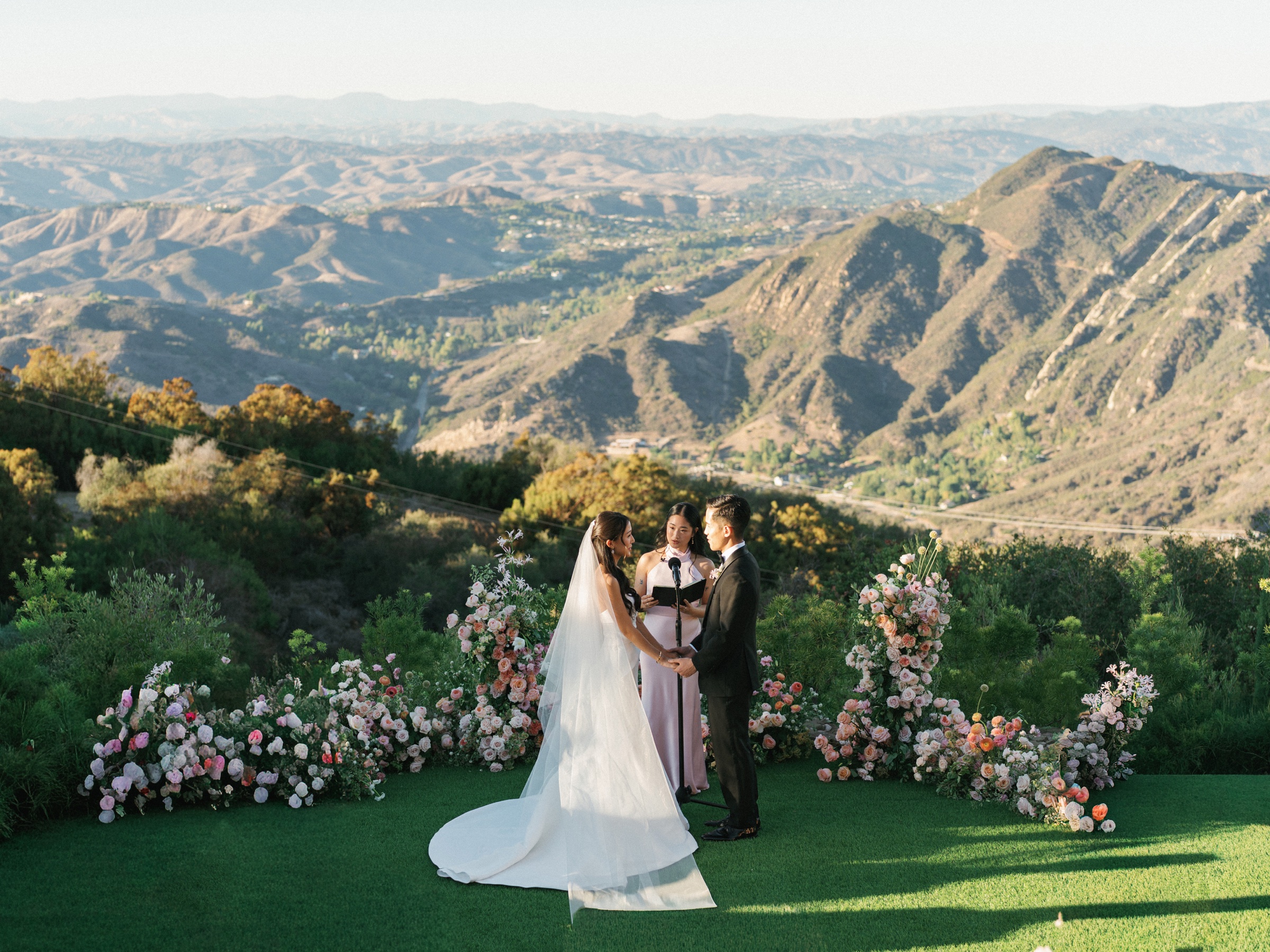
Comparing Temecula venue formats before booking starts with one practical distinction: a format label guides your questions, but it does not settle the plan for your specific booking. Visit Temecula Valley’s wedding-venue guide currently groups local context as Wine Country, Hotel Ballrooms, and Sunny Gardens. These are non-ranked research contexts, not promises about a particular venue or date. Use them to identify which parts of your plans depend on a described setting, then ask the venue to record the details that apply to your date. For a different location or service guide, continue through the Dreamwood City Pages hub.
Do not turn three labels into a verdict. Arrive at each conversation knowing what the source says, what your plans require, and which point needs a venue response before it becomes part of the booking. Keep the operator answers together with the wedding venue checklist before relying on the plan.
The three Temecula venue contexts to compare
Wine Country, Hotel Ballrooms, and Sunny Gardens organize your research. Each should prompt a different inquiry for your booking. For Wine Country, identify the commitments in your plan that rely on the named setting and ask where those commitments appear in the booking materials. For Hotel Ballrooms, establish which planned events the booking places in the ballroom or elsewhere, then isolate anything still tied to the selected date or layout. For Sunny Gardens, identify what in your plan depends on the label and how the record would capture a change.
This keeps the categories neutral. They neither decide which venue is right nor make one description a promise about another property. Treat each label as the beginning of one focused conversation: what you expect, what the current documents state, and who is responsible for resolving the gap. For the full non-local venue walk-through checklist, see the complete venue walk-through checklist.
Wine Country: identify which commitments rely on the described setting
Start with the commitment your plans make in a Wine Country context. Write down what you believe depends on that setting, in your own words before checking the venue materials. Find matching language in the proposal, agreement, or current record. Does it describe the same commitment, only part of it, or leave the point unresolved?
Bring that gap to the booking conversation. Ask which document governs the detail, whether the wording applies to your date, and who can settle the answer. If the public label and booking materials use different terms, ask the venue to connect them plainly. Name the person who will supply the written answer and the record where it will appear. This turns a broad label into a traceable question without assigning the venue an unverified attribute.
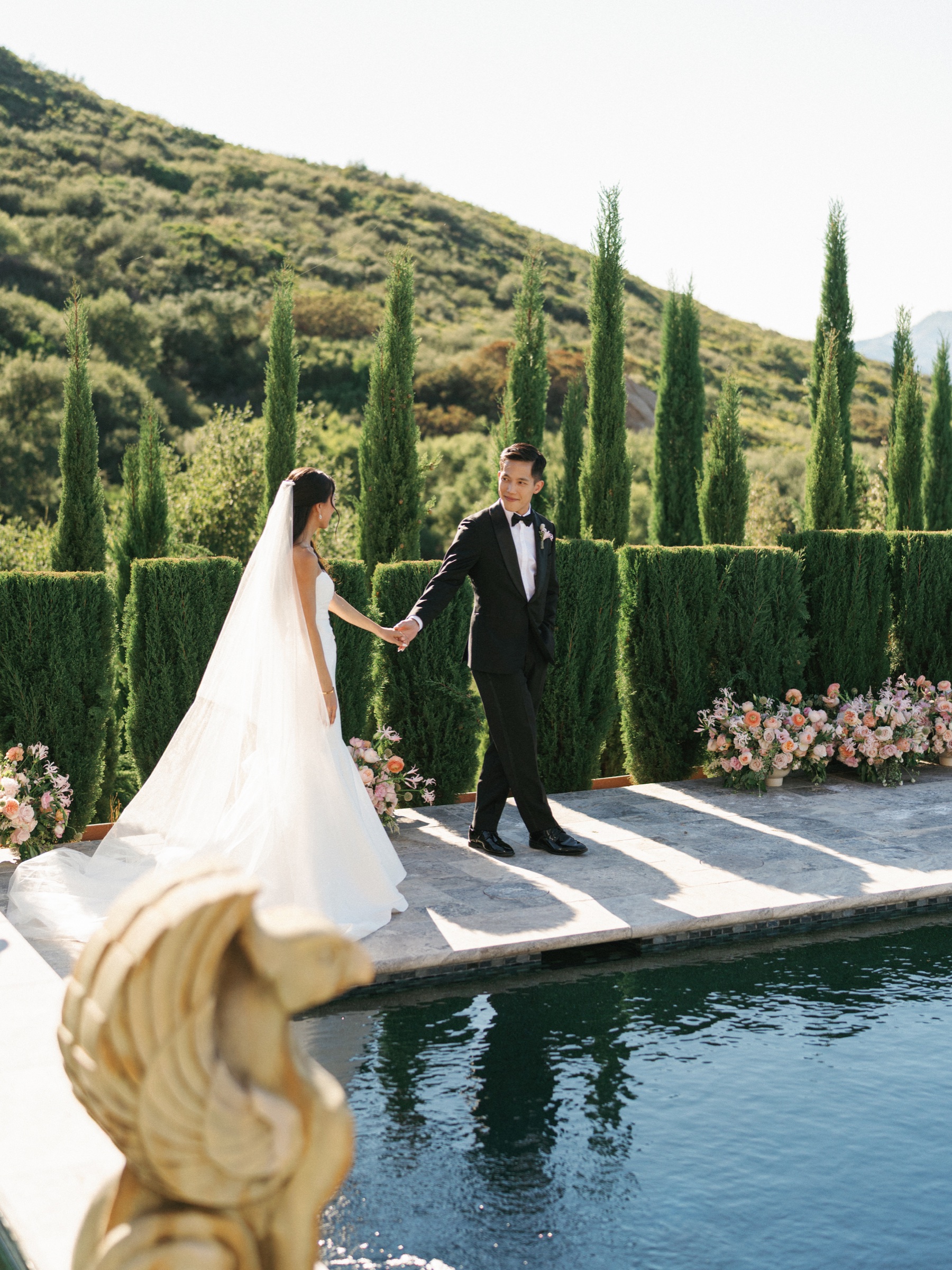
Hotel Ballrooms: separate the category label from the booked plan
At Hotel Ballrooms, begin with placement rather than the category name. List the planned events you understand will occur in the ballroom and those placed elsewhere. Ask where that arrangement appears in your current booking record. If the documents use several room or event labels, ask which wording controls your plan instead of interpreting the names yourself.
Next, isolate any choice tied to your date or layout. Ask the record-based questions: Which placement is stated? Which part awaits a decision? What document will show the final arrangement? Request the answer from the person responsible for the written details, and note when it replaces an earlier version. This keeps the ballroom label separate from the event placement you can rely on and prevents a general category from becoming an unstated commitment.
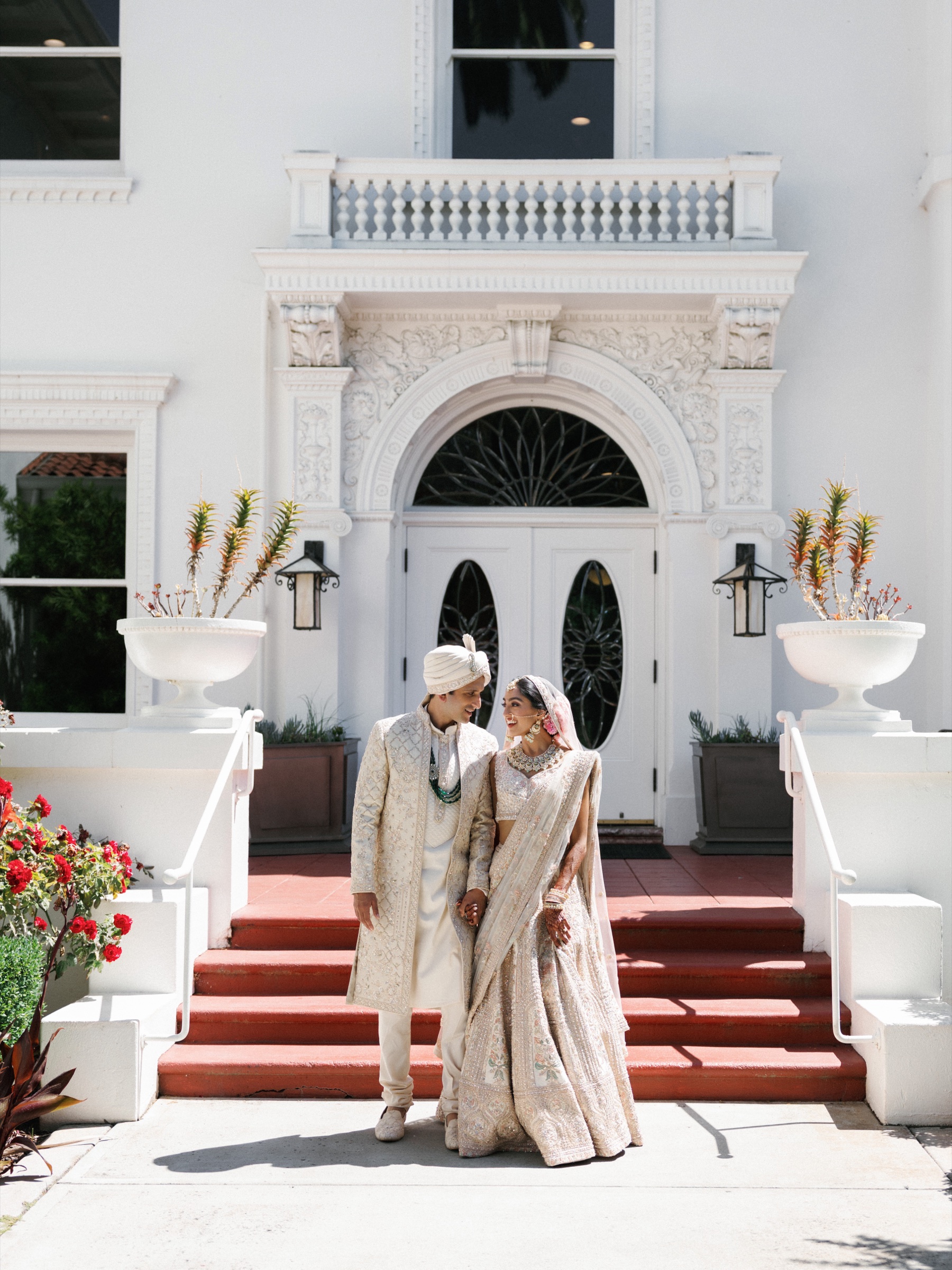
Sunny Gardens: turn an appealing description into a confirmation question
With Sunny Gardens, name what in your plan depends on the description. Do not treat the label as the answer. Ask where that reliance appears in the booking materials and whether the record matches your expectation. If the point is missing or different, flag it as an open item.
Ask how a change affecting that part of the plan would be handled for your booking. Keep questions procedural: Who starts the update? Who gives the final response? What record changes, and where is the current version? If several documents mention the point, ask which one controls. Record the answer beside the original question so the source label, your expectation, and the venue’s response stay distinct. This creates a useful record without assuming a feature or policy the source never stated.
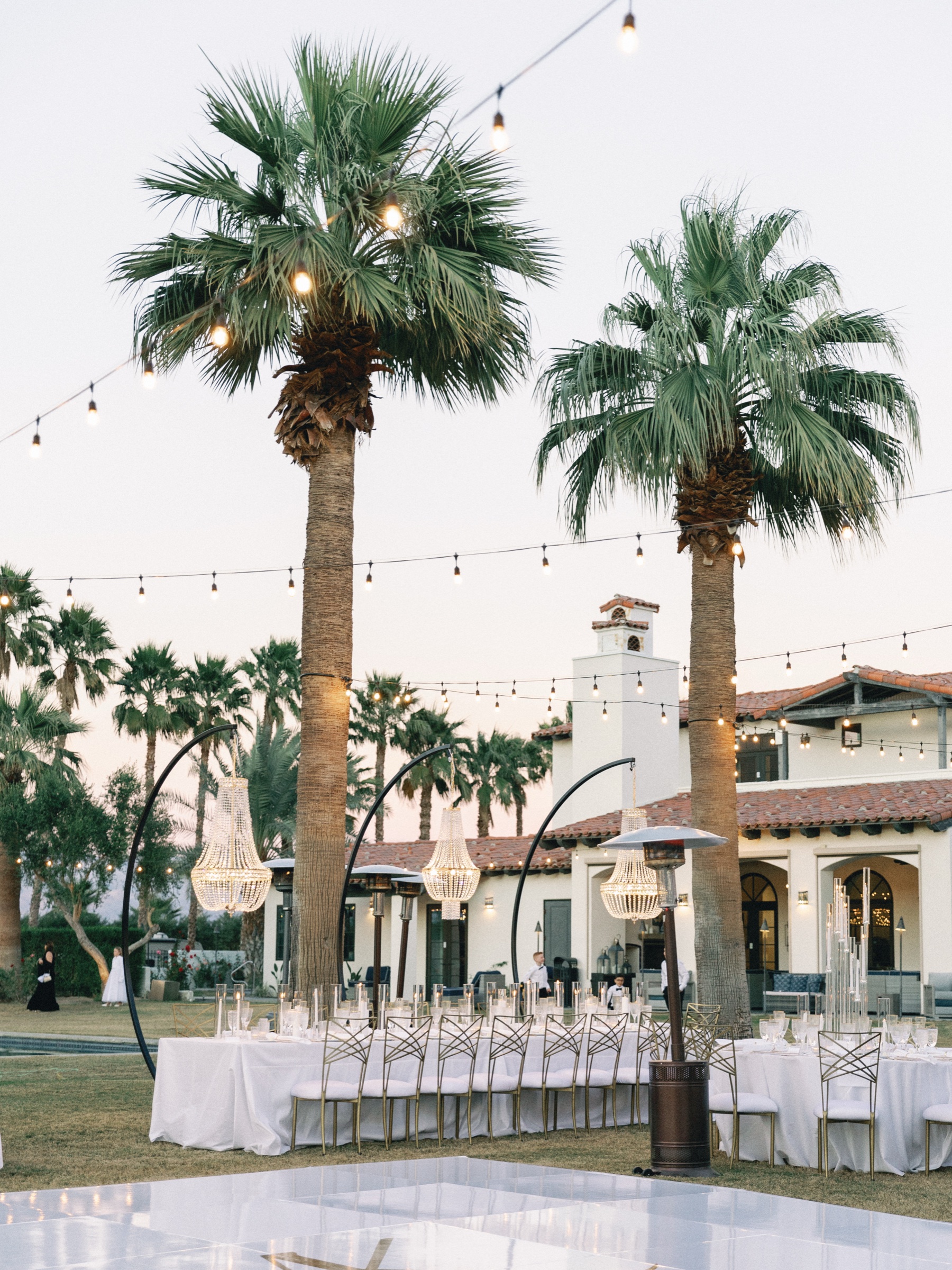
Use direct operator pages as dated starting points, not recommendations
Direct operator pages can add a narrow, dated starting point when they are read as sources rather than endorsements. Temecula Creek Weddings currently identifies The Stone House and The Meadows as outdoor wedding settings. That sentence can prompt two booking questions: which setting the plan assigns to the ceremony or reception, and where that assignment will be recorded for the date.
Lake Oak Meadows describes private ceremony and reception sites in a winery-estate setting. Use that wording to ask which part of your booking matches the published description and which point, if any, is not yet stated in the booking materials. Keep each example attached to its own source instead of using either one as a recommendation. Retain the source date in your notes, direct the unresolved question to the operator, and record the answer that applies to your booking.
Keep a Temecula source-and-confirmation record for each finalist
For each finalist, keep a short record with three fields:
The source or category label that started the question.
The source URL and the date you checked it.
The date-specific question, together with the venue contact who can confirm the answer.
This record is deliberately small. It does not grade venues or turn public descriptions into a score. It gives you a way to notice when a source has answered only part of the question. If the answer matters to your plans, ask for the current confirmation and note who provided it. A source can make the conversation more specific; only the venue can confirm what applies to the booking in front of you.
Coverage handoff and closing CTA
After the record answers the venue questions, keep the discussion focused on the confirmed plan rather than the research label. Planning photo and film coverage around a Temecula venue plan is a separate conversation. The record remains useful: it shows which details belong to the agreed plan and which questions still belong with the operator.
If you are planning a California wedding and want to talk through your photo-and-film priorities around a venue plan, contact Dreamwood to start the conversation.