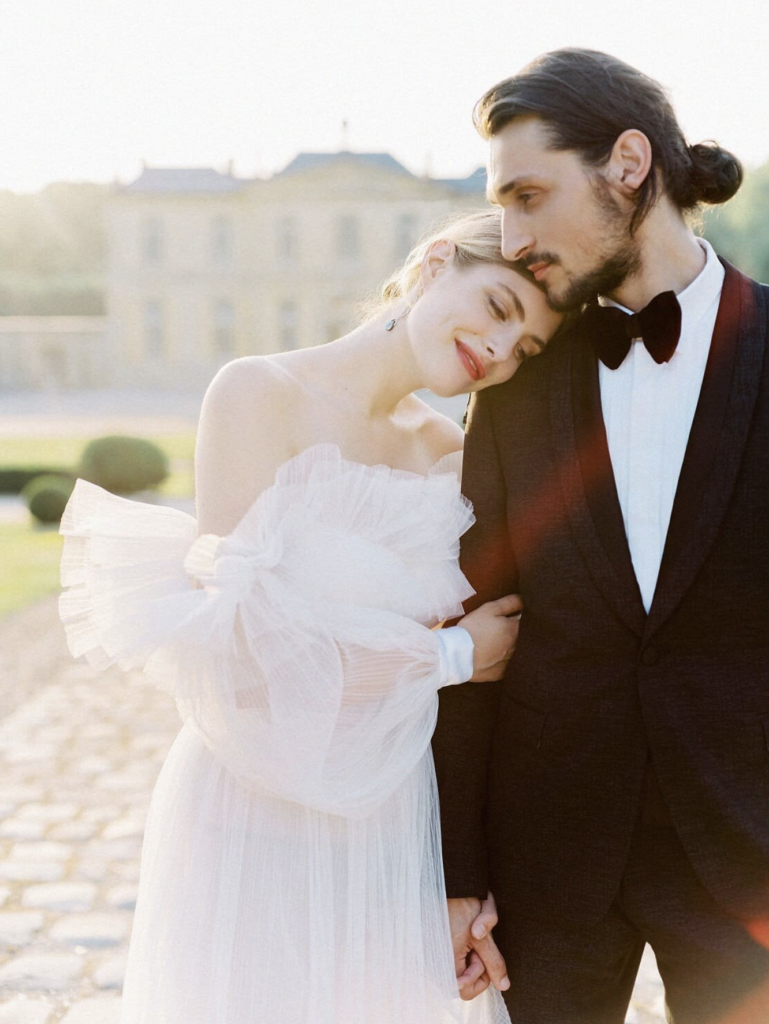
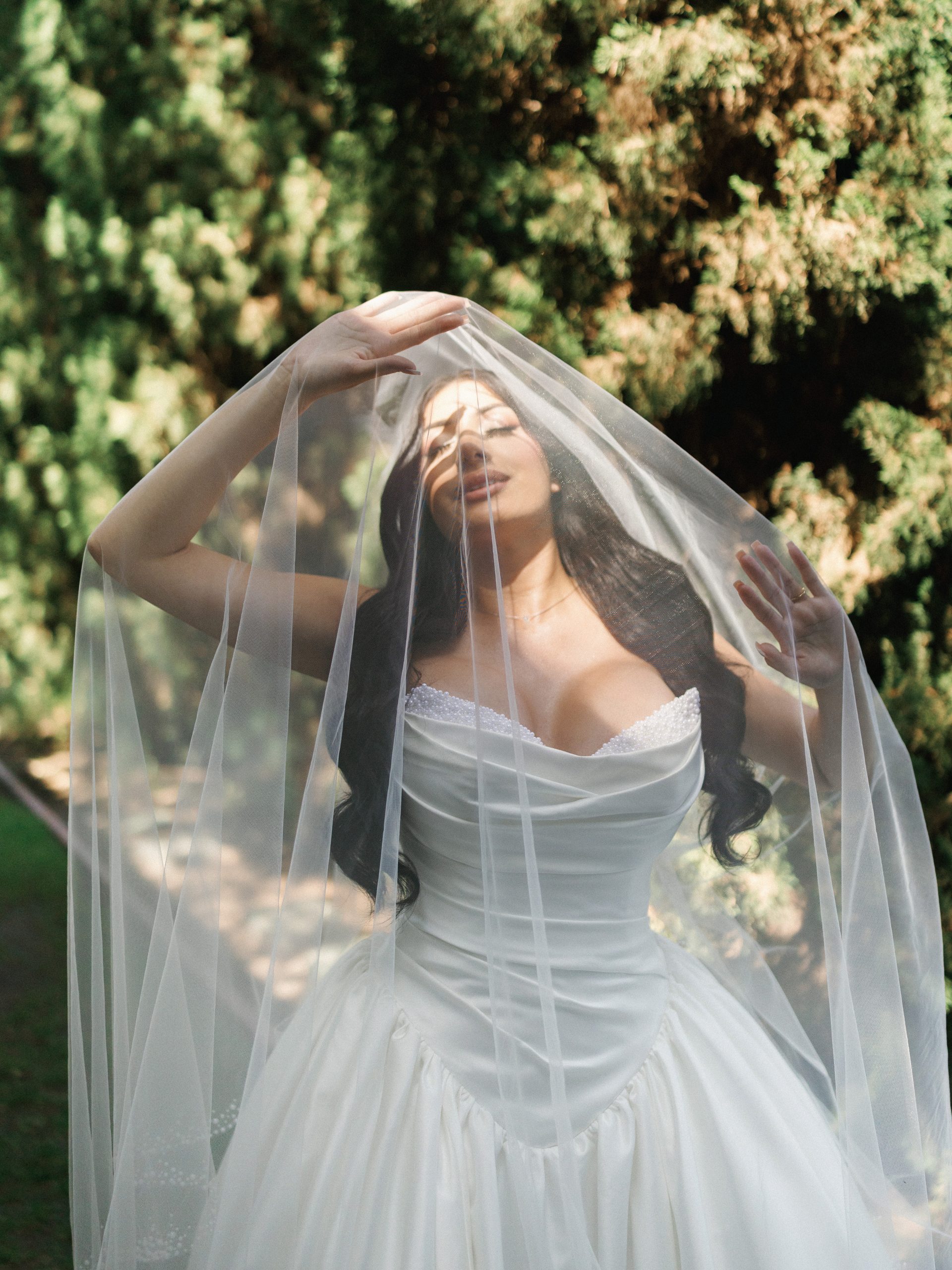
The Real Question Behind Photo Count
The number of photographs in a wedding gallery reflects the way the photographer or photography team covers the day and selects and edits the final images. Coverage hours, the number of photographers, the pace of the wedding, and the editing approach all influence the final gallery.
A photographer or photography team may provide a typical range, but the wedding itself gives that number useful context. Two celebrations with similar coverage can produce very different galleries, while galleries with different image counts can document the day with equal care.
When comparing photography services, consider the stated photo count alongside the coverage, schedule, and scale of the celebration. The final number matters, but the selection and quality of the images say more about the gallery you will receive.
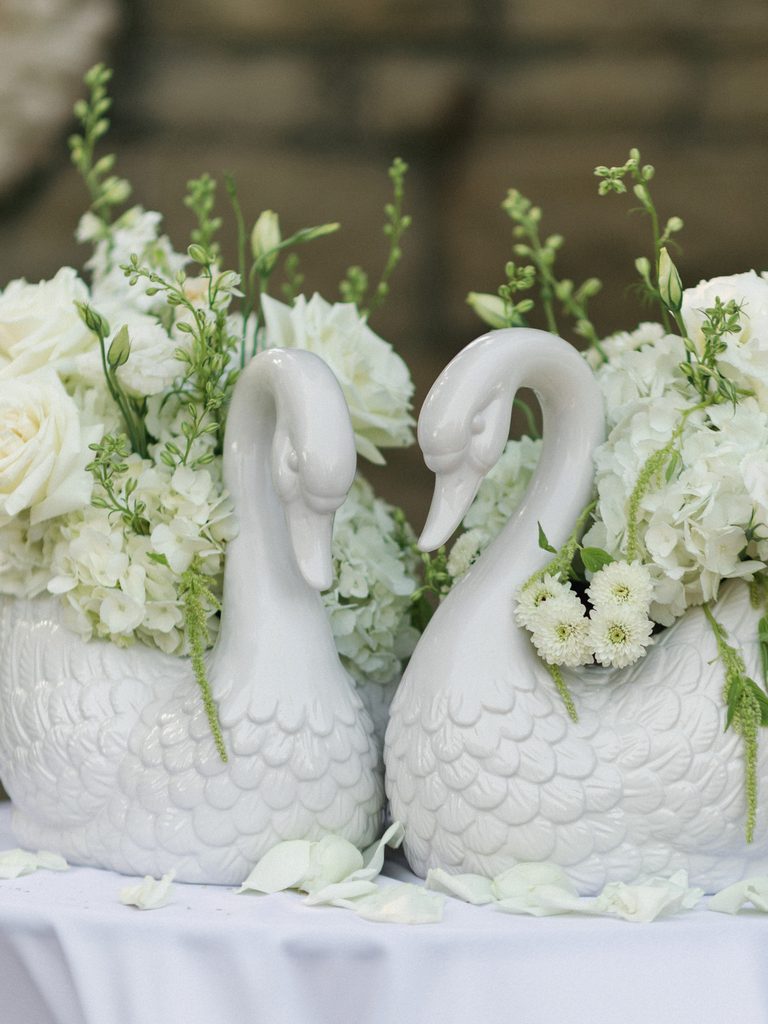
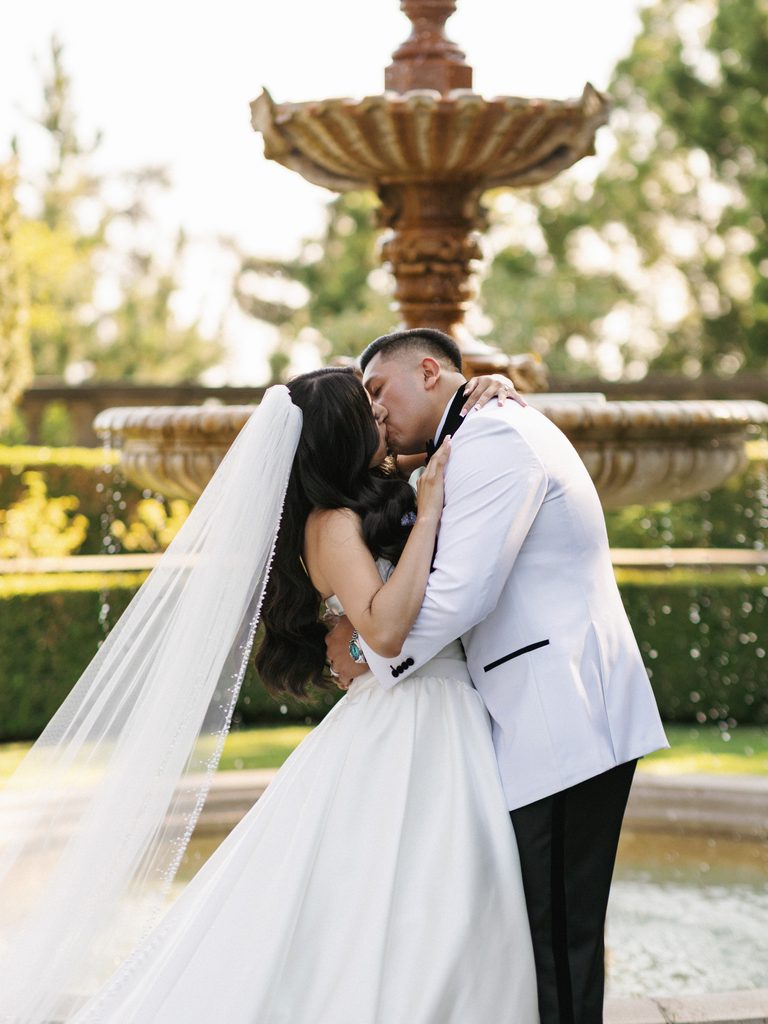
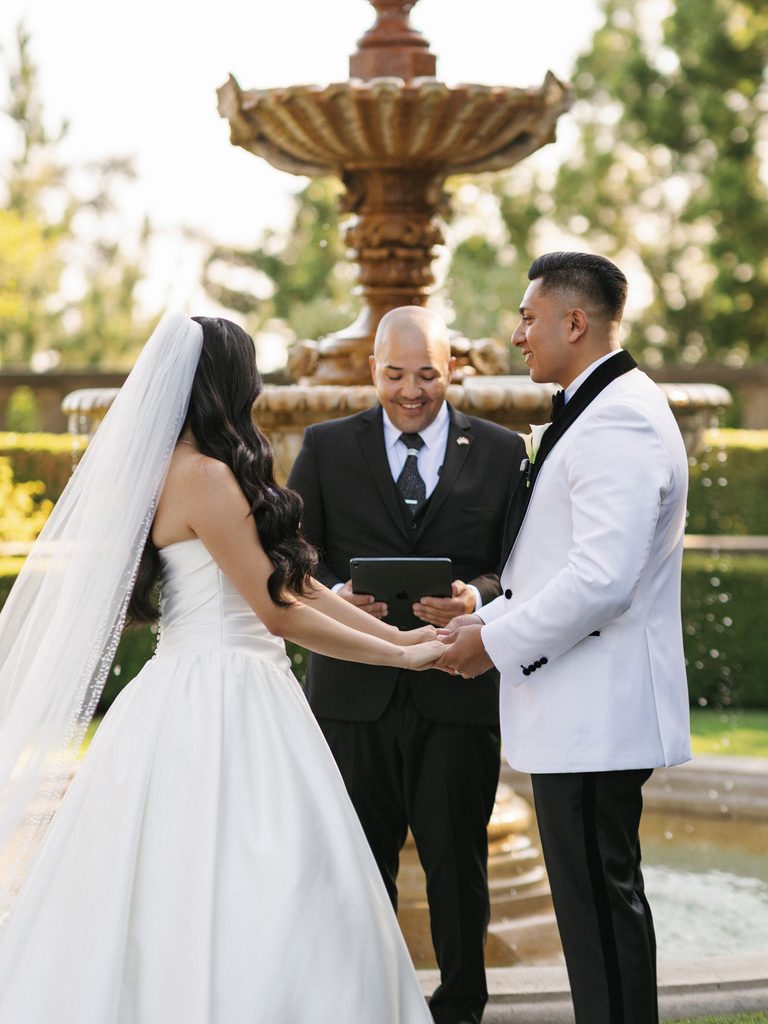
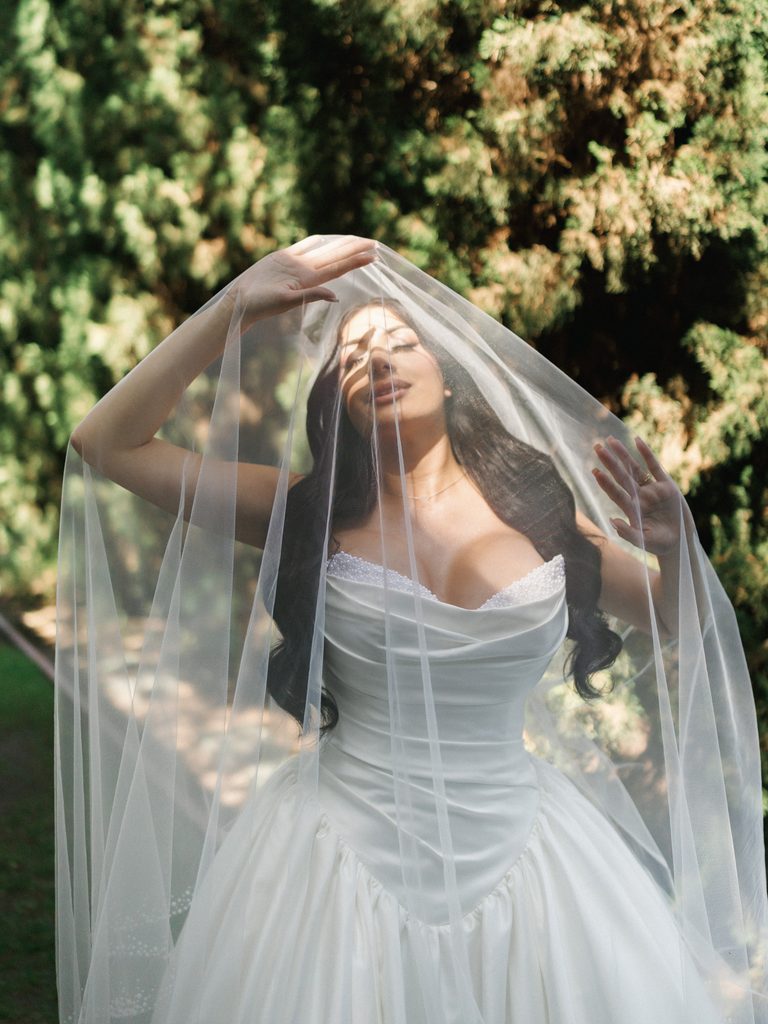
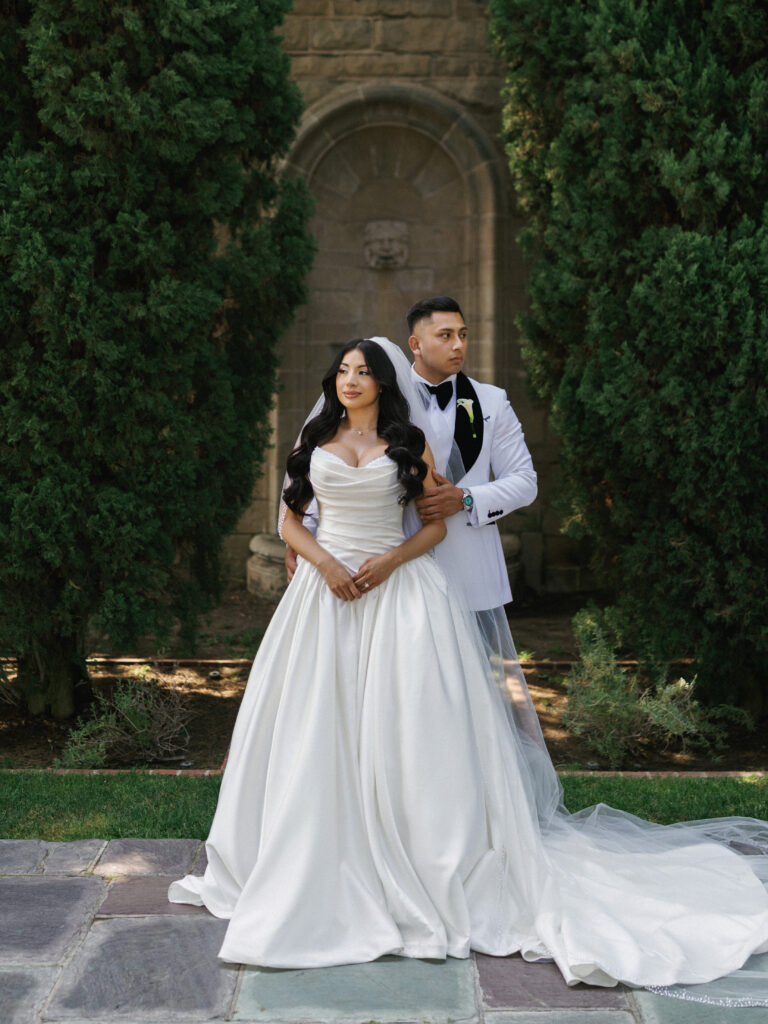
Greystone Mansion & Gardens: The Doheny Estate, Beverly Hills, CA.
What Determines the Number of Photos?
The final number of wedding photos depends on several factors: coverage hours, the number of photographers, the wedding schedule, guest count, the number of locations, and the photographer’s approach to culling and editing.
Coverage hours
Coverage hours determine how much time the photographer has to document the wedding. More coverage generally means more time for getting ready, portraits, ceremony coverage, reception events, guest interactions, and other parts of the day.
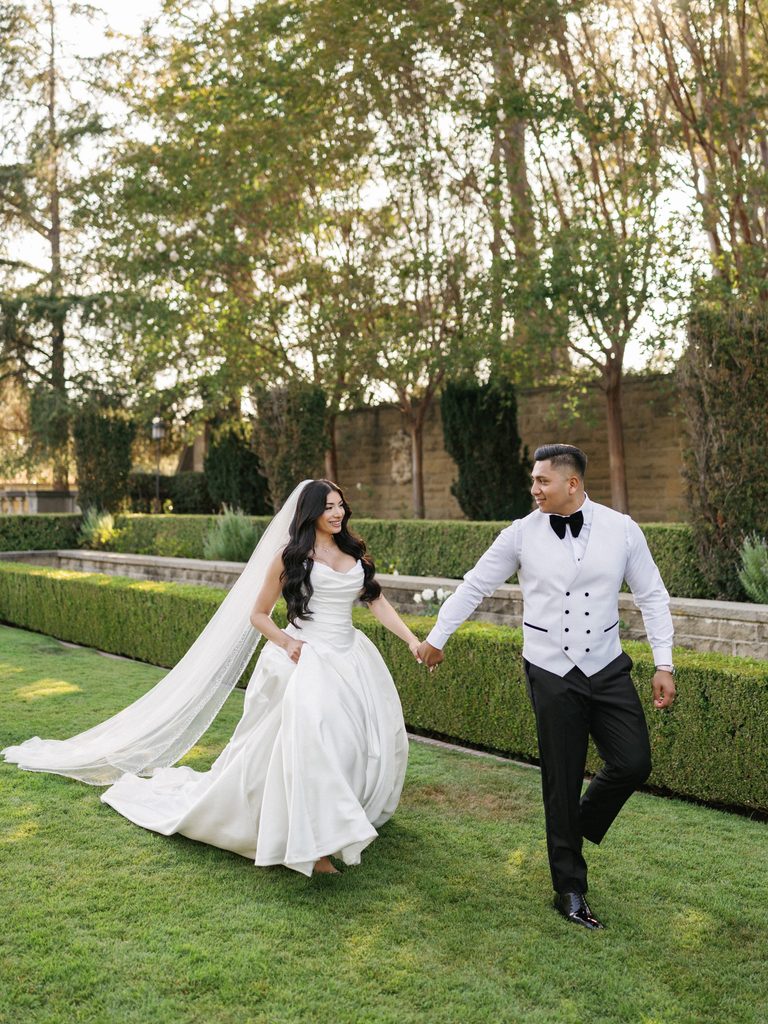
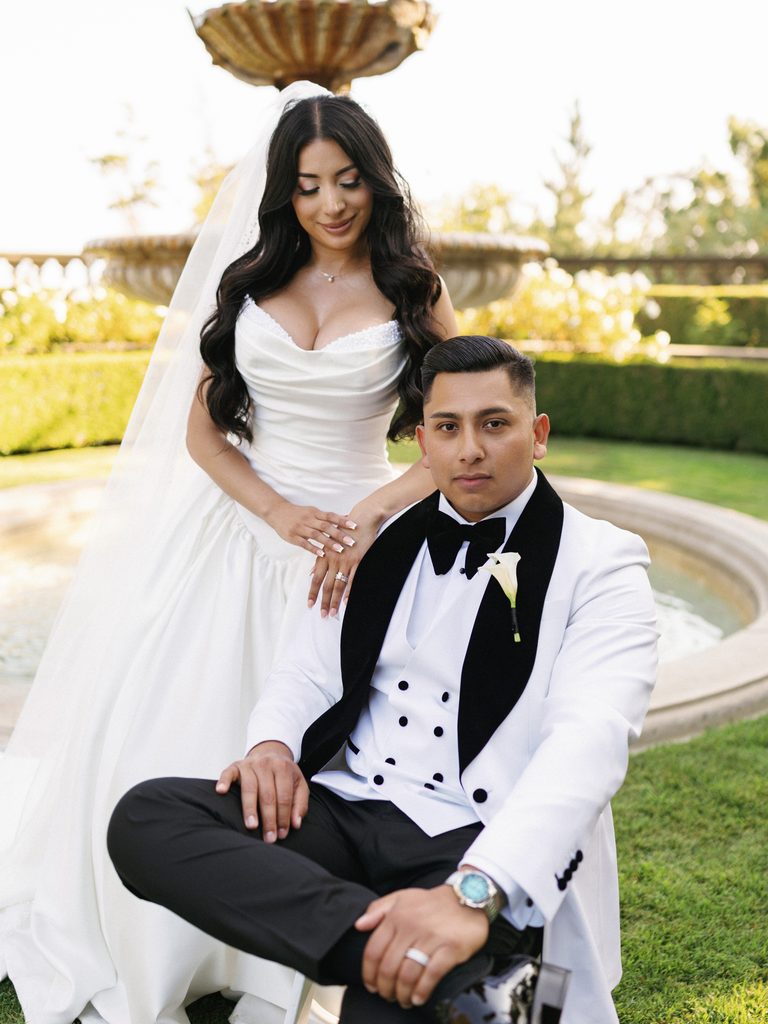
The number of photographers
The number of photographers determines how many parts of the wedding can receive coverage at the same time. With two photographers, separate getting-ready locations can be photographed simultaneously, or one photographer can stay with the couple while the other documents guests and reception activity. More simultaneous coverage can lead to a larger final gallery.
The wedding schedule
The wedding schedule determines how many distinct events and moments the photographer has to document. Getting ready, portraits, family photographs, the ceremony, cocktail hour, dinner, speeches, dancing, and other planned events each add to the volume of coverage.
Guest count and the number of locations
Guest count and the number of locations also affect the gallery. A larger guest list can mean more group photographs and guest interactions. Multiple locations can introduce additional settings and events, while travel between them takes time away from active coverage.
Culling and editing
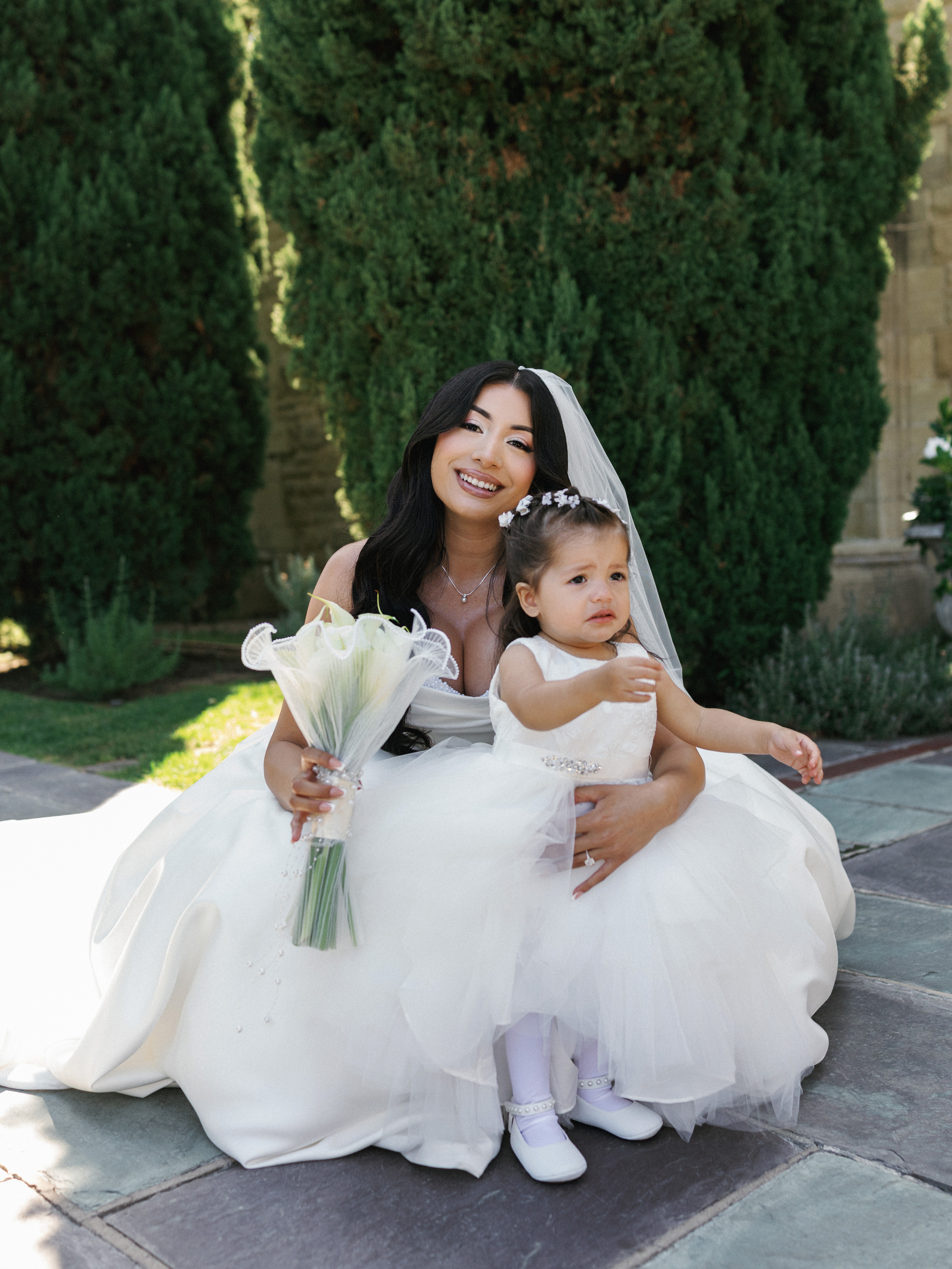
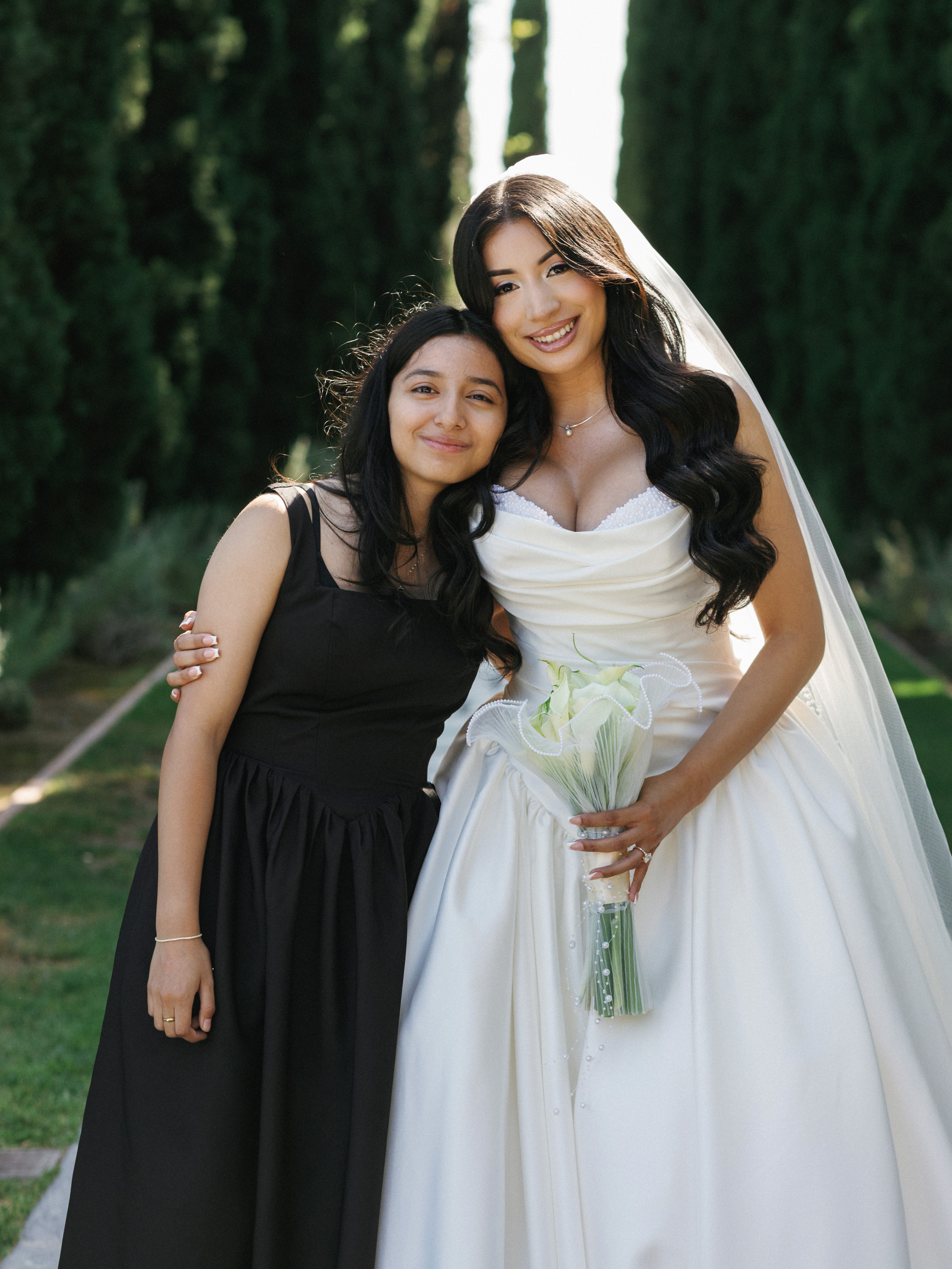
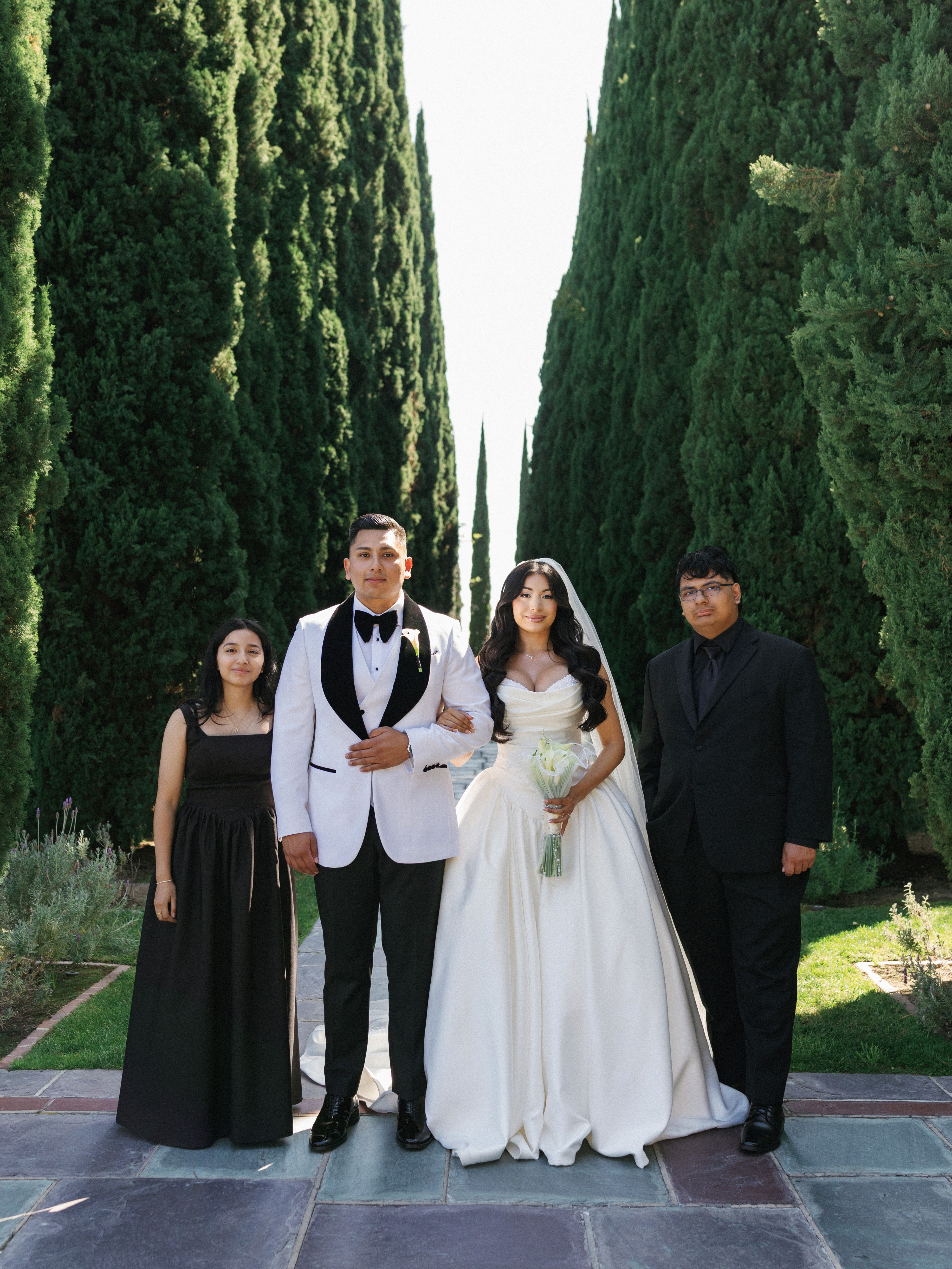
Culling and editing determine how much of the captured material reaches the final gallery. The photographer or photography team removes duplicates, near-identical frames, technical misses, and weaker images before selecting the photographs for delivery. Some deliver a tighter selection, while others include a broader range of finished images.
Coverage Hours Versus Event Density
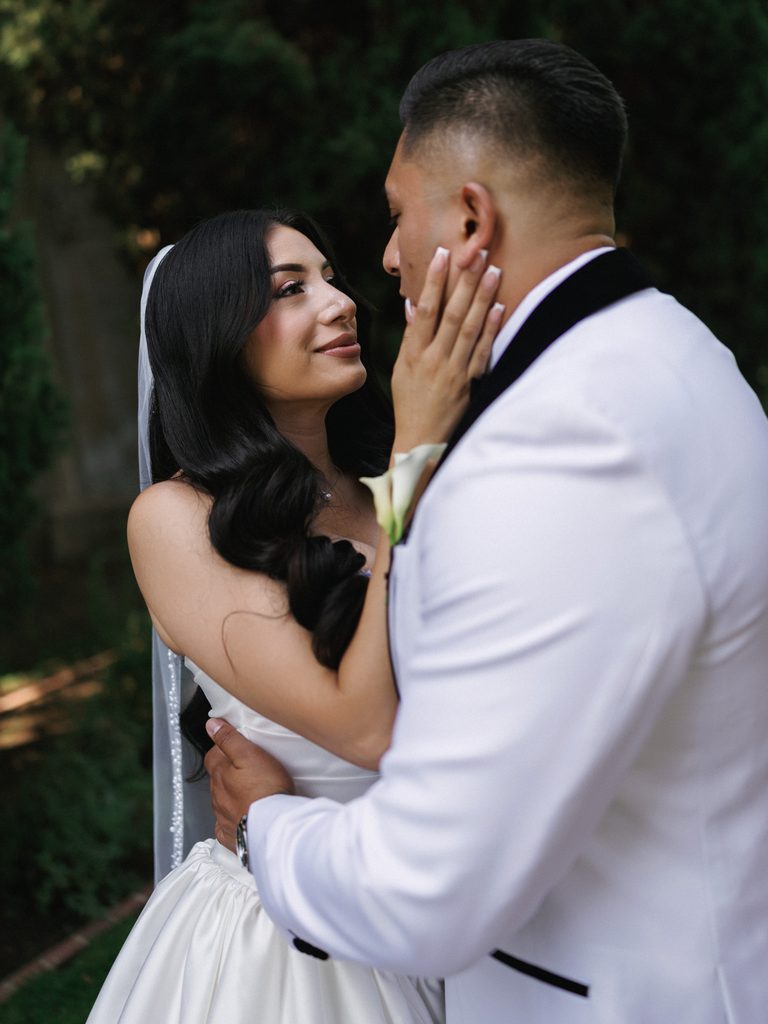
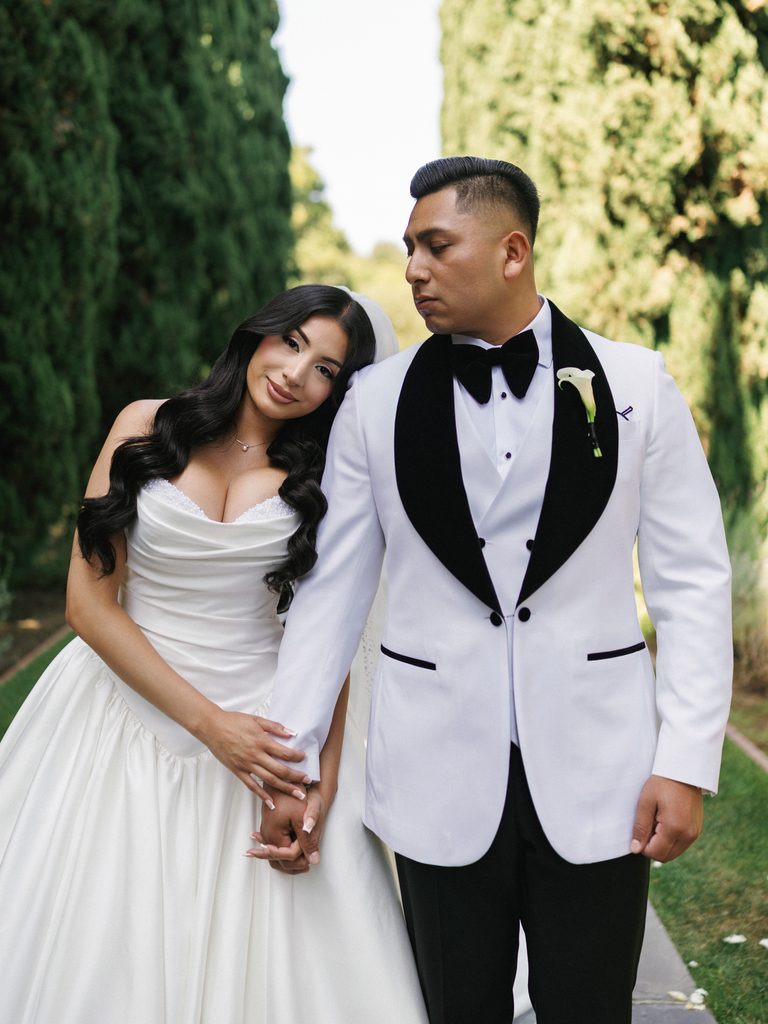
Coverage hours set the amount of time available for photography, but the wedding schedule determines how much happens within that time. A photographer may spend part of the coverage on a ceremony or portraits, then move into faster-paced parts of the day with more guests, interactions, and activity.
Multiple locations can also reduce the time available for actual photography. Transfers between preparation, ceremony, and reception locations take time, while a concentrated reception may produce hundreds of images in a relatively short period.
For this reason, two weddings with the same coverage can result in very different gallery sizes.
How Culling Shapes the Final Gallery
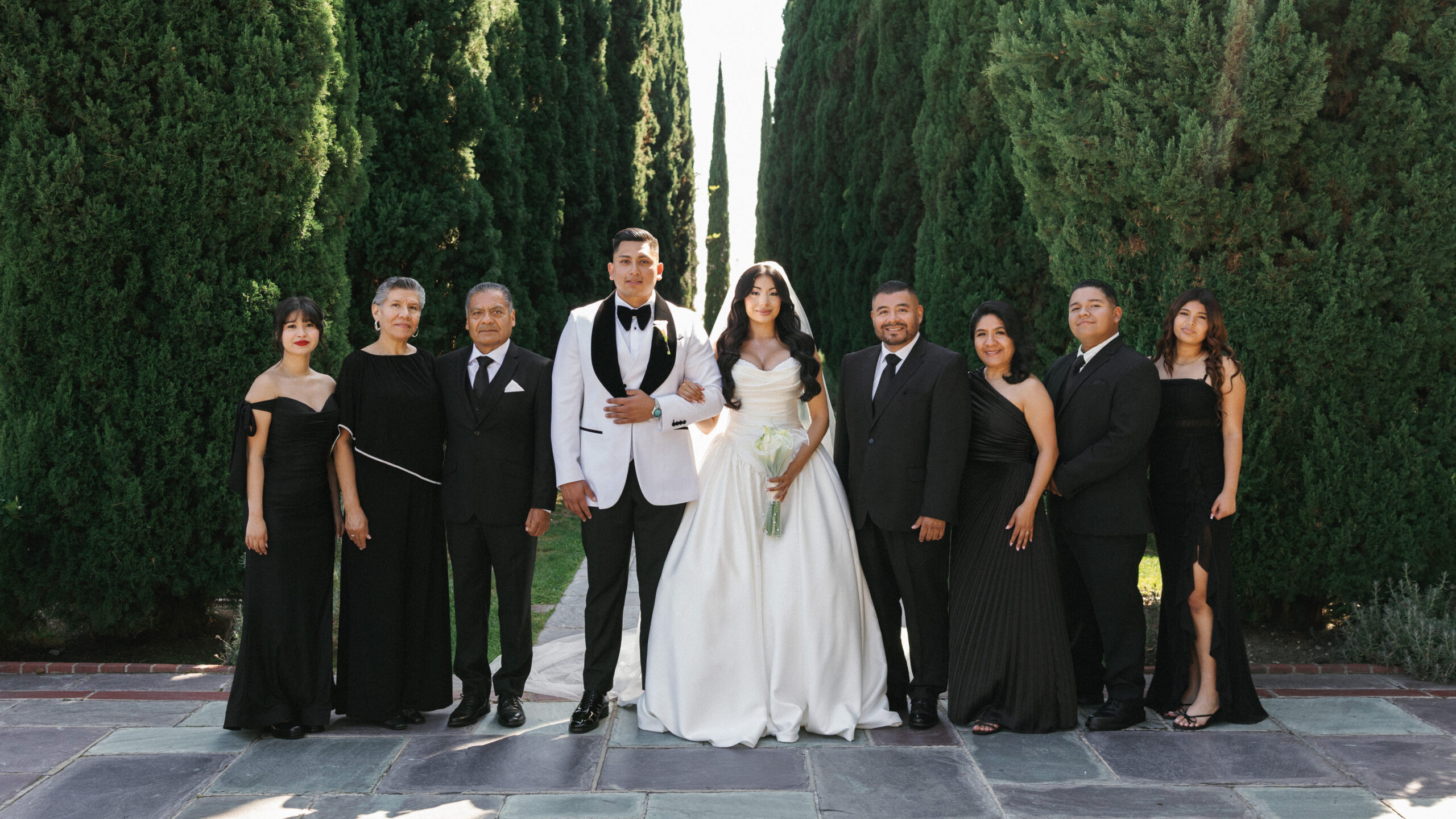
The culling process determines which images from the wedding make it into the final gallery. The photographer removes technical misses, closed eyes, duplicates, and near-identical frames, keeping a selection that represents each moment without unnecessary repetition.
A fast-moving moment may produce several similar frames, for example, while the final gallery may include only one or two of them. The same approach applies throughout the day, from family photographs and portraits to speeches and dancing.
The number of photographs taken during the wedding can therefore differ substantially from the number the couple receives. When comparing photo counts, look at the delivered gallery, since it reflects the photographer’s actual selection and culling approach.
Understanding Editing and Retouching
A delivered wedding gallery usually contains edited images, but editing and retouching describe different levels of work.
Editing
Editing generally includes adjustments to exposure, white balance, color, contrast, and overall tone. These changes keep the gallery visually consistent from beginning to end.
Retouching
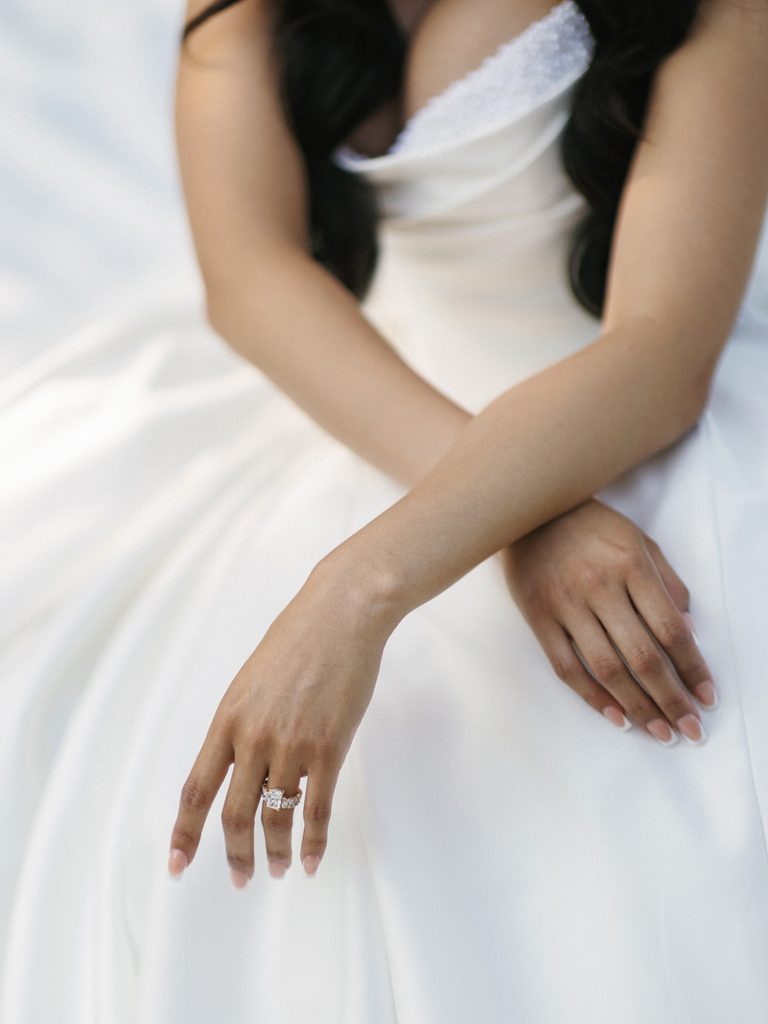
Retouching involves more detailed work on individual images. It may include removing a temporary blemish, refining skin, correcting a stray hair, or making another selective adjustment.
Photographers and photography teams often reserve this level of work for portraits and selected images instead of applying it to every photograph.
A clear description of the editing process gives a better idea of what the final gallery will look like. When a collection is described as “fully edited,” the photographer or photography team can clarify what that means in practice and what level of retouching the gallery includes.
Gallery Delivery and Downloads
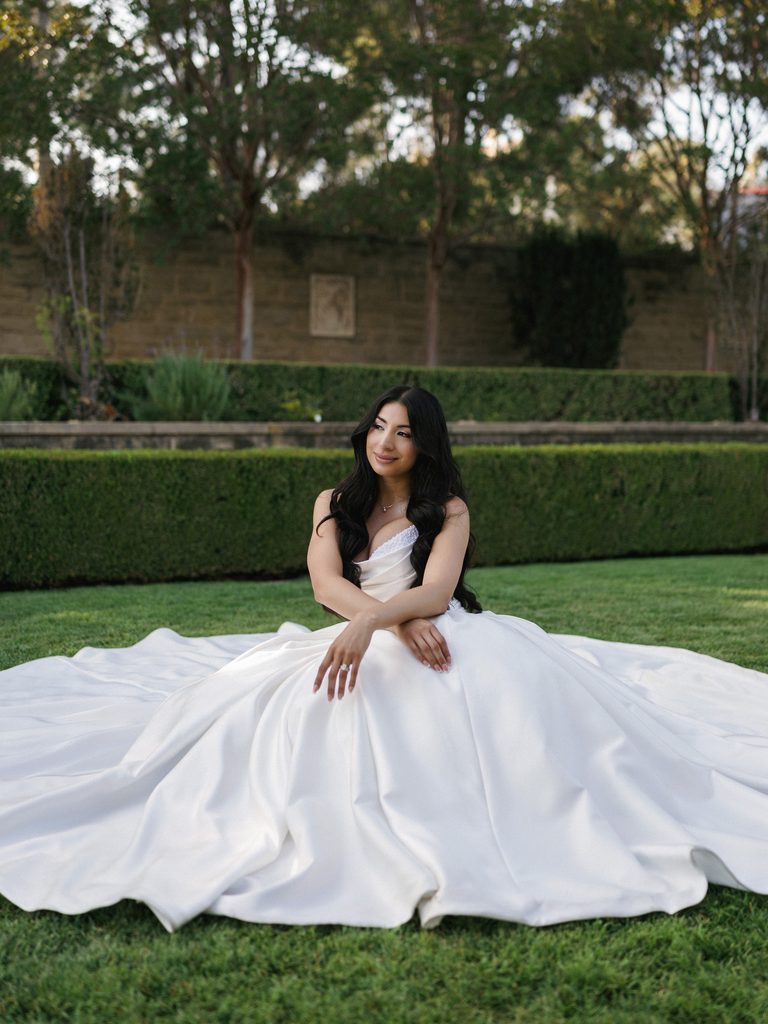
The final photo count becomes relevant when the completed gallery is delivered. Photographers and photography teams typically use a private online gallery where the finished images can be viewed, downloaded, and shared.
A complete wedding gallery may include:
- Preparation and detail photographs
- Ceremony coverage
- Family and wedding party portraits
- Couple portraits
- Guest interactions and cocktail hour
- Reception details and formalities
- Dancing and late-evening moments
The delivery format can differ between services. A collection may include the complete edited gallery, high-resolution downloads, web-sized files for sharing, or access to the gallery for a defined period. Some photographers and companies also offer albums and prints separately.
How to Compare Photo Counts
Compare photo counts alongside the details of the wedding coverage. Galleries from weddings with similar coverage hours, event structure, and team size give a more useful reference than standalone numbers.
The culling and editing approach can account for differences between galleries.
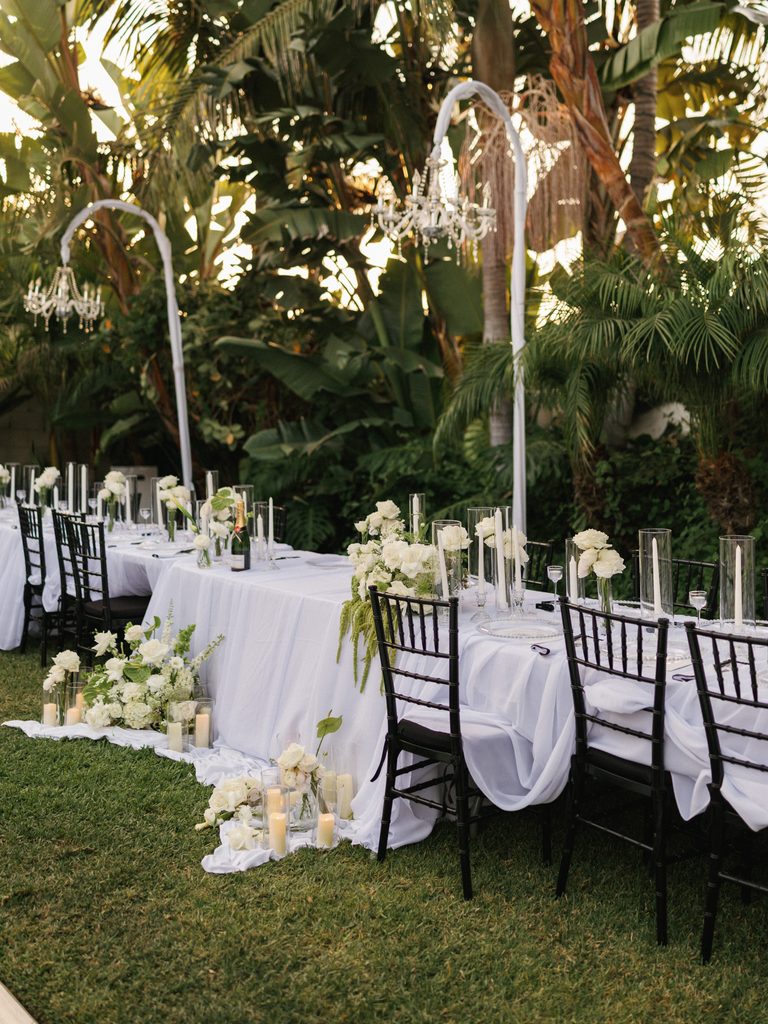
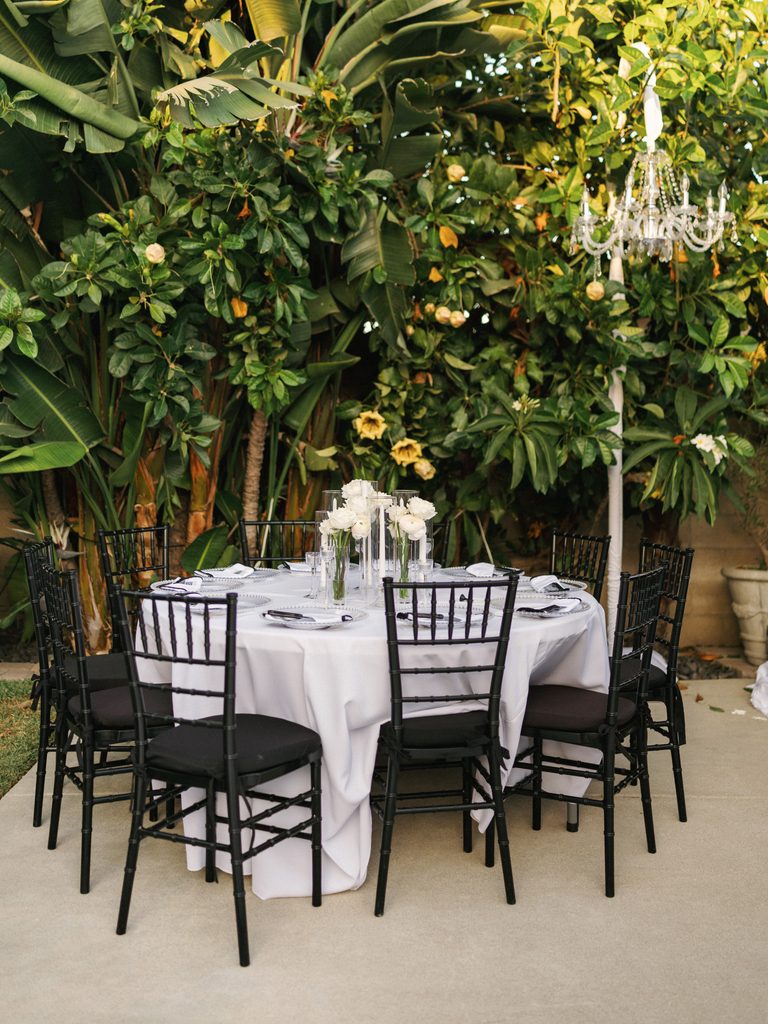
One service may deliver a tighter selection, while another may include more images from the same moments. Check whether a quoted number refers to the complete delivered gallery, a typical range, or a guaranteed minimum.
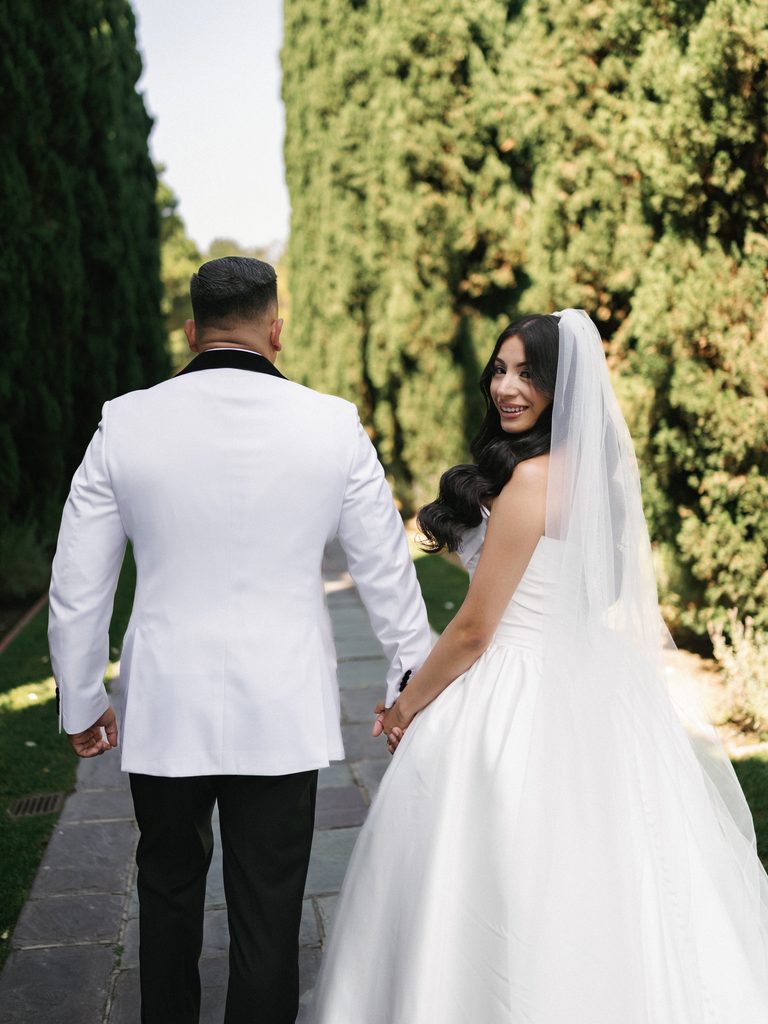
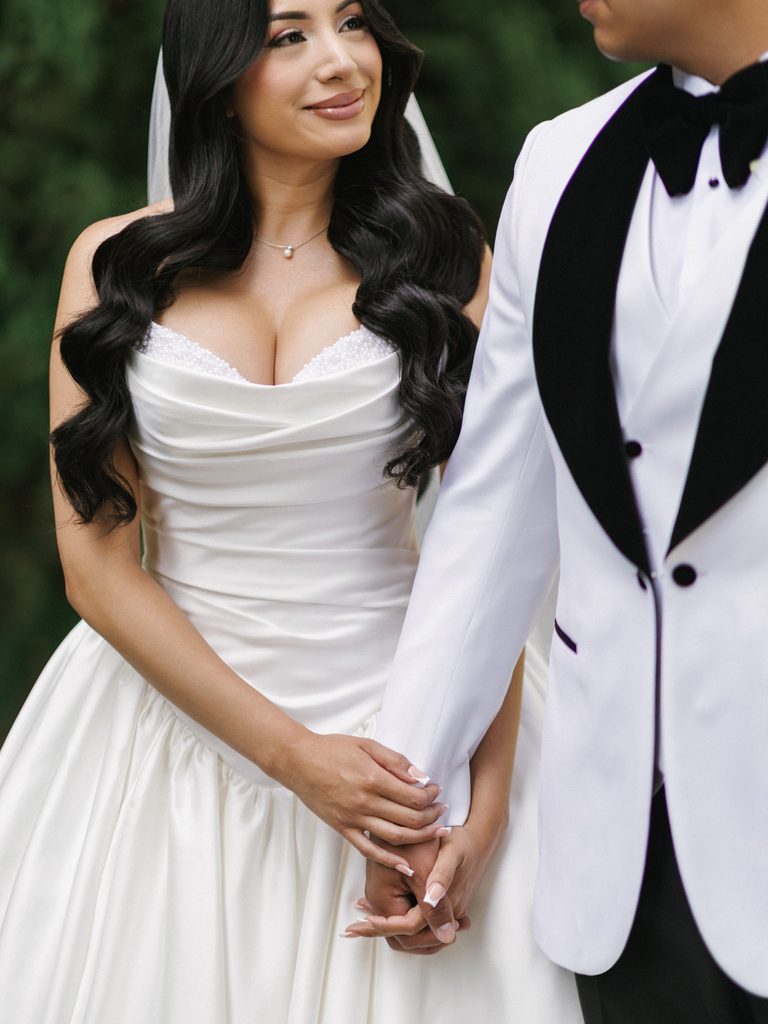
A full gallery from a comparable wedding shows how the photographer or photography team covers the day and selects the images for delivery. It also gives a better sense of how the stated photo count translates into a finished gallery.
FAQ
How many wedding photos should we expect to receive
There is no standard number that applies to every wedding. The final gallery depends on coverage, the structure of the day, the number of photographers, and the way the photographer or photography team culls and edits the images. A full gallery from a wedding with similar coverage provides a useful reference.
Is a smaller photo count a sign of lower-quality coverage?
Not necessarily. A smaller gallery may reflect careful culling and a tighter selection of finished images. Look at the range of moments covered and the consistency of the gallery before judging the service by image count alone.
Should a photo count appear in the contract?
A typical range can help set expectations, but an exact number can be difficult to predict before the wedding takes place. The contract should clearly state what the collection includes and whether any minimum or range applies.
Does a second photographer increase the number of photos?
It can. A second photographer allows different parts of the wedding to receive coverage at the same time, which can add images from separate locations, guests, and moments. The effect on the final count depends on the wedding schedule and how the second photographer contributes to the coverage.
Is there a standard number of wedding photos per hour?
No reliable standard applies across wedding photography. Different parts of the day generate different amounts of photographic activity, and photographers and photography teams use different approaches to shooting, culling, and editing.
Do photographers deliver every photo they take?
No. The photographer or photography team normally selects the strongest images and removes duplicates, technical misses, closed eyes, and near-identical frames before preparing the final gallery.
What is the difference between edited and retouched wedding photos?
Editing usually covers adjustments such as exposure, color, white balance, contrast, and overall tone across the gallery. Retouching involves more detailed work on individual images and often applies to selected portraits and key photographs.
Can we compare two photographers by their quoted photo counts?
Photo count alone gives limited information. Full galleries from weddings with similar coverage and structure provide a better basis for comparison, particularly when the photographers use different culling and editing approaches.
Can we download all of our wedding photos?
That depends on the collection and delivery system. Some services include full-resolution downloads and extended gallery access, while others may offer different file formats or access periods. The delivery terms should be clear before booking.