The Lighting Decisions Worth Making Before the Reception
Reception lighting is usually planned around the room, the tables, the atmosphere, and the evening’s overall design. Photography and film add another consideration: the same light can look very different to the camera than it does to guests in the room.
A useful lighting plan does not need to specify equipment or dictate every setting. It can simply establish how the room should be lit during dinner, speeches, the first dance, and open dancing, along with any areas or moments that need particular attention.
Sharing those decisions with the venue, planner, and DJ or band gives everyone a common reference. The photo and film team can then plan around the lighting that has already been arranged rather than discovering the conditions for the first time during the reception.
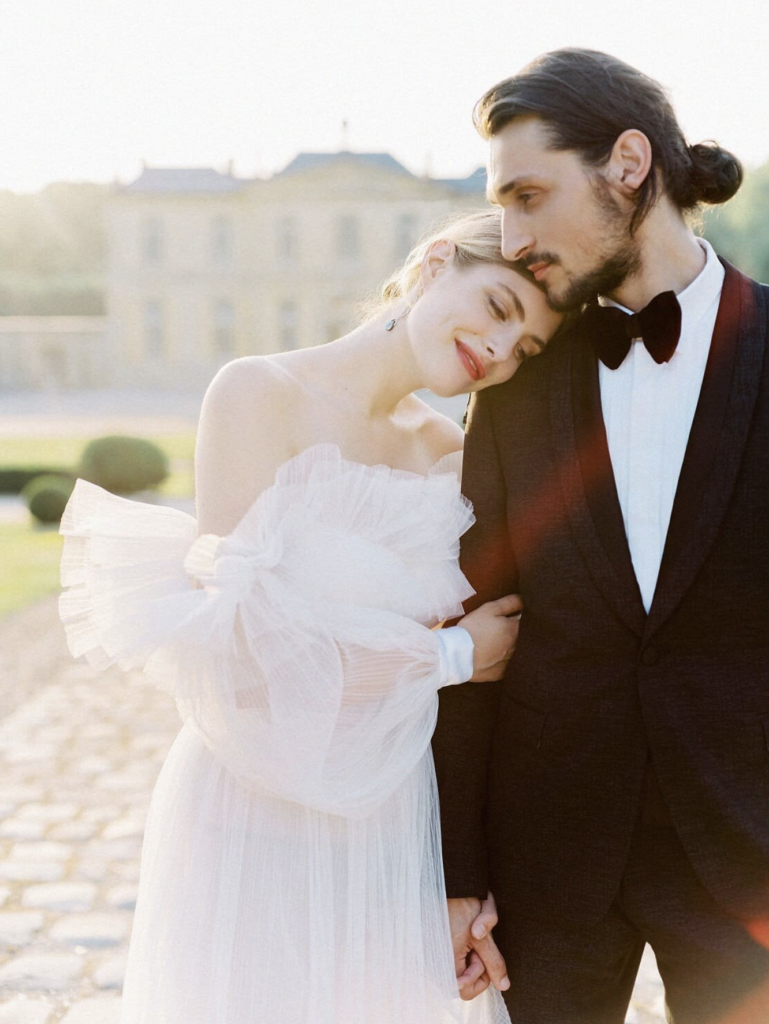
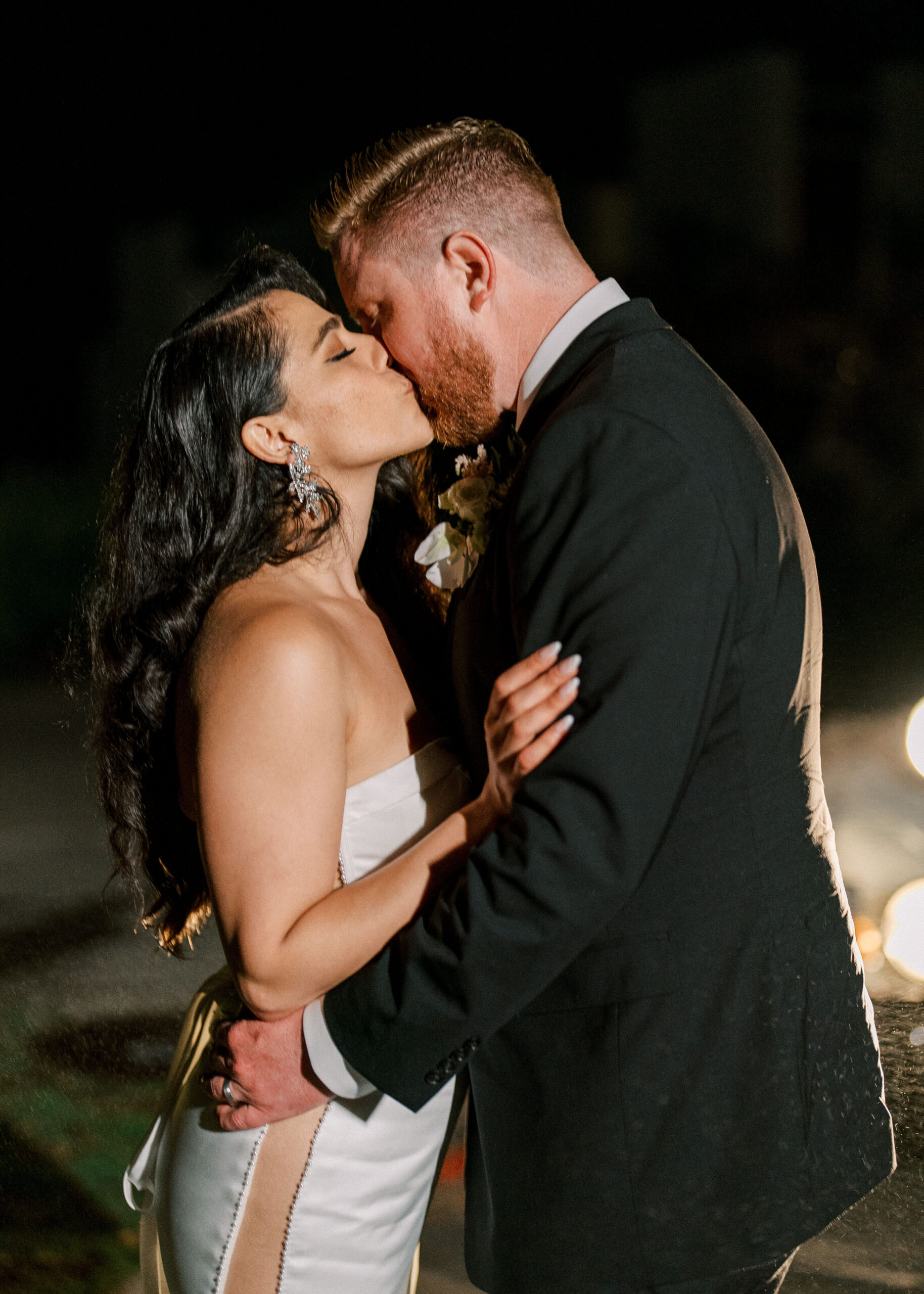
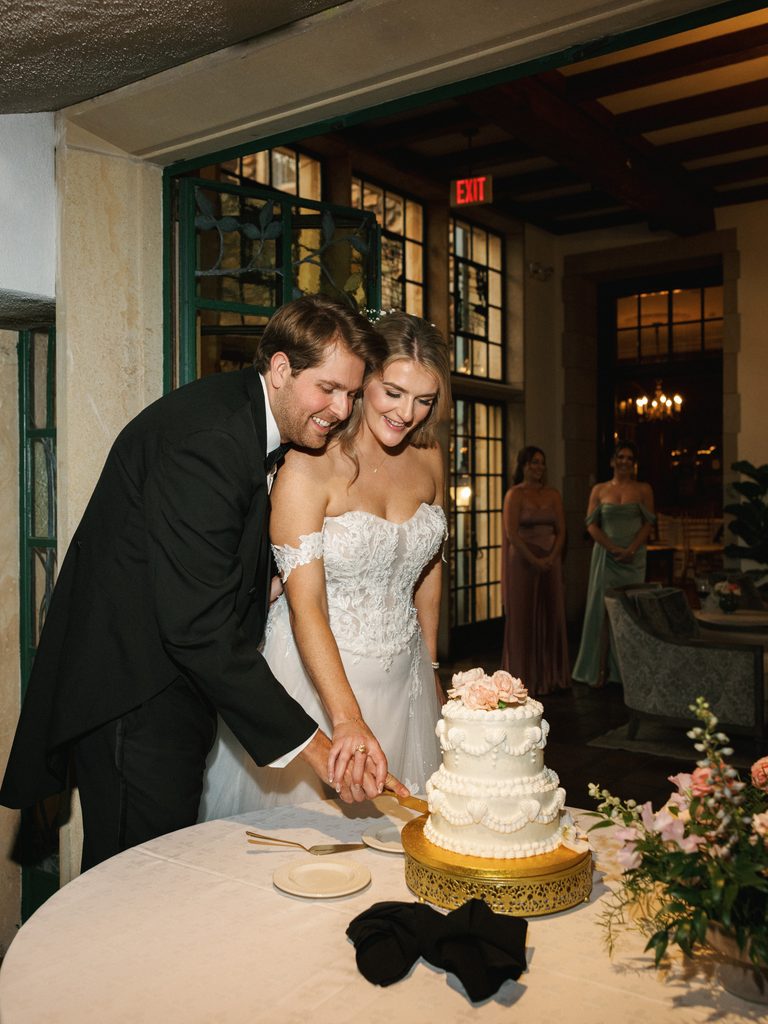
The Colony Estate™,Camarillo, CA.
Lighting by Reception Moment
Reception lighting changes naturally as the evening progresses. Dinner may call for comfortable, even illumination across the room. Speeches often bring the ambient light down and place greater emphasis on the person speaking. The first dance usually needs focused light on the couple, while open dancing can accommodate more movement, color, and variation.
These transitions are worth discussing in advance. The planner and DJ or lighting team can coordinate the timing, while the photo and film team can prepare for the changing conditions.
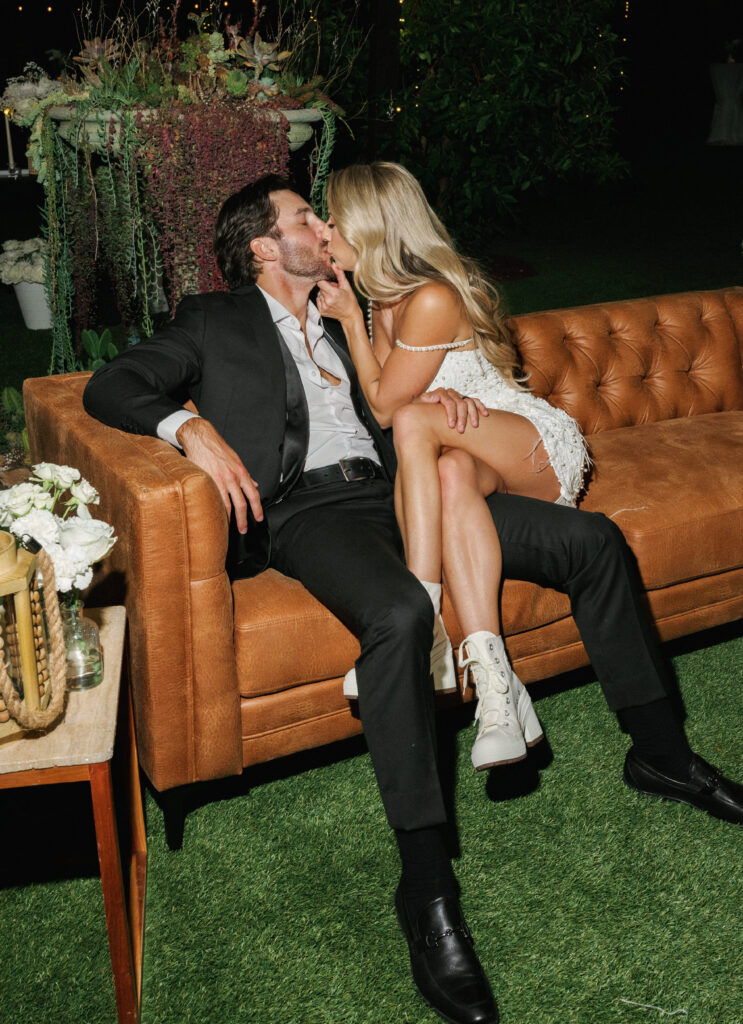
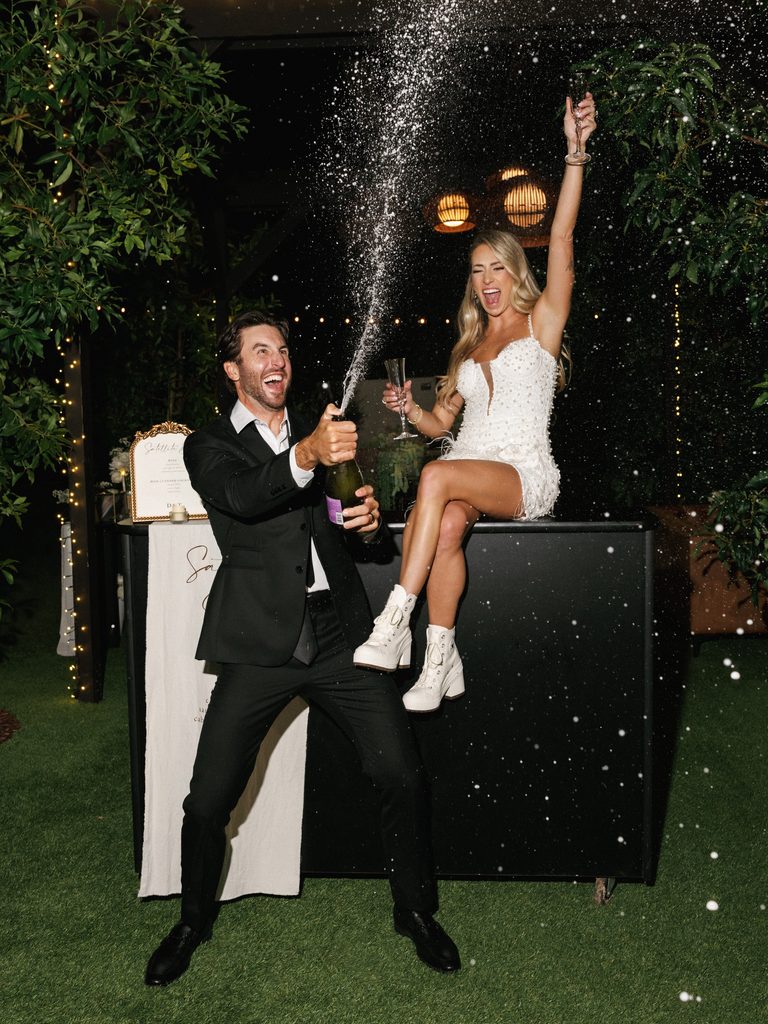
Lighting can shift throughout the evening, with dinner, speeches, the first dance, and open dancing each having slightly different needs.
Terra (Formerly Heritage Hill), Murrieta, CA.
Candles and Ambient Light
Candlelight can give a reception a warm, intimate atmosphere, particularly across long dining tables or within a darker venue. The room still needs enough surrounding light for faces, tables, and architectural details to remain visible in photographs and film.
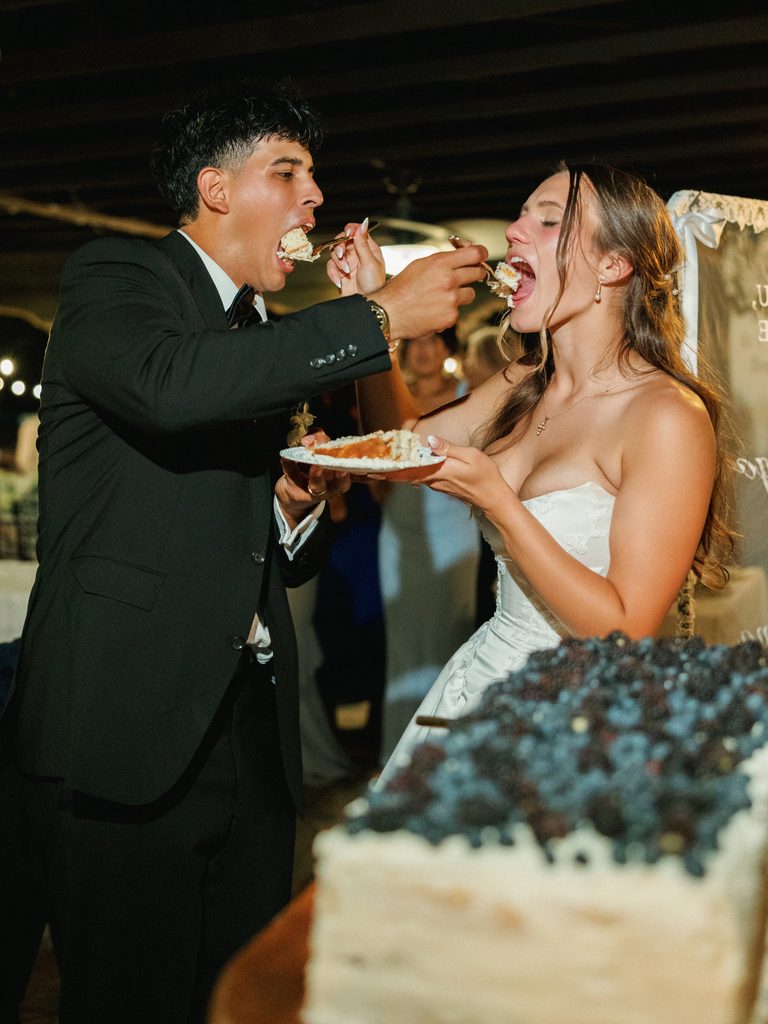
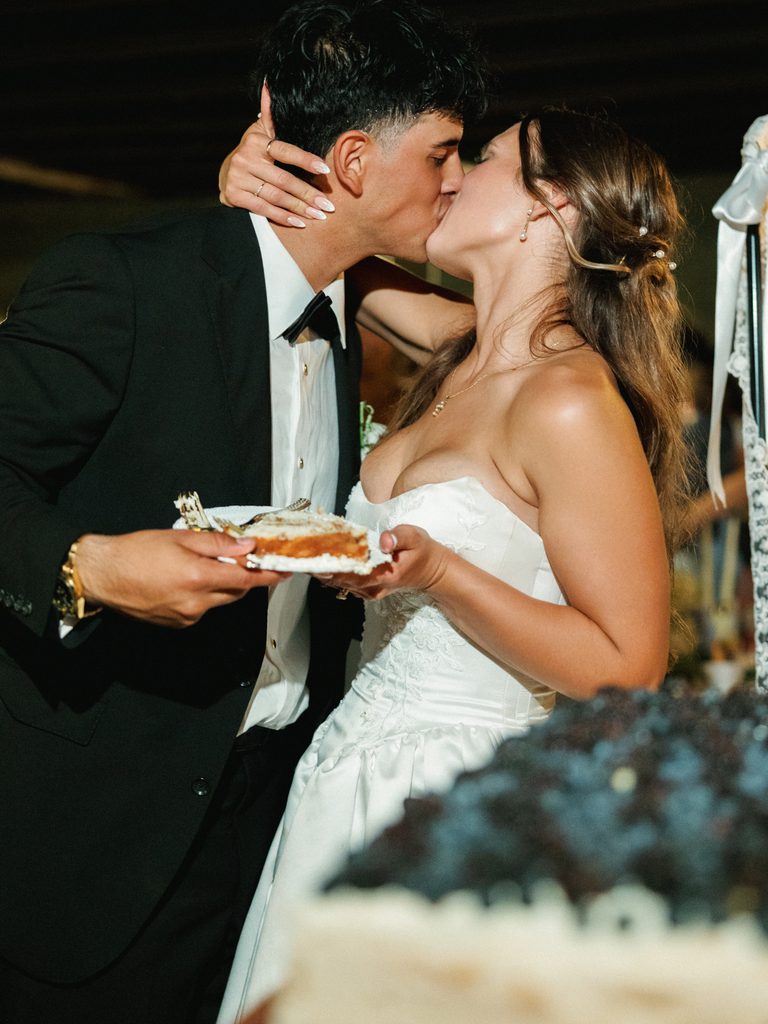
A single small candle on a table may look surprisingly bright to guests once their eyes adjust to the room. A camera does not adapt in quite the same way. If the surrounding space falls too dark, the result can be deep shadows and faces that disappear into the background.
A low layer of ambient light can help. Dimmed house lighting, warm wall illumination, or subtle string lighting can sit beneath the candlelight without taking away from its character.
Expert Note
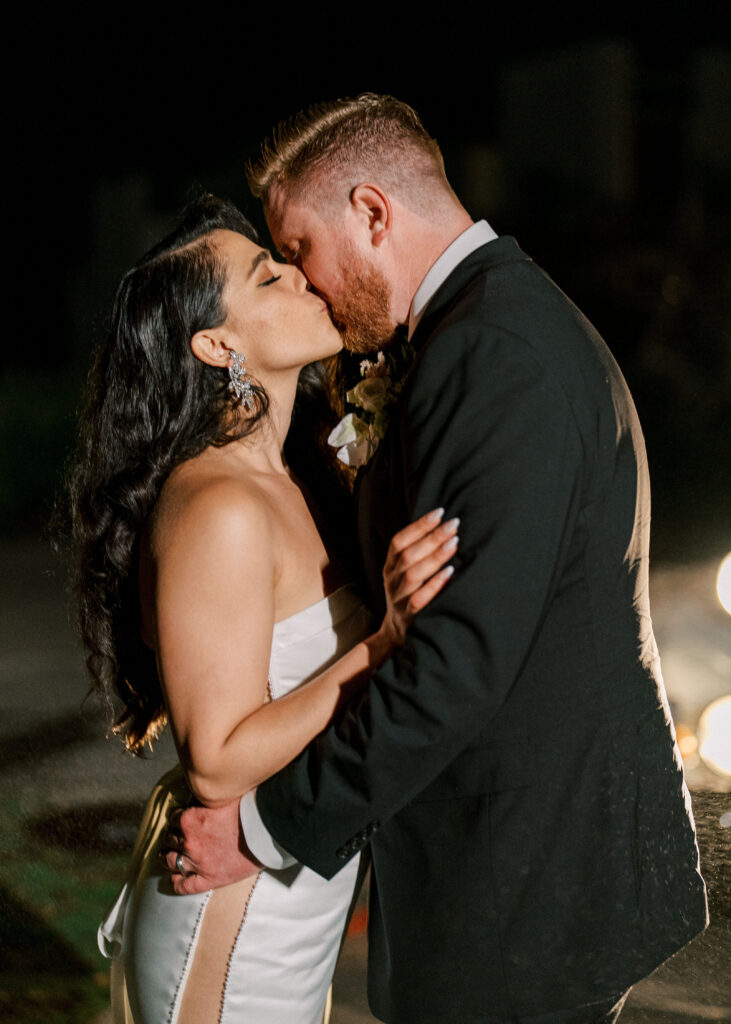
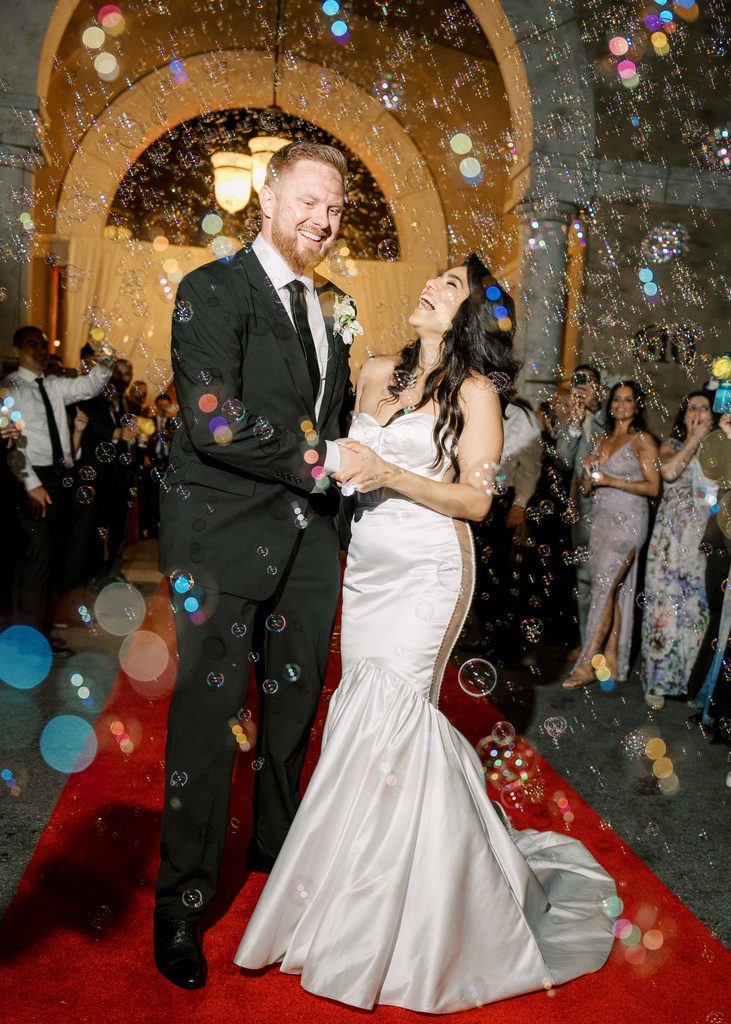
A lighting walkthrough is particularly useful after sunset, when the reception space resembles the conditions it will have during the actual event. A room that feels comfortably lit during an afternoon venue visit can look very different once the natural light disappears.
Uplighting and Color
Uplighting can change the character of a reception room without adding much visual clutter. Warm amber, soft gold, and muted rose tones generally sit comfortably alongside skin tones and candlelight.
Deep blue, purple, magenta, and other highly saturated colors can have a stronger effect on faces when the light reaches guests directly. The result may look dramatic in the room while producing less natural skin tones in photographs and film.
Stronger color can still work well when saturated uplighting stays concentrated on walls, architectural details, or areas away from faces, keeping the room visually dramatic without casting strong color directly across the couple and guests.
Speeches and Spotlighting
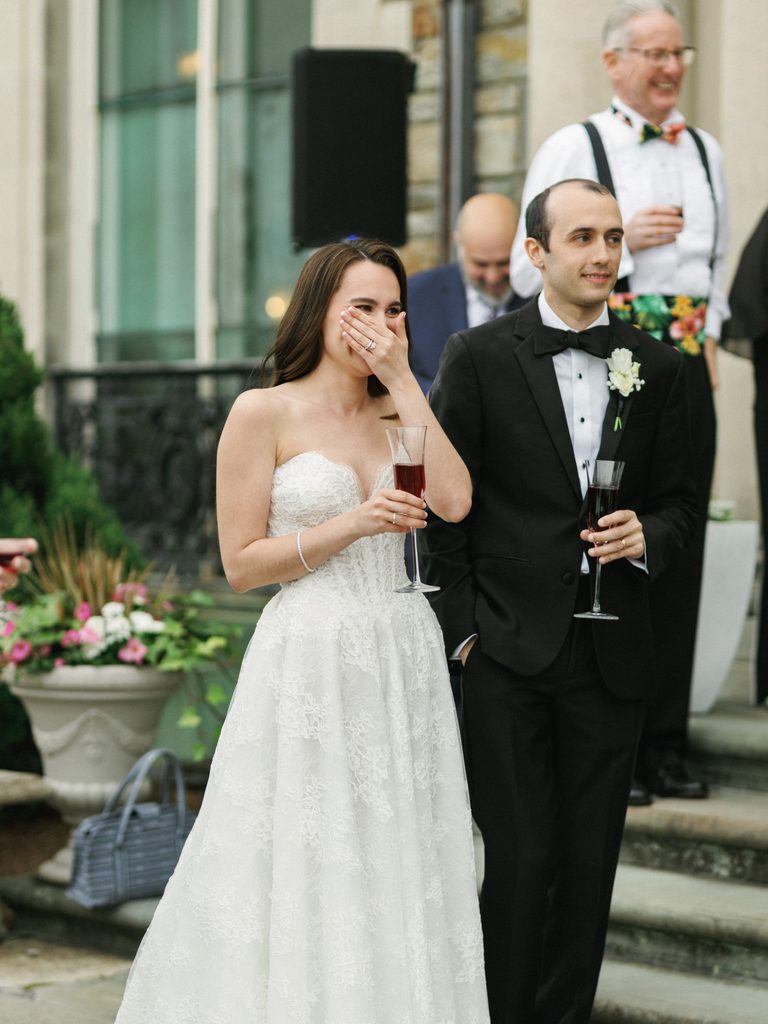
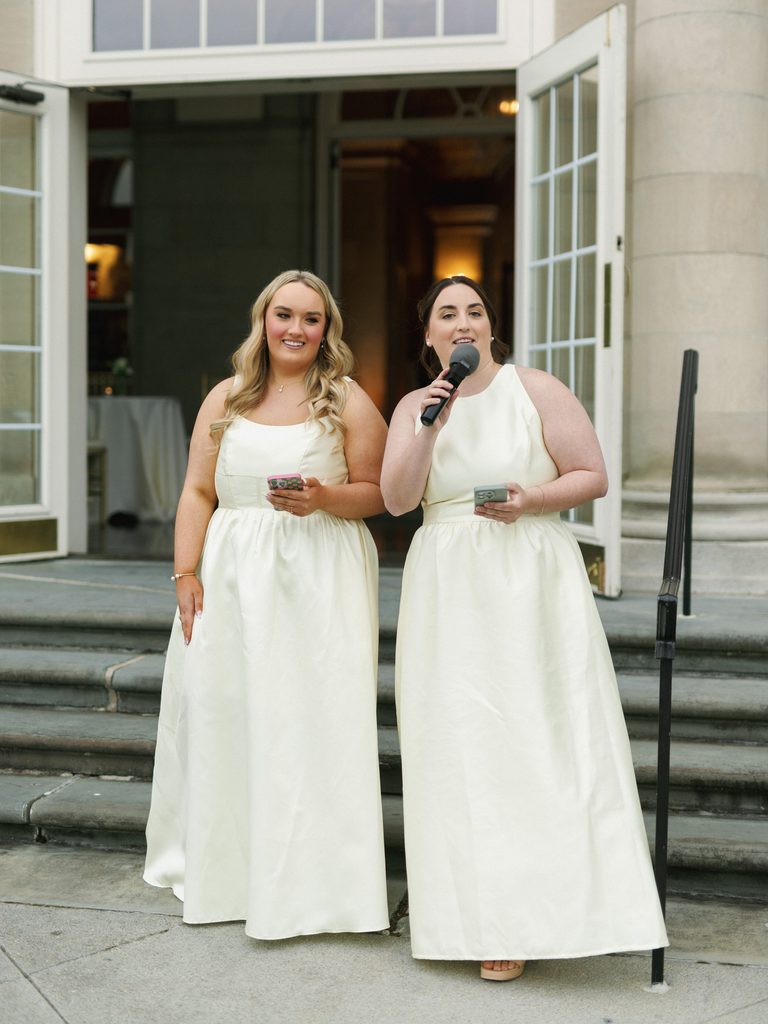
During speeches, the room can become darker while attention shifts toward the person speaking. The couple and immediate family should still remain visible enough for reactions to be photographed and filmed naturally.
A focused spotlight or pin light can work well when it is positioned carefully and balanced with some ambient light in the surrounding room. A speaker who is brightly lit against a completely dark reception can create a very different visual result from a room that retains a subtle level of illumination.


Very dark venues may also require supplemental lighting from the photo and film team. Some teams use discreet off-camera light for speeches and other reception moments, while others work entirely with the venue’s existing conditions. This can be discussed during planning so the couple knows how the team approaches a particularly dim space.
First Dance and Open Dancing
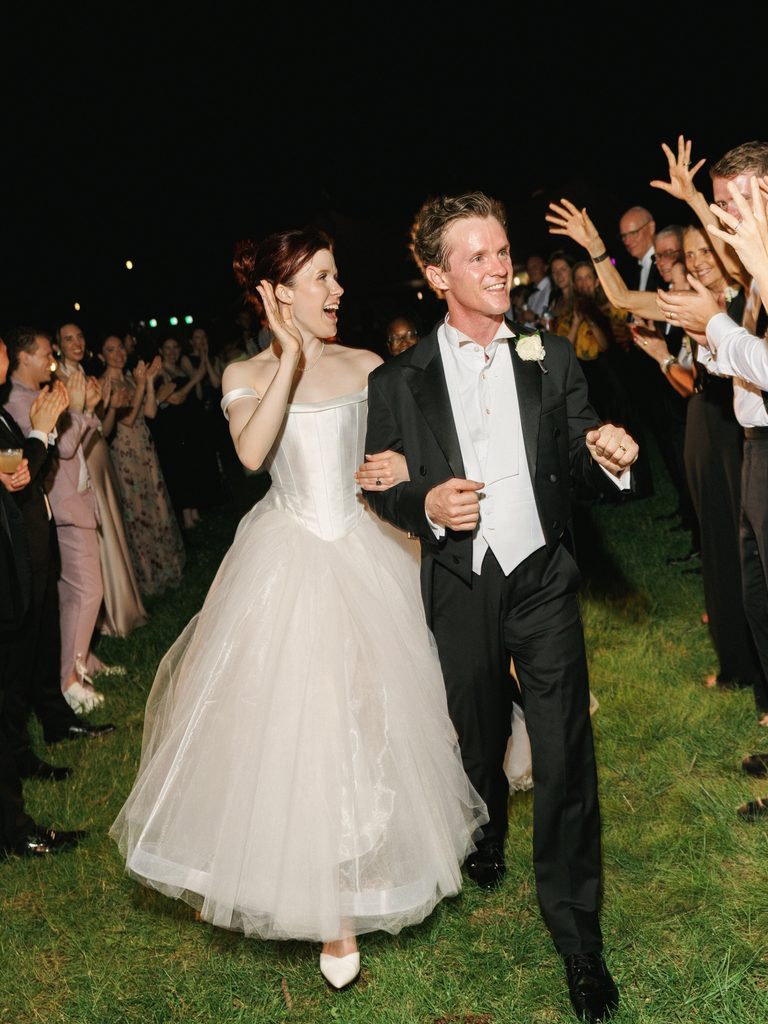
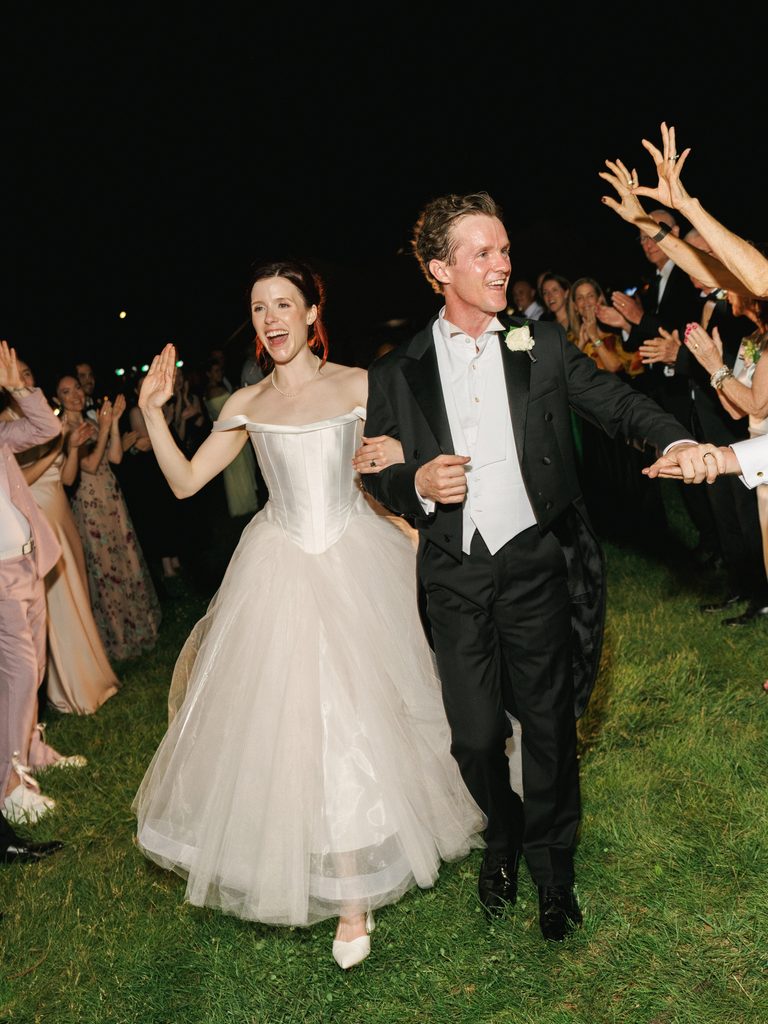
The first dance benefits from light that keeps the couple visible without flattening the atmosphere of the room. A focused spotlight or warm wash over the center of the dance floor can separate the couple from the surrounding space while preserving some of the reception’s ambient light.
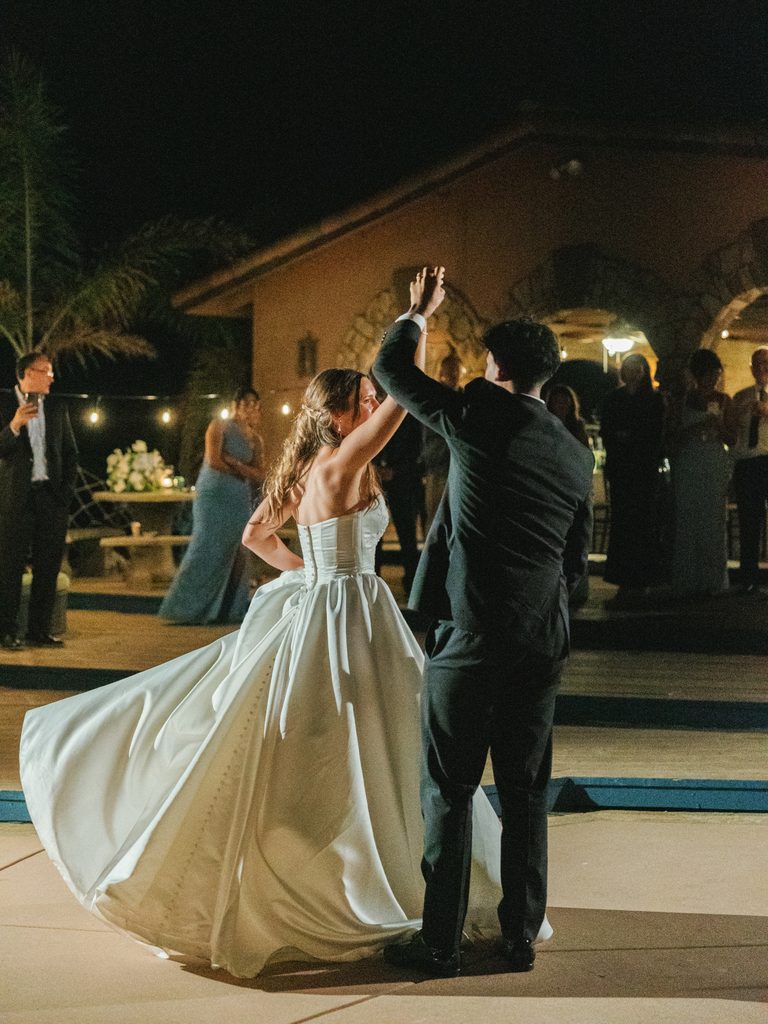
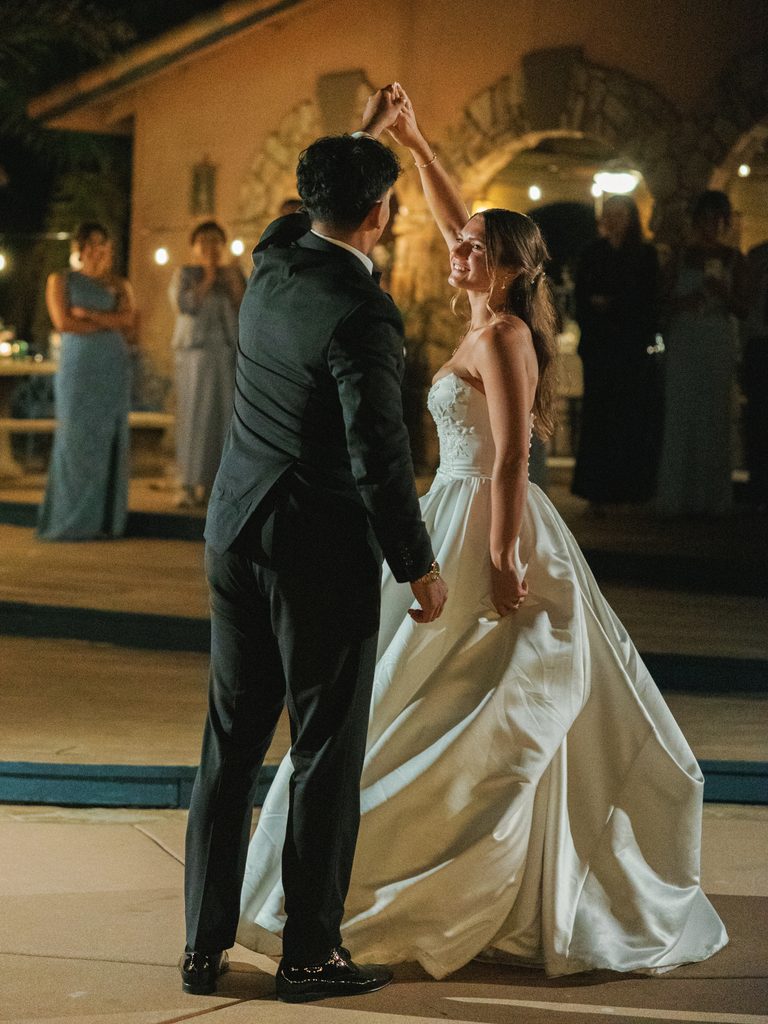
The timing of that cue matters. The DJ or band can coordinate the lighting change with the beginning of the song so the couple does not start the first dance in darkness while the intended lighting comes in several moments later.
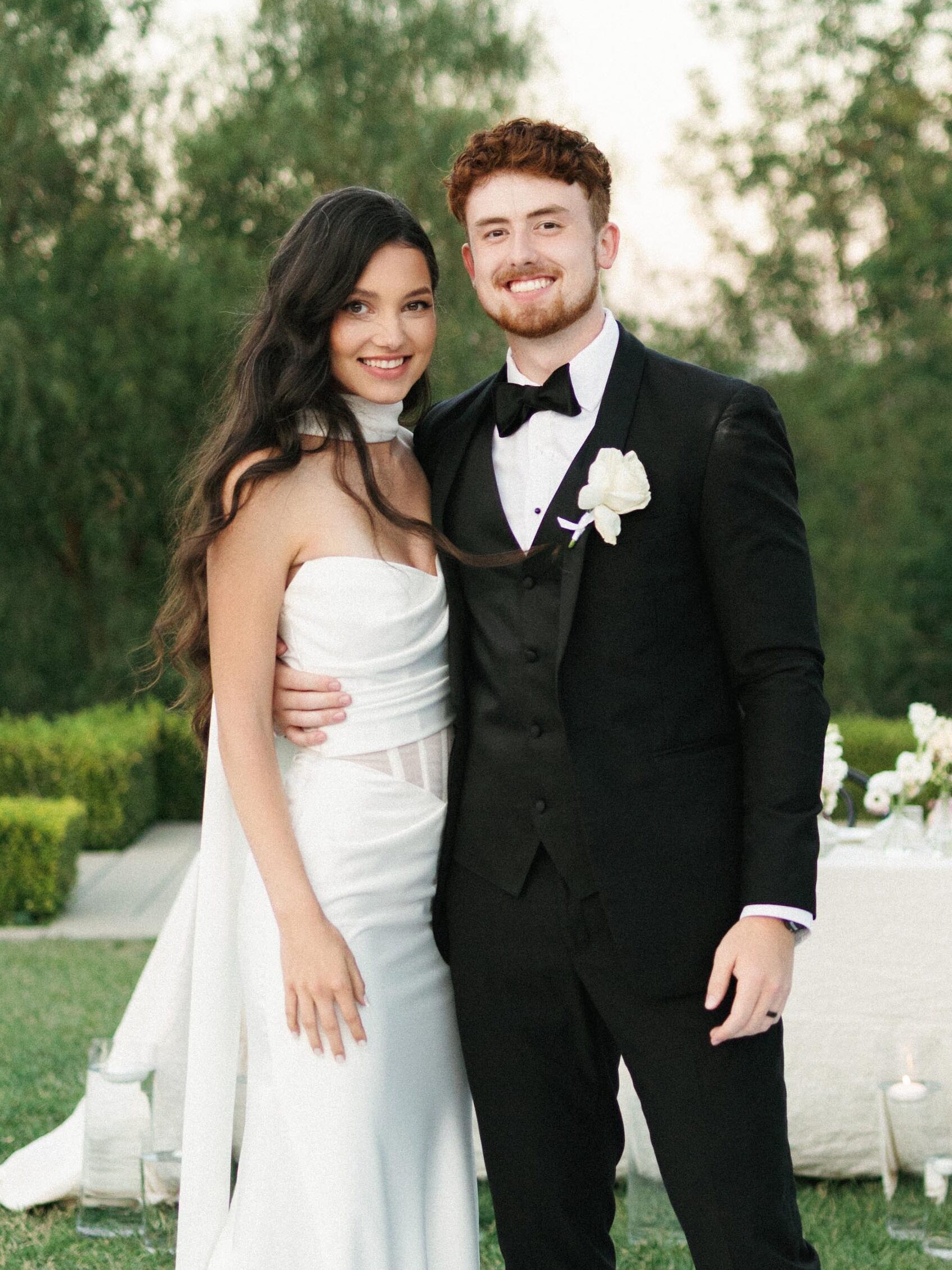
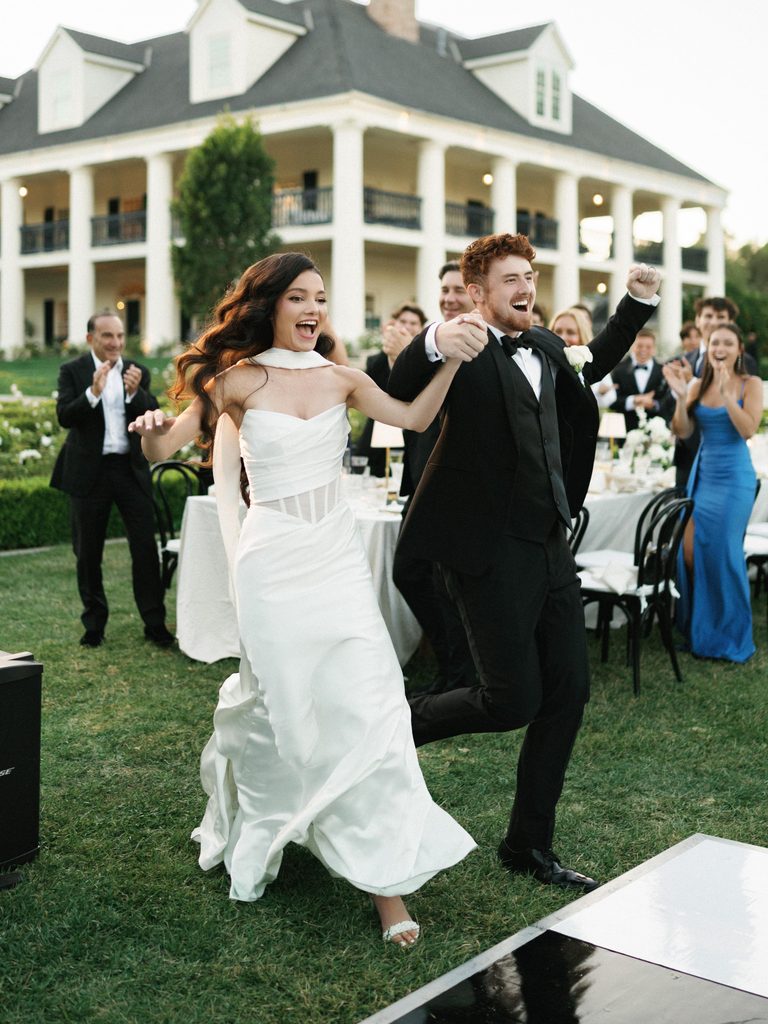
Open dancing allows for a different approach. Moving lights, changing colors, and stronger effects can become part of the visual character of the evening. The lighting does not need to remain as controlled as it was during dinner or the first dance. The photo and film team can work with a more dynamic environment as long as the changes are coordinated and the room does not become consistently too dark.
Coordinating With the Venue, Planner and DJ
The lighting plan becomes easier to manage once each element has a clear point of responsibility.
The venue may control house lighting, while the DJ or band handles uplighting, spotlights, or moving effects. A separate lighting or event production team may control additional fixtures. The planner can coordinate the timing of those changes within the reception schedule.
It can be useful to confirm:
1. Who controls the house lighting
2. Who controls uplighting and spotlights
3. Which lighting changes happen during speeches and the first dance
4. Whether the DJ or band has a lighting cue sheet
5. Whether the photo and film team has any specific concerns about the planned setup
6. What happens if a lighting element needs to be adjusted during the reception
The couple does not need to manage these changes during the wedding. Establishing responsibility beforehand allows the planner and vendors to handle them as part of the reception flow.
Soka University of America, CA.
Outdoor and Tented Receptions
Outdoor and tented receptions require particular attention once natural light disappears. A lighting plan that feels complete during daylight may leave the space unexpectedly dark later in the evening if the available fixtures do not provide enough illumination.
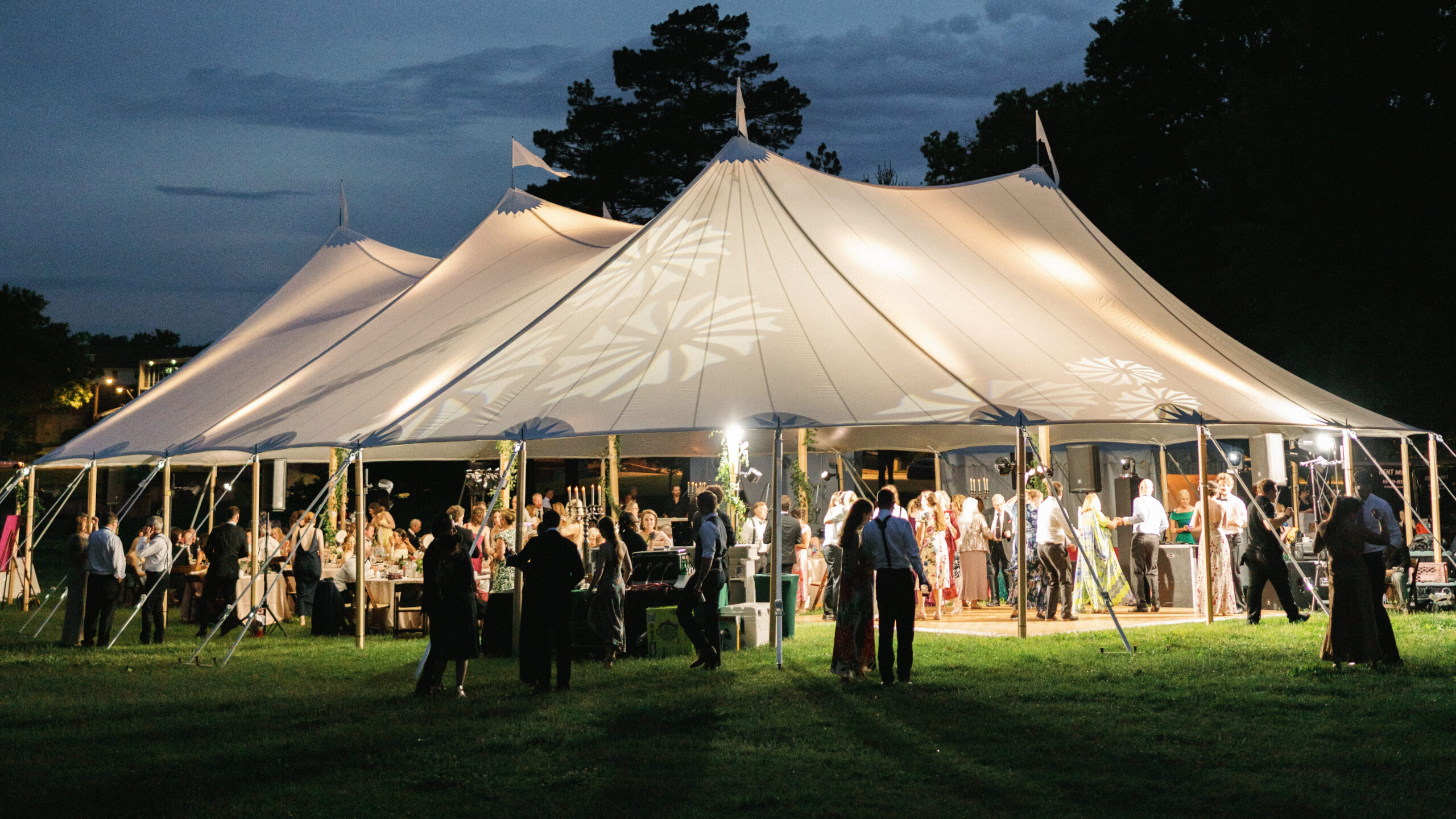
Power access is part of the planning as well. The venue can confirm where power is available, what the existing setup can support, and whether a generator is required for additional lighting.
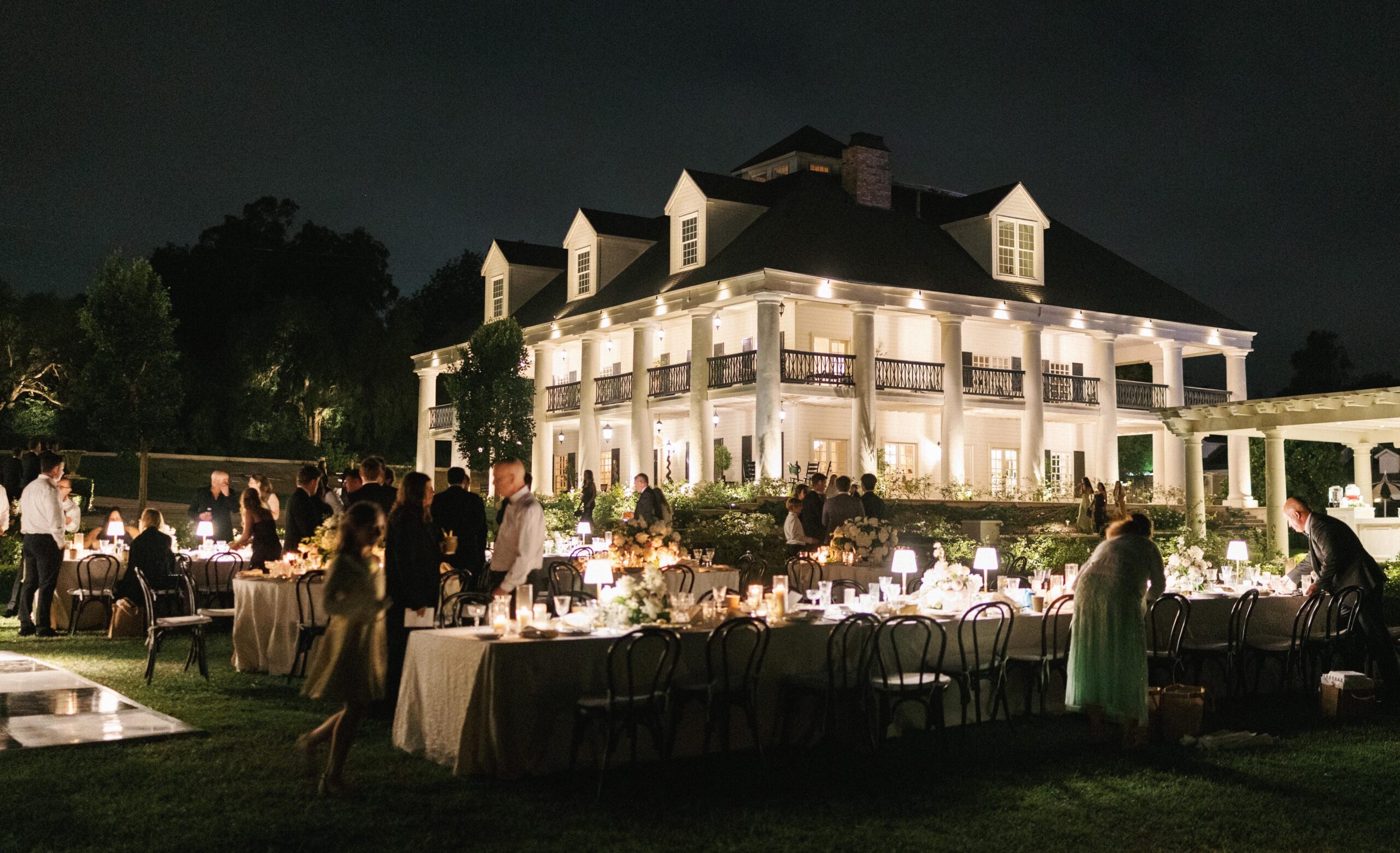
A contingency plan can cover a generator issue, a fixture failure, or a weather-related move indoors. Battery-powered fixtures or an alternative lighting arrangement may provide a useful backup, particularly for receptions in locations where replacing equipment at short notice would be difficult.
A Lighting Plan to Share With Your Vendors
Reception moment
Lighting consideration
Who to coordinate with
Cocktail hour and dinner
Comfortable, even ambient light across the room
Venue and planner
Candlelit tables
Warm ambient layer beneath candlelight
Venue and planner
Uplighting
Warm tones near faces; stronger colors kept toward walls or architectural details
DJ, band, or lighting team
Speeches
Focused light on the speaker with enough ambient light for reactions
DJ, planner, and photo and film team
First dance
Focused, flattering light on the couple
DJ or band and planner
Open dancing
Dynamic lighting that remains workable for photo and film
DJ or band and photo and film team
Outdoor or tented reception
Confirmed power source and contingency plan
Venue and lighting team
This does not need to become a technical production document. A short version can be attached to the reception timeline or shared during the final planning meeting.
Bringing Lighting Into the Wedding Timeline
Lighting changes are easiest to manage when they appear alongside the moments they support. The first dance, speeches, cake cutting, and open dancing can each have a corresponding lighting cue in the reception timeline.
The planner can then coordinate those changes with the DJ, band, venue, and photo and film team. If the schedule shifts during the evening, the lighting cues can move with it.
A brief walkthrough of the reception space before the wedding can also reveal practical issues that are difficult to identify from floor plans or design plans alone. The position of the couple, speaker, head table, dance floor, and lighting sources can all affect how the room appears on camera.
FAQ
Does a wedding reception need special lighting for photography?
Not necessarily. Existing venue lighting can work well when it provides consistent, usable illumination across the important areas of the room. The photo and film team can also work with lower light, provided faces and key parts of the reception remain visible.
Are candles enough to light a wedding reception?
Candles can create a beautiful atmosphere, but they may not provide enough consistent illumination across the entire room. If candlelight is central to the design, the venue and planner can discuss whether a subtle layer of ambient light is needed for dinner, speeches, and dancing.
Is colored uplighting bad for wedding photos?
Not inherently. The effect depends on the color, intensity, placement, and amount of neutral light in the room. Highly saturated colors can affect skin tones when they fall directly across faces, while warmer or more muted tones tend to photograph more naturally.
Should the DJ know about the photography lighting plan?
It can be helpful, particularly when the DJ or lighting operator controls uplighting, spotlights, or changes during formal moments. Coordinating these cues with the planner and photo and film team allows everyone to anticipate changes in lighting throughout the reception.
How should speeches be lit?
The speaker should remain clearly visible while the couple and guest reactions retain enough ambient light for photo and film coverage. A focused light on the speaker can work well when the surrounding area is not left completely dark.
What lighting works well for a first dance?
The dance floor should have enough consistent light to keep the couple visible as they move. Focused or warm lighting can create an intimate atmosphere, while very narrow or rapidly changing effects can make parts of the dance floor difficult to capture.
Does the photo and film team bring additional lighting?
Some teams bring discreet supplemental lighting for particularly dark reception spaces, while others work primarily with the venue’s existing conditions. The approach varies, so a dim venue can be discussed with the photo and film team during planning.
Does outdoor reception lighting need a backup plan?
It is worth having one. Once natural light disappears, an outdoor reception depends on the planned lighting and available power. The venue and planner can identify backup lighting and power arrangements in advance in case of a generator issue, equipment failure, or weather-related change.