The Real Decision Behind Wedding Photo Poses
Wedding photo poses can involve precise positioning, simple prompts, or a combination of both. The amount of direction often depends on how comfortable the couple feels in front of a camera and how they want their portraits to look.
Some couples prefer clear guidance through each stage of a portrait session. Others feel more at ease when the photographer establishes the position and then gives them room to interact. A mix of both approaches can work well, with more precise direction for formal portraits and lighter prompts during couple photographs.
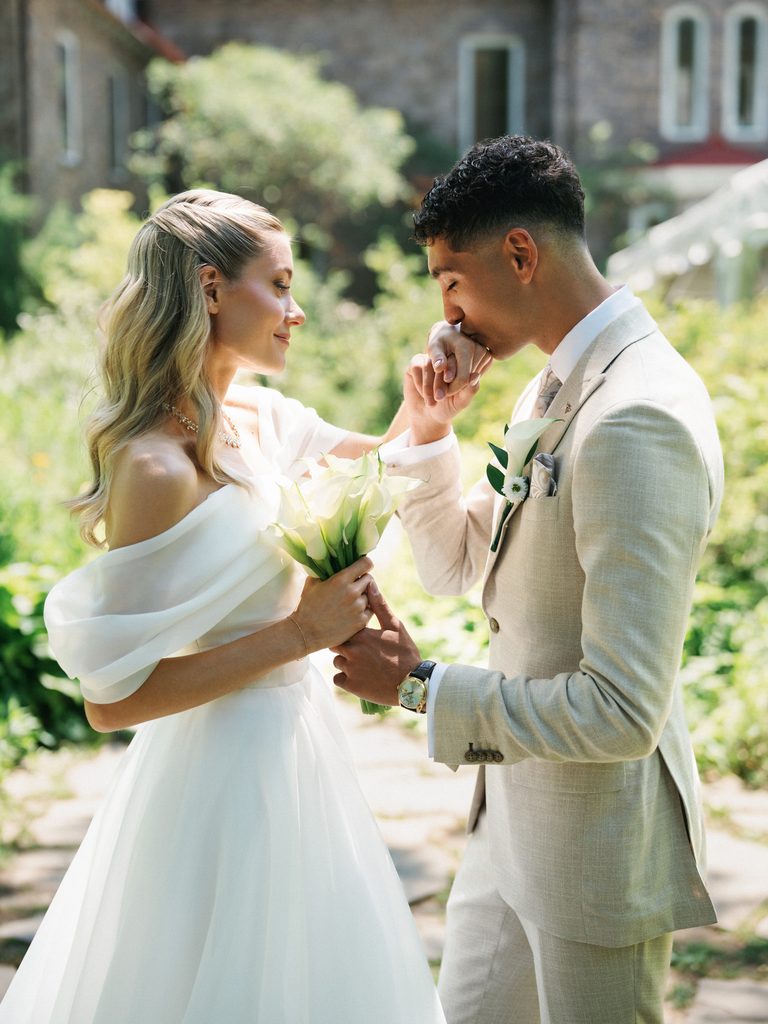
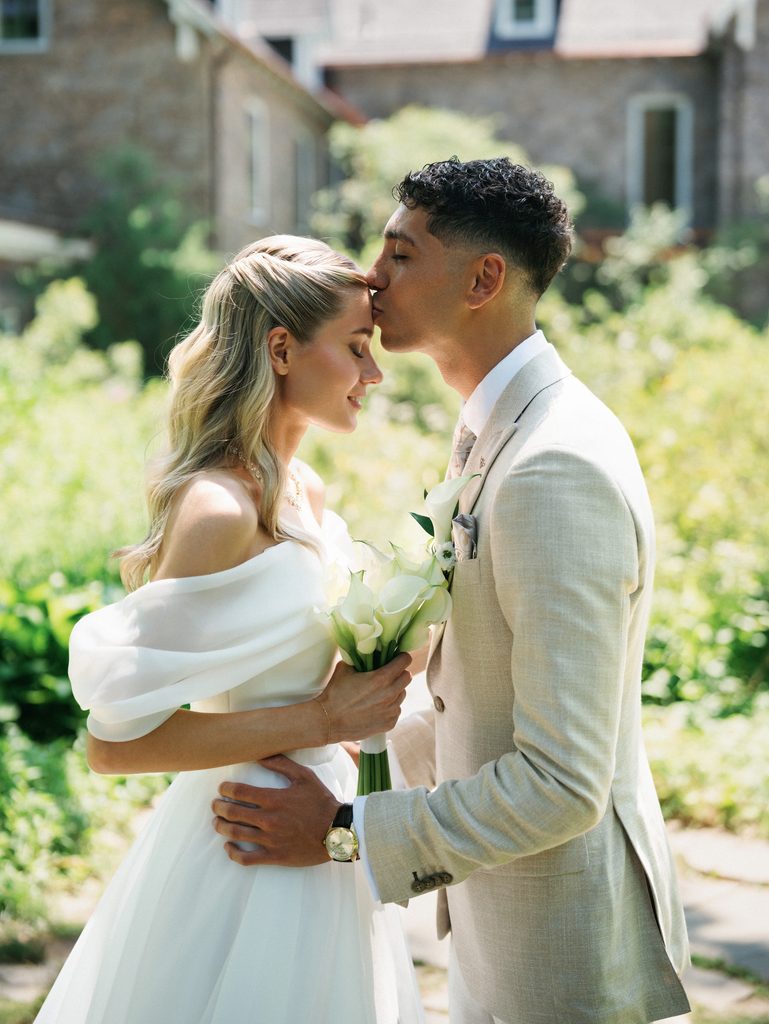
The photographer’s approach is worth discussing during the consultation. The couple can ask how much direction they usually provide, how they work with movement, and what happens when a particular position does not feel comfortable.
A complete wedding gallery can provide further context. Portraits from an entire wedding show how the photographer works with different people, locations, clothing, and levels of direction across the day.
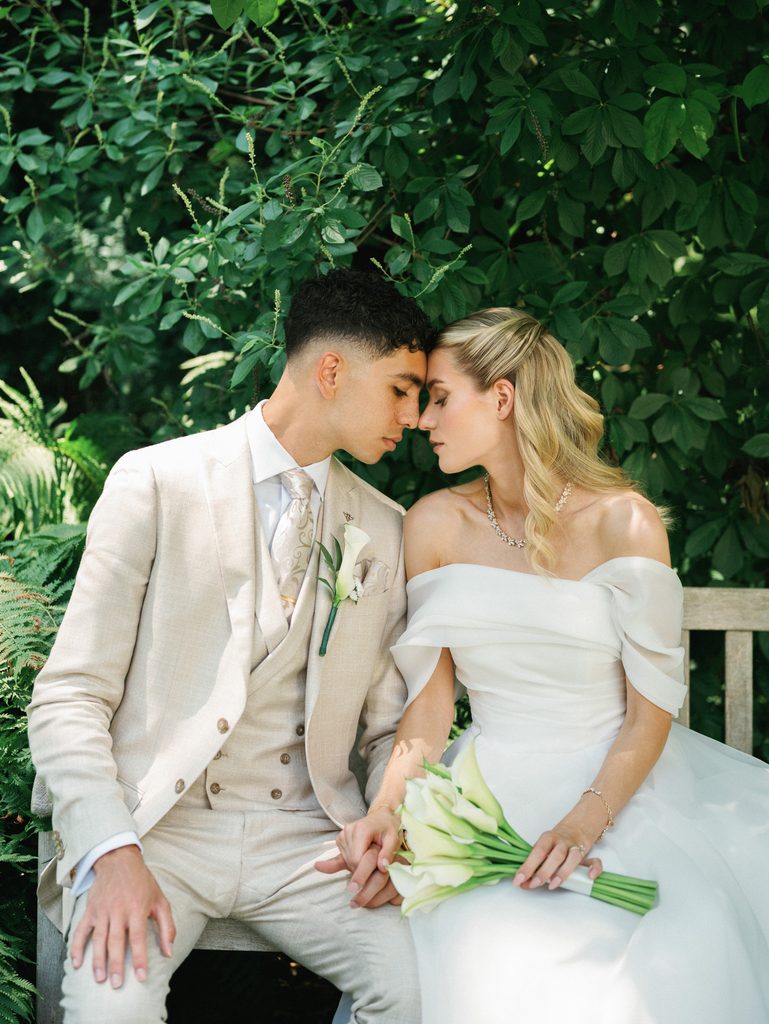
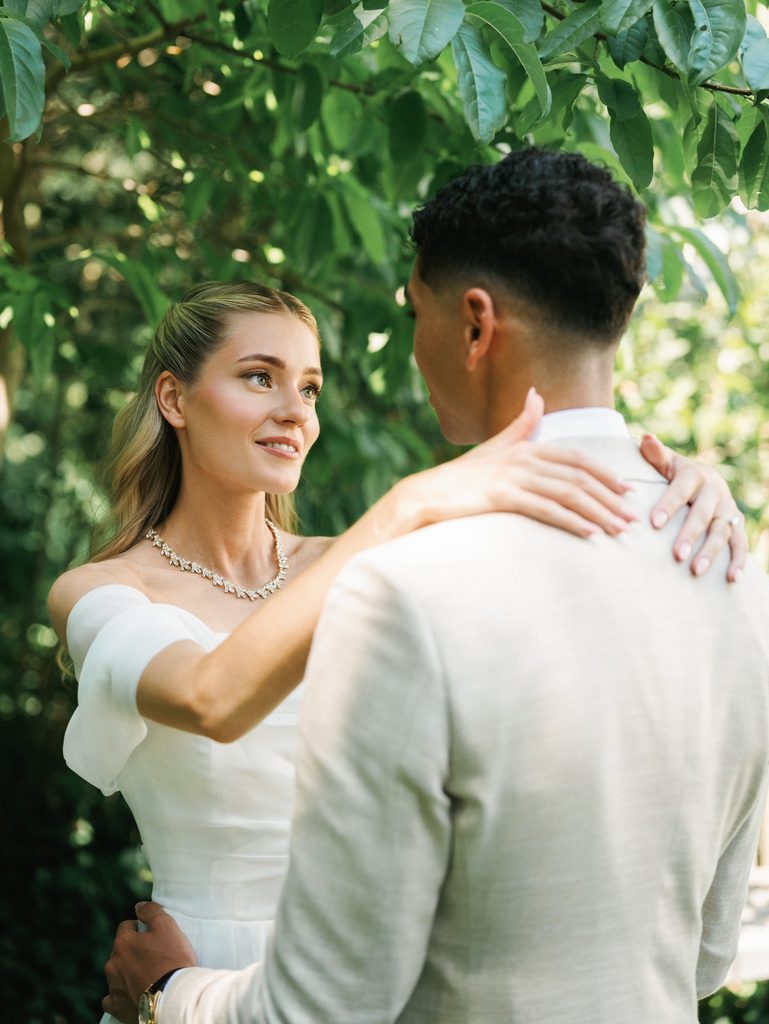
Natural Prompts and Fixed Poses
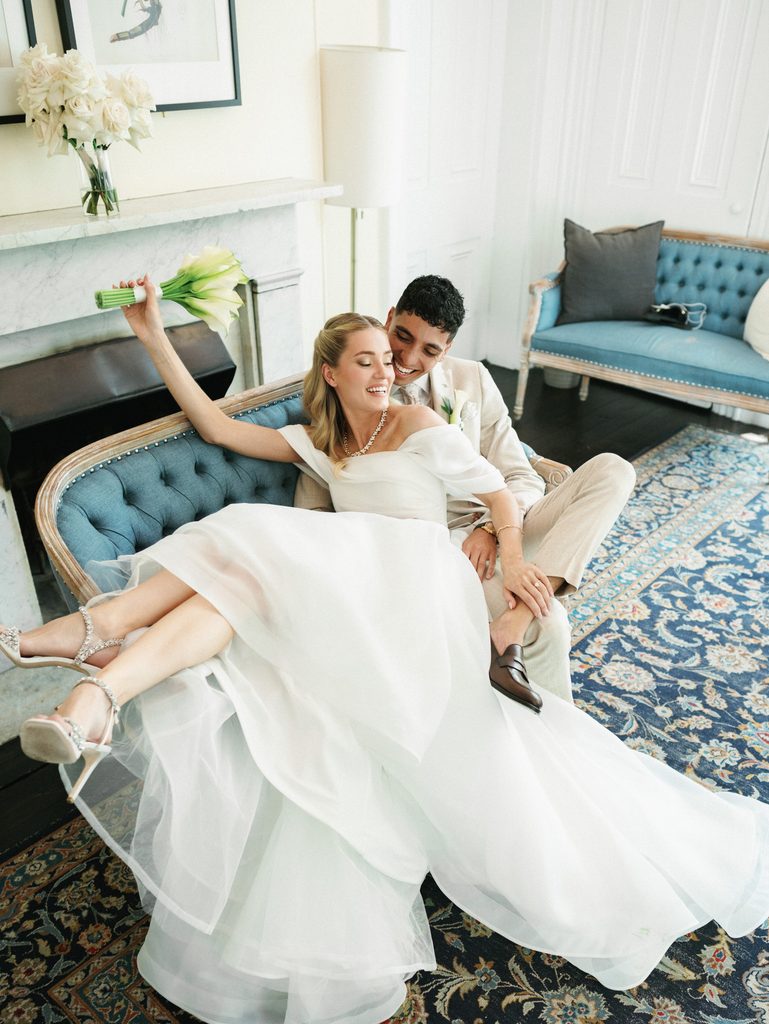
Traditional portrait direction can involve specific adjustments to the body. The photographer may position the shoulders toward the light, shift the couple’s weight, bring them closer together, or adjust the placement of a hand.
These corrections can be useful when the portrait calls for a precise composition.
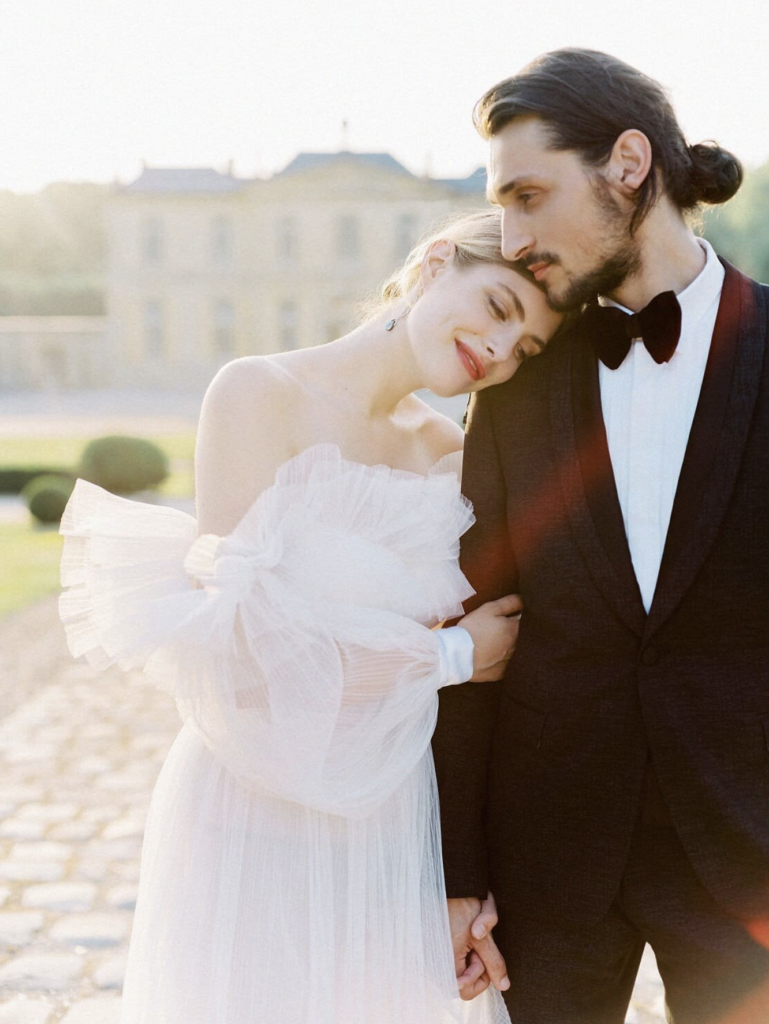
Other photographs can develop from a simple action. Walking together, turning toward each other, talking quietly, or pausing during a movement gives the couple something to do while the photographer works around the interaction.
Both approaches can appear within the same portrait session. A formal portrait may call for more precise positioning, followed by a series of photographs built around movement or conversation. The amount of direction can change from one part of the session to another.
Expert Note
If being photographed feels unfamiliar, concrete prompts are usually easier to follow than instructions such as “relax” or “act natural.” A photographer can suggest a small action while the couple stays focused on each other.
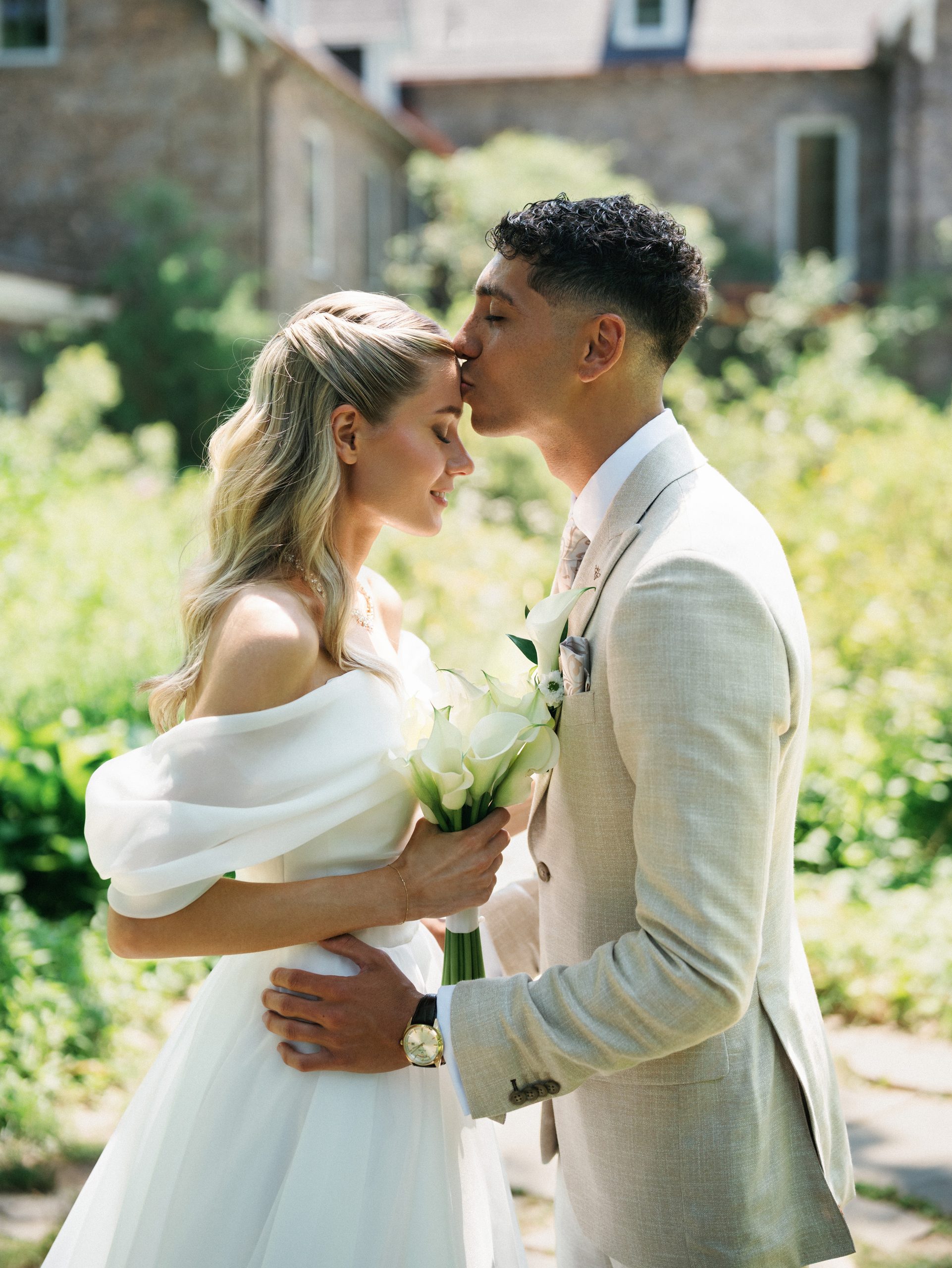
Portico Awbury Arboretum, Philadelphia, PA.
Hands, Posture and Movement
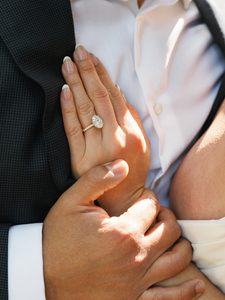
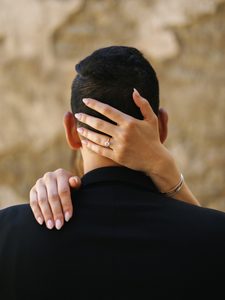
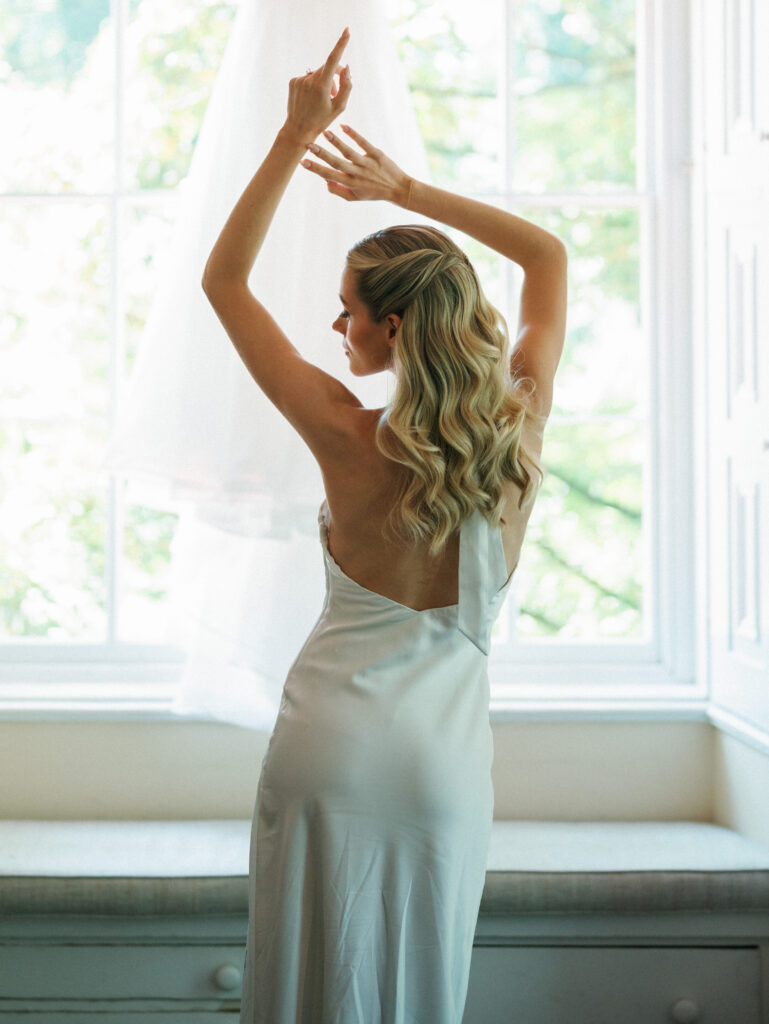
Hands can become a source of uncertainty once the couple starts thinking about the camera. A photographer may suggest resting one hand lightly on a partner, holding the bouquet lower, placing a hand in a pocket, or letting an arm rest around the waist. These adjustments are usually small and easy to incorporate into the pose.
Posture may need only a few changes during a portrait session. The photographer can shift the weight onto one leg, adjust the shoulders, change the angle of the chin, or bring two people slightly closer together. The couple does not need to monitor each adjustment themselves.
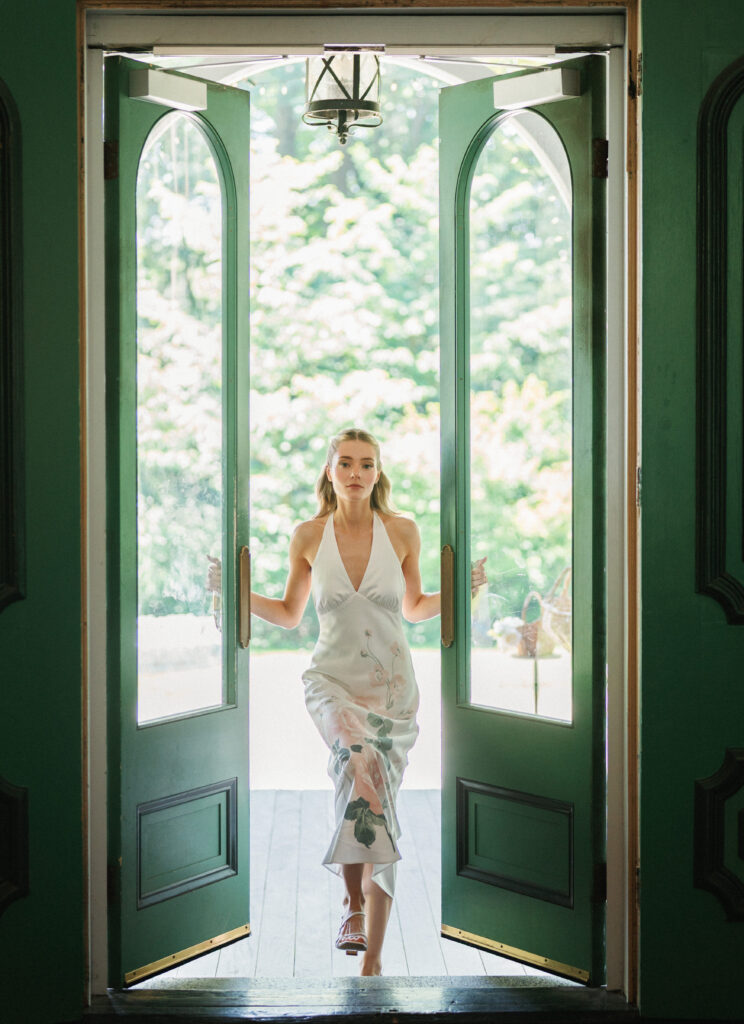
Movement can follow a composed portrait with a walk, a turn, a slow sway, or a change in position. The couple has something concrete to do, while the photographer continues working through the movement and the expressions that come with it.
Expert Note
If the couple already knows that certain poses feel uncomfortable, that preference can be discussed during the consultation. A dislike of standing in a particular position, holding the arms a certain way, or facing the camera from one side is useful information before the portrait session begins.
Family and Wedding-Party Direction
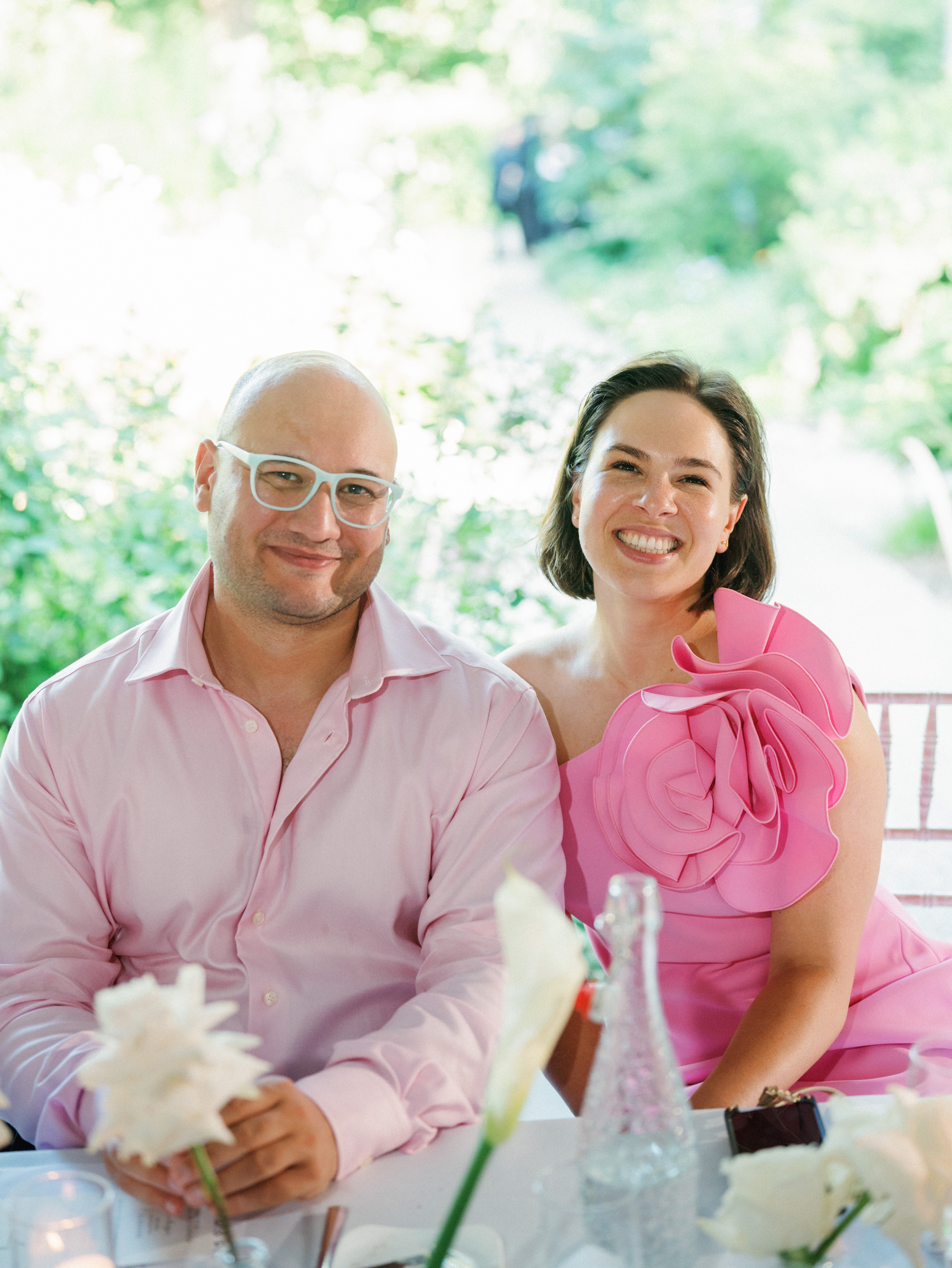
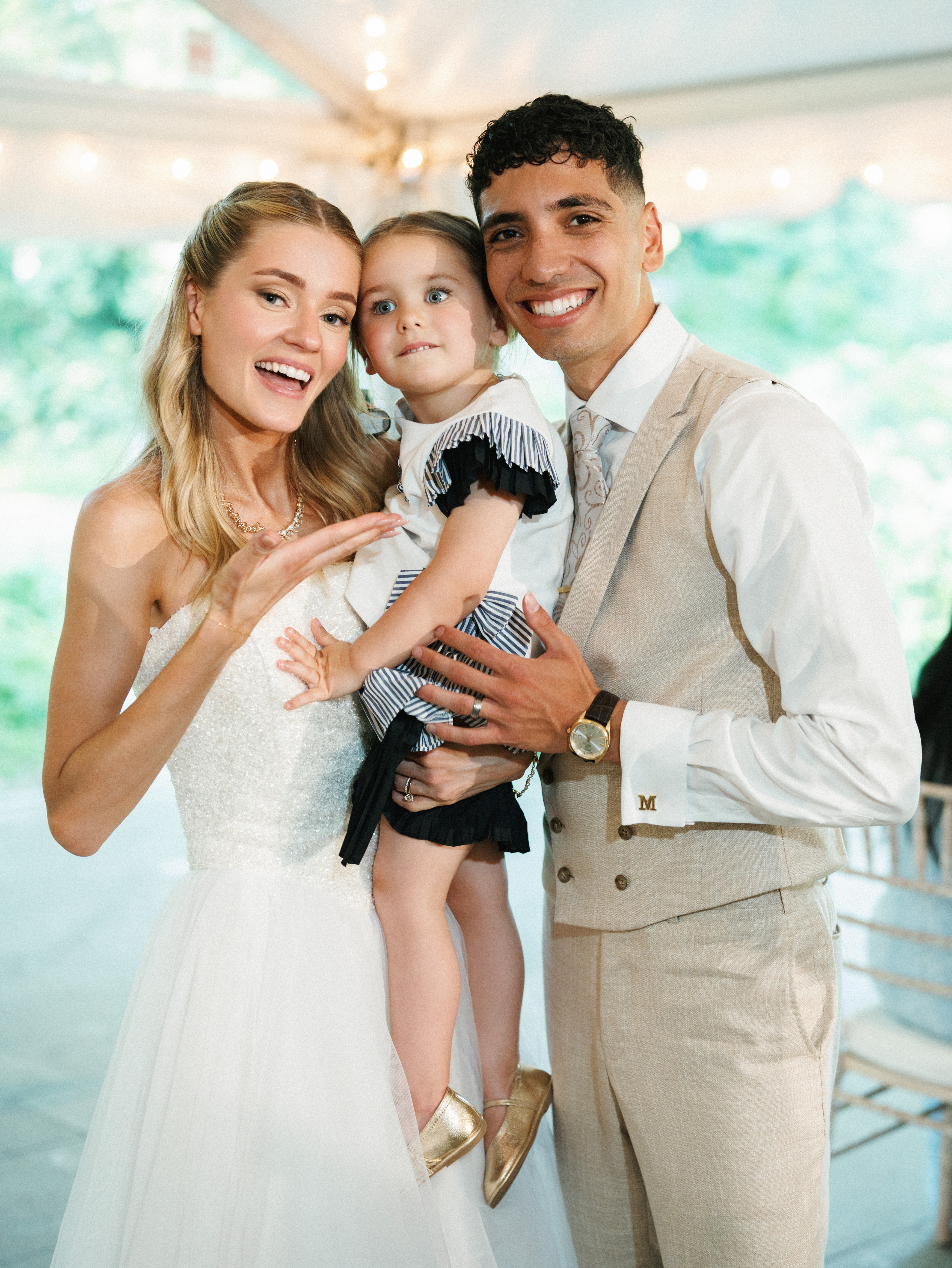
Family and wedding-party photographs require clear direction because several people need to arrive in the right position at the same time. The photographer may organize the group by height, adjust spacing, position relatives around the couple, and make small corrections before taking the photograph.
A family photo list can establish each grouping in advance, with names and relationships included so the planner or a designated family member can help gather the right people. This becomes particularly useful when several generations or extended family members are involved.
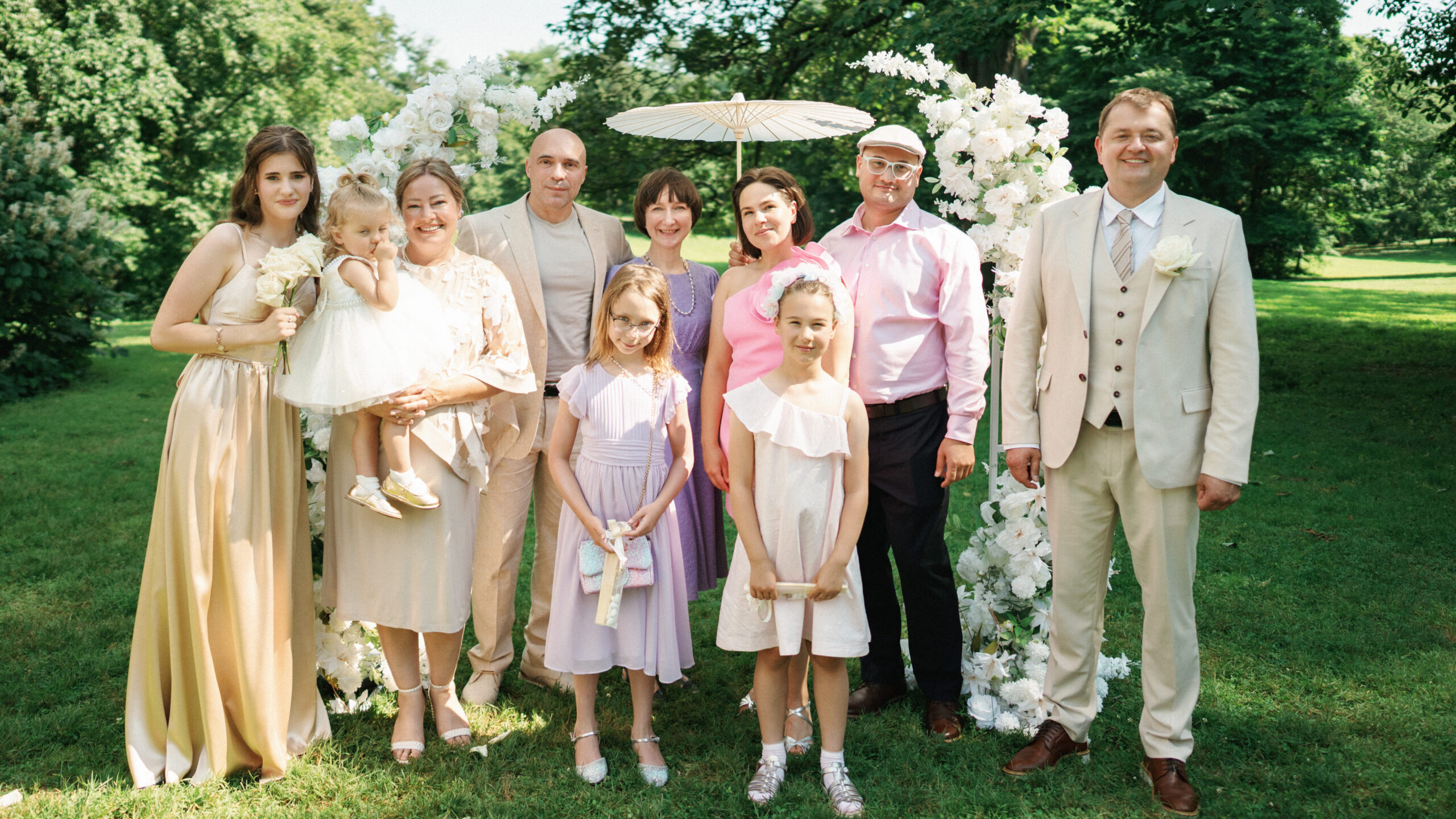
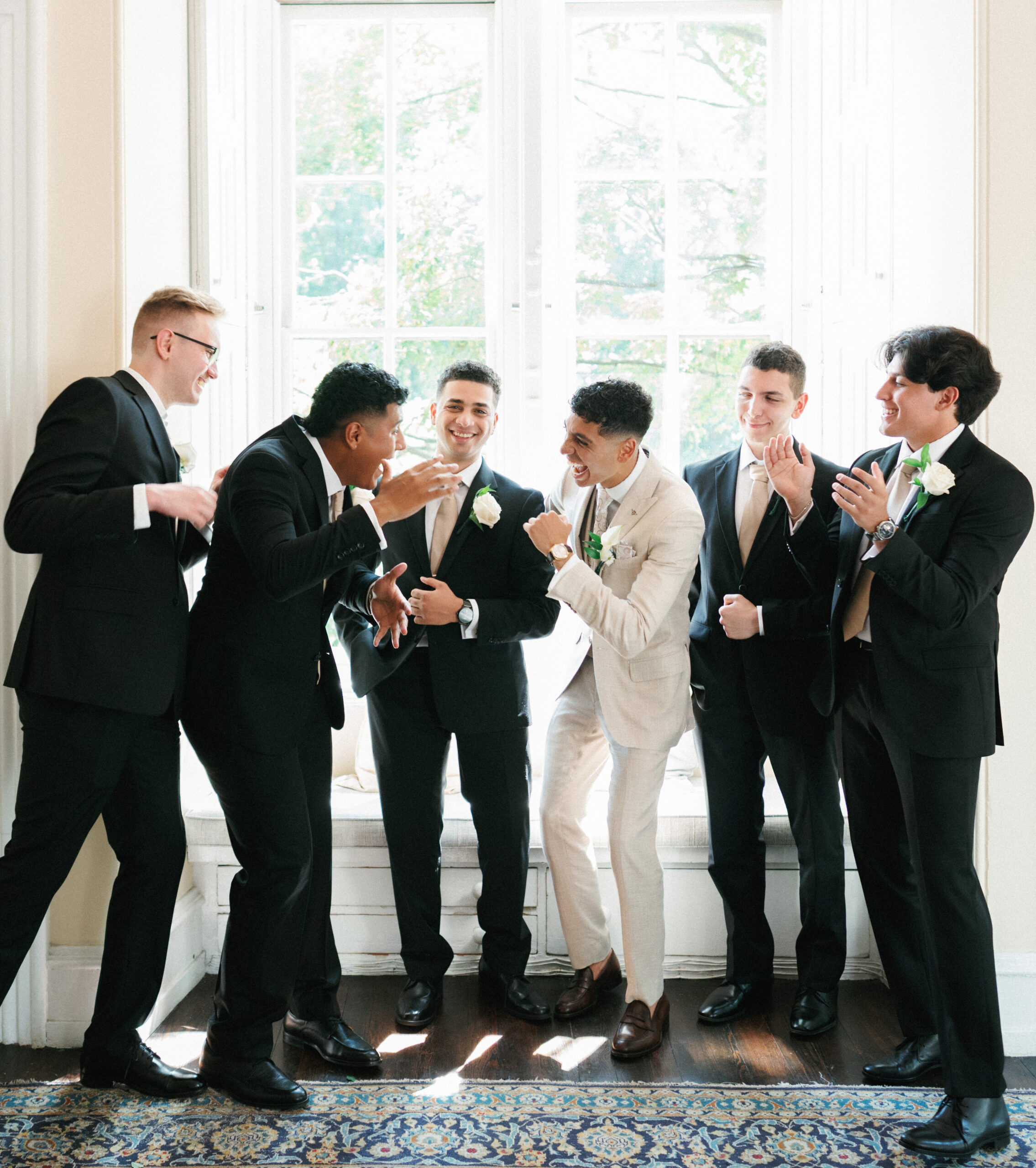
Once the formal groupings are complete, wedding-party portraits can include smaller changes in position and interaction. The photographer may introduce a simple movement, adjust the arrangement, or divide the group into smaller combinations depending on the photographs planned.
The timeline should reflect the number and complexity of the groupings. A few immediate family combinations require less time than a larger list involving multiple households, extended relatives, or a location that makes gathering people less straightforward
Expert Note
A family member who knows the relatives well can help identify and gather the next group during formal photographs. Including that person in the planning conversation can make the process easier on the wedding day.
Posing by Body Comfort and Mobility
Portrait direction should account for the person being photographed, particularly when height, mobility, stamina, clothing, or footwear affect which positions feel comfortable. These considerations are worth discussing with the photographer before the wedding, so they can be reflected in the choice of locations, the length of portrait sessions, and the types of movement used during them.
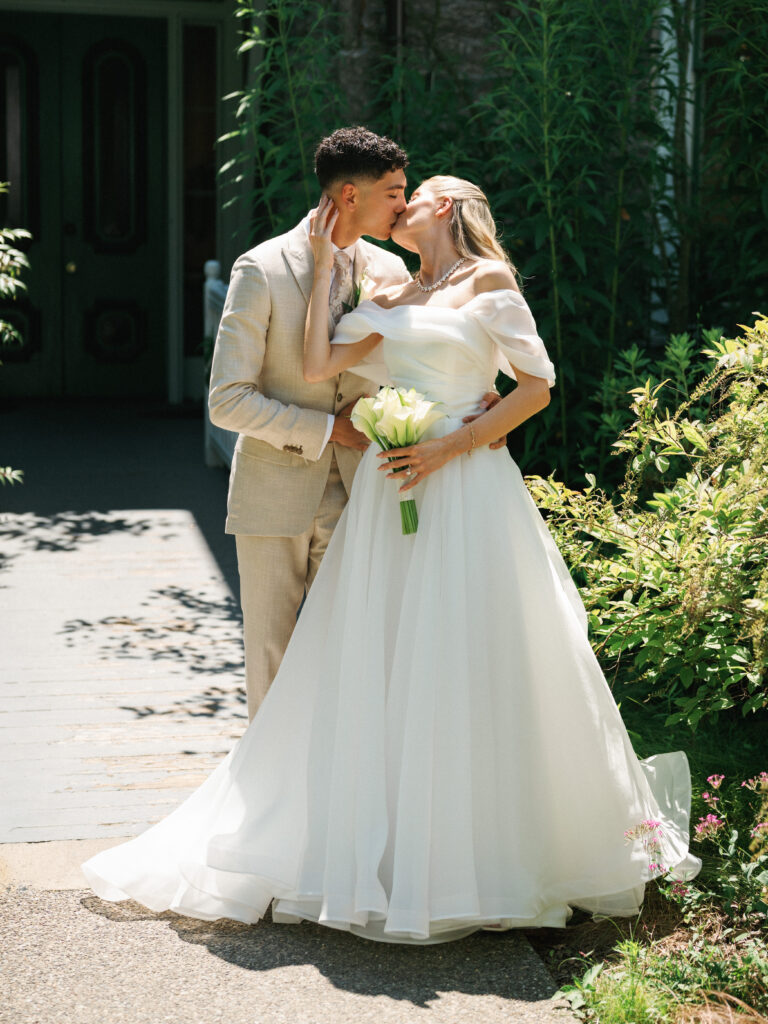
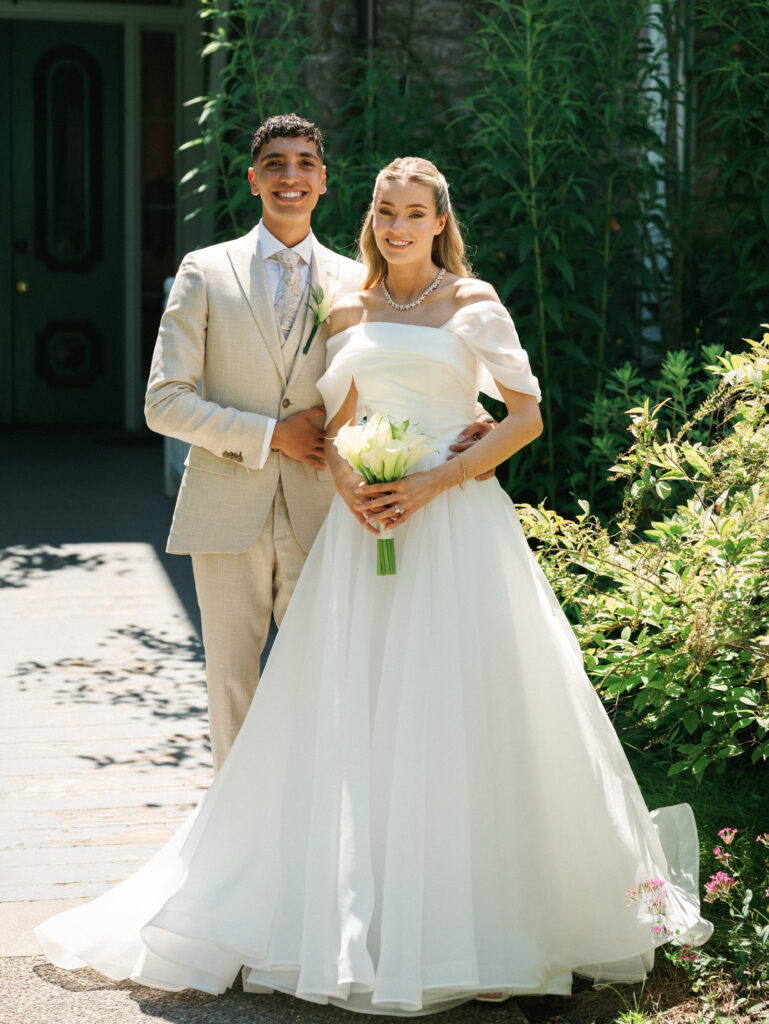
Some considerations are specific to the wedding attire or setting. A fitted dress, heavy train, high heels, or restrictive jacket may make certain positions impractical, while limited mobility or a need for regular sitting may influence how a portrait session is structured. The photographer can work around these details through seated portraits, supported positions, shorter sequences, or locations with convenient places to rest.
The couple does not need to monitor or explain every change during the wedding. The useful information is anything known in advance that could affect how a person moves or how long they can comfortably remain in one position. During the session, ordinary adjustments can then be made as needed.
Timeline Allowances for Portraits
Portrait time depends on the number of photographs, groupings, locations, and the amount of direction involved. A focused couple portrait session can take around twenty to thirty minutes, with additional time when the couple needs to move between locations or work around a dress, veil, or other elements of the attire.
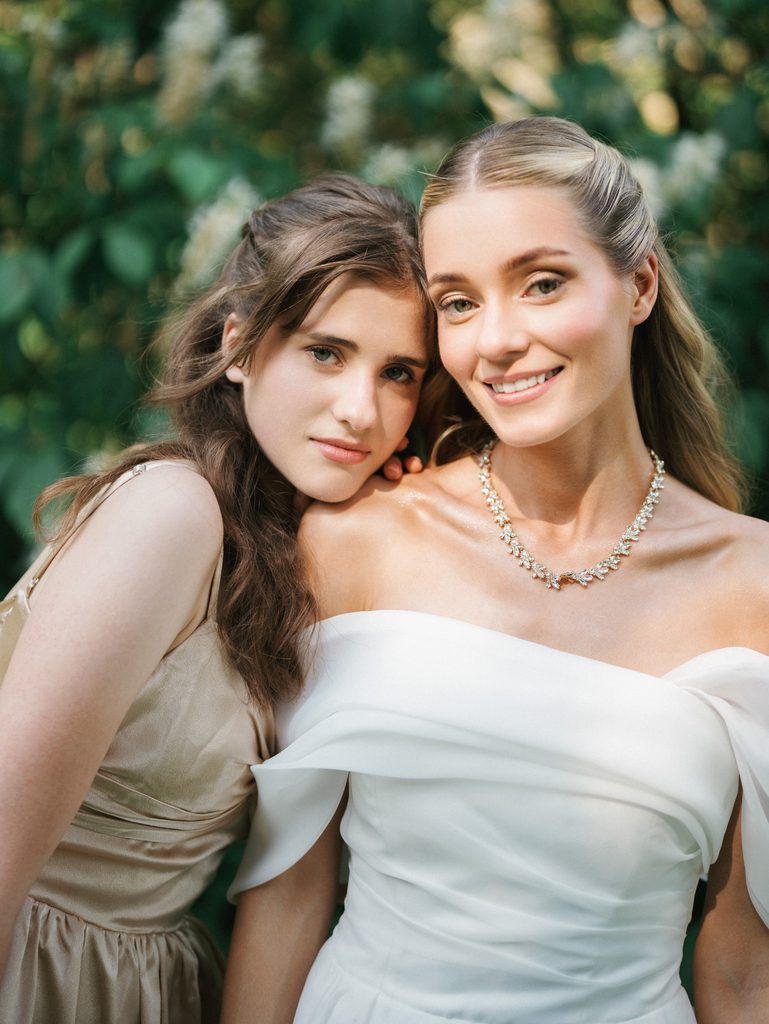
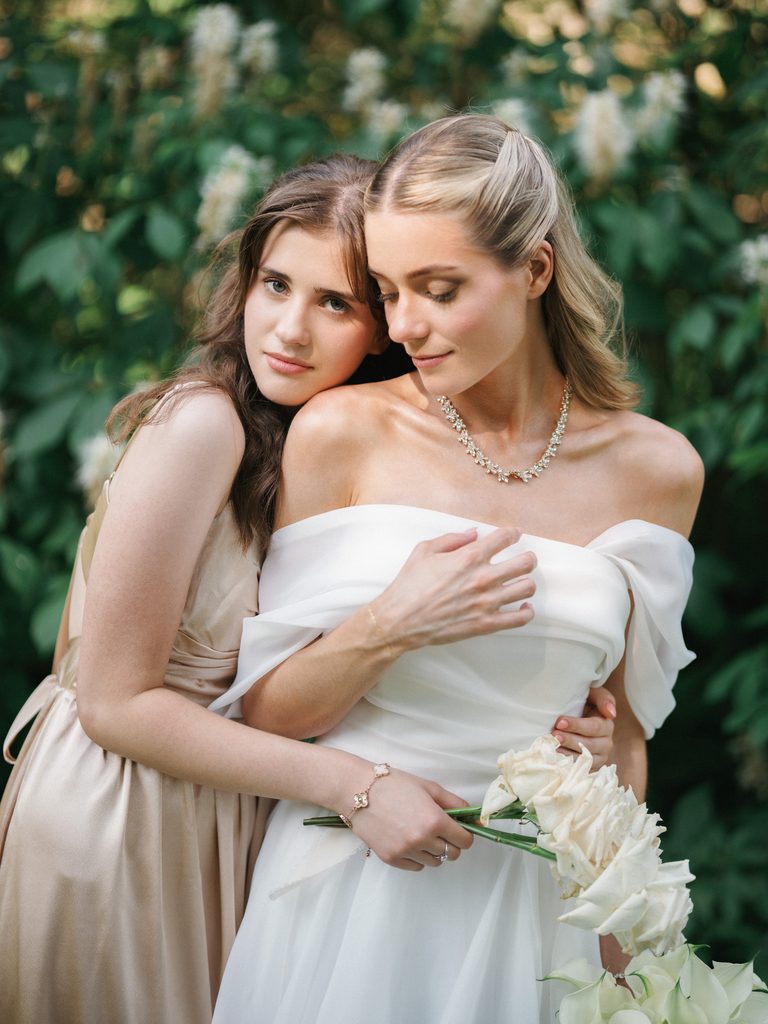
Family and wedding-party photographs depend on the number of combinations. A prepared sequence can move quickly when everyone is ready, while a larger group or several family variations require more time for gathering and positioning.
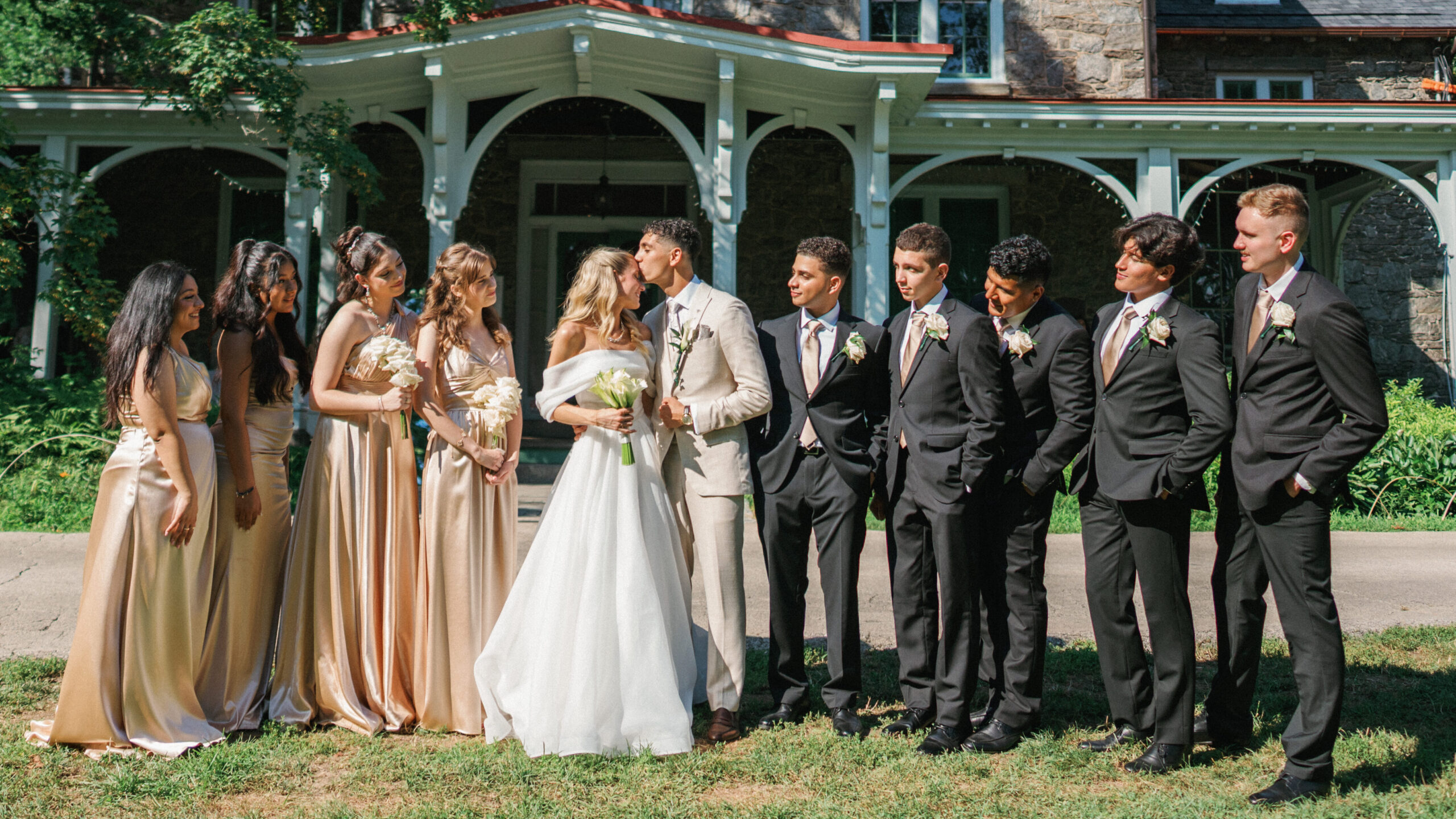
The timeline should leave some flexibility around portraits. A ceremony may run over, a family member may arrive late, or the couple may need a few minutes before continuing with photographs. Building in a small amount of room around the planned portrait time keeps these changes from affecting the rest of the schedule.
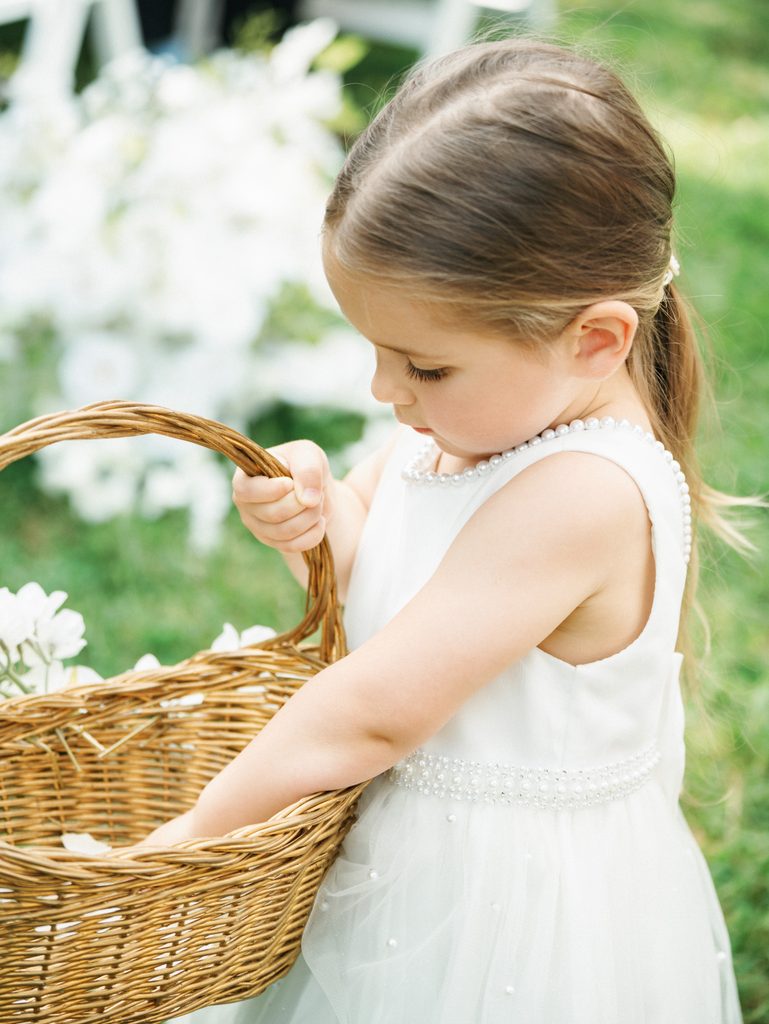
The photographer can discuss the approximate portrait time during planning, while the planner places those sessions within the wider wedding schedule alongside transportation, cocktail hour, reception entrances, and other fixed events.
Communicating Dislikes Clearly
A preference for one side of the face, discomfort with a certain position, or an angle that has looked unflattering in previous photographs is useful information to share during the consultation. The photographer can take these preferences into account when considering positioning, lighting, lens choice, and the order of the portraits.
Physical comfort can be discussed in the same conversation. If a particular movement, seated position, or posture feels uncomfortable, mentioning it before the portrait session gives the photographer time to account for it when planning the direction.
Reference photographs can help when a couple has a clear visual preference, particularly when it is difficult to describe in words. The useful part of the reference is the quality the couple responds to, such as the composition, distance, or type of interaction, rather than an exact pose to reproduce.
A few specific preferences are usually enough. The photographer does not need a complete list of poses to avoid, only a clear understanding of what the couple feels comfortable with and how they prefer to appear in photographs.
A Simple Portrait Planning Guide
Portrait type
Direction and setup
Approximate time
Couple portraits
Gentle prompts with selected posed frames
20–30 minutes
Family formals
Prepared group list and direct positioning
2–3 minutes per group
Wedding party
Formal groupings with lighter movement between frames
15–20 minutes
Individual portraits
Light positioning with brief movement between frames
5–10 minutes per person
Actual timing depends on the number of people, locations, clothing changes, and travel between portrait areas.
FAQ
What if we feel awkward being posed in front of a camera?
Tell the photographer during the consultation. Some couples feel more comfortable with movement, conversation, and short prompts than with holding a fixed position for several frames.
Should we practice poses before the wedding day?
An engagement session can be useful for becoming familiar with the photographer’s directing style and understanding how comfortable the couple feels in front of the camera. Formal practice is not necessary.
How do we ask for fewer traditional poses?
The preference can be mentioned directly during the consultation. A couple can explain that they prefer movement, conversation, or lightly directed portraits and ask how the photographer usually works with that approach.
What if a family member does not want to be posed for a group photo?
The photographer can adjust the group and continue with the planned photographs. If the preference is known in advance, it can be considered when the family photo list is prepared.
Can posing preferences change during the wedding day?
Yes. If the couple wants more or less direction at a particular point in the portrait session, they can tell the photographer. The approach can be adjusted during the session.
How much time should be planned for couple portraits?
A focused couple portrait session can take around twenty to thirty minutes. Additional time may be needed for multiple locations, transportation, outfit changes, or a larger set of planned photographs.
How much direction is needed for family photographs?
Family photographs usually require clear positioning because several people need to be arranged within the same frame. A prepared group list gives the photographer and family members a clear sequence to follow.
Should we tell the photographer about physical limitations?
Yes. Mobility, stamina, injuries, or other physical considerations can affect which positions and locations are comfortable. Sharing this information during planning gives the photographer an opportunity to account for it when preparing the portrait session.
What should we tell our photographer if we dislike a particular angle?
A specific preference is useful. The couple can mention a preferred side, an angle they dislike, or a feature they would prefer not to emphasize during the consultation.