The Decision Behind Reviewing a Full Wedding Gallery
A full wedding gallery brings the entire day into view: getting ready, family photographs, the ceremony, portraits, reception coverage, and the later hours of the celebration. The conditions change throughout the day, as do the people, pace, light, and amount of control a photographer has over each frame.
A portfolio usually puts the strongest photographs forward. A complete gallery contains the less polished parts of the day as well, including large family groups, indoor ceremony photographs, difficult reception light, and the moments connecting one part of the celebration to another.
Taken together, these photographs reveal the photographer’s visual approach across a much wider range of circumstances. Color, composition, focus, exposure, and the treatment of people remain part of the same body of work even as the setting changes.
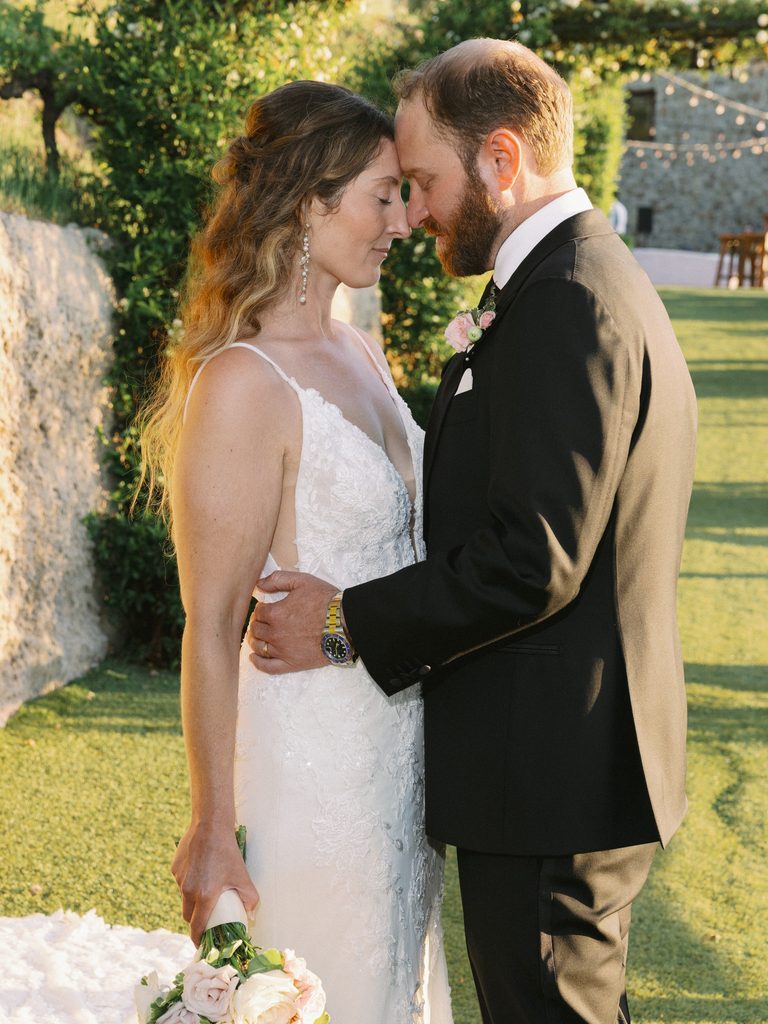
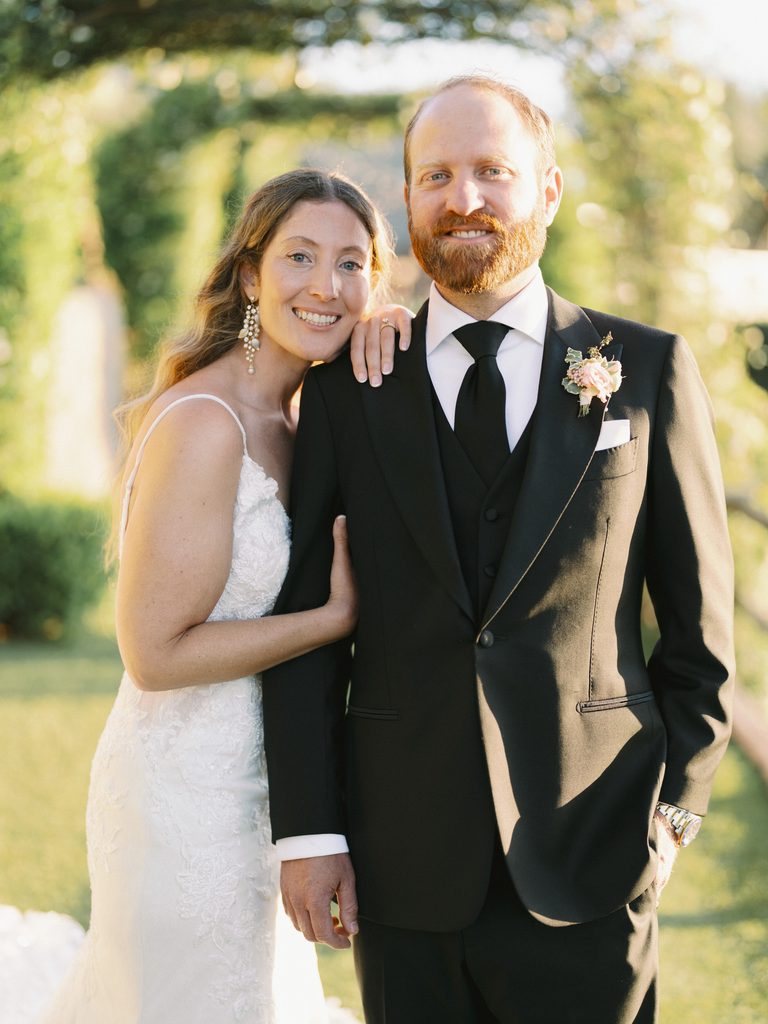
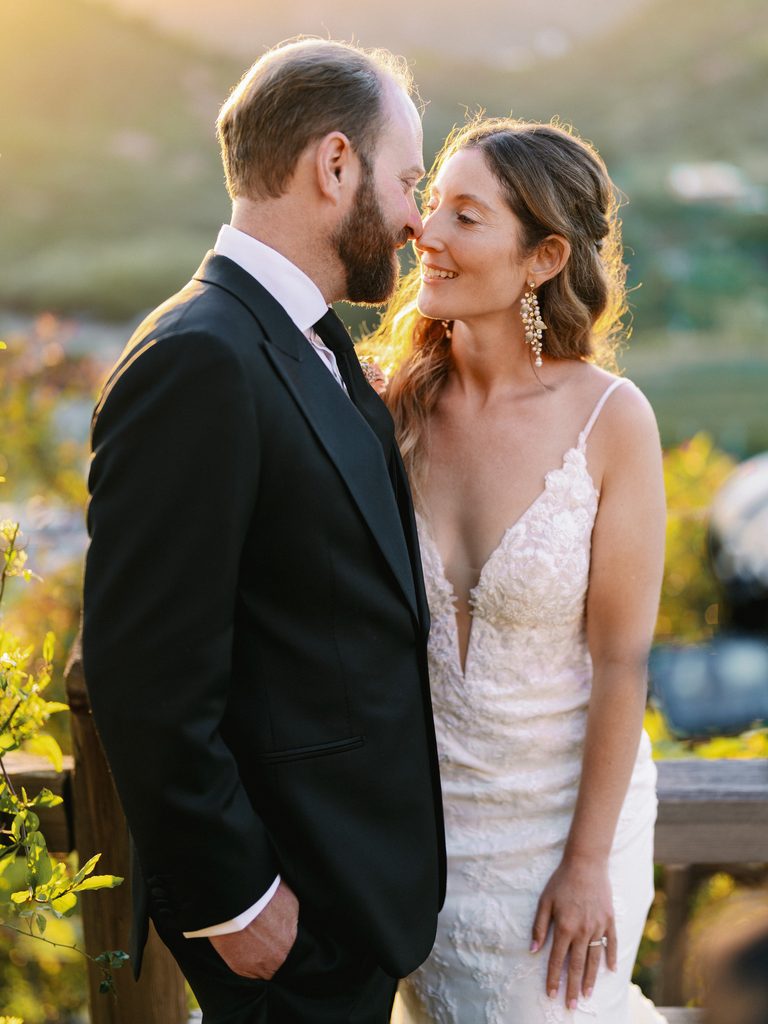
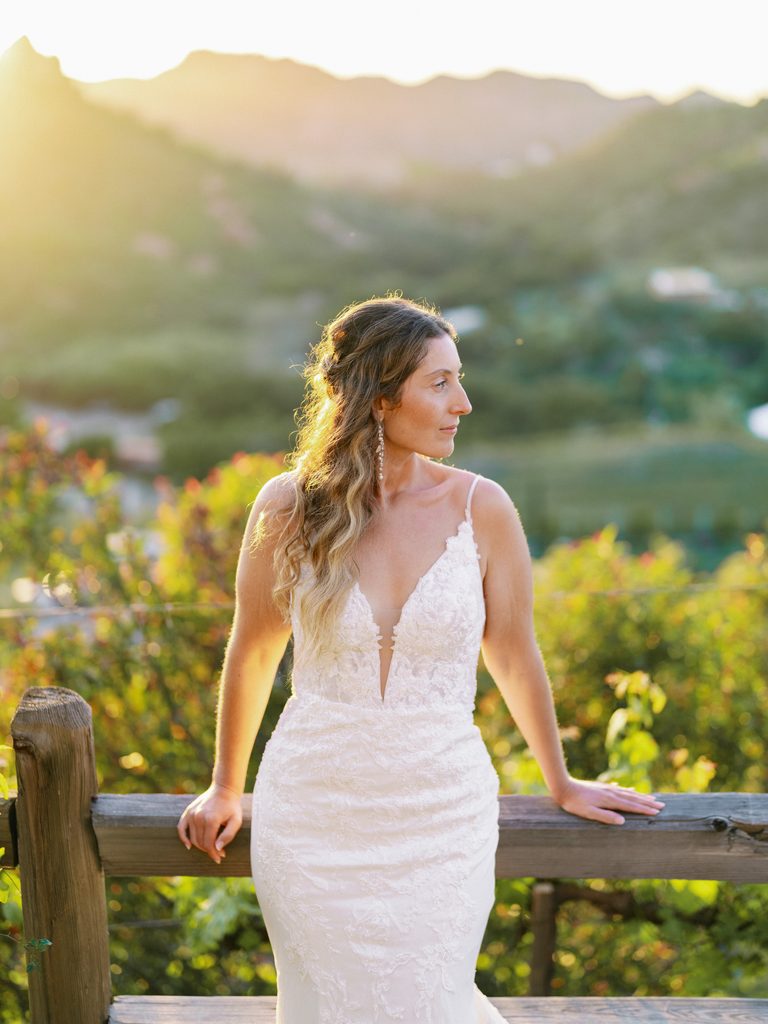
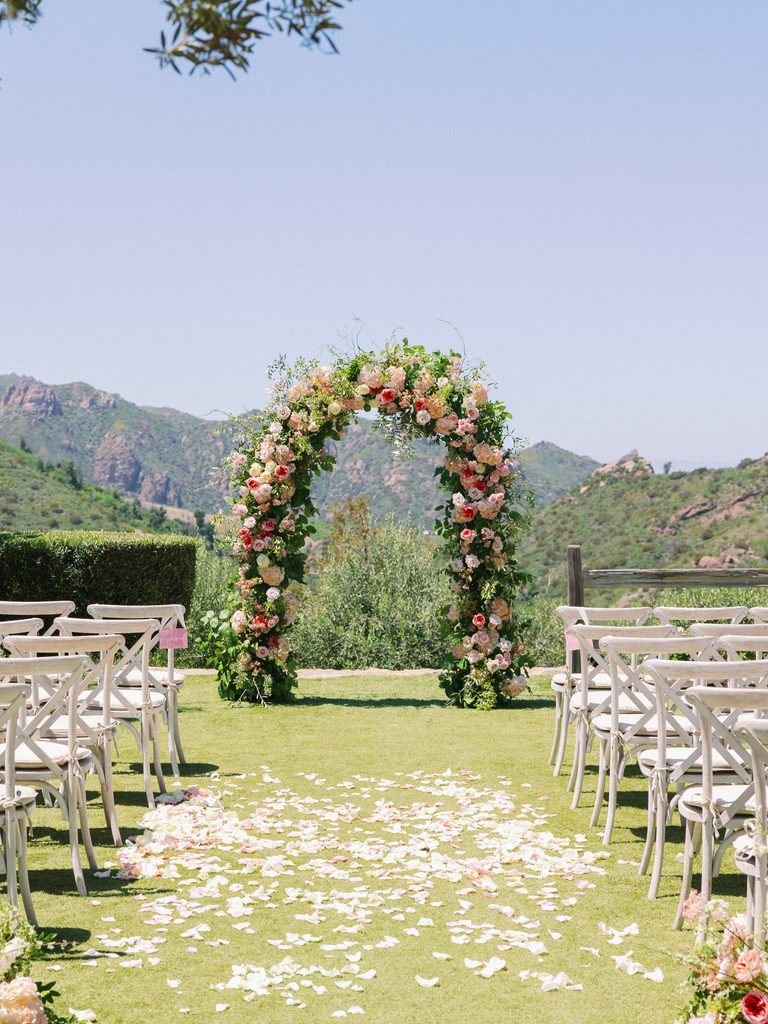
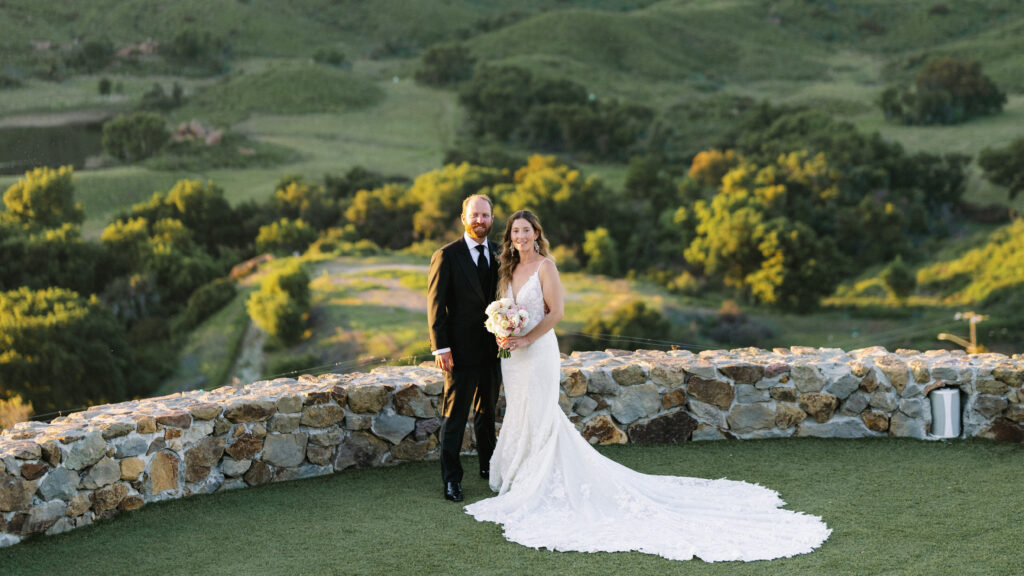
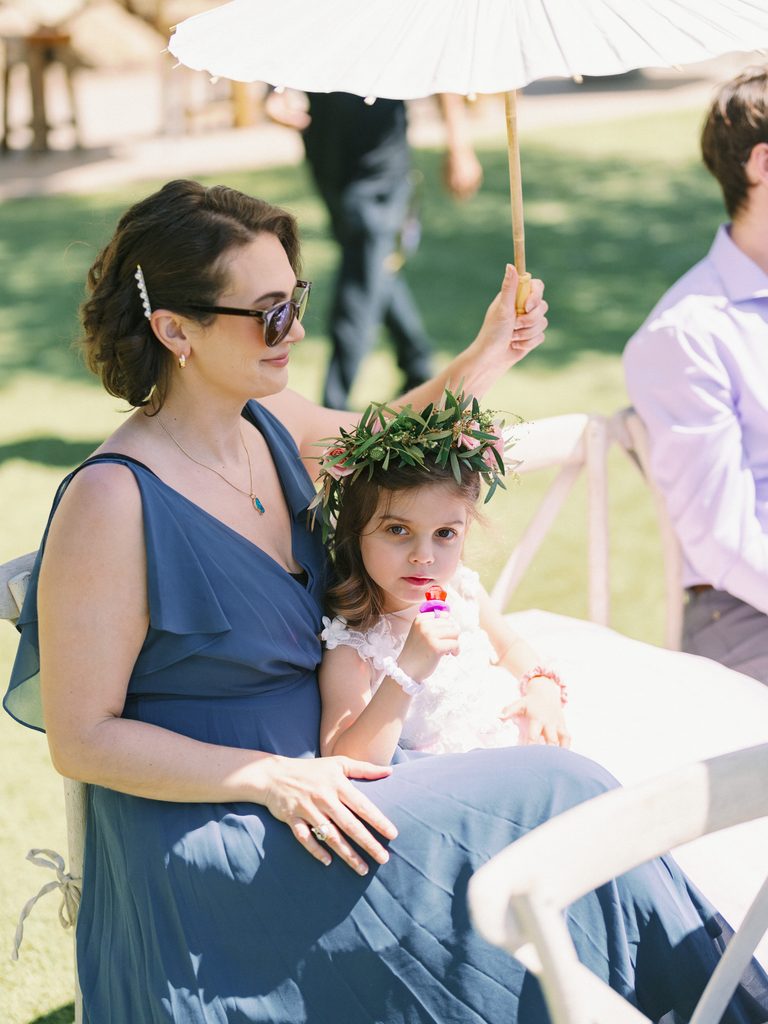
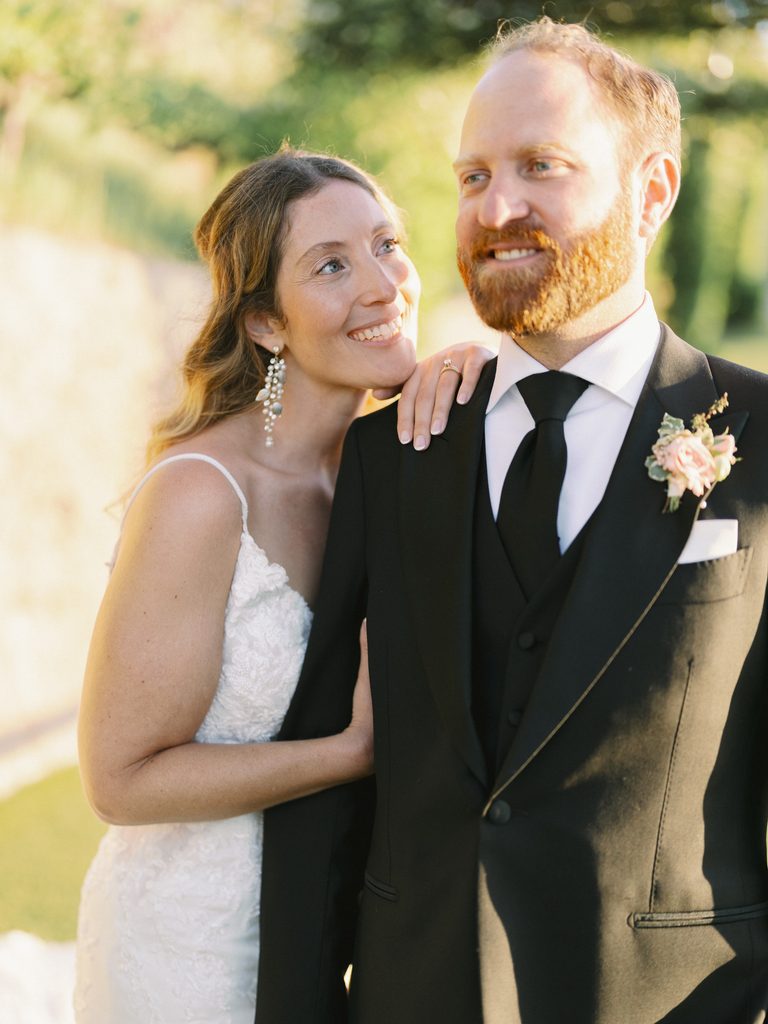
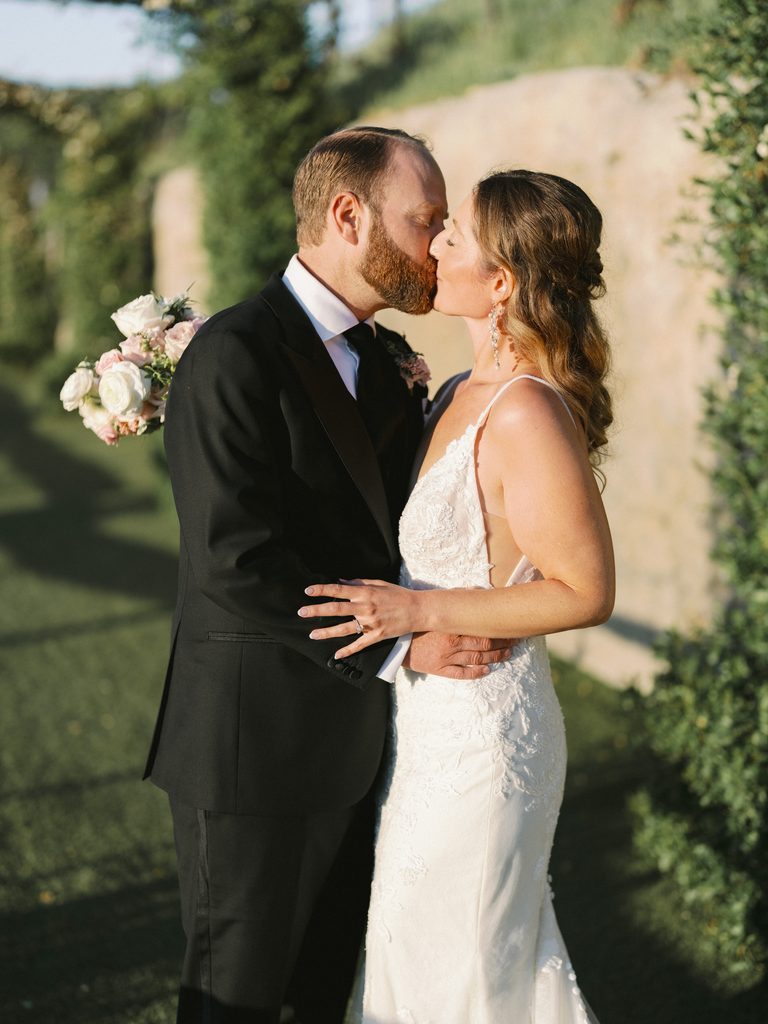
Cielo Farms, Malibu Hills, CA.
Consistency From Getting Ready Through Reception
Consistency becomes easier to judge when the same photographer’s work is seen across different parts of one wedding. The visual approach may change with the setting, but composition, exposure, focus, and skin tones should remain controlled from one section to another.
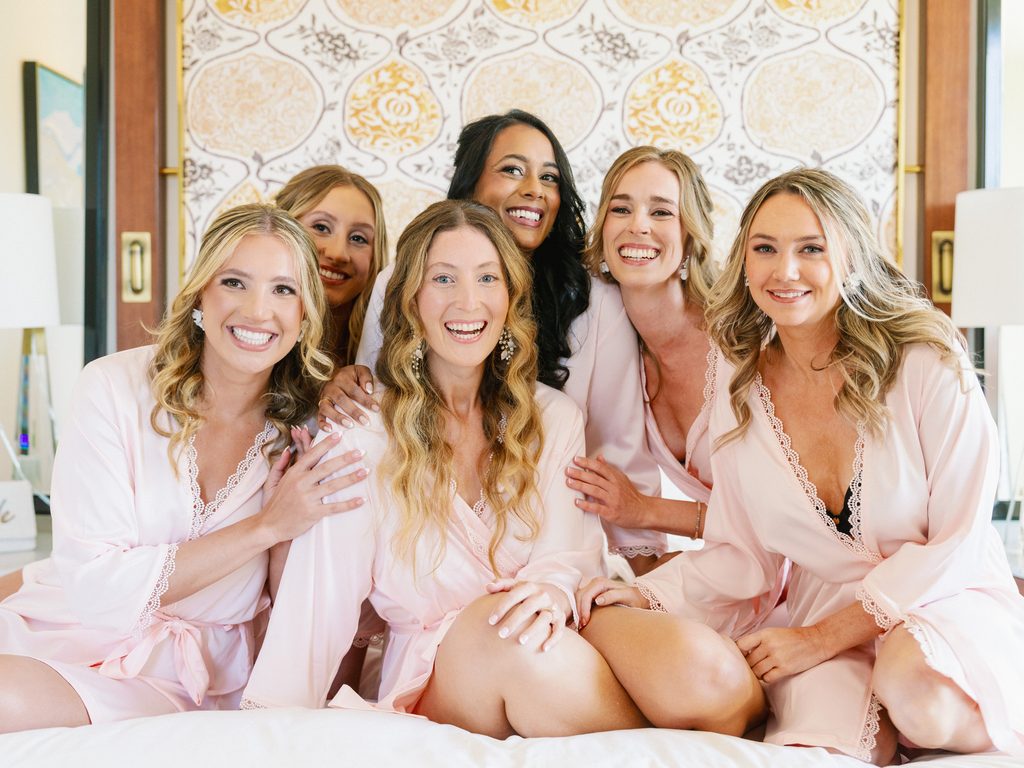
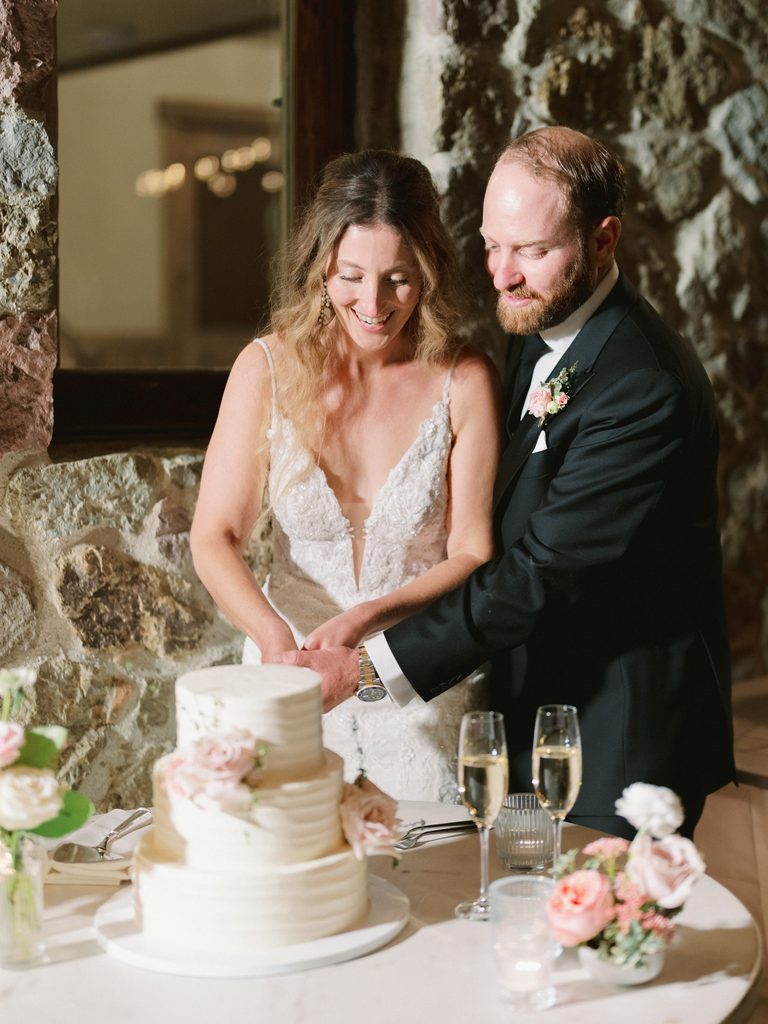
Getting-ready photographs can show how the photographer works in a confined space with several people, mixed light, and little room to reposition. Reception photographs reveal a different set of skills, particularly when the room is crowded, the light is low, and moments develop quickly. Portraits may have more controlled conditions, making them useful for understanding the photographer’s approach to composition and direction.
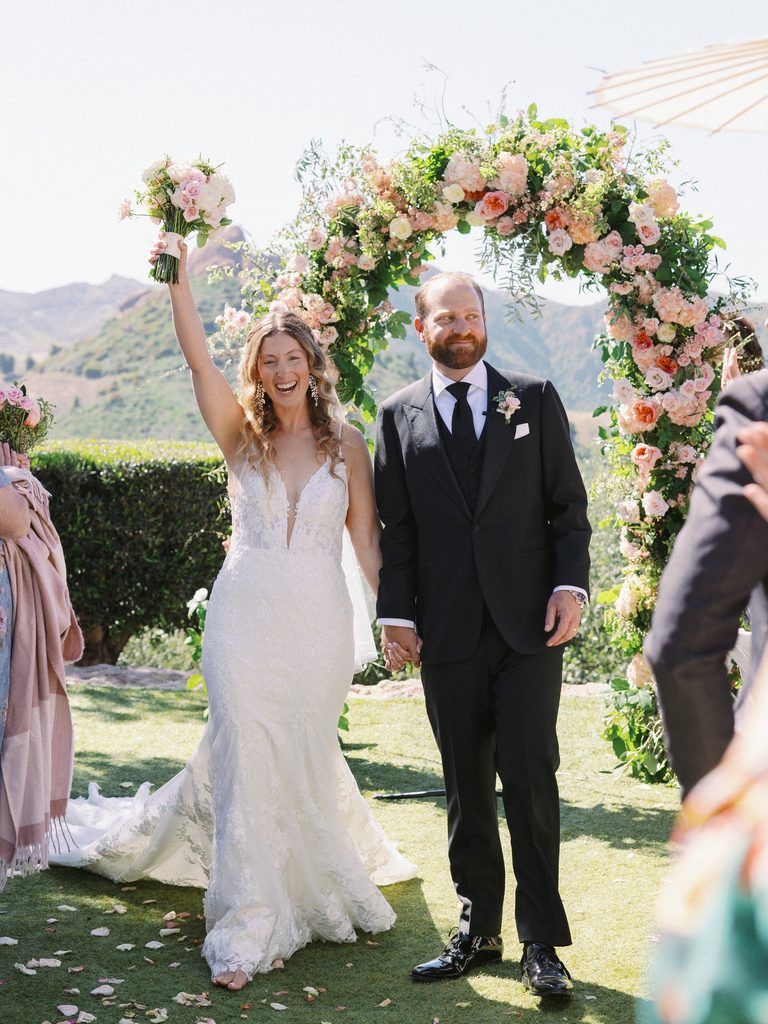
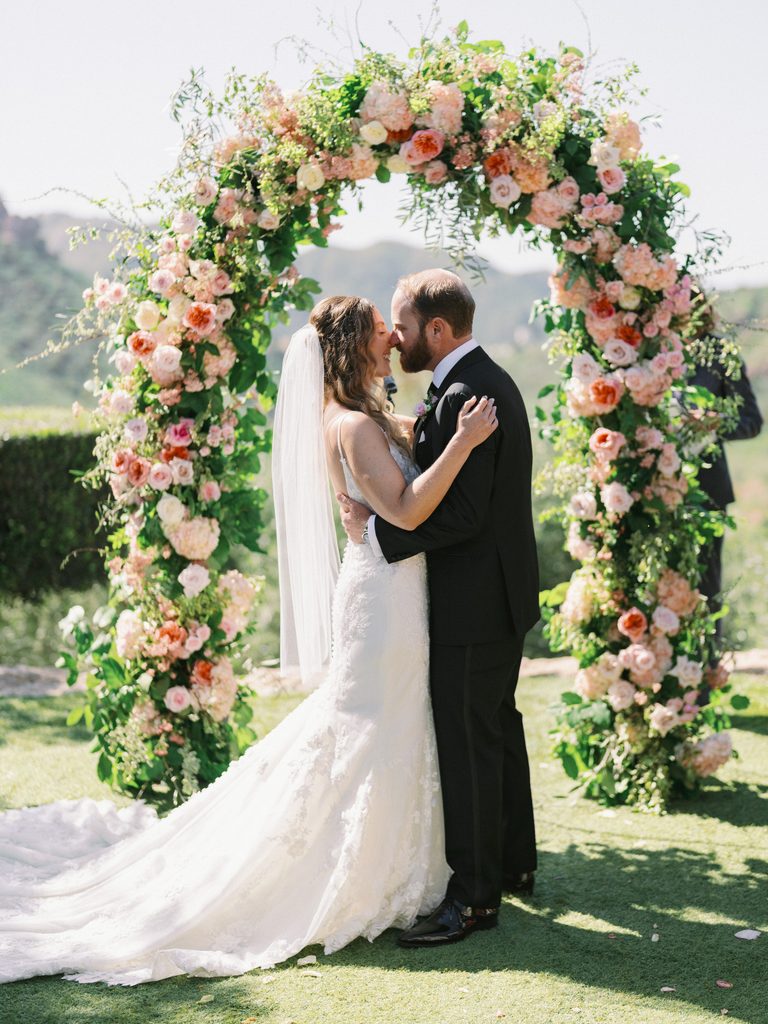
The value of a full gallery lies in seeing these differences within one body of work. A photographer who maintains a recognizable visual character across changing conditions gives a couple a clearer idea of what their complete wedding coverage may look like.
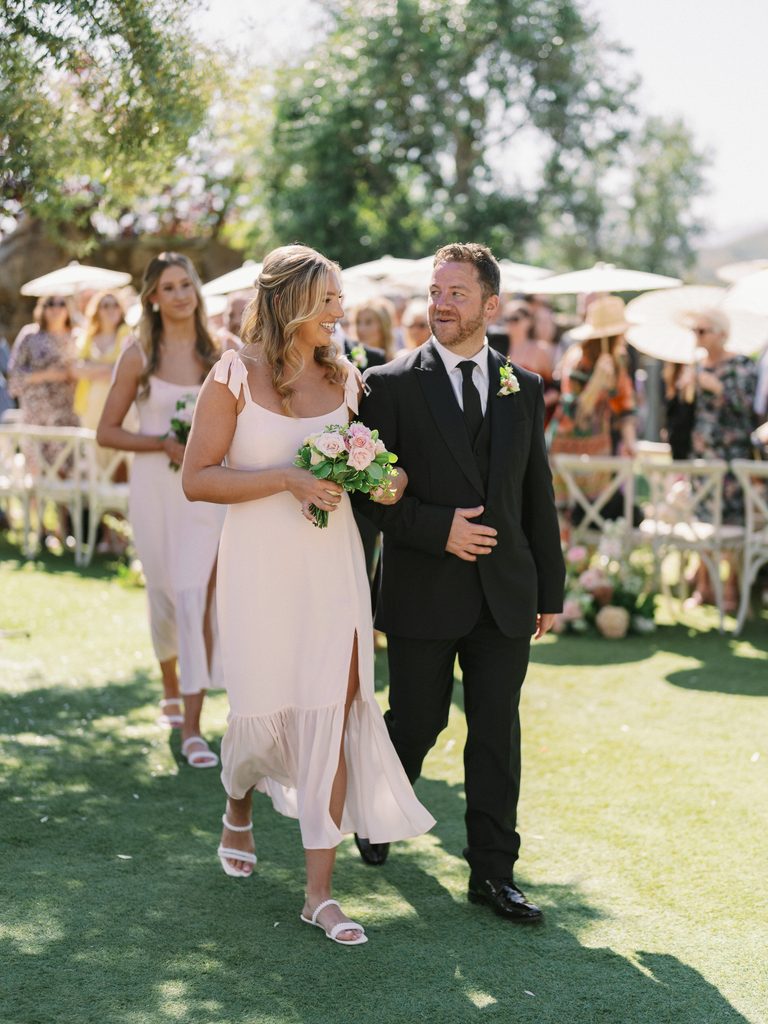
Difficult Light and Weather
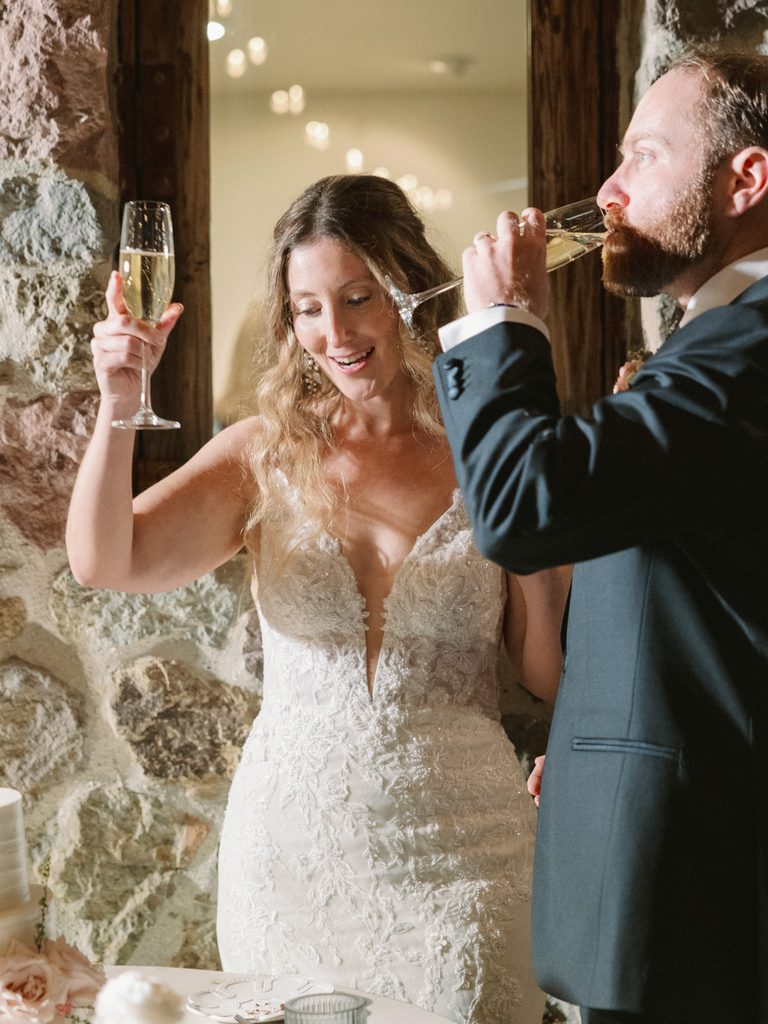
Difficult lighting shows how the photographer works when conditions become harder to control. Harsh midday sun, a dark ceremony, mixed reception lighting, and a dance floor after sunset can expose problems with skin tones, focus, exposure, or motion that may not appear in portraits made in soft natural light.

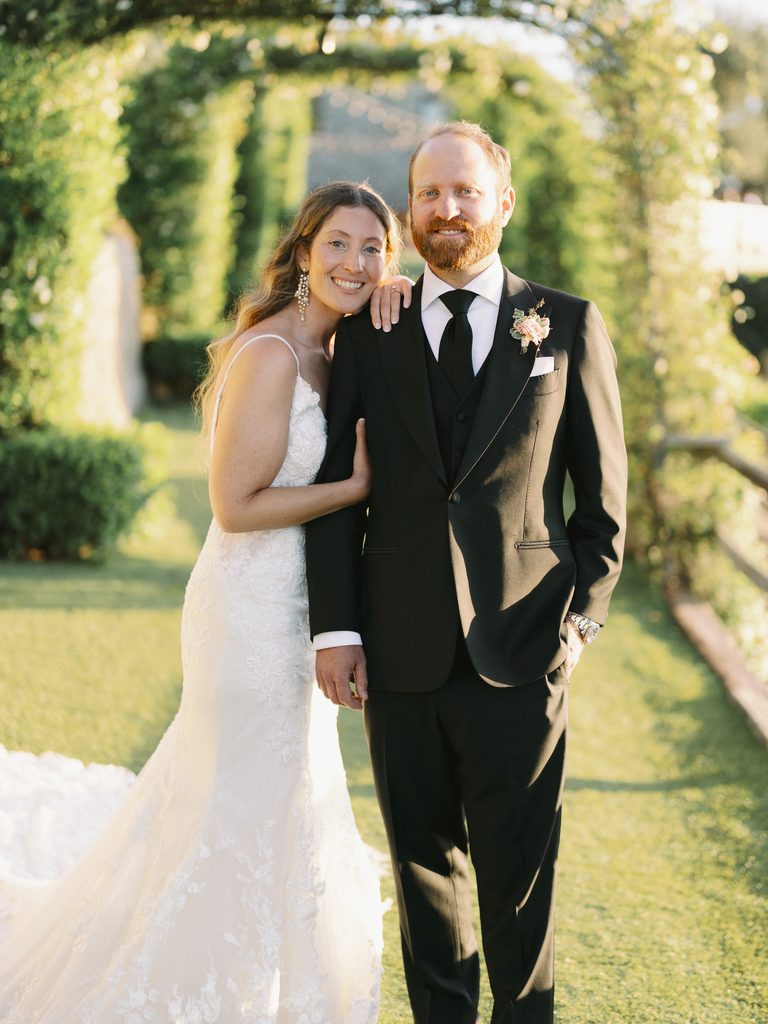
Weather can change the setting just as quickly. Rain, heavy cloud cover, or strong sun may move portraits indoors or change the available light. Photographs from these conditions can show how the photographer adjusts composition and exposure while keeping the atmosphere of the day intact.
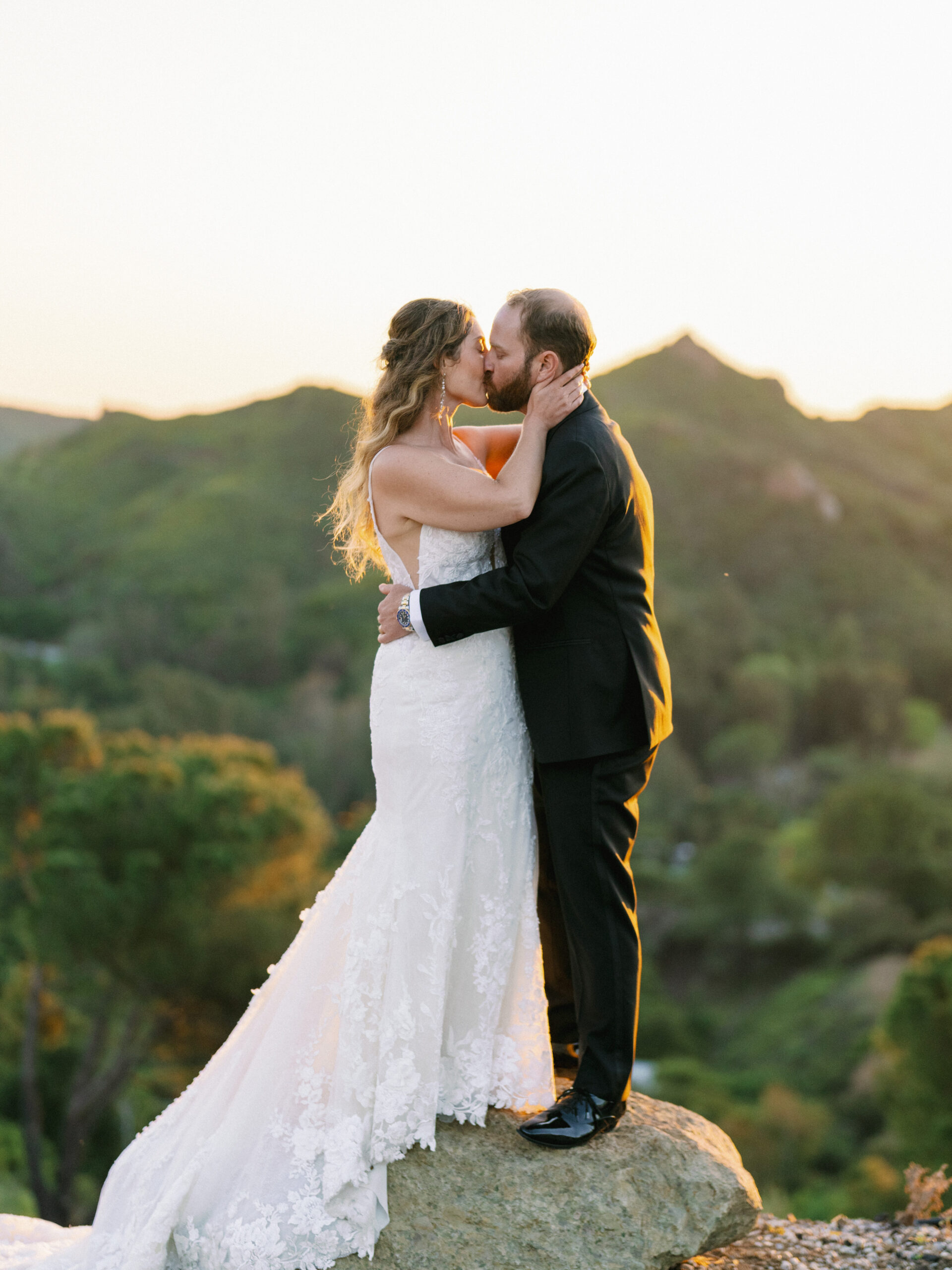
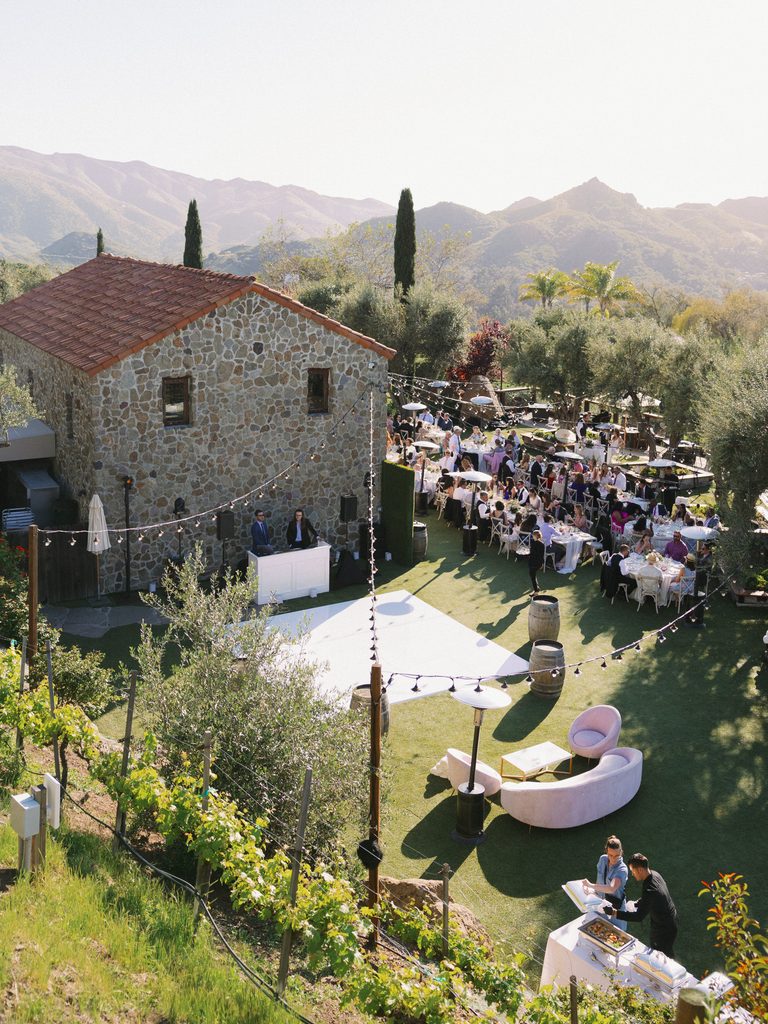
Faces are particularly useful to examine. Skin tones should remain natural, expressions should stay clear, and darker images should retain enough detail to feel intentional. Colored reception lighting may shift the overall mood of an image, but skin should not take on distracting blue, green, or red casts.
Candid Moments and Directed Portraits
An approach built almost entirely around candid coverage can leave less room for formal portraits and family photographs. A heavily directed gallery can have the opposite character, with fewer spontaneous exchanges between the couple and their guests.
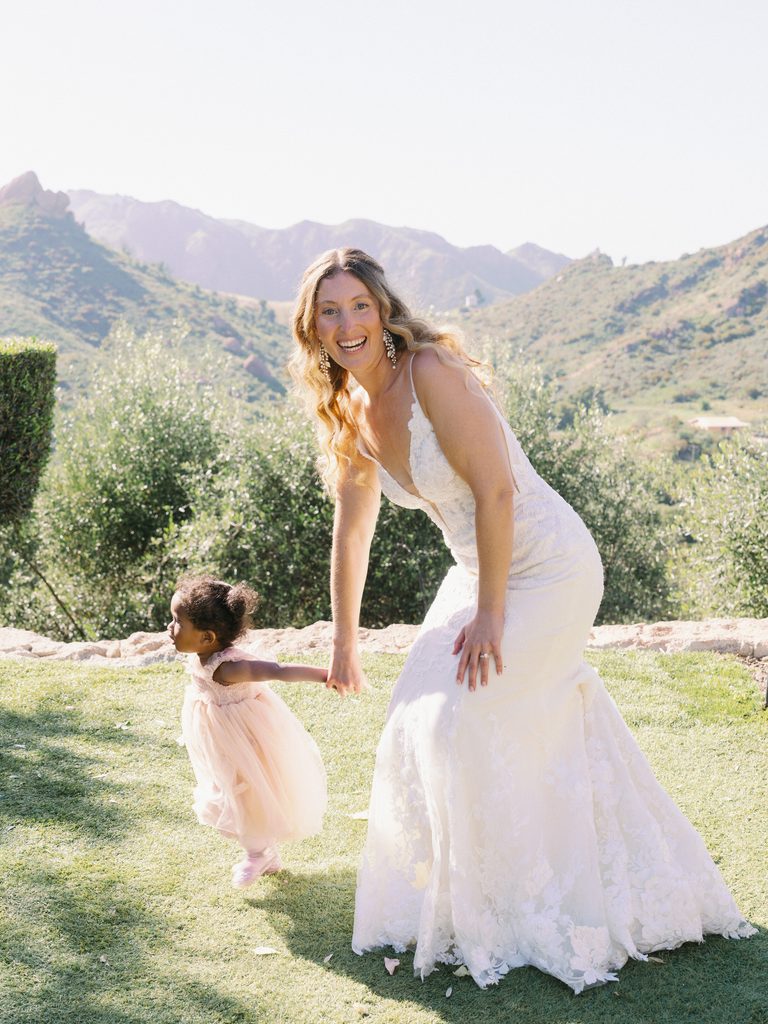
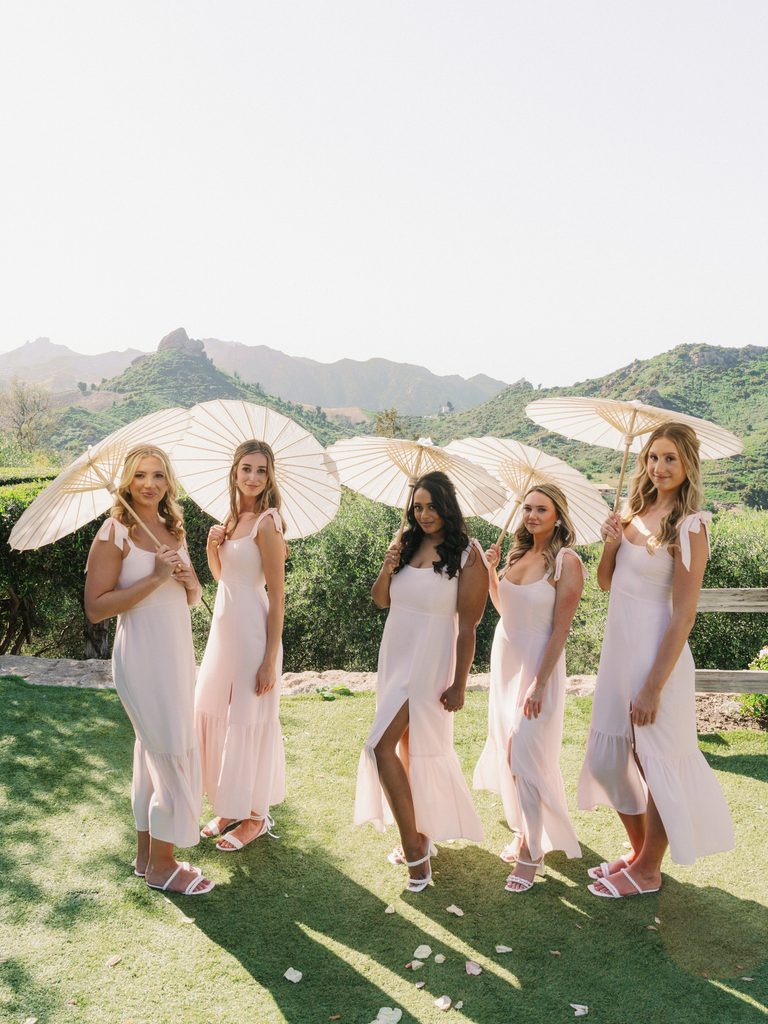
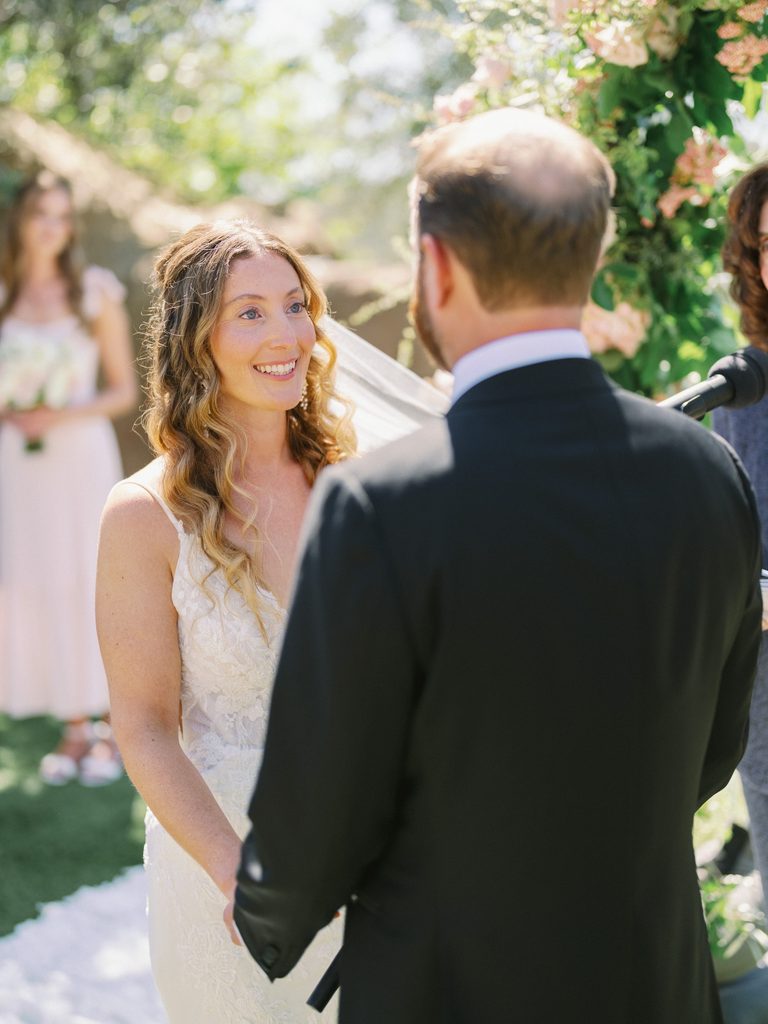
A couple portrait may benefit from careful composition and direction, while a reaction during the ceremony or laughter during a speech may carry more meaning when it remains completely unprompted. The photographer’s judgment lies in knowing when to shape the image and when to leave the moment alone.
See Real Weddings in Our Gallery
Browse real celebrations photographed and filmed by Dreamwood across locations, cultures, venues, and styles.
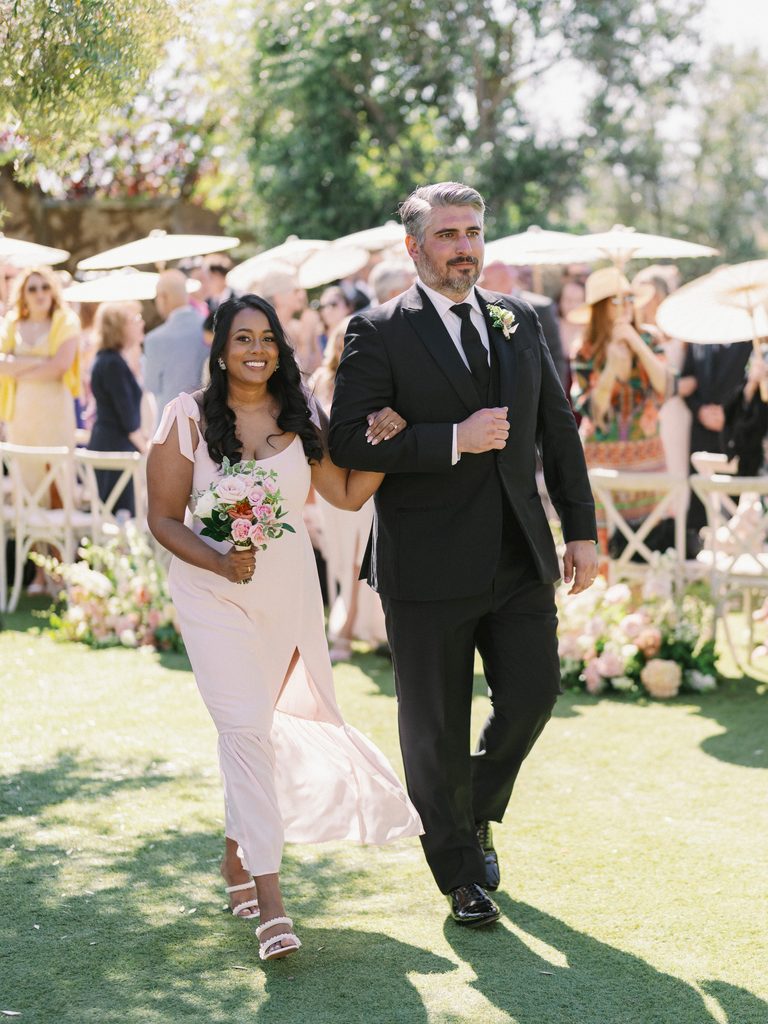
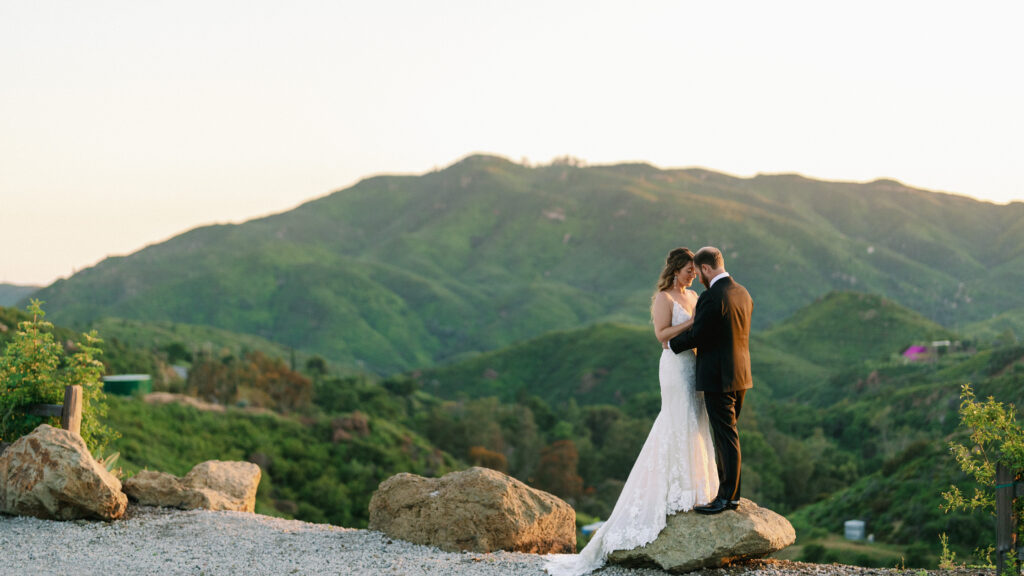
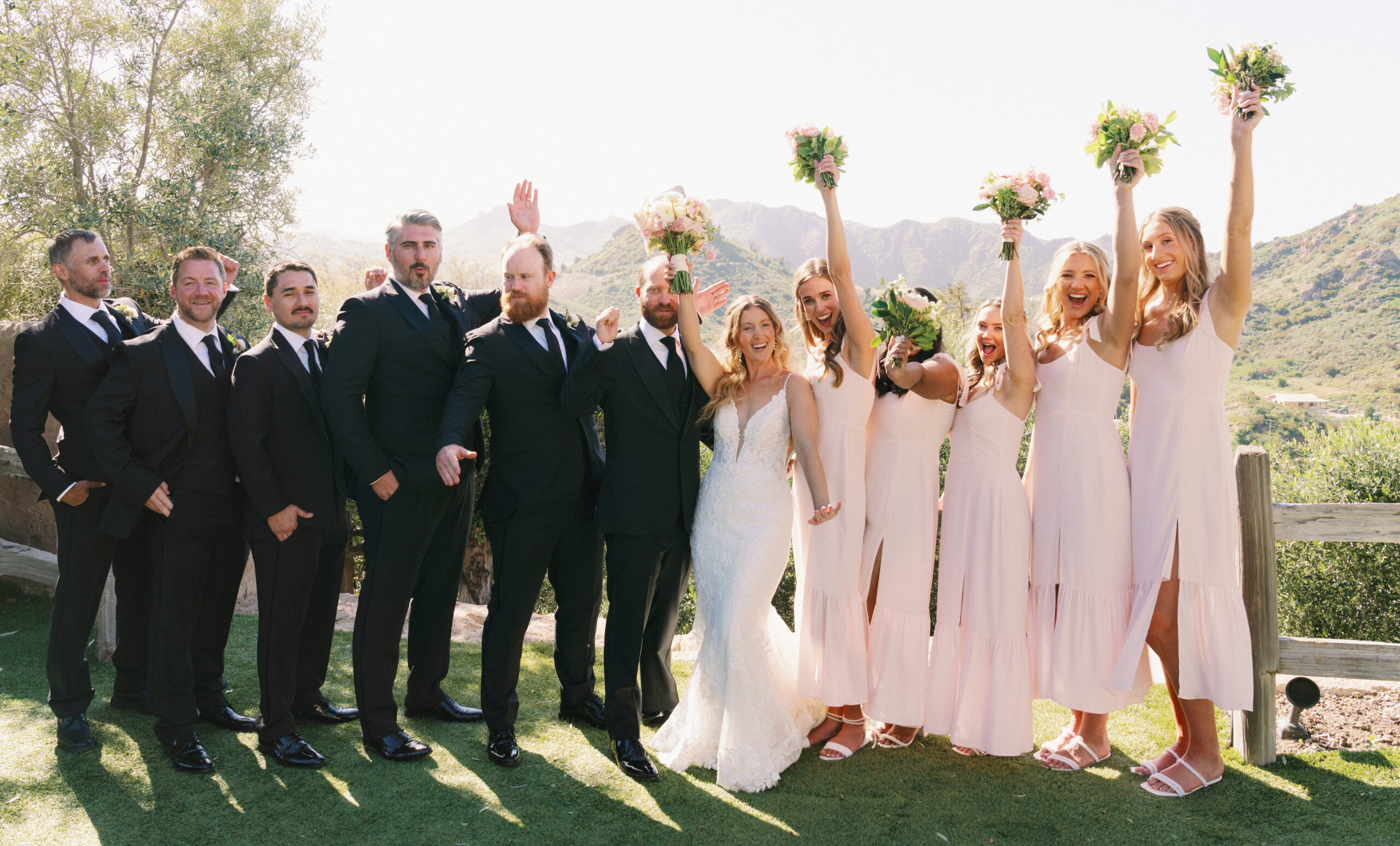
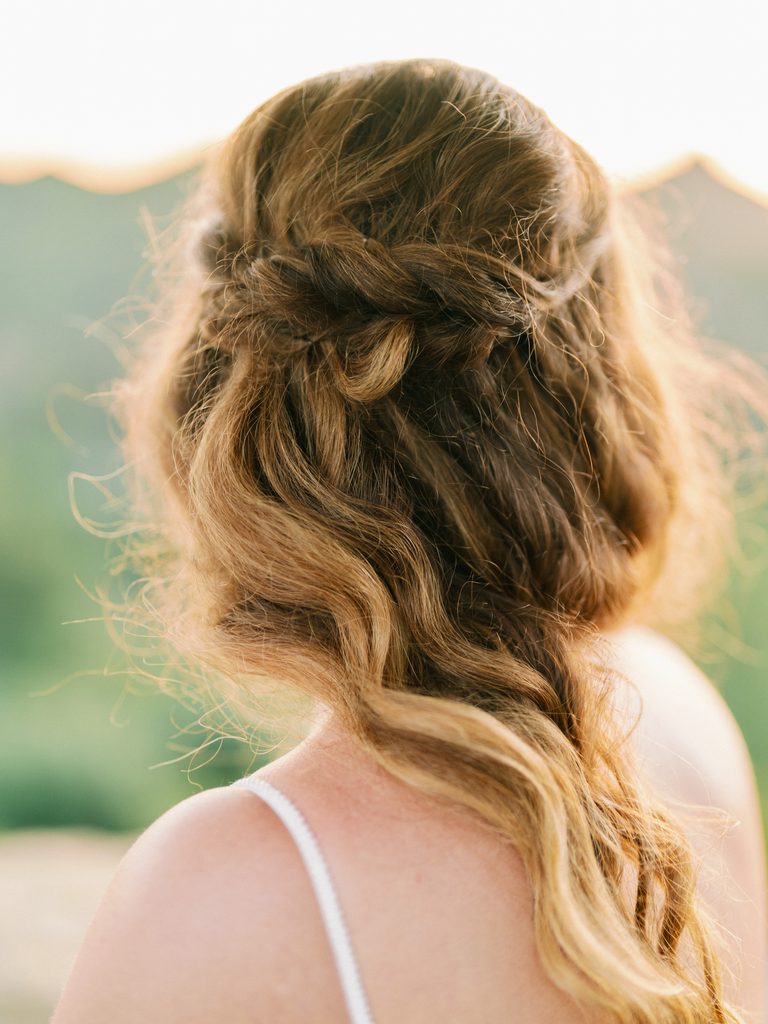
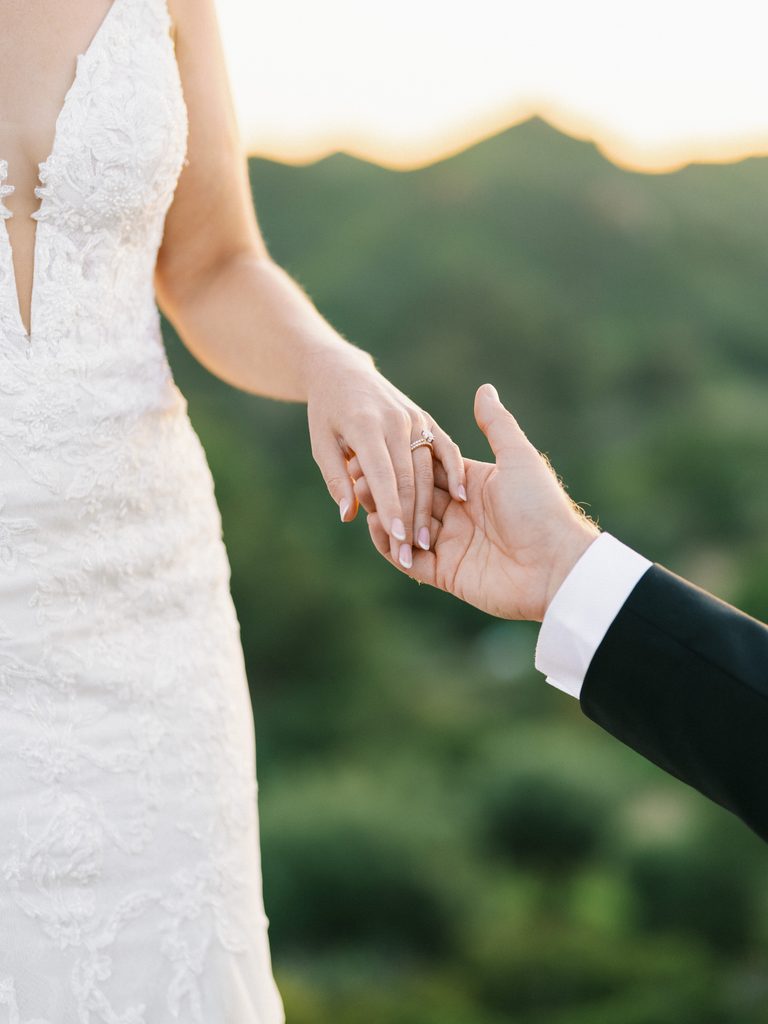
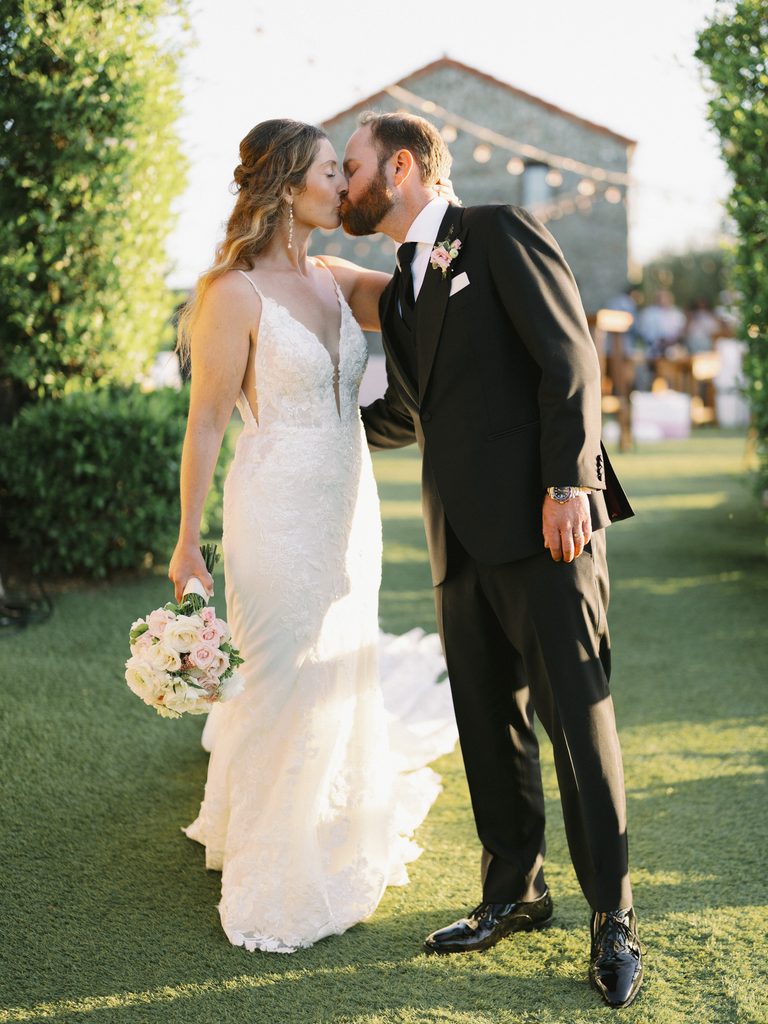
Cielo Farms, Malibu Hills, CA.
Family Groups Deserve a Close Look
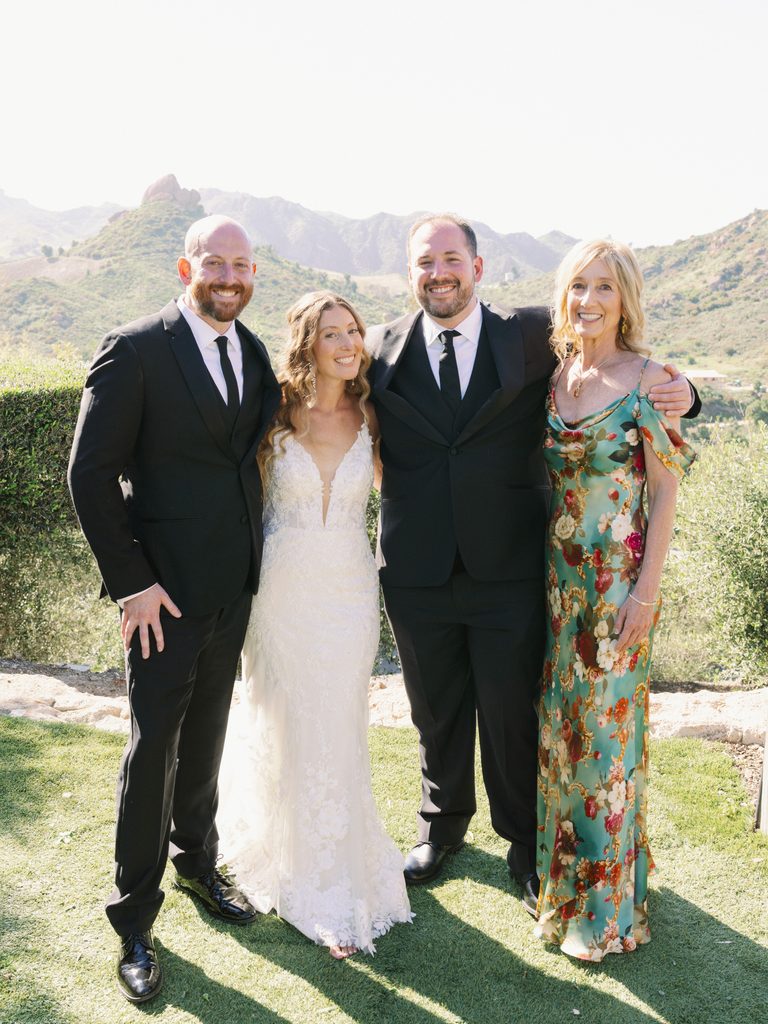
Family photographs bring several people into one frame, with differences in height, posture, expression, and position becoming more noticeable as the group grows. The composition has to keep everyone visible and connected, while the photographer works quickly through several combinations.
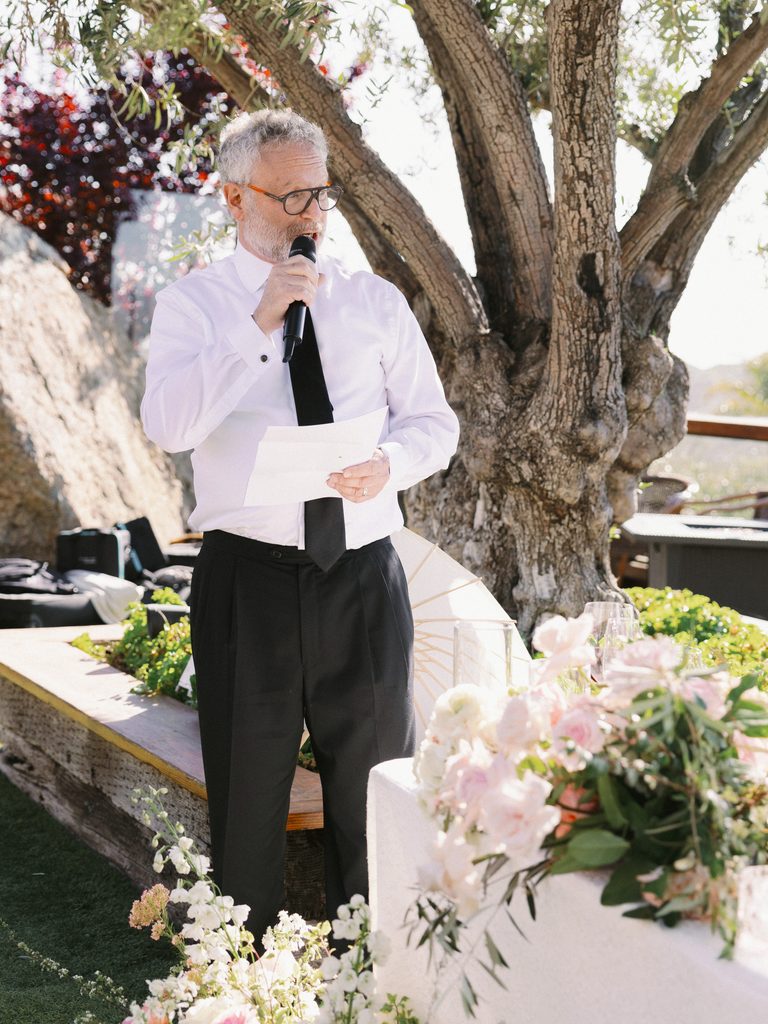
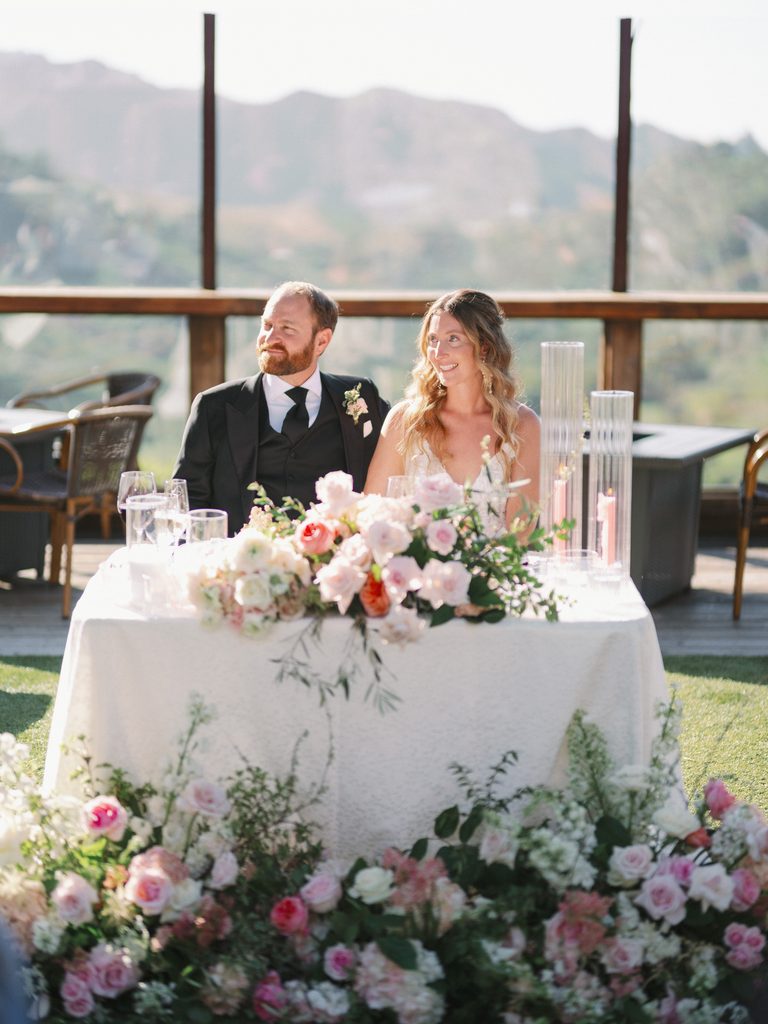
Larger family groups also leave less room for small mistakes. One person looking away, uneven spacing, soft focus, or inconsistent exposure can weaken the photograph even when the overall arrangement looks orderly. Natural expressions matter here too, particularly when the photographs are meant to feel warm and personal instead of purely formal.
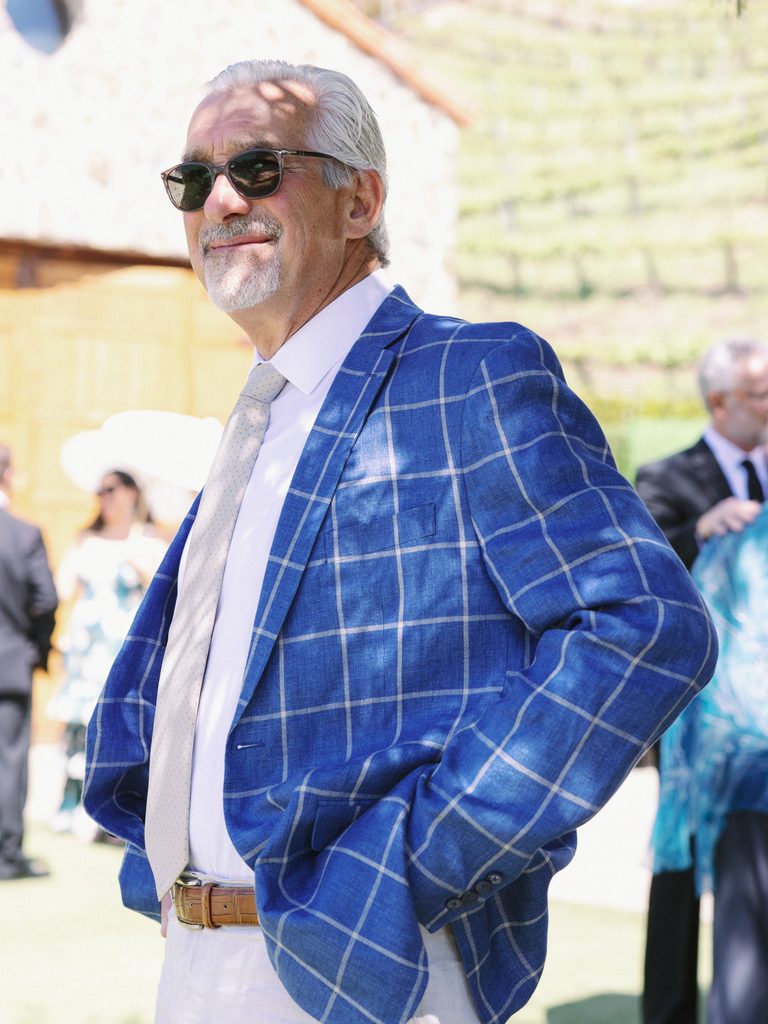
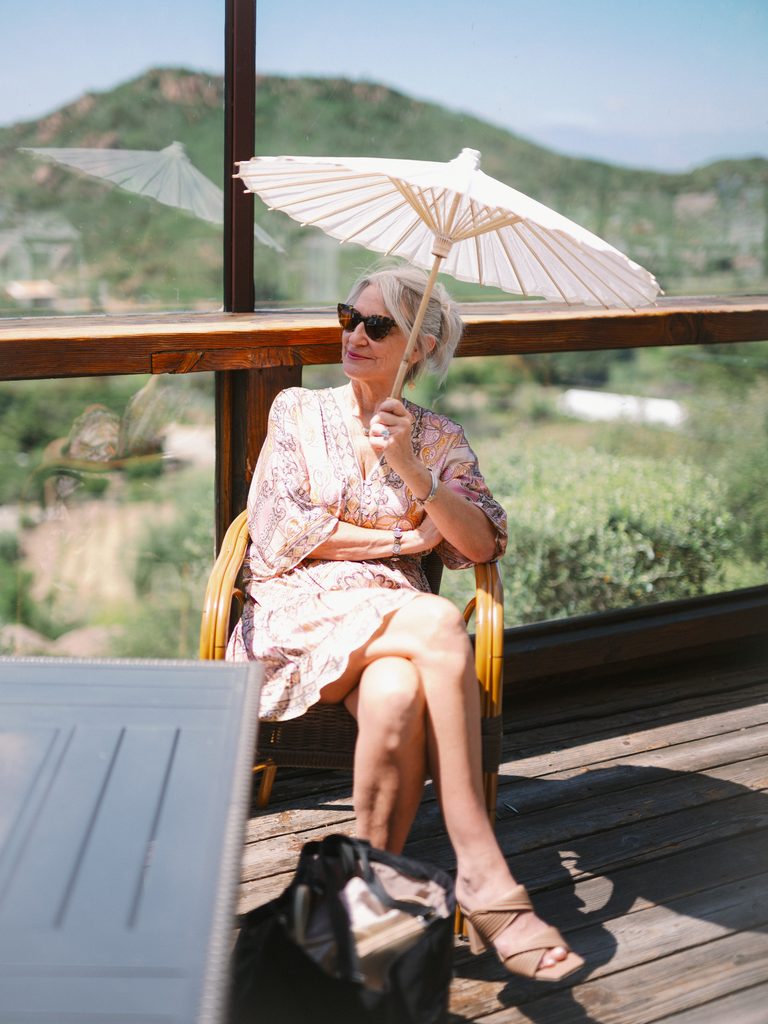
The way these photographs appear across a wedding can also indicate how the photographer handles formal group coverage. Some photographers keep the arrangements classic and consistent; others introduce more variation while maintaining clear composition. For couples with large families or several required groupings, this part of the gallery deserves particular attention.
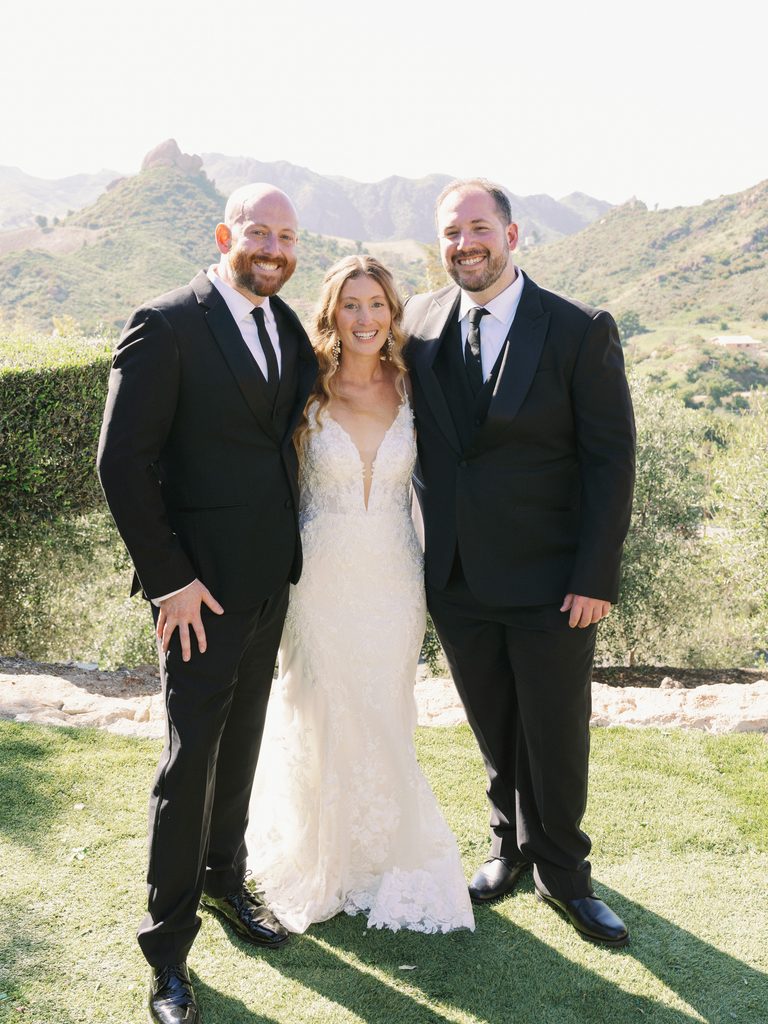
Color and Skin-Tone Consistency
Color treatment is a matter of taste. Some photographers favor warmer tones, others prefer a more neutral palette, while grain or softer contrast may also define the look.
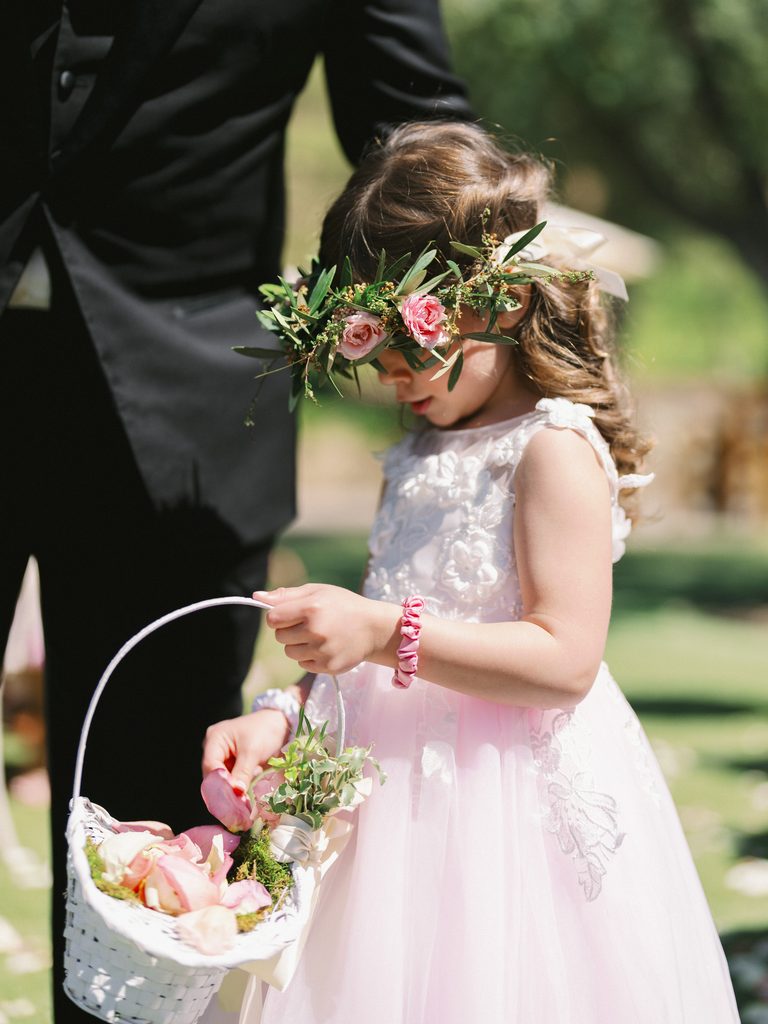
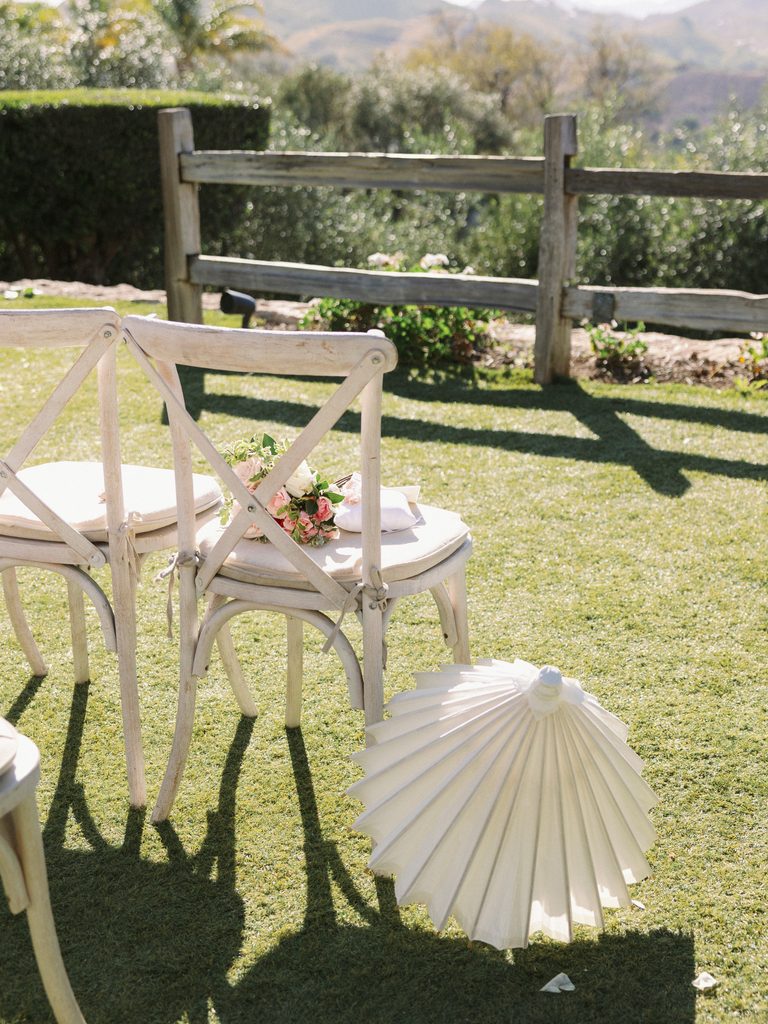
Compare photographs made in daylight, indoor light, candlelight, and reception lighting. Color will naturally shift with the conditions, but skin tones should remain believable and consistent.
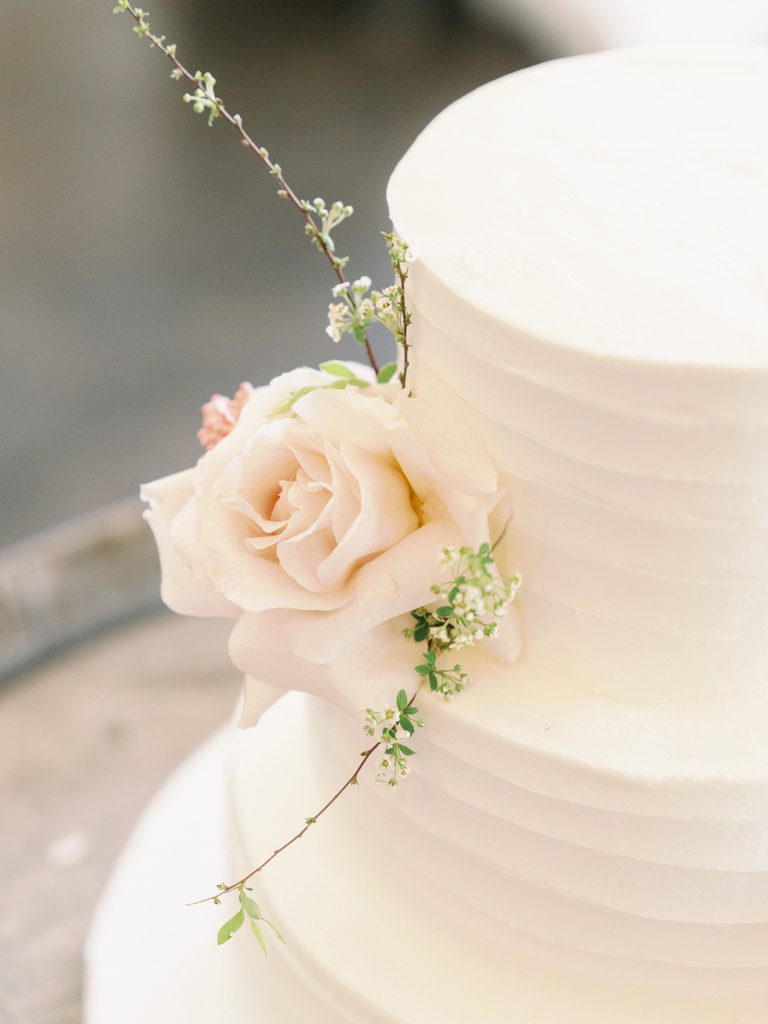
In group photographs, check whether faces retain similar color or whether some appear noticeably warmer, cooler, redder, or more saturated than others. Reception lighting can make these differences particularly visible, especially with colored uplighting.
Storytelling and Transitions
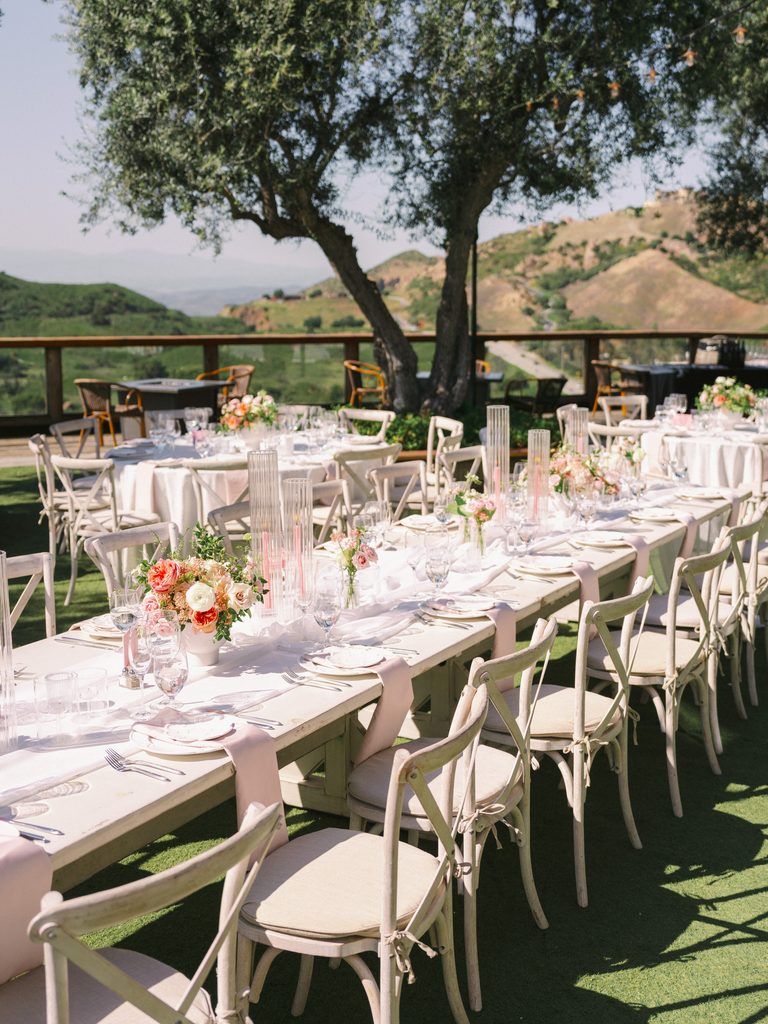
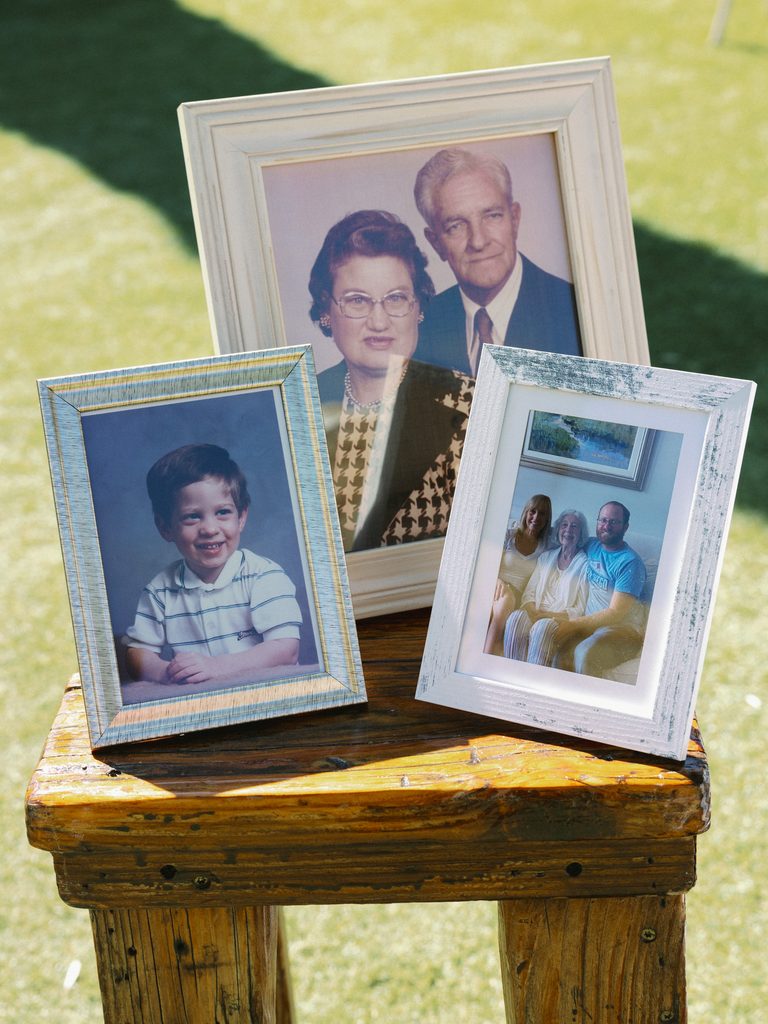
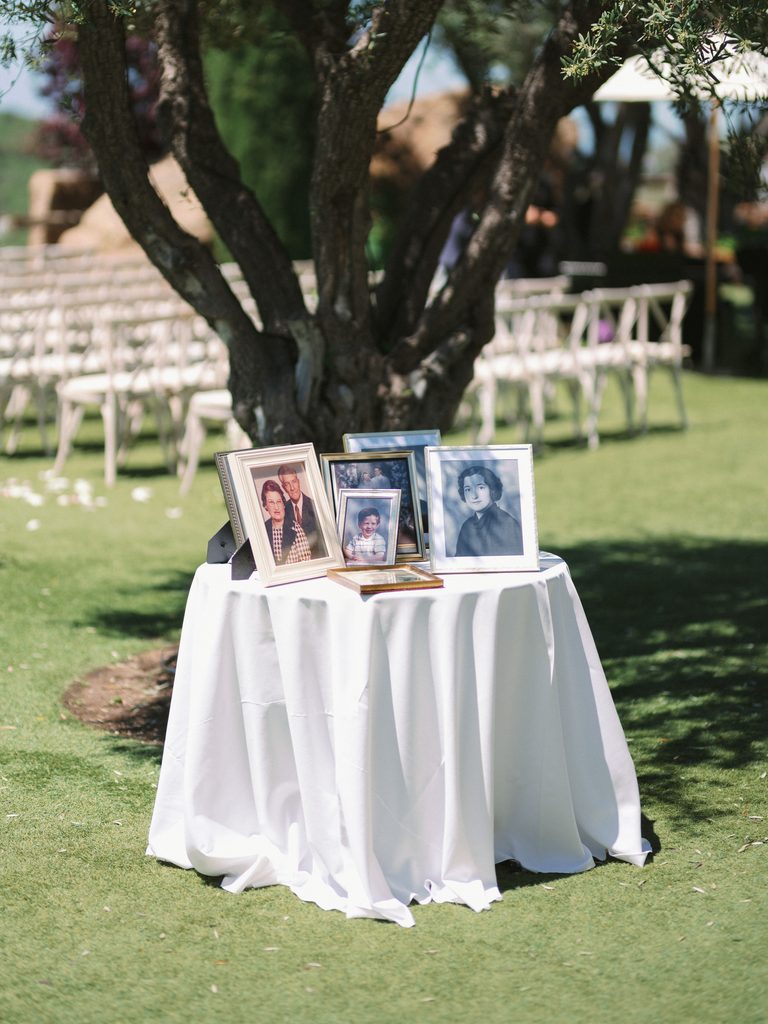
A wedding moves through more than its scheduled events. People leave the ceremony, gather for cocktails, move between rooms, greet family, and gradually fill the dance floor. Photographs from these moments give context to the formal parts of the day and carry the atmosphere from one part of the celebration to another. A gallery with very little of this coverage can feel heavily edited around the headline moments. Strong portraits and ceremony photographs may be present, while the movement and atmosphere connecting them remain largely undocumented.
What Missing Moments Can Tell You
A gallery may contain fewer photographs from one part of the day because coverage began later, ended earlier, or the couple allocated less time to that portion. The final selection can also be smaller when several images document the same moment.
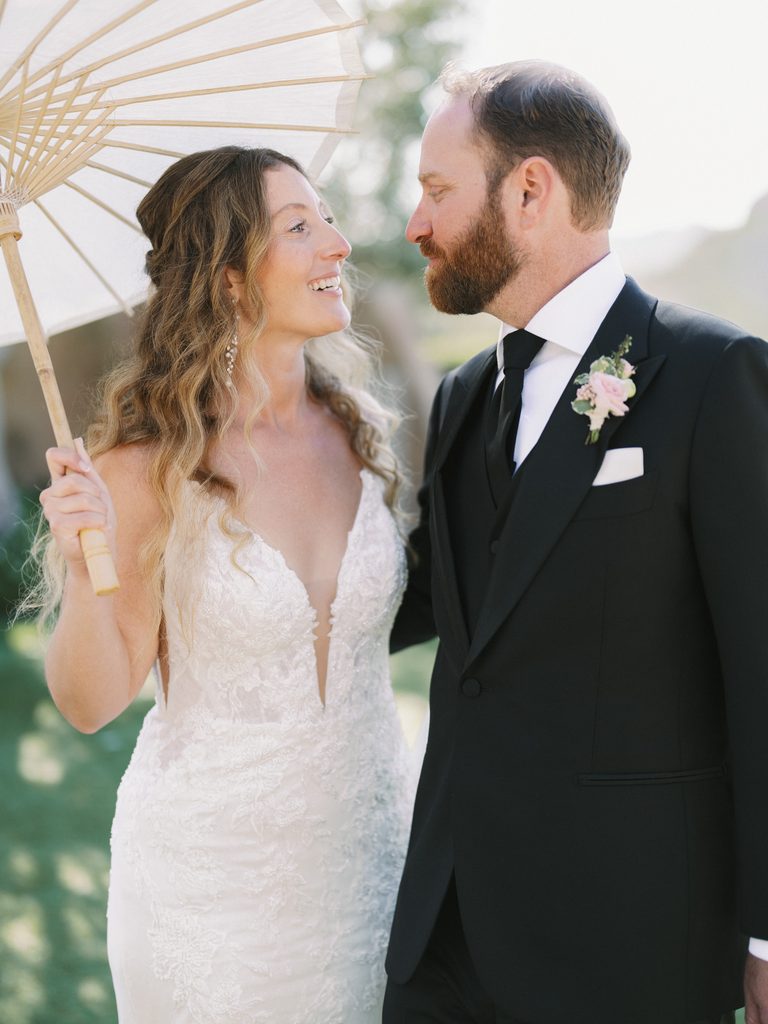
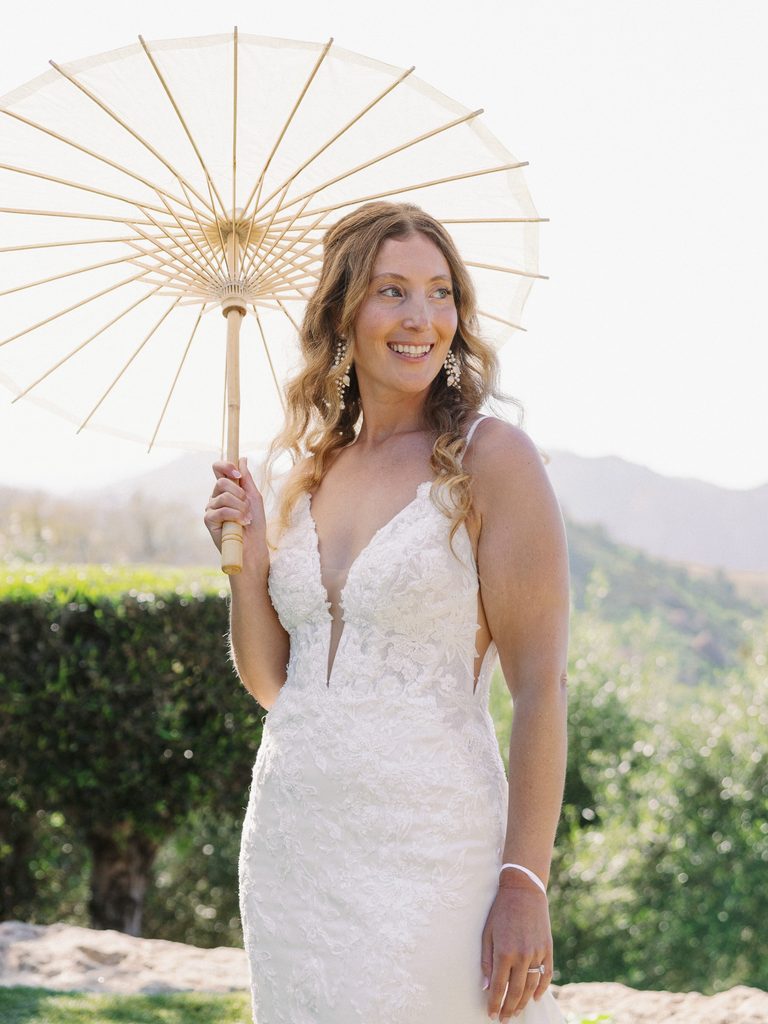
The distinction is between a section that received limited coverage by design and one that falls within the photographer’s agreed coverage but appears only briefly. If family portraits, ceremony moments, or reception events are important to the couple, the amount and type of coverage shown in a complete gallery can help clarify what to discuss before booking.
What to Look for at a Glance
What to review
What to look for
Getting ready through reception
Consistent composition, exposure, and focus across changing conditions
Difficult light and weather
Controlled exposure, clear faces, and natural-looking color
Candid and directed coverage
A balance of composed portraits and unprompted moments
Family groups
Clear arrangement, visible expressions, focus, and even exposure
Color and skin tones
Consistent color treatment and believable skin tones
Storytelling and transitions
Coverage that connects the different parts of the wedding
Missing moments
Coverage that corresponds with the hours and events booked
Compare Galleries on the Same Criteria
Different galleries may emphasize different parts of the wedding. Getting ready, family groups, ceremony coverage, reception images, and late-evening photographs bring composition, direction, color, and changing light into the comparison.
Personal taste will always play a role. One editing style may appeal immediately, while another photographer’s work may feel stronger in family groups, reception coverage, or changing light. Comparing the same parts of each gallery makes it easier to see where the difference comes from personal preference and where it comes from the photographer’s work.
Questions to Ask Before Booking
1. How much of the wedding day does the gallery represent?
2. What coverage hours were included?
3. Are there parts of the day you typically photograph less extensively?
4. How do you approach difficult or changing light?
5. How much direction do you give during portraits?
6. How do you organize family photographs?
7. How do you approach reception coverage after dark?
8. Can we see a wedding with a similar venue, season, or lighting conditions?
9. Does the full gallery reflect the same approach as the work shown in your portfolio?
FAQ
How many full wedding galleries should we review?
Two or three galleries from different weddings can give a useful comparison. Different venues, lighting conditions, and wedding formats can show how the photographer’s work changes from one celebration to another.
What if a photographer only shows highlights?
Ask whether a complete gallery from one wedding is available to review. A highlight collection presents selected images, while a full gallery gives a broader view of coverage across the day.
Should we look for a gallery from a wedding similar to ours?
It can be useful, particularly when the wedding has unusual lighting, a challenging venue, extensive family photographs, or several locations. The photographer’s broader work still matters, since no two weddings will have identical conditions.
How important are reception photographs when reviewing a gallery?
Reception coverage can show how the photographer works with movement, crowded spaces, changing light, and less controlled compositions. It also gives a sense of how the visual approach carries through the later part of the wedding.
Should family photographs influence our decision?
They can be important when formal family photographs are a significant part of the wedding. Focus, arrangement, expressions, spacing, and exposure become particularly noticeable in larger groups.
What should we look for in skin tones?
Compare faces across daylight, indoor, and reception photographs. Skin tones should remain believable as the lighting changes, including in group photographs with several different skin tones.
Does a different editing style mean a photographer is less consistent?
No. Editing can change the mood and appearance of a gallery. Consistency comes through in the way color, exposure, contrast, and skin tones are handled across different parts of the wedding.
What if we notice gaps in the gallery?
Ask what caused them. A gap may reflect the booked coverage, the couple’s preferences, or the way images were selected for delivery. The explanation can clarify what the gallery represents.
Can a documentary photographer still produce formal family photographs?
Yes. A photographer’s shooting style does not prevent them from covering formal parts of the wedding. The approach to direction and posing may differ, so it is useful to understand how those photographs are handled.