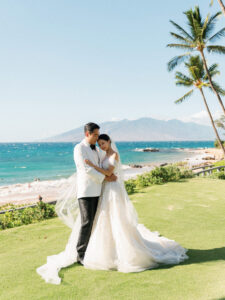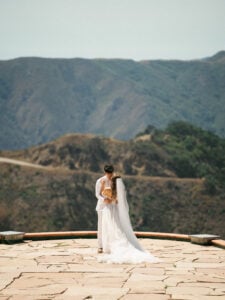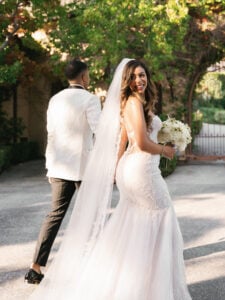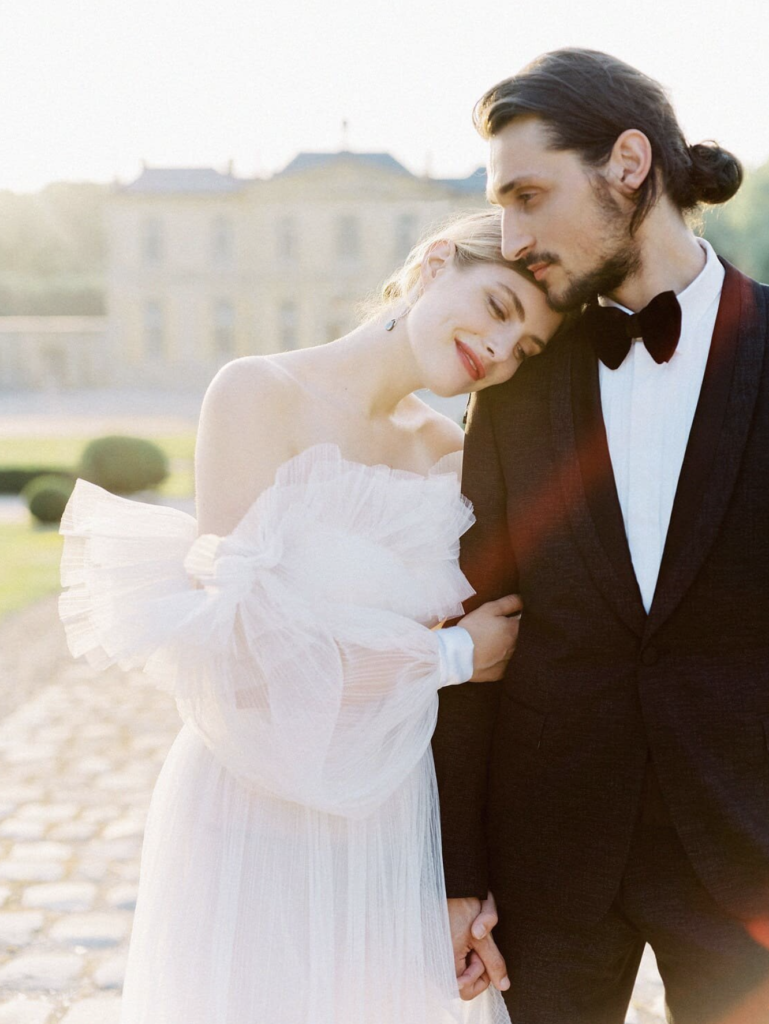
Death Valley is not a backdrop. It is scale, silence, heat, pale stone, gold light, and the feeling that the ceremony belongs to no one else.
For couples drawn to privacy and elemental scenery, the park can become one of California’s most cinematic places to exchange vows. The beauty is direct, but the planning should be careful: permits, light, distance, water, wind, and drive time all shape the day.
Short answer A Death Valley elopement works best for couples who want an intimate ceremony, cinematic desert portraits, and a calm route planned around light, access, permit timing, and comfort.
Intimate vows, editorial portraits, and destination wedding films with quiet visual scale.
Late fall through early spring usually gives the most comfortable planning window.
Heat, park distance, ceremony permit timing, water, wind, and backup shade.
Build the route around documentary pacing, cinematic light, and fewer stronger locations.
Planning Notes
Before You Choose The Date
A beautiful desert elopement starts with a plan that protects the experience. Keep the day light, film-friendly, and realistic.
- 01
Choose one ceremony location and one portrait route.
- 02
Apply for the Special Use Permit early.
- 03
Plan around sunrise or sunset light.
- 04
Build in drive-time, water, layers, and walking buffers.
Where The Day Can Begin
Death Valley is not one location. It is a sequence of very different moods: pale salt flats, folded badlands, dunes, high overlooks, mineral colors, and canyon texture. The strongest elopement timeline usually chooses one ceremony place and one or two portrait stops, then lets the light do the rest.
Zabriskie Point
Zabriskie Point gives the day scale immediately. It works best for a short ceremony, vows at first light, and portraits where the couple feels small against the landscape.
Best light: sunrise or late sunset. Watch: crowds, wind, and parking flow.
Mesquite Flat Sand Dunes
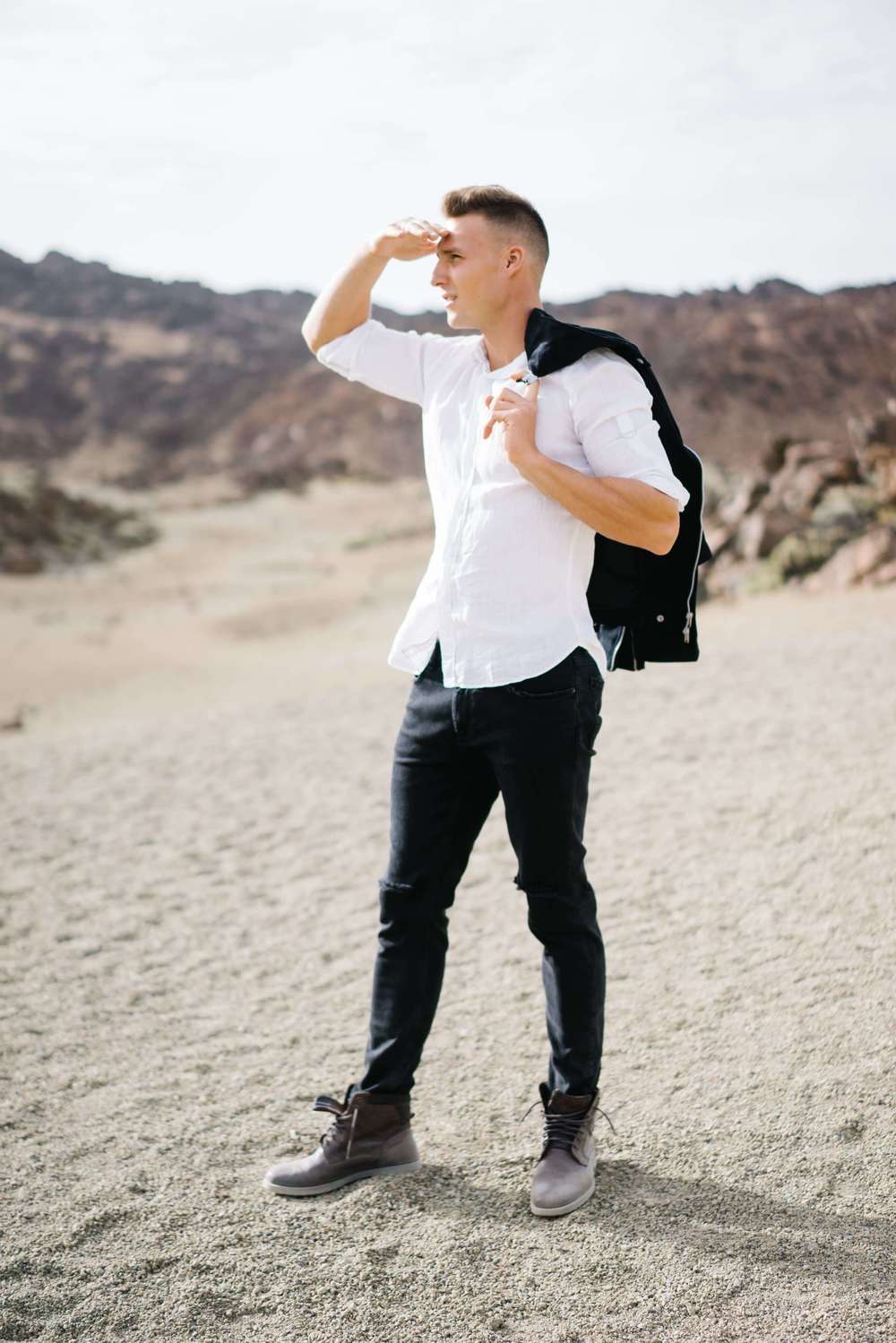
The dunes are clean, quiet, and cinematic. They are ideal for walking shots, wind, fabric movement, and a ceremony that feels unforced.
Best light: blue hour through early sunrise. Watch: sand, heat, and walking distance.
Artist’s Palette
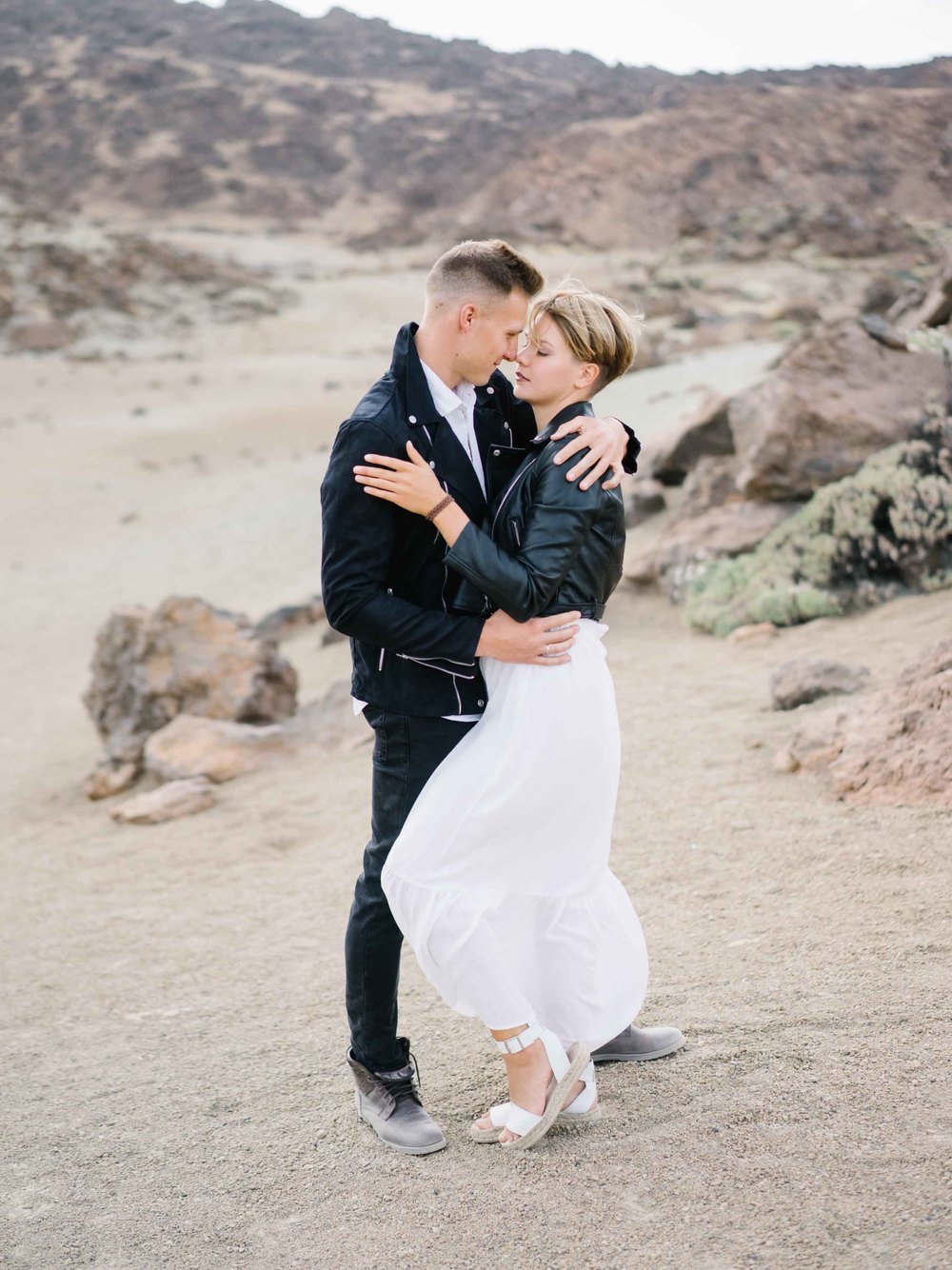
Artist’s Palette brings color and texture. It is better for portraits and movement than a long ceremony setup, especially when the light begins to soften.
Best light: late afternoon. Watch: narrow roads and timing between stops.
Permit Note
Plan The Legal Part Early
Weddings and ceremonies in Death Valley National Park require a Special Use Permit. Current NPS guidance says complete applications should be submitted at least 30 days in advance, with 60 days encouraged. As checked on May 24, 2026, the listed non-refundable application fee for most non-First Amendment uses is $300.
Entrance fees are separate. Death Valley currently lists a $30 private vehicle standard entrance pass, valid for seven days. Wedding photographers do not need a separate permit for standard wedding-day coverage, but larger production needs, props, closures, or unusual setups should be confirmed directly with the park.
Submit At least 30 days ahead; 60 days is safer.
Budget Permit fee and park entrance fee are separate.
Keep simple Small ceremony, minimal setup, respectful routes.

Shape The Route Around Light
Trying to see everything usually makes the film feel thinner. A better route moves through contrast: one place for vows, one place for movement, one place for quiet portraits.
Sunrise route: ceremony first, portraits second, breakfast after the heat begins to rise.
Sunset route: portraits first, vows as the light softens, final frames in blue hour.
Guest route: keep walking short, build in water stops, and avoid fragile terrain.
What To Wear
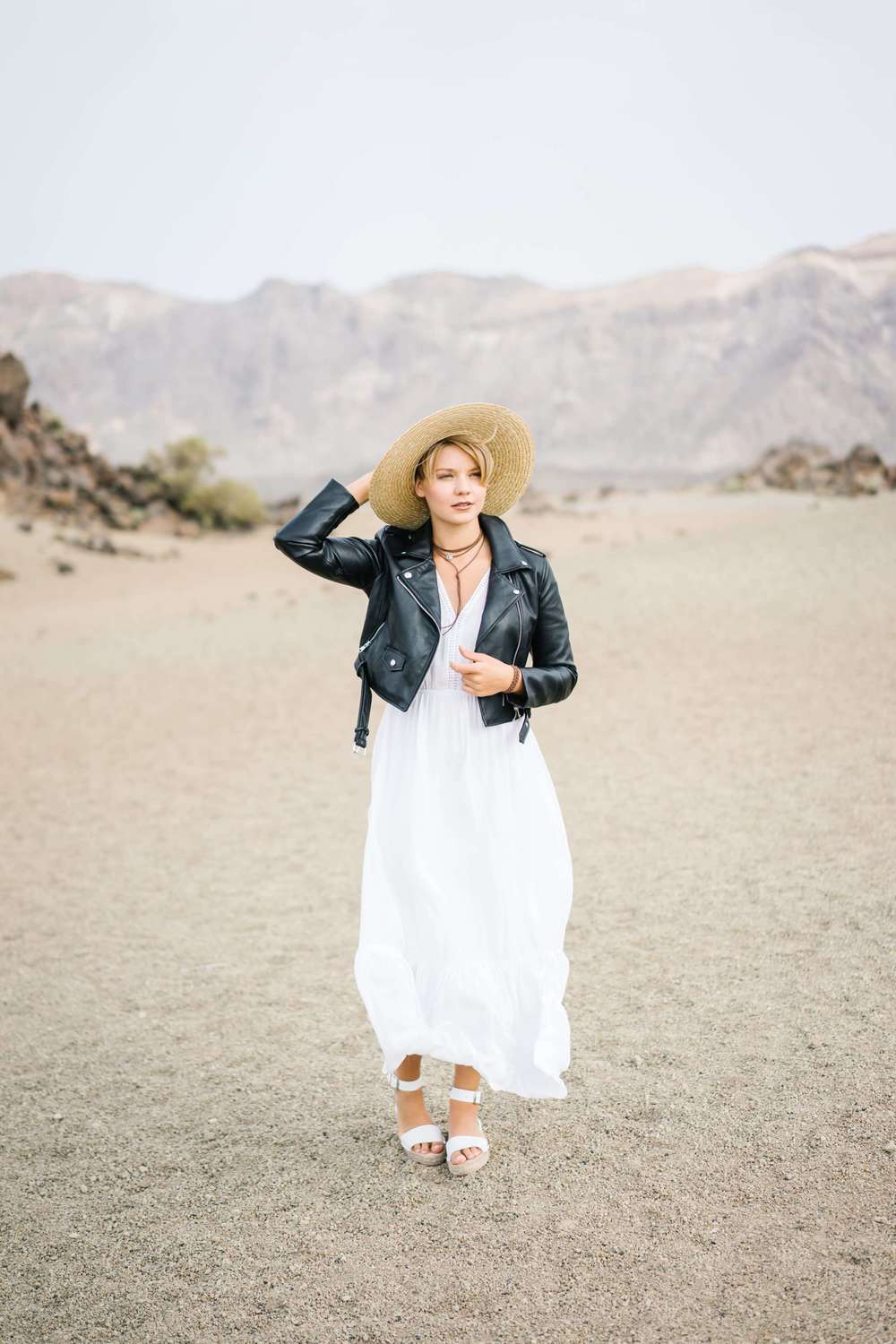
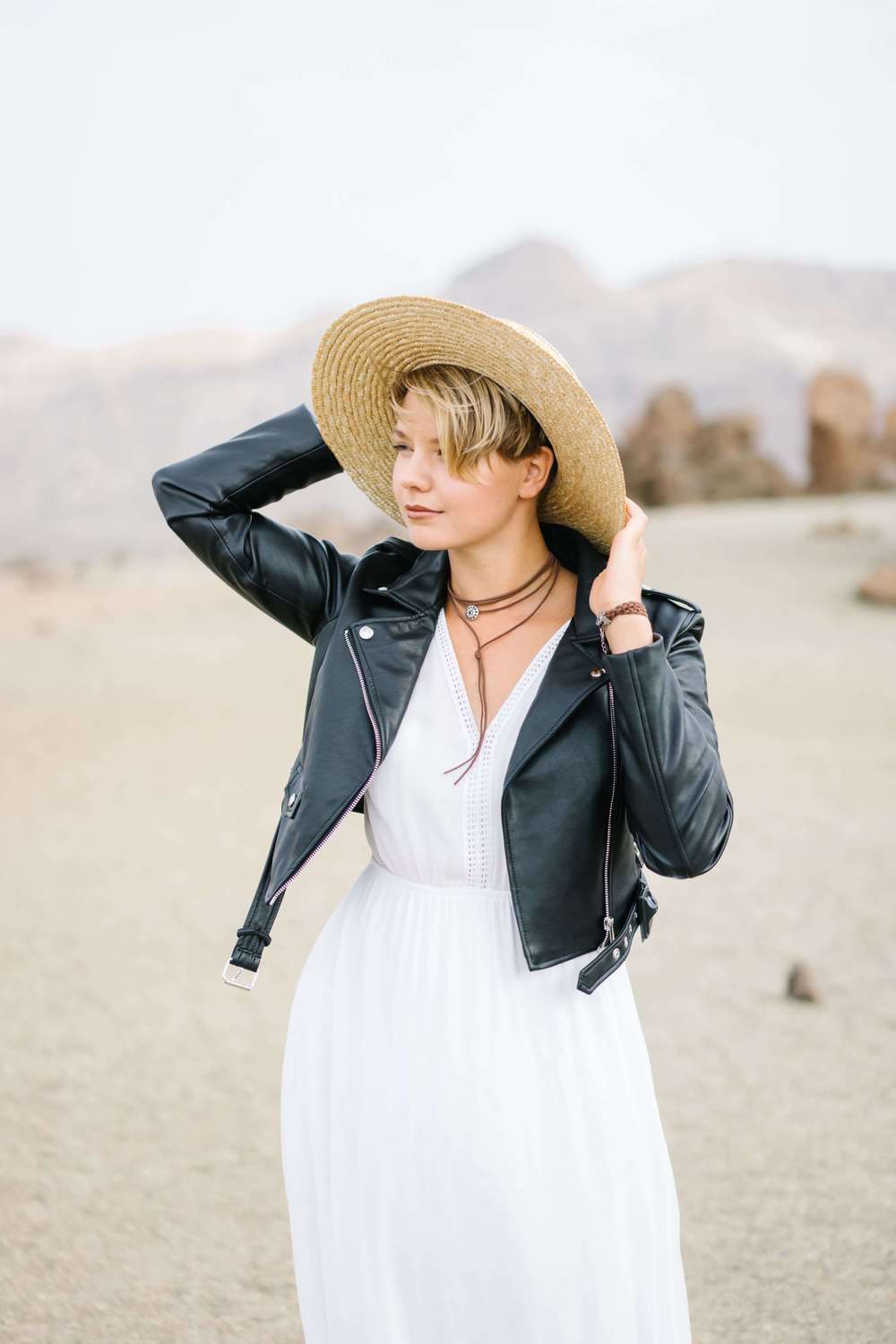
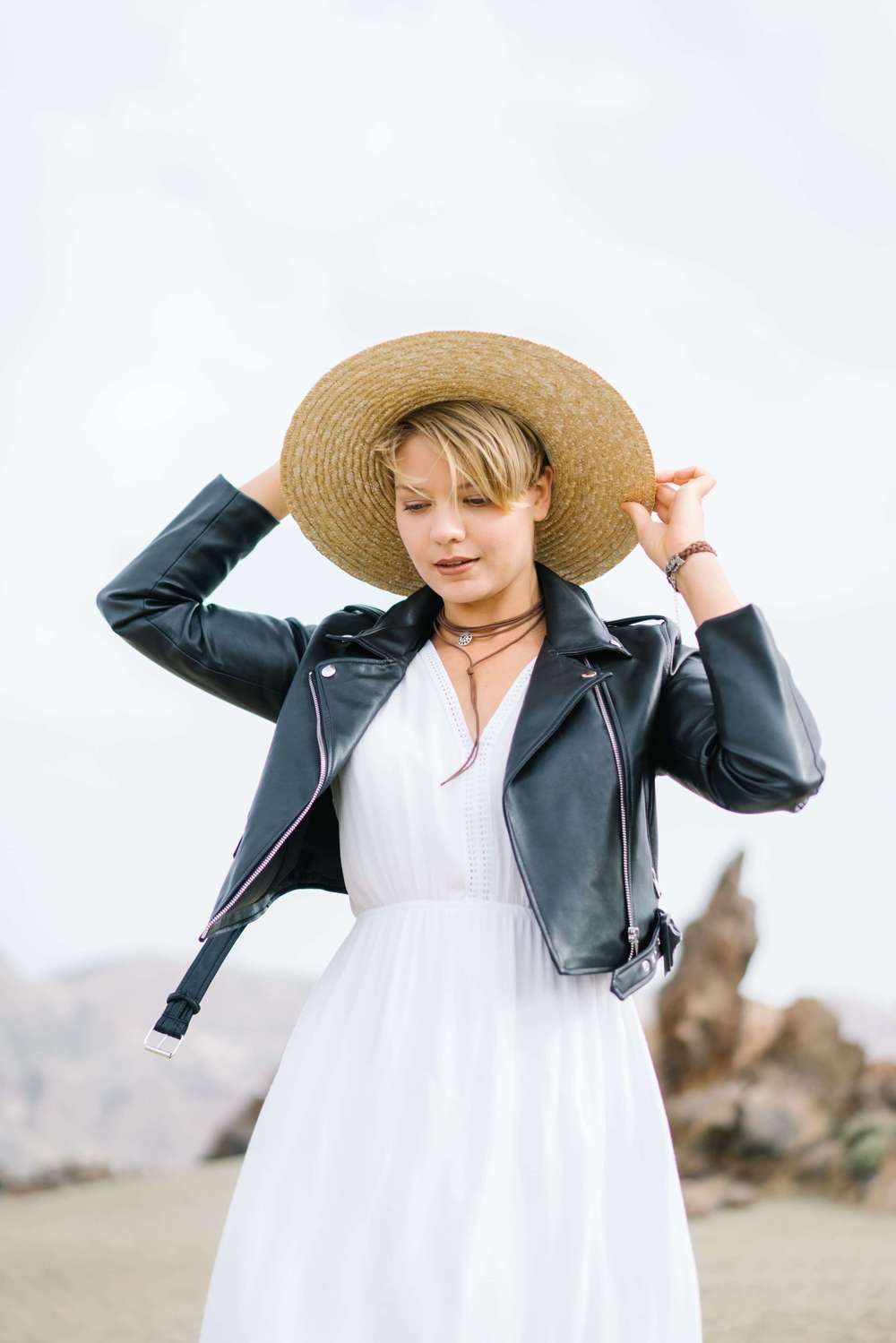
Choose clothing that can move. Breathable fabric, layers for temperature swings, and shoes that can cross sand or uneven ground will matter more than anything that only works for a flat venue floor.
Florals and styling should be edited, wind-aware, and easy to carry. The desert does not need much decoration; it needs planning that lets the couple stay present.
Related Questions
Can you elope in Death Valley National Park?
Yes. Couples can elope in Death Valley, but a wedding or ceremony on park land requires a Special Use Permit.
What is the best month for a Death Valley elopement?
Many couples prefer late fall through early spring because temperatures are more comfortable and the light is easier to use throughout the day.
Do photographers need a separate permit?
For standard wedding portrait coverage, Death Valley states that wedding photographers do not require a separate permit. Larger productions or unusual setups should still be confirmed with the park.
Death Valley works when the day is not overbuilt. Choose fewer locations, protect the light, confirm the permit path, and let the landscape stay quiet around the vows.