What Defines a Monserate Winery Wedding?
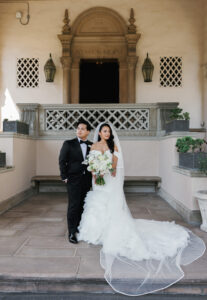
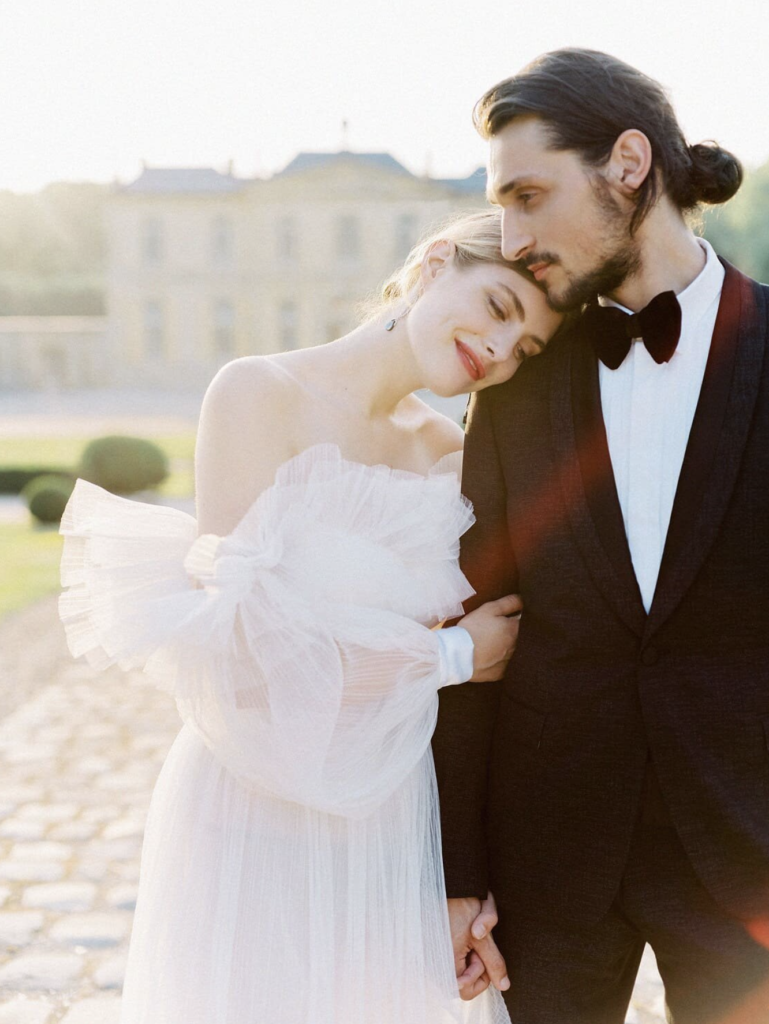
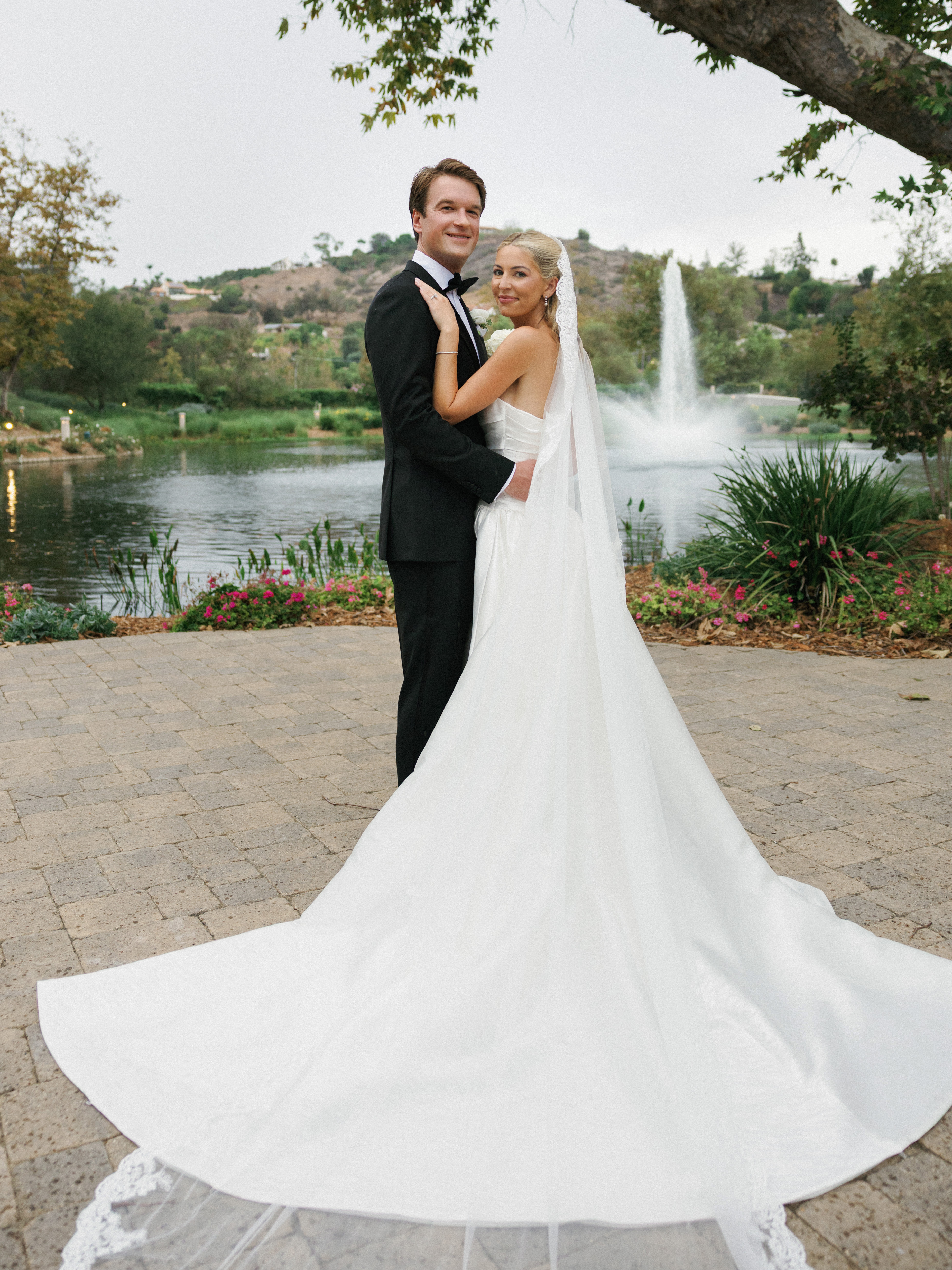
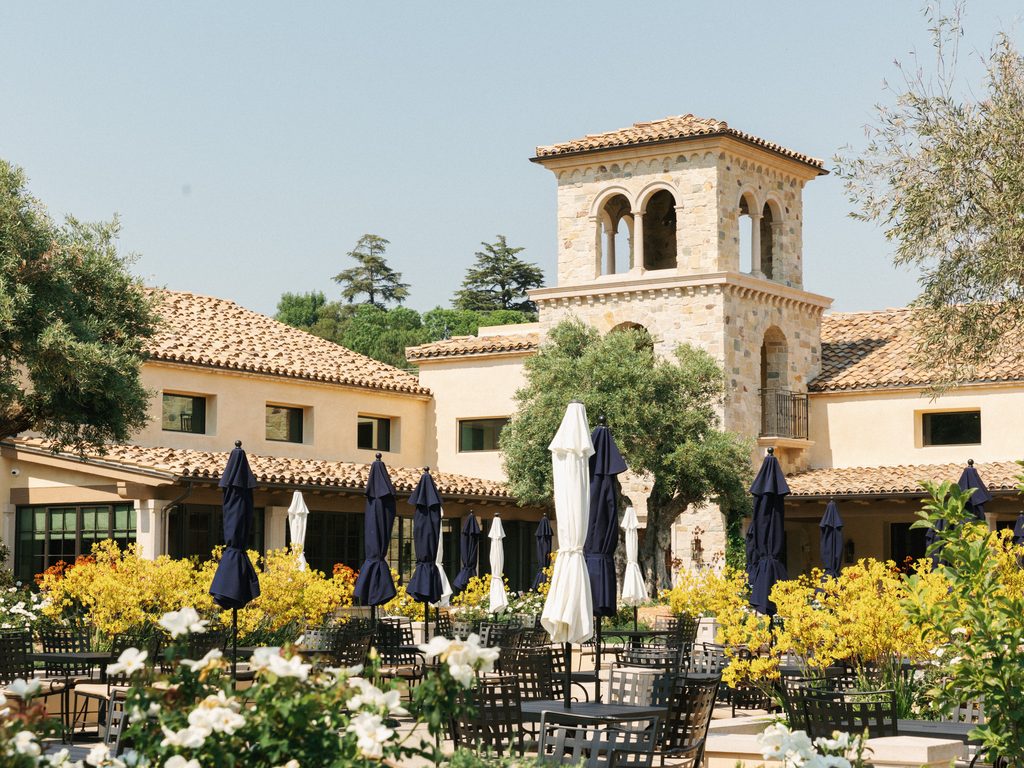
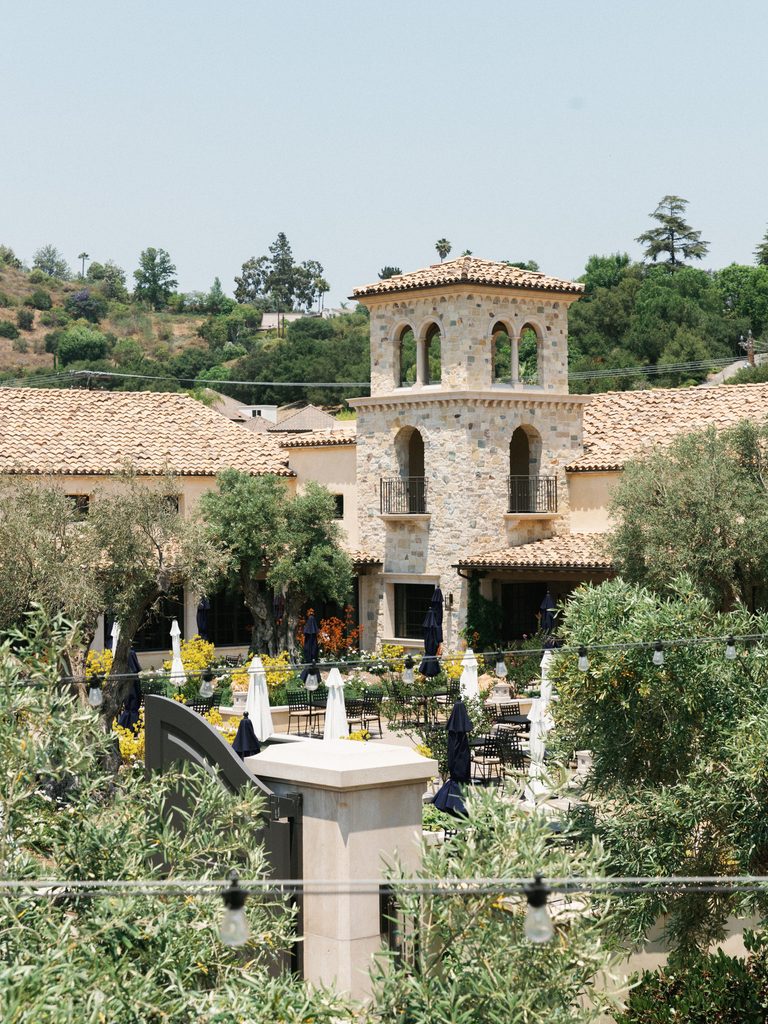
Monserate Winery is located in Fallbrook, in North San Diego County, where vineyard rows, rolling hills, mature trees, and water features form the landscape around the estate. Italian-inspired architecture adds another visual layer, with stone exteriors, courtyards, covered walkways, and reception rooms designed around views of the surrounding grounds. For wedding photography and film, the combination of landscape and architecture gives the setting a recognizable character.
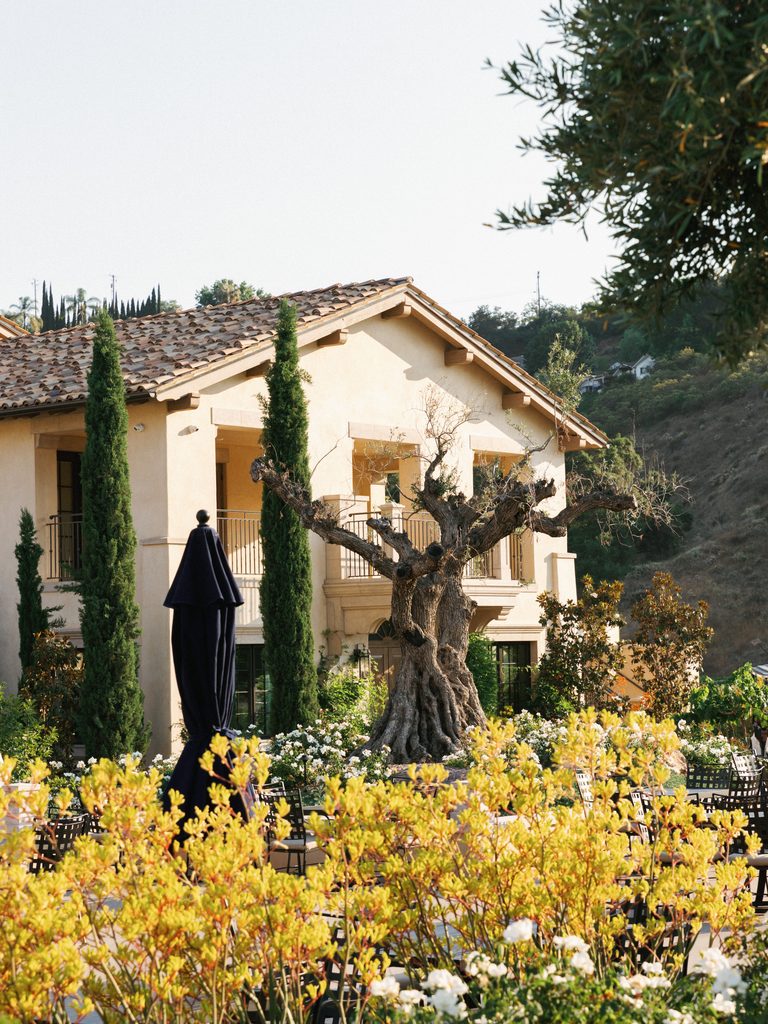
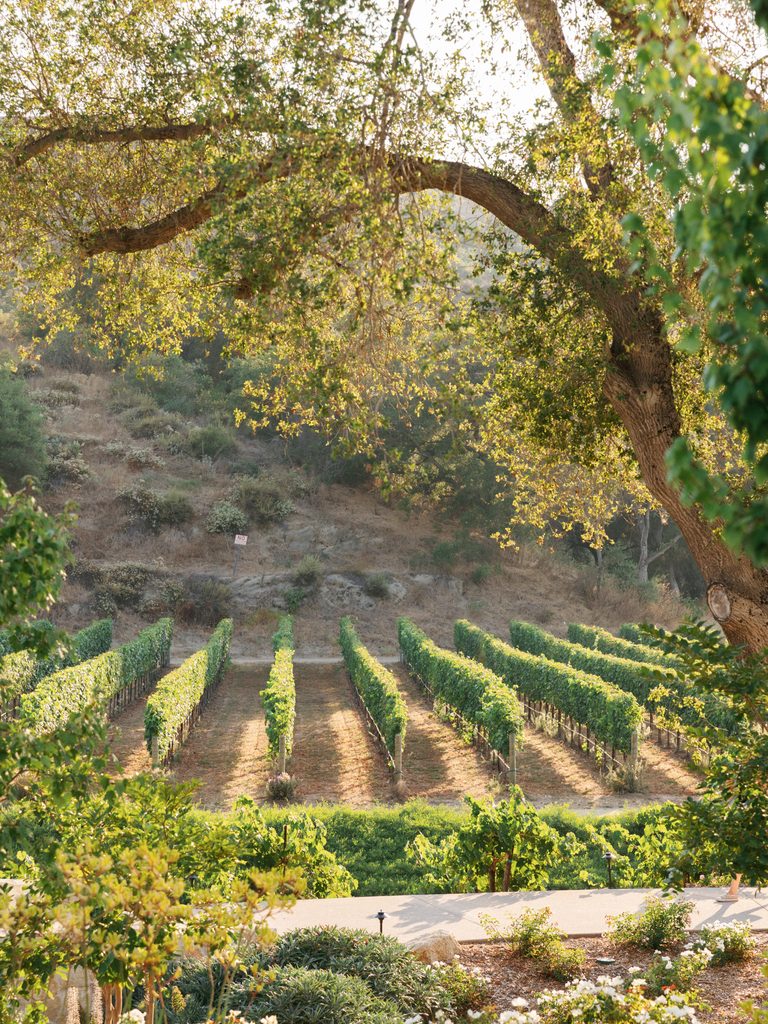
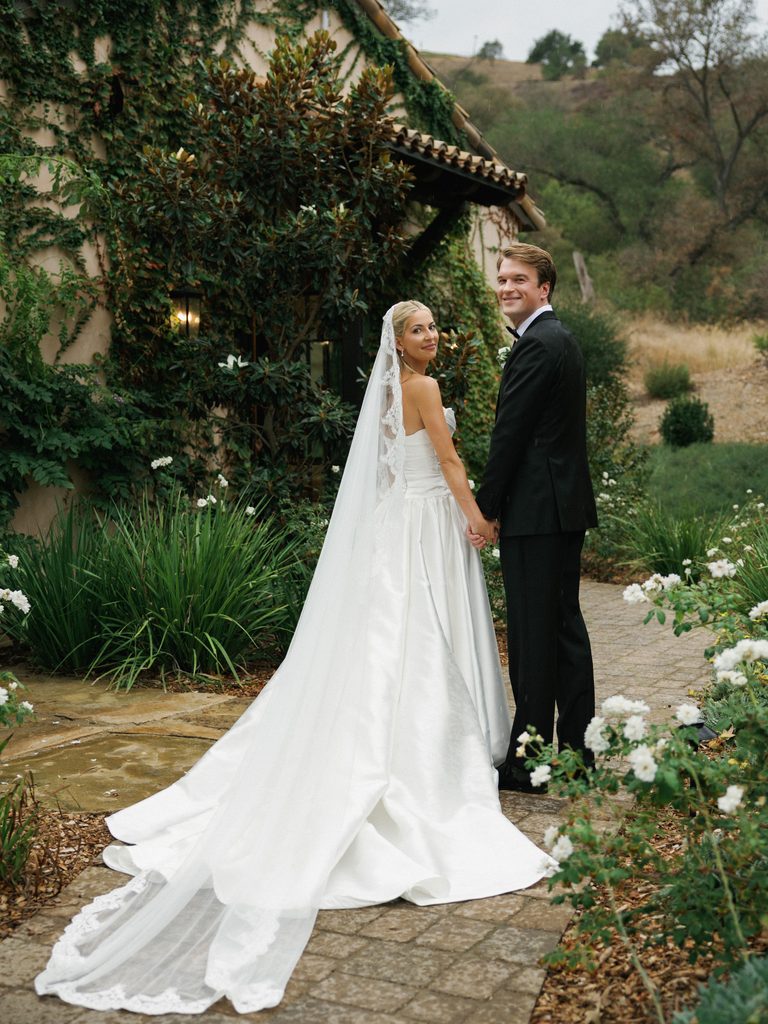
The vineyard views establish the wider scene, while the built spaces bring the camera closer to the details of the celebration. Stone arches, olive trees, architectural columns, and large windows can become part of portraits, reception photographs, and the transitions between different parts of the wedding film. Water features add another element to the composition, with reflections and movement creating visual variety within the grounds.
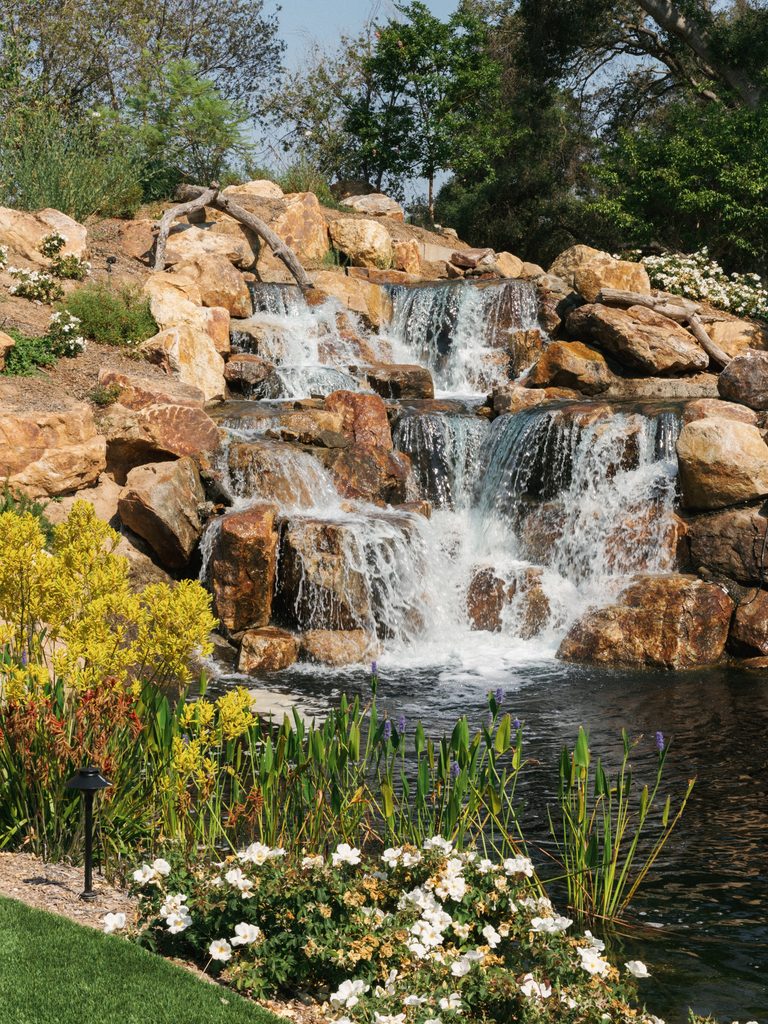
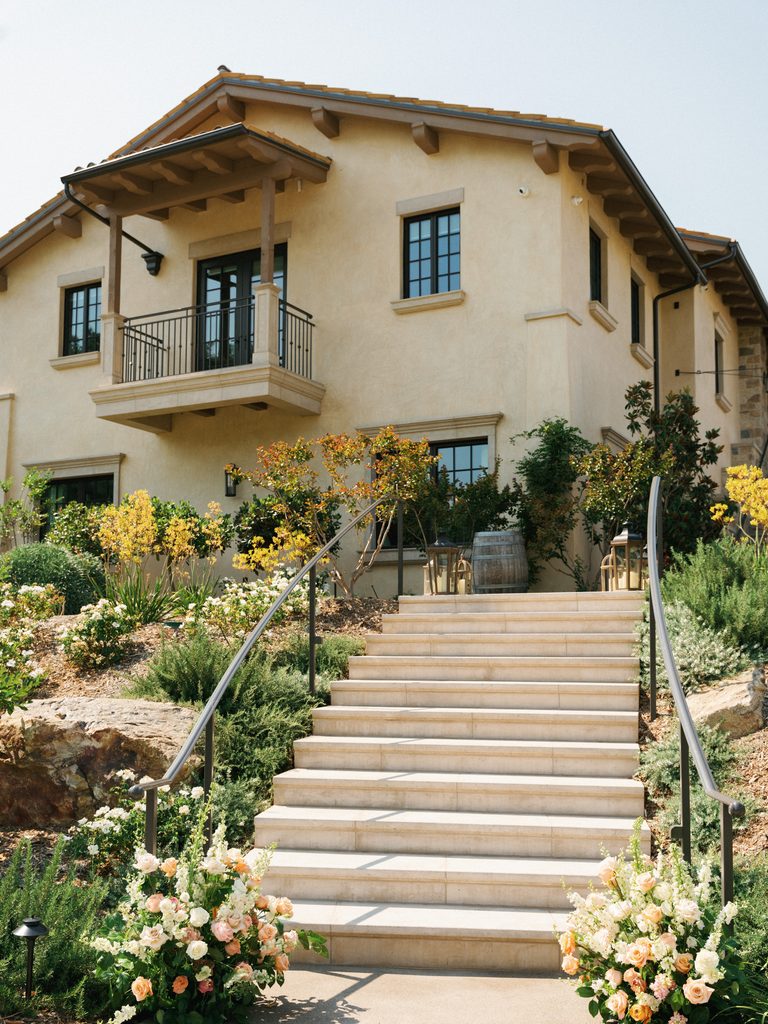
The character of the wedding depends in part on which event space is selected. Some settings emphasize traditional stonework and a warm, Old World atmosphere. Others combine lighter architecture, expansive glass, and open views across the landscape. The selected space determines which backgrounds, interiors, and outdoor areas are available for the day’s coverage.
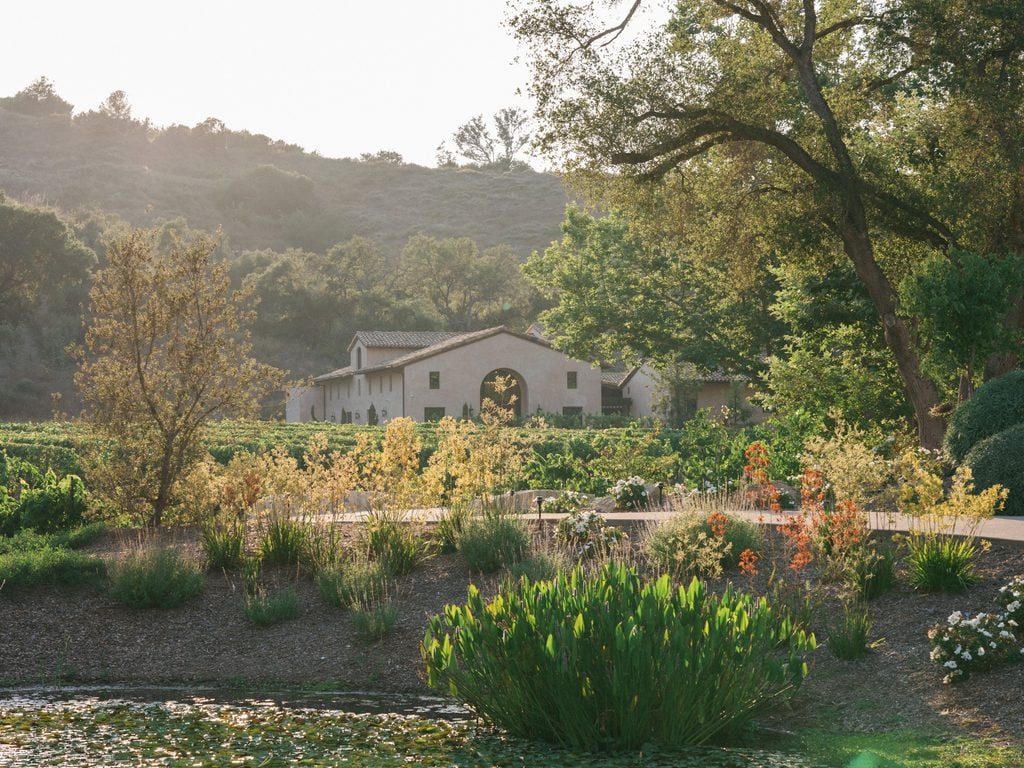
Compare the Event Spaces Through Their Visual Character
Monserate Winery offers three wedding venues: Tuscan Estate, Villa de Fiore, and Monte Bella. Their architectural styles and relationship to the surrounding grounds give each space a different visual identity. The Tuscan Estate pairs a lakeside setting with a stone reception room, Villa de Fiore brings natural light into a formal ballroom, and Monte Bella places greater emphasis on the geometry of its courtyard and the connection between its interior and vineyard views.
The Tuscan Estate
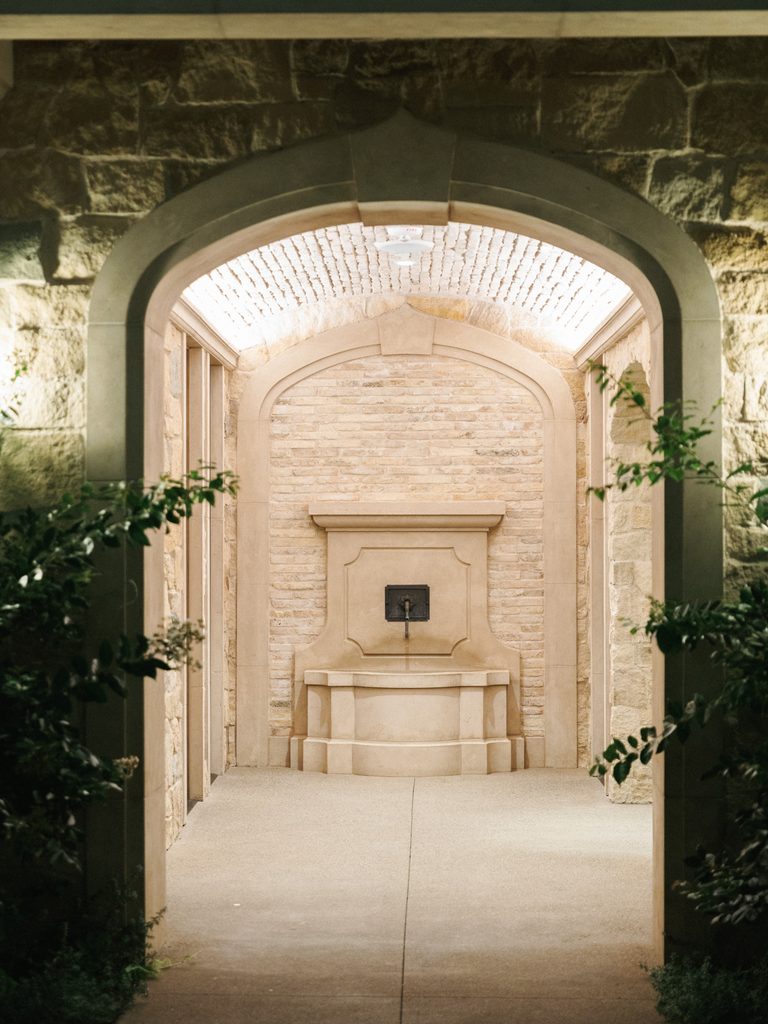
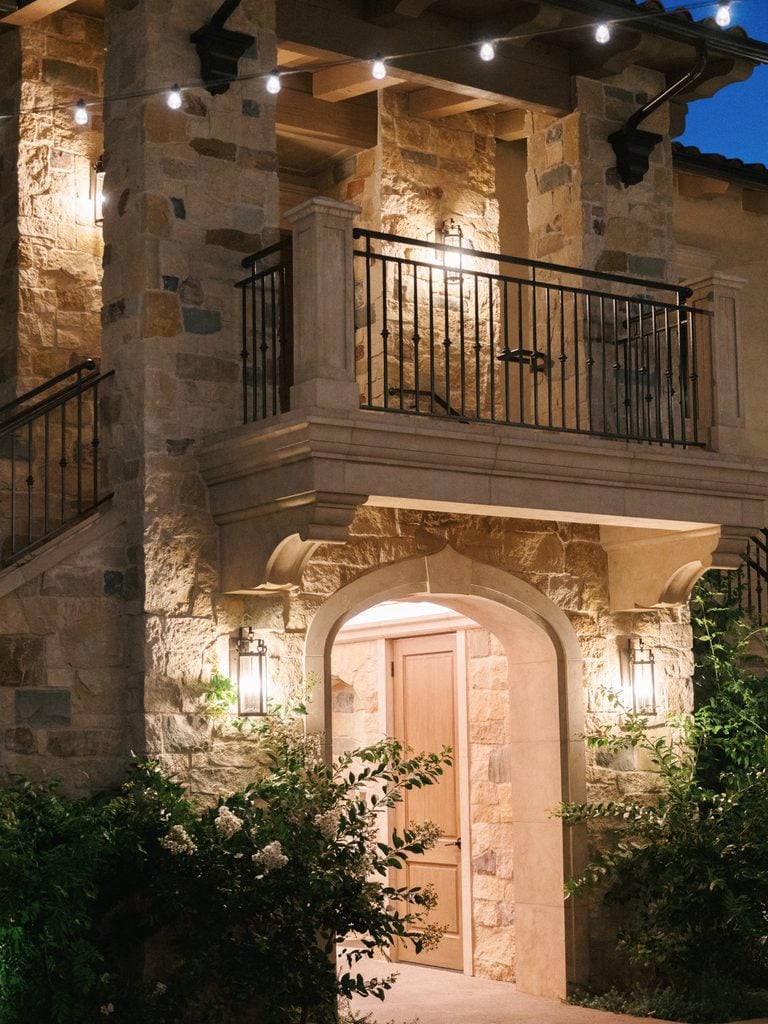
The Tuscan Estate combines an outdoor ceremony lawn near a lake and waterfall with olive trees, a stone courtyard, and the Barrel Room. Inside the Barrel Room, hand-placed stonework, vaulted ceilings, and barrel alcoves set within arches give the reception a distinctly enclosed, architectural character.
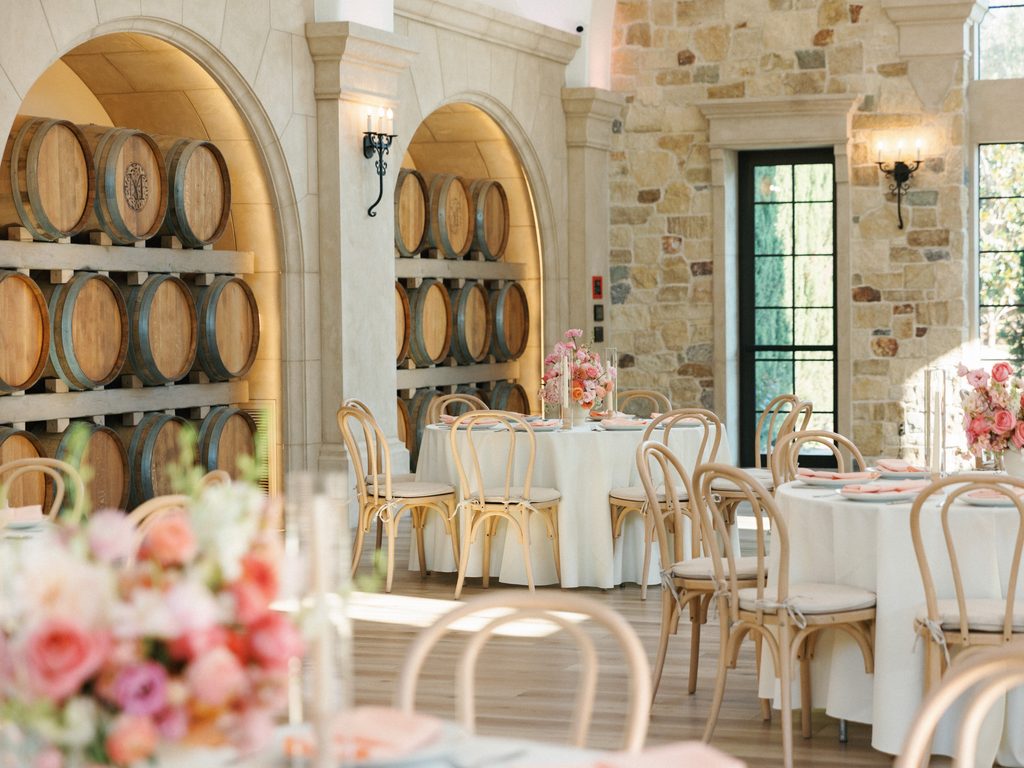
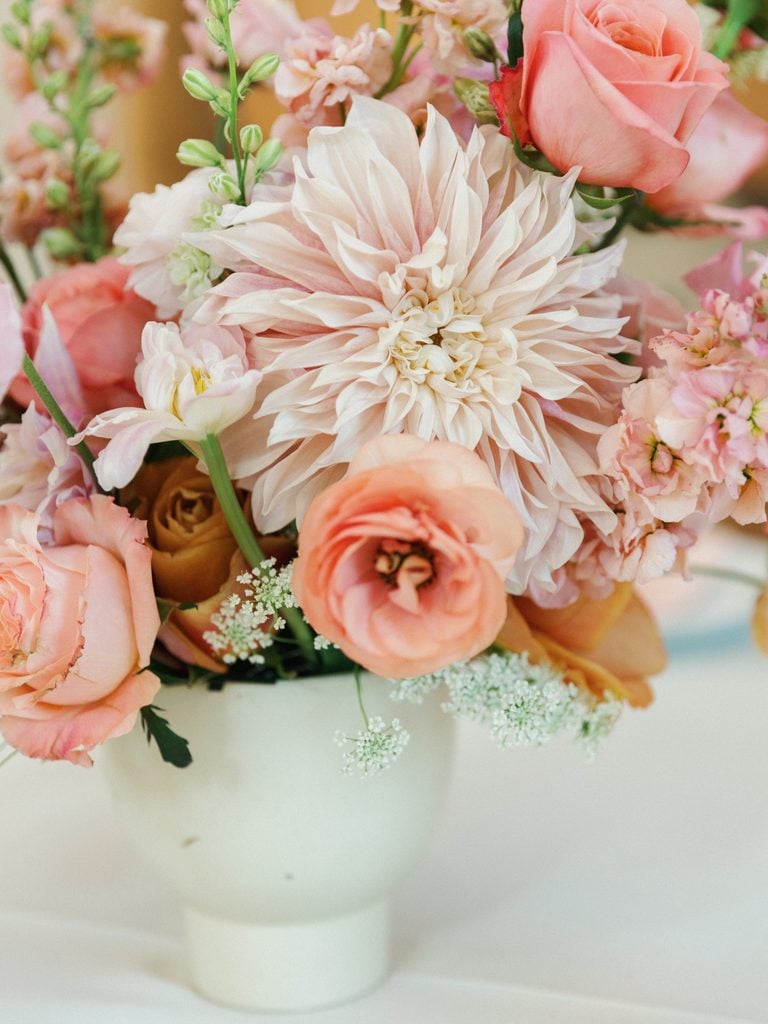
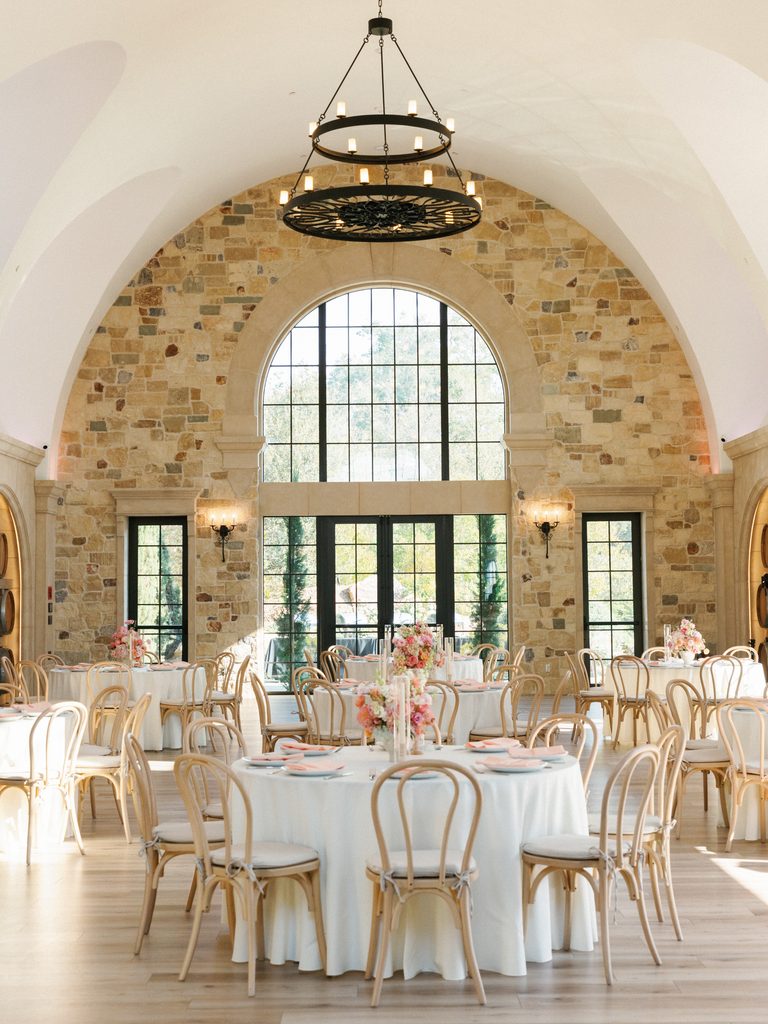
The contrast between the outdoor setting and the stone interior defines the photography here. Ceremony images can establish the lake, waterfall, and surrounding greenery, with wider compositions showing the landscape around the guests. Portraits near the courtyard can bring the stonework into closer view, while the Barrel Room offers a more intimate backdrop built around texture, arches, and the play of light across the walls.
Film can carry that contrast through the day, moving from the open landscape and its ambient sounds to the details and atmosphere of the reception room. The change in scale gives the venue sequence a clear visual progression, from broad views of the grounds to closer, more enclosed scenes.
Villa de Fiore
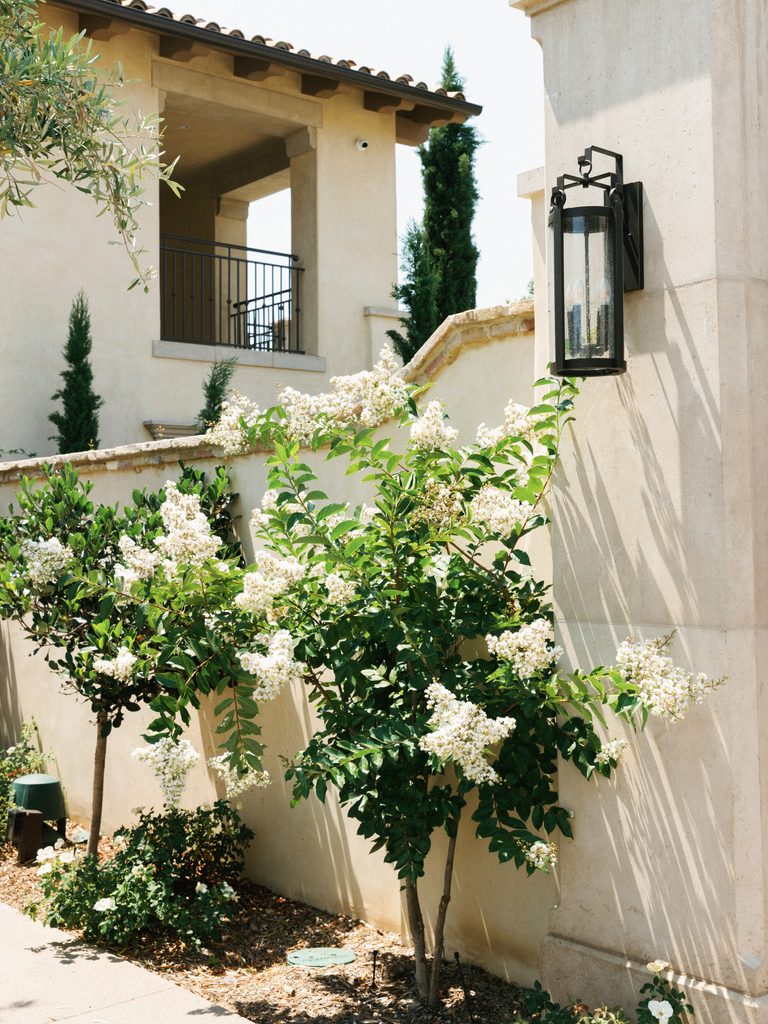
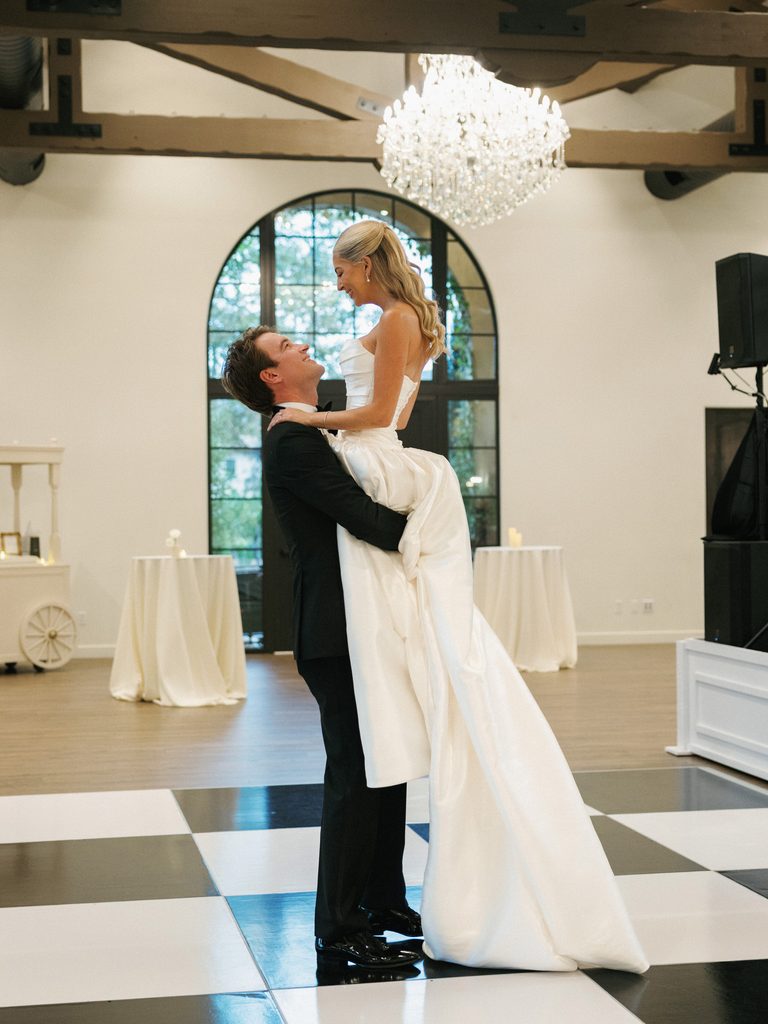
Villa de Fiore combines a stone courtyard and covered walkways with market lighting and a ballroom featuring crystal chandeliers and a broad glass wall overlooking the landscape. The defining feature is the relationship between the formal reception interior and the view beyond its windows.
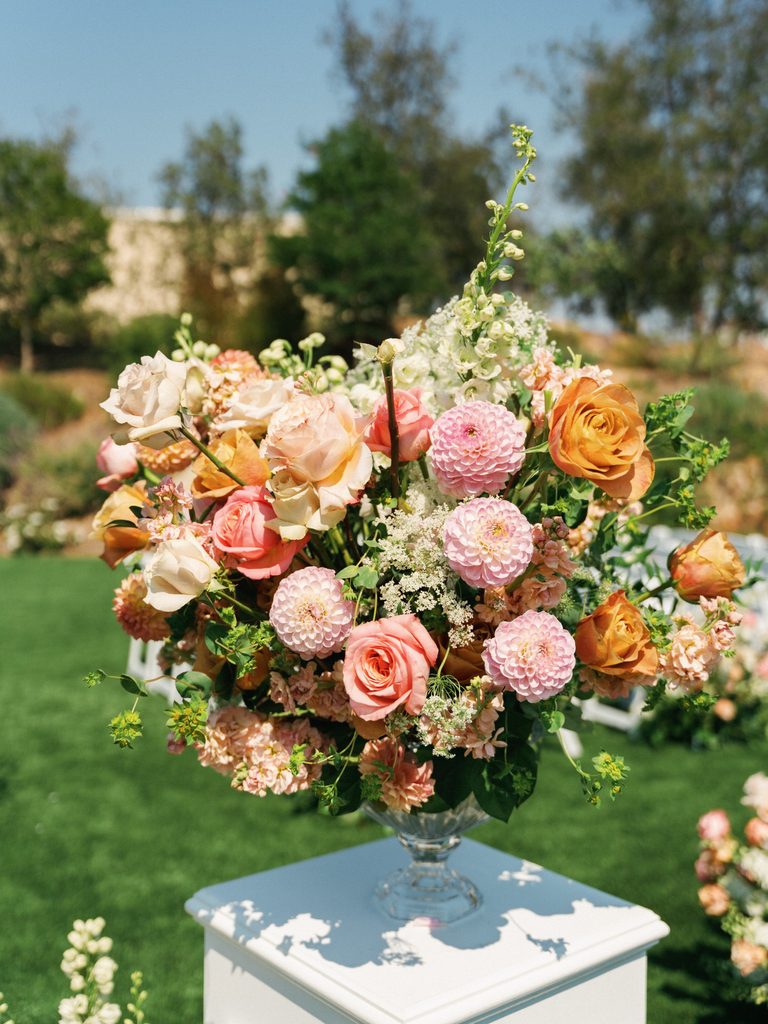
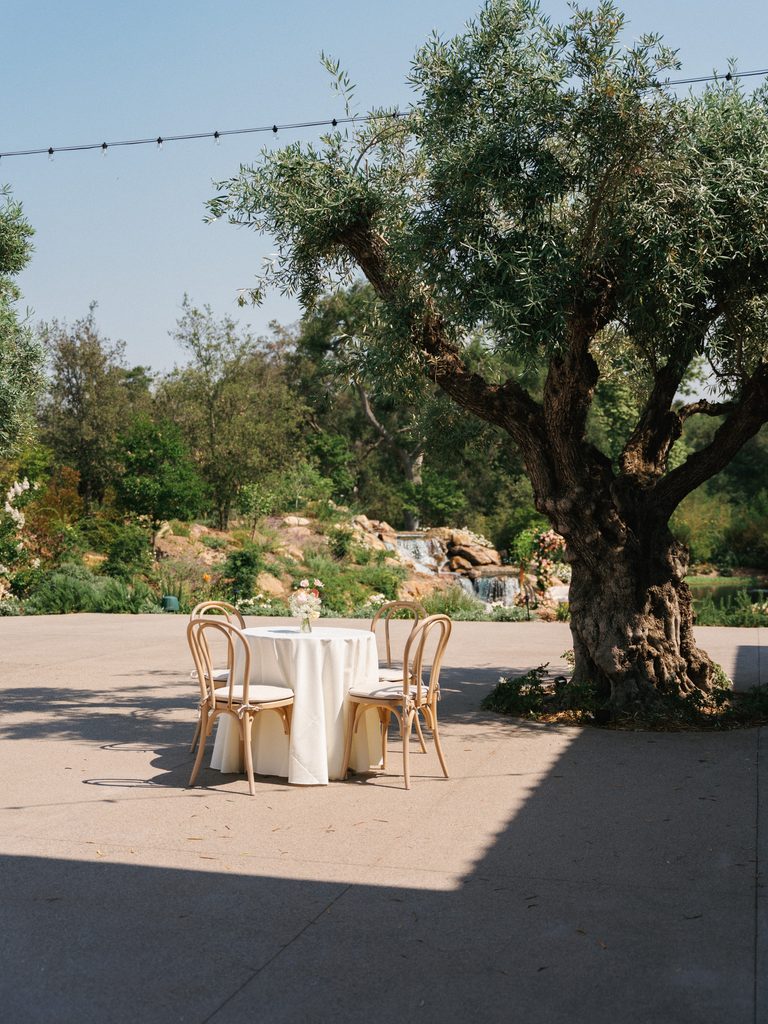
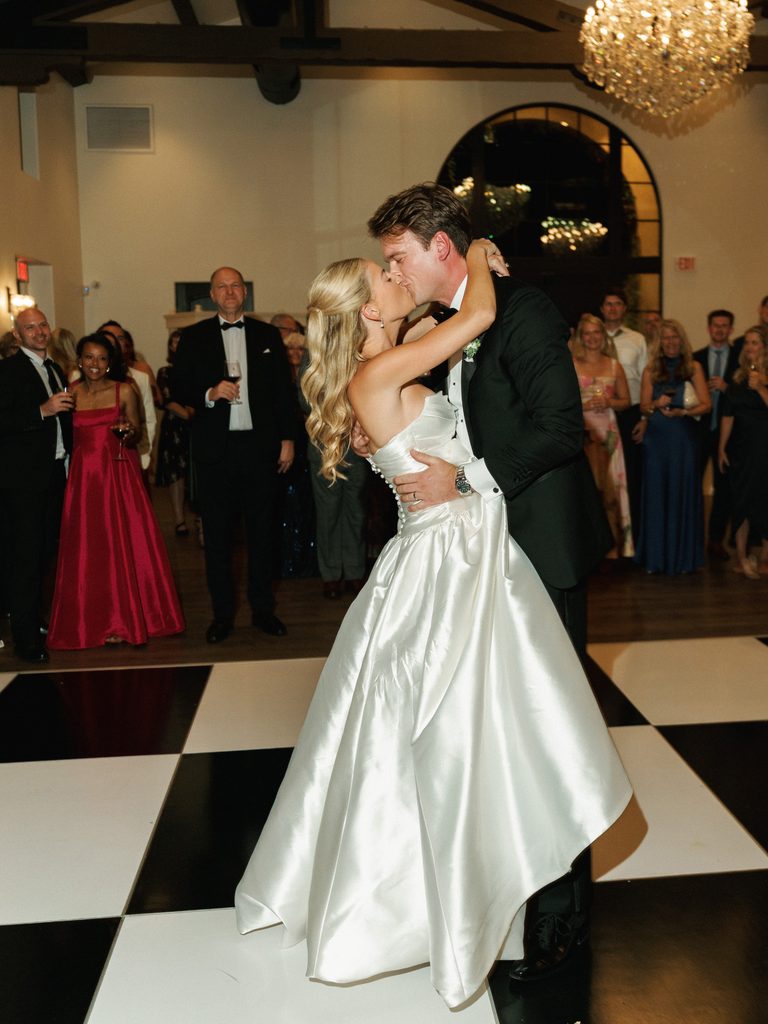
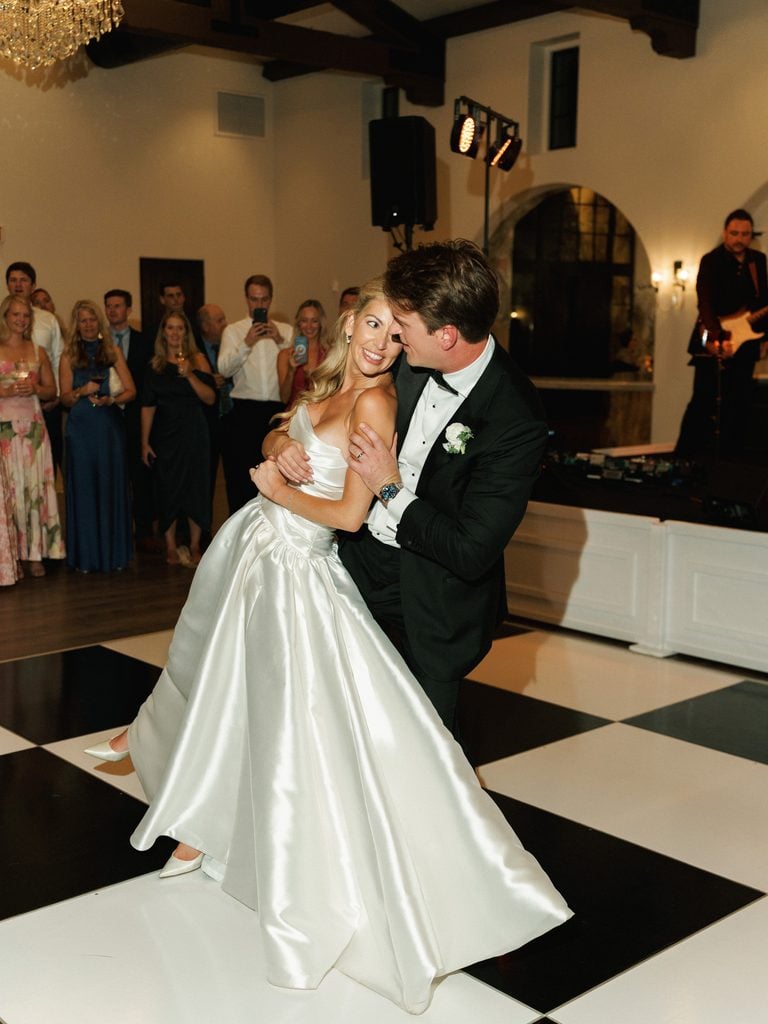
The courtyard brings stonework and greenery into outdoor portraits, with the architecture providing structure around the couple. Inside, the glass wall gives reception photographs a wider field of view, keeping the landscape visible alongside the tables, florals, and guests. As daylight fades, the chandeliers and market lights take on a greater visual role, changing the character of the same spaces without requiring a move to another part of the property.
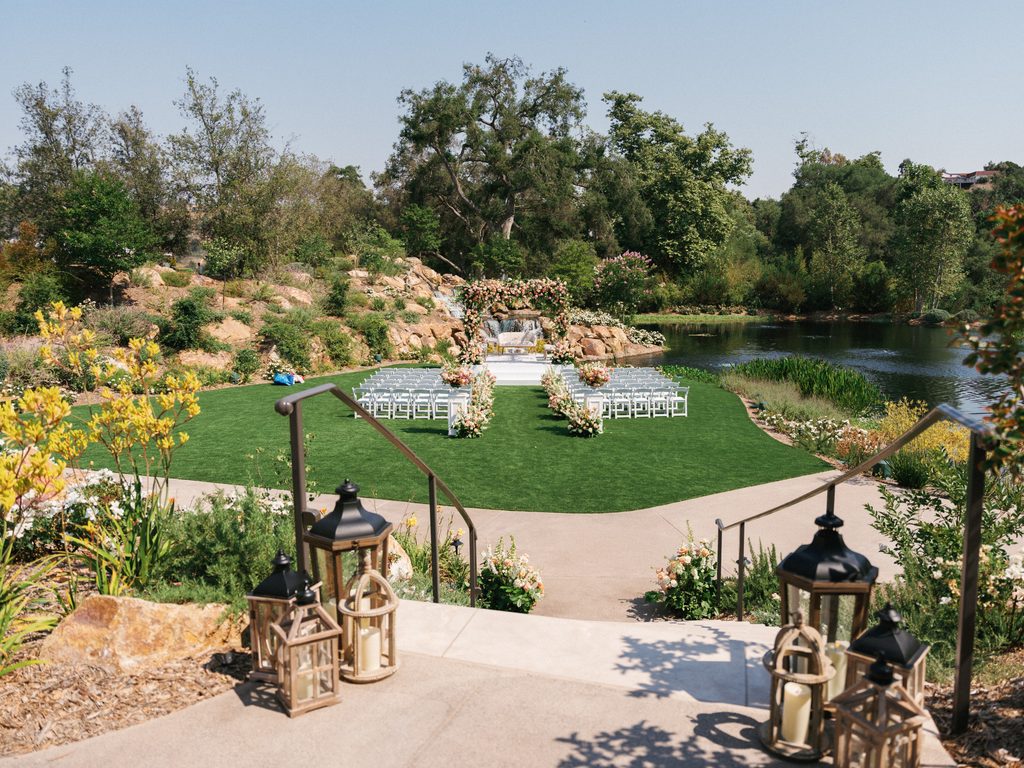
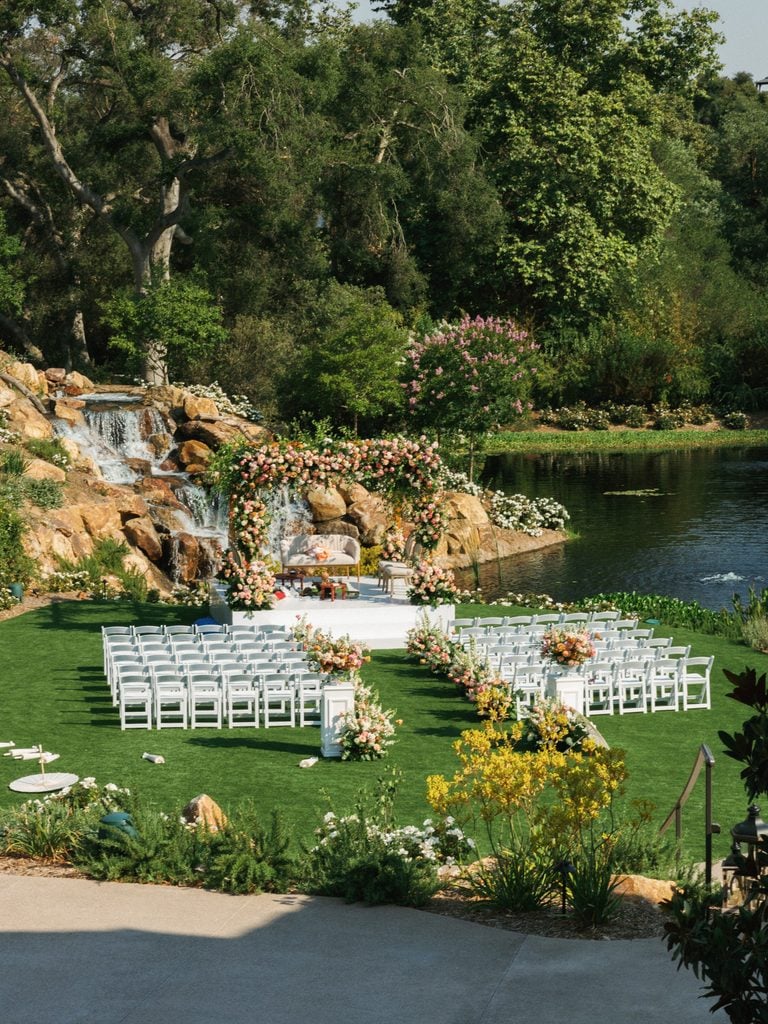
For film, the ballroom’s glass wall offers a way to establish the setting before the room fills with guests, then return to the wider view during dinner and speeches. Closer footage of conversations and reactions can sit alongside these architectural frames, keeping the reception connected to the landscape outside.
Monte Bella
Monte Bella has a central courtyard, artisan stonework, columns, and views across the vineyard landscape. Its U-shaped layout and expansive glass walls give the architecture a strong sense of geometry, with sightlines connecting the courtyard, interior, and grounds.
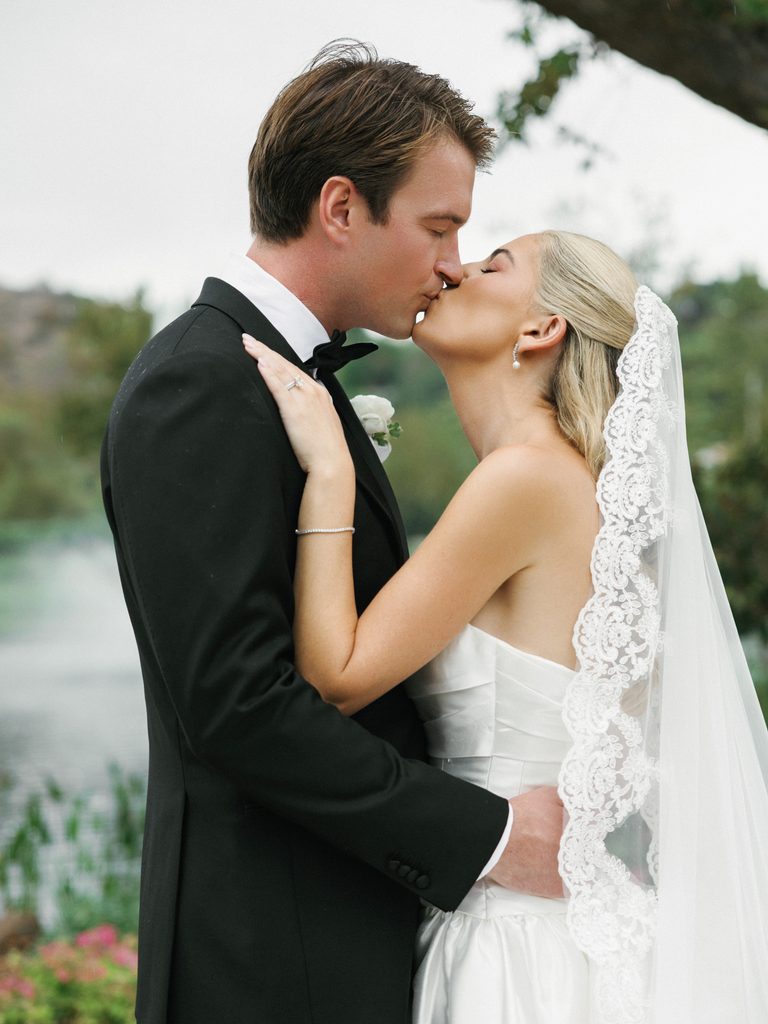
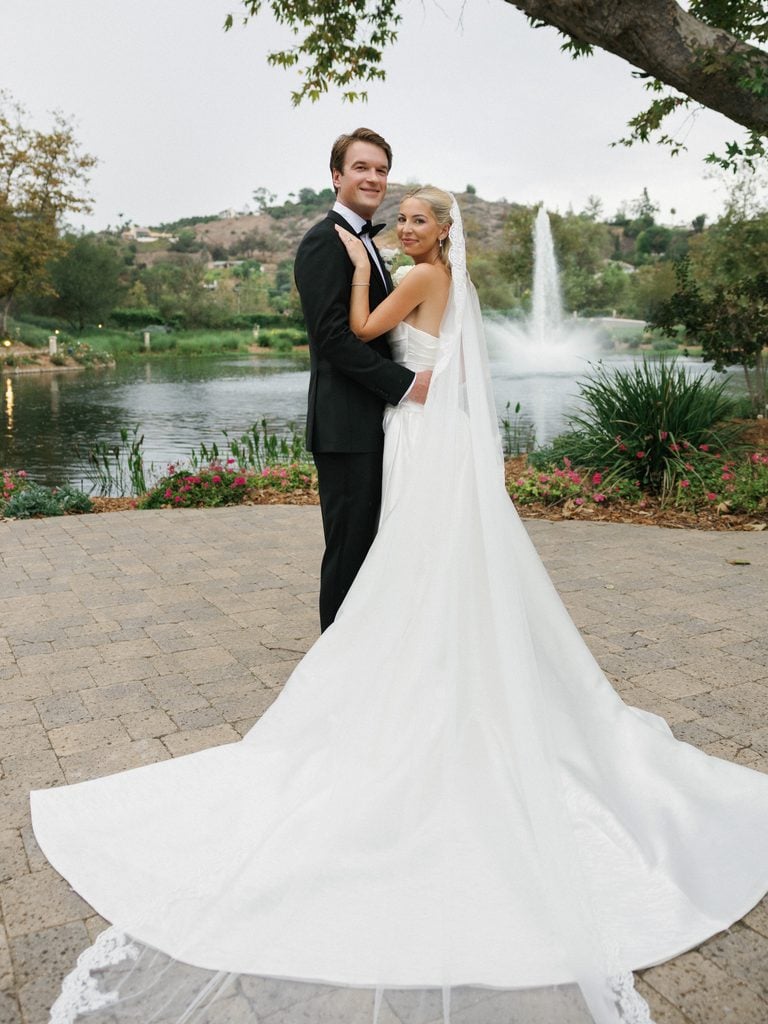
The courtyard is a natural starting point for portraits that use architectural lines as part of the composition. Columns can frame the couple, while the arrangement of the buildings gives the photographer opportunities to work with symmetry, depth, and layered backgrounds. Inside, the broad glass walls shift the emphasis toward the vineyard views, allowing the surrounding landscape to remain part of the reception photographs.
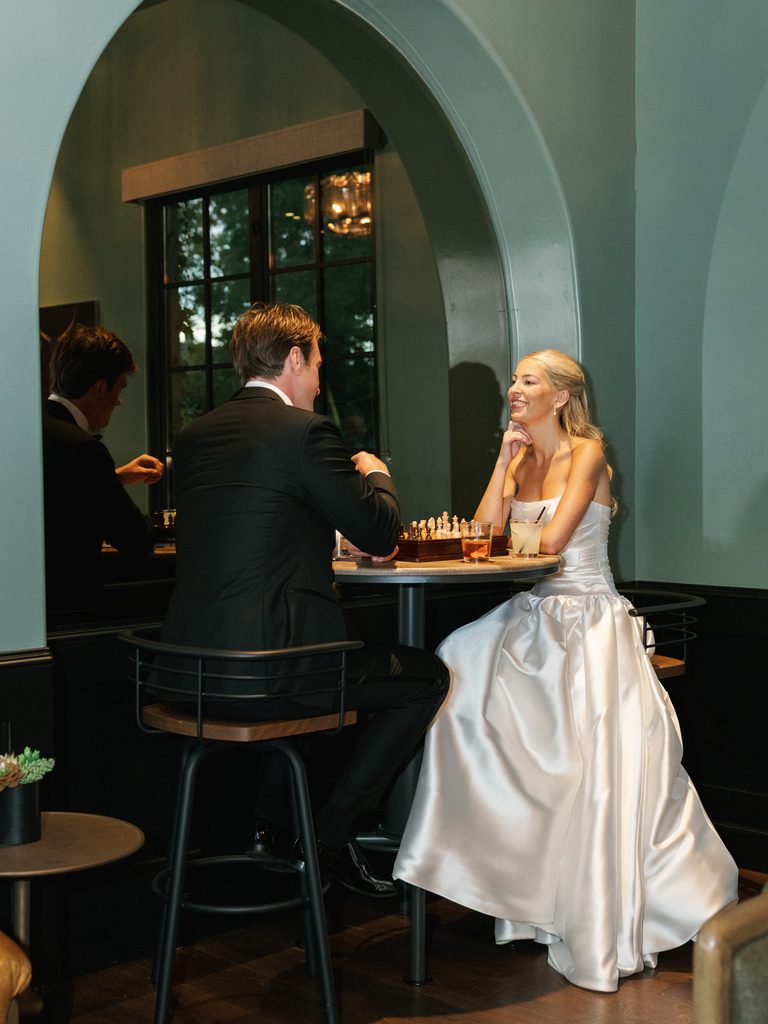
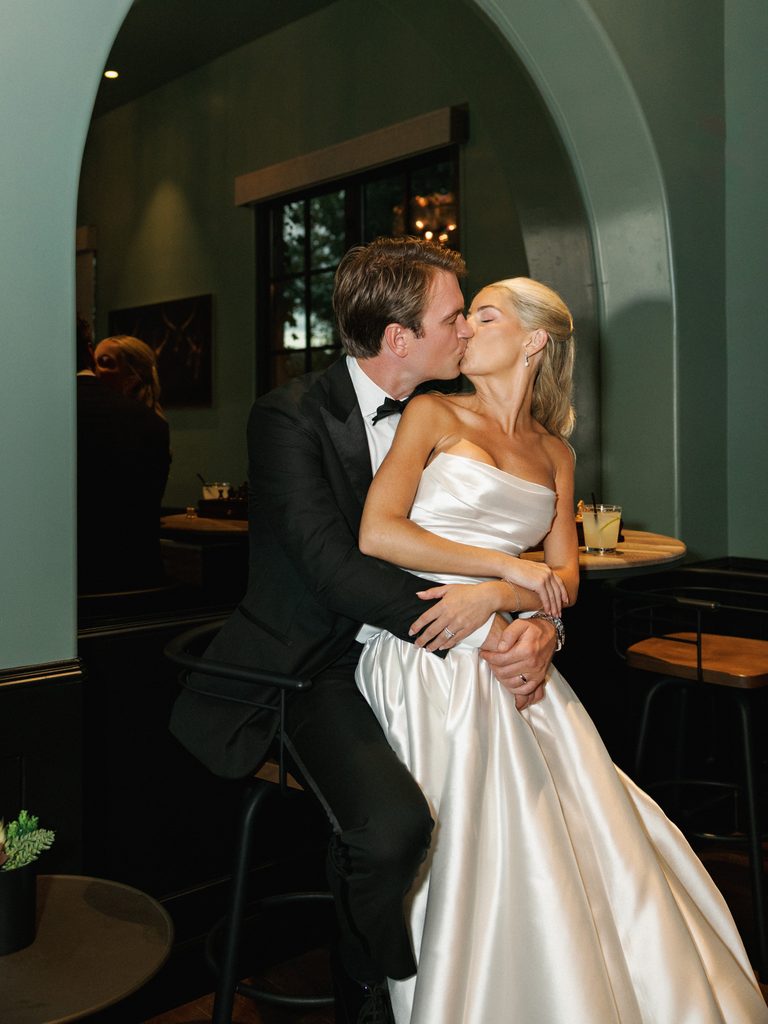
The same layout offers a distinctive approach to film coverage. Views through the courtyard and across the interior can establish how the spaces connect, while movement through the property reveals different angles of the architecture and vineyards. The footage can build a sense of place through the relationship between the architecture, courtyard, and vineyard landscape.
Looking at the Full Gallery
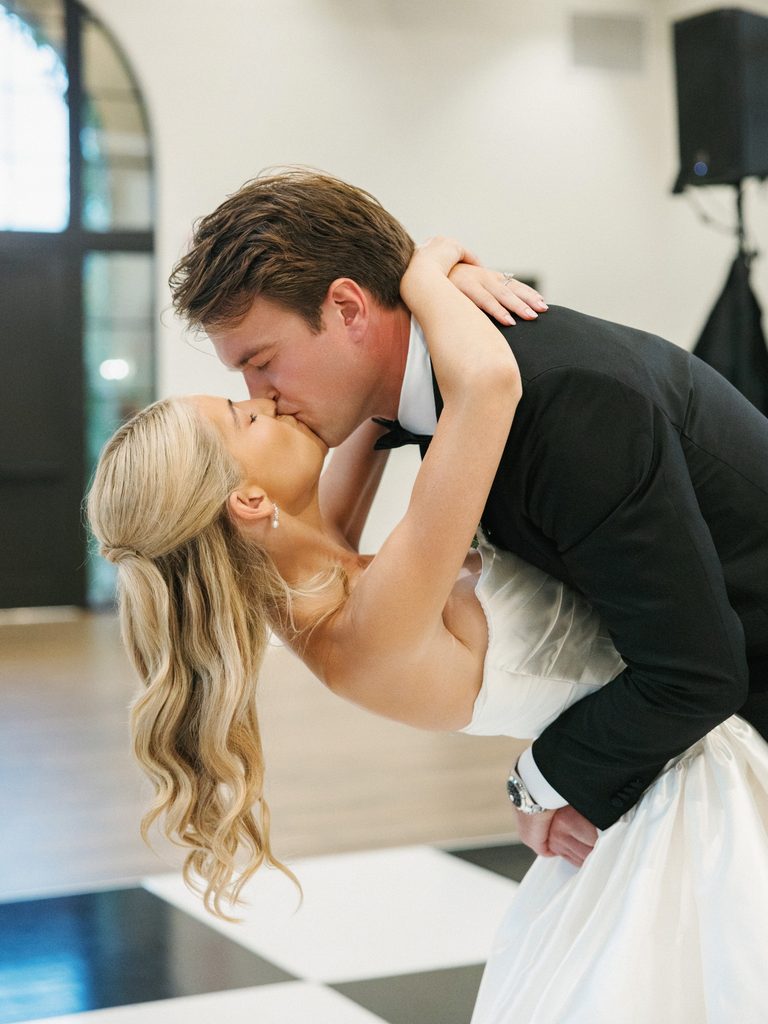
Each venue’s visual character should remain recognizable across the finished gallery. At Tuscan Estate, the shift from lakeside views to the stone Barrel Room can give the photographs a clear change in scale and atmosphere. Villa de Fiore carries the landscape into the reception through its broad glass wall and changing interior light. Monte Bella offers a more architectural sequence, shaped by the courtyard, columns, and connected sightlines toward the vineyards.
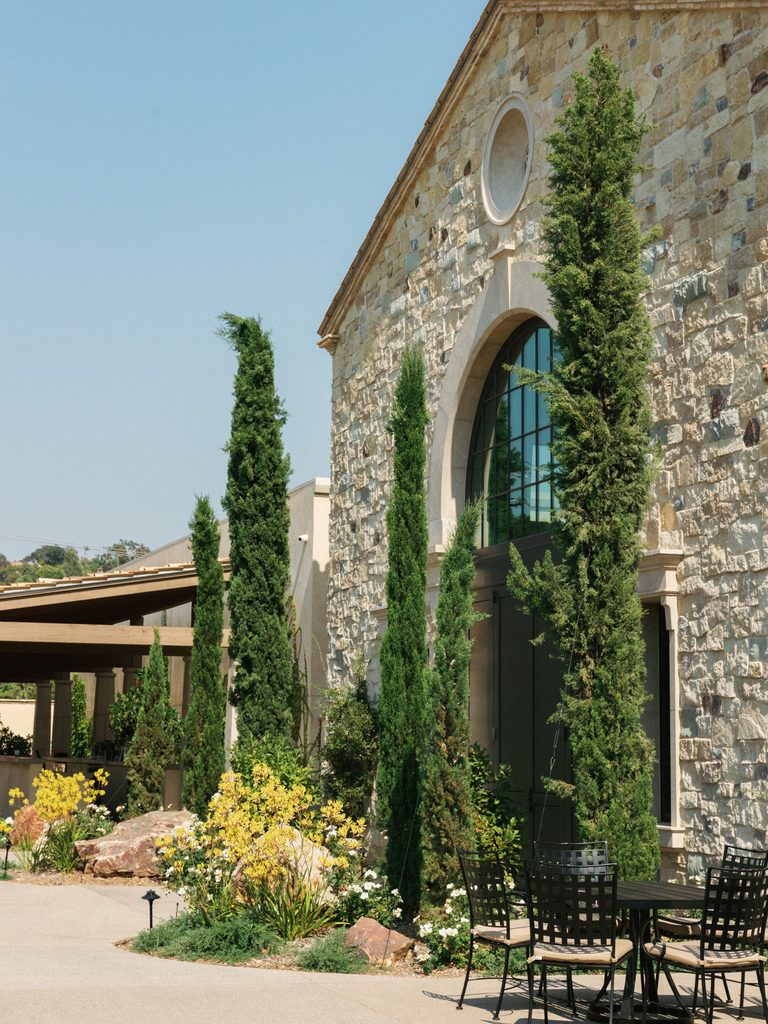
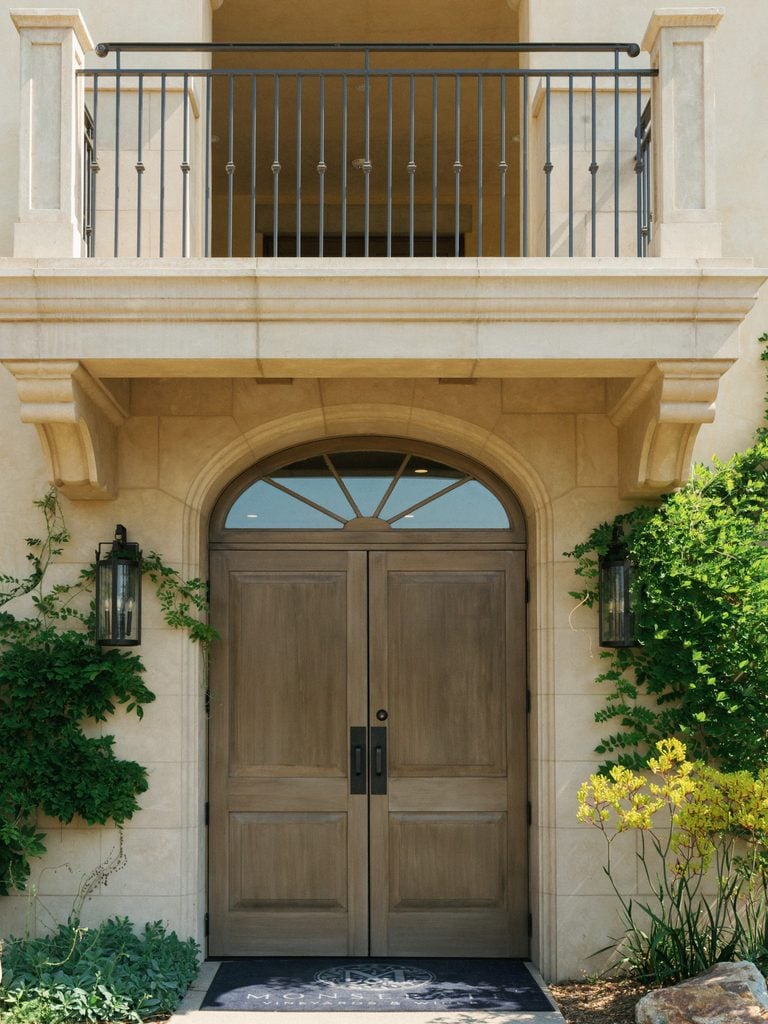
A full gallery shows how those features carry through the ceremony, portraits, and reception, giving the finished collection a consistent sense of place. Film adds movement and ambient sound, connecting the spaces through the way guests enter, gather, and move through the celebration.
Guest Arrival and Movement Across the Property
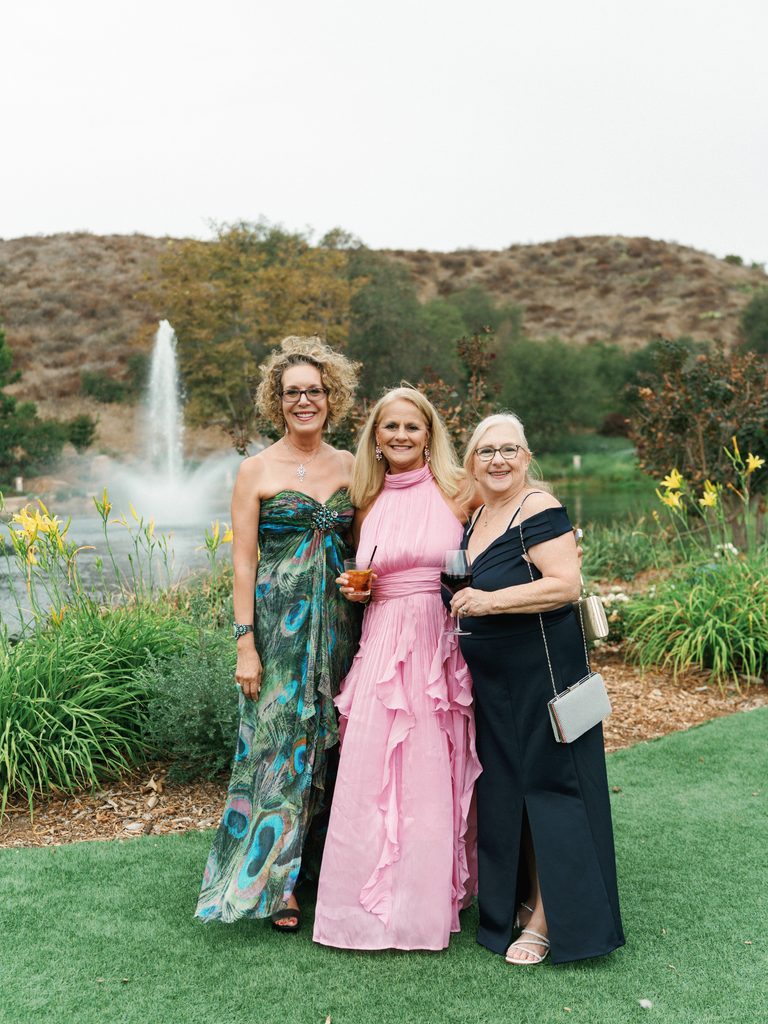
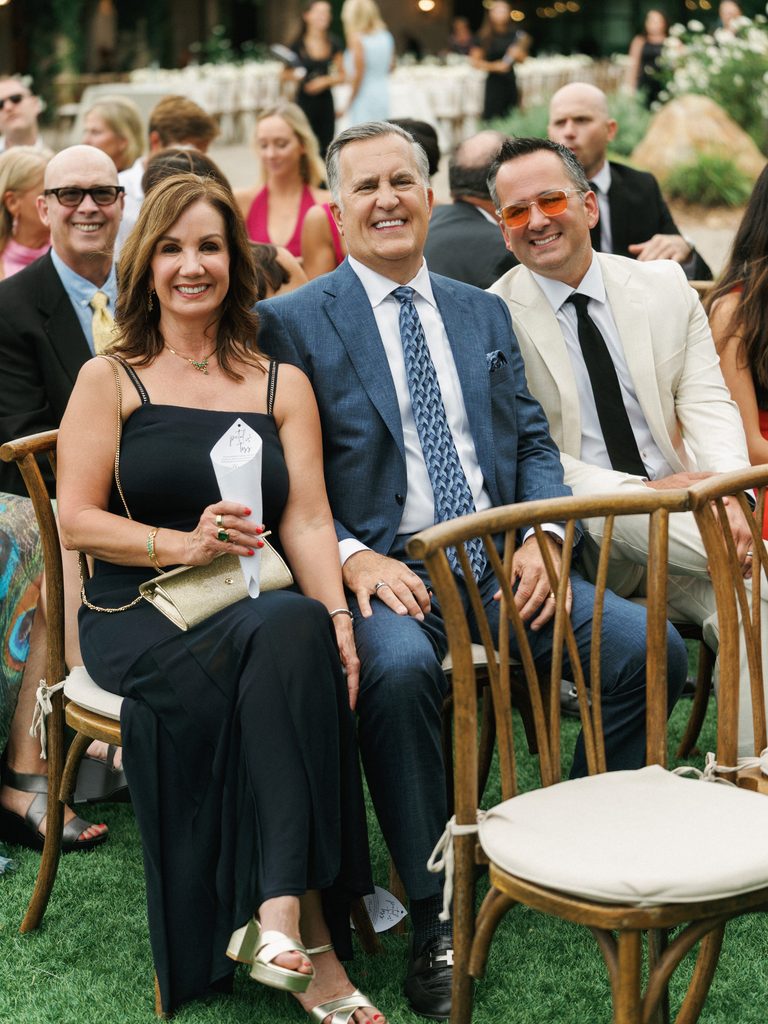
Guest arrival sets the first part of the day’s movement across Monserate Winery. The distance from parking or drop-off to the ceremony area, the condition of the walking routes, and the availability of step-free access all affect how guests reach their seats. Grass, gravel, stone paths, and changes in level can influence walking times, particularly for guests who need more time or assistance along the way. These details also determine where the photography and film team can be positioned to document arrivals and the moments before the ceremony begins.
After the ceremony, guests typically move toward cocktail hour while the couple may remain nearby for family photographs or portraits. When those activities happen at the same time, the team needs a clear coverage plan. A second photographer can document guest greetings and interactions during the cocktail hour while the lead photographer works with the couple, when a second photographer is included in the booking. The film team also needs time to move between the ceremony and cocktail areas and prepare for the next part of coverage.
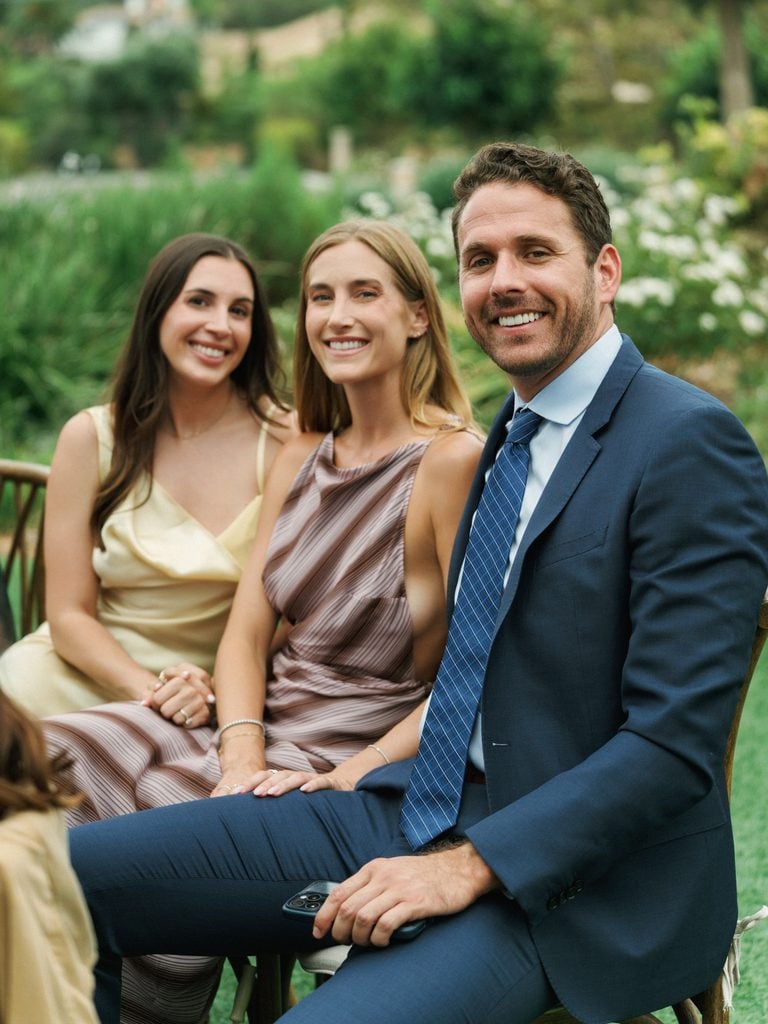
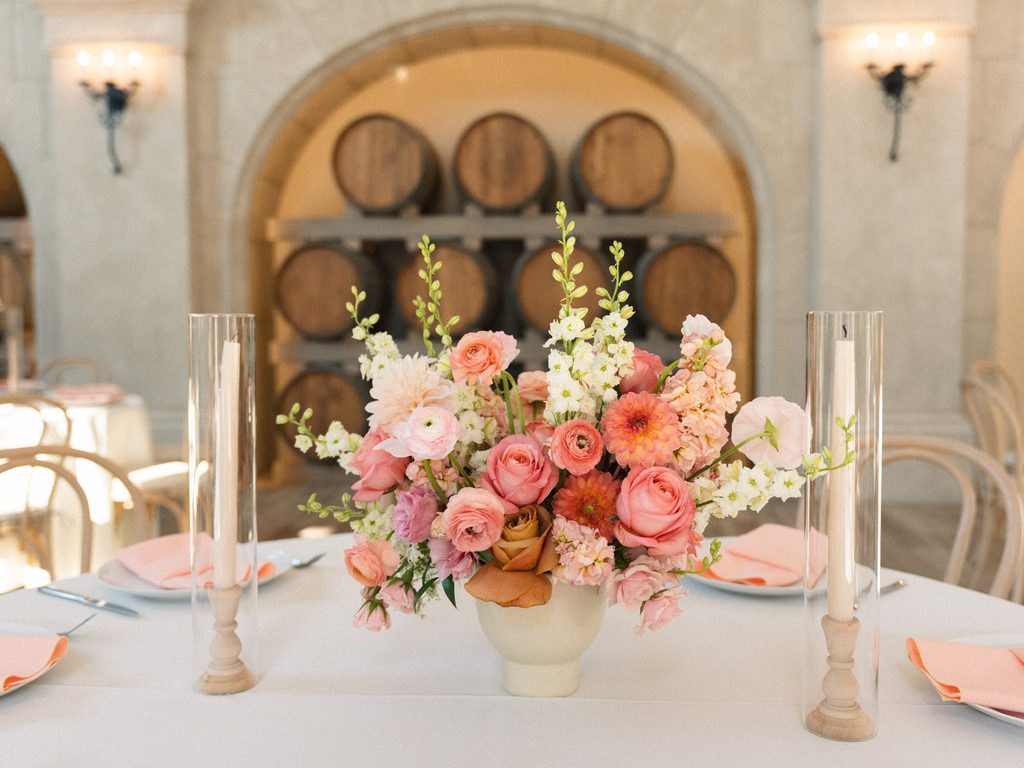
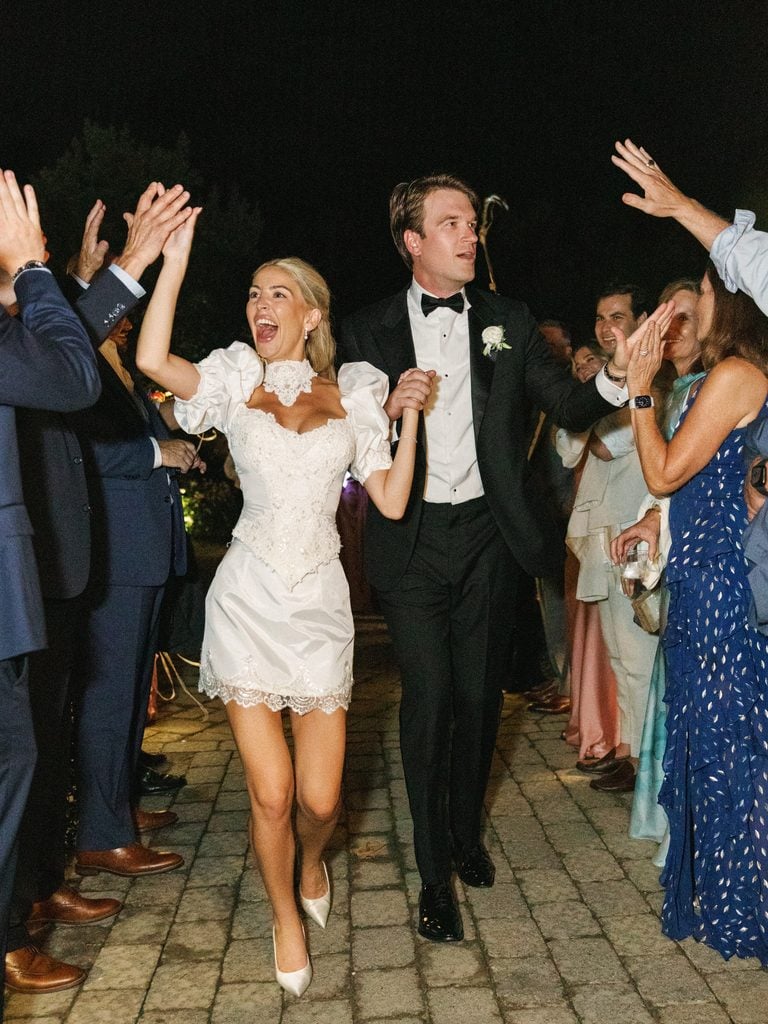
The transition from cocktail hour to the reception brings another set of moments. Guests enter the reception room, the couple may make a formal entrance, and dinner service begins. The room can be photographed before guests enter, preserving the tablescape, florals, lighting, and architectural details. Once guests begin arriving, camera positions need to accommodate the couple’s entrance and the reactions around the room, followed by speeches, dinner, and other planned reception events.
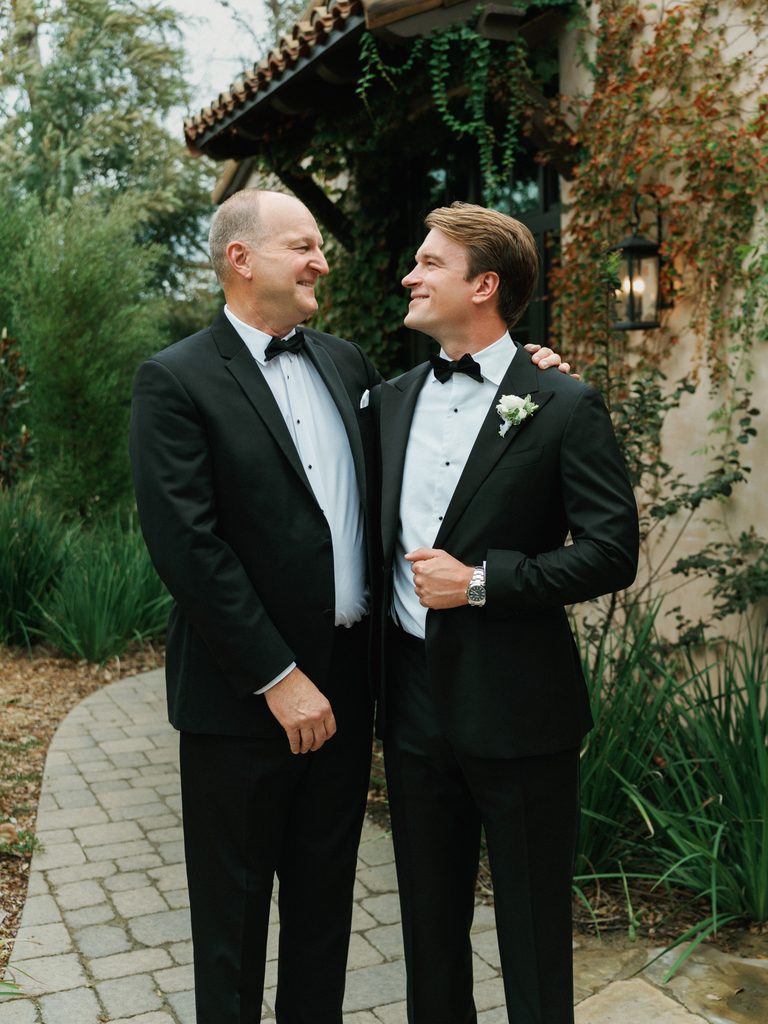
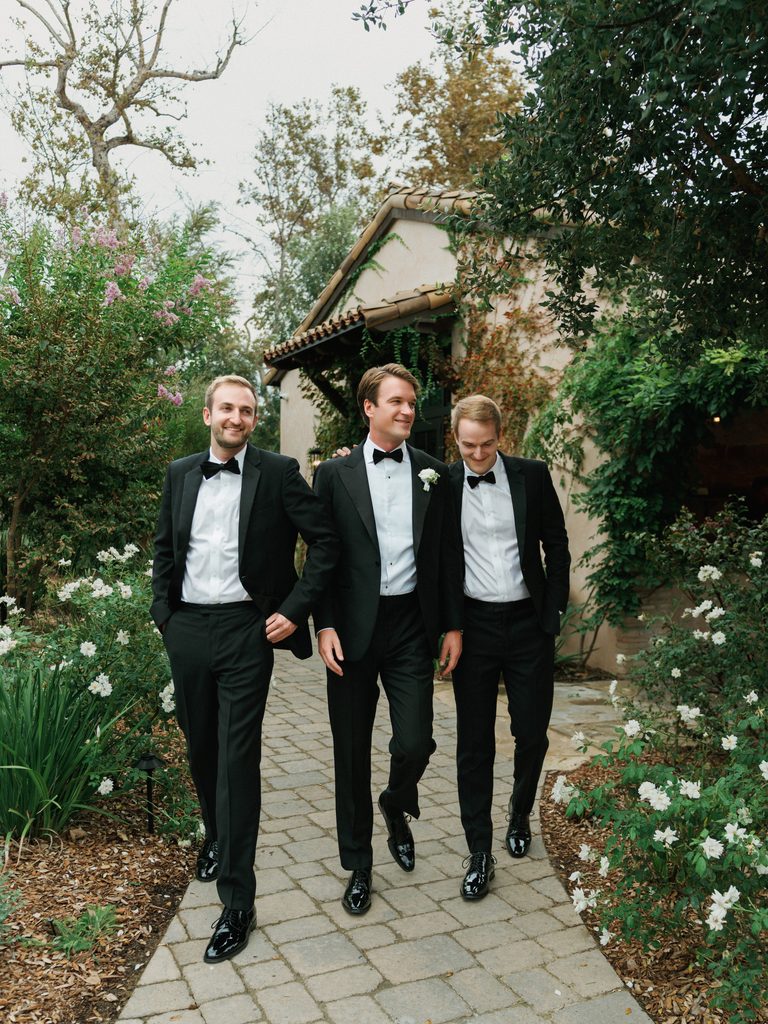
Late-evening coverage can include final interactions with guests and their departures. The distance back to parking or a pickup point, lighting along the paths, and any arranged transportation affect how guests leave the property after dark. These arrangements also influence the timing of the final photographs and footage, particularly when coverage includes the couple’s departure or late-evening moments with guests.
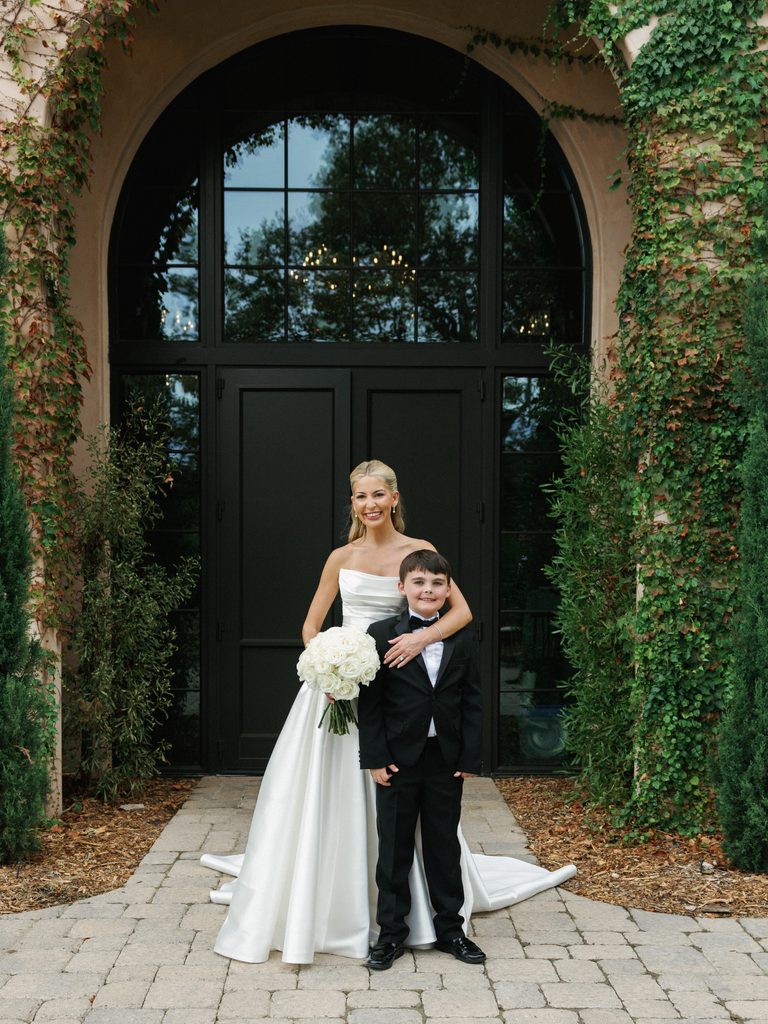
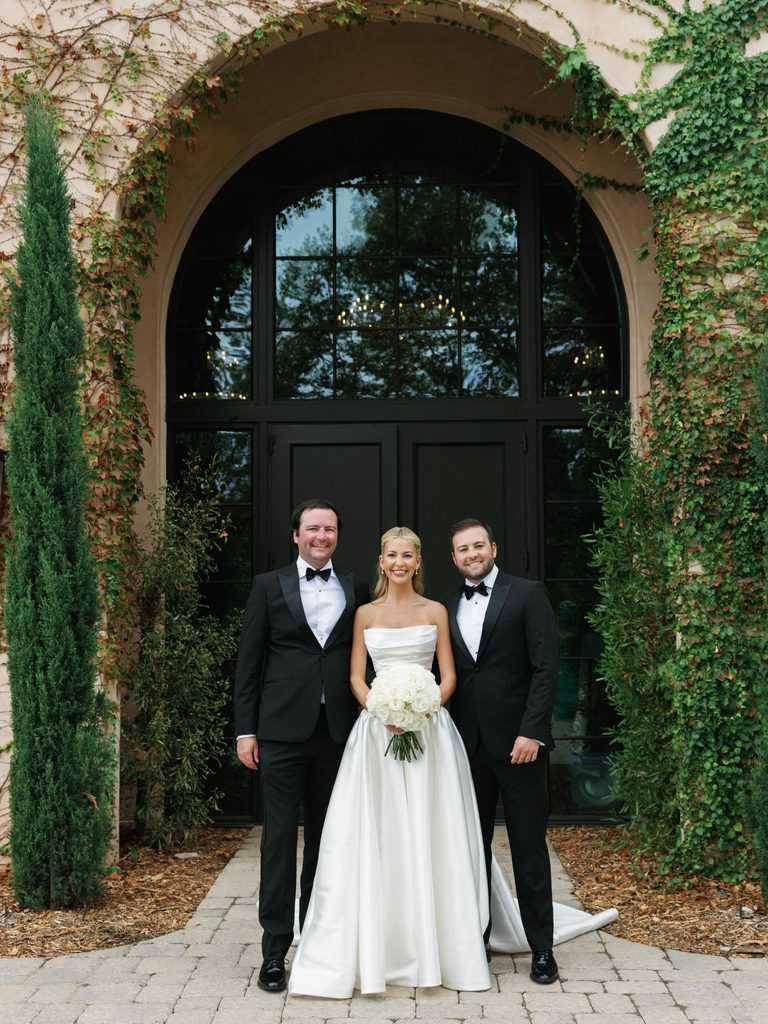
A Flow That Fits the Setting and Season
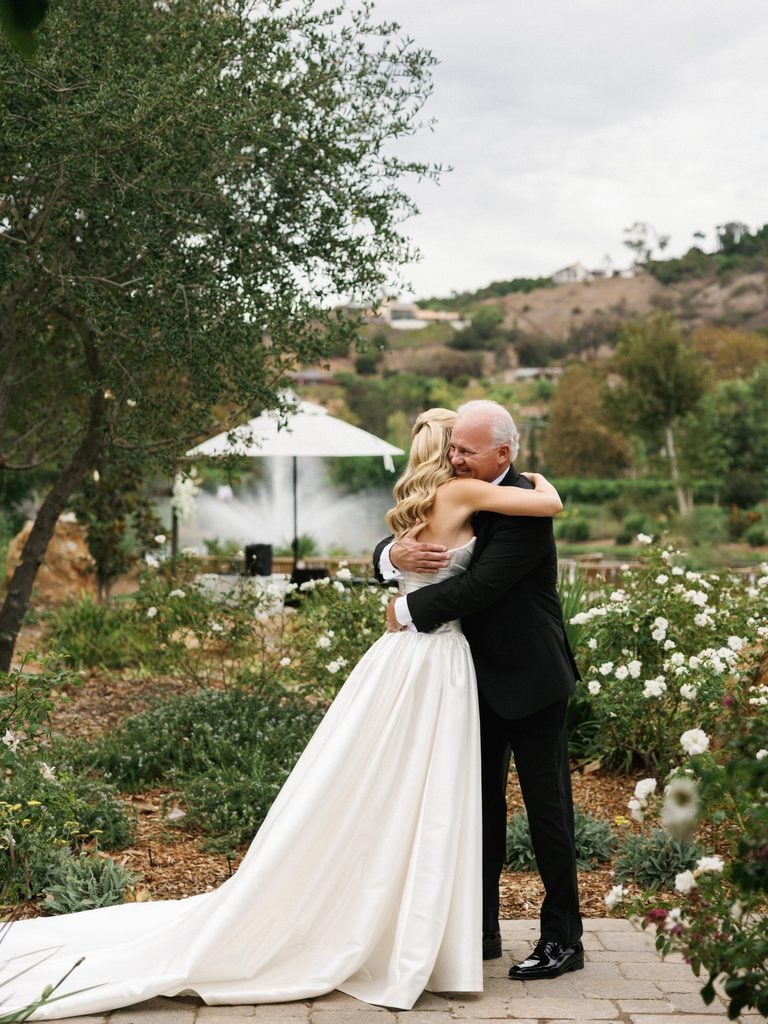
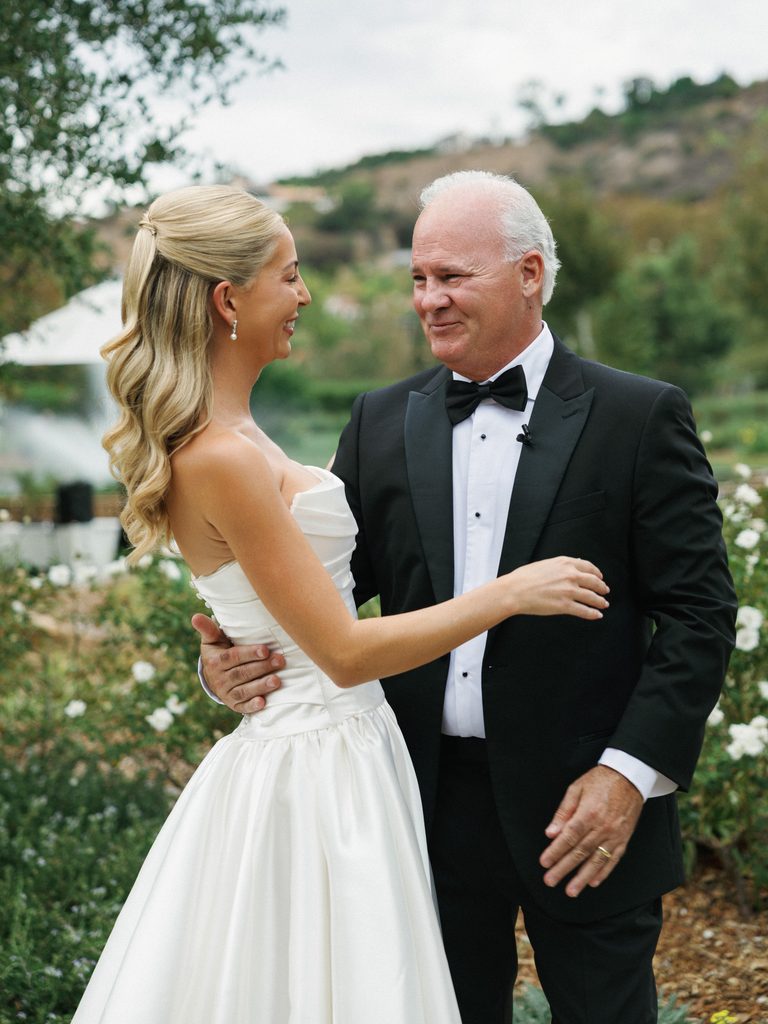
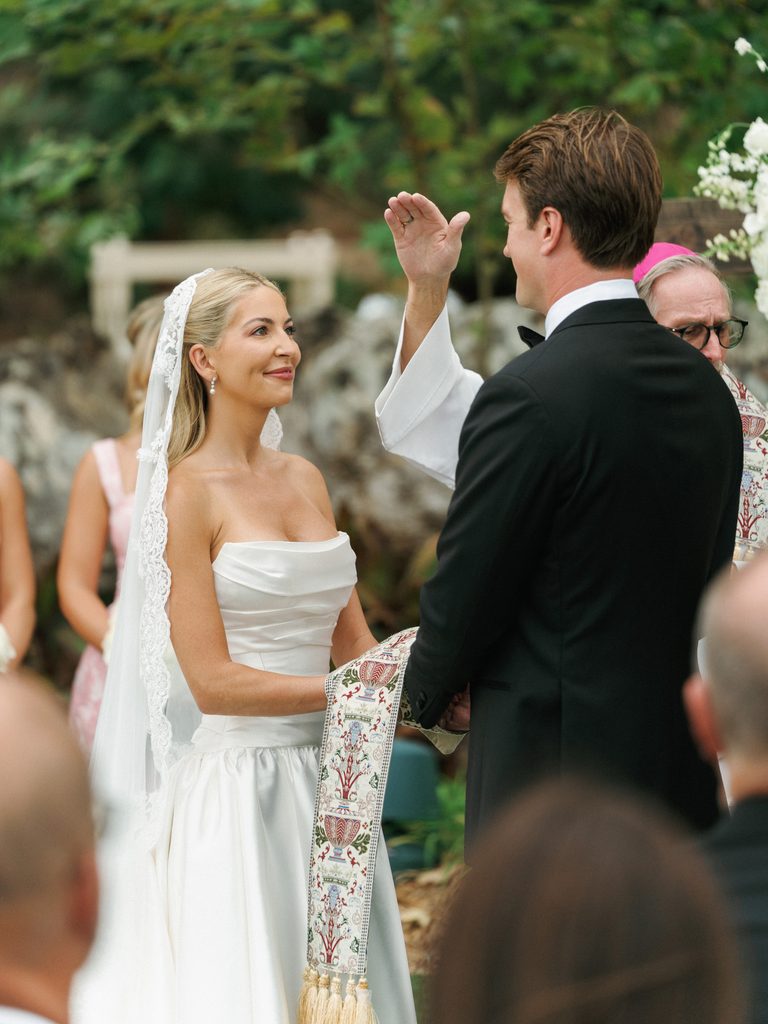
The ceremony’s orientation determines what appears behind the couple and where the sun falls on their faces and guests. Facing the lake places the water in the background, while facing away brings the hills and vineyard into view. The planned ceremony hour also affects the light across the lawn, particularly in areas with little shade.
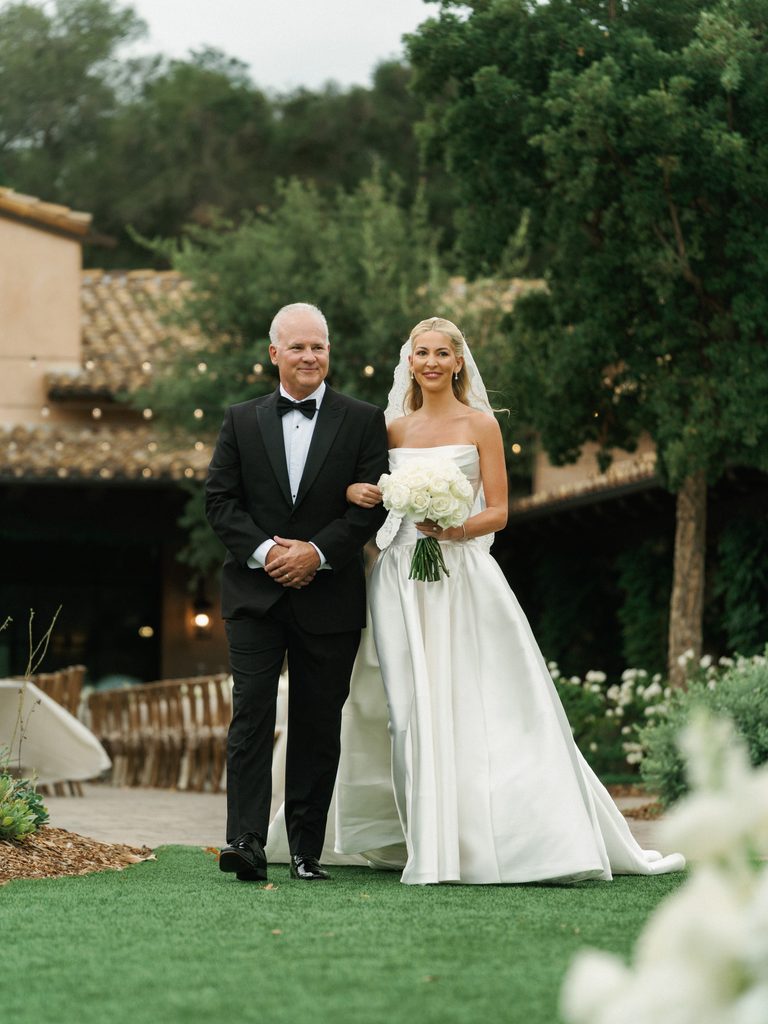
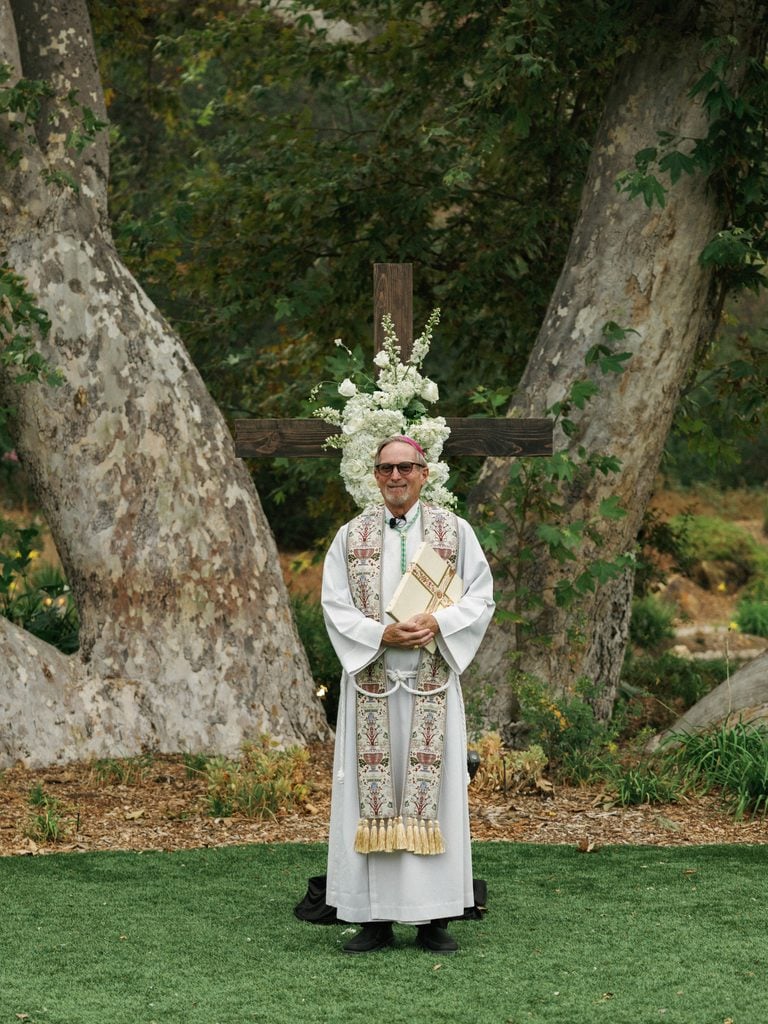
Wind across the lake can affect ceremony audio, so the film team may use a lapel microphone on the officiant alongside a separate recorder. The exact setup depends on the ceremony arrangement and available equipment.
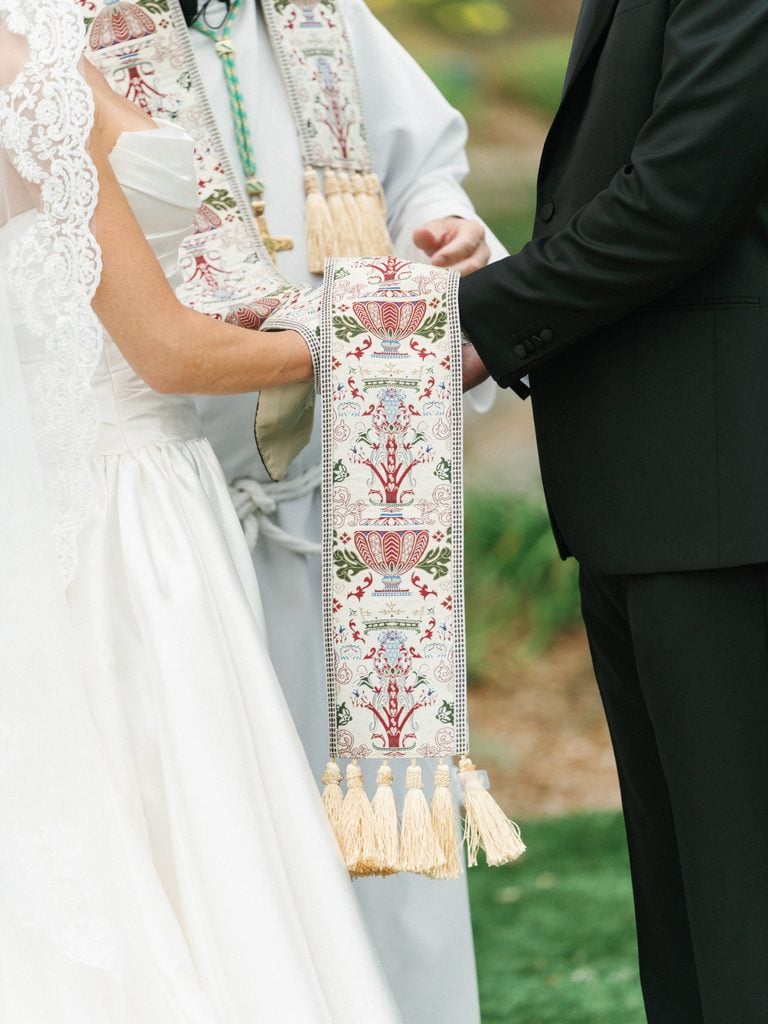
Seasonal changes influence the portrait settings across the property. Summer afternoons in inland North County can be warm, with cooler conditions after sunset. The vineyard shifts from bare winter vines to dense summer greenery and warmer autumn tones, giving portraits a different character throughout the year.
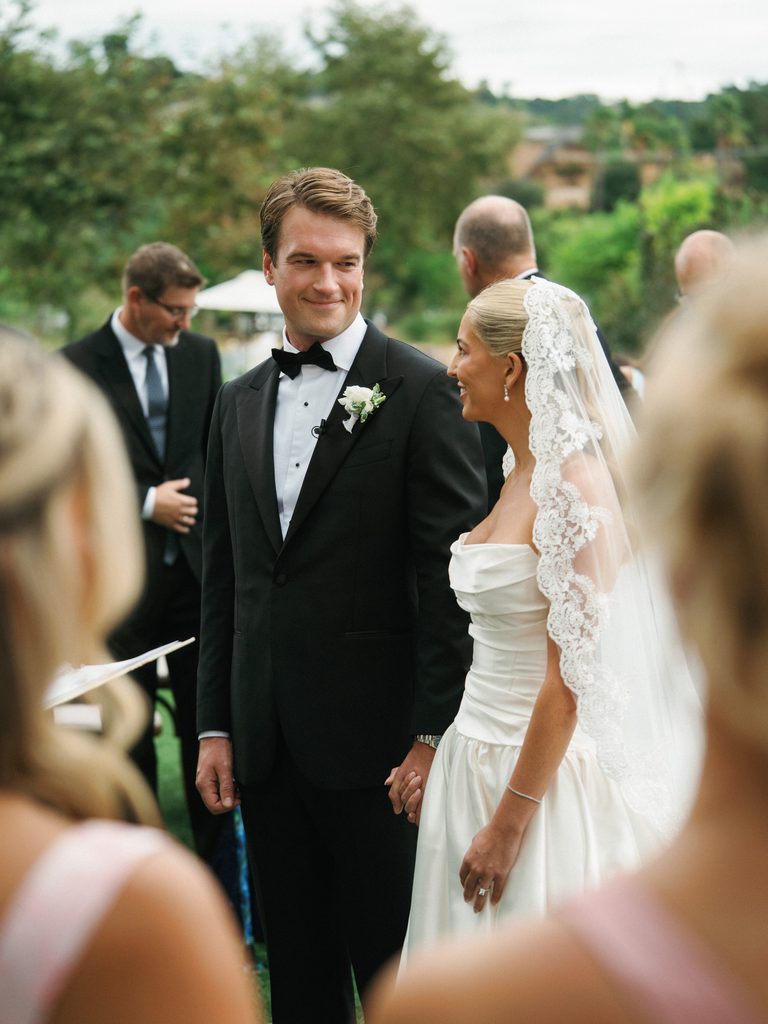
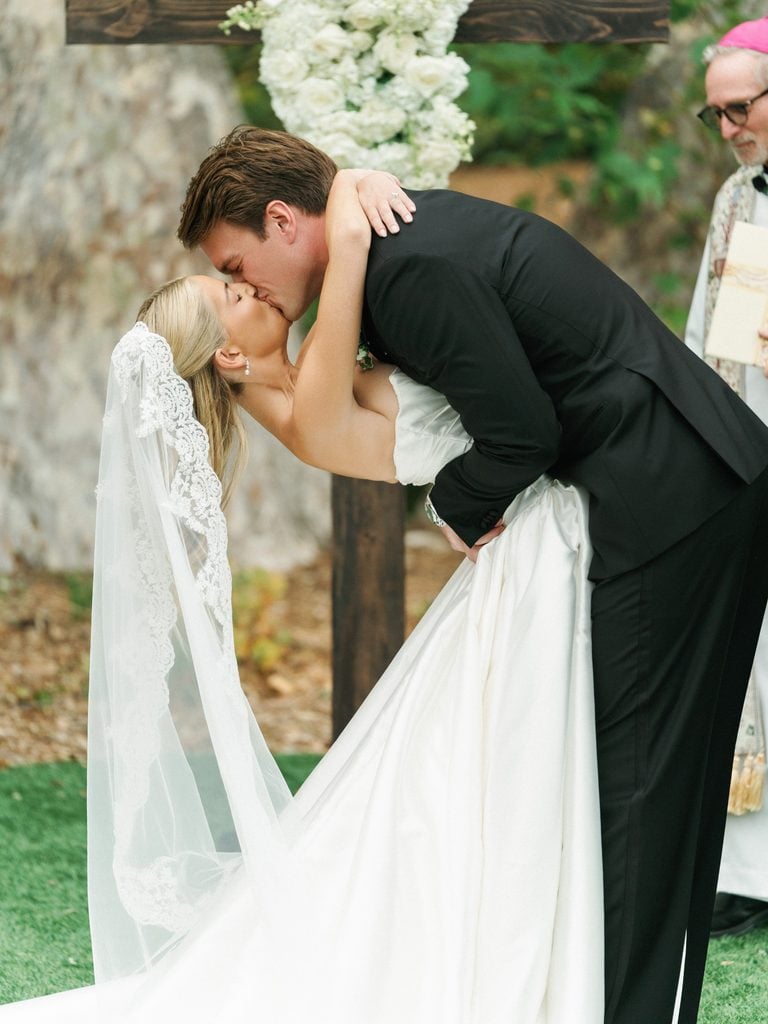
A late-afternoon summer ceremony can place the vows in softer light, followed by cocktail hour while the couple steps away for sunset portraits. Dinner can then move indoors as the evening cools. An earlier ceremony may place the sun higher over the lake and shift the portrait session to another part of the afternoon.
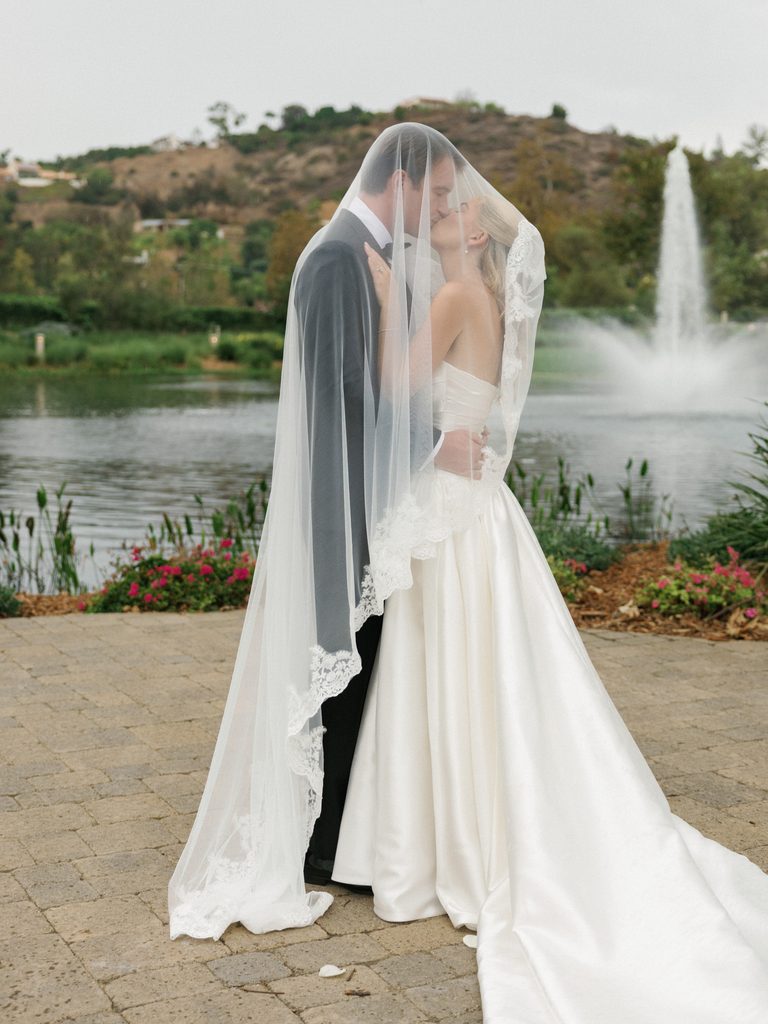
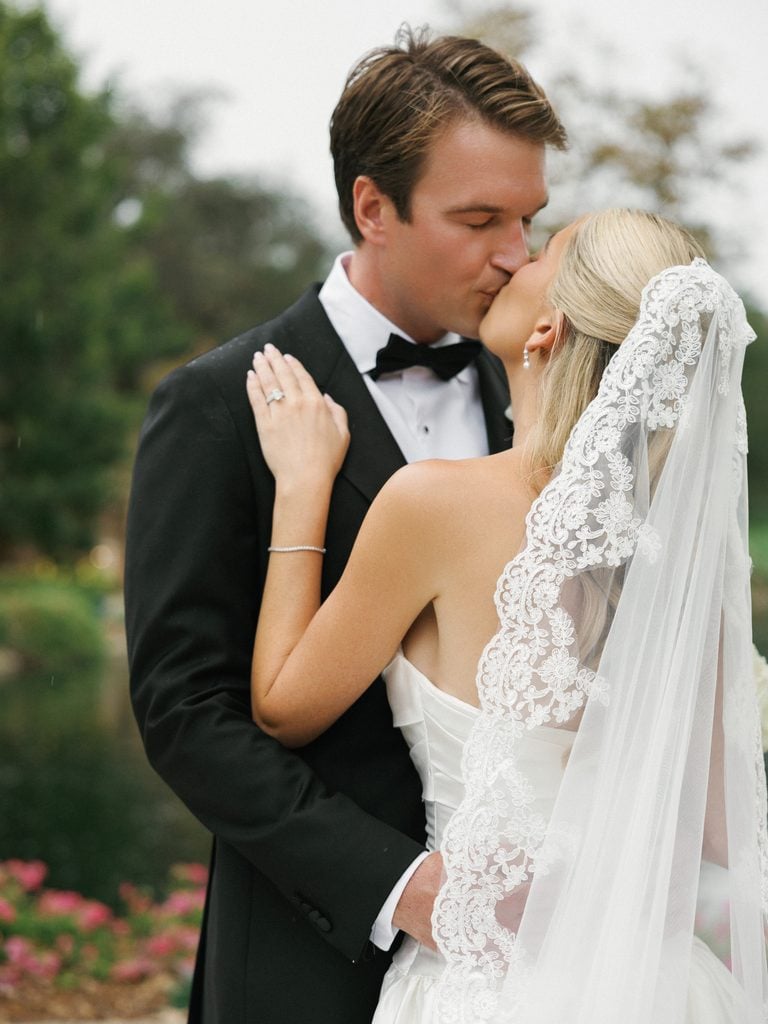
The weather plan also affects the coverage schedule. Available indoor or covered alternatives, the time needed to move the ceremony, and any changes to the reception layout determine how the team can adapt the photographs and film if conditions change.
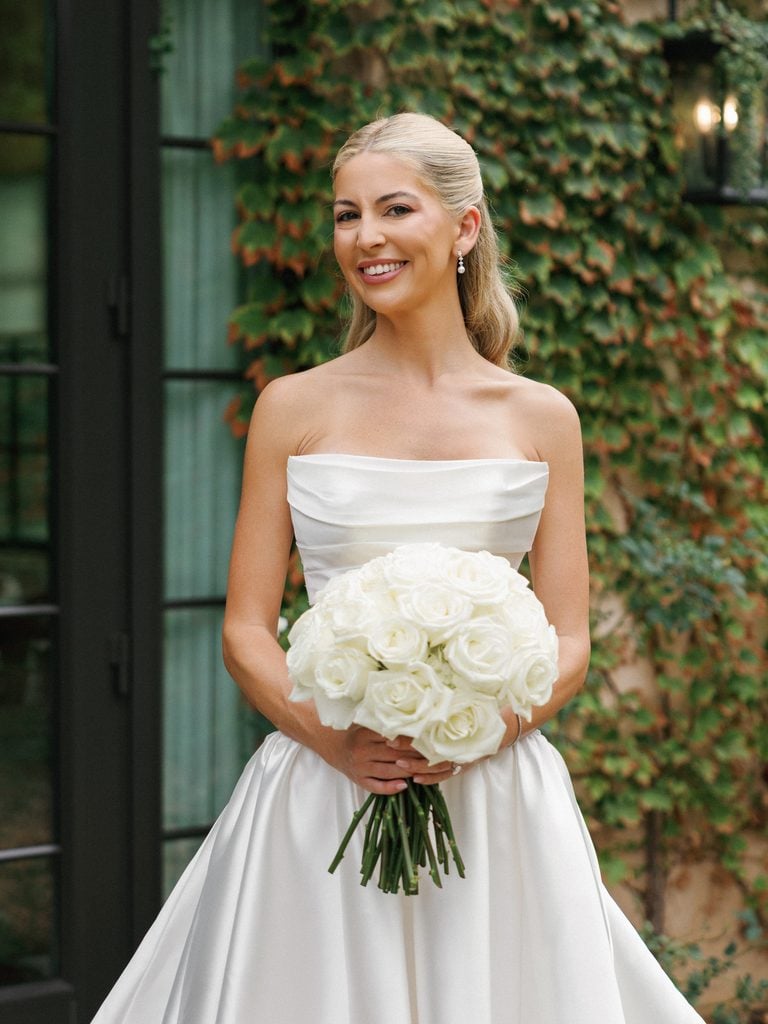
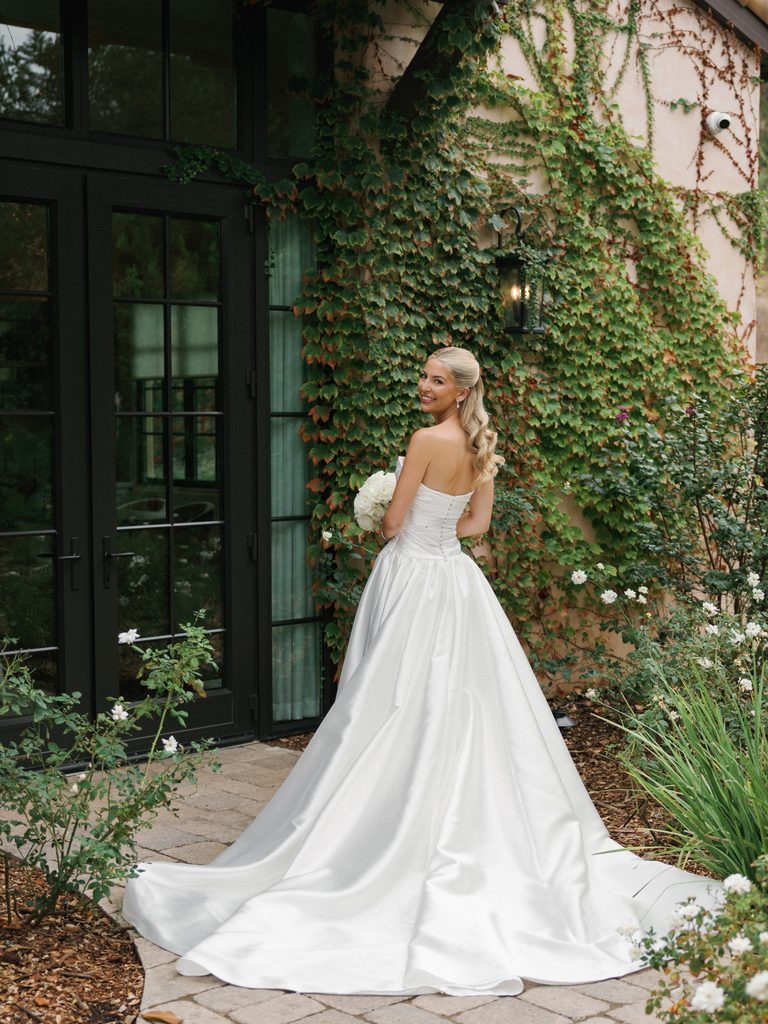
Coordinate Portraits Without Rebuilding the Day Around Them
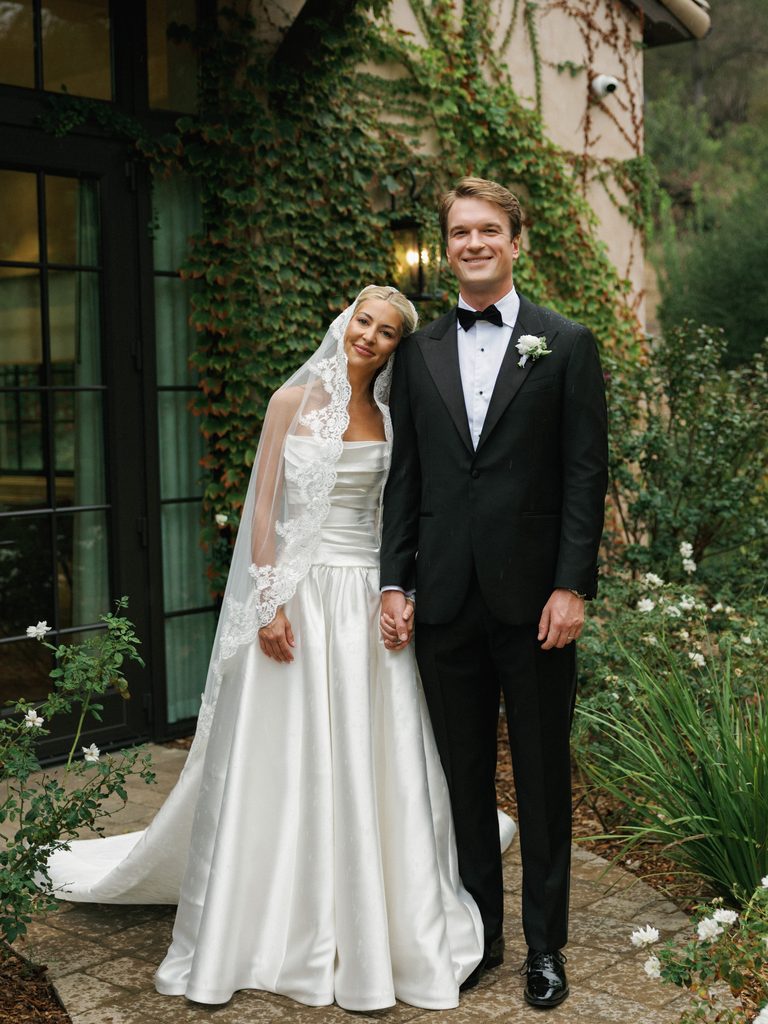
A few defined visual priorities can give the portrait session direction: a wide landscape image, portraits that emphasize the architecture, and closer photographs focused on expression and interaction.
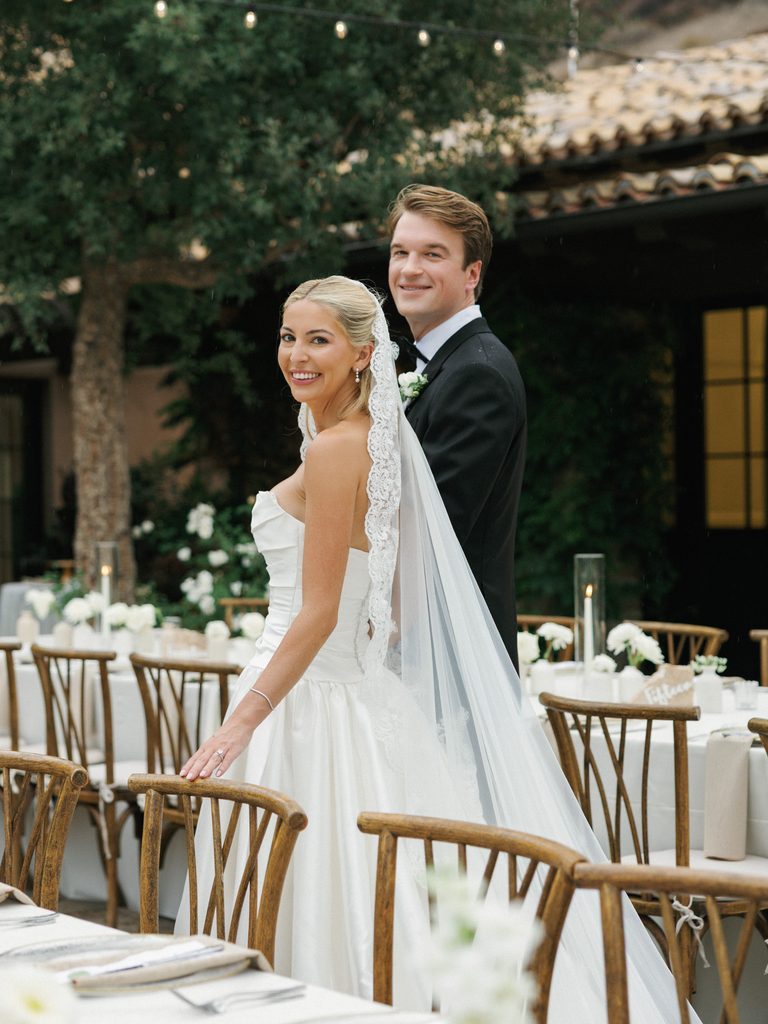
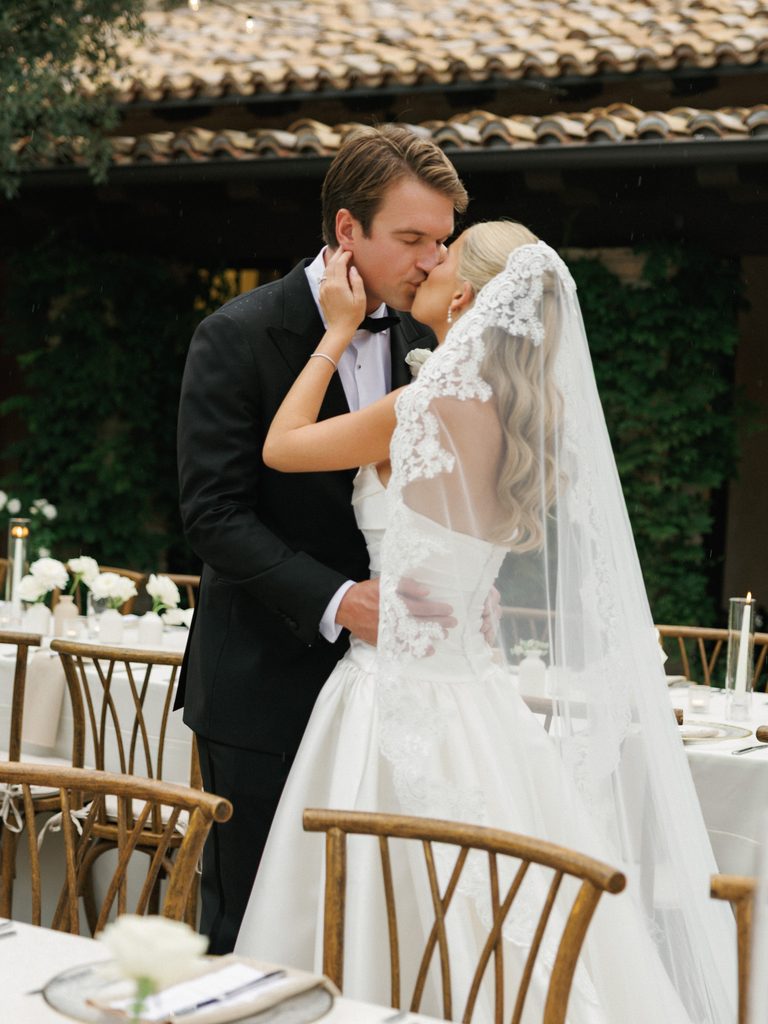
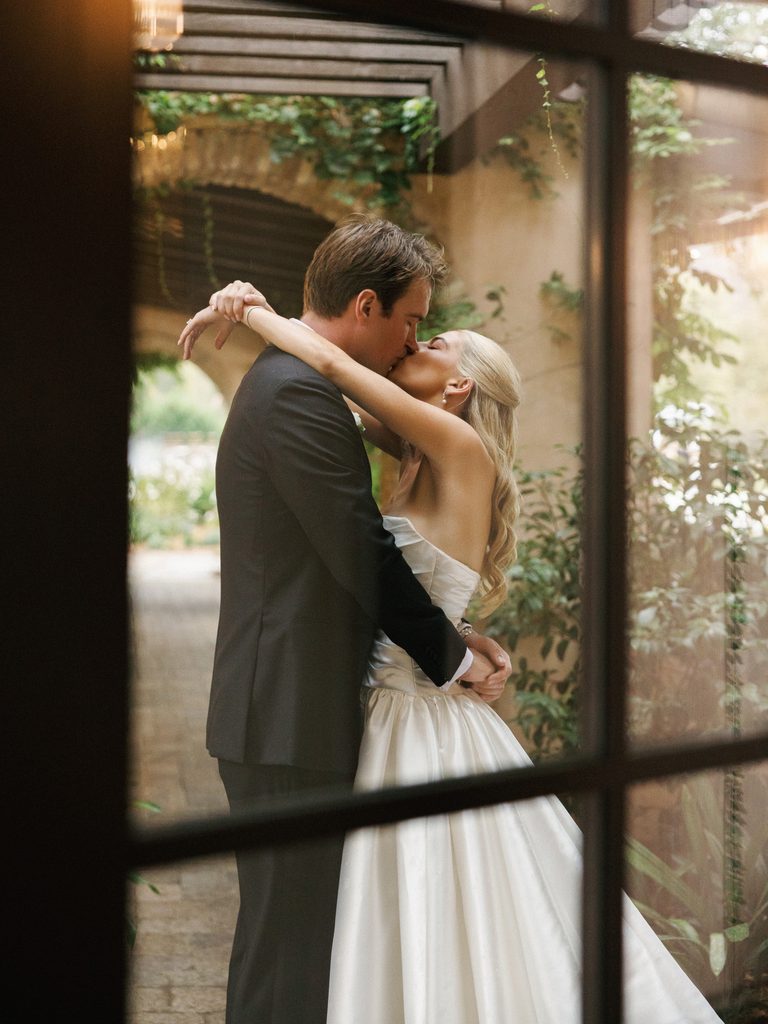
The photographer can recommend locations based on the preferred visual style and the conditions on the wedding date. Open views can establish the landscape, while stonework, arches, and architectural details can provide more structured compositions. The filmmaker can approach those same locations through movement, changes in perspective, and short sequences that retain the character of the setting.
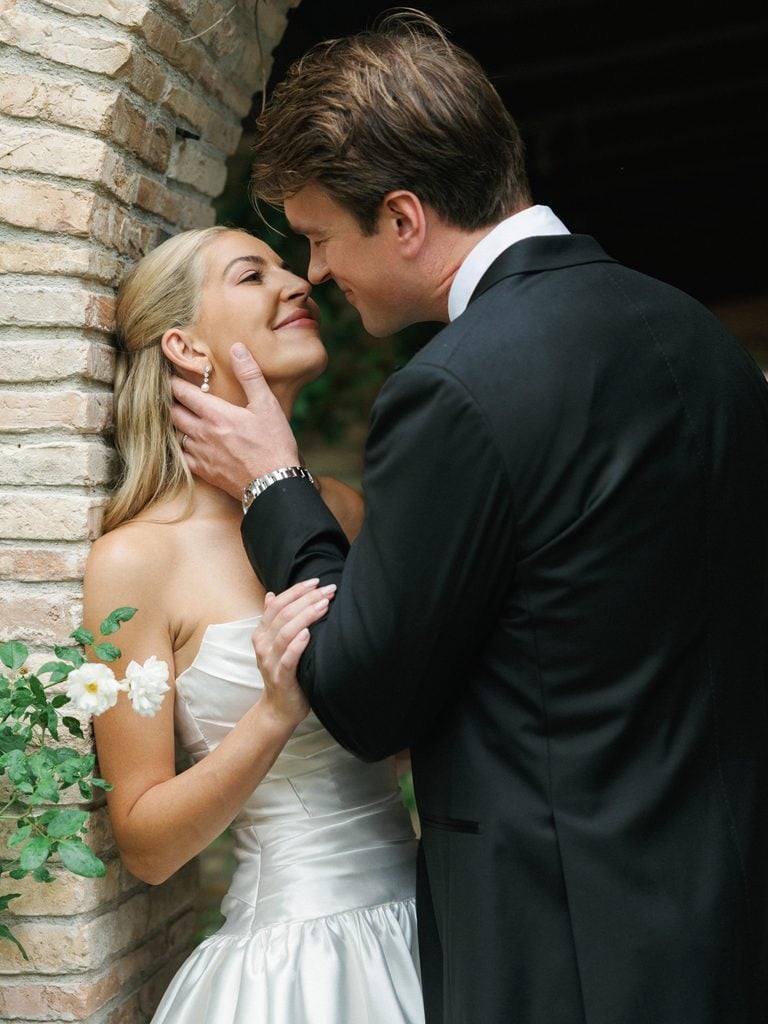
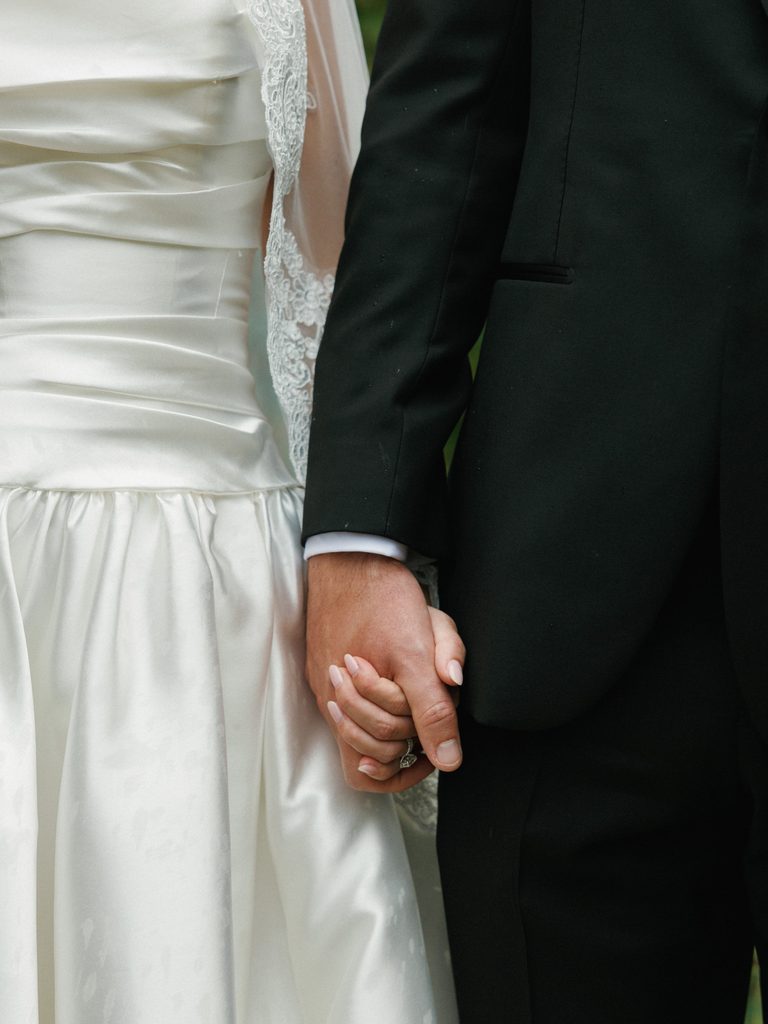
Portrait time should remain connected to the rest of the coverage. Moving between distant locations can reduce the time available for photographs, while several nearby settings may provide sufficient variety without a lengthy transition. The final selection depends on the areas available under the booking, the timeline, and the images that matter most to the couple.
What to Confirm Before Booking
A few venue-specific details can clarify what the photography and film team can plan around:
- Event spaces: Which named venue and outdoor areas are included in the booking?
- Access: When can the photography and film team enter the preparation, ceremony, and reception areas?
- Portrait locations: Which architectural and landscape settings are available for portraits, and are any access restrictions in place?
- Movement: How far apart are the selected spaces, and which routes will guests and vendors use?
- Natural light: Which locations suit the planned portrait times on the wedding date?
- Weather alternatives: Which approved indoor or covered spaces are available if outdoor plans change?
- Reception coverage: Where can the team position cameras during entrances, speeches, and other key moments?
- Audio: What arrangements are available for recording vows, readings, and speeches?
- Coverage scope: How many photographers and filmmakers are booked, which parts of the day are covered, and what will the final delivery include?
The venue can confirm access, availability, and booking arrangements. The photography and film team can explain how those details affect the coverage and recommend an approach that reflects the couple’s priorities.
FAQ
What makes Monserate Winery distinctive as a wedding venue?
Monserate Winery combines Italian-inspired architecture, stone detailing, vineyards, lakes, and views of the surrounding hills. Olive and oak trees add variety to the grounds, while the three event spaces offer different architectural settings for photography and film.
Which Monserate Winery event space is best for wedding photography?
The choice depends on the preferred visual style and the areas included in the booking. The Tuscan Estate features stone architecture, a Barrel Room, and nearby water features. Villa de Fiore combines a stone courtyard with a ballroom overlooking the landscape. Monte Bella features a central courtyard, columns, and expansive glass walls with vineyard views.
How many guests can Monserate Winery accommodate?
Venue directory listings describe event spaces for groups of up to approximately 250 guests. Capacity depends on the selected space and layout, so the confirmed guest limit should be checked with the venue for the specific booking.
Can Monserate Winery’s outdoor settings be used for portraits?
Portrait access depends on the selected booking and any venue restrictions. Where the grounds are available, the photographer can consider the landscape, architectural backgrounds, natural light, and walking distances when planning the portrait session.
How does the time of day affect wedding photos at Monserate Winery?
Natural light changes across the vineyards, lakes, and architectural spaces during the day. The wedding date, ceremony time, and position of the sun help determine which locations suit different parts of the photography and film coverage.
Should couples arrange a weather alternative for an outdoor wedding?
Yes. The venue can clarify which indoor or covered spaces are available if weather affects the ceremony or portraits. The plan should also establish who makes the decision, when it needs to be made, and how much time the transition requires.
When is the best time to tour Monserate Winery?
A visit near the planned ceremony time can help show how sunlight falls across the lake, vineyards, and grounds. Walking the route between the ceremony, portrait locations, and reception during the same visit can also help establish realistic transition times.
What should be discussed with the photo and film team before a Monserate Winery wedding?
The main points include the selected event spaces, access times, portrait priorities, movement between locations, ceremony and reception coverage, audio arrangements, and final deliverables. Confirming these details gives the team a clear basis for planning the day’s photography and film.
Let’s Plan Your Monserate Winery Wedding Coverage
We would be happy to talk through your plans for Monserate Winery and explore the portrait locations and coverage options that best suit your day, helping you plan photography and film coverage that reflects your priorities and the character of the venue.