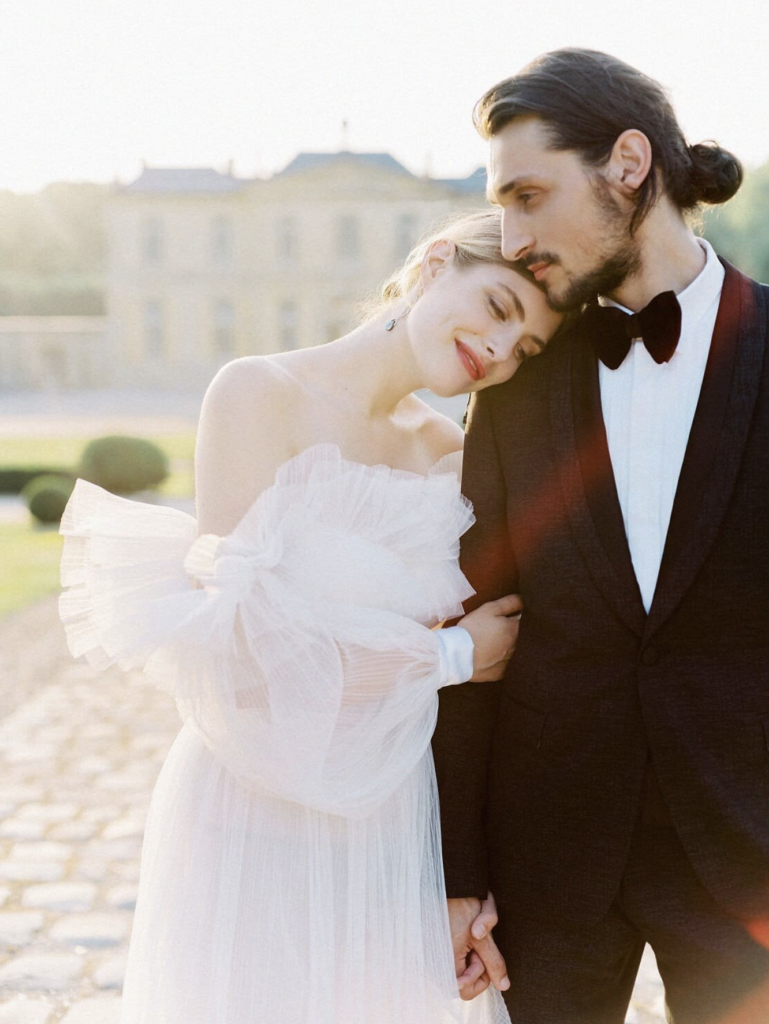
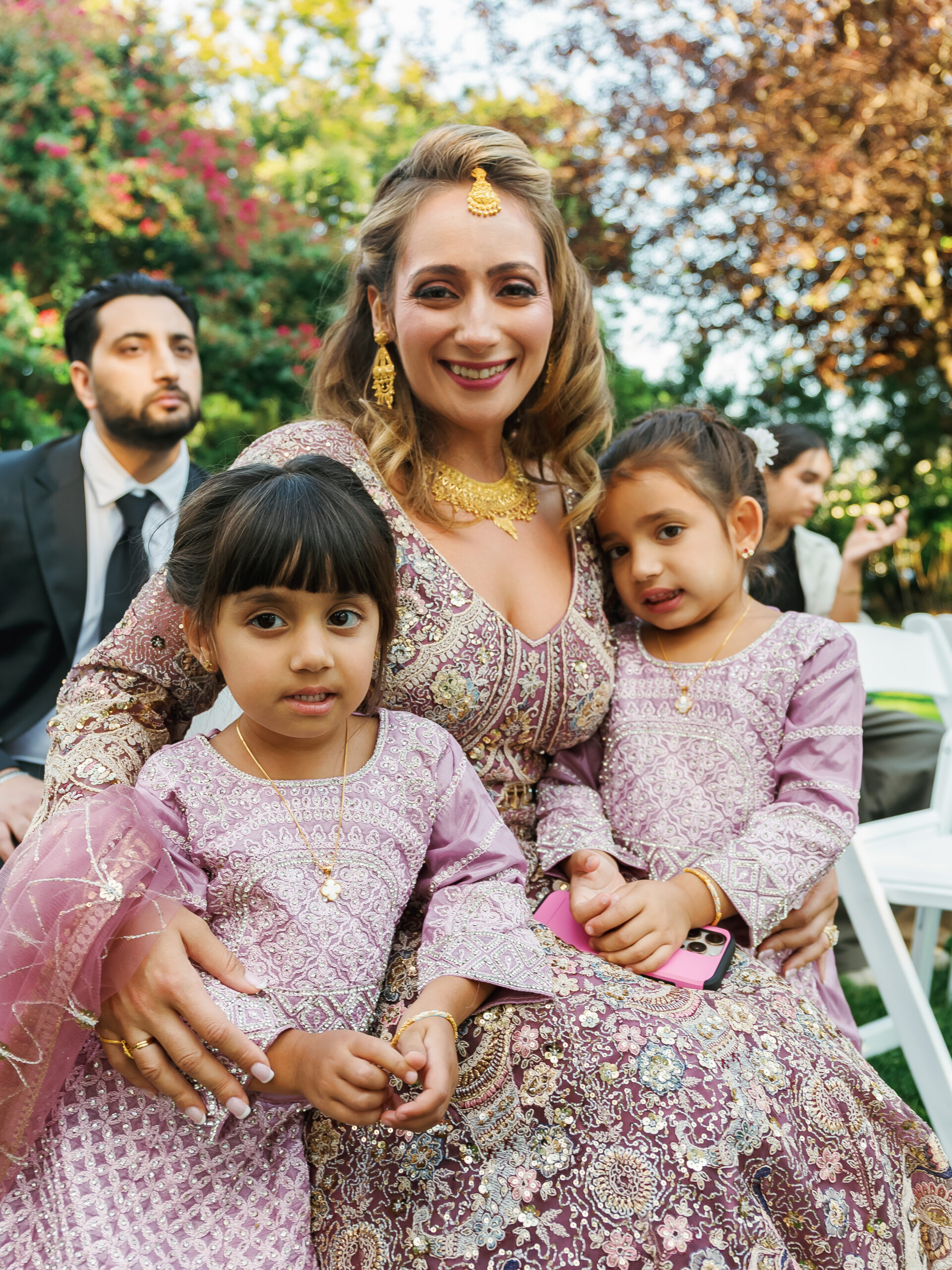
A Buffalo wedding can move from a hotel or private getting-ready space to a church, event venue, waterfront portrait stop, and reception in a relatively short part of the day. The important planning question is not how many locations can fit on the map. It is which transitions are worth using once family, parking, weather, and the reception schedule are included.
For photography and film, start with the fixed parts of the day: ceremony time, family photographs, cocktail hour, entrances, speeches, and dancing. Then decide where a portrait interval can sit without turning the couple’s wedding into a location tour.
Build the route before choosing portrait stops
Start with the fixed parts of the day, then decide which transitions are worth using once family, parking, weather, and the reception schedule are included.
Treat the indoor option as part of the photography plan
Identify an indoor or covered option with usable space, light or a clean background, and a direct route back to guests.
Plan photography and film against one timeline
Share the ceremony layout, family-photo list, portrait window, speeches, and reception order so the couple is not managing two competing coverage schedules.
Route and access
Confirm the portrait or event area, vehicle drop-off or parking, any permit or reservation requirement, and the actual return route.
Indoor alternative
Ask the venue to show the actual backup area and confirm when it is available if another room or reset affects access.
Family and portraits
Agree the group list and meeting point before the ceremony, then protect a separate, shorter couple portrait interval.
Planning a Buffalo wedding around weather, waterfront access, and the actual route
A Buffalo wedding can move from a hotel or private getting-ready space to a church, event venue, waterfront portrait stop, and reception in a relatively short part of the day. The important planning question is not how many locations can fit on the map. It is which transitions are worth using once family, parking, weather, and the reception schedule are included.
For photography and film, start with the fixed parts of the day: ceremony time, family photographs, cocktail hour, entrances, speeches, and dancing. Then decide where a portrait interval can sit without turning the couple’s wedding into a location tour. For related planning context, compare the Dreamwood City Pages hub, Wedding Venue Photography, and wedding venue checklist before the plan is finalized.
Build the route before choosing portrait stops
A waterfront or downtown portrait setting can give a Buffalo gallery a clear sense of place, but public access and event use should be confirmed for the exact location. Buffalo Waterfront publishes current visitor, parking, and event information for Canalside and the Outer Harbor. City park and special-event use can involve separate permit or reservation processes.
Use that information as a planning check, not as a promise that a location will be available. Before the final timeline, confirm:
- whether the portrait or event area is open and usable for the planned date;
- where the vehicle drop-off or parking actually works;
- whether a permit or reservation applies to the intended use;
- how long the return to the ceremony or reception takes with the wedding party.
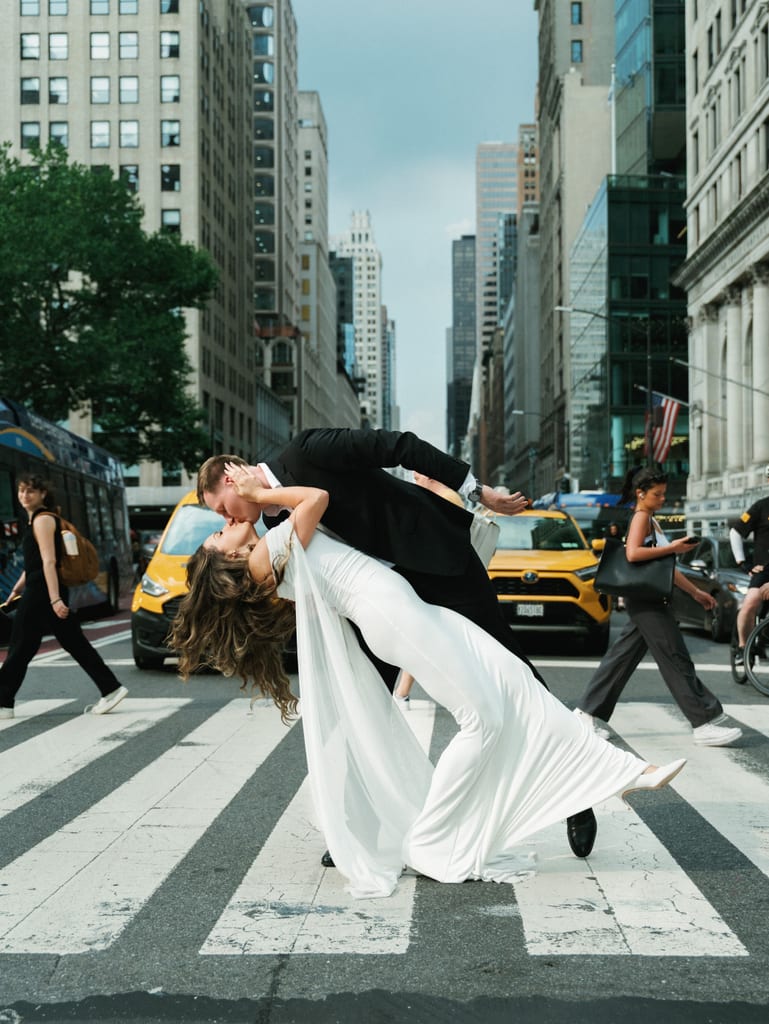
Treat the indoor option as part of the photography plan
Buffalo weather can change the value of an outdoor portrait plan quickly. The practical response is not to predict the weather months in advance. It is to identify an indoor or covered option that still fits the wedding.
Ask the venue to show the actual backup area. Look for enough space for a small family group, usable light or a clean background, and a direct route back to guests. If the best indoor option is in another room, confirm when that room is available and whether another event or room reset affects access.
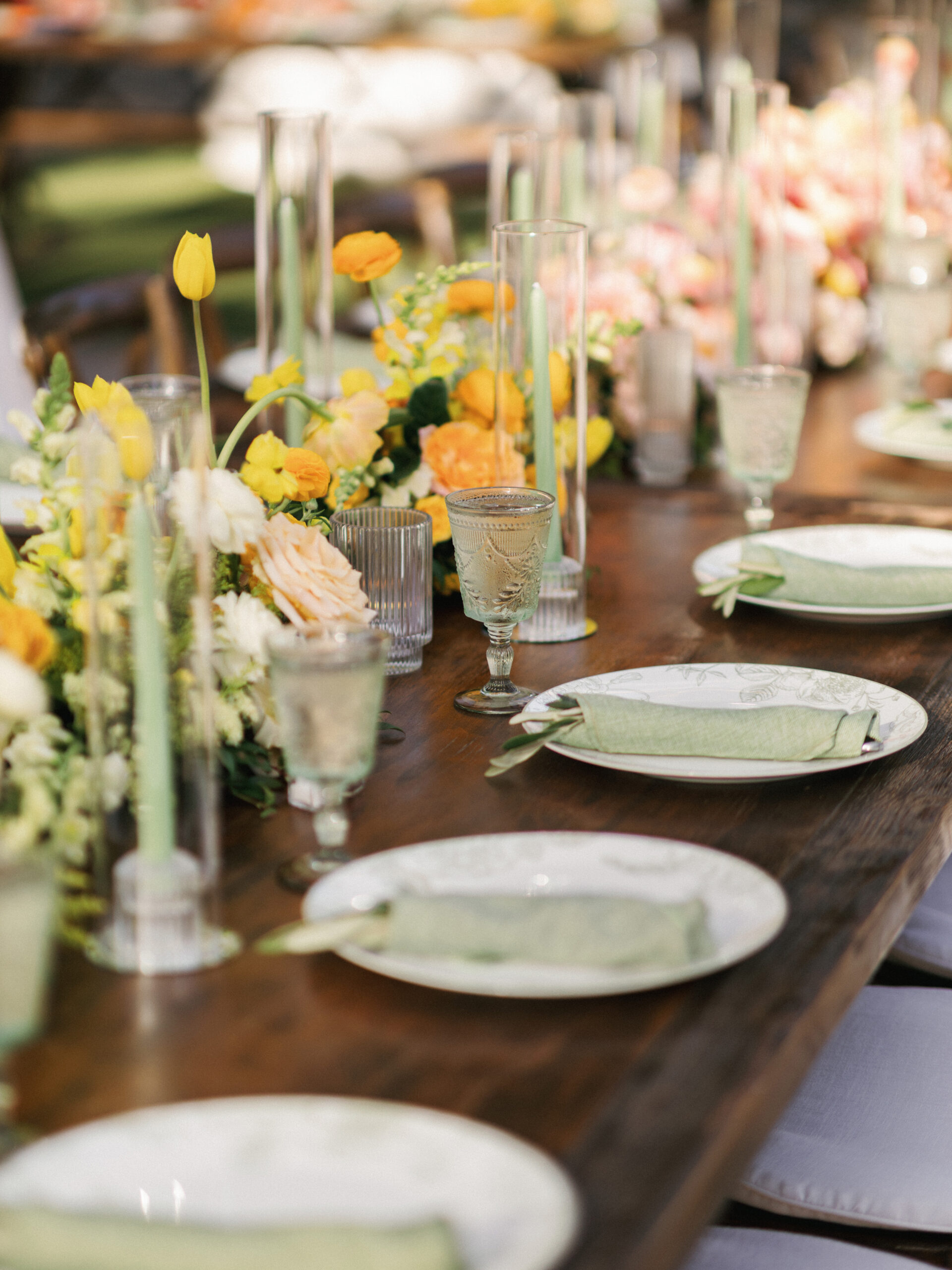
Keep family photographs separate from the couple’s portrait window
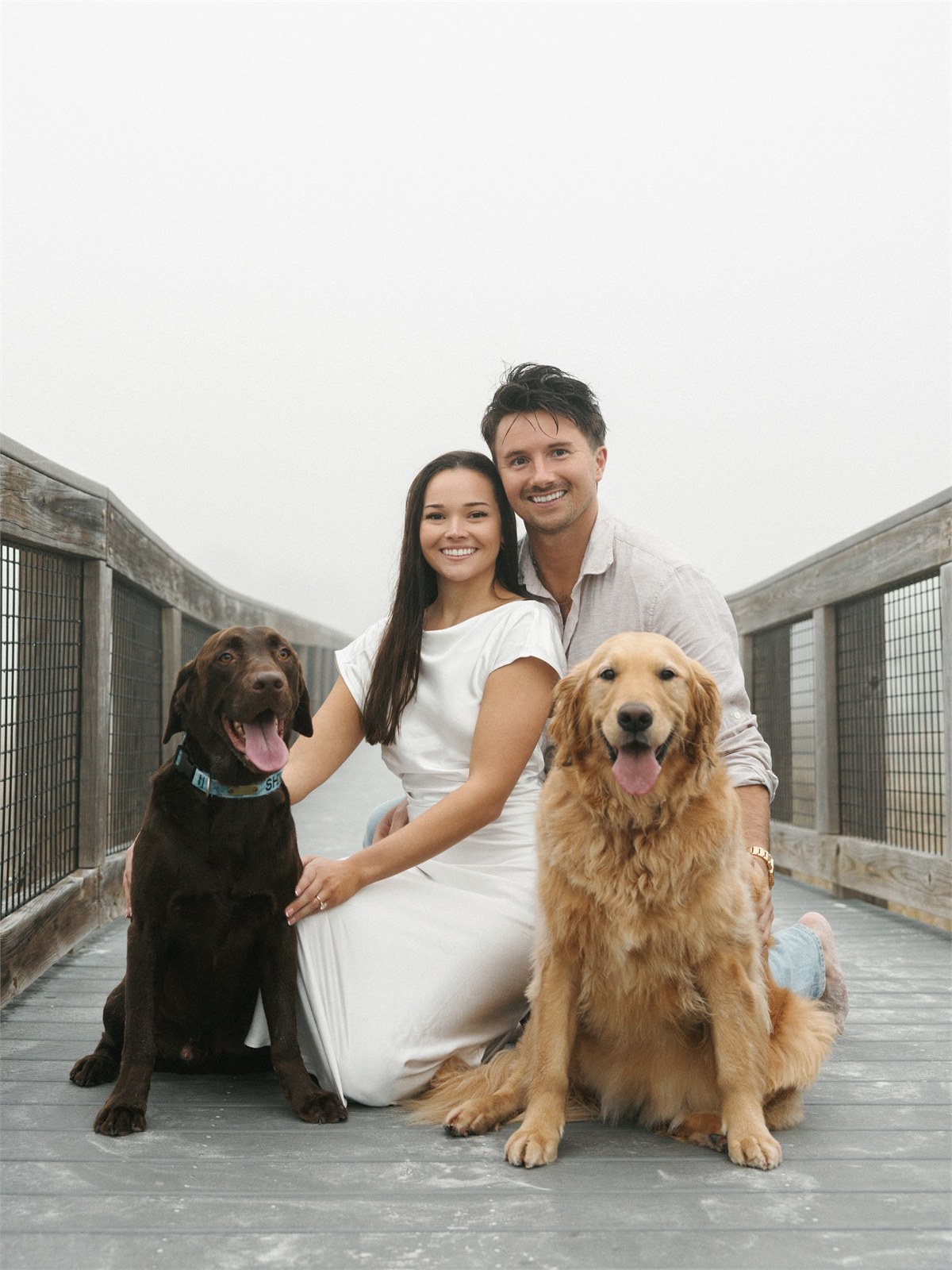
Family photographs move more efficiently when the group list and meeting point are agreed before the ceremony. Put the essential groups in order, identify one person who knows the family, and choose a venue-approved location close to the ceremony or reception.
Once those groups are complete, give the couple a separate, shorter portrait interval. That protects two different priorities: family coverage that feels organized and couple portraits that do not consume the whole cocktail hour.
Plan photography and film against one timeline
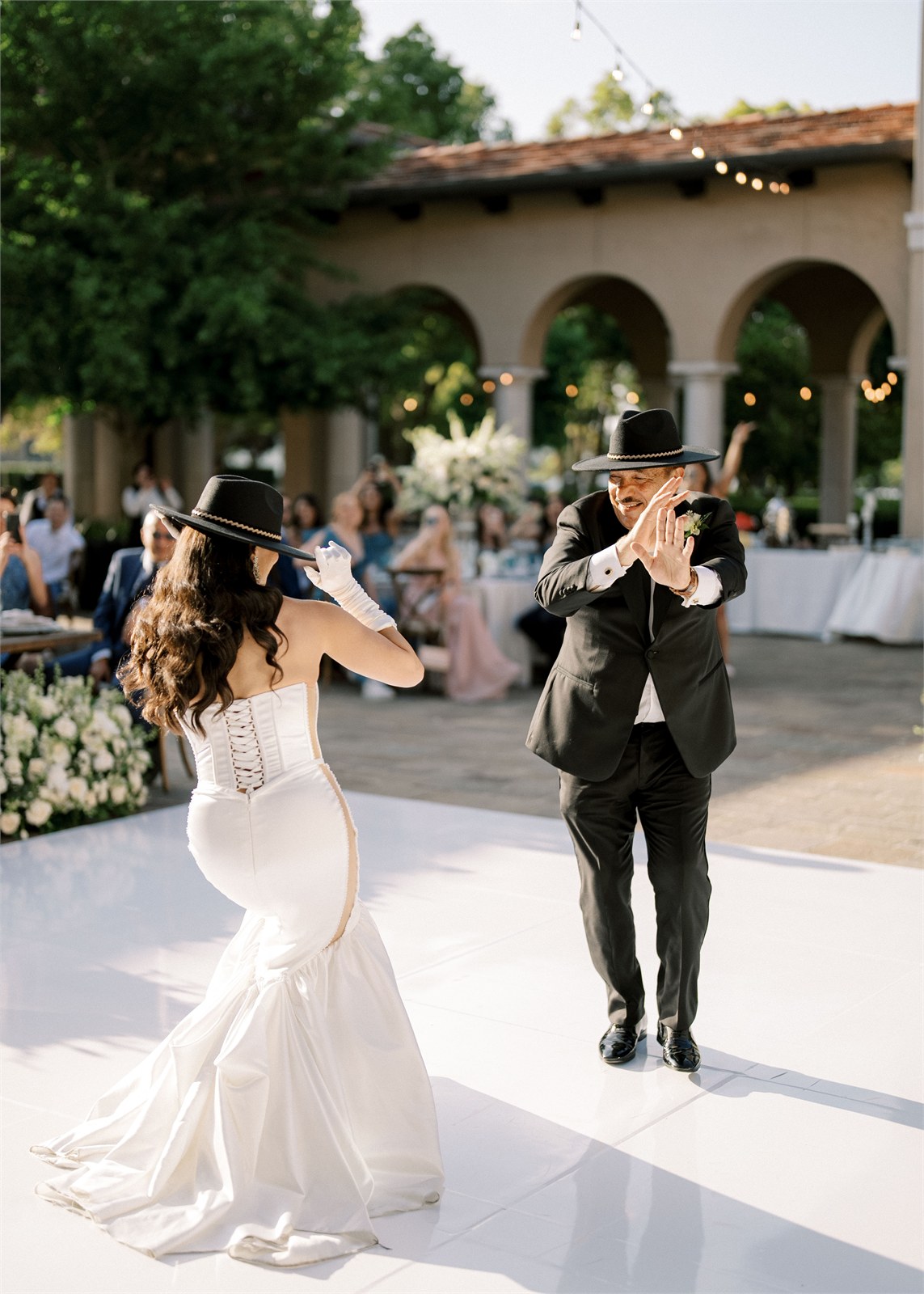
Photo and film need the same event map but different working positions. Before the wedding, share the ceremony layout, processional, personal vows or readings, family-photo list, portrait window, speeches, and reception order. If vows and speeches matter in the film, confirm the venue or DJ/band audio plan before the day.
The objective is simple: the couple should not be asked to repeat moments or manage two competing coverage schedules.
What to review before choosing a Buffalo wedding photographer
Look beyond a small portfolio of favorite portraits. Review complete wedding coverage that includes preparation, ceremony, family groups, couple portraits, reception details, speeches, and low-light dancing. Ask how the photographer works when an outdoor plan changes, how family photographs are organized, and how photo and film teams share the schedule.
A useful planning conversation should become specific to your venue and timeline. It should not depend on a claim that every Buffalo wedding works the same way.
Short answer
For a Buffalo wedding, plan photography around the ceremony-to-reception route, a realistic indoor alternative, family-photo logistics, and any public-space access needed for portraits. Waterfront and park locations can add a strong local setting, but confirm the exact access, parking, permit, and timing conditions before building them into the day.
Frequently asked questions
Do we need several Buffalo portrait locations?
Usually not. One or two settings that fit the real route can create enough visual variety while keeping the couple close to guests. Add another stop only when it has a clear purpose and the timeline supports it.
What should we ask about a Buffalo waterfront portrait plan?
Confirm the exact location, current access, parking or drop-off, any permit or reservation requirement, and the route back to the event. Public waterfront information should be treated as a starting point, not as event approval.
What if the weather changes?
Ask the venue to identify the actual indoor or covered alternative for the booked date. Then decide where family photographs and a shorter couple portrait sequence can happen without creating a second major transition.
Can photography and film use one timeline?
Yes. Give both teams the same ceremony, family-photo, portrait, and reception sequence, then let each team plan its own positions and technical needs around that shared schedule.
Planning a Buffalo wedding?
Share your date, venue or shortlist, ceremony plan, and whether you are considering photography, film, or both. DreamWood can begin with the coverage questions that still need to be settled. Explore the gallery, review pricing, or start an inquiry.