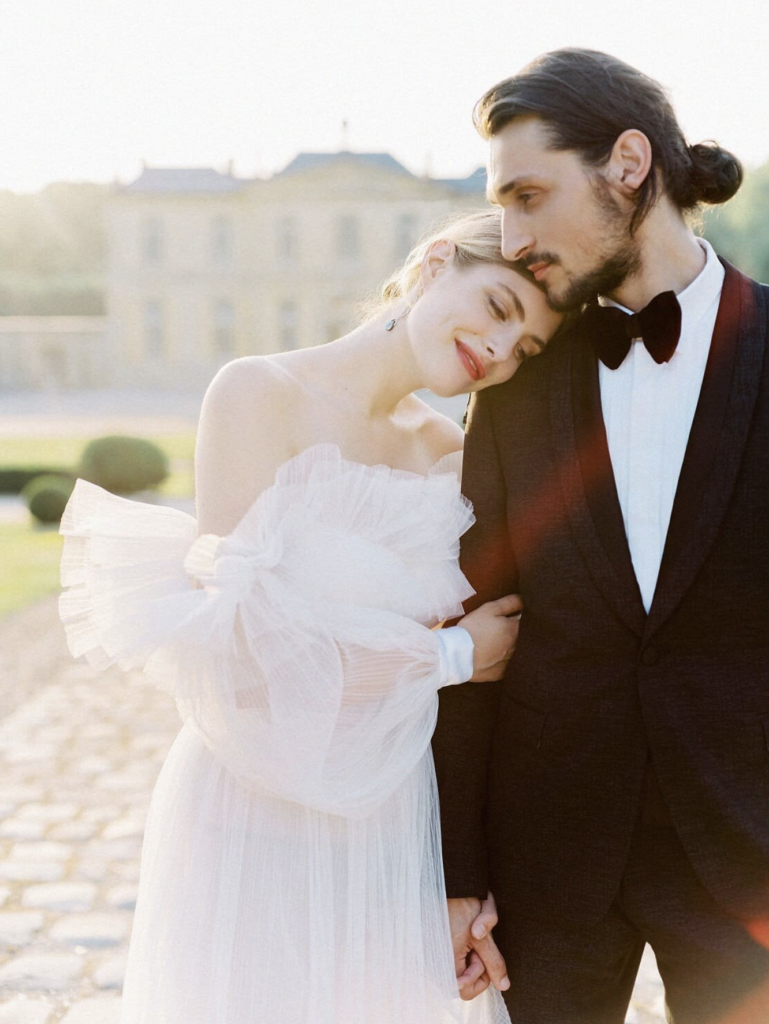
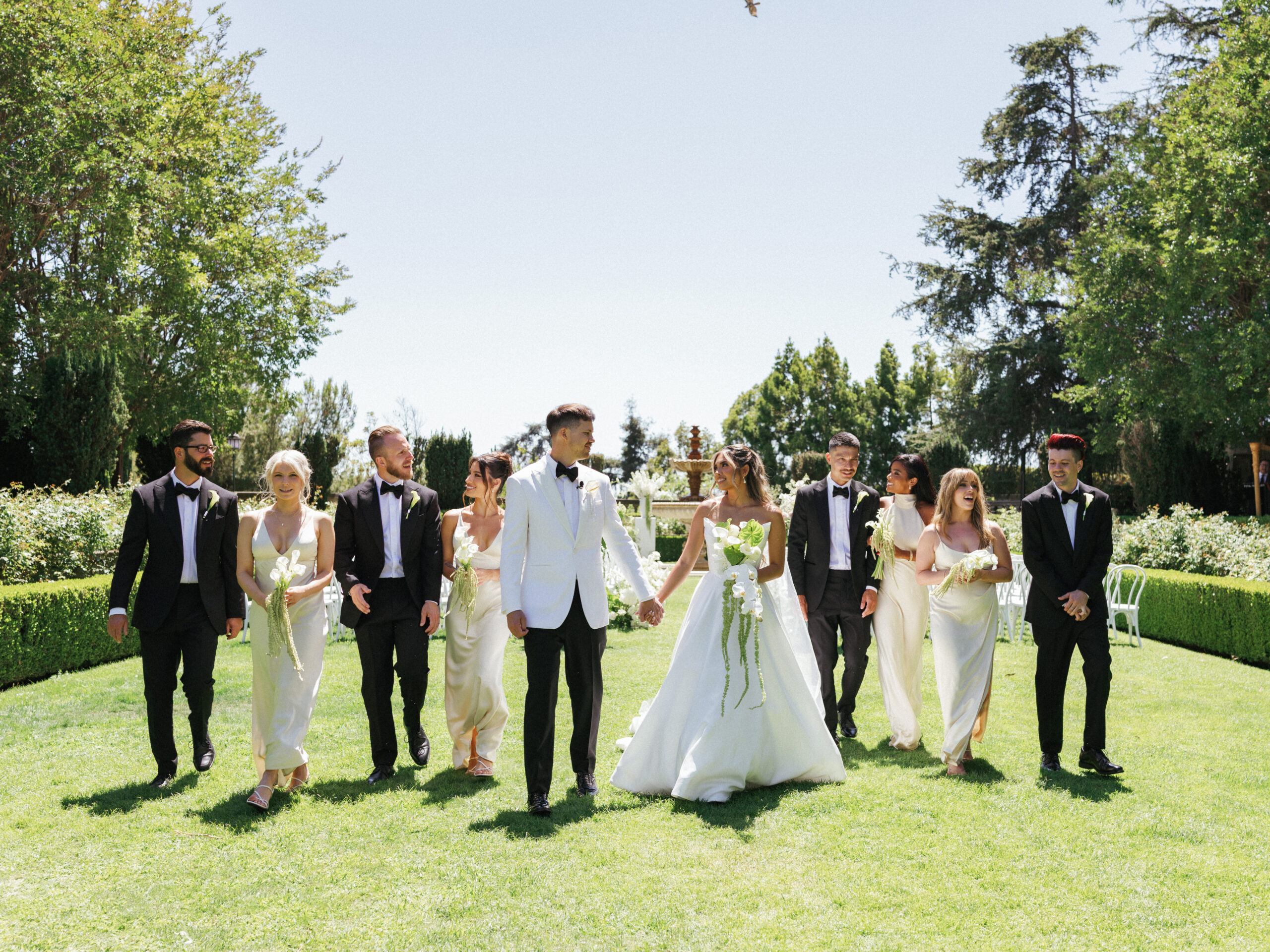
See how a wedding unfolds: preparation, vows, portraits, speeches and the dance floor. Dreamwood offers photography and films for Hudson Valley celebrations, with a shared plan when you book both. Browse selected work below, then send your date and venue to discuss coverage.
Selected wedding photography and film
Taylor & Germi’s complete wedding gallery: Beverly Hills, California. Browse the full sequence to see more than a few favorite portraits.
Sophia & Calvin’s wedding trailer: Sunstone Villa, Santa Ynez, California. Watch a film from the same studio alongside the photography above. These selected celebrations took place in California.
Photography, film, or both
Choose still photographs, a wedding film, or combined photo-and-video coverage. Photography follows the people, portraits and details; film adds voices, movement and the sound of the celebration. When you book both, the coverage starts from one shared timeline.
For a proposal, send your date, exact venue, guest count, first and last moments you want covered, and any additional locations or weekend events. Review the current packages, then ask us to confirm the hours, team and deliverables for your plans.
Planning a Hudson Valley elopement?
For an elopement or small wedding, send the ceremony location, guest count and the moments you want covered, from getting ready and vows to portraits or a meal together. A shorter guest list can still involve several locations and important audio moments.
Tell us whether you want photographs, a wedding film, or both. If you have a particular film format in mind, ask which options are available for your date. The selected work above shows the studio’s photography and film; your proposal should confirm the format and coverage for your own celebration.
Treat the Hudson Valley as a region, not one generic wedding location
A Hudson Valley wedding can mean a historic property near the river, an estate farther north, a garden celebration, a state historic site, or a weekend built around several towns. That range is the appeal, but it also makes generic “Hudson Valley” advice weak. The property, municipality, access rules, and travel route matter more than the regional label. For a different market or a venue-focused guide, use the Dreamwood City Pages hub.
Begin with the exact venue and the sequence of the day. Then decide whether any off-property portrait or ceremony location is worth adding. For venue evaluation before coverage planning, use Wedding Venue Photography.
Keep the weekend destination feeling without overbuilding the route
Many Hudson Valley celebrations bring guests in for more than the ceremony itself. A useful photo and film plan protects that experience. If the couple spends most of cocktail hour driving to a scenic stop, the gallery may gain a backdrop while the wedding loses time with guests. Before the contract is final, carry the location questions into the wedding venue checklist.
Use one or two settings that belong naturally to the event. On a large estate, that may mean a portrait route across the property. On a riverfront or historic-site plan, it may mean a short permitted exterior window before returning to the celebration.
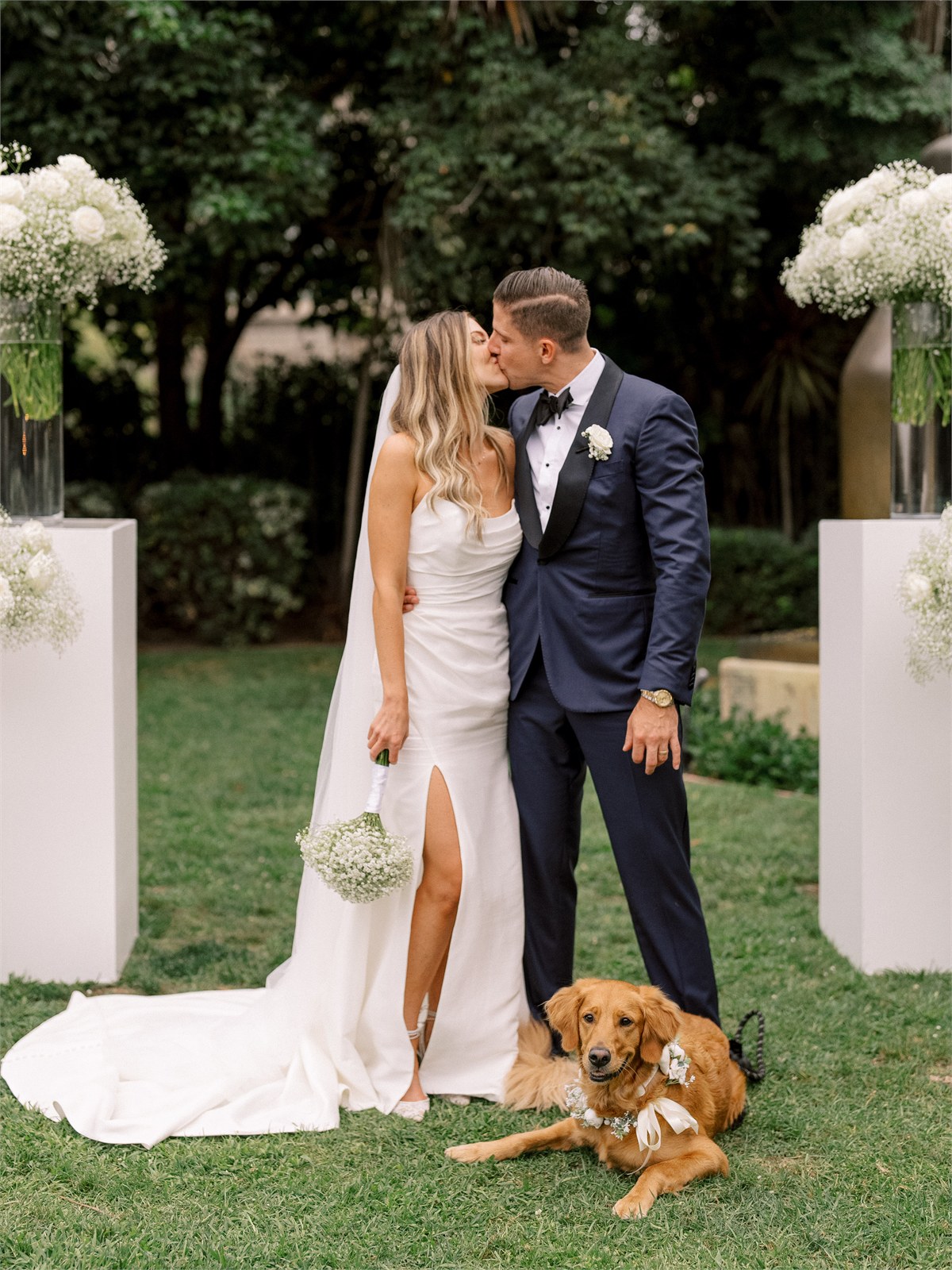
Public historic and park settings need site-specific confirmation
New York State park and historic-site properties can have their own event and permit processes. For example, Walkway Over the Hudson publishes special-activity permit information, and Clermont State Historic Site publishes event-rental information for parts of the property.
Do not turn those examples into a region-wide rule. If a public or historic property is part of the plan, confirm with that specific operator:
whether the intended wedding, elopement, or portrait use is allowed; whether a permit or reservation process applies; how public access affects privacy; and when the group may enter and leave.
Plan estate movement like real travel
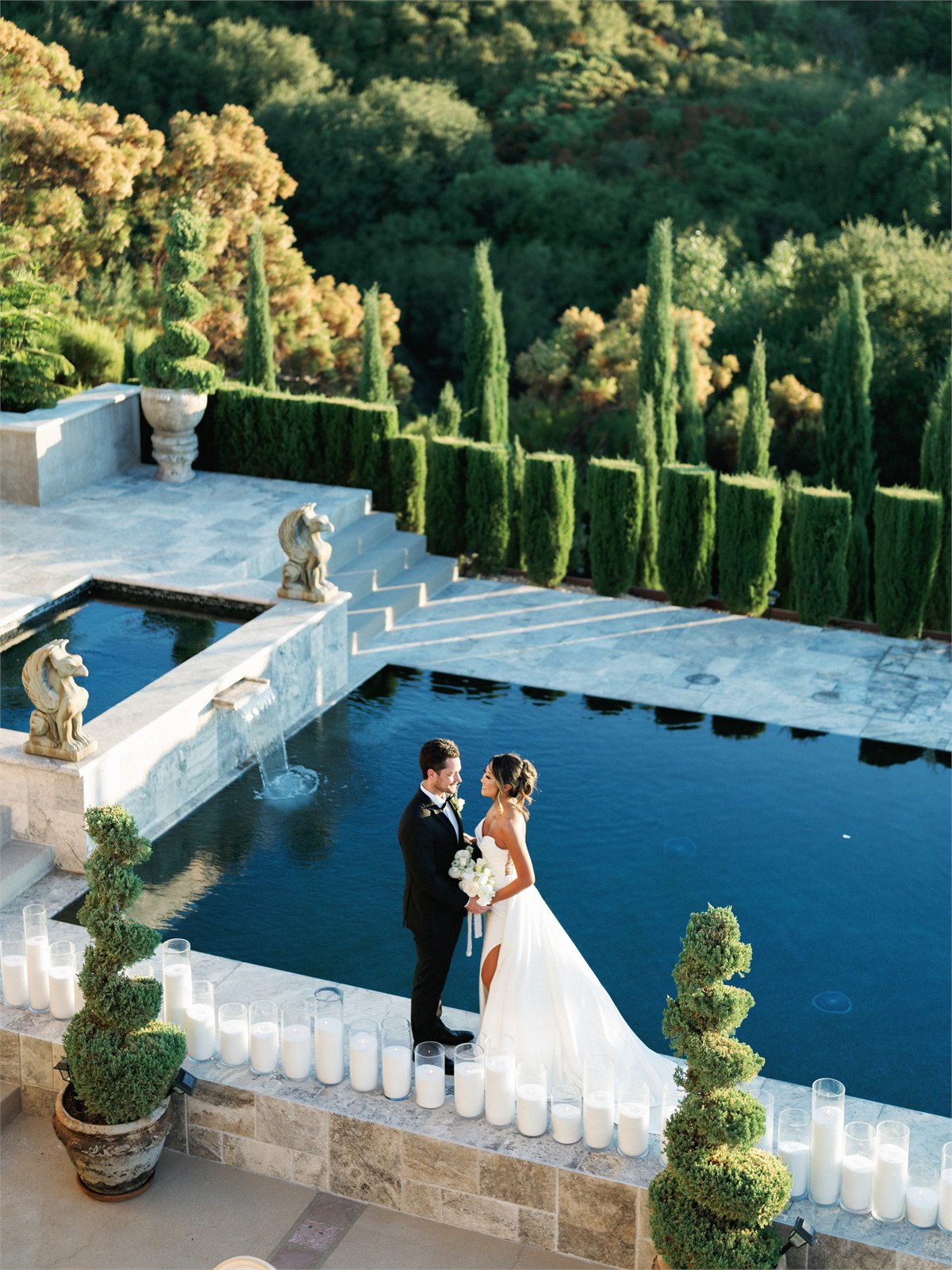
A large property can look like one location on paper while still requiring meaningful time between preparation, ceremony, family portraits, dinner, and reception spaces. Walk that sequence. Note stairs, uneven paths, golf-cart or vehicle needs, guest mobility, and the indoor alternative.
For family photographs, choose one gathering point that relatives can reach easily. Then separate the couple’s portrait time so the formal groups do not expand into the whole cocktail hour.
Let landscape support the people
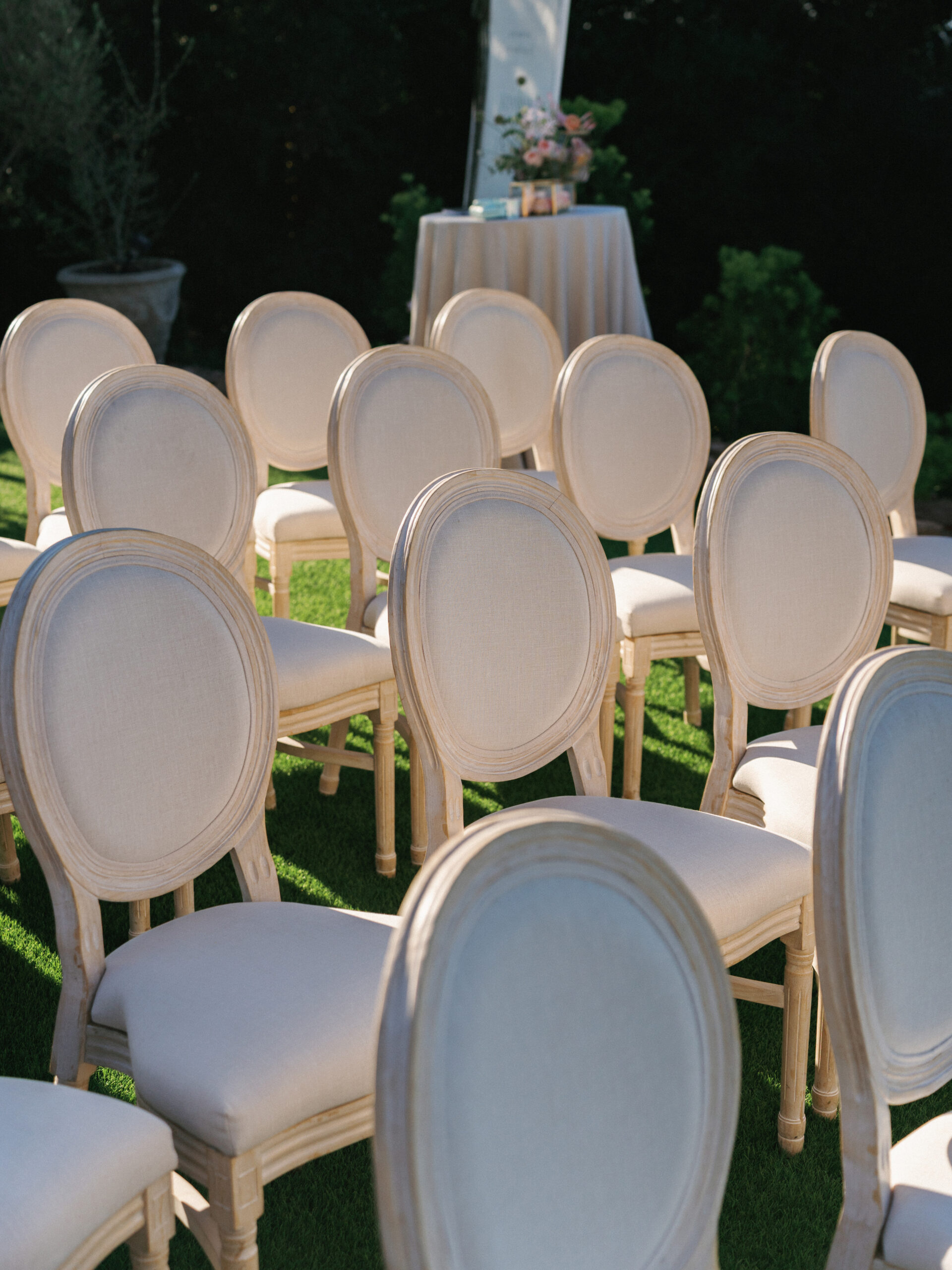
River views, mountain light, gardens, and historic architecture can establish place without becoming the subject of every photograph. A stronger gallery alternates scale: wide frames that explain the setting, portraits that keep the couple central, and documentary moments that hold the people who made the weekend meaningful.
This is also where photo and film coordination matters. Film needs voices, movement, and room tone; photography can hold the still emotional weight of the same sequence.
What to review before choosing a Hudson Valley wedding photographer
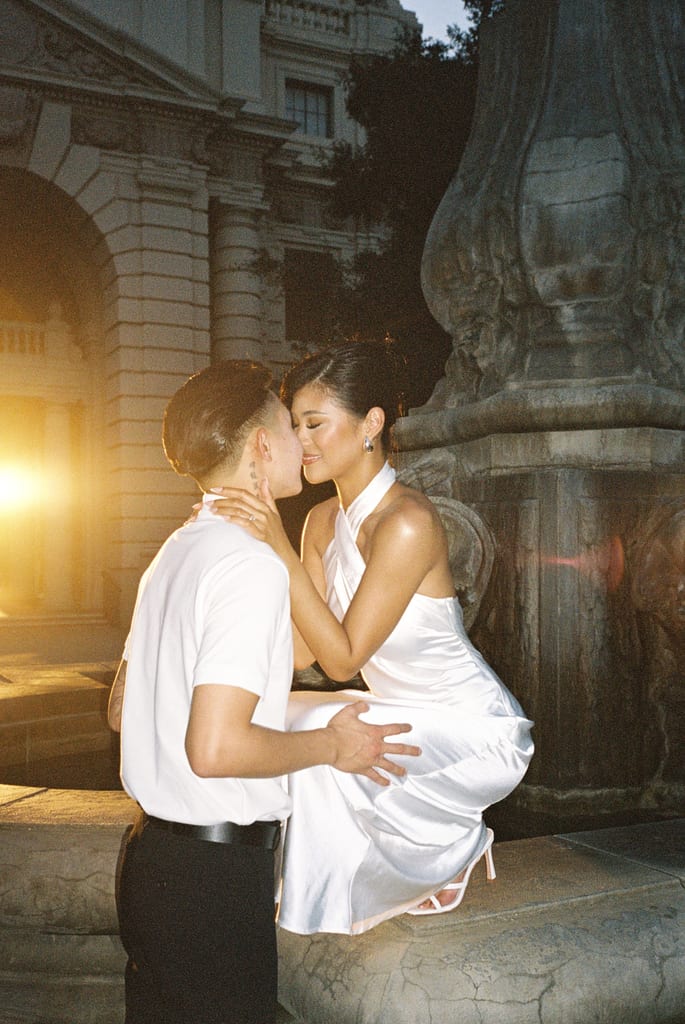
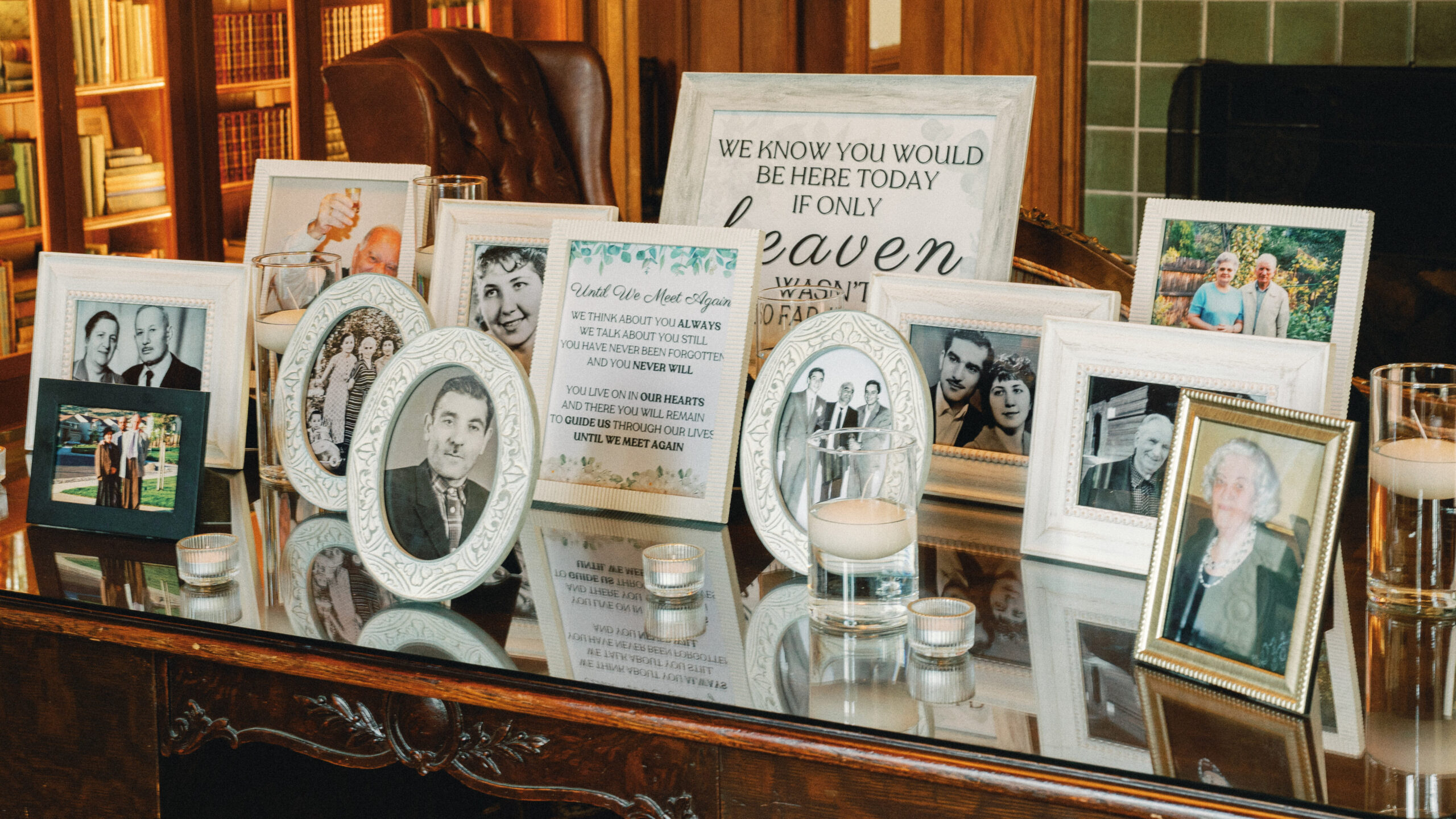
Look for complete weddings, not only sunset portraits. Review indoor preparation, ceremony conditions, family groups, dinner, low-light reception work, and the way the photographer handles a property with several spaces. Ask how the team studies a venue, confirms access, and protects guest time.
A credible answer should be specific to the property you are considering and honest about what still needs confirmation.
Short answer
A Hudson Valley wedding photography plan should be built around the exact property, not the regional label. Keep portrait travel intentional, confirm public or historic-site access directly with the operator, identify an indoor alternative, and treat movement across a large estate as real time in the schedule.
Planning a Hudson Valley wedding?
Share the property, date, guest plan, and any additional ceremony or portrait locations under consideration. We can begin with the route and the coverage priorities rather than a generic regional template.
You can also explore our Gallery, review pricing, or contact us when you are ready to continue.
Frequently asked questions
Is the Hudson Valley one practical wedding market for planning purposes?
No. It is a large region with different municipalities, properties, roads, and venue rules. Use “Hudson Valley” to describe the setting, then plan from the exact venue and event route.
Do we need a permit for a public Hudson Valley portrait or ceremony location?
It depends on the specific site and intended use. State parks, historic sites, municipal properties, and private venues can have different rules. Confirm with the operator that controls the exact location.
How many portrait locations should we plan?
Usually fewer than the region seems to offer. One or two settings that fit the wedding can create a stronger experience than a long scenic route that separates the couple from guests.
What should photo and film teams know before the weekend?
Give them the venue plan, ceremony structure, family-photo priorities, portrait window, important audio moments, and any public-site access confirmation that affects the route.