Choosing among Ithaca NY wedding venues is easier when the conversation starts with the full day, not a single ceremony view. Guests need a clear arrival experience, family portraits need a workable place in the schedule, and photography and film need to move through the property without pulling the celebration apart. A venue can feel right on a first visit and still warrant a second look at timing, light, and the practical questions that appear closer to the wedding. For a different location or service guide, continue through the Dreamwood City Pages hub.
Compare each Ithaca-area option as a sequence of spaces: preparation, ceremony, portraits, cocktail hour, dinner, and the part of the evening when the room changes pace. Treat each Ithaca-area or Finger Lakes property as its own event setting; a regional label does not explain how a particular venue operates. Review access, indoor alternatives, and movement between spaces for the specific venue, date, and guest plan. Once the operator details are confirmed, use Wedding Venue Photography for the separate light, space, and flow conversation.
How to compare Ithaca NY wedding venues through the whole day
Use named venues to compare formats, not to create a ranking
A useful Ithaca shortlist can include very different event formats. Cornell-affiliated event spaces and the Statler Hotel can create a campus/hotel sequence, while New Park presents a private event-property format. Use these as operator-sourced starting points, not as DreamWood recommendations or claims of prior work.
For each option, confirm the actual ceremony/reception spaces, portrait access, guest route, indoor alternative, sound responsibility, vendor arrival, and current event terms. Keep the operator answers together with the wedding venue checklist before relying on the plan.
A venue visit can begin with the mood of a room or the surrounding landscape. The practical follow-up is to walk the day in order. Where will preparation happen? Where do guests gather before the ceremony? How does the couple move from the ceremony to portraits, and where does cocktail hour take place while that happens? These questions reveal the connections that a single photograph of the property cannot show.
Keep a simple note for each option: which moments will happen there, who moves through the space, and what needs to be confirmed by the venue. That record becomes useful when planners, family members, and photo or film teams begin discussing the timeline together.
Start with the kind of celebration you want to host.
Before comparing details, decide which parts of the day need greater room. Some couples care deeply about a quiet preparation sequence and a first look. Others want guests to remain close throughout the afternoon, or place more weight on a long dinner and an active dance floor. The venue should support those priorities without asking every moment to happen in the same corner of the property.
Ithaca and nearby Finger Lakes settings can differ substantially by property, so regional language should not stand in for venue-specific facts. A good comparison keeps the actual address, event spaces, and house rules visible in the planning process.
Ceremony light and an indoor alternative deserve equal attention
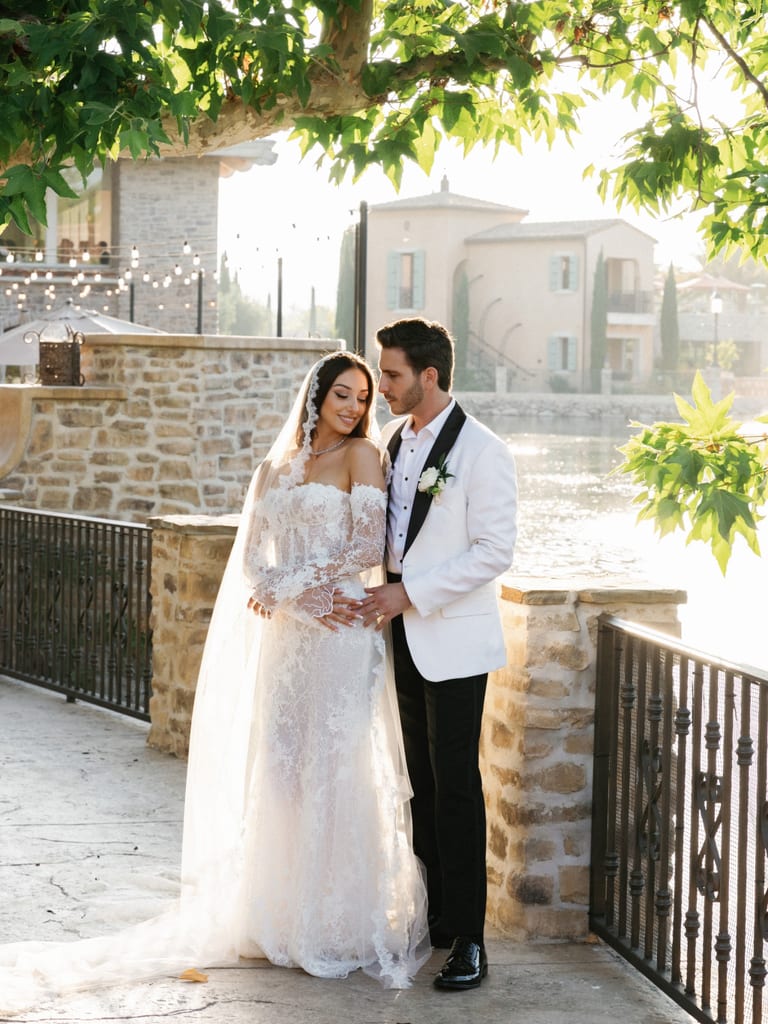
A ceremony space can be visually appealing while still raising useful questions about time of day, the direction of light, guests’ sightlines, and where the couple will stand. Ask the venue how the ceremony area is typically used for the planned date, then consider how the setting will feel once guests, décor, musicians, and a coverage team are present.
Look at the ceremony from the guests’ point of view
Stand where the first rows may sit. Notice the path the couple will take, the backdrop behind the ceremony, and whether there is enough room for a photographer and film team to work without blocking the experience. If readings, live music, or personal vows are important, ask about the audio setup and the venue’s rules for equipment placement.
Treat the indoor plan as part of the venue decision
Treat the indoor option as a full event space, not an afterthought. It may become the place for family photographs, a private first look, a ceremony, or a transition while guests are moving between parts of the day. Ask to see the actual room, not only a floor-plan description. Look for a route that lets guests stay comfortable and gives the couple enough space to remain present with them.
The venue should confirm what is possible for the contracted date. Light, furniture, access, and event setup can change from one property and season to another.
Guest movement shapes the timeline
The time between major moments often disappears first from a schedule. Guests leave a ceremony, the wedding party is called for portraits, family members look for a meeting point, and the next room is already opening. A thoughtful venue plan gives those transitions a clear order.
Ask where guests will wait during portraits and how the property directs people from one area to the next. Consider arrival, ceremony seating, cocktail hour, dinner, and late-evening departure as connected stages. The answer may affect how much time is available for formal groups and whether couple portraits happen before or after the ceremony.
Portraits can stay close to the celebration
Portraits do not need an off-site detour to feel considered. A venue with a few distinct areas can support a short, varied portrait window while keeping the couple close to their guests. The useful question is whether those areas are genuinely available and reachable within the schedule, not whether they appear dramatic in a venue gallery.
Look for a quiet place near the ceremony or cocktail hour, then identify a second setting with different light, texture, or scale. It may be an interior, a sheltered edge of the property, or a simple architectural detail. The exact choice should follow the venue’s guidance and the time actually available.
This approach also gives family portraits a cleaner place in the day. Formal groups can happen near the ceremony or in a chosen indoor space, while couple portraits remain separate and shorter. Guests are not left waiting for a long location change, and the couple returns to the celebration with more of the day intact.
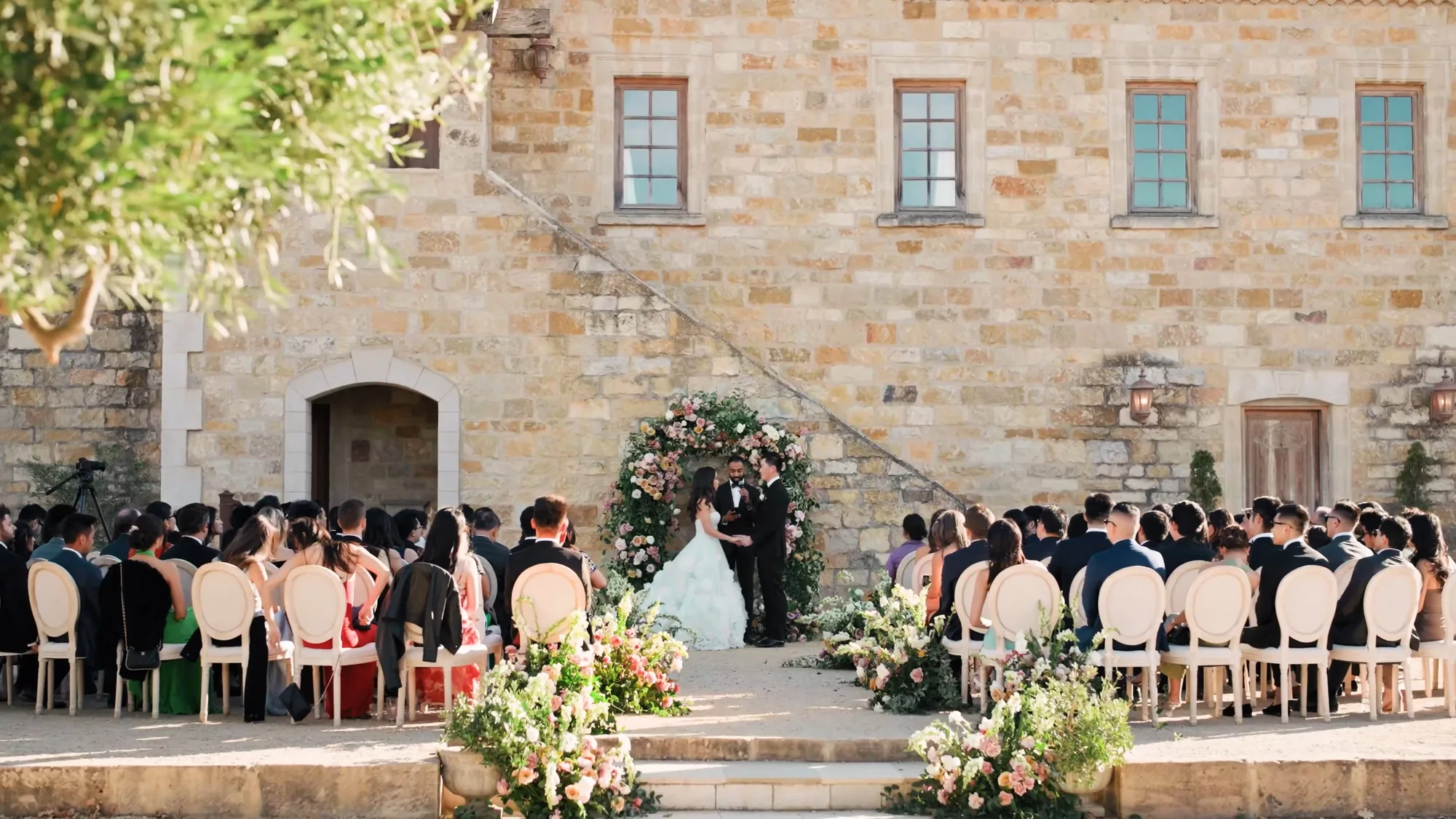
What photography and film teams need from a venue
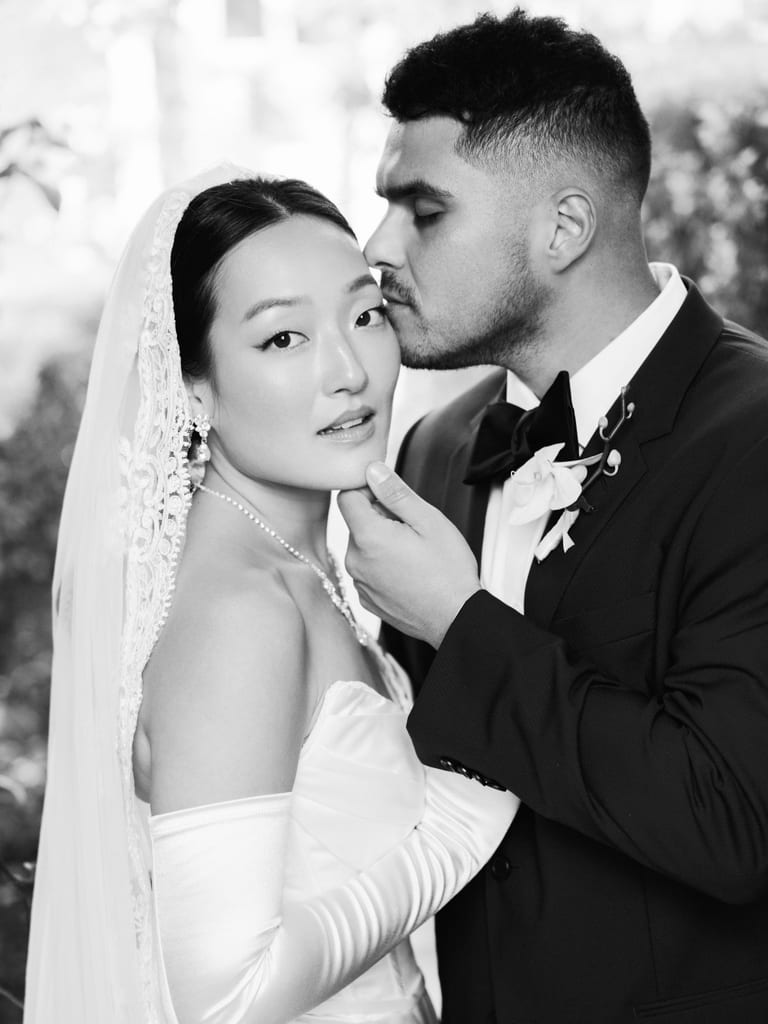
Photo and film teams work with a clearer plan when the venue plan is shared early. They need the ceremony time and layout, the scheduled portrait window, spaces for preparation, any reception-room transitions, and guidance on where equipment may be placed. If audio matters for vows, readings, or speeches, that conversation belongs with the venue and the relevant vendors before the wedding day.
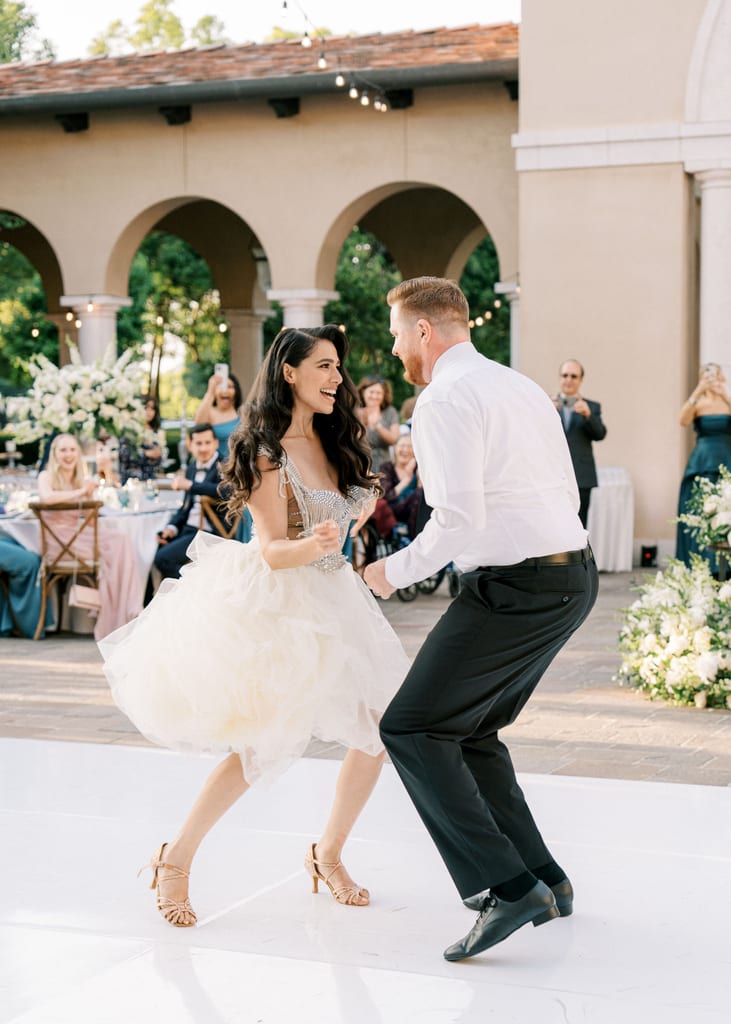
Reception coverage also benefits from a simple conversation about the room. Entrances, speeches, first dances, and open dancing each use the space differently. The team can prepare for changing light and movement when they understand the schedule and any venue restrictions.
When the plan is clear, photo and film coverage can stay responsive to the people in the room.
Put the venue plans side by side
Use this framework to compare the properties you are considering before narrowing the list. Place the confirmed ceremony space, indoor option, portrait route, guest transitions, and reception plan side by side. The comparison becomes more useful when every note is tied to the property’s current event plan rather than to a general regional impression.
For visual references, explore the gallery. To understand how still photography coverage may fit the day, visit photography. When you have two or three venue options in view, share the walkthrough notes with us and we can discuss the photo and film questions they raise.
Comparing Ithaca wedding venues?
Share your date, guest count, the Ithaca or Finger Lakes venues on your shortlist, and whether you need photography, film, or both. We can begin with the venue-flow and coverage questions that still need a confirmed answer.
Frequently asked questions
Should we choose a venue before speaking with a photo and film team?
A venue can be chosen first, but an early conversation with the coverage team can reveal useful questions to bring back to the venue. Ceremony timing, indoor options, portrait access, audio, and the reception sequence are easier to consider before the schedule is fixed.
Do all Finger Lakes venues have the same planning considerations?
No. The wider regional label does not describe one property’s layout, access, indoor spaces, or restrictions. Treat each venue as its own event setting and confirm the details with the venue for the wedding date.
How much portrait time should a venue plan allow?
The amount depends on the guest experience, family-photo plan, ceremony time, and the locations actually available on the property. A shorter window in one or two workable settings can be more comfortable than a longer route that separates the couple from their guests.
What should we ask on a venue walkthrough?
Ask to see preparation areas, the ceremony space, the indoor alternative, portrait options, cocktail-hour flow, and the reception room. Confirm vendor arrival guidance, equipment restrictions, audio considerations, and the venue’s plan for the specific date.