
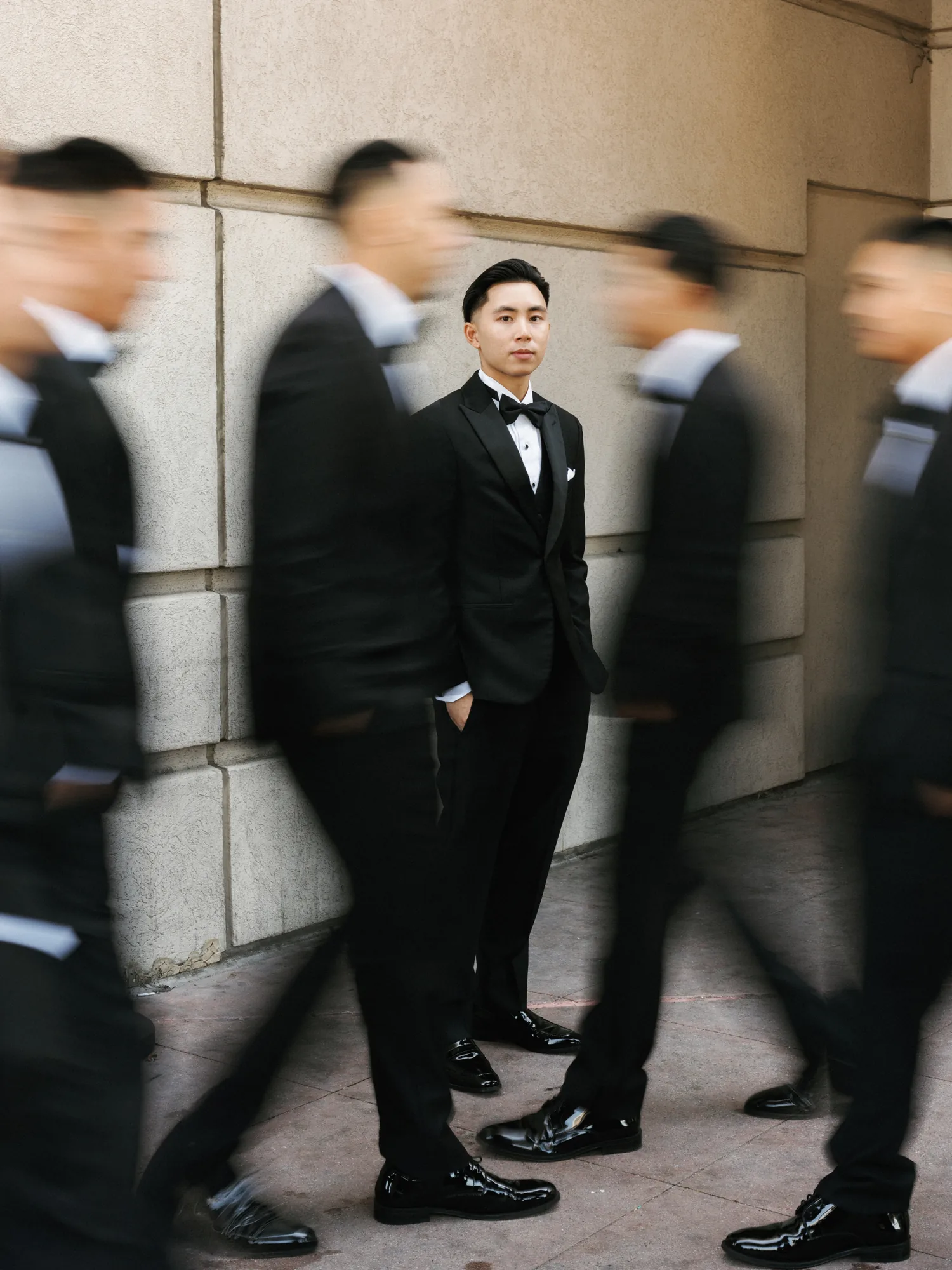
A Long Island wedding photographer begins with the shape of the celebration: where the day starts, who is present in each space, and how the couple moves between preparation, ceremony, portraits, and reception. A useful coverage plan leaves room for those transitions without turning the wedding into a sequence of staged stops, while an early conversation about investment and coverage options keeps decisions grounded in the shape of the day. For a different market or a venue-focused guide, use the Dreamwood City Pages hub.
If the venue is still being selected, use the Long Island Wedding Venues guide to compare estate, ballroom, and indoor/outdoor formats through guest movement, portrait access, and the ceremony-to-reception sequence. Before the contract is final, carry the location questions into the wedding venue checklist.
Before discussing individual photographs, describe the day as it will happen. One property or several? A quiet morning in a hotel room or preparation inside an estate? Portraits before the ceremony or a shorter interval during cocktail hour? Those choices give photography and film a shared map of the people and moments that matter.
Start with the coverage map
Write down four points: preparation, ceremony, portraits, and reception. Add the address or general setting for each one, then note who moves between them and when.
Preparation sets the first pace. If both partners are getting ready on the same property, the coverage team can plan around separate rooms and the moments when family members arrive. If preparation happens in different locations, travel becomes part of the schedule and needs a real place in the coverage conversation.
The ceremony anchors the day. Its start time, layout, processional route, vows, readings, and sound plan affect both still photography and film. Portraits need their own decision: whether the couple wants time together before the ceremony, a brief interval after it, or both. The reception completes the map with entrances, speeches, dances, and any room change that shifts the pace.
This outline is short, but it gives a Long Island wedding photography plan a structure that a long shot list cannot provide.
Three Long Island day-flow scenarios
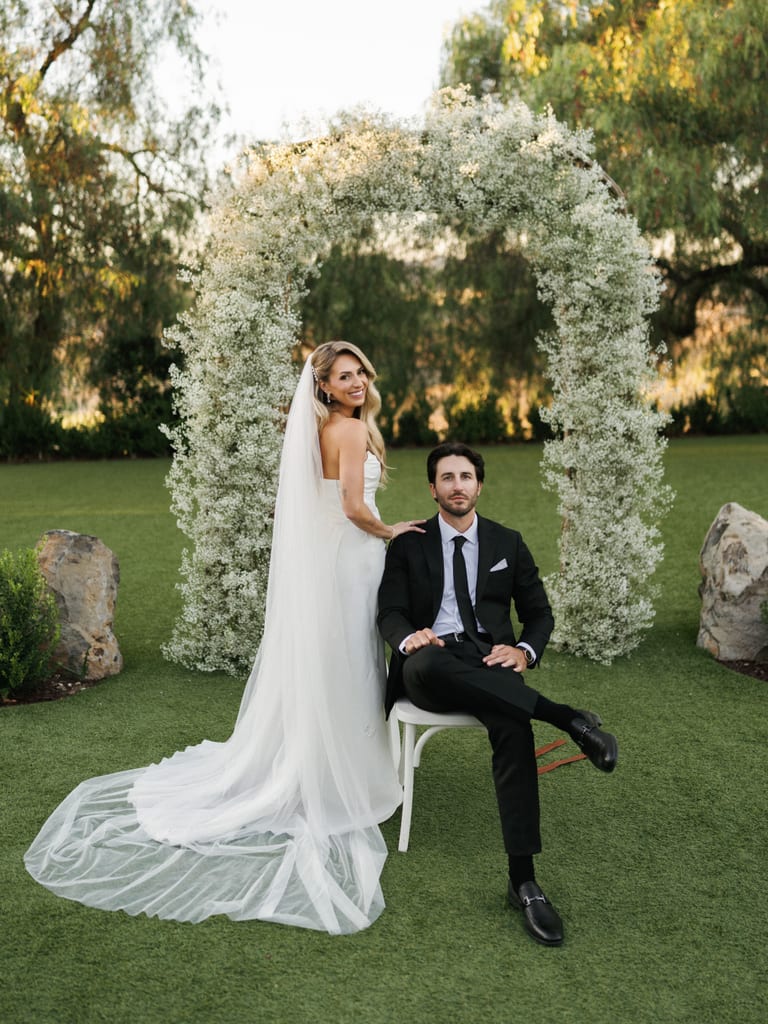
A celebration within one estate or garden setting
When preparation, ceremony, portraits, and reception stay on one property, the day may involve little road travel. The movement still matters. Guests may cross a garden while the couple is having portraits, family members may need to gather near the ceremony, and cocktail hour may begin in the next space before formal photographs are complete.
Plan a portrait route that uses one or two nearby settings rather than every available corner. Decide where family photographs will happen and how relatives will reach that point after the ceremony. If an outdoor area is part of the plan, ask the venue to identify the interior alternative for the contracted date. This keeps the coverage team close to the celebration and gives the couple a clear return to guests.
A hotel and ballroom day with several rooms
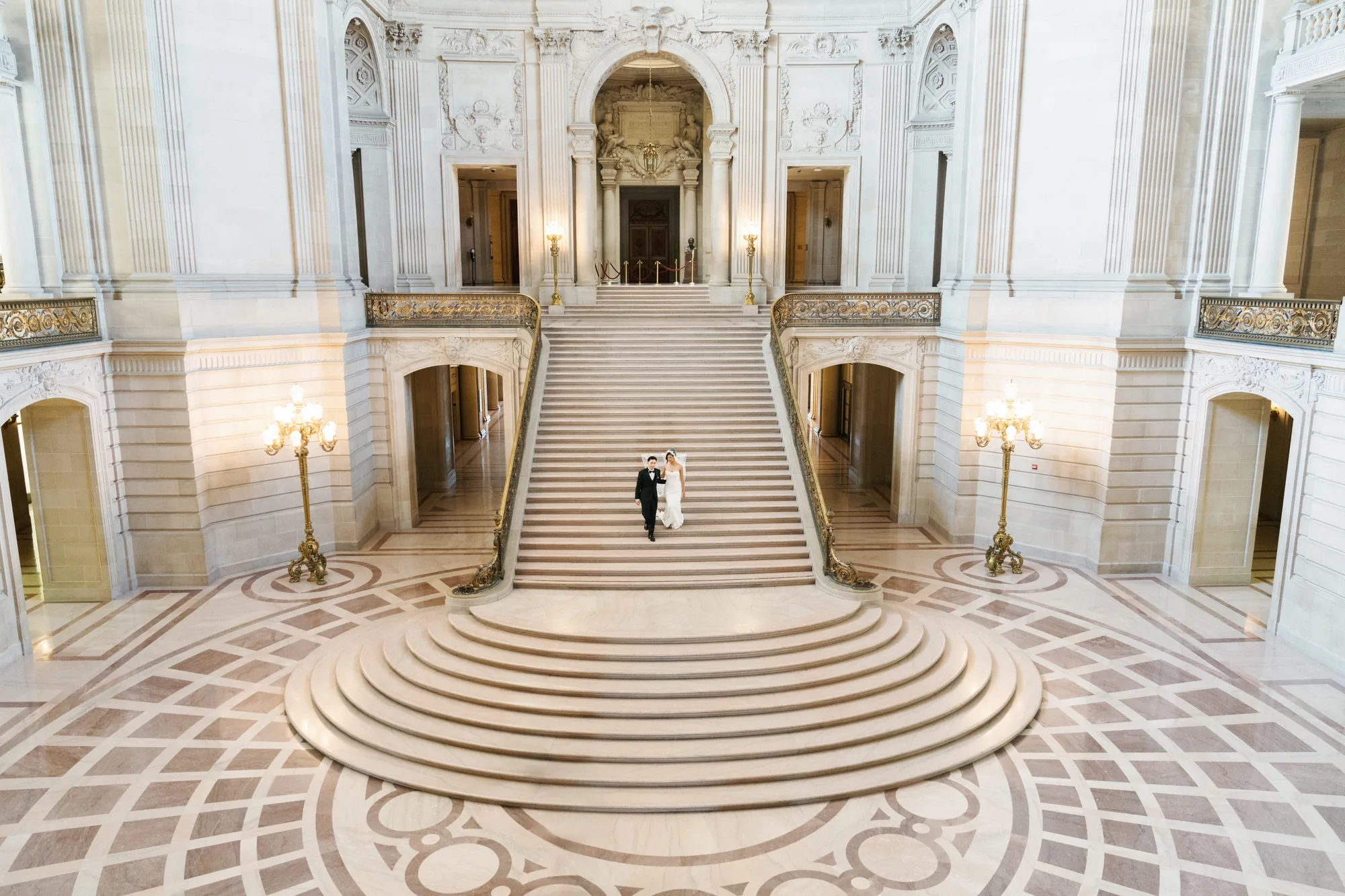
A hotel or ballroom celebration often changes pace through its interiors. Preparation may happen on another floor. The ceremony, cocktail hour, and dinner may each have a separate room. Elevators, hallways, guest arrivals, and room turnovers can take more time than the floor plan suggests.
Photography and film can prepare around those shifts when the team knows which rooms are confirmed and how people move between them. A first look may need a quiet location away from guest traffic. Family photographs need enough space and a meeting point. Before the reception, the team also needs time to understand the room without delaying an entrance already on the schedule.
An outdoor ceremony followed by an indoor reception
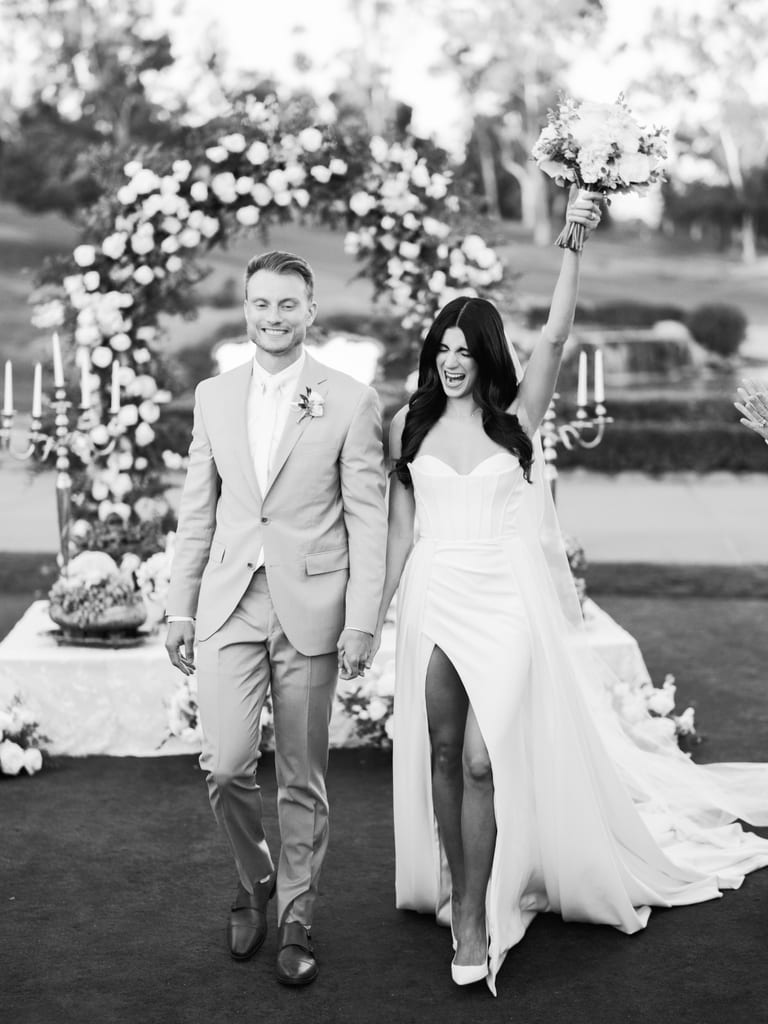
An outdoor-to-indoor day has a visible change in atmosphere. The ceremony may feel open, while dinner and dancing bring everyone into a more concentrated room. The transition can hold greetings, congratulations, family photographs, and a quick change in the couple’s pace.
Ask where guests go immediately after the ceremony and how the indoor plan works if the ceremony itself needs to move. For coverage, the useful details are the walking route, the family-photo location, the sound plan, and the amount of time before the reception entrance. The goal is to keep the transition readable for everyone rather than squeeze several important moments into the same few minutes.
How photography and film coordinate without taking over
Still photography and film share the timeline, but they do not need identical positions. During preparation, a photographer may stay close to a parent fastening a dress while film follows the movement and room sound around that exchange. At the ceremony, both teams need a clear understanding of the processional, vows, readings, and any restrictions confirmed by the venue. During speeches, one may hold a wider view while the other stays attentive to reactions around the room.
Coordination starts before the wedding. The teams can compare the ceremony layout, family-photo list, portrait window, reception sequence, and moments that depend on clear audio. That conversation reduces visible repositioning and competing direction during the day.
The couple should not have to repeat the same instruction in the middle of a first look or pause a toast while teams negotiate space. A shared plan lets coverage stay present without asking the celebration to perform for it.
What to share before the first conversation
Send a short outline rather than waiting for a finished timeline. Include the date and general Long Island location; the venue format and whether the day uses one address or several; where each partner expects to prepare; the current ceremony and reception plan; the people or relationships you want the coverage to stay close to; whether film is part of the conversation; and what you hope to remember about the day once the schedule itself fades.
If a detail is still open, say so. An early conversation can identify which questions belong with the venue or planner before the timeline hardens around an assumption.
A considered timeline, not a rigid schedule
A coverage timeline should give the day shape without controlling every minute. Start with fixed events such as the ceremony, dinner, and reception formalities. Then work backward through preparation and forward through family photographs, couple time, and guest transitions.
Keep travel and room changes visible. A ten-minute drive also includes leaving one space, gathering what is needed, parking, and settling into the next. A short walk through a large property may take longer with family members or a wedding party. The venue and planner can confirm the date-specific route and access details; the coverage team can then protect realistic time for the photographs and film sequences the couple values.
Breathing room is useful, but it should serve the celebration. If the couple wants to spend most of cocktail hour with guests, build a focused portrait plan before the ceremony or choose a brief route nearby. If family photographs carry more weight, prepare the group list and meeting point early. The schedule becomes specific because the priorities are specific.
Planning a Long Island wedding?
Share your date, venue or shortlist, ceremony and reception plan, and whether photography, film, or both are under consideration. We can begin with the coverage map already taking shape.
Questions couples often ask
When should we discuss photography and film together?
Begin while the venue format and ceremony plan are taking shape. A shared conversation can connect sound, movement, portraits, and reception timing before separate assumptions appear in the schedule.
What affects the amount of portrait time we need?
The venue route, family-photo plan, guest experience, ceremony time, and number of locations all matter. One focused portrait interval in nearby settings can feel more relaxed than a longer route with repeated transitions.
What should we know before contacting a Long Island wedding photographer?
You do not need a finished timeline. Bring the date, general location, venue format, known transitions, coverage priorities, and any questions about photography and film. Those details are enough to begin a useful planning conversation.
How should we plan an indoor alternative?
Ask the venue to show the actual ceremony and portrait options for the contracted date. Then review how guest movement, family photographs, sound, and the transition to the reception would change.
Share the shape of the day
Tell us your date, venue format, and the rhythm you want the day to hold. We’ll help you think through photography and film coverage around the celebration itself.