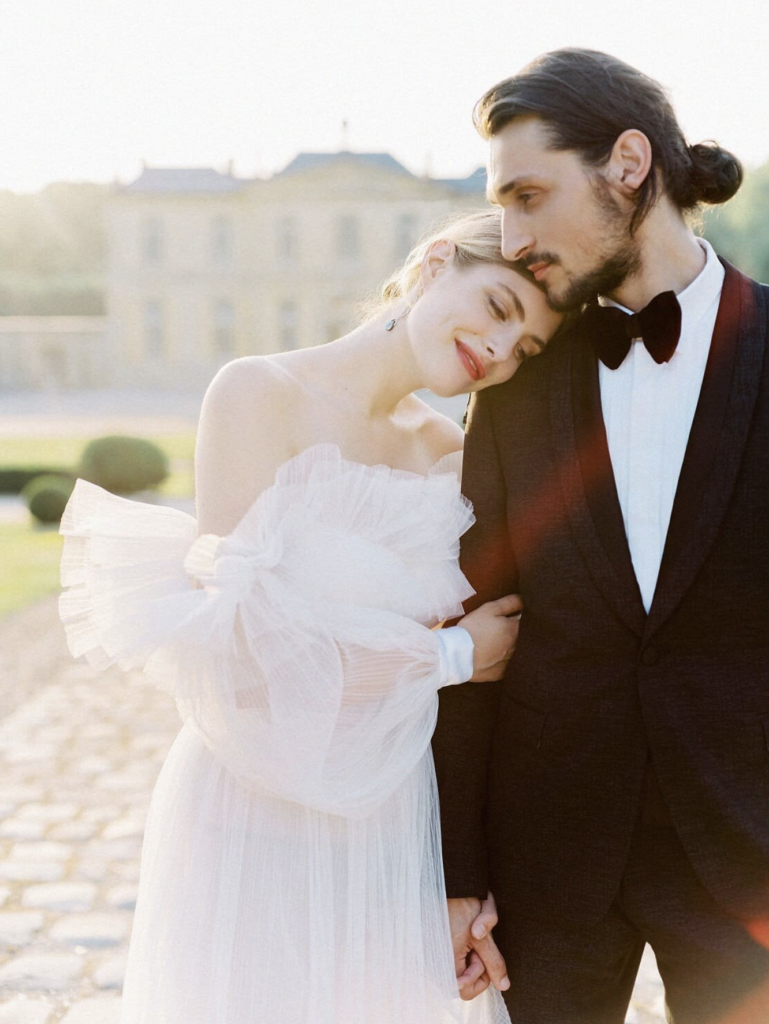
Napa Valley wedding photography begins with the venue’s actual event use
Napa Valley can look visually simple from the outside: vineyard rows, estate architecture, long dinner tables, and late-day light. The planning reality is more specific. A vineyard view does not automatically mean a winery can host a wedding, and the place where guests stay, the ceremony happens, and portraits are made may be governed by different property rules. For a different market or a venue-focused guide, use the Dreamwood City Pages hub.
Visit Napa Valley’s current wedding guidance notes that most wineries cannot host weddings under Napa County’s Winery Definition Ordinance, with limited exceptions for operations with grandfathered rights. That makes venue verification part of the photography plan, not a legal footnote. For venue evaluation before coverage planning, use Wedding Venue Photography.
Separate “wine-country look” from “winery wedding permission”
When comparing Napa Valley wedding venues, ask what type of property you are actually booking: resort, hotel, estate, garden, historic property, or a winery with documented event rights. Confirm the event spaces, vendor access, portrait areas, and guest route directly with the operator. Before the contract is final, carry the location questions into the wedding venue checklist.
Do not assume that a scenic wine property is available for a ceremony, reception, or off-site portrait session because similar photographs exist online.
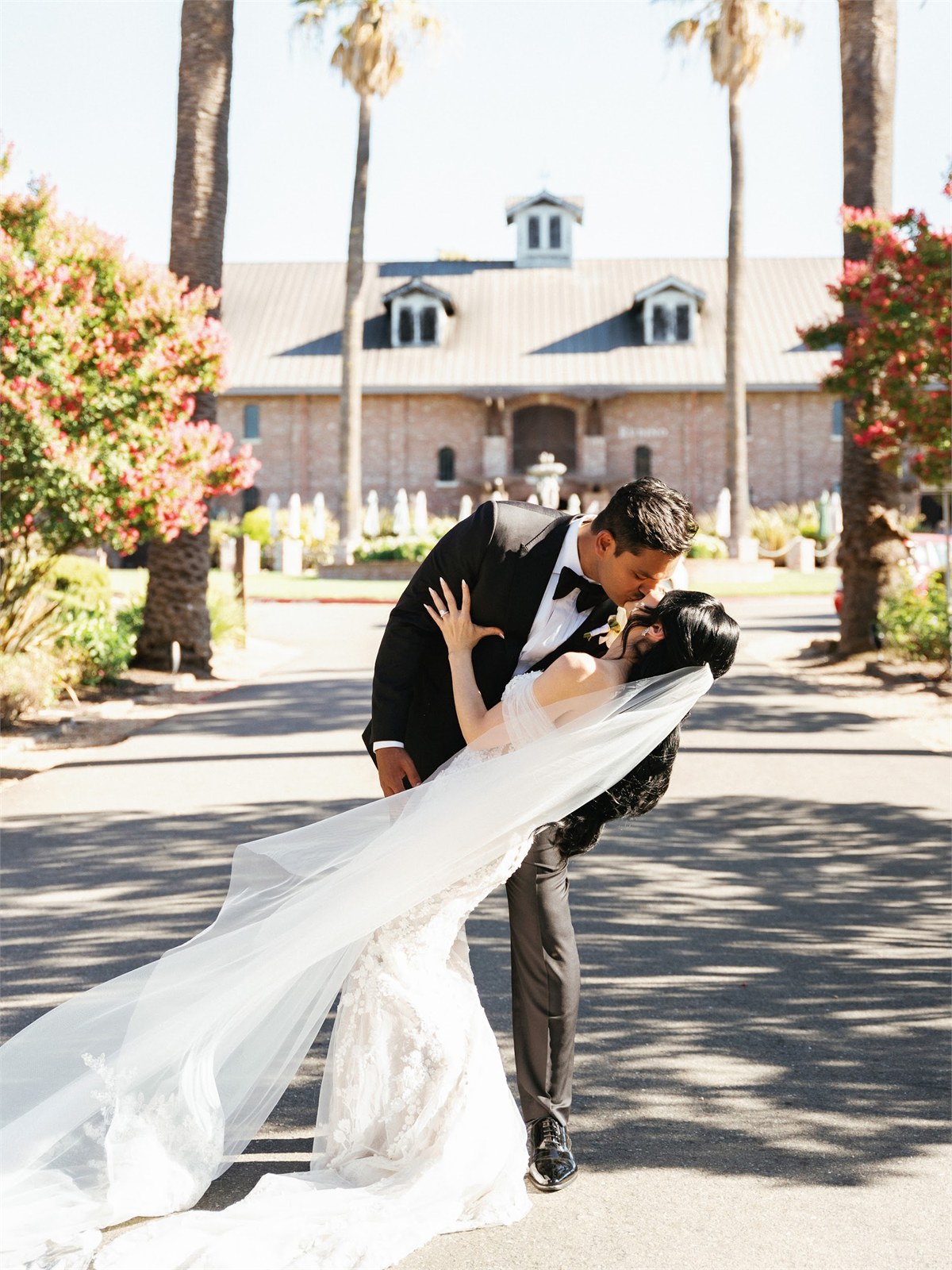
Protect the part of the day that belongs to guests
A Napa wedding may include welcome events, a ceremony, cocktail hour, dinner, speeches, and a reception within a broader weekend. Photography should not consume the experience that brought everyone together.
Build portraits around the booked property first. If another location is being considered, calculate the full transition and ask whether the visual difference is worth the time away from guests.
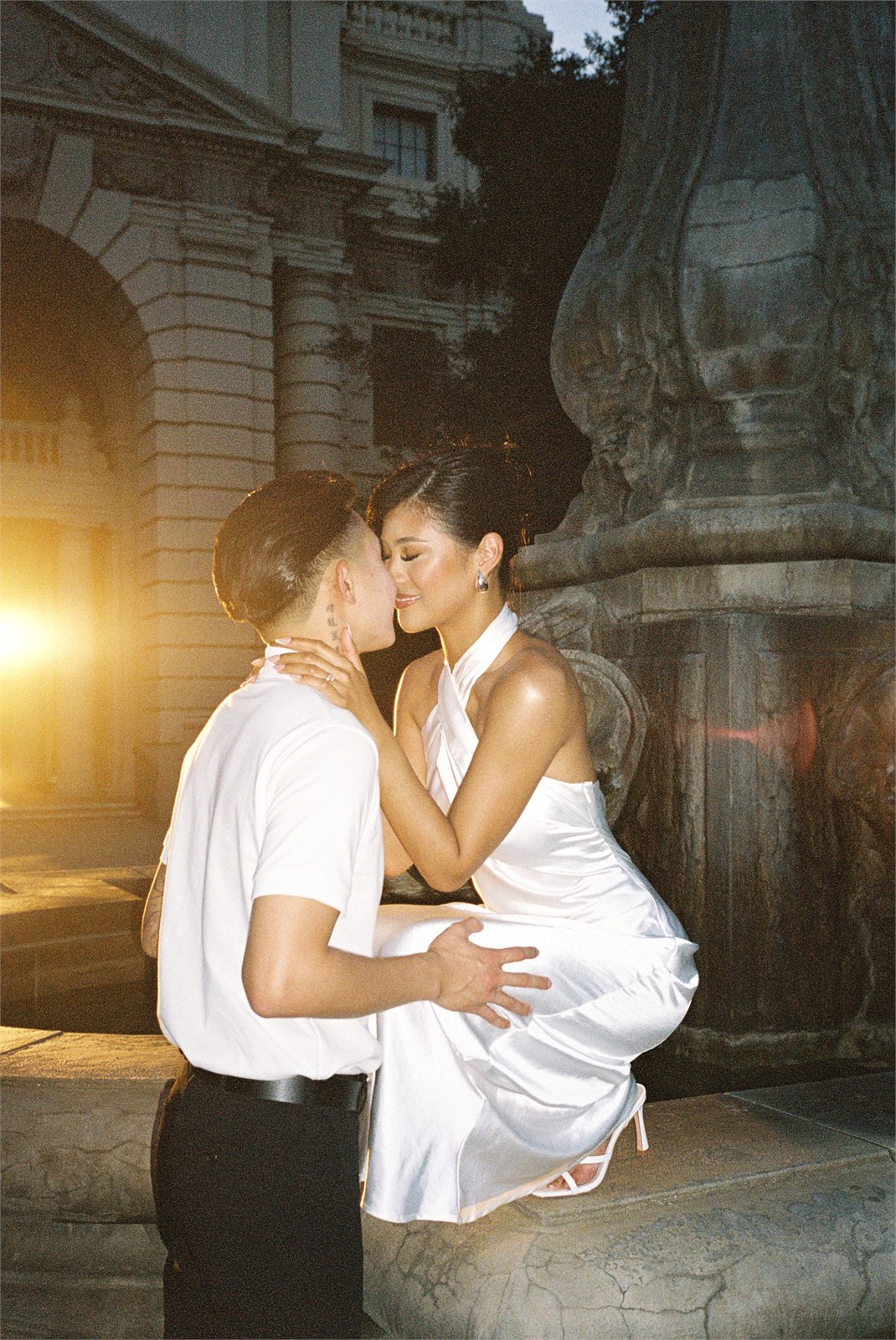
Use late-day light as an option, not a promise
A short portrait interval later in the day can be useful when the event schedule and property access support it. Do not build the whole timeline around a generic “golden hour” promise. Ceremony timing, dinner service, weather, terrain, and the venue’s event plan all affect what is realistic.
Identify an earlier or indoor alternative so the gallery does not depend on one narrow window.
Plan photo and film through the same event sequence
A wine-country celebration often has rich sound and movement: vows, guest arrivals, dinner atmosphere, speeches, music, and transitions between outdoor and indoor spaces. Share those moments across one coverage timeline.
If film is part of the plan, confirm ceremony and reception audio with the relevant venue/vendor contacts. For portraits, decide once where and when the couple will step away rather than duplicating direction for separate teams.
What to review in a Napa Valley wedding photographer
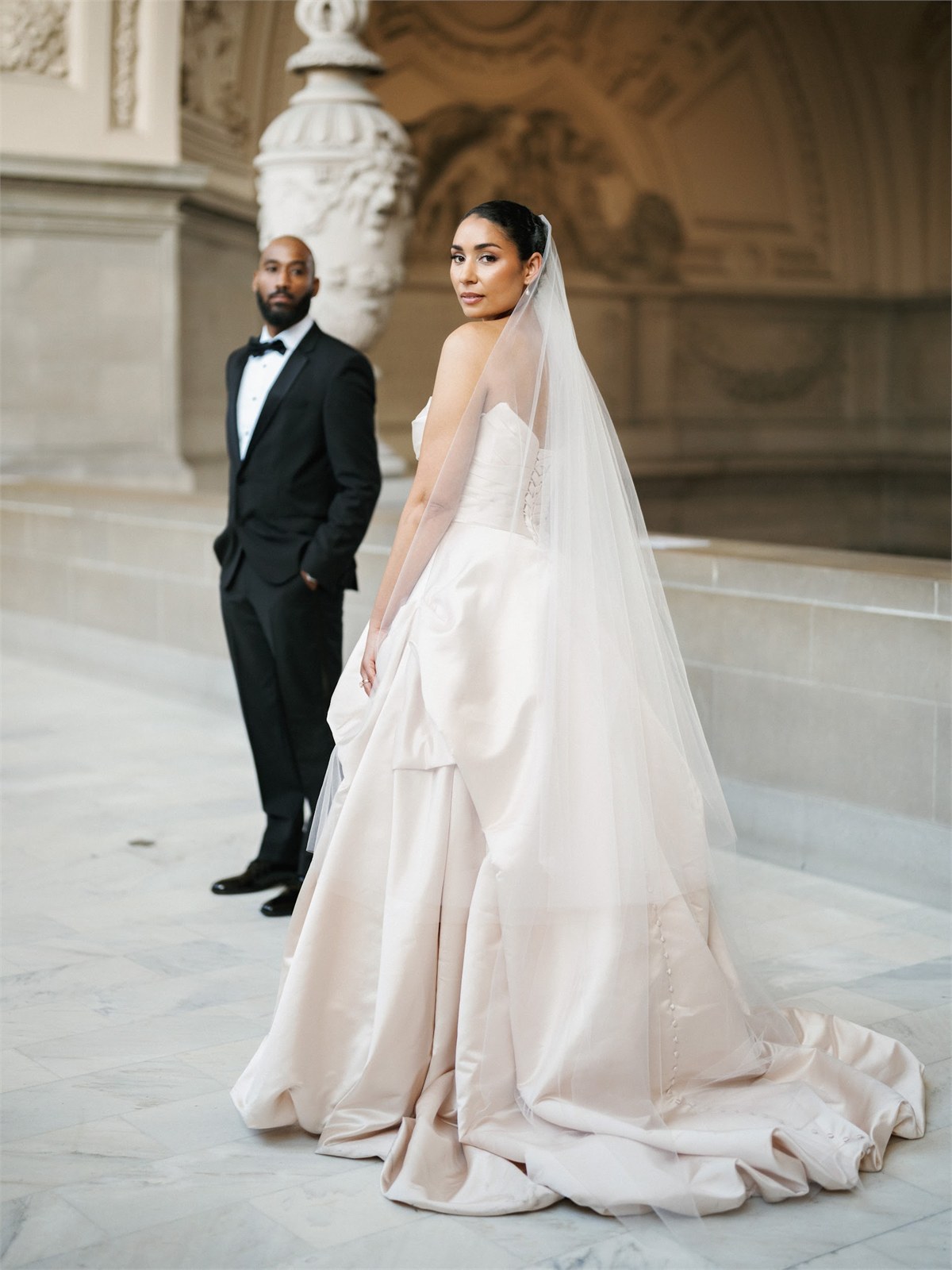
Look for complete wedding stories that move through different light and event spaces. Ask how the photographer approaches a venue they have not worked at before, how they verify access, how they coordinate family photographs, and how they adapt when a planned outdoor portrait window changes.
Do not use “local experience” as a substitute for the actual planning conversation.
Short answer
For a Napa Valley wedding, verify the property’s actual event use first. A vineyard setting does not automatically equal a permitted winery wedding. Build photography around the booked venue, keep portrait travel limited, protect an indoor or earlier alternative, and plan photo and film against the same ceremony-to-reception sequence.
Planning a Napa Valley wedding?
Share your venue or shortlist, date, ceremony plan, and whether photography, film, or both are under consideration. We can begin with the event flow and the coverage decisions still open.
You can also explore our Gallery, review pricing, or contact us when you are ready to continue.
Frequently asked questions
Can every Napa Valley winery host a wedding?
No. Current destination guidance explains that most wineries cannot host weddings under the county’s winery rules, with limited grandfathered exceptions. Confirm the exact operator’s legal event use and current terms before booking.
Should we leave the venue for vineyard portraits?
Only when the additional location is permitted, accessible, and worth the full travel time. Many couples can create a complete gallery by using the ceremony, estate, garden, architectural, or landscape options already included with their venue.
When should we plan couple portraits?
Use the actual ceremony and dinner schedule. A late-day window can be useful, but protect another option so the wedding does not depend on one light condition.
What should a photo and film team know about the venue?
Share approved event spaces, portrait access, ceremony layout, audio contacts, family priorities, dinner and speech timing, and any vendor restrictions that affect movement or equipment.