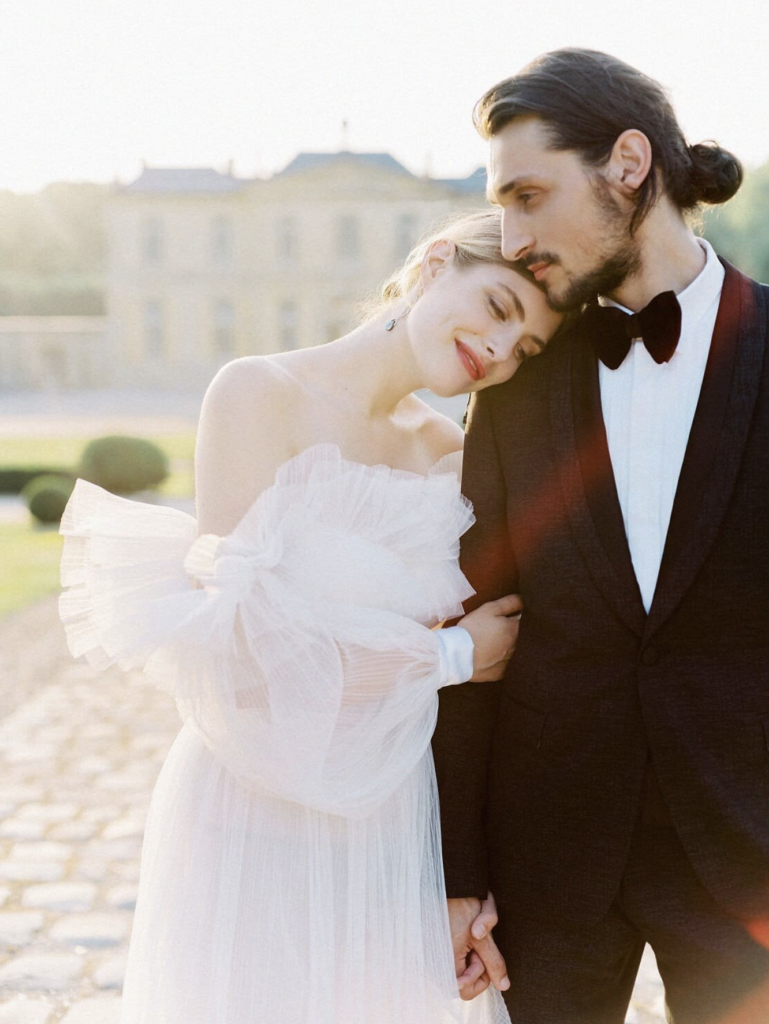
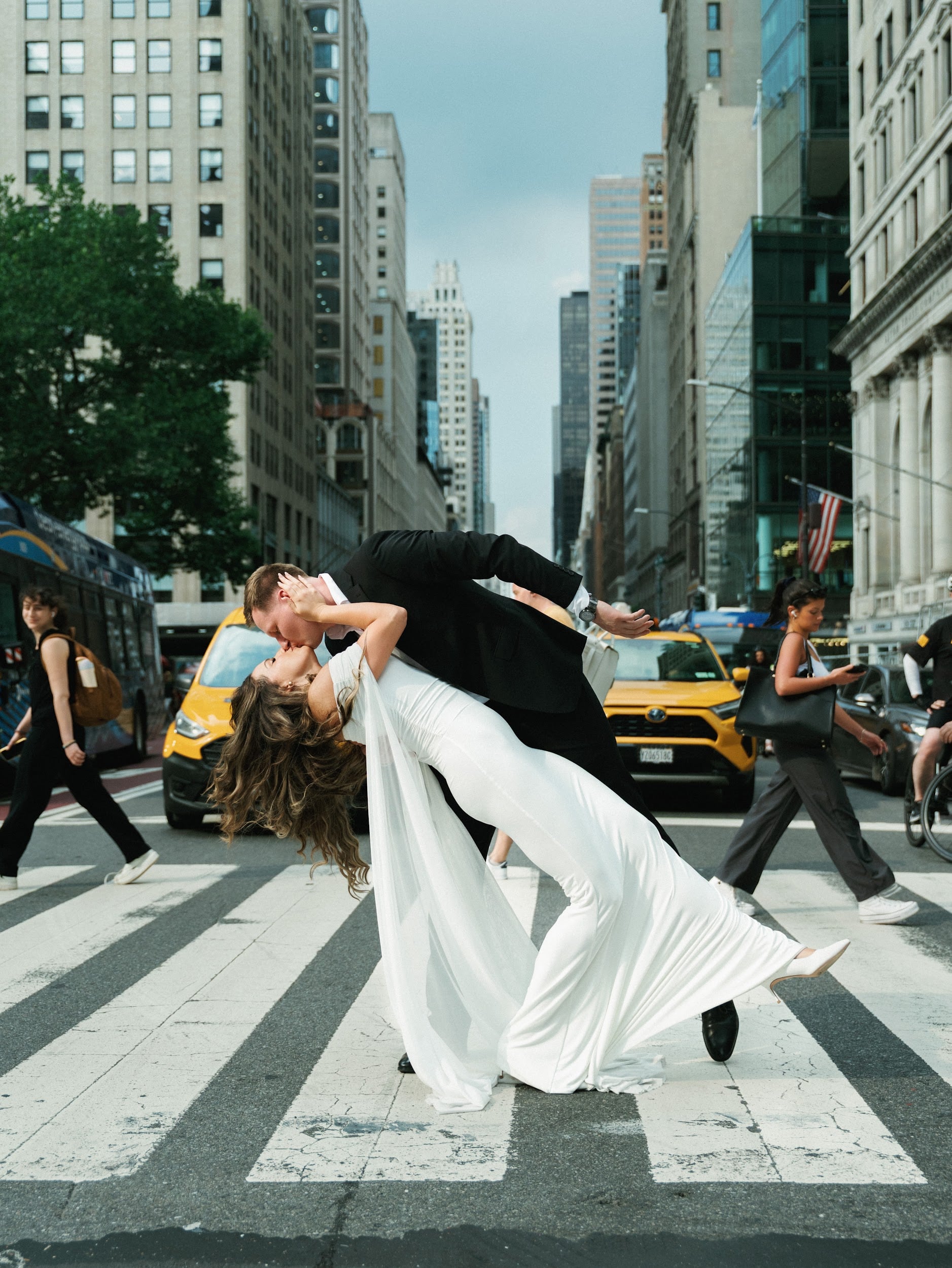
Queens offers several genuinely different ways to hold a wedding: a garden ceremony, a working-farm setting, a historic cultural venue, an industrial courtyard, or a more traditional reception property. The useful question is not which venue looks most impressive online. It is which setting can carry your ceremony, portraits, dinner, speeches and dancing without turning the day into a sequence of rushed moves.
This guide helps you compare that flow. It uses each operator’s published information as a starting point, then shows what to confirm for your date. Event access, portrait permission and production rules can change, so the signed venue agreement remains the final authority. For broader location planning, continue through the Dreamwood City Pages hub; for camera-specific questions, use our wedding venue photography guide.
Choose the rhythm of the day before the backdrop
Write the wedding in order: arrival, first look if planned, ceremony, congratulations, family photographs, cocktail hour, reception entrance, toasts and dancing. Now place those moments on the venue map. A beautiful portrait location is less useful if reaching it consumes the only time you have with guests.
Ask where family members can gather, whether the portrait route crosses cocktail hour, and what changes if rain moves an outdoor ceremony. That conversation usually reveals more than a room-capacity list.
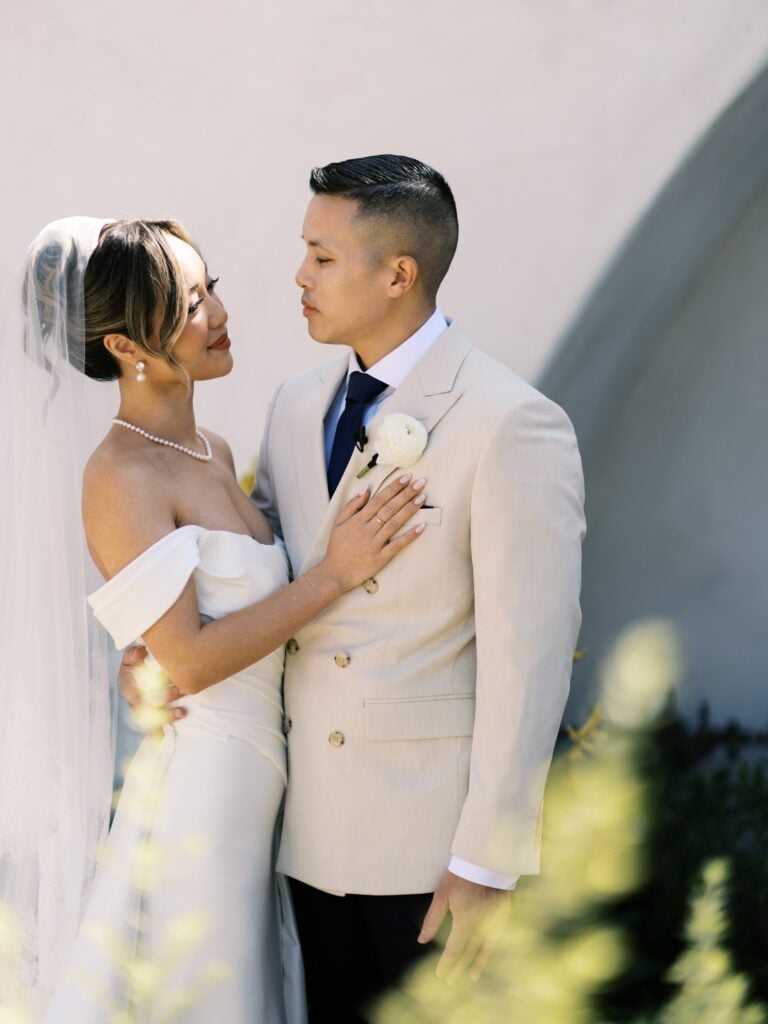
Three Queens venue formats create three different timelines
Start with the kind of movement you want, then compare individual operators. These examples are not rankings; they show why a garden, farm and cultural venue should not be planned from the same template.
A garden day: keep weather and portrait access in one plan
Queens Botanical Garden publishes ceremony and reception information, including defined photography time in the Wedding Garden and on the Main Grounds. It also maintains a separate photo and video shoot page. Ask which rules apply to the wedding booking itself, what happens in bad weather, and how long the booked spaces remain available after the ceremony.
A farm day: use the required visit to walk the real route
Queens County Farm Museum lists weddings among its private-event rentals and says a site visit is required before a reservation is confirmed. Use that visit to walk ceremony, family-photo, reception and vendor-load-in routes. Confirm the date’s eligible spaces, weather alternative, sound conditions and current rental terms while you are physically on the property.
A cultural venue day: assign a purpose to each room
Flushing Town Hall names its Garden, Gallery and Theater as event spaces in a historic Queens building. Rather than treating them as interchangeable photo locations, ask which are included and decide what each space does for the wedding: ceremony, guest gathering, portraits, dinner or performance. Confirm exterior access, sound responsibility and vendor load-in with the operator.
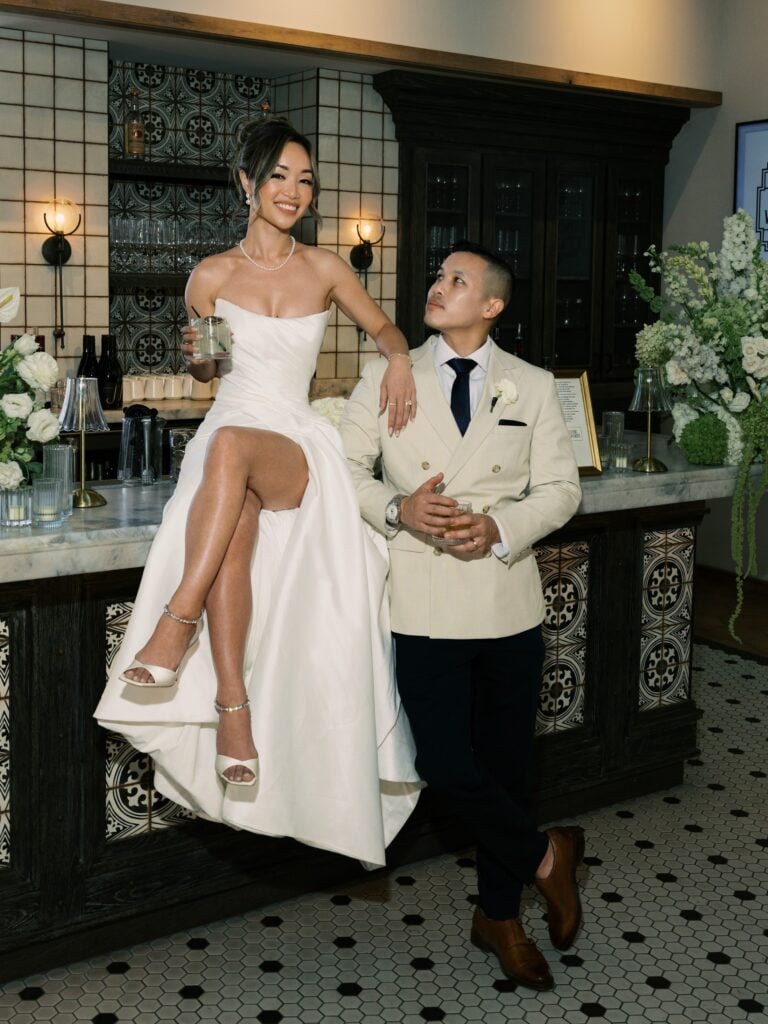
Separate wedding access from a standalone photo permit
A venue may publish one set of terms for weddings and another for commercial or portrait shoots. That does not automatically mean a booked wedding needs a second permit, nor does a wedding contract automatically grant access everywhere shown online.
Ask one direct question: “Which portrait locations and time windows are included in our event agreement?” Record the answer in the timeline. If separate approval is required, confirm who issues it, when access starts and what equipment is allowed.
Build the shortlist around how the spaces connect
Once the format feels right, compare the actual spaces you would reserve. The following Queens operators create different planning questions, so each deserves its own route rather than the same checklist pasted seven times.
Terrace on the Park: decide which ceremony setting starts the route
Terrace on the Park identifies an indoor chapel, garden bowers and a rooftop wedding pergola among its ceremony settings. Ask which setting belongs to your proposal and how it connects to portraits and reception. The important detail is not the number of options; it is whether the selected option creates a calm transition for guests and vendors.
The Foundry: protect the courtyard-to-interior transition
The Foundry describes indoor and outdoor event space for weddings and photo shoots. If the day uses both, ask when each area opens, where guests move during portraits and what the weather alternative changes. Confirm coverage access and timing in the agreement rather than assuming every photographed corner is part of the booking.
Da Mikele Illagio: make the rooftop or garden serve a specific moment
Da Mikele Illagio presents indoor and outdoor options including a Garden Room and rooftop. Choose which moment each selected space supports. If portraits and cocktail hour compete for the same area, resolve that before the timeline is final. Ask where discreet audio and video equipment may be placed during vows and speeches.
Antun’s: use the coordinator to close open access questions
Antun’s names banquet rooms, garden and gazebo photo settings, and an on-site wedding coordinator. Ask that coordinator which room and portrait areas are included, who manages each transition and where the photo-and-film team checks in. A named answer is more useful than a generic note to “ask the venue.”
Why sound and transitions belong in the venue decision
Film makes the venue timeline audible. Vows, room tone, introductions and speeches all depend on where people stand, how guests move and who controls the sound system. Photography needs the same transition map so family photographs do not collide with cocktail hour or a room reset.
The film below is from the Dreamwood portfolio and is included to show the role of pace, voices and room changes. It is not presented as a Queens wedding.
Already comparing two Queens venues?
Send the date, the venue names and whether you need photography, film or both. We can start with the moments you want protected and the access questions still unanswered.
Walk one shared timeline on the venue tour
- Booked spaces: mark the exact ceremony, cocktail-hour and reception areas in the proposal.
- Guest route: walk from ceremony to family photographs and reception, including the rain plan.
- Portrait window: confirm the locations and time included in the wedding agreement.
- Sound owner: identify who supplies and operates ceremony and speech audio.
- Day-of contact: name the person who answers access, load-in and schedule questions.
The short version
Choose a Queens venue by the day it can support, not by the largest online gallery. Confirm the booked spaces, portrait access, rain alternative, sound responsibility and venue contact. Then build photo and film coverage around the celebration instead of sending the celebration around the cameras.
Planning resources
Continue with how to choose a wedding venue, the wedding-day timeline, our guide to New York wedding photo and video coverage, and the wedding photography checklist. Use them with each operator’s current contract, not instead of it.
Frequently asked questions
Does a Queens wedding booking automatically include a portrait permit?
Do not assume either way. Ask which portrait locations and time windows are included in the event agreement. If an operator maintains separate wedding and photo-shoot terms, ask which set governs your coverage and whether any additional approval applies.
What should we do during a required venue visit?
Walk the exact ceremony-to-reception route, the rain alternative, family-photo gathering point and vendor load-in. Ask where guests wait during portraits and who controls ceremony and speech audio. Photograph or note the agreed route so the couple, venue and creative team are planning the same day.
What does the photo-and-film team need from the venue?
They need the confirmed spaces, portrait access, vendor arrival process, sound responsibility, key transition times and a day-of venue contact. Share changes early so coverage can adapt before the wedding rather than during it.