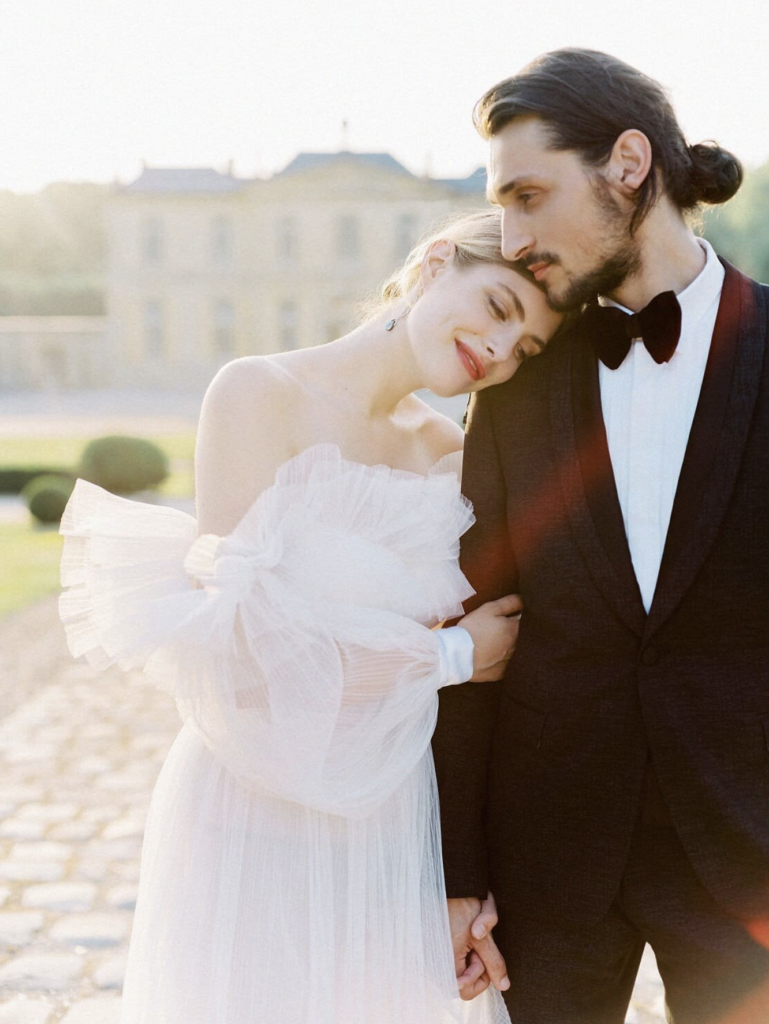
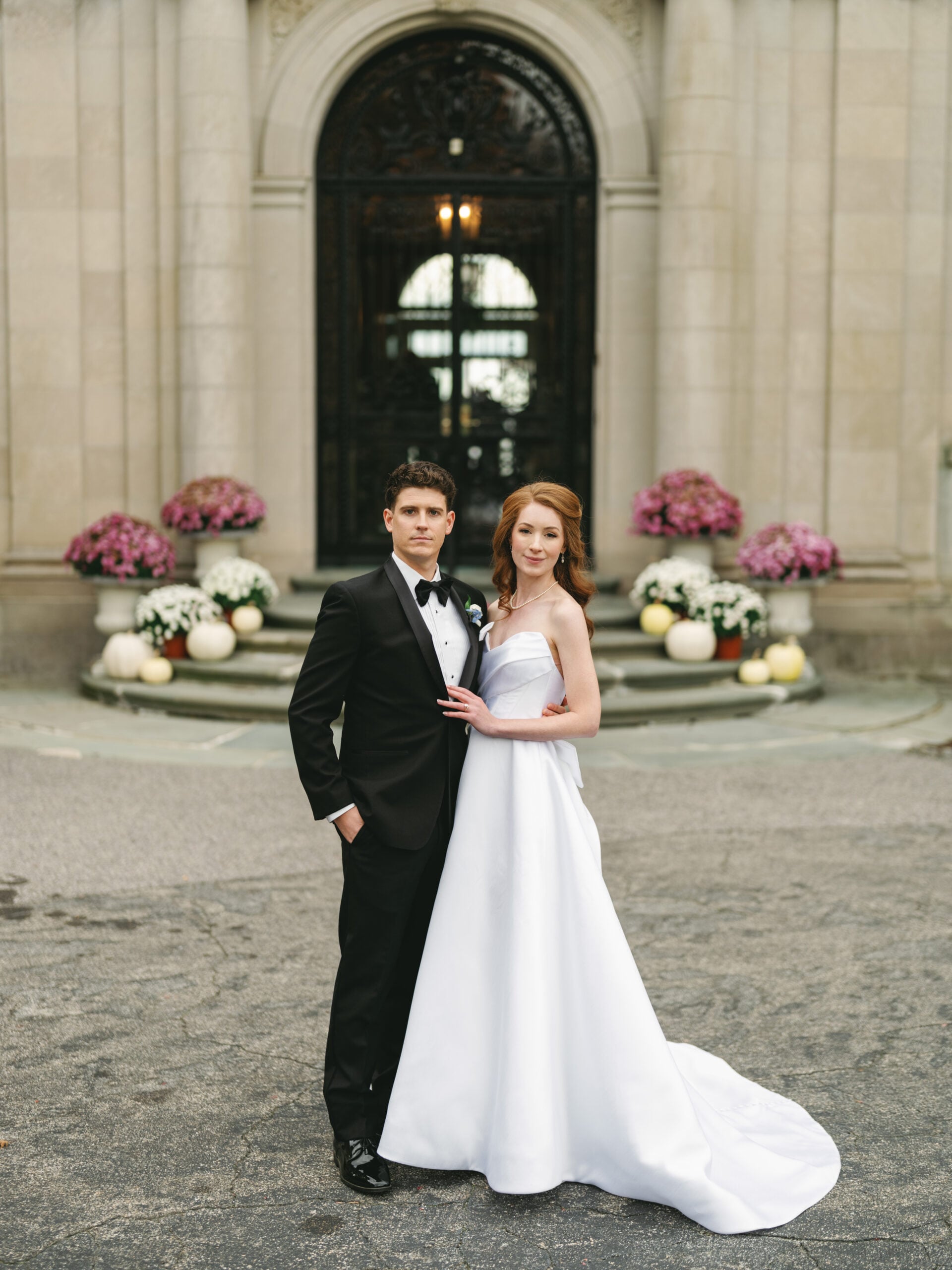
Published destination and operator pages can give you precise starting points for a Westchester venue conversation, but they cannot confirm which details apply to your celebration. Visit Westchester’s wedding-venue page presents a range of Westchester property types and examples; treat that context as a prompt for questions, not as a selection or grade. For each property you are considering, separate the exact published statement from what you still need the operator to confirm. Record where the statement appeared, when you checked it, what it says, and who can answer the unresolved point. The sections below apply that discipline to four operator pages. They do not choose a venue for you. Their purpose is to help you arrive at each conversation with a source-bound question and leave with a documented answer. For a different location or service guide, continue through the Dreamwood City Pages hub.
Use destination context to frame questions, not a venue list
A destination page is useful when it establishes a research context without making the decision for you. Its examples can show that the search is not confined to one property description, yet they should not become a decision set or conclusion. Begin instead with the exact question that each published detail raises. Identify what the source actually says, what it leaves unresolved, and which operator can resolve that point for your event. Keep the wording neutral and property-specific. This approach prevents an example from becoming an assumption and keeps one operator’s statement from being applied to another. It also gives every conversation a clear purpose: confirm the detail that prompted the question and record the answer where it can be checked later. Use Wedding Venue Photography for the separate light, space, and flow discussion after the operator record is settled.
Let the access rule shape the story
Westchester venue research becomes useful when every visual idea has an access question beside it. Write the ceremony, portraits, cocktail hour and reception in order. Then mark where guests wait, where a photographer can work, where a film team records vows and speeches, and whether the intended grounds or room is included because of the wedding agreement.
Tappan Hill Mansion describes a Hudson overlook, rooms, garden terraces and private suites. The Briarcliff Manor presents its manor and grounds as a celebration setting. Ask each operator to name the exact ceremony, portrait and reception areas, then confirm how guests and vendors move between them. A broad grounds description should become a specific route before it appears in the timeline.
A view is not the same thing as portrait access
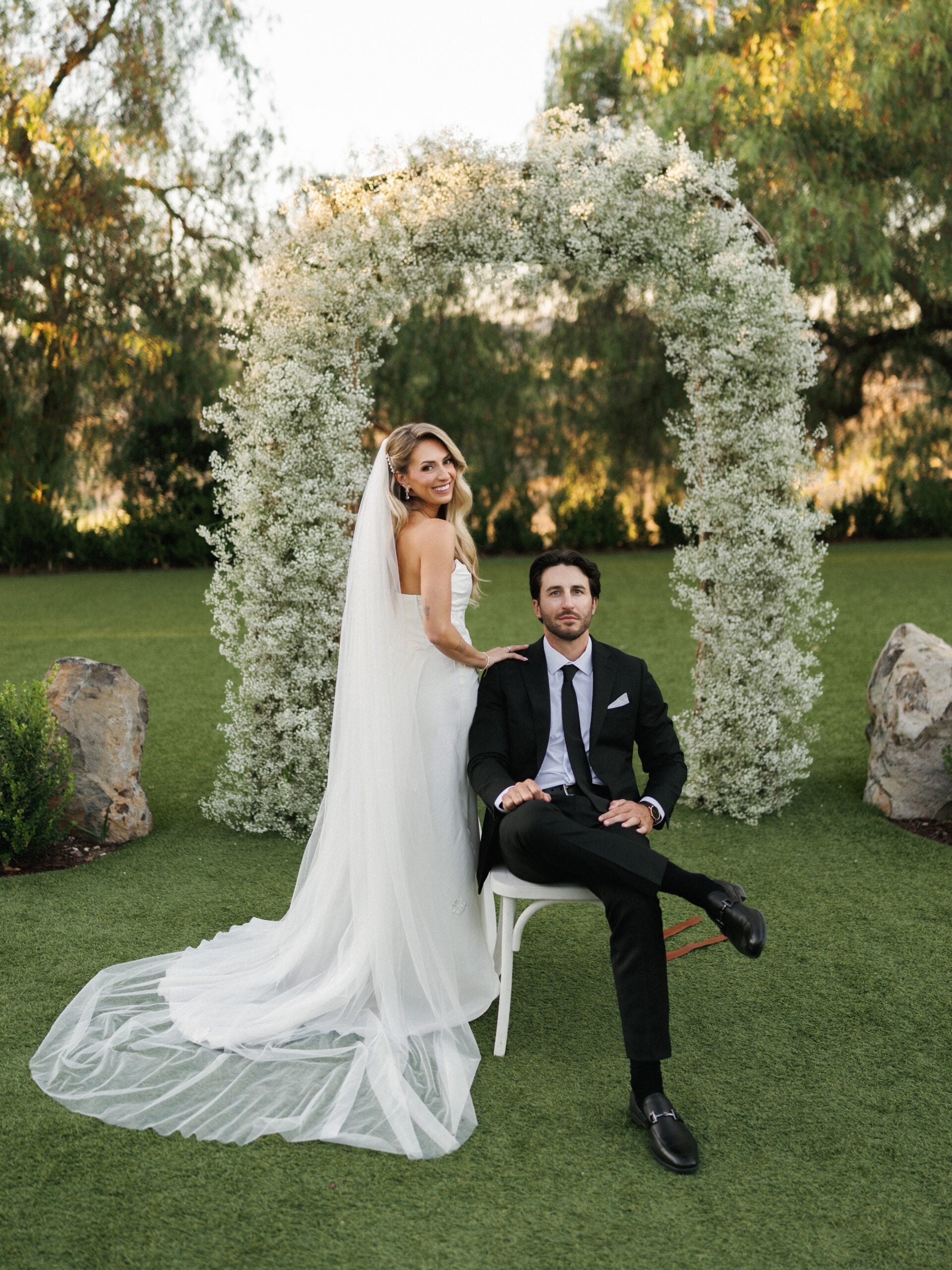
Lyndhurst’s wedding page states that photography on the grounds is available only for weddings booked at Lyndhurst. Treat that sentence as a planning gate. If the wedding is booked there, ask which grounds are included, when the team may enter, where equipment may sit and what indoor alternative protects the plan.
Whitby Castle describes grounds overlooking Long Island Sound and a ballroom setting. Ask how the selected grounds and ballroom connect in the actual event route, where guests move during portraits, how vows and speeches are recorded, and what alternative is confirmed for weather or access. The published view can guide a question; it does not establish universal grounds permission.
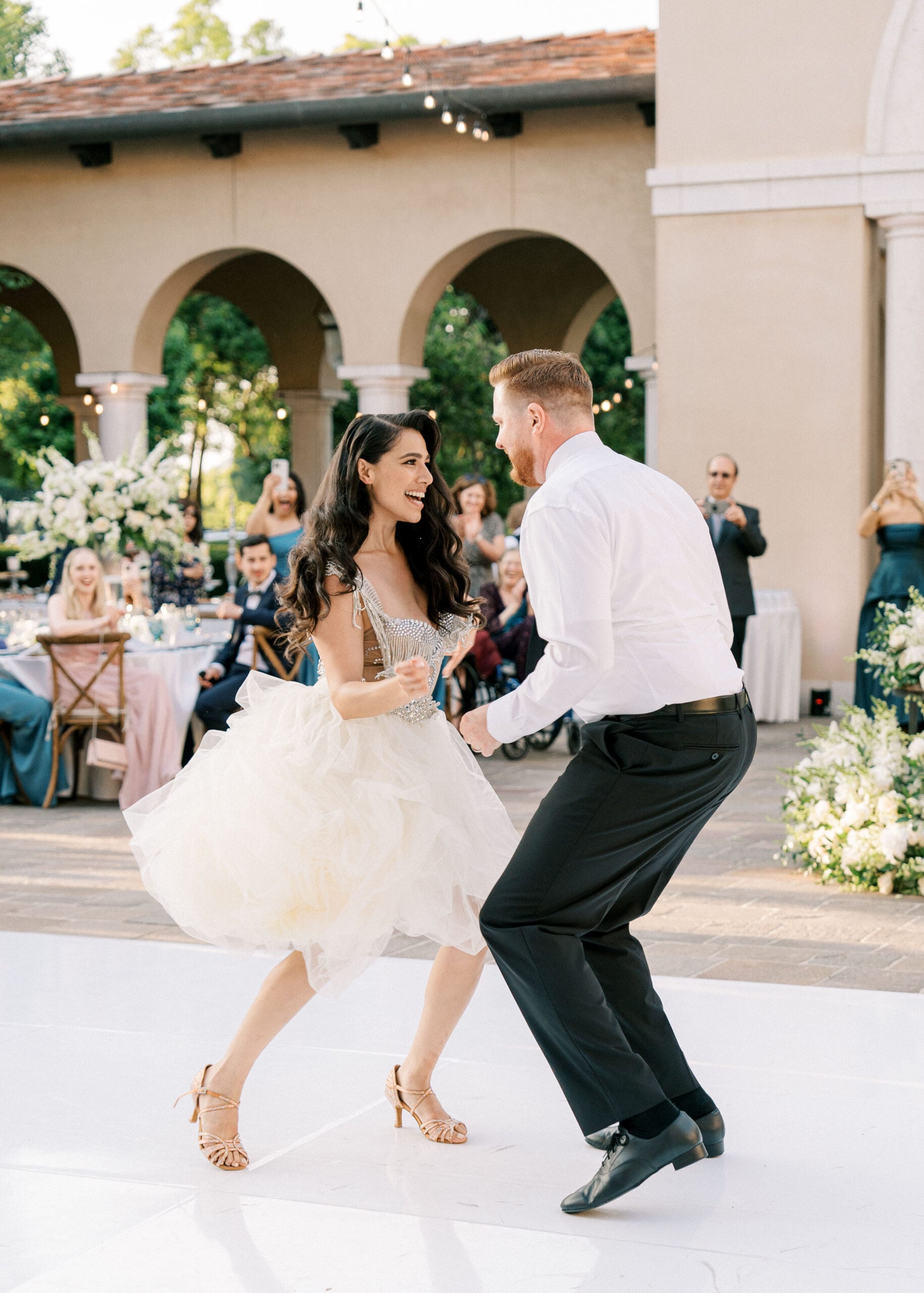
One property, or a day that changes rooms?
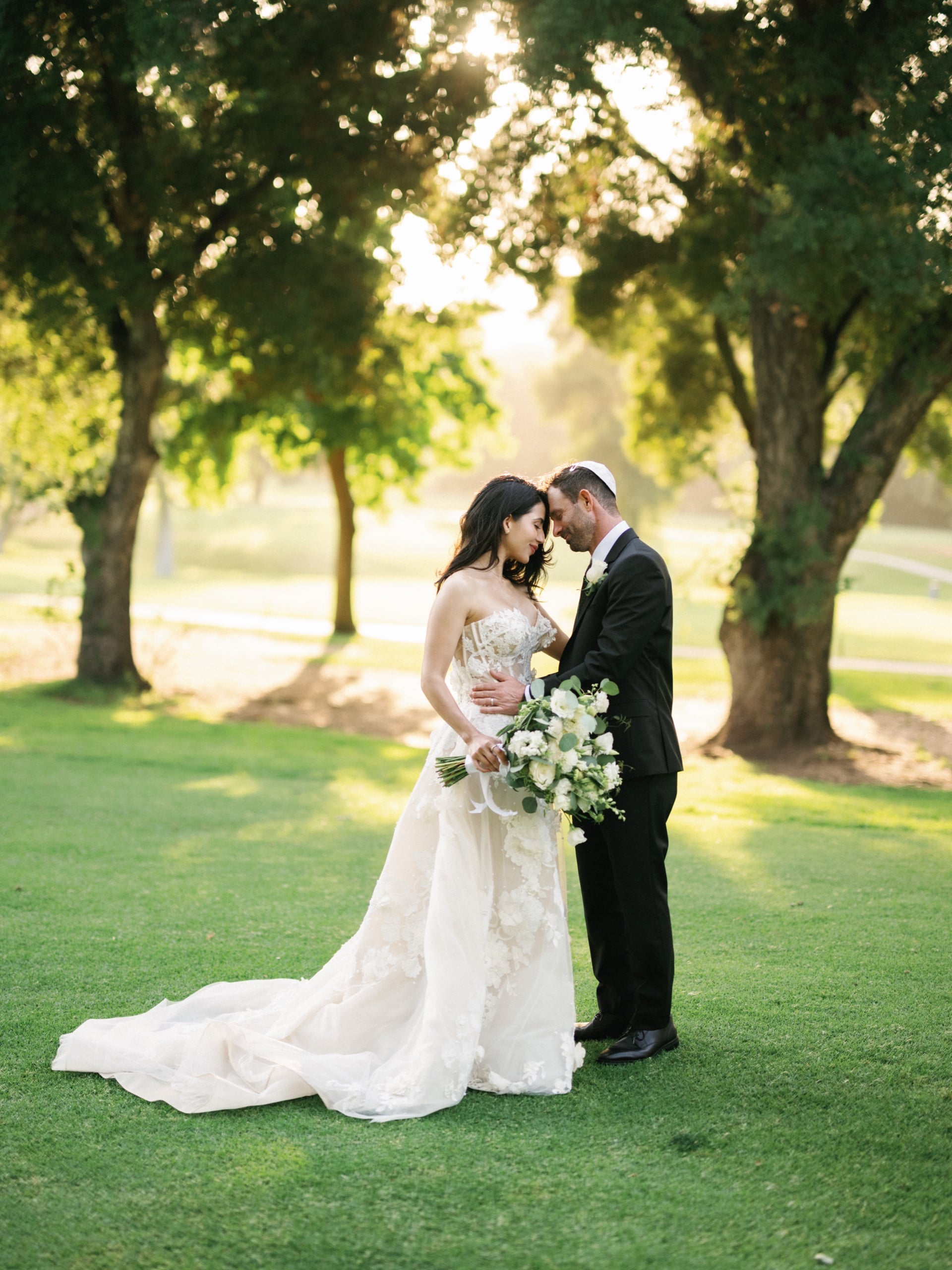
Mansion on Broadway describes a White Plains estate with a garden courtyard, preparation suites and a ballroom, plus one celebration at a time. That is a single-property route: ask how the courtyard, suites and ballroom connect, where portraits happen without interrupting guests, and who owns the sound and room transitions.
Tarrytown House Estate’s venue guide names several terraces, gardens, ballroom and cellar settings. Read those as a possible multi-space route, not a promise that every space belongs to one booking. Neither format is automatically better. The useful choice is the route whose access, sound plan and weather alternative the operator can confirm.
Have the operator’s route in hand?
Share the confirmed rooms or grounds and the sound or weather question still open. Dreamwood can discuss photography, film or both against that plan.
Keep a source-and-confirmation record for each finalist
For every finalist, keep five lines: spaces, the exact rooms, grounds or terraces in the agreement; guest route, ceremony to portraits to cocktail hour to reception; portrait access, location, timing and permission; sound and equipment, camera position, microphone position, load-in and waiting place; and contingency, weather alternative, access change and named contact.
Mark each line confirmed, operator to confirm or not part of booking. This turns a source page into a useful photo-and-film conversation and keeps a view, garden or historic room from becoming an unsupported promise. Keep the answers with the wedding venue checklist.
Once the venue details are confirmed, use the Westchester wedding photographer page for the separate conversation about coverage. Keep that handoff separate from the source record: the operator confirms the property details, while the coverage conversation begins after those details are settled. Bring the operator responses and source dates with you so the next discussion starts from confirmed information rather than assumptions.
Frequently asked questions
Does a venue’s grounds description mean portraits are included?
No. Treat the public description as a question for the operator. Ask which grounds or terraces are in the wedding agreement, when photography may begin, who grants access and what changes if another event or weather affects the route.
What route should we ask a Westchester venue to confirm?
Ask for the exact ceremony space, portrait location, cocktail-hour path and reception room, plus the guest transition between them. Record the indoor alternative, vendor load-in point and the person who can approve a day-of access change.
What does the photo-and-film team need before the timeline is final?
They need the confirmed spaces and access windows, family-photo gathering point, camera positions, microphone and house-audio responsibilities, equipment waiting place and weather decision owner. Share written operator answers early so coverage can adapt before the wedding rather than during it.