How a California Wedding Photo Video Package Changes by Setting
California offers an extraordinary range of wedding settings, and choosing a photo and video package involves far more than comparing the number of coverage hours listed in a proposal.
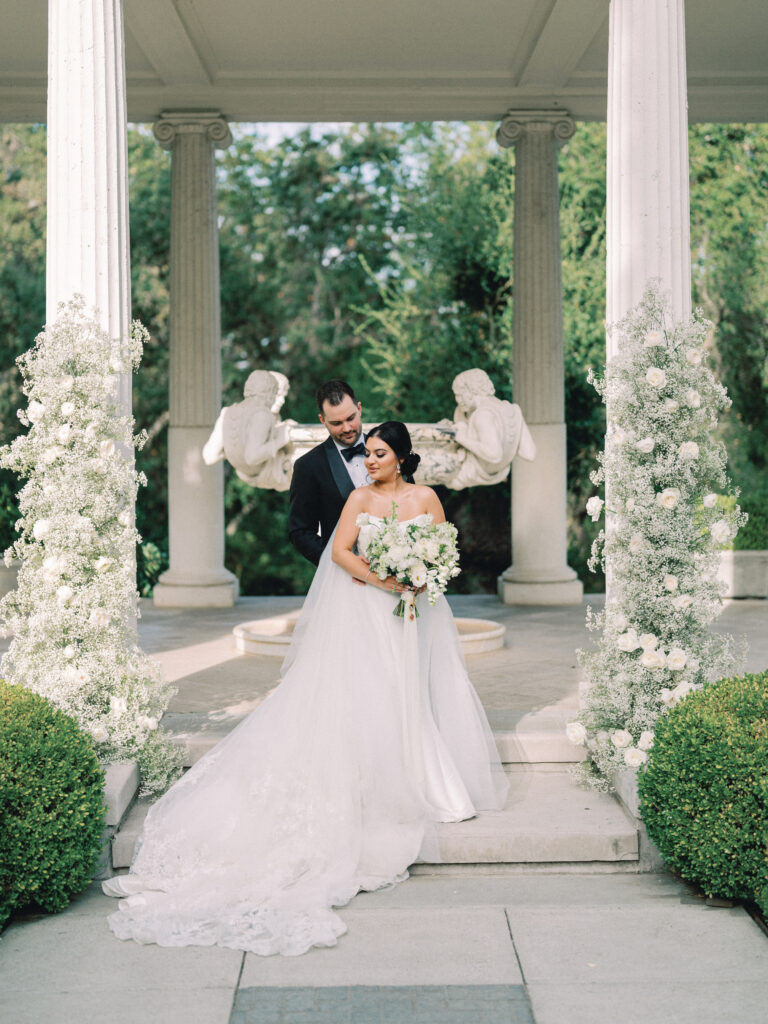
A cliffside ceremony at Terranea Resort in Palos Verdes photographs nothing like a vineyard celebration at Sunstone Estate in Santa Ynez or a rooftop event at The London West Hollywood. A coastal wedding at Rosewood Miramar Beach involves different light, different travel, and different team positioning than an estate wedding at Greystone Mansion in Beverly Hills or a garden ceremony at Virginia Robinson Gardens. Each location comes with its own visual logic, its own logistics, and its own demands on a photography and film team.
Expert Note
For couples comparing packages, the more useful view begins with the wedding’s geography. Coverage needs follow the location: how far people move, where light falls, how sound will be recorded, and whether the team needs additional time or additional hands to keep the day covered with ease.
A city ceremony may need a smaller, precise team that can move through public spaces. A vineyard or private estate may need enough coverage for guests, portraits, reception details, and evening footage to be handled without rushing the property.
What a Combined Photo and Video Package Should Include
The core of any combined package includes coverage hours, an edited photo gallery, and a highlight film. A combined proposal should make the production plan visible in plain terms: who arrives, how long each person stays, how the photography and film teams divide responsibilities, and which deliverables follow the wedding.
Expert Note
Photography coverage, film coverage, delivery timeline, editing scope, audio plan, and optional additions should be clear.
For a full wedding day in California, getting ready, ceremony, portraits, and a meaningful portion of the reception, eight to ten hours of coverage is typically the realistic minimum. Destination weddings in Northern California, multi-venue celebrations, or events with extended getting-ready sequences often require ten to twelve hours. Shorter packages of six hours suit more compact celebrations where getting ready is not included or the reception ends early.
Pro Tip:
The deliverables worth comparing are: the edited photo gallery with digital download and print rights, the highlight film duration and edit style, whether a full ceremony film is included or available as an add-on, and the delivery timeline for both.
How many images are delivered, how the edit is approached, and what the revision policy covers all vary considerably between packages and should be confirmed before anything is signed.
California Locations and the Package Decisions Behind Them
Coastal Weddings
Coastal settings bring recognizable California imagery and some of the least forgiving logistics. Laguna Beach, El Matador, Point Dume, La Jolla, Sunset Cliffs, and Big Sur can involve stairs, sand, parking, wind, shifting marine light, and narrow working space. A package for this kind of setting often needs time for movement between locations, stable audio, and portraits before the light leaves the cliffs or beach.
Architectural Venues
Architectural weddings move differently. Pasadena City Hall, Beverly Hills City Hall, Union Station, the Mission Inn, San Francisco City Hall, the Palace of Fine Arts, and the Legion of Honor give the frame symmetry, courtyards, columns, staircases, and controlled portrait opportunities. These settings often depend less on a large footprint and more on timing, access, permit windows, public foot traffic, and whether a second angle is needed during portraits or the ceremony.
Gardens & Estates
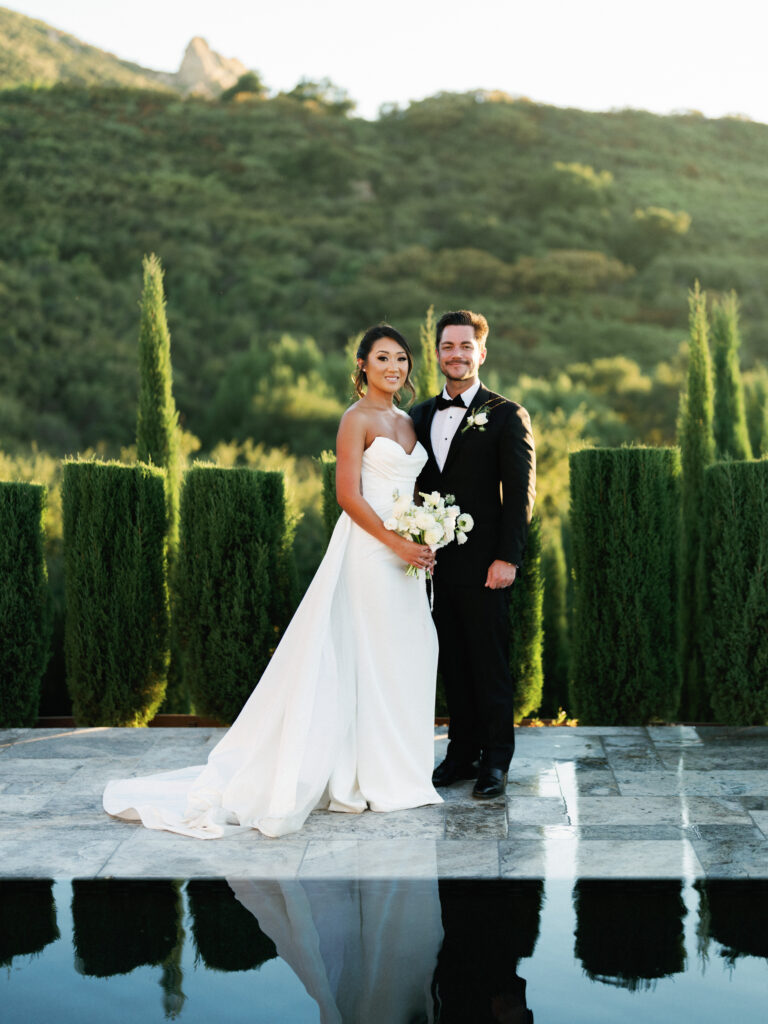
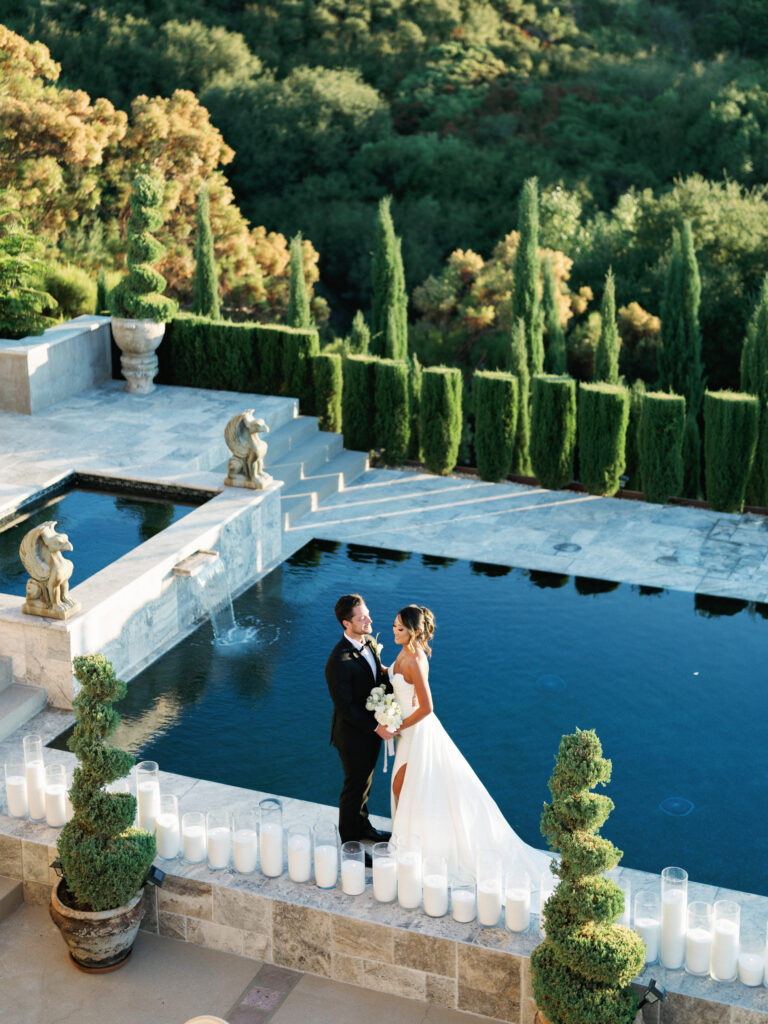
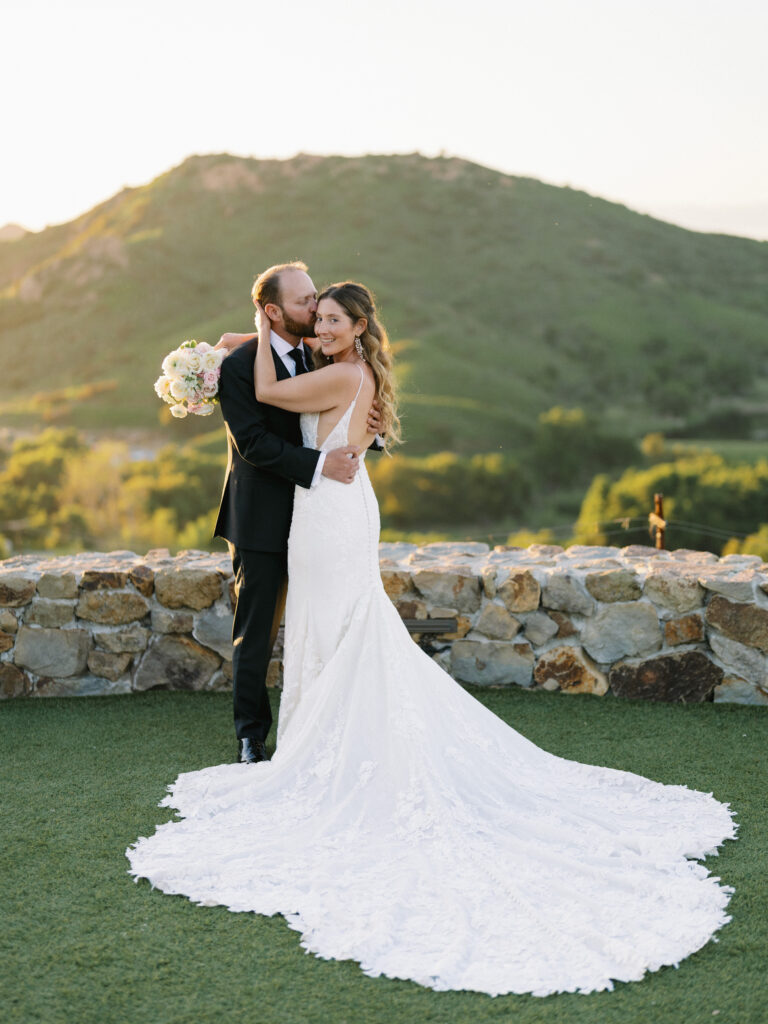
Garden and estate settings bring a broader coverage question. Greystone Mansion, Virginia Robinson Gardens, Descanso Gardens, the Los Angeles County Arboretum, Filoli, and similar properties move the day through paths, terraces, lawns, historic architecture, and shaded corners. A short package can cover the formal events and still leave the property feeling thin in the final gallery or film. Longer coverage gives space for the setting to appear through transitions, walking portraits, cocktail hour, and late-afternoon light.
Vineyards & Nature
Vineyard, desert, redwood, and mountain settings usually affect both coverage length and travel. Santa Ynez, Ojai, Napa Valley, Sonoma, Joshua Tree, Palm Springs, Yosemite, Lake Tahoe, Muir Woods, and Point Reyes place distance, terrain, season, and access into the production plan. Permits, property approval, drone rules, or additional travel fees should be confirmed with the venue, planner, or local authority in advance.

How Coverage Hours, Team Size, and Travel Shape the Package
California’s geography creates coverage variables that couples in smaller markets rarely have to think about.
Coverage Hours and Team Size
A single photographer covers the wedding from one position at a time. A two-photographer team covers the same moment from two angles simultaneously, which is especially valuable during the ceremony and the first dance, moments where separate things are often happening in different parts of the same space at the same time.
For larger weddings, estate properties with multiple ceremony and reception areas, or celebrations spread across more than one location, a second photographer is a structural decision for additional coverage.
The same logic applies to a second camera operator for film. Ceremony coverage from two positions simultaneously gives the edit considerably more to work with, particularly during the vow exchange. For intimate celebrations of thirty guests or fewer, a single lead in each medium is often sufficient.
Travel Within California
California’s diversity comes with long travel distances that should be taken into consideration.
A team based in Los Angeles covering a wedding in Santa Barbara, Ojai, or the Santa Ynez Valley is looking at a two-to-three-hour drive each way. A team covering a Malibu property like Stone Mountain Estate or Cielo Farms needs to account for Pacific Coast Highway traffic, which behaves very differently on a Saturday afternoon than it does on a weekday.
For Northern California weddings in Sonoma, Napa, the Bay Area, or Big Sur, travel often means overnight accommodation for the coverage team. These costs are typically billed at cost or included in a flat travel fee. Couples planning weddings outside major metropolitan areas are well served by requesting a clear breakdown of estimated travel costs in advance.
What Deliverables Couples Should Compare
For photography, the comparison usually includes the edited gallery, delivery timeline, download rights, album options, engagement coverage, and the depth of the final selection.
For film, the deliverables may include a highlight film, teaser, full ceremony film, speech edits, longer feature film, social-format clips, or raw footage options. A highlight film carries atmosphere and pacing. A full ceremony film preserves vows, readings, music, and cultural elements in sequence. Speech edits can become especially meaningful when family members or close friends speak at length.
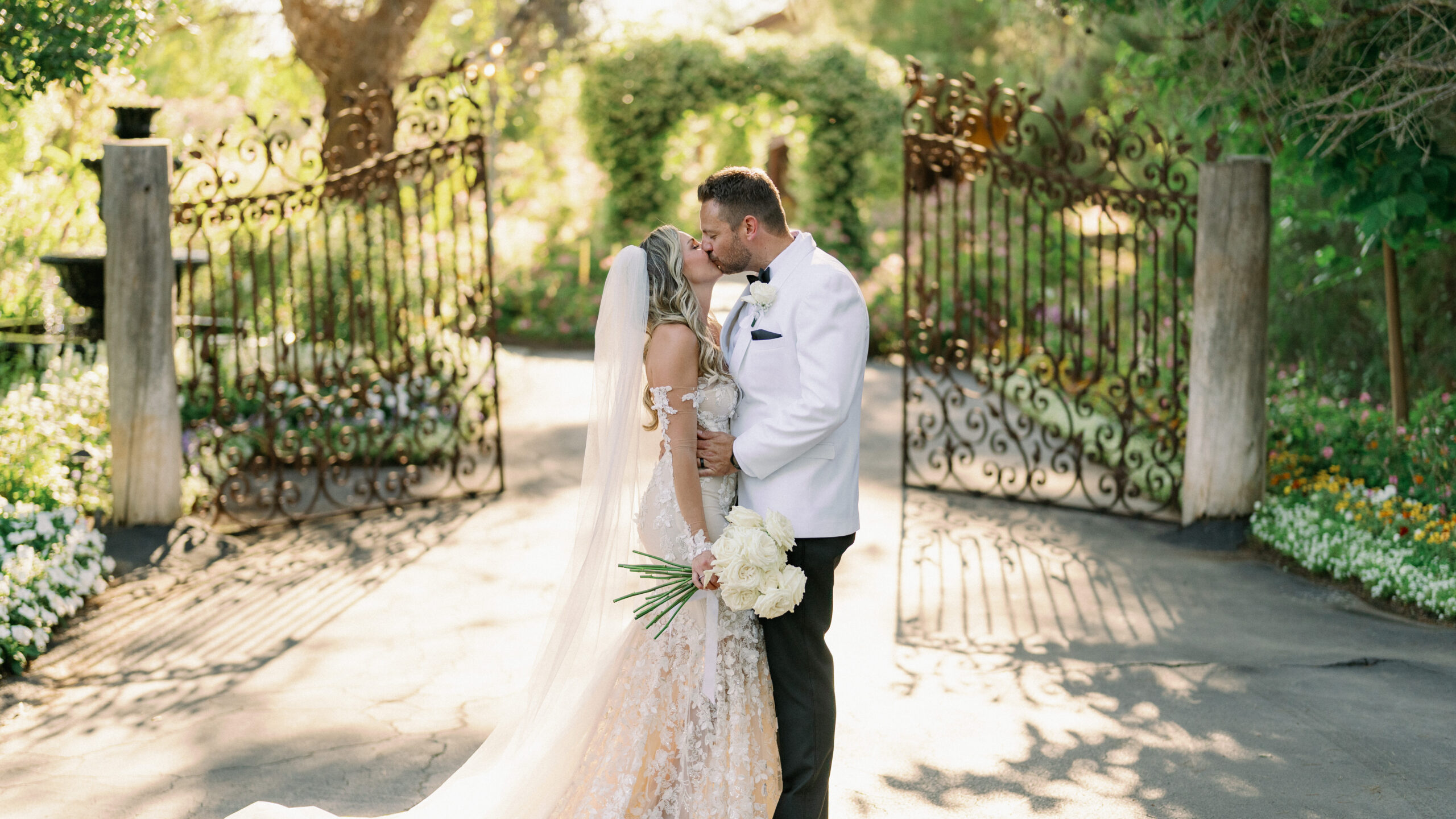
Photo gallery
The number of images delivered, the editing approach, how long the gallery remains accessible, and whether high-resolution files are included all vary.
Highlight film
Length, edit style, and whether the film is built around a documentary or cinematic approach change how the final piece feels. Reviewing complete wedding films rather than short reels gives a more accurate picture of how a videographer handles an entire day, including the quieter moments between the obvious highlights.
Full ceremony film
For couples who wrote their own vows, whose ceremonies include cultural traditions, or who want a complete record of what was said, a full ceremony film carries value independently of the highlight edit. Not all packages include this as standard.
Audio quality
California outdoor ceremonies at cliff tops, vineyard terraces, and beach locations introduce wind noise and ambient sound that can compromise vow audio if the team has not planned for it. How the film team captures ceremony audio in open-air environments is worth asking about directly.
Drone coverage
California’s landscape, from coastal cliffs and vineyard hillsides to desert estates like Emerson Estate in La Quinta, benefits from aerial coverage in ways that urban or indoor venues do not. Drone access depends on venue permission and local airspace regulations, both of which should be confirmed before drone coverage is included in the package.
Editing deserves a place in the comparison. A California wedding may move from bright coastal sun to shaded architecture, then into candlelight or flash-lit reception coverage. Film may carry vows, speeches, wind, music, and ambient sound from different parts of the day. Similar file counts can still differ in color, sound, pacing, and consistency.
Where Separate Photo and Video Teams Create Friction
California weddings with multiple locations, large guest counts, or venues that challenge positioning create specific conditions where two independent teams without prior coordination tend to work less effectively than one team operating from a shared plan. Nonetheless, separate photography and video teams can create beautiful work together. The planning simply has to account for the moments where both teams need the same space, angle, or audio source.
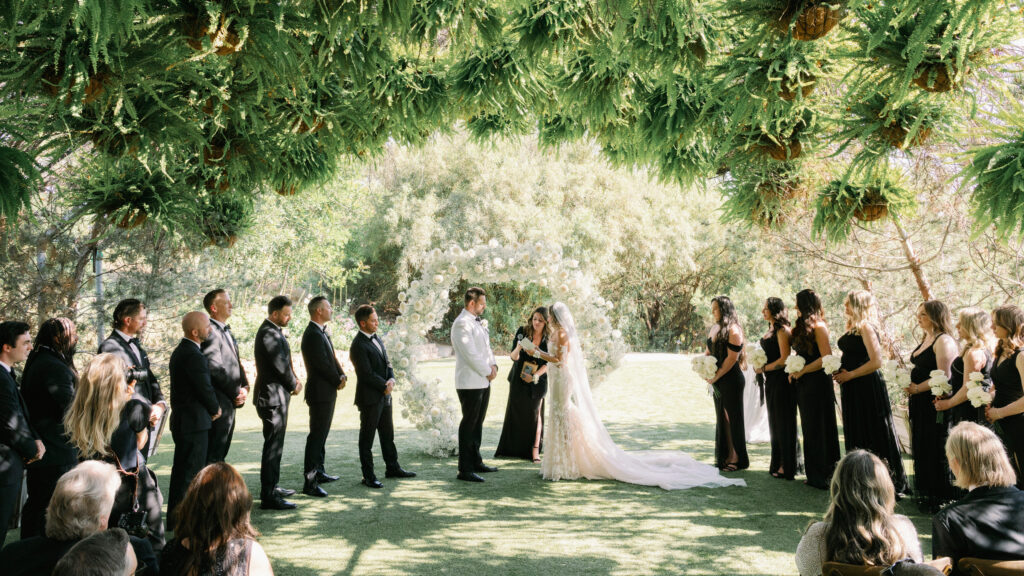
At a ceremony held on a narrow cliff-edge terrace, common at venues like Terranea or Bel Air Bay Club, a photographer and cinematographer both needing clear sightlines without prior positioning coordination often end up managing around each other rather than around the moment. At a reception in a low-lit ballroom like Vibiana in Los Angeles, two independent operators finding elevated angles for the first dance simultaneously risk crossing frames or blocking each other.
Portrait sessions are where separate teams most often lose time. A photographer directing a couple through a sequence needs the film team present but not directing simultaneously. When both teams are working from independent priorities with no shared approach, the session can feel overproduced for the couple and under-documented for the film.
Choosing a California Wedding Photo Video Package for the Scale of the Celebration
The right California wedding photo and video package is the one built around what the celebration actually contains.
The Venue
Start with the venue. Properties like Hummingbird Nest Ranch in Simi Valley, with its hillside setting and indoor-outdoor flow, photograph differently from The Beverly Hills Hotel or Pasadena City Hall. Understanding how a venue behaves across different hours of the day, where the light lands during the ceremony, what the portrait location options are, and how the reception space reads on camera shapes which package elements matter most.
The Ceremony
Consider the ceremony structure. A vineyard ceremony at Sunstone Estate or Cielo Farms, with landscape context that aerial coverage can capture, points toward drone footage as a meaningful addition. A compact civil ceremony at a hotel property may not require it.
Portrait Timing
Think about the portrait session. California’s golden hour is exceptional, warm, directional, and long in summer, but only if the portrait session arrives there on time. A timeline that compresses portraits into whatever is left after the ceremony ends loses that window. The package should include enough coverage hours for portraits to happen when the light is right, not when the schedule permits.
Travel
Ask about travel early. If the venue is more than ninety minutes from the team’s base, confirm whether travel costs are included or additional, and whether accommodation is required for multi-day events.
The Wedding Is Ahead. What About the Moments Before?
Alongside wedding day photography and film coverage, we also offer engagement sessions in California.
It’s a chance to connect with your photographer and videographer before the wedding day, feel comfortable in front of the camera, and capture this meaningful chapter of your story before the celebration begins.
FAQ
What should a California wedding photo and video package include?
A well-structured package includes coordinated photography and film coverage by a team working from a shared plan, an edited photo gallery with digital download and print rights, and a highlight film. From that baseline, couples should consider whether a full ceremony film, drone coverage, a second photographer or camera operator, and an engagement session are included or available as additions. The variables that matter most are coverage hours, the editing approach for both photo and film, and how travel costs are handled.
How many hours of coverage does a California wedding need?
Most full California wedding days require eight to ten hours to cover getting ready, the ceremony, portraits, and a meaningful portion of the reception. Multi-venue events, destination weddings in Northern California wine country, or celebrations with extended getting-ready sequences often need ten to twelve hours. The hours surrounding the ceremony and the portrait session carry the most significant content and are the least recoverable if the window closes early.
Is drone coverage worth including for a California wedding?
For venues with significant landscape context, coastal properties, vineyard estates, hillside locations, and desert resorts, aerial coverage adds a visual dimension that ground-based cameras cannot replicate. For urban venues or properties with airspace restrictions, it contributes less. Confirming drone access with the venue and team before including it in the package is essential, as restrictions vary considerably across California locations.
Why does booking photo and video together matter for California weddings?
California weddings often involve multiple locations, outdoor ceremonies with positioning challenges, and long travel distances between venues. A coordinated photo and video team arrives with shared positioning plans, shared timeline knowledge, and a shared understanding of what each medium needs at each moment. This reduces the coordination overhead that two independent vendors have to manage in real time and produces final deliverables that reflect a single creative direction rather than two parallel ones.
Review Your California Package Options
If you are comparing California wedding photo video package options and want to understand how each one fits your venue, guest count, and timeline, we are glad to help.