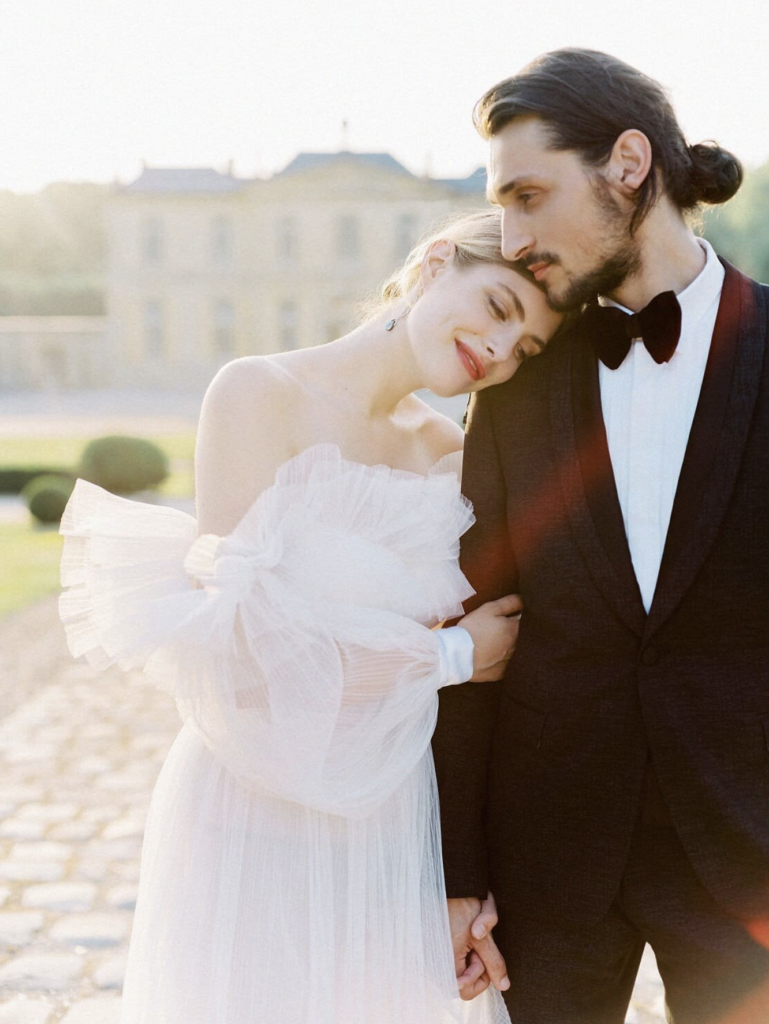
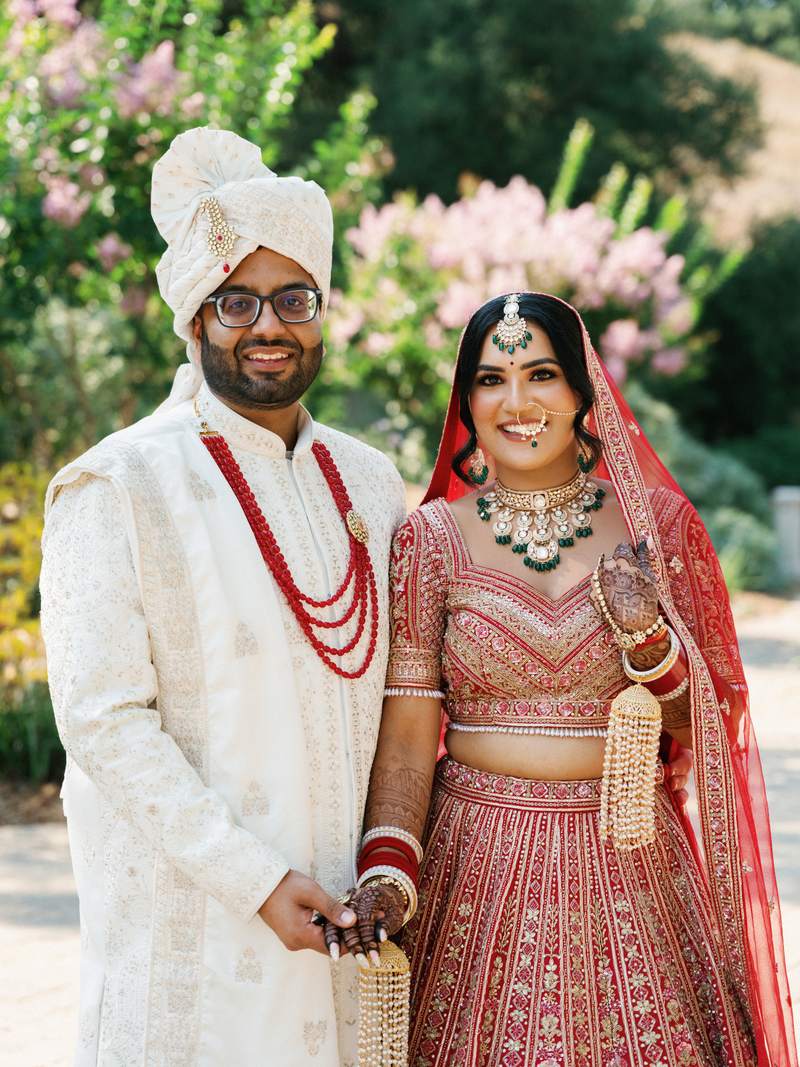
Brooklyn wedding photography built around the day
A Brooklyn wedding can move between visual settings through the day. Morning preparation may take place beside a window in a quiet room, followed by a ceremony, a brief interval for portraits, then a reception where the light has changed and the room is full. A Brooklyn wedding photographer needs to read those transitions as part of the day, keeping photography and film close to the people and places that matter without asking the celebration to pause for them. For a different market or a venue-focused guide, use the Dreamwood City Pages hub.
The practical decisions sit early in the plan: where the day begins, which spaces hold the ceremony and reception, and how much of the portrait time belongs to one setting. For venue evaluation before coverage planning, use Wedding Venue Photography.
Short answer: For a Brooklyn wedding, keeping the portrait route close to the ceremony and reception leaves room for guests to move between each part of the day. Light can shift between a morning room, an outdoor portrait setting, and an evening reception, so the sequence needs enough time for each. Confirm the exact site plan with the venue and relevant authority before the day. Before the contract is final, carry the location questions into the wedding venue checklist.
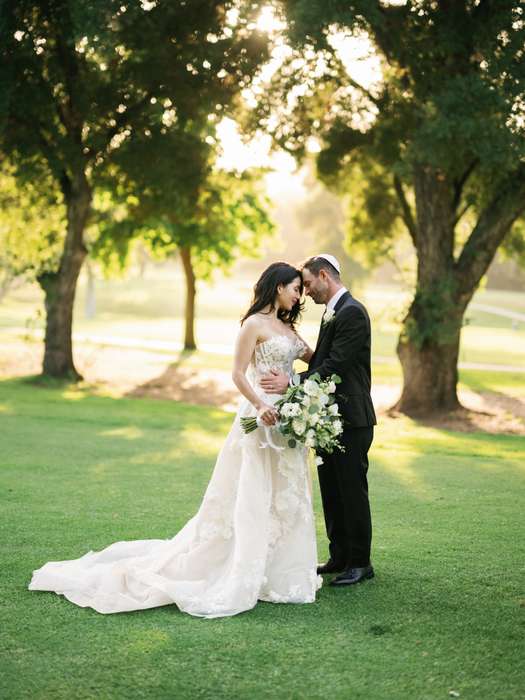
A Brooklyn wedding day moves through more than one room
Getting-ready photographs carry the texture of the beginning: garments on a chair, hands arranging flowers, relatives arriving in turns. The room needs space for that activity as well as a place for the couple to breathe.
Ceremony and reception may have their own pace and visual language. A quiet ceremony asks for a different kind of attention than a crowded dance floor; one is shaped by stillness, the other by changing movement and available light. The transition between them deserves time on the schedule, especially when guests, family photographs, and a portrait interval meet in the same part of the afternoon.
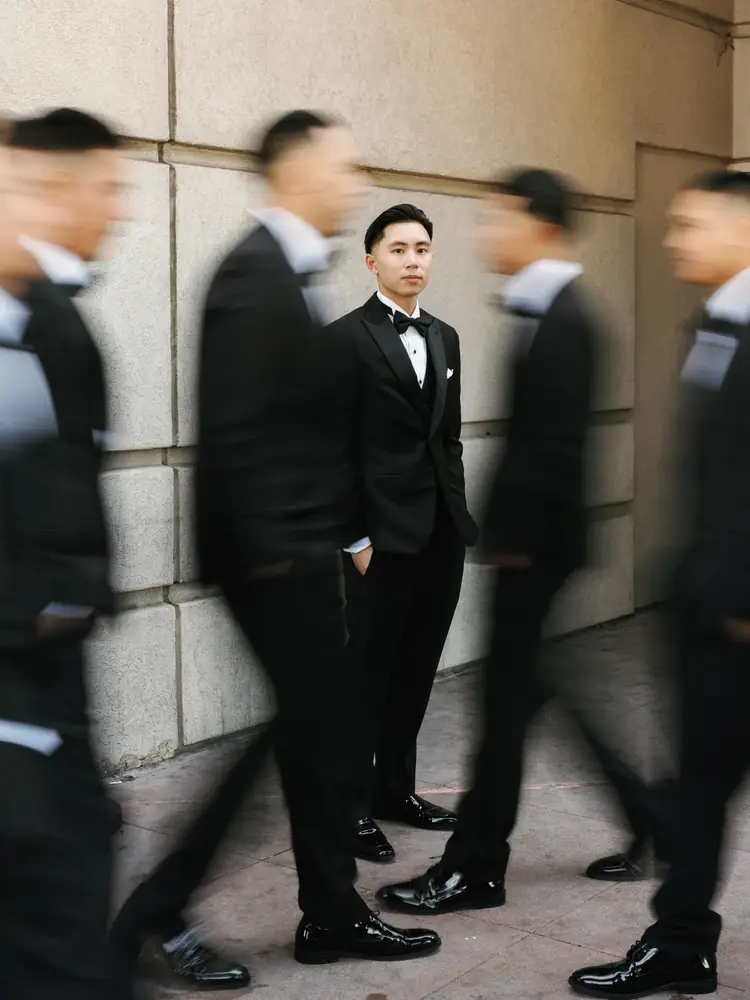
Light, access, and a portrait window
Public portrait settings need their own access check
If Brooklyn Bridge Park is part of the portrait plan, check the Park’s current photography and wedding-permit guidance for the exact group and equipment plan. The Park publishes its own permit rules and notes that wedding/engagement photography can be treated differently depending on group size and equipment. Do not apply a general NYC permit assumption to this park.
Brooklyn Bridge Park film and photography permits
Do not hard-code permit thresholds if the official wording has changed at implementation time.
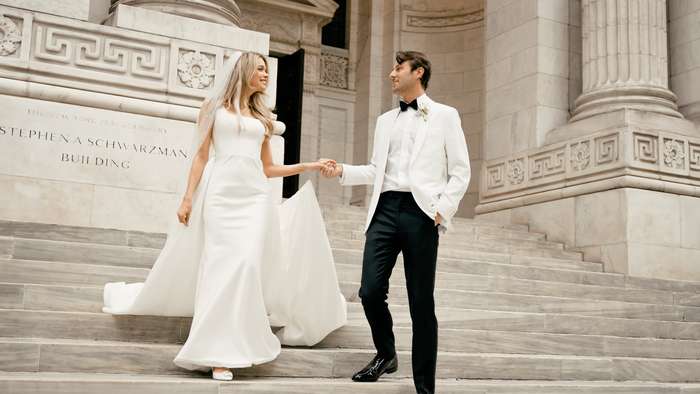
A short, deliberate route keeps portrait time close to the day. A long list of stops can leave the couple moving from place to place while the reception is already beginning. One or two settings with a clear visual contrast often leave space for photographs that feel present, whether the background is brick, water, trees, or the softer interior of the venue.
A waterfront or DUMBO portrait interval can place the city close to the frame: stone, steel, bridge structure, water, and people passing through the wider scene. Park surroundings bring a different rhythm, with more green space and a softer edge between the couple and the background.
Start with the room where the day begins
Natural window light can give preparation a calm direction, particularly when hair, makeup, details, and family arrivals happen in the same room. If the room is compact or dark, it helps to consider another nearby interior for a few quiet portraits and details. This is a conversation for the venue plan and the actual day, not an assumption made from photographs online.
Choose portrait settings for the route, not a long list
Brooklyn offers markedly different portrait environments. Waterfront park areas and DUMBO’s bridge-facing streets bring hard lines, open sky, and city structure into the frame. Prospect Park’s broad green space shifts the background toward trees and distance. Each choice changes how people walk, where the group gathers, and how the available light reaches faces. Confirm the exact site plan with the venue and relevant authority before the day, then let the portrait window follow that plan.
Neither setting needs to carry the full portrait session. A well-lit corner near the venue can be enough when the day already has several spaces and a reception waiting. Consider how each setting belongs in the larger sequence: a clean return to guests, a place for family portraits, and time for the couple to be together without a camera in front of them.
People and coverage in the timeline
Family portraits tend to move smoothly when the group list is settled in advance and one person knows who should be nearby. The location can be simple: an area with room for people to stand close together, a background that does not compete with faces, and a direct path back to the celebration.
Photography and film notice the same moments through different demands. A photograph can hold a glance or a hand reaching across a table. Film also needs the movement before and after that frame, along with usable sound during vows, speeches, and toasts. Coordinating the plan early gives both teams a shared sense of where the ceremony will happen, how family photographs are arranged, and which transitions deserve attention.
Family photographs need a place in the timeline
There is value in keeping this part of the day contained. Older relatives, young children, and guests who have travelled for the ceremony are often easier to gather before the reception disperses everyone into conversation. Once the requested groups have been photographed, they can return to the day without waiting through the couple’s portrait time.
Photography and film share the same moving day
During portraits, clear direction can keep the session light on its feet. A short walk, a turn toward each other, or a pause beside a textured wall gives still and moving images their own material without repeated posing. At the reception, the room may change quickly as lights lower and music begins. It helps to know where speeches will be heard, how entrances move through the room, and whether the couple may step aside before the evening gathers pace.
Separate photography and film teams can cover a wedding beautifully as well. An advance conversation around ceremony positions, audio, family groupings, and portrait time gives each team a clear lane while keeping the experience easy for the couple.
Reviewing a Brooklyn wedding photographer’s work
A portfolio can show a visual point of view, while full galleries show how coverage holds together across an entire day. Look for preparation in different kinds of rooms, ceremonies where guests remain part of the scene, family photographs that feel composed without becoming rigid, and reception photographs made after daylight has gone.
For film, it is useful to watch how sound, movement, and pacing sit together. Listen to the way vows or speeches are carried through the edit. Notice whether a film has room for quiet preparation as well as the energy of the reception. A conversation with the team can then focus on the actual shape of the wedding, including locations, people, and the moments the couple hopes to keep close.
Shape the coverage around the day
The work begins with the day as it is planned, then makes room for the light, people, and transitions that will shape it. Browse the gallery for a sense of the visual approach, review pricing when considering coverage, or share your plans for a photography and film conversation built around the celebration. For celebrations outside the borough, compare the planning notes in our Hudson Valley wedding photographer and Albany NY wedding photographer guides.
If you are shaping a Brooklyn wedding day around several spaces, DreamWood would be happy to review the outline from a photography and film perspective.
Planning a Brooklyn wedding?
Share your date, venue or shortlist, ceremony and reception addresses, and whether you are considering photography, film, or both. We can begin with the route, portrait window, and the moments you want to protect for guests.
Frequently asked questions
How much portrait time should we plan for a Brooklyn wedding?
The right amount depends on the number of locations, the ceremony and reception schedule, and the kind of images that matter to you. A shorter window in one considered setting can feel more relaxed than a route with several stops. Discuss the sequence with the venue and coverage team once the day’s spaces are confirmed.
Can photography and film be planned together without making the day feel staged?
Yes. Coordination is largely about shared timing and clear positions, especially for the ceremony, portraits, family photographs, and speeches. The day can still leave room for unscripted moments, with direction used briefly when it helps the couple settle into a frame.
Should family photographs happen before or after the ceremony?
Either can suit the day. The choice usually follows who is present before the ceremony, how the couple wants to use the portrait interval, and where guests will gather afterward. A written group list and a designated family contact keep this part of the timeline clear.
What should we ask before confirming a portrait setting?
Ask the venue and relevant authority about the exact plan for the site, including any requirements that apply to your date and group. It also helps to consider the route from ceremony to reception, the available space, and how the setting will sit within the time already reserved for portraits.