Long Island wedding venues can hold the same guest list in very different ways. One celebration may stay within an estate and its gardens. Another may move between hotel rooms, a ceremony space, a ballroom, and a late reception. The useful comparison starts with those movements: where the day begins, how guests reach the ceremony, when portraits happen, and what changes if an outdoor plan moves inside. For a different location or service guide, continue through the Dreamwood City Pages hub.
The goal is to compare venue formats and tour questions, rather than rank properties by name. Follow the celebration in order before comparing decor. A venue that supports the pace you want will give each part of the day enough room without sending the couple, family, and guests in different directions. Keep the operator answers together with the wedding venue checklist before relying on the plan.
Choose the shape of the day first
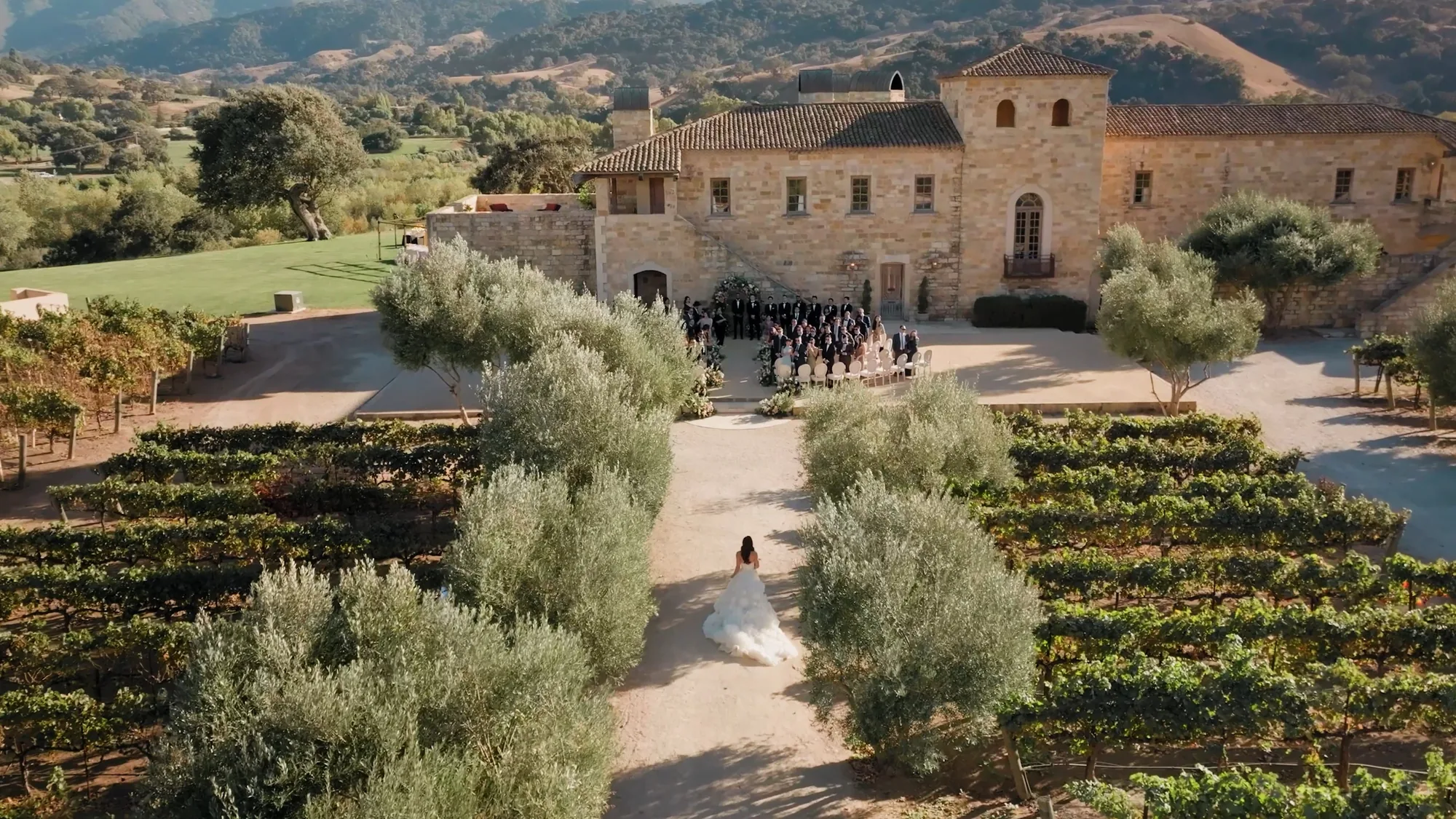
An estate or garden setting can keep preparation, ceremony, portraits, and reception within one property. That can reduce travel, but it does not remove transitions. Ask whether guests cross portrait areas on the way to cocktail hour, where family members will gather after the ceremony, and which interior can support the day if an outdoor space is unavailable. A shorter route can protect portrait time, especially when the couple wants to return to guests quickly.
A hotel and ballroom plan has a different rhythm. Preparation may happen upstairs while vendors work in rooms below. Guests may arrive through a lobby, move to a ceremony area, then wait in a separate cocktail space before dinner. Walk that route at the time of day you expect to use it. Elevators, hallways, room changes, and the distance between preparation and the ceremony all belong in the timeline.
An outdoor or seasonal format needs a complete transition plan, not a loose backup idea. Ask which indoor space would hold the ceremony, where guests would enter, and how the reception setup would change. The indoor option should still leave a workable place for family photographs and a quiet interval for the couple. Confirm those details with the venue for the contracted date rather than assuming a garden plan can move inside without affecting the rest of the celebration.
Walk the venue as the day will happen
Begin where preparation will take place and continue in the same order as the wedding. The walkthrough becomes more useful when every question connects to a person or a transition.
Look at ceremony light and the indoor alternative
Stand where the couple will exchange vows and where the first rows may sit. Notice the direction of available light, the route into the ceremony, and whether photography and film can work without blocking the guest experience. Then visit the actual indoor alternative. Ask how the ceremony, seating, audio, and entrance would change there.
Measure movement in minutes, not impressions
Walk from preparation to the ceremony, from the ceremony to the family-photo meeting point, and from portraits to the reception. Include stairs, elevators, public hallways, and any distance guests or relatives will need to cover. A property can feel compact on a tour and still need more transition time once formal clothing, older relatives, children, and a full guest arrival are part of the day.
Give family photographs a real location
Choose a meeting point with enough room, a calm background, and a clear route from the ceremony. Ask whether that area remains available while the venue prepares cocktail hour or dinner. If the first choice is outdoors, identify an interior that can hold the same group without interrupting another part of the event.
Discuss sound, privacy, and access
Photography and film share the ceremony space with guests, musicians, planners, and venue staff. Ask how vows and readings are amplified, where equipment can enter, and which areas remain public during the event. Frame these as venue questions. Rules and access can change by property, contract, and date.
Three examples to bring into a tour
These examples show how literal venue features can shape better questions. They are starting points for comparison, not a ranking or a claim about DreamWood’s work at any property.
The Fox Hollow: an estate with several parts of the day on site
The Fox Hollow’s current wedding page describes an eight-acre estate with banquet, garden, and cocktail areas, as well as ceremony and reception settings. That format may suit a couple who wants the day to stay on one property while still moving through distinct spaces.
On the tour, ask for the exact route from preparation to the ceremony, then to family photographs and cocktail hour. Confirm which indoor room would support portraits or a ceremony change for your date.
Crest Hollow: indoor and outdoor choices within one event plan
Crest Hollow currently lists an indoor chapel, two outdoor garden ceremony settings, five reception rooms, and indoor and outdoor cocktail areas. That range may suit a couple comparing an outdoor ceremony with an interior alternative while keeping the reception on the same property.
Ask which ceremony and cocktail spaces belong to your contracted plan, how long the walk between them takes, and where immediate family should meet for photographs without crossing the guest route.
Westbury Manor: gardens, a historic mansion, and multiple reception interiors
Westbury Manor states that its historic mansion sits within five acres of landscaped gardens and includes several ballrooms and cocktail rooms. It may suit a couple who wants garden portraits and interior event spaces within the same setting.
During the tour, ask which garden and interior areas are available for your schedule, where the ceremony would move indoors, and how guests reach cocktail hour while family and couple portraits are underway.
Official Fox Hollow wedding information
Source-led Hamptons questions for a date-specific shortlist
The existing Long Island page already covers broad venue formats and the questions to take on a tour. This additional section keeps Hamptons research inside that parent owner and adds a smaller source layer: five direct operator pages, checked on 2026-08-19, used as examples of different wedding-weekend configurations. They are not a ranking, a complete inventory, or evidence that Dreamwood has worked at any property. Treat every space, capacity, room-block statement, and accommodation detail as a starting point for a date-specific operator question.
Start with an on-property weekend question
Topping Rose House’s wedding page describes indoor and outdoor wedding spaces and says the Bridgehampton property has 22 guestrooms and suites. That combination can prompt a useful question about whether preparation, ceremony, reception, and guest lodging are actually connected for your date. Ask which spaces are included in the proposal, where guests may stay, and who will confirm the route between each part of the day. Do not turn the published room count into a promise that rooms remain available.
Separate waterfront settings from the guest route
Montauk Yacht Club’s current wedding page lists several waterfront settings, including a Waterfront Ballroom described as accommodating up to 160 for a seated dinner, 200 for a ceremony, or 250 for cocktails, and a Cottage Lawn described as accommodating up to 500 guests. It also says group room blocks can be arranged based on availability. Use those operator-published figures only to decide what to verify: which space and layout belong to the contract, whether a room block is open, and how guests move between ceremony, cocktail hour, and reception. A number on a general page is not a guarantee for an event date.
Treat an oceanfront page as a configuration, not a verdict
Gurney’s Montauk wedding page presents multiple oceanfront settings and publishes separate capacity descriptions for spaces such as the Top Deck, Dune Lounge, Beach Club, and Great Hall. The useful comparison is not which space sounds most appealing. Ask which room or outdoor setting is being proposed, which parts of the day it covers, what the indoor alternative is, and which access or equipment answers must be written into the event record. The operator page supports those questions; it does not establish availability, a preferred choice, or a Dreamwood relationship.
Ask how overnight rooms and event spaces connect
EHP Resort & Marina’s wedding page names indoor and outdoor venues overlooking Three Mile Harbor, including Sí Sí’s mezzanine, Sunset Harbor, and the Great Lawn, and describes settings for a welcome party, rehearsal dinner, ceremony, reception, and farewell brunch. The same page describes 13 private cottages and one-, two-, and three-bedroom suites in Magari Harbor House. Ask which events and lodging options are part of the plan, who owns the accommodation confirmation, and whether the spaces used on different days are recorded separately. Do not infer that the page’s event-size language applies to your booking.
Record the smaller-format alternative without calling it a fit
LDV at The Maidstone’s events page publishes a dining room capacity of up to 48 seated or 100 for cocktails and an outdoor garden that can accommodate an additional 110 seated or 160 for cocktails. It also invites full-hotel buyout and group-block inquiries. For a smaller or hotel-centered shortlist, ask whether the dining room, garden, cottages, guest rooms, and any buyout language apply to your date and guest plan. Keep the operator’s published numbers attributed and provisional; they are not a recommendation, package, or availability answer.
Keep the shortlist factual until the operator confirms it
For each finalist, save the direct operator URL, the date checked, the one narrow fact that shaped your question, the unanswered point, and the operator contact responsible for the reply. Keep the original source entry beside the later confirmation rather than rewriting it. This record separates a published description from the event-specific terms that still need confirmation. When the venue questions are settled, use the existing Wedding Venue Photography guide for the universal walkthrough and the existing Wedding Day Timeline for Better Photos and Films resource for sequence questions. Neither handoff turns a source page into evidence of Dreamwood’s Hamptons work.
Build the coverage timeline around movement
A shot list cannot tell you how long it takes to move a wedding party through a hotel corridor or gather relatives after a garden ceremony. Start with fixed moments such as the ceremony and reception entrance, then place realistic transitions around them.
If preparation and the ceremony happen in different parts of the property, include the route and a small settling interval before the processional. After the ceremony, decide whether family photographs happen immediately or after guests have moved toward cocktail hour. Protect a separate, focused portrait window for the couple, but keep the route modest enough that they can return to the celebration without losing a long part of it.
Share the same movement plan with photography and film. Both teams need to know when a room changes, where guests will gather, and which moments depend on clear sound. That shared sequence matters more than two separate lists of images.
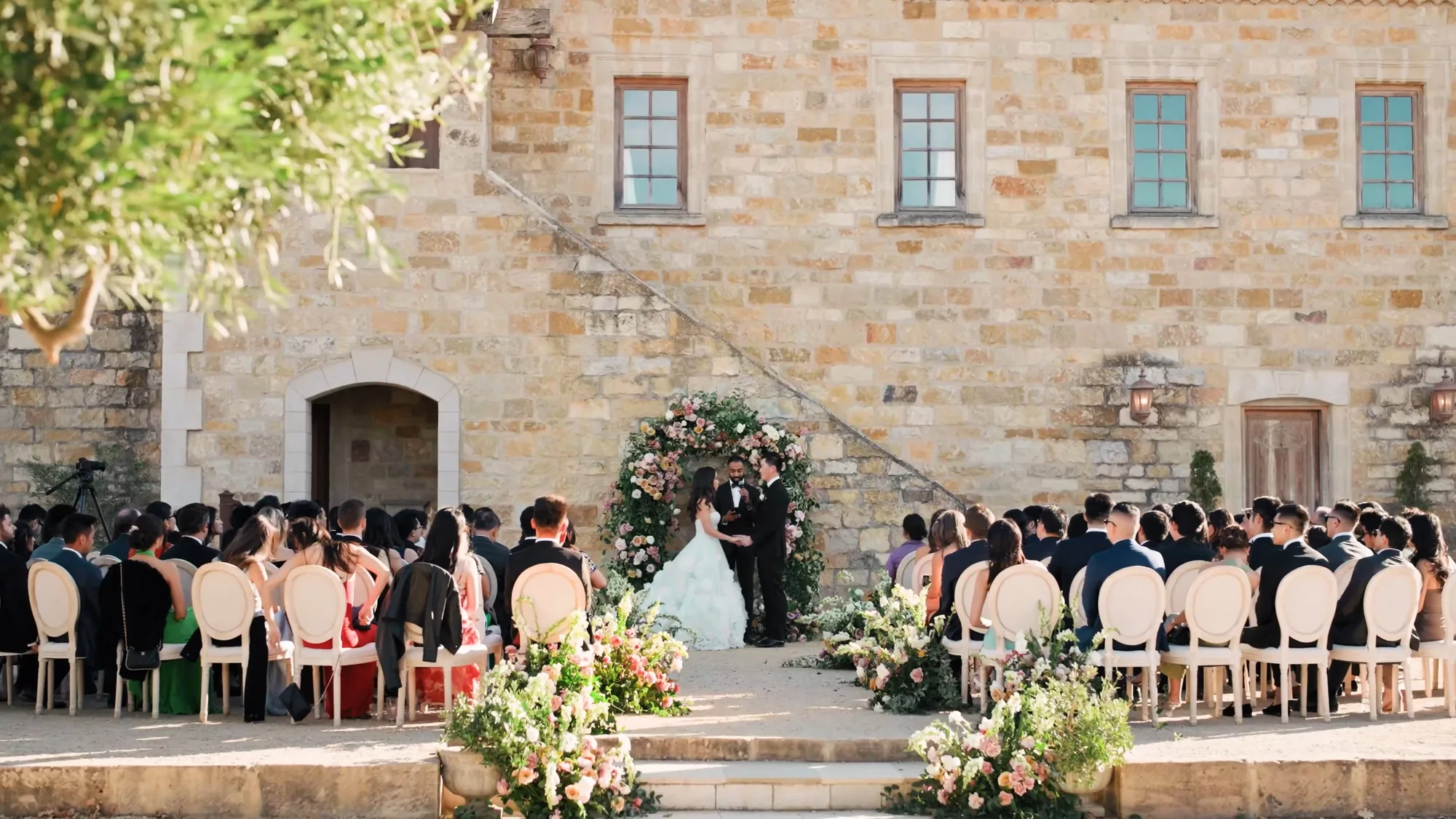
When one coordinated photo and film team can help
A coordinated team can be useful when the day has several room changes, a short portrait interval, or moments in which still photography and film need different positions. One shared timeline lets the team discuss ceremony sound, family movement, portraits, speeches, and reception transitions before the wedding.
That arrangement is one option, not a rule. Separate teams can also work well when responsibilities, timing, and communication are clear. The practical question is whether everyone understands the same day plan and can cover it without turning each transition into a production for the couple.
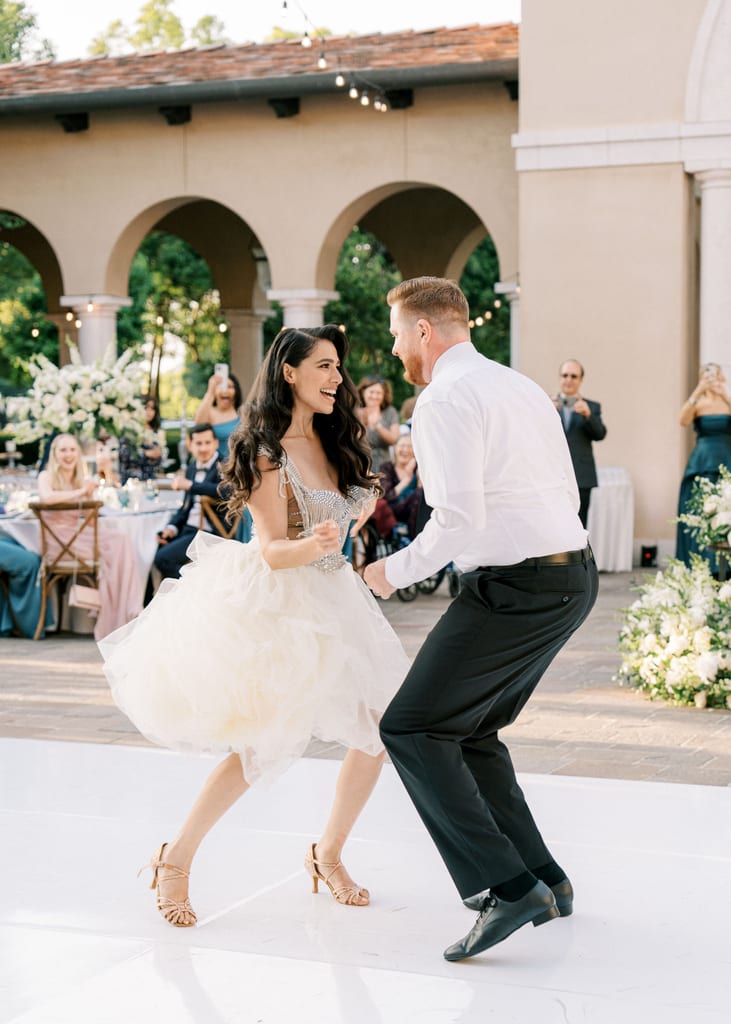
Questions couples often ask
What should we ask first when touring Long Island wedding venues?
Ask where preparation, ceremony, family photographs, cocktail hour, and reception will happen. Then walk the transitions in that order and see the real indoor alternative. Those answers reveal more about the day’s pace than a room list alone.
How should we compare indoor backup options?
Visit the actual room and ask how seating, ceremony entrances, audio, portraits, and guest movement would change there. Confirm the plan for your contracted date rather than treating the indoor space as a generic substitute.
How much time should we allow between the ceremony and reception?
Base the interval on the walking route, family-photo plan, cocktail-hour setup, and the couple’s portrait priorities. The venue and planner can confirm what is realistic for the property and schedule.
Can photography and film share one timeline?
Yes. Give both teams the ceremony order, family-photo plan, portrait window, room transitions, and reception sequence. They can then plan positions and handoffs without asking the couple to manage coverage during the day.
Plan the next conversation
Planning a Long Island celebration? Tell us the venue format, date and what you want the day to feel like.
If photography coverage is part of the decision, continue with the Long Island Wedding Photographer guide so the venue route and coverage route use the same assumptions.
Comparing Long Island wedding venues?
Share your date, guest count, venue shortlist, and whether the ceremony and reception will stay at one property. We can begin with the venue-flow and photo/film questions still open.