What to Look for Before You Fall in Love With a Venue
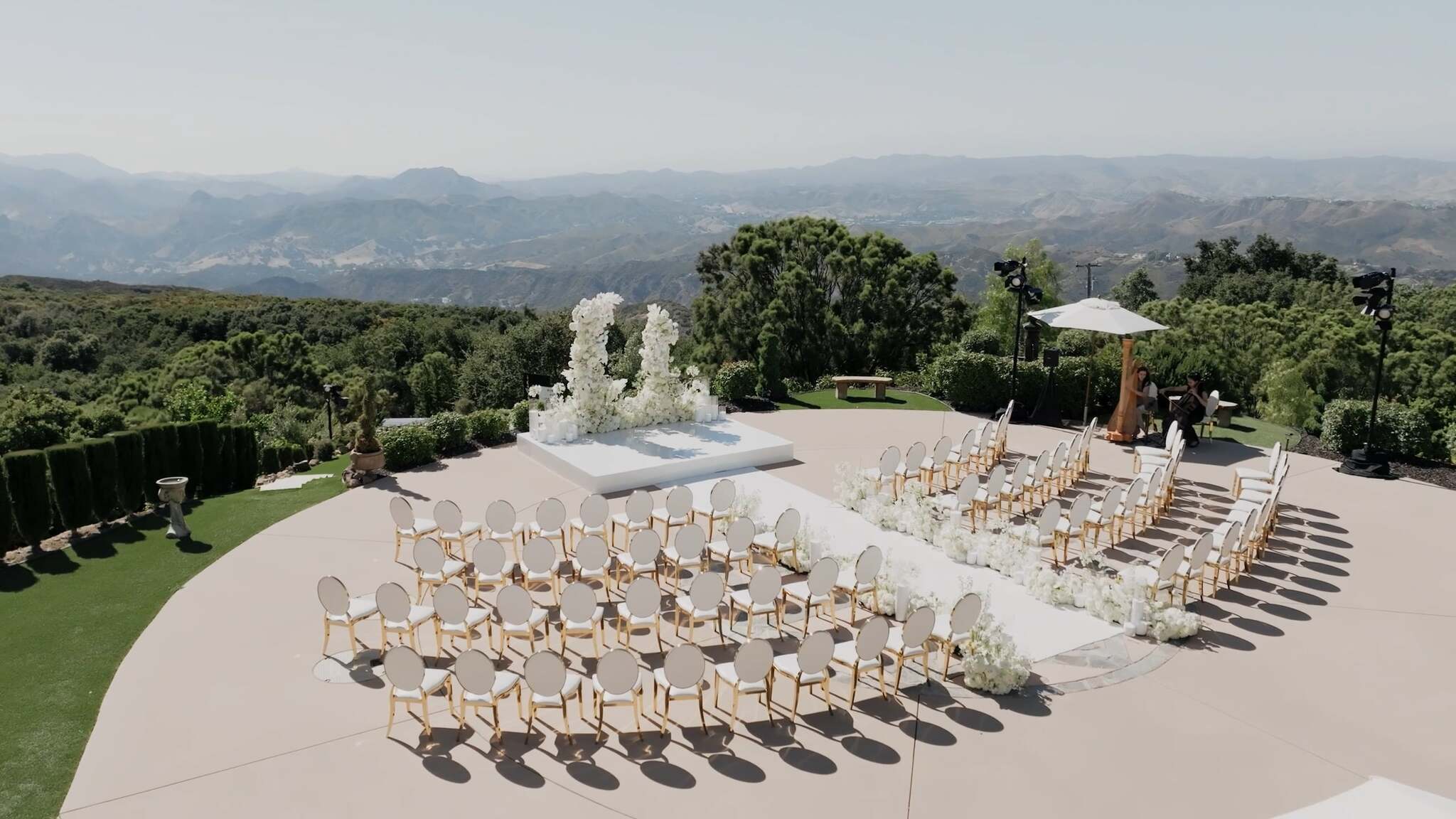
Before signing a contract, use a venue visit to ask how the space will work across the whole wedding day. A beautiful setting and a setting that photographs well are related, but they are not the same question. Wedding venue photography depends on the light available at key moments, the room people have to move, the places where portraits can happen without disruption, and the backup plan when conditions change. For location-specific photographer and venue guides, use the Dreamwood City Pages hub.
A first visit often begins with the ceremony view. It helps to walk through the rest of the day as well: where preparations take place, where guests arrive, where the ceremony ends, where people gather afterward, and how the reception room changes as daylight fades. The goal is not to judge a venue by a universal rule. It is to see which questions belong to this particular space and this particular plan. When visual style is the next decision, continue with Editorial Wedding Photography.
The broader choice between venue options involves many practical and creative considerations. For that larger decision, read this guide to choosing a wedding venue for cinematic photo and video coverage. This page stays closer to the walkthrough: what to notice before a contract turns a promising visit into a fixed plan.
Wedding venue photography: start with light at the times you will use the space
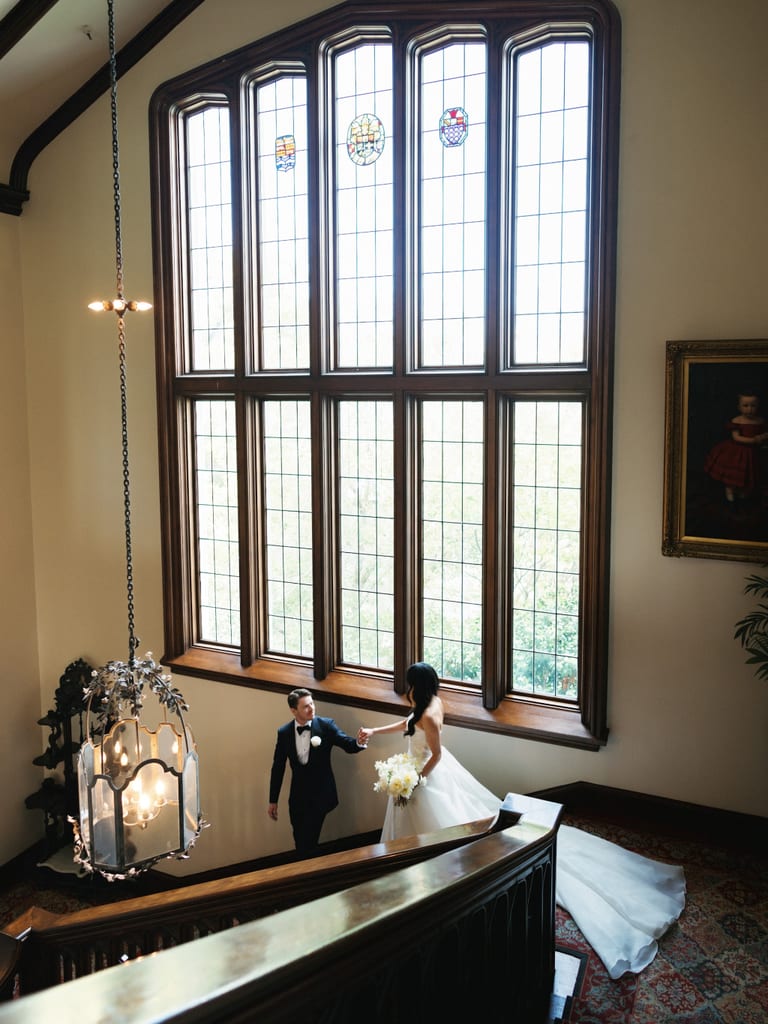
During the walkthrough, stand where the ceremony is proposed to happen and note the direction of the light, the positions of the couple and guest seating, and what changes at the planned hour. Then ask the venue contact how the proposed setup normally changes if the ceremony runs later or the plan moves indoors. This is a record for the booking under discussion, not a promise about how the space will look.
For the reception, ask to see the proposed room setup or learn who can confirm it after sunset. Notice what is already decided, what remains open, and where the final answer will be recorded. The purpose is not to demand a particular lighting scheme. It is to understand what the team and the couple will be working with when the celebration moves indoors.
Check How People Will Move Through the Day
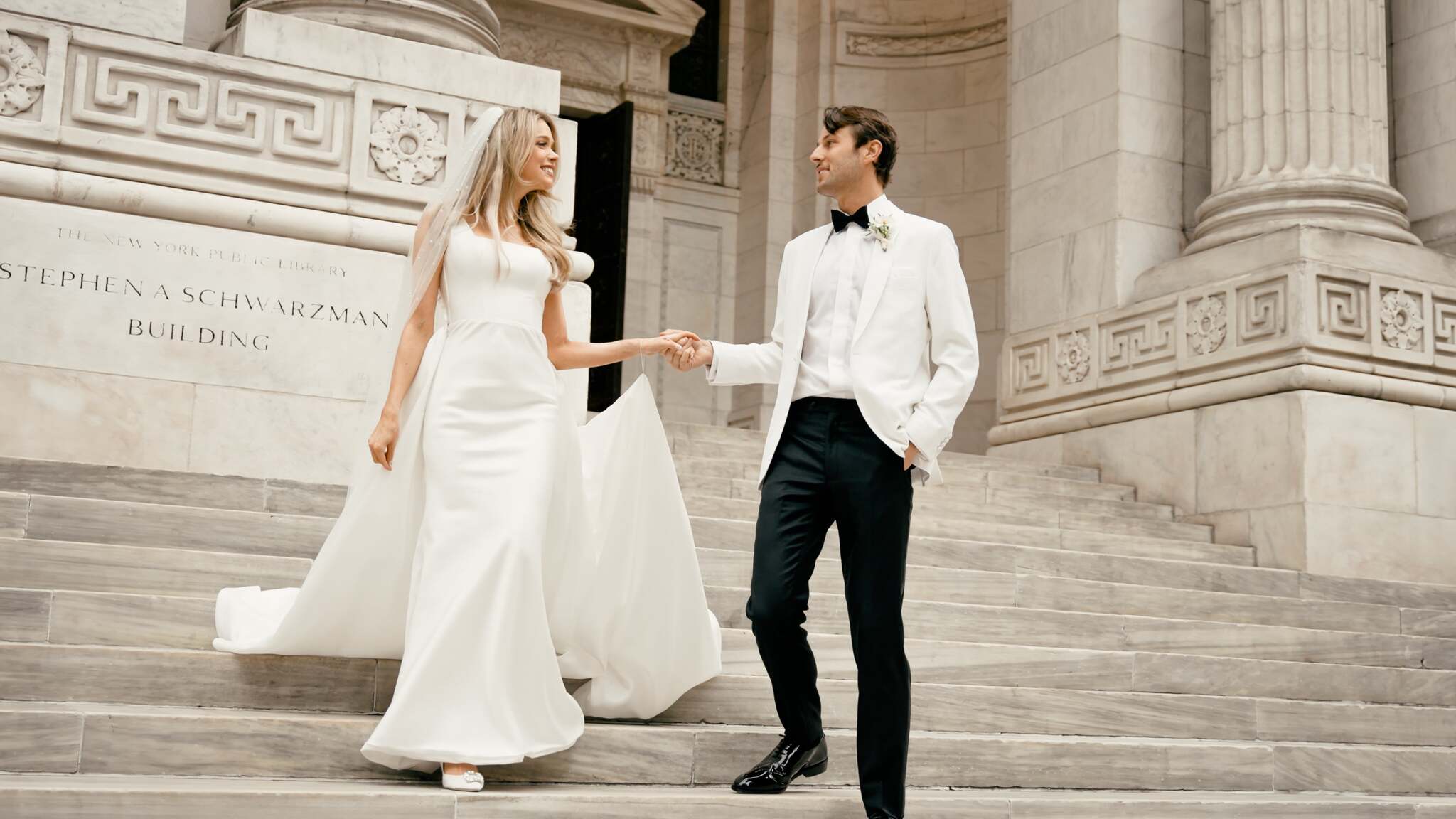
Trace the actual route proposed for the booking: from getting ready to the ceremony, then to the next gathering space and reception. Notice where people would meet at doors, stairs, vehicles, or a room change, and ask which venue contact confirms those handoffs. A route that feels simple on an empty tour may need a different answer once the planned setup is in place.
This is not a timing prescription. It is a way to identify the questions that need an answer for this day: where guests gather after the ceremony, whether portraits require leaving the celebration, when a room changes over, and where people are expected to go next.
If the day still needs a clearer sequence, the wedding-day timeline guide can help turn those routes into a practical conversation. Keep the venue questions specific: who confirms access to each space, when a room changes over, and where people are expected to go next.
Find a Private, Flexible Portrait Area
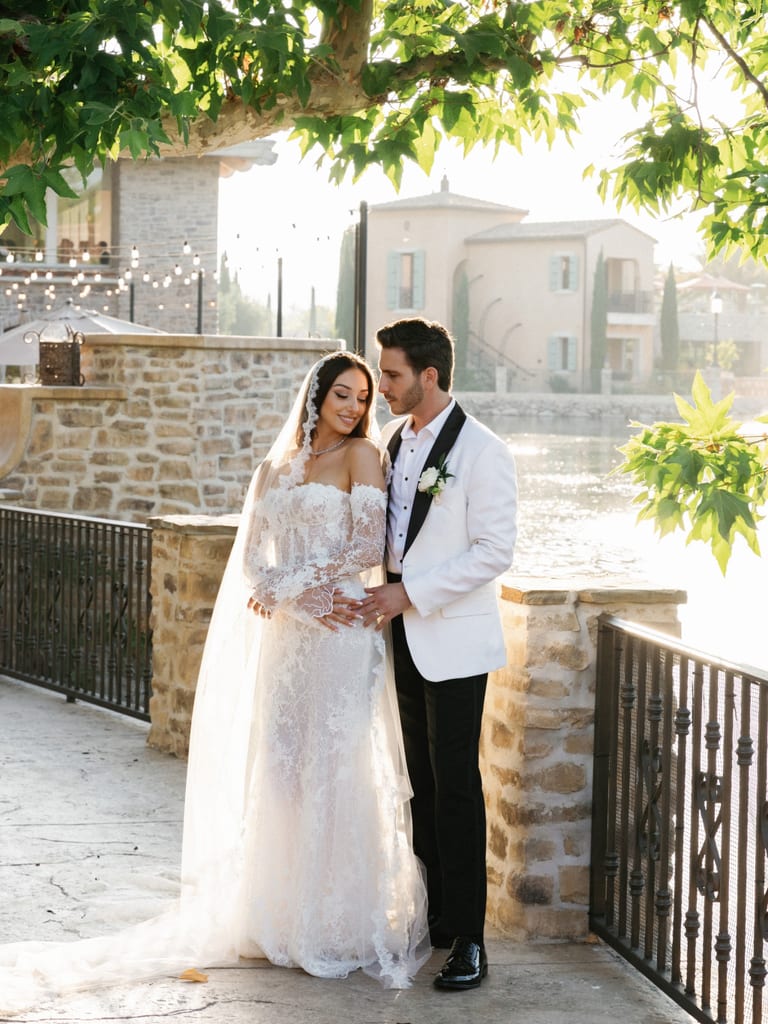
Ask the venue contact to identify one portrait area that can be proposed for the booking and one nearby alternative if the first space becomes unavailable. Check what might be present on the date—service activity, signage, public paths, or another event—and ask who gives the final confirmation. The useful answer is tied to this booking, not to a general description of the property.
The alternative does not need to be a grand feature. A covered passage, a windowed interior, a sheltered courtyard, or a quieter corner can be a question worth recording if it keeps the plan close to the rest of the day. The value lies in knowing whether the option is available and who can confirm it.
Ask How the Venue Handles Weather, Access, and Late Changes
Treat weather and late changes as named scenarios linked to the booking, not as general venue features. Bring a short set of questions to the walkthrough or follow-up conversation:
These questions are prompts for the venue, not assumptions about its policy. Keep answers tied to the specific date, booking, and source. If an answer is still pending, leave it marked as open until the venue provides a final confirmation.
A Walk-Through Checklist for Photo and Film
Use this short record during a visit. It is focused on venue evaluation, not on family-group lists, shot requests, or production instructions.
Light
Stand in the ceremony position and note where light, shade, doors, and guest seating sit at the planned time.
Route
Walk the route from preparations to ceremony, then from ceremony to the next gathering space; record questions about distance, access, or changeover.
Portraits
Find one portrait area and one nearby alternative, then note the contact who can confirm whether each can be used for the booking.
Weather
Ask where the weather backup would happen and what part of the plan could change with it.
Confirm
Identify the contact and document that should hold final answers about access, room use, and late adjustments.
For a broader preparation record after the venue questions are in place, the wedding photography checklist covers personal priorities without turning the day into a rigid shot list.
How to Bring Your Visual Team Into the Venue Decision
A photographer or filmmaker can review a venue plan by looking at the sequence of the day and the visual priorities a couple already has. That may include a ceremony time, the distance between spaces, the value of privacy during portraits, or the need for a real indoor alternative. This conversation can happen before or after a booking; couples can decide for themselves what kind of coverage or team fits their plans.
Bring the questions that remain unresolved, along with the name of the venue contact and any written information already received. That gives the conversation a useful boundary. The visual team can respond to the plans on paper, while venue-specific rules and permissions remain with the people authorized to confirm them.
Related Reading
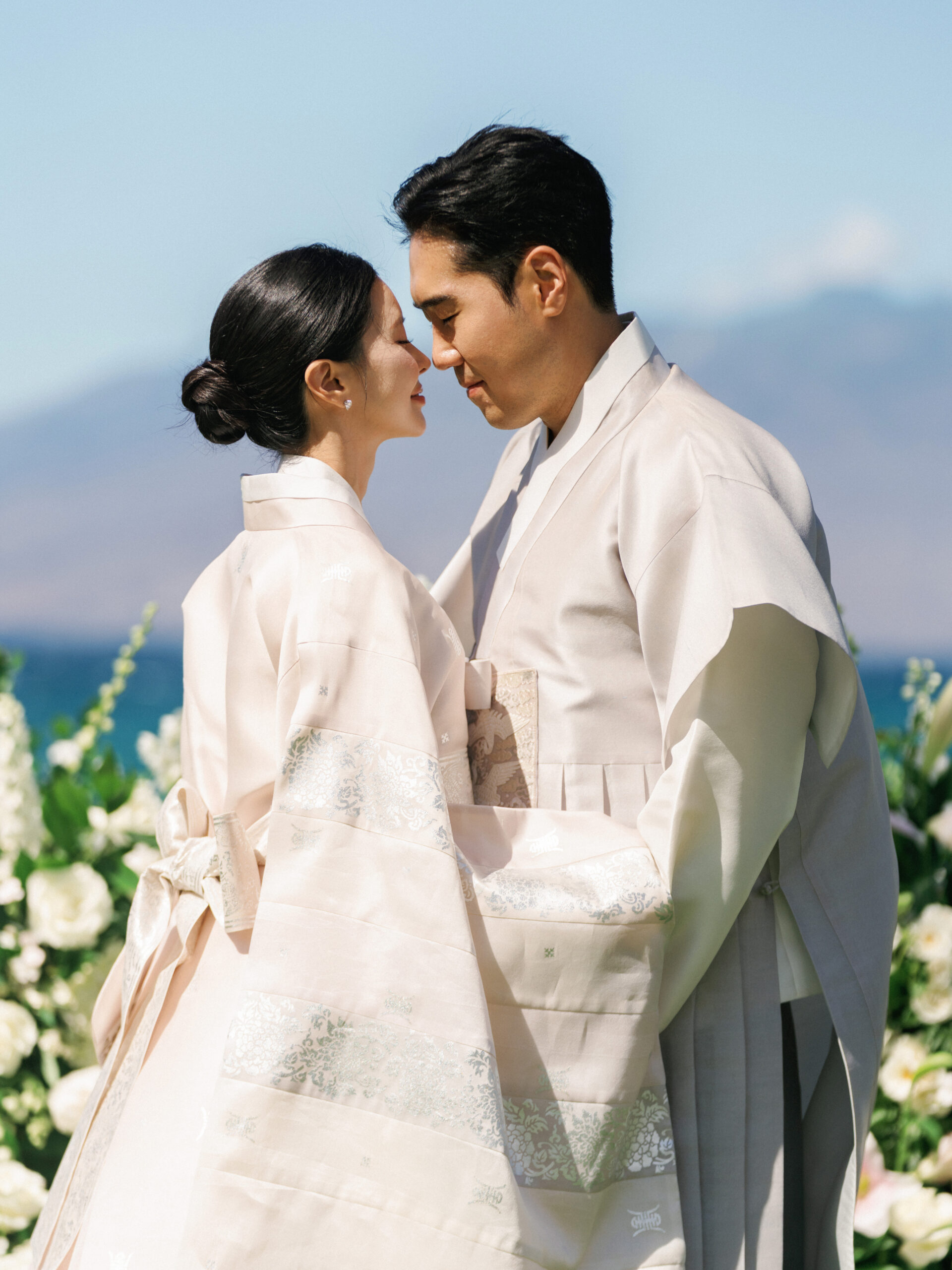
For examples of how visual considerations can be explored within a specific property, see the Greystone Mansion wedding photo and film guide and the Sunstone Villa wedding photo and video guide. These are contextual reading, not a statement about access, vendor relationships, or policies at either venue.
FAQ
What makes a wedding venue good for photography?
There is no universal test. During a walkthrough, assess the planned ceremony, portrait area, reception, routes, and weather alternative against the particular plan for the day, then ask the venue who can confirm the remaining details. For wedding venue photography, the useful question is whether those spaces can work together at the proposed times and under the actual booking.
Should we visit a wedding venue at the same time as our ceremony?
If possible, a visit at a similar time can make the light and shade easier to understand. When that is not practical, ask the venue contact how the space is used at that time and request a clear description of the proposed setup. Keep the answer with the source and date it was confirmed.
How much does a venue layout affect wedding photos and video?
Layout can affect how easily people move between preparations, ceremony, portraits, and reception. It may also shape where guests gather and how much time a transition needs. The effect depends on the schedule and the spaces included in a booking, so it is worth tracing the intended route during a visit.
What should we ask a venue about a weather backup plan?
Ask which space would be used, who makes or confirms the change, when that decision is communicated, and what access or room changes follow. A useful answer identifies the person or document that can confirm the plan for the specific date. General reassurance is not a substitute for that confirmation.
Discuss the venue with a clear visual plan
If you are weighing a venue, a draft timeline, or a few visual priorities, bring the confirmed details and open questions into the next conversation. A clear record makes it easier to discuss the space without assuming what the venue can provide.