Lake Tahoe wedding photography begins with the exact side, property, and route
“Lake Tahoe” covers a large destination area around the lake and across California and Nevada. A lakeside ceremony, mountain resort, private property, chapel, and public recreation site can all have different operators and requirements. Do not treat the lake as one venue or one set of rules. For a different market or a venue-focused guide, use the Dreamwood City Pages hub.
Start with the exact ceremony and reception property. Then identify which side of the lake, roads, guest lodging, and portrait areas are actually part of the plan. Before the contract is final, carry the location questions into the wedding venue checklist.
Keep mountain and lakeside movement visible in the timeline
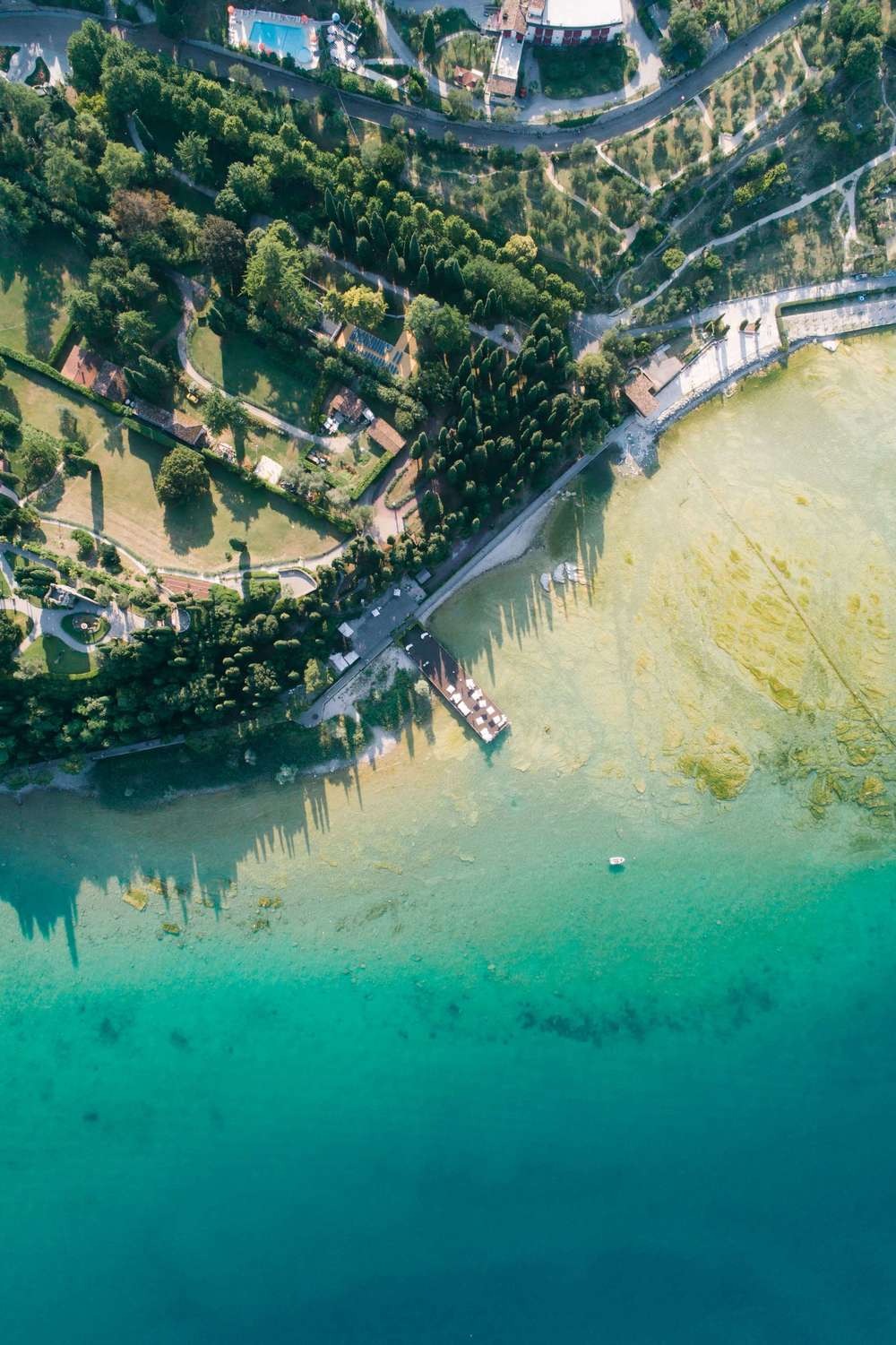
A short distance on a map can still include resort circulation, parking, guest transportation, elevation changes, or a long walk in formal clothing. Walk or verify the route from preparation to ceremony, from ceremony to family photographs, and from portraits back to the reception.
If the venue already offers a lake, forest, mountain, or architectural setting, use those options before adding another drive simply for variety. For venue evaluation before coverage planning, use Wedding Venue Photography.
Treat season and weather as contingency questions
Lake Tahoe is a year-round destination, but the wedding plan should not depend on a generic seasonal promise. Ask the venue what the booked spaces and backup arrangements are for the exact date.
For an outdoor ceremony, identify:
- the indoor or covered alternative;
- where family photographs move if the plan changes;
- whether guest transportation changes;
- how quickly the couple can return to the reception after portraits;
- who makes the final venue-side decision.
Protect guest comfort without inventing altitude rules
The destination sits at significant elevation, and weather and comfort can vary. The page should not give medical advice or promise specific conditions. The useful wedding question is operational: how much walking, outdoor exposure, waiting, and transportation does the actual plan require for this guest list?
Let the venue and the couple decide what is appropriate for their guests. Photography should adapt to that plan rather than asking the group to travel for photographs.
Coordinate photo, film, and ceremony sound
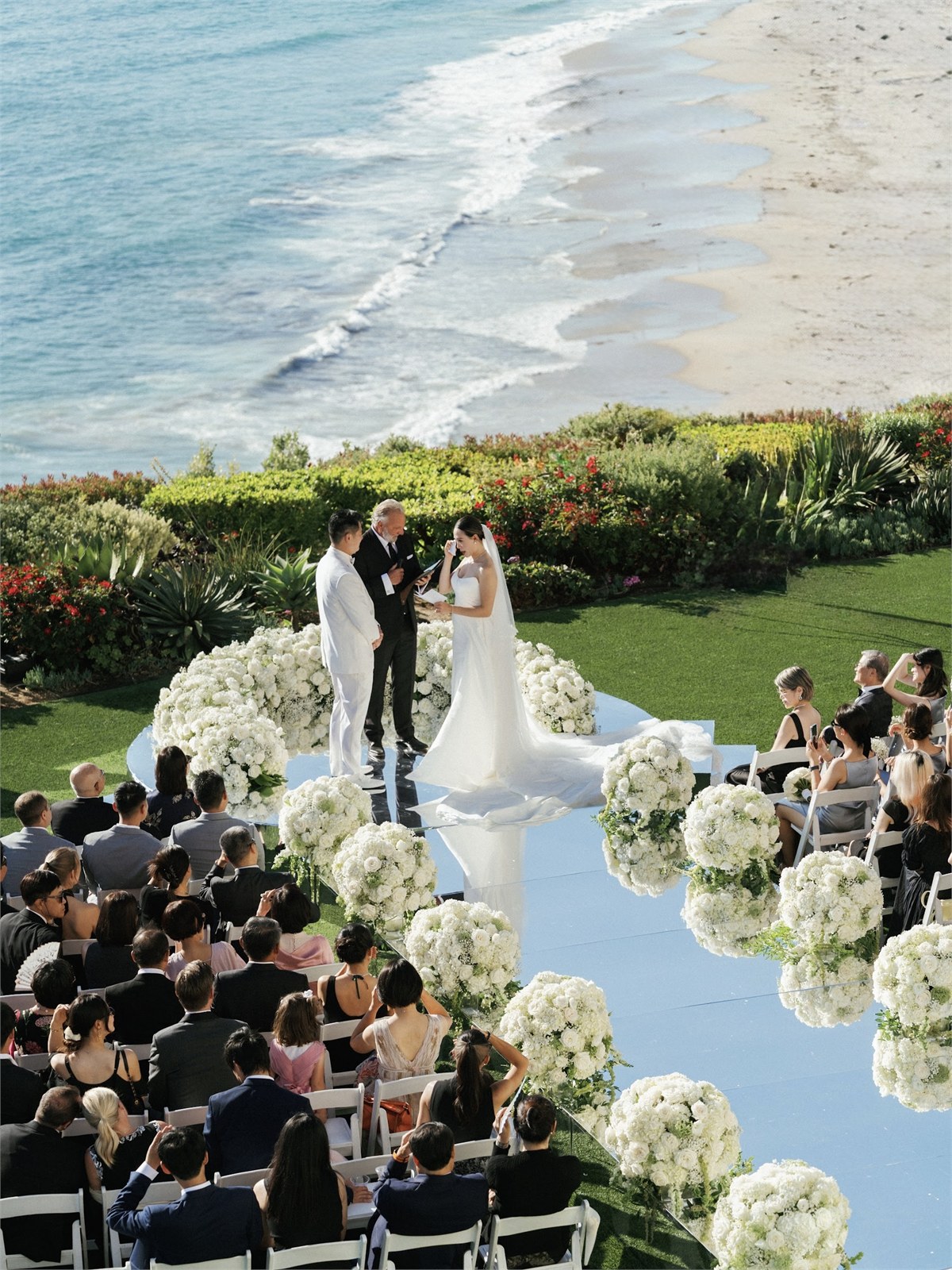
Wind, distance, and open ceremony layouts can matter to film. Confirm sound and microphone responsibilities with the venue and relevant vendors. Photography and film should share one ceremony and portrait plan so the couple is not repeatedly moved through the same setup.
At the reception, give both teams the speaking order, entrances, dances, and any room changes that affect positions or audio.
What to review before choosing a Lake Tahoe wedding photographer
Review complete work across preparation, outdoor or indoor ceremonies, family photographs, couple portraits, and receptions after dark. Ask how the team plans unfamiliar resort or public-space access, how travel is accounted for, and how an exterior portrait plan changes when the venue changes the day.
Short answer
A Lake Tahoe wedding photography plan should start with the exact property and jurisdiction, then account for real movement between preparation, ceremony, portraits, and reception. Keep scenic transfers limited, confirm public/venue access directly, and build an indoor or covered alternative into the plan before the day.
Planning a Lake Tahoe wedding?
Share the venue or property, date, ceremony/reception plan, and any optional portrait locations. We can use that outline to discuss a photo and film plan that stays close to the celebration.
You can also explore our Gallery, review pricing, or contact us when you are ready to continue.
Frequently asked questions
Is Lake Tahoe one set of wedding rules?
No. The lake spans multiple jurisdictions and many property types. Venue, public-land, and event rules depend on the exact location and operator.
Should we drive to several lake or mountain portrait locations?
Only when the route genuinely fits the wedding. A shorter portrait plan on or near the booked property often preserves more guest time and reduces dependence on traffic or changing conditions.
What should we ask about a weather alternative?
Ask which space is actually available, who decides the change, where family and couple portraits move, and whether guest transport or reception timing changes with it.
What should the film team confirm?
Ceremony audio, microphone responsibility, equipment positioning, speeches, and any outdoor or room transitions that affect sound and movement.